

Wed 14 Aug 2024
Protecting Civic Space in Sub-Saharan Africa while countering the financing of terrorism
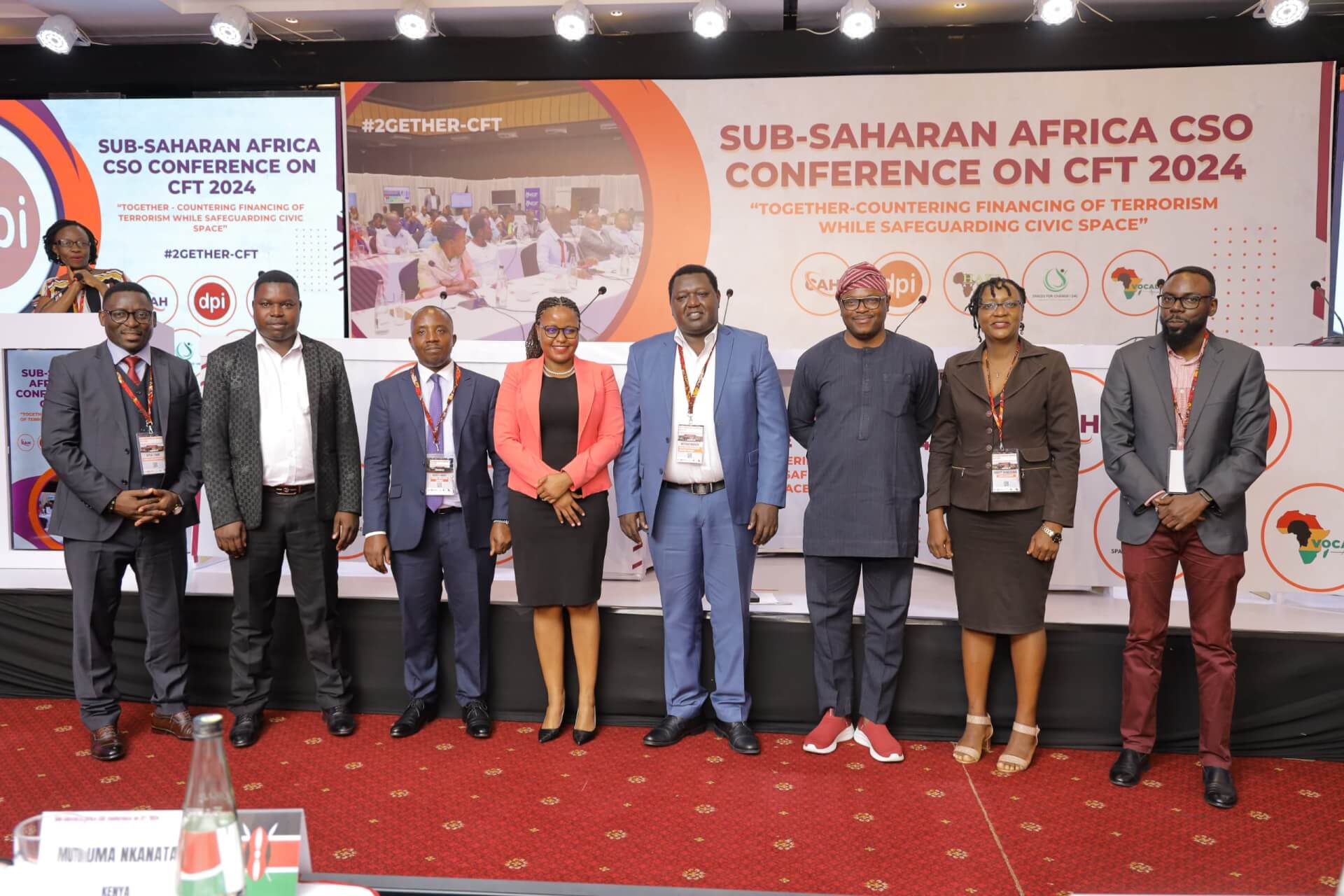
A collective of African civil society organizations, have united to promote the effective implementation of countering the financing of terrorism measures while protecting civic space in sub-Saharan Africa. They have collaboratively drafted the African Civil Society Kampala Declaration, aimed at guiding African governments, intergovernmental and regional bodies, security agencies, and development organizations in balancing these critical objectives.
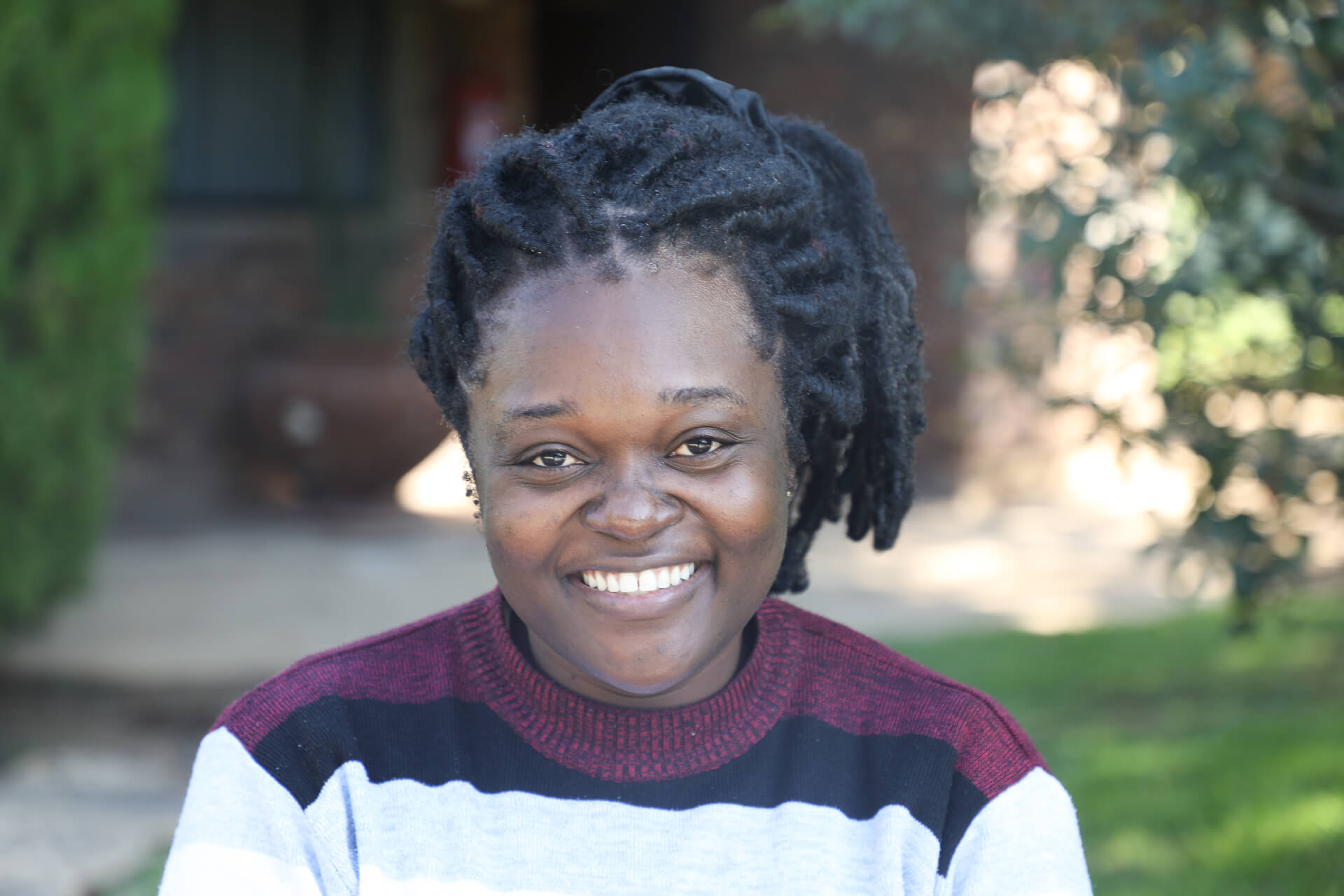
“In sub-Saharan Africa, where counterterrorism financing measures are increasingly misapplied to shrink civic space, it is crucial for CSOs to remain vigilant and proactive. To safeguard the operating space, CSOs must engage in robust advocacy for the reform of anti-terrorism laws that are vague or overly broad, pushing for legal clarity and protections that prevent misuse. By building alliances with regional bodies and leveraging international human rights frameworks, CSOs can defend their rights to operate freely and continue their essential work in promoting democracy, human rights, and social justice," says Ernest Nyimai, Executive Director of the National Association of NGOs in Zimbabwe, NANGO, in an interview with Forus.
Statistics published in August 2023 show that 16 sub-Saharan African countries are experiencing serious socio-political challenges which have already forcibly displaced over 40 million people internally and externally. Terrorism poses a threat to human rights and stability across Africa, with severe impacts on lives and inclusive governance. As the continent faces various forms of terrorism, unconstitutional government changes, and the influence of armed groups, measures to counter these threats have in various occasions undermined human rights and stifled civil society, according to the Kampala Declaration.
African governments are increasingly extending stringent anti-terrorism financing regulations to nonprofit organizations, with negative impacts on their humanitarian work. Civil society groups, which play a crucial role in countering violent extremism, urge governments and international bodies to collaborate in safeguarding civic space while addressing terrorism's financial underpinnings.
“All over the world, we have seen how civic space is threatened and the use of terrorism financing laws in threatening and harassing human rights defenders and civil society at large, but we have also seen legitimate reasons for the countering of terrorism financing from the wicked acts of terrorists who profit from such wickedness. While there is the need to remain alert and address violence in all its forms, the respect for human rights must be prioritized. Laws, polices, practices, directives, and institutions must be implemented in ways that promote and protect civic space,” says Oyebisi Oluseyi, Executive Director of the Nigeria Network of NGOs, NNGO, in conversation with Forus.
African civil society organizations are urging governments to enhance collaboration with them in counterterrorism efforts, and to align initiatives with international human rights and humanitarian laws. Legal reforms must be put in place to prevent the “worrying trend” of over-regulation of nonprofits. Counterterrorism operations must respect civic and press freedoms, including civil society in decision-making and implementation processes. On the digital side, civil society stressed the need for tighter controls on digital surveillance technologies.
"Amid the rising trend of securitization in sub-Saharan Africa, CSOs must adopt a multi-faceted approach to defend their space against repressive counterterrorism finance measures. This includes strengthening networks within the civil society sector, enhancing transparency in their operations to counter false narratives, and advocating for the inclusion of CSOs in the design and implementation of counterterrorism strategies. By doing so, CSOs can not only protect their operational space but also contribute meaningfully to the broader fight against terrorism, ensuring that security measures do not come at the expense of fundamental freedoms, " says Ernest Nyimai.
Oyebisi Oluseyi concludes with a ray of light: “I am sure discussions, insights, and foresight from participants drawn from countering of terrorism financing regulators and civil society would further shape how collectively we can address challenges associated with the fight against terrorism while defending civic space.”
African civil society organizations involved in the development of the Kampala declaration comprise various Forus members as well as Spaces for Change | S4C West Africa, Defenders Protection Initiative, Civic Advisory Hub, Haki Africa and Vocal Africa.