
Thu 3 Oct 2024
Summit of the Future 2024: Key Outcomes, Missed Opportunities, and the Path Forward
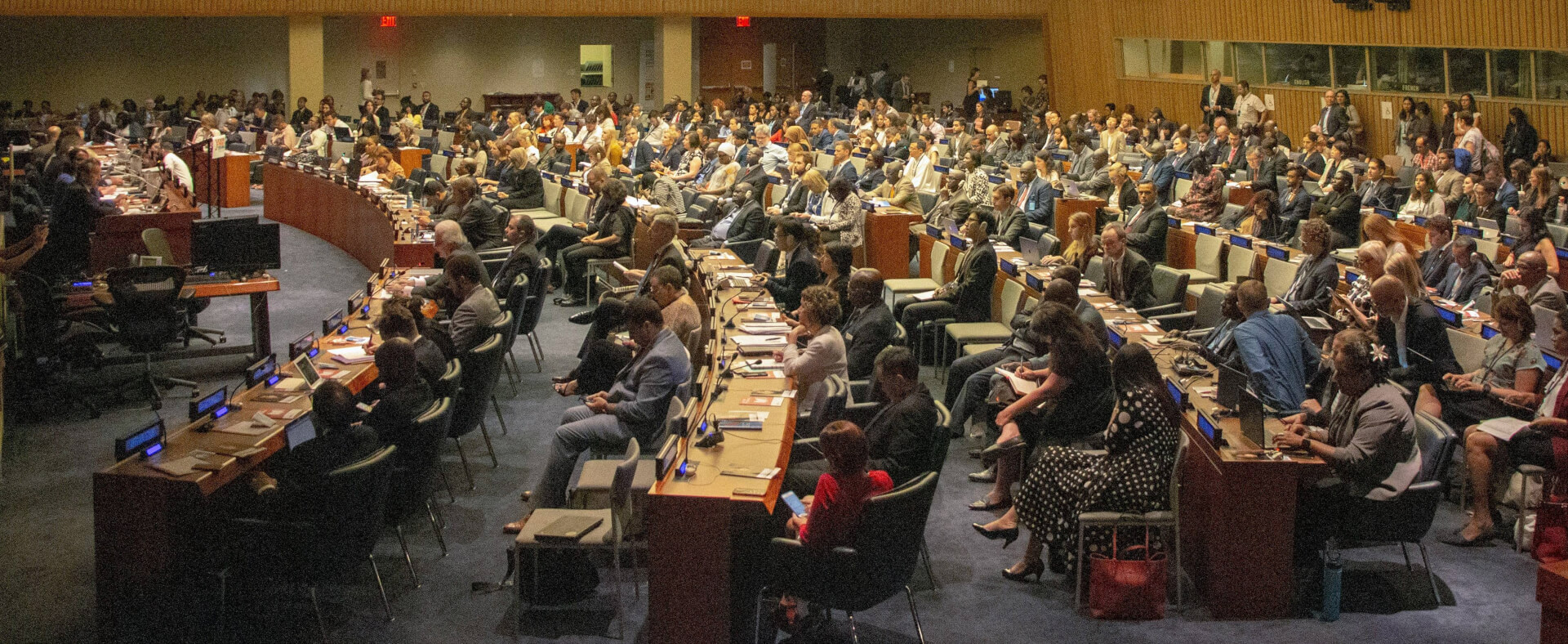
On September 22, 2024, the United Nations adopted the Pact for the Future at the Summit of the Future, a pivotal agreement intended to reaffirm global cooperation at a time when the world is grappling with escalating crises, conflicts rising temperatures, record numbers of displaced people, and a deepening digital divide. Global cooperation has never been more urgent. Although the Pact has been signed, a critical question remains: Is this new Pact for the Future bold enough to address these unprecedented challenges?
The Key Wins
Reaffirmation of Multilateralism and International Cooperation. One of the most significant outcomes of the Summit was the global recommitment to multilateralism. The Pact for the Future re-emphasizes the importance of international cooperation and the central role of the United Nations in addressing global challenges. It references key international agreements, such as the Paris Agreement, the 2030 Agenda for Sustainable Development, the Addis Ababa Action Agenda, and the Beijing Declaration, signaling that despite growing geopolitical tensions, the global community remains committed to collective action.
Commitment to Security Council Reform. For the first time in years, the Pact acknowledges the need for reform of the UN Security Council, highlighting the importance of making it more representative and accountable. The focus on correcting historical injustices against Africa, with a proposal for permanent African seats, marks a shift in discussions. While no specific reforms or timelines were agreed upon, the inclusion of this language opens the door for more serious discussions in the future.
Global Financial Architecture Reform. The Pact recognizes the need to reform the global financial system, with commitments to close the SDG financing gap, promote sustainable borrowing, and support climate change financing. It also calls for moving beyond GDP as the primary measure of progress, signaling a shift toward more inclusive and sustainable development metrics.
Digital Governance and the Global Digital Compact. The Global Digital Compact commits to bridging digital divides and ensuring that digital infrastructure is accessible and inclusive. It emphasizes the need for safeguarding digital rights, including privacy protections, and ensuring that the benefits of digitalization are shared equitably.
What’s Missing? - Critical Gaps in the Pact for the Future
While the Pact contains important commitments, there are several key areas where it falls short.
- Weak Implementation Mechanisms. One of the most glaring weaknesses of the Pact is the lack of concrete implementation mechanisms. While it reaffirms global commitments to multilateralism, human rights, and development, the absence of specific actions or accountability frameworks threatens to undermine its impact. Without clear, actionable pathways, these commitments risk remaining symbolic, especially on critical issues like climate change, financial reform, and global governance.
- Limited Language on Civic Space. The Pact is notably weak on the protection of civic space and the meaningful participation of civil society in global governance, despite the fact that civic engagement at both global and national levels remains severely restricted, with only two per cent of the world's population enjoying the freedom to associate, demonstrate and express dissent without significant constraints. While civil society is recognized as important in the Global Digital Compact and in certain peacebuilding efforts, the overall language is far too limited. The absence of strong protections for civic space reflects the growing influence of repressive governments, many of whom have sought to limit the role of civil society in global decision-making processes.
- Lack of Ambition on Climate Action. The climate commitments in the Pact reaffirm existing agreements, particularly the Paris Agreement, but fail to introduce new, more ambitious targets. With the world already struggling to meet current climate goals, the absence of stronger language and actionable steps on climate finance, adaptation, and loss and damage is a missed opportunity, especially for the most vulnerable countries.
- No Reference to LGBTIQ+ Rights. Another significant omission is the complete lack of reference to sexual minorities. The Pact does not address the rights of LGBTIQ+ communities, which is a disappointing and regressive exclusion, especially given the ongoing struggles for equality faced by these groups around the world.
- Digital Security Gaps. While the Global Digital Compact takes important steps toward inclusivity and digital rights, it fails to address crucial issues related to digital peace and security. The removal of references to protecting civilian infrastructure from digital attacks and the exclusion of military domains from the compact weakens the framework for ensuring a secure and peaceful digital future.
The Way Forward: From Words to Action
The Pact for the Future represents a starting point, not an endpoint. For all its gaps, it lays the groundwork for future negotiations on critical issues like Security Council reform, financial architecture overhaul, and climate action. However, the real test lies ahead—translating these commitments into concrete actions at the national level.
To turn this global agreement into tangible progress, several key actions are needed:
- Concrete National Implementation: Governments must translate the commitments made in the Pact into national action plans with clear timelines and accountability mechanisms. The true impact of the Pact will depend on whether countries are willing to implement its provisions at home and ensure that these global commitments lead to meaningful change at national and local levels.
- Enhanced Civic Space Protections: The protection of civic space must be prioritized, both within the UN system where there is the need to #UNMute civil society, and at the national level. Specifically, civil society is essential for ensuring transparency, accountability, and inclusivity in global governance. Future discussions must develop stronger language and protections to ensure civil society can participate fully in decision-making processes and that civic freedoms and rights are respected
- Push for Stronger Climate Action: The world cannot afford to wait for more ambitious climate targets. The next steps must include increasing climate finance, especially for adaptation and loss and damage, and ensuring that current climate goals are met with urgency. Additionally, there must be clear commitments to phasing out fossil fuels and transitioning to renewable energy. The upcoming climate negotiations, particularly COP30, will be crucial in building on the Pact and driving meaningful progress.
- Financial Reform and Representation for the Global Majority: The global financial architecture must be reformed to give the Global Majority a stronger voice in decision-making processes. Institutions like the IMF and World Bank need to be restructured to ensure equitable representation and fair allocation of financial resources. The Global Majority countries must have a seat at the table in discussions on global economic governance.
- Digital Peace and Security: As digital technologies continue to shape the future, the gaps in the Global Digital Compact around security and protection of civilian infrastructure need urgent attention. The international community must work toward a more comprehensive framework that addresses digital threats and ensures a peaceful and secure digital environment for all.
Conclusion: The Road Ahead
The Pact for the Future is a reflection of the current state of global governance—full of ambition but constrained by geopolitical realities. Its adoption was a victory for multilateralism, but it is a cautious one. Much work remains to ensure that the commitments made are translated into actions that benefit all, especially the marginalized and vulnerable.
Civil society organizations will play a critical role in this process. While the Pact may lack clear mechanisms for implementation, it is now up to civil society to hold governments accountable for the promises made. National advocacy will be essential to push for the integration of these global commitments into domestic policies and development strategies.
At the same time, it will be important to continue to monitor global governance reform discussions, particularly around the reform of the UN Security Council and the global financial system. The Global Majority’s voice is growing louder, and civil society organizations can help amplify this momentum, ensuring that these reforms lead to a more equitable, inclusive global system.
This analysis has been developed with inputs from Forus members, national platforms of NGOs and regional coalitions from 5 different continents representing over 24,000 NGOs worldwide, who attended and participated to the Summit of the Future.