Forus

©Scott Umstattd

Influence

Forus

Agenda 2030

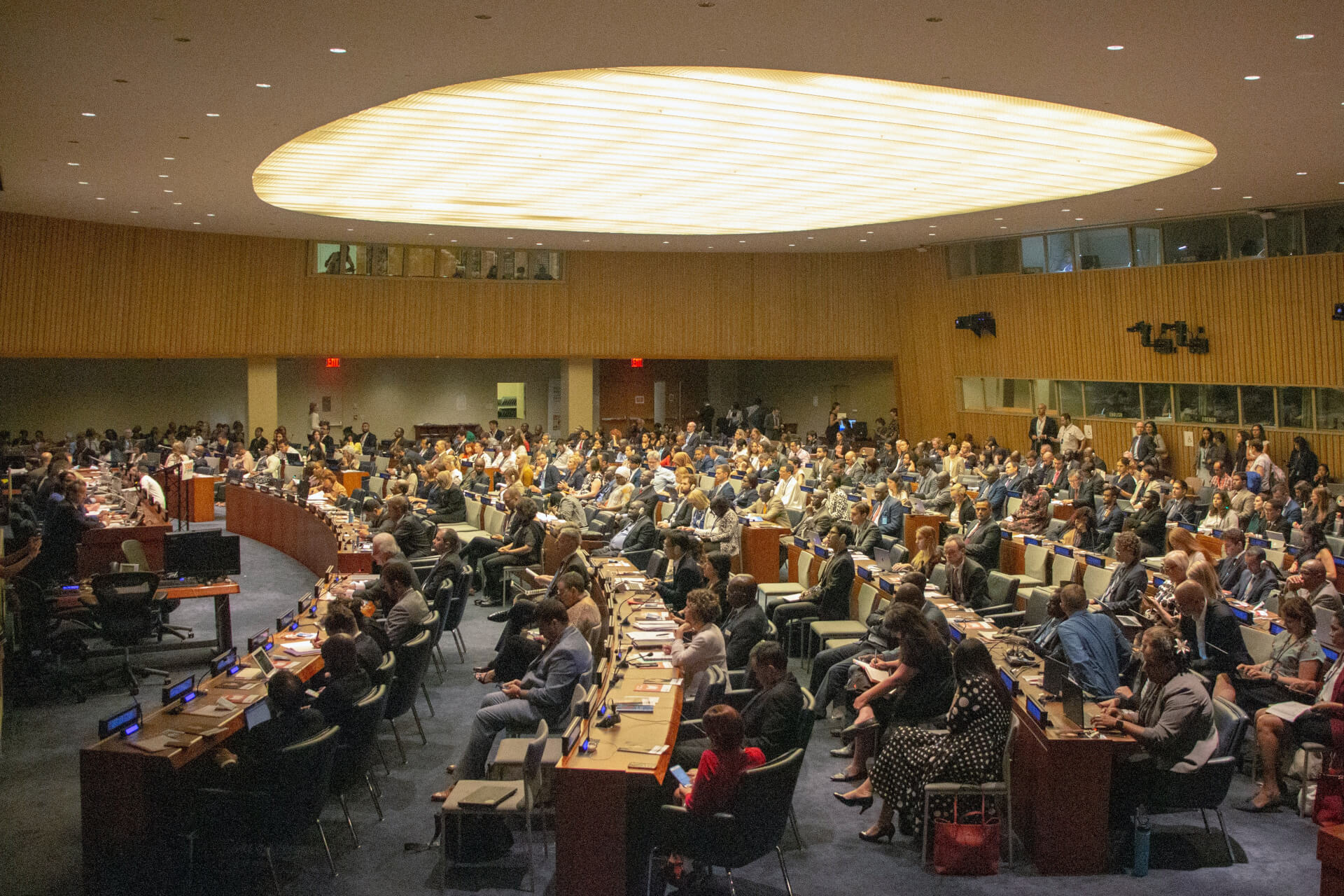
Since 2012, Forus and its members strategically contributed with their expertise and evidence and engaged with decisionmakers at different levels throughout all stages of the policy process.

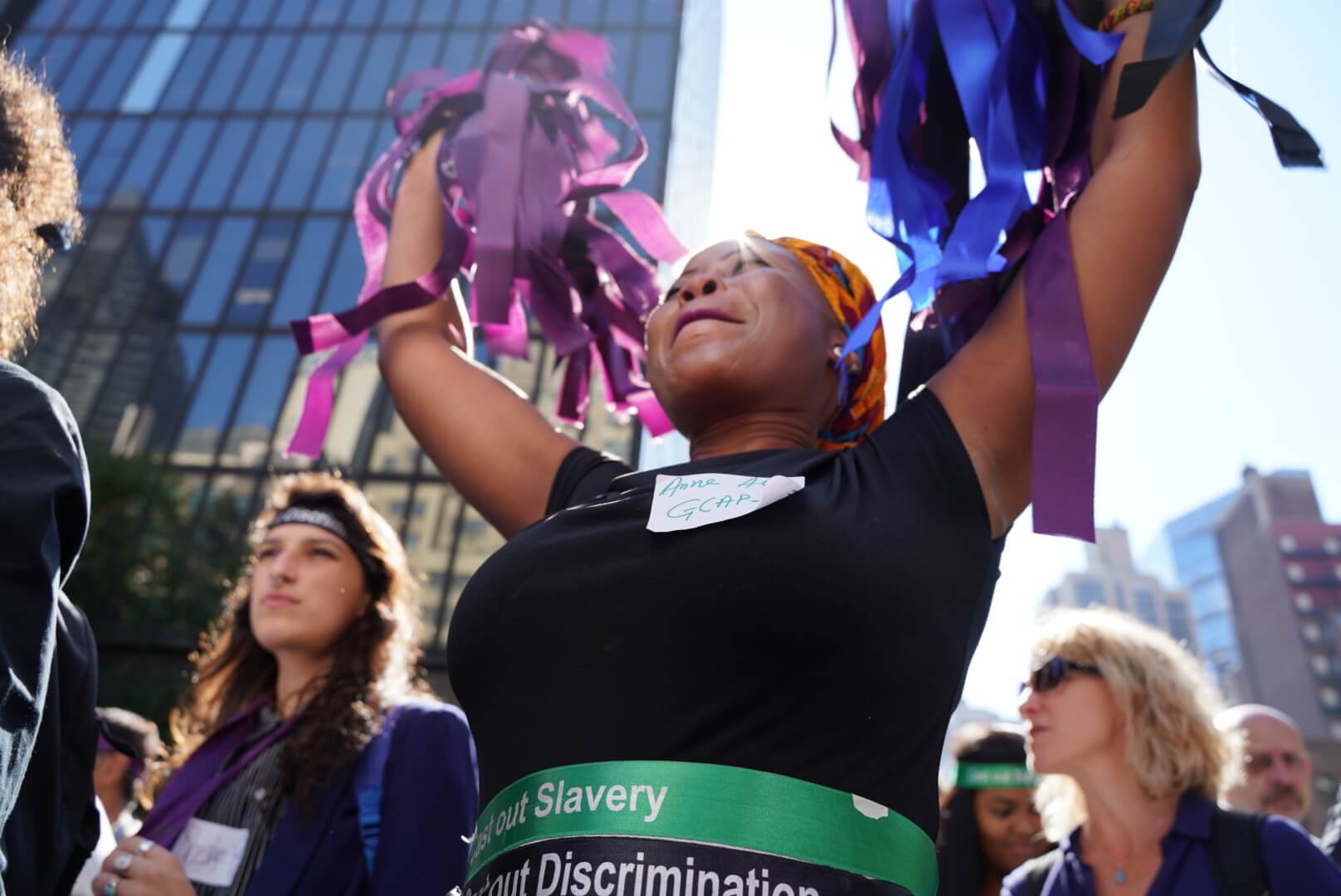
Through global initiatives like Beyond 2015 and action/2015, Forus and its members advocated for ambitious Sustainable Development Goals (SDGs) that would serve as a shared blueprint for a fair and sustainable future for people and planet. They played a key role in highlighting the voice, concerns, needs and priorities of civil society organizations in the development of the Agenda 2030. 


Forus was then one of the founding partners of the Action for Sustainable Development (A4SD) initiative, together with the Climate Action Network (CAN), CIVICUS, Global Campaign Against Poverty (GCAP) and many other CSOs.
Forus

©Both Nomads

Do you know all 17 SDGs? | Forus
Do you know all 17 SDGs?

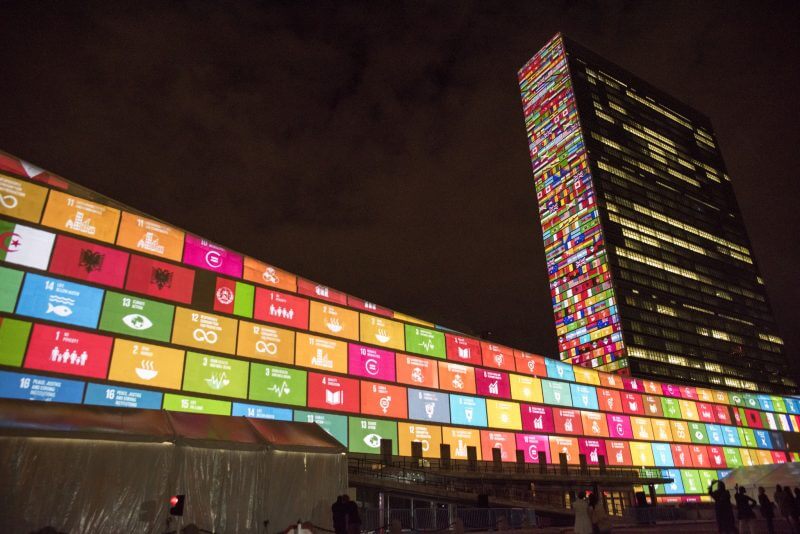
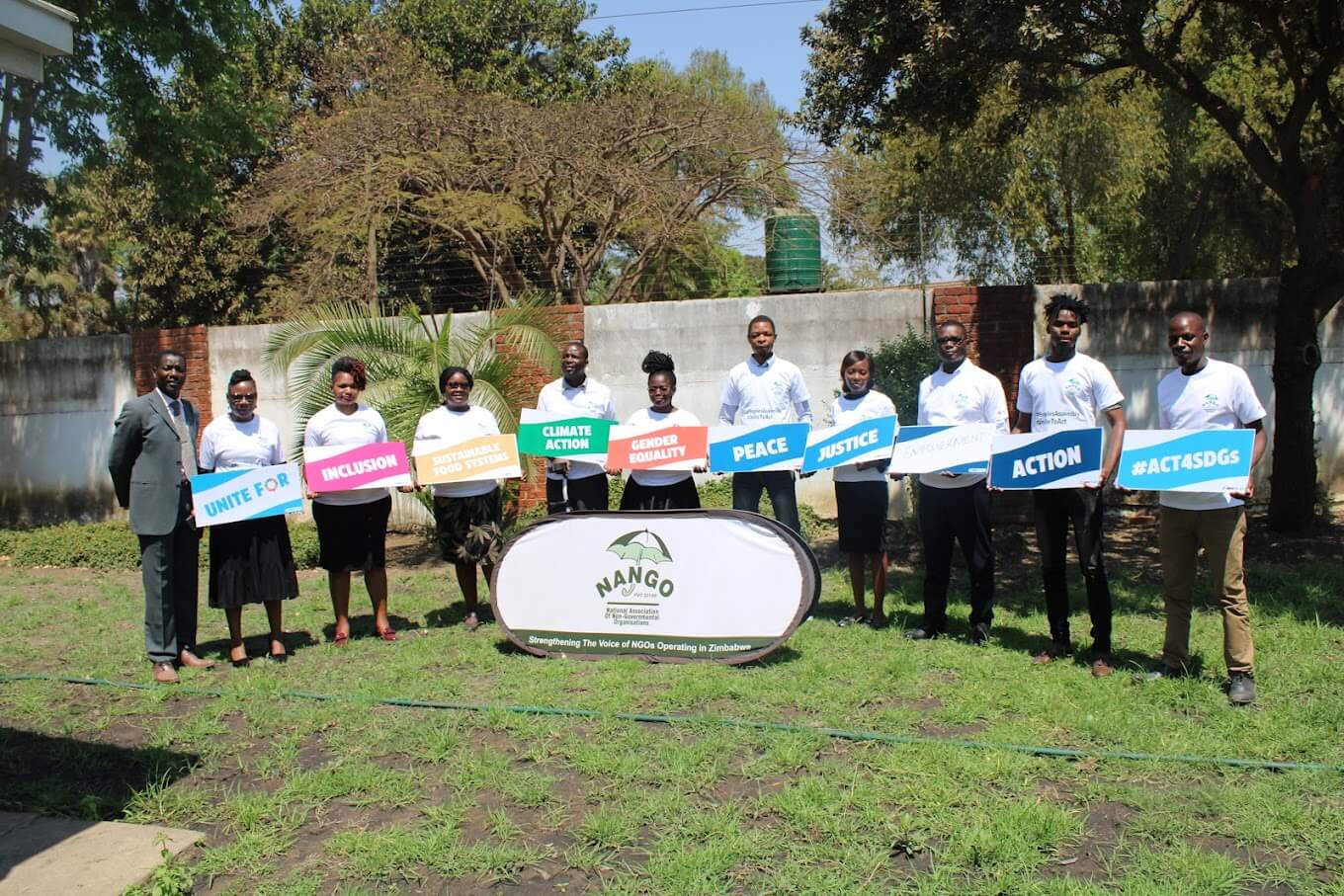
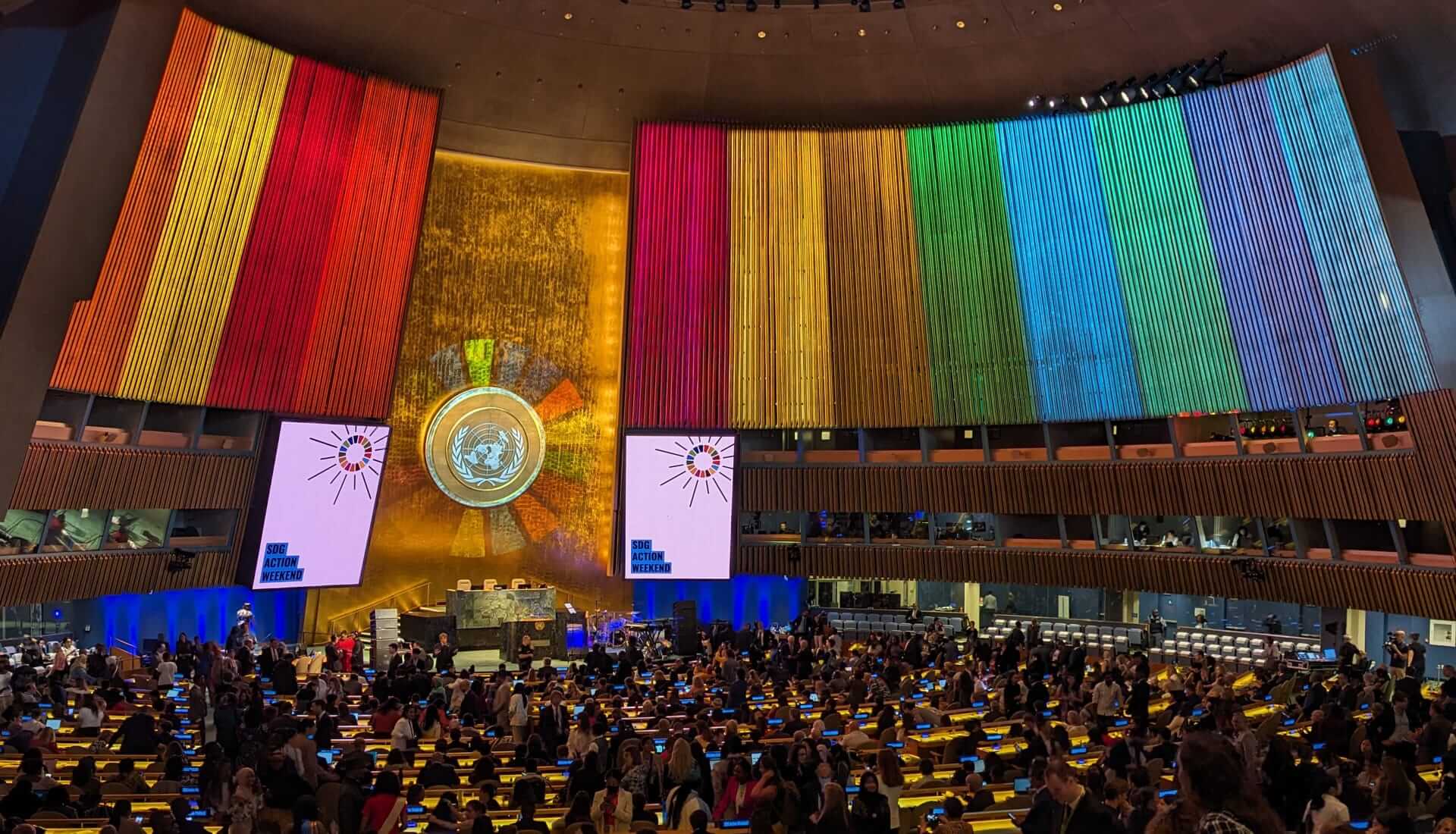
The Sustainable Development Goals, also known as Agenda 2030, are a collection of 17 global goals that were adopted by the UN General Assembly in 2015. They are a universal call and highlight the interconnectedness and coherence of policy objectives and provide a roadmap for creating a more just, equitable, and sustainable world for all.

Resources and Stories from the Forus network
Forus
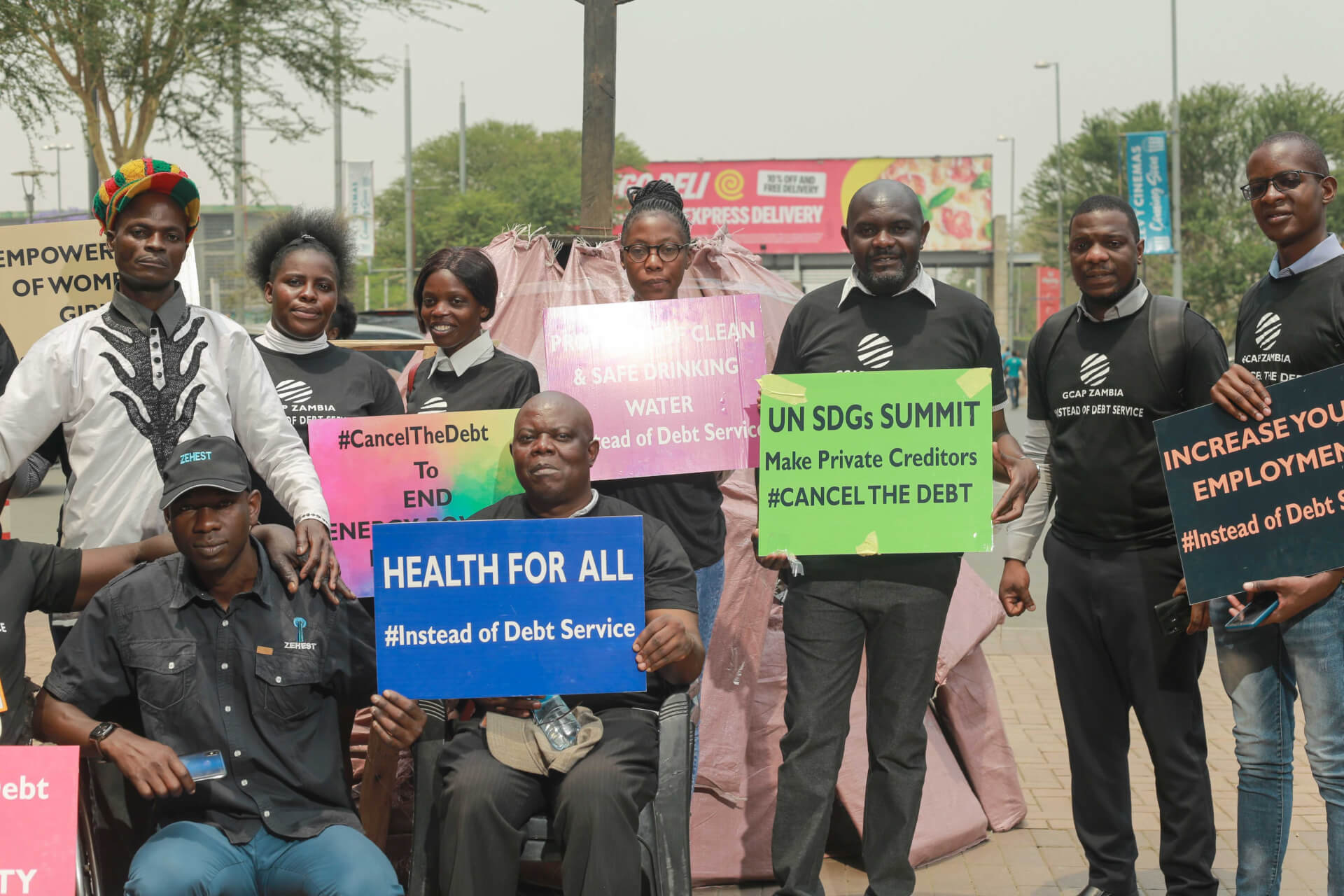
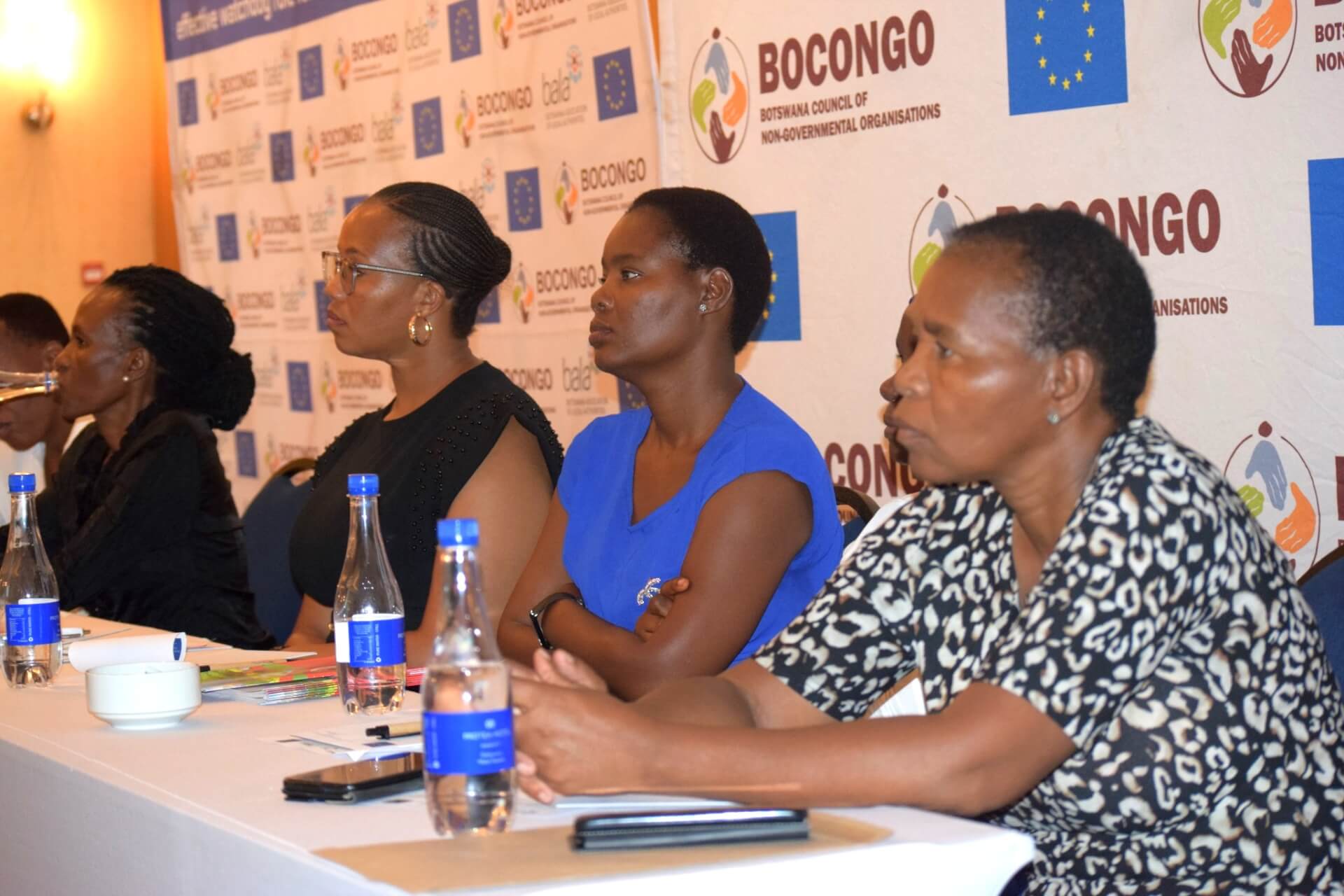
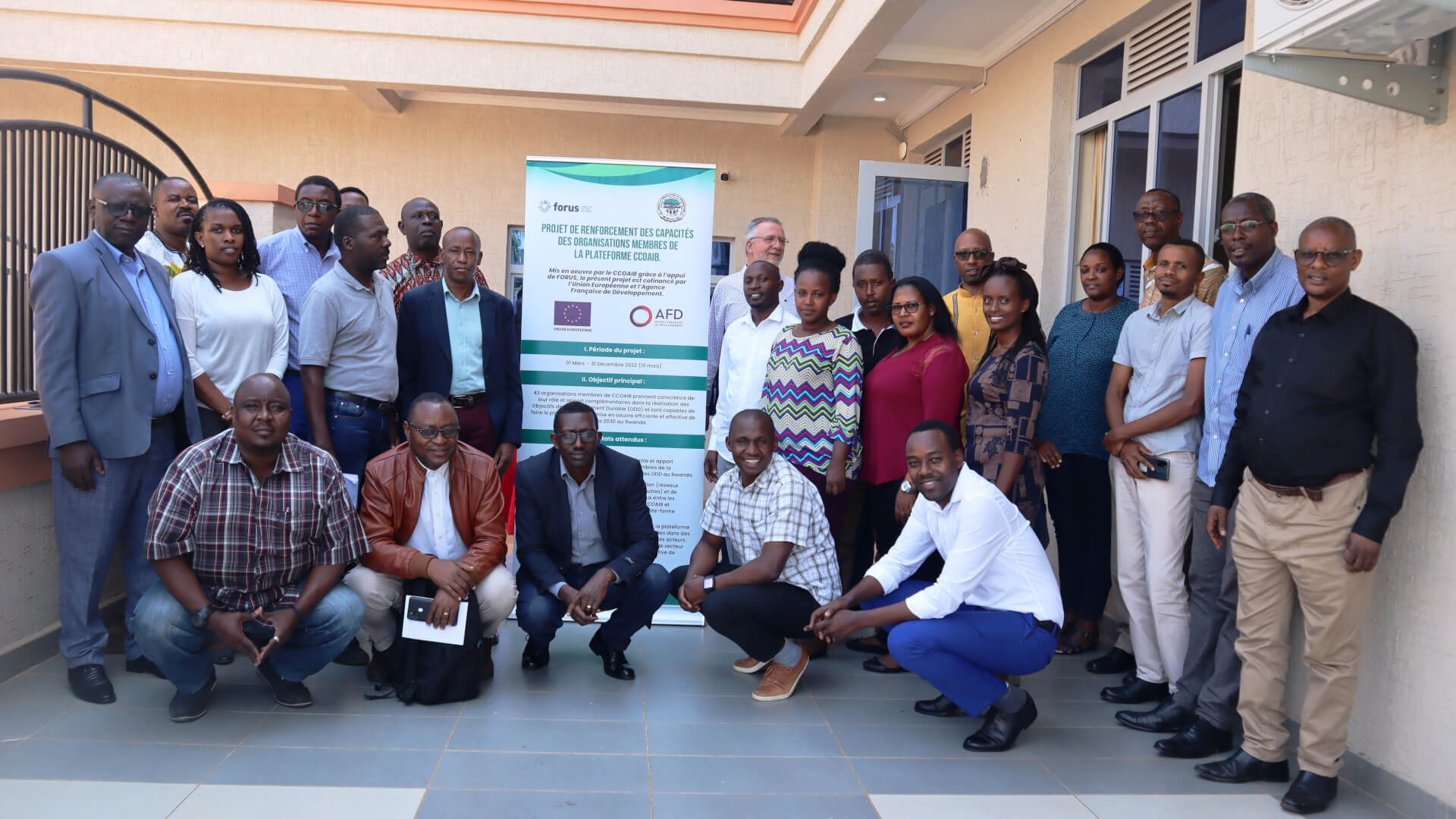
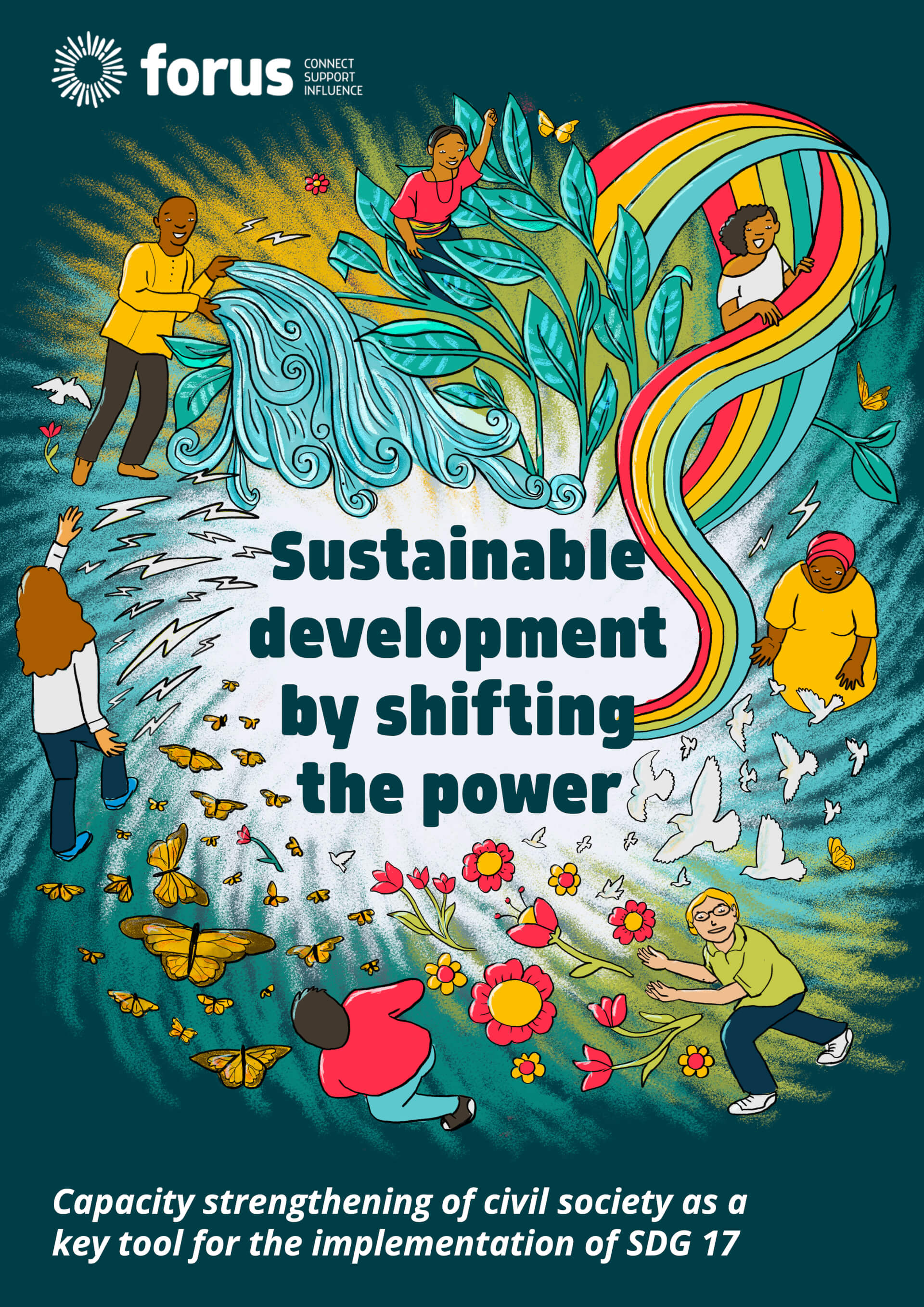
The Second World Summit for Social Development - WSSD2 UN80: Three Tests to Make Reform About People, Not Spreadsheets Press Release - New Forus report looks at inclusive governance for peaceful societies Summit of the Future: On the Need for Civil Society to Make Its Voice Count at the UN Summit of the Future 2024: Key Outcomes, Missed Opportunities, and the Path Forward Shifting the Power, Agenda 2030, Civil Society Manifesto for Ethical AI and more - Forus highlights November 2023 UNmute Civil Society: Amplifying civil society voices for a stronger UN future Halfway to 2030: Our 5 Asks at the SDG Summit Declaration of the Global People’s Assembly 2023 What’s planned? The Forus network at the SDG Summit and more ODS: “Estamos a mitad de camino, hay que acelerar” New Forus Report: “Sustainable Development by Shifting the Power” The COVID-19 Recovery Agenda - CODE-NGO From a Pacific Development Lens – Shifting the Paradigm of Accountability, Translating Global Standards to Local Realities Nepal: How do we Facilitate Voluntary Local Reviews Botswana: how do NGOs contribute to the achievement of sustainable development goals? Botswana: Post COVID-19 Recovery Strategy and Sustainability Plans for NGOs Guatemala: one country, two worlds SDGs in Rwanda: here's how civil society is stepping in Shadow Report: The Guatemalan state is not fulfilling its political responsibility to comply with the Agenda 2030 Thirty years after Copenhagen, governments will gather in Doha to renew commitments to social development and accelerate progress towards the 2030 Agenda. Forus members from across the globe are preparing to bring their voices, priorities, and experiences into this conversation. This page will highlight their initiatives, reflections, and campaigns as we build momentum together. This September the UN turns 80, but the lessons of peace, justice, and cooperation are still unfinished. The world today faces the flames of inequality, conflict, ecological collapse and growing digital threats. In short, the very problems the UN was created to solve are once again staring us in the face. Forus releases its new report "Rebuilding Trust for Inclusive Governance: Unlocking SDG 16 for Peaceful Societies." With over 40 examples from across the globe, the report investigates the current state of SDG 16 and provides recommendations for its implementation. In a context of shrinking civic space that threatens civil society participation in an increasing number of countries and all the way to some UN processes, world leaders will gather to discuss the “multilateralism we want” at the Summit of the Future at the United Nations headquarters in New York. On September 22, 2024, the United Nations adopted the Pact for the Future at the Summit of the Future, a pivotal agreement intended to reaffirm global cooperation at a time when the world is grappling with escalating crises, conflicts rising temperatures, record numbers of displaced people, and a deepening digital divide. Global cooperation has never been more urgent. Although the Pact has been signed, a critical question remains: Is this new Pact for the Future bold enough to address these unprecedented challenges? For the fourth year running, as part of the UNmute initiative, a civil society coalition has voiced its concerns about these persistent problems. A joint letter, signed by Access Now, Action for Sustainable Development, Amnesty International, CIVICUS, Civil Society in Development (CISU), Democracy without Borders, Forus, Global Focus, Greenpeace International, Human Rights Watch, Oxfam International, TAP Network and UNA-UK, highlights the glaring disparities in access and space between NGOs and UN staff or government delegates. It highlights the need to move from symbolic recognition to active and equitable participation. As we approach the halfway mark of the 2030 Agenda, we urge world leaders at the UN General Assembly to address the precarious state of SDG implementation. Here’s our 5 asks. This year, the Global People's Assembly has brought together over 2000 dedicated activists and has drawn a Declaration that can be shared with policymakers, UN and leaders at national, regional and global level. This annual gathering serves as a critical platform for addressing pressing global issues and marking the commencement of the UN General Assembly session. With the SDGs' deadline of 2030 halfway upon us, the 2030 Agenda is facing uncertainty as progress slows. With over 80% of Forus members considering the implementation of the SDGs and the 2030 Agenda a global civil society priority, the network is activily engaging in this year’s UN SDG Summit, UN General Assembly and civil society-led initiatives. “Hay que acelerar las acciones de mitigación, de reducción de las emisiones y mantener la protección de los ecosistemas” The report co-created by 14 Forus members from different regions and contexts, calls for transformative changes in the international development sector, with a focus on power dynamics, localization, and decolonization. It highlights the crucial role of civil society organizations in advancing the Sustainable Development Goals (SDGs) and stresses the importance of capacity strengthening initiatives that are driven by the needs and priorities of CSOs themselves. The report also provides recommendations to relevant stakeholders and reaffirms the commitment to support CSO capacity strengthening and foster inclusive practices. The civil society organizations (CSO) sector plays a critical role in addressing the historical and existing social inequalities exacerbated in a crisis like the COVID-19 pandemic. Despite health risks and community quarantine restrictions, CSOs persevered, adapted, and innovated to provide emergency response and services to vulnerable communities in 2020 and 2021. CODE-NGO and its member networks developed the COVID-19 Recovery Agenda for the Philippine CSO Sector to monitor, study, and address the effect of the COVID-19 pandemic on civil society organizations (CSOs) and their operations, programs, and sustainability. Translating global standards to our Pacific realities and local perspective, meant going deeper on the practical applications of our Pacific principles and values. As interrogators of accountability, realising the need to first be accountable to ourselves was integral to the whole process. The gaps we knew existed indicated this and it was time to not only review our whole accountability processes but look at accountability from a development effectiveness lens that zoomed in on Pacific cultural perspectives that manifest CSO accountability at organizational levels. As a recently federated country, Nepal is still developing institutions, policies and capacities at the subnational level. In this context, the localization of the SDGs has been more challenging and lagging behind. Even though developing a CSO Post Covid-19 Recovery and Sustainability Plan was a great initiative, the timing was not very suitable for an informative and effective process and product. This is because, a lot is still not yet known to determine a clear-cut path as there are so many changes happening in the national development environment. The purpose of the mobilization activity was to create a platform for NGOs to provide input to the envisaged Post Covid-19 Recovery Strategy and Sustainability Plan. Guatemala is an unequal country because the concentration of income causes huge gaps in access to development, between the richest inhabitants of the country and the majority of the impoverished population. With the support of Forus in collaboration with the French Development Agency, CCOAIB organised a workshop in 2022 to discuss what role its member organisations can play in contributing to the success of the SDGs through their areas of intervention. CONGCOOP with support from Forus, in cooperation with the French Development Agency, produced an alternative civil society report on the status of SDG implementation in Guatemala. This report supported by several allied social organisations, will serve as an input for advocacy at the level of the executive and legislative bodies across the country. But what came out of it?

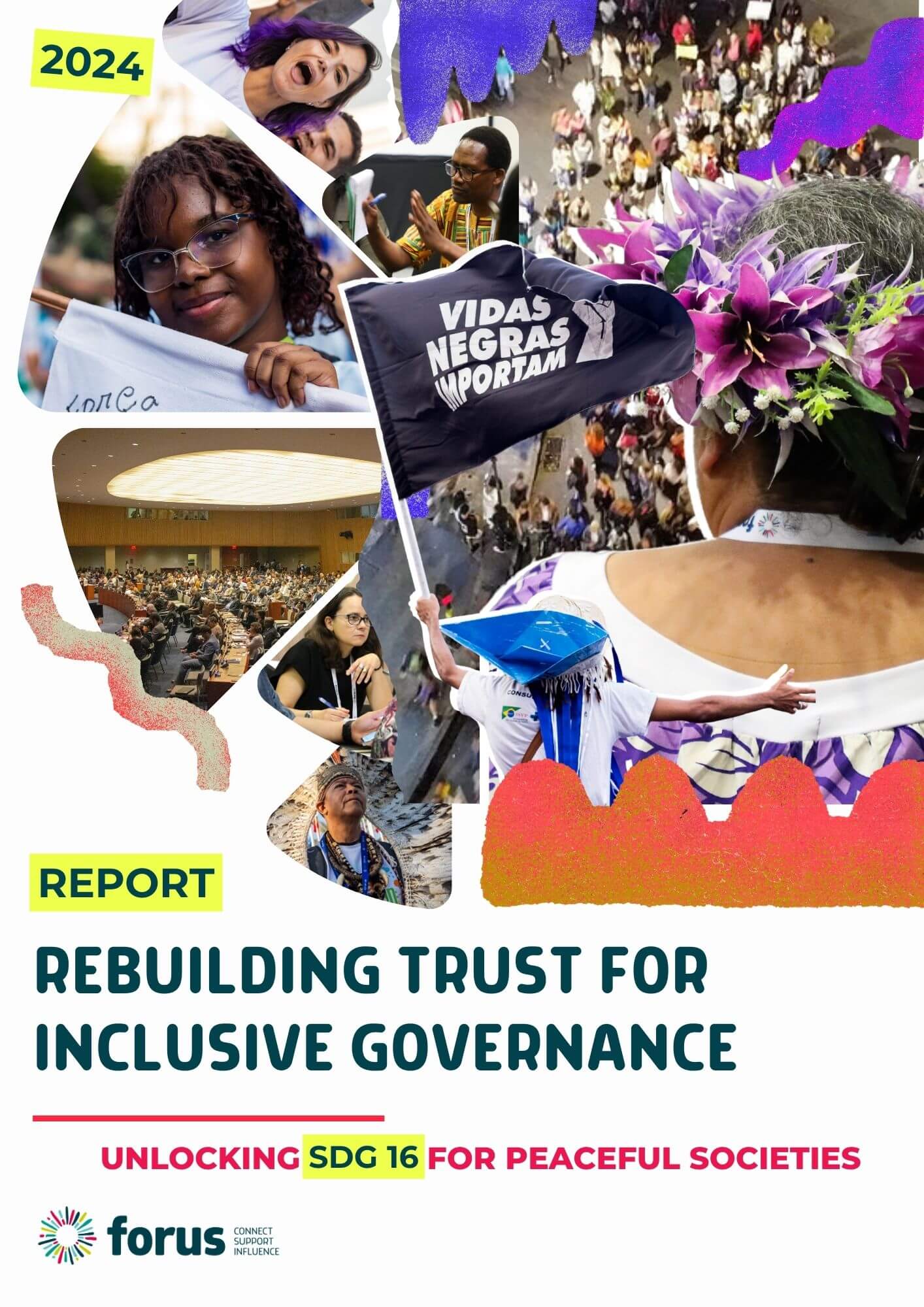
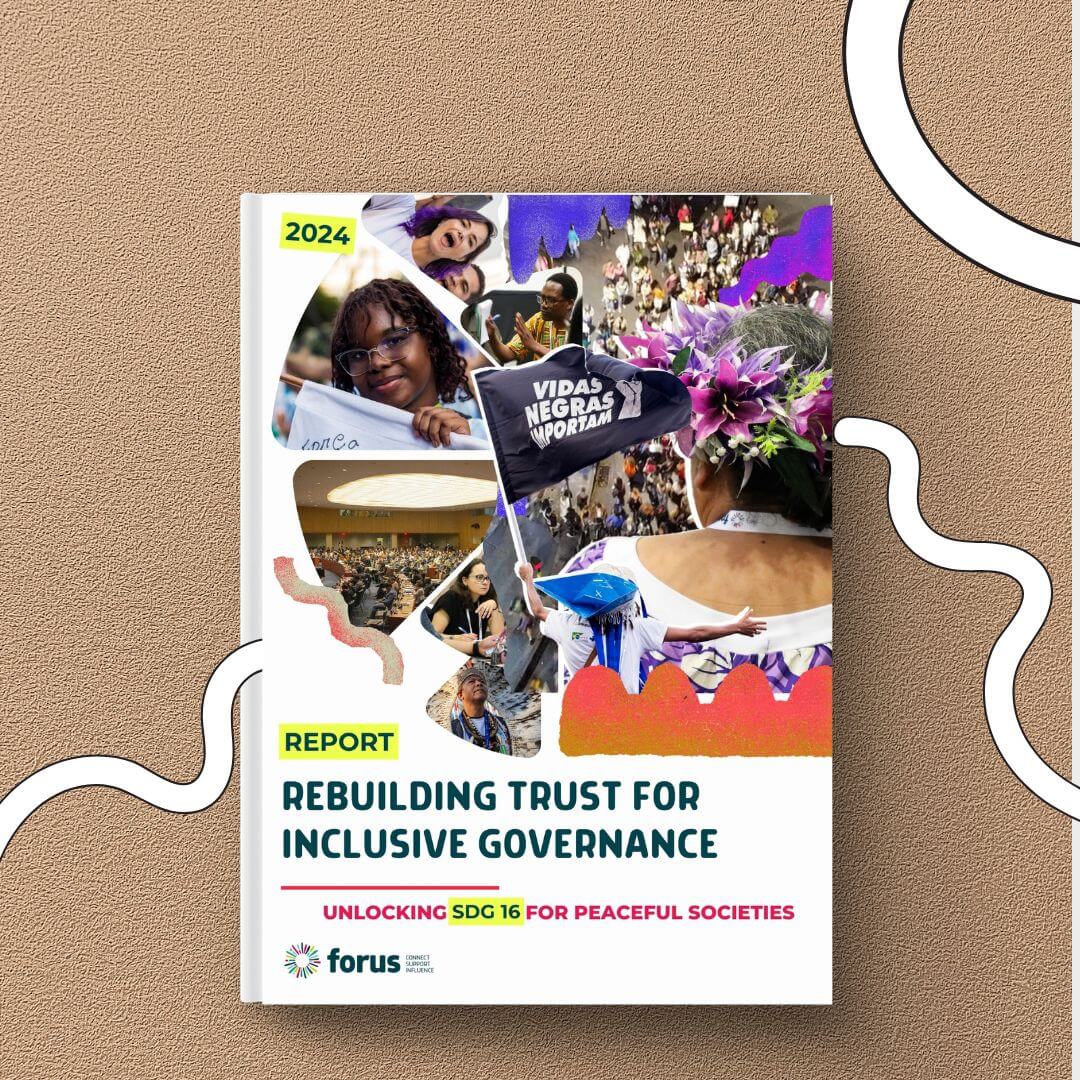
Discover our report Rebuilding Trust for Inclusive Governance 


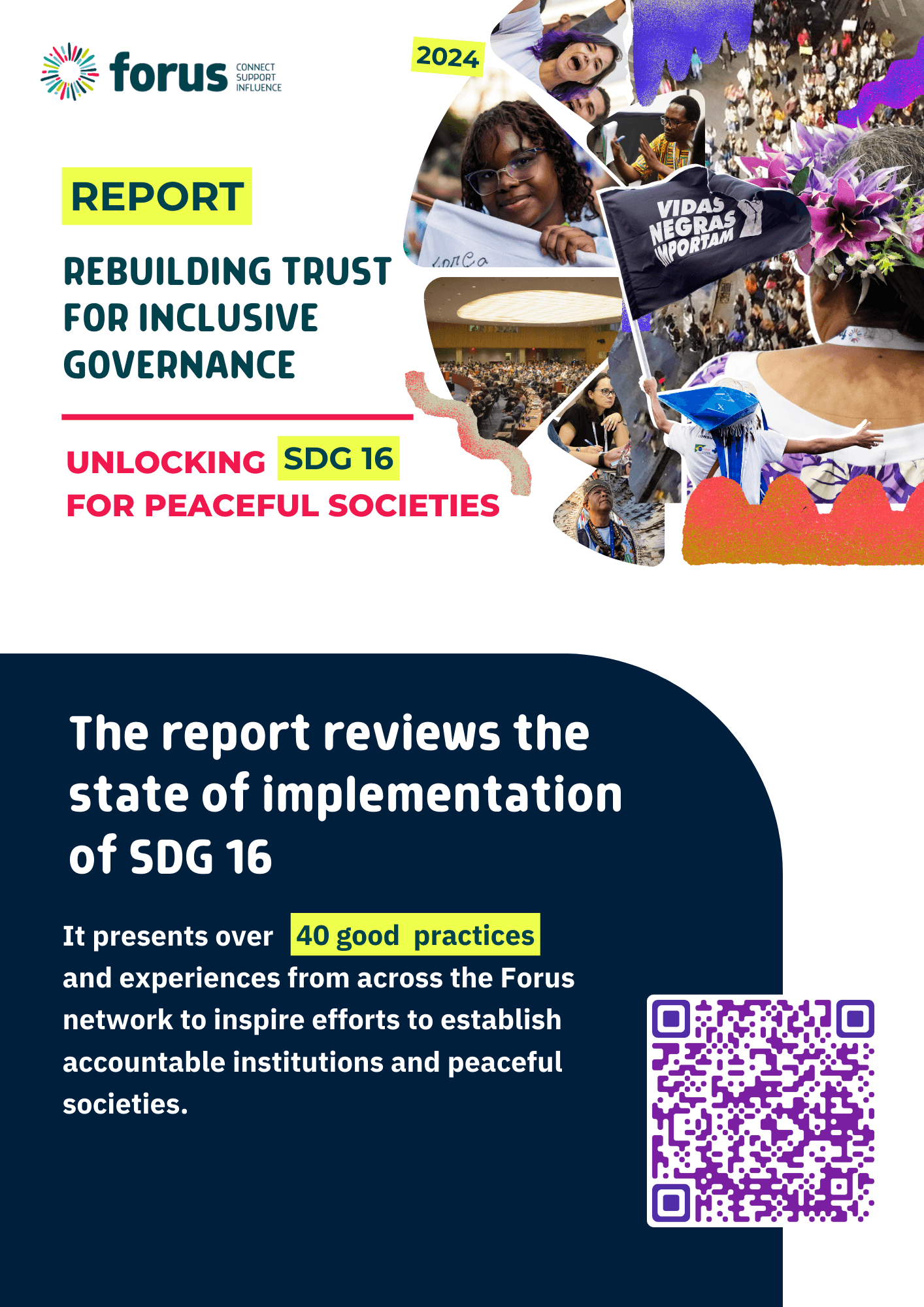
The report reviews the state of implementation of SDG 16 - where progress has been made, and where targets are still stagnating or regressing. It presents over 40 good practices and experiences from across the Forus network to inspire efforts to establish accountable institutions and peaceful societies. 
Forus

Agenda 2030

NO TIME TO LOSE 


The world is now halfway to 2030, the pivotal deadline for achieving the Sustainable Development Goals (SDGs) and commitments like the Paris Agreement and Addis Ababa agenda on Financing for Sustainable Development, but we are nowhere near the implementation of these goals.
Forus

Instead, a stark reality emerges: our planet's future hangs in the balance. The ambitious objectives set forth in 2015 are under siege, with urgency demanding immediate action.

The 2023 Special Edition of the SDG Progress Report emphasized that we're falling short in implementing the SDGs. In April 2023, UN Secretary General Antonio Guterres lamented that progress towards over 50% of the SDG targets is feeble and inadequate, while 30% have either stalled or regressed, disproportionately affecting the world's most impoverished and vulnerable populations.   The moment for decisive action has arrived, as the world stands at the brink of transformative change.

"

In Pakistan, we are experiencing first-hand the urgency of transforming global agreements into local action. Although we have ratified frameworks such as the International Covenant on Civil and Political Rights and the SDGs, their true transformation into local policies remains elusive. -  Zia Ur Rehman, National Coordinator of the Pakistan Development Alliance.

FORUS MEMBERS AGENDA 2030 INITIATIVES

LEAVE NO ONE BEHIND

WHAT WE DO


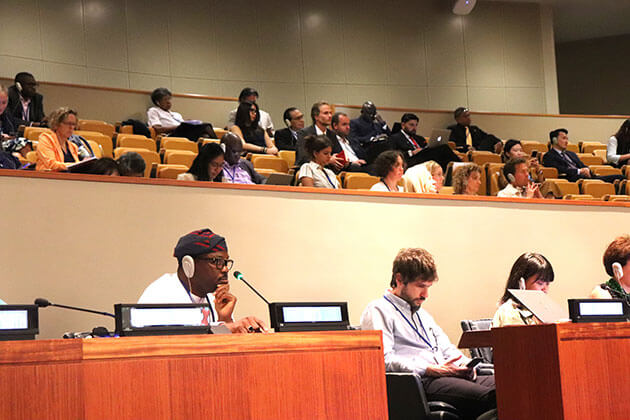
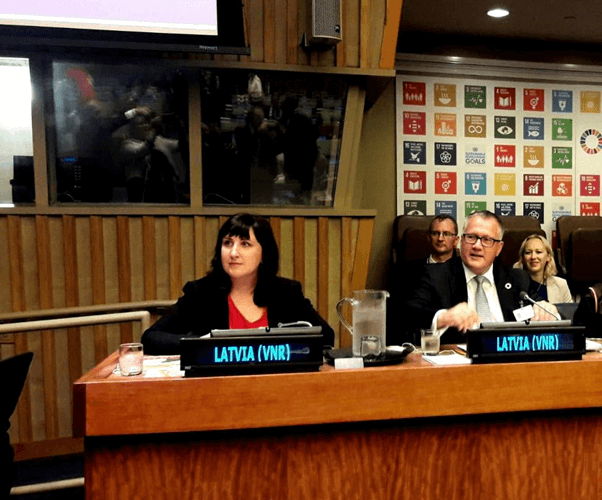
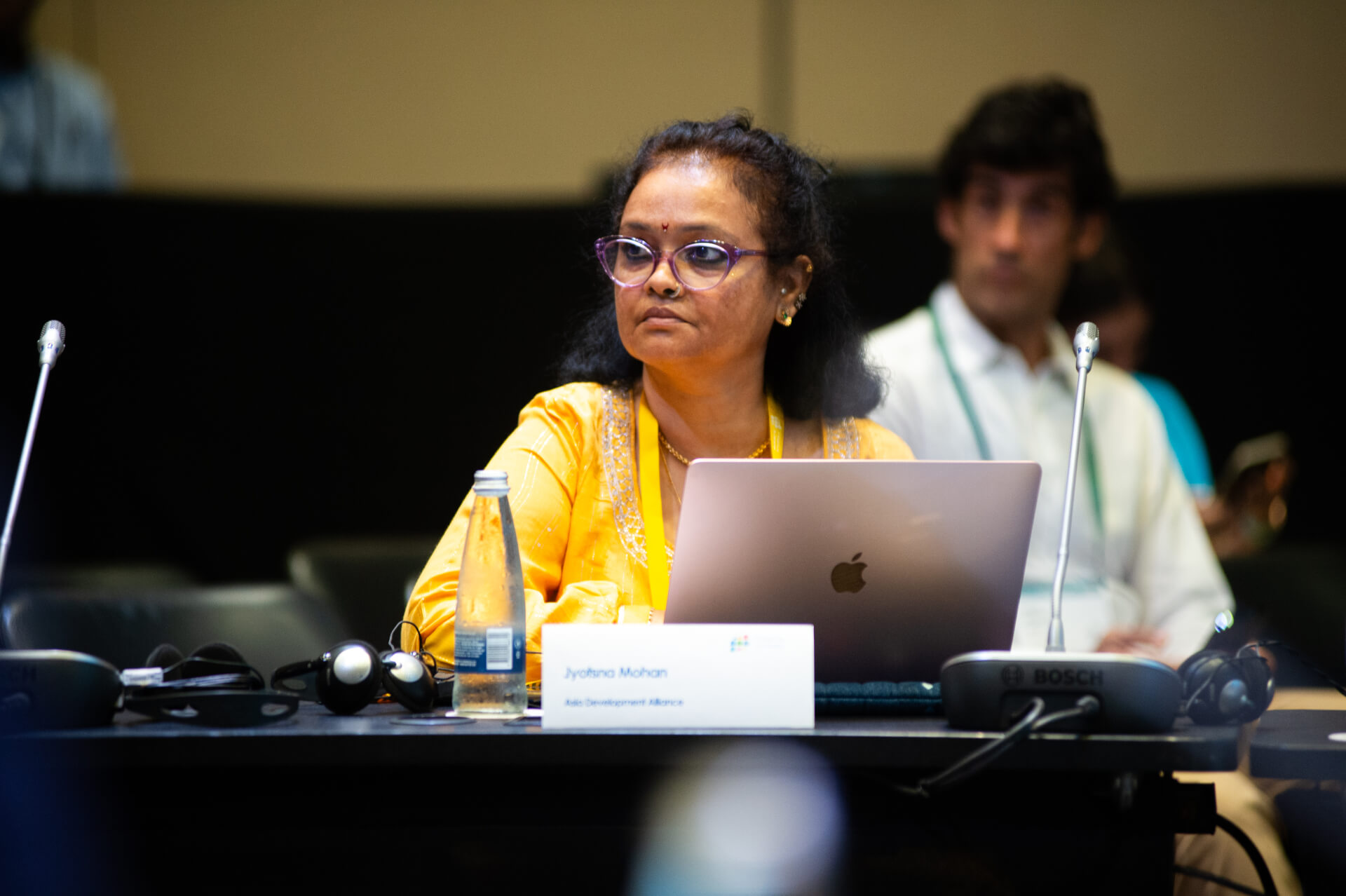
Through its Agenda 2030 Working Group, Forus facilitates knowledge exchange and mutual learning among its members, particularly focusing on the process of Voluntary National Reviews (VNRs). The network actively participates in institutional processes tied to the 2030 Agenda including hosting preparatory workshops and webinars for the United Nations High-Level Political Forum and the Internet Governance Forum.
Forus

The change we want to see

As civil society platforms at the national, regional and global levels, we play a vital role by: 

1


Shaping policies and priorities in multi-stakeholder discussions

We especially engage around processes such as the United Nations High-Level Political Forum (HLPF), SDG Summit, and Voluntary National Reviews (VNRs). 

2


Advocating for clear implementation plans and benchmarks for the realization of the Sustainable Development Goals.

While highlighting that CSOs also execute impactful local and national projects, furthering sustainable development goals.

3


Campaigning for an enabling environment for civil society participation and engagement

especially to ensure the full participation and engagement in decision-making and implementation of the 2030 Agenda, as defined in SDG 17.

4


Emphasizing the need for effective financial mechanisms beyond traditional aid

Particularly in addressing climate change, inequalities, and healthcare systems.

5


Highlighting the role of quality data and monitoring systems to leave no one behind

To measure progress, foster accountability and transparency and formulating evidence-based advocacy messages.

6


Strengthening multi-stakeholder collaboration and CSO engagement

Through transformative commitment towards the implementation of SDG16+ and with participative campaigns such as #UNmute.

7


Shifting the Power and decolonisation

Influencing global agendas and discussions for development programs that prioritize national and local ownership, and shift the power for a participatory, inclusive and empowering society.

8


Emphasising vulnerable groups and needs

With our members we share the stories and bring forward the experiences of far-from-the-spotlight communities.
Forus
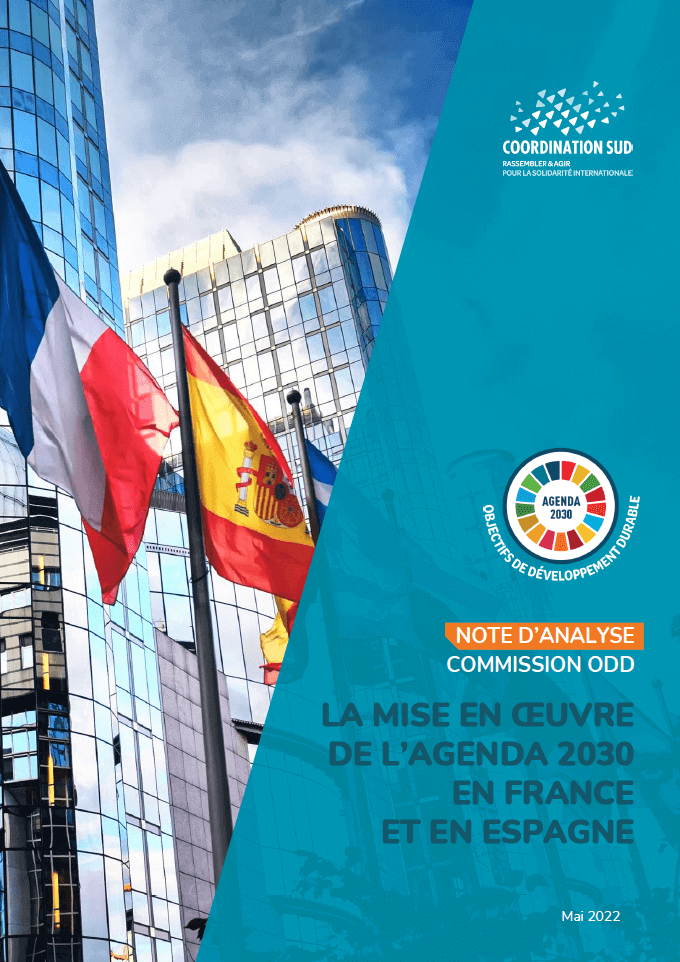
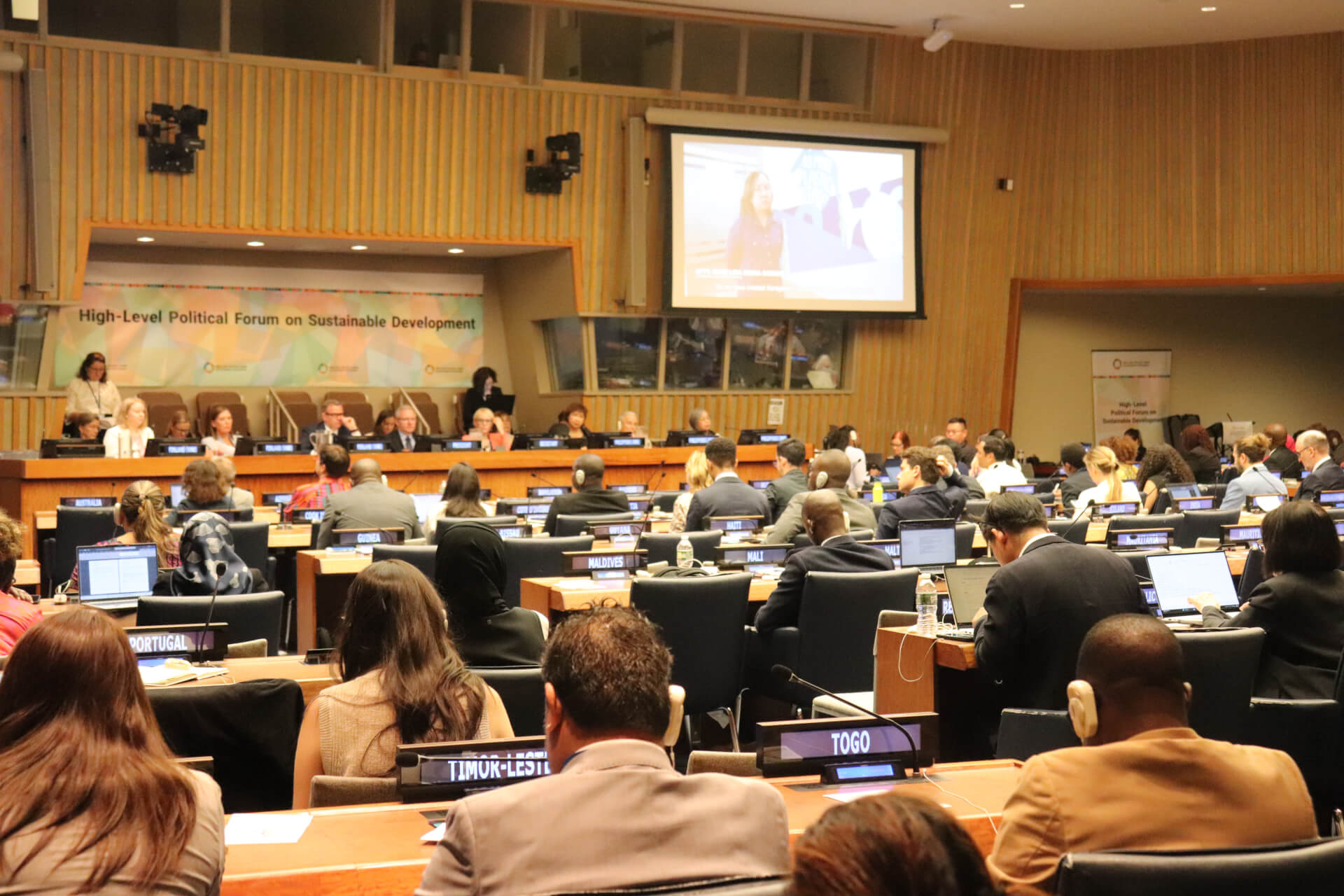
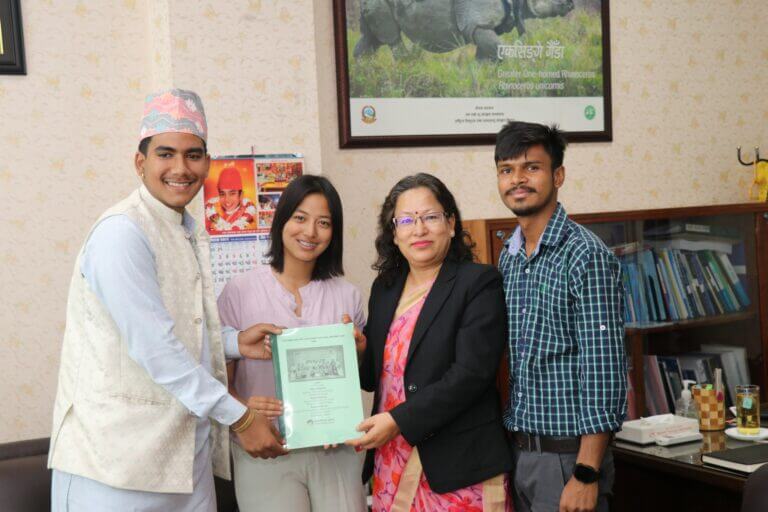
VNR questions & interventions - Major Group & Other Stakeholders (MGoS) Nepal Child-led VNR Strengthening Civil Society Engagement and Influence in Zimbabwe’s Voluntary National Review (VNR) Process SPONG - 2023 VNR Shadow Report LAPAS - 2022 VNR Shadow Report CSCI - VNR Shadow Report Mise en œuvre de l'Agenda 2030 en France et en Espagne - Coordination SUD Rapport « Agenda 2030 – Agir en faveur de la mise en œuvre de l'Agenda 2030 à travers la politique étrangère française » CCONG - 2023 VNR Shadow report Over 100 NGOs call for Rishi Sunak to attend the SDG Summit in September and re-new the UK’s commitment to the SDGs  | Bond BOCONGO - 2022 VNR Shadow Report ANONG - 2022 VNR Shadow Report "Spotlight Report (Informe Luz) 2023 on the Implementation of the 2030 Agenda in Chile" Abong - 2022 VNR Shadow Report Questions asked as an intervention to member states on their VNR presentations at the High Level Political Forum at the United Nations - including from several Forus members! Le présent rapport est une restitution du Groupe de travail « Agenda 2030 – Agir en faveur de la mise en œuvre de l'Agenda 2030 à travers la politique étrangère française ». Ce Groupe de travail a été mis en place par le Conseil national du développement et de la solidarité internationale (CNDSI). Il était co-présidé par Olivier Bruyeron (Coordination SUD) et Sébastien Treyer (Institut du développement durable et des relations internationales – IDDRI) et a mobilisé une pluralité d'acteurs. Ces échanges ont permis d'émettre une série de recommandations à l'attention des pouvoirs publics.
Forus
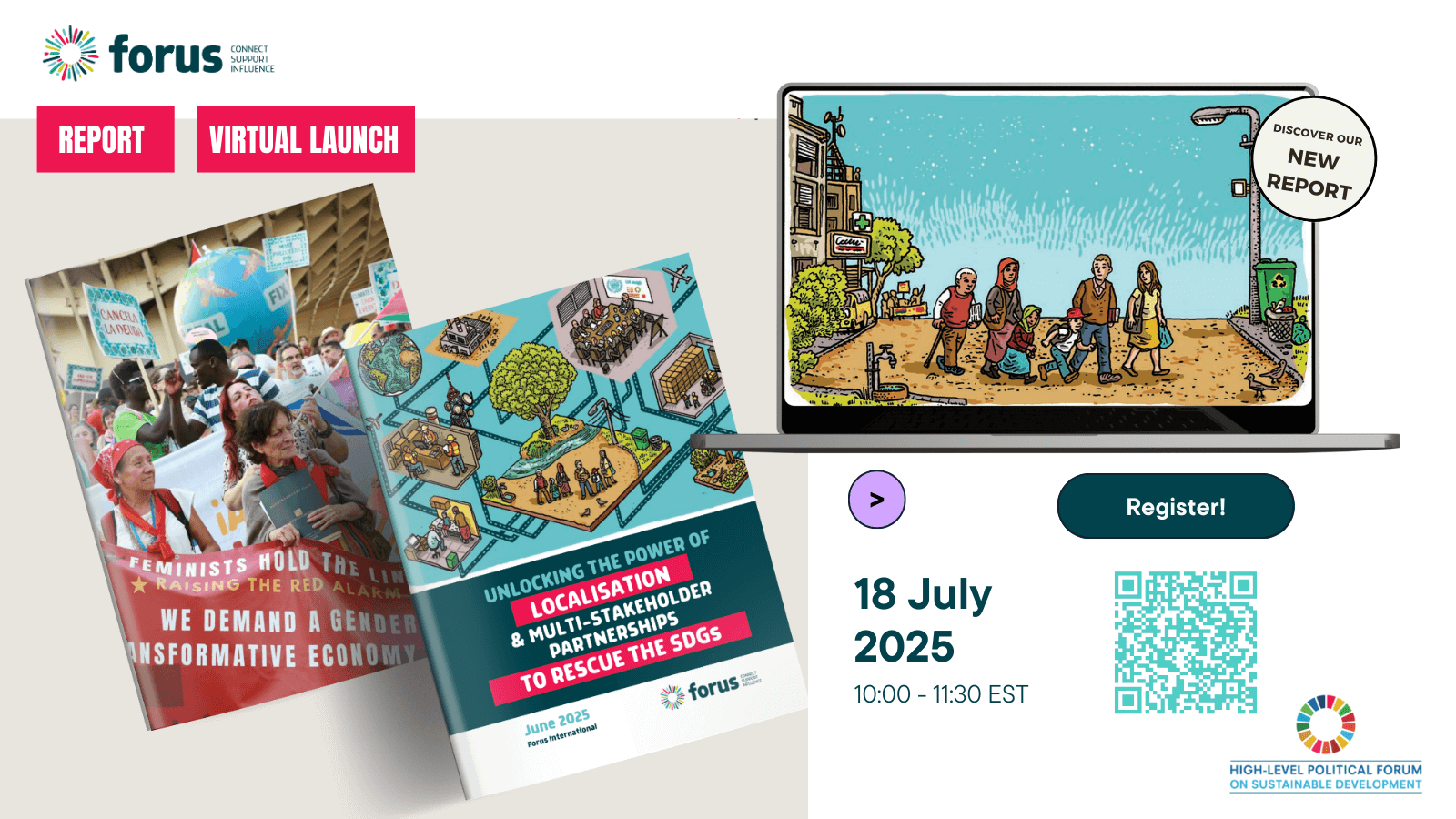
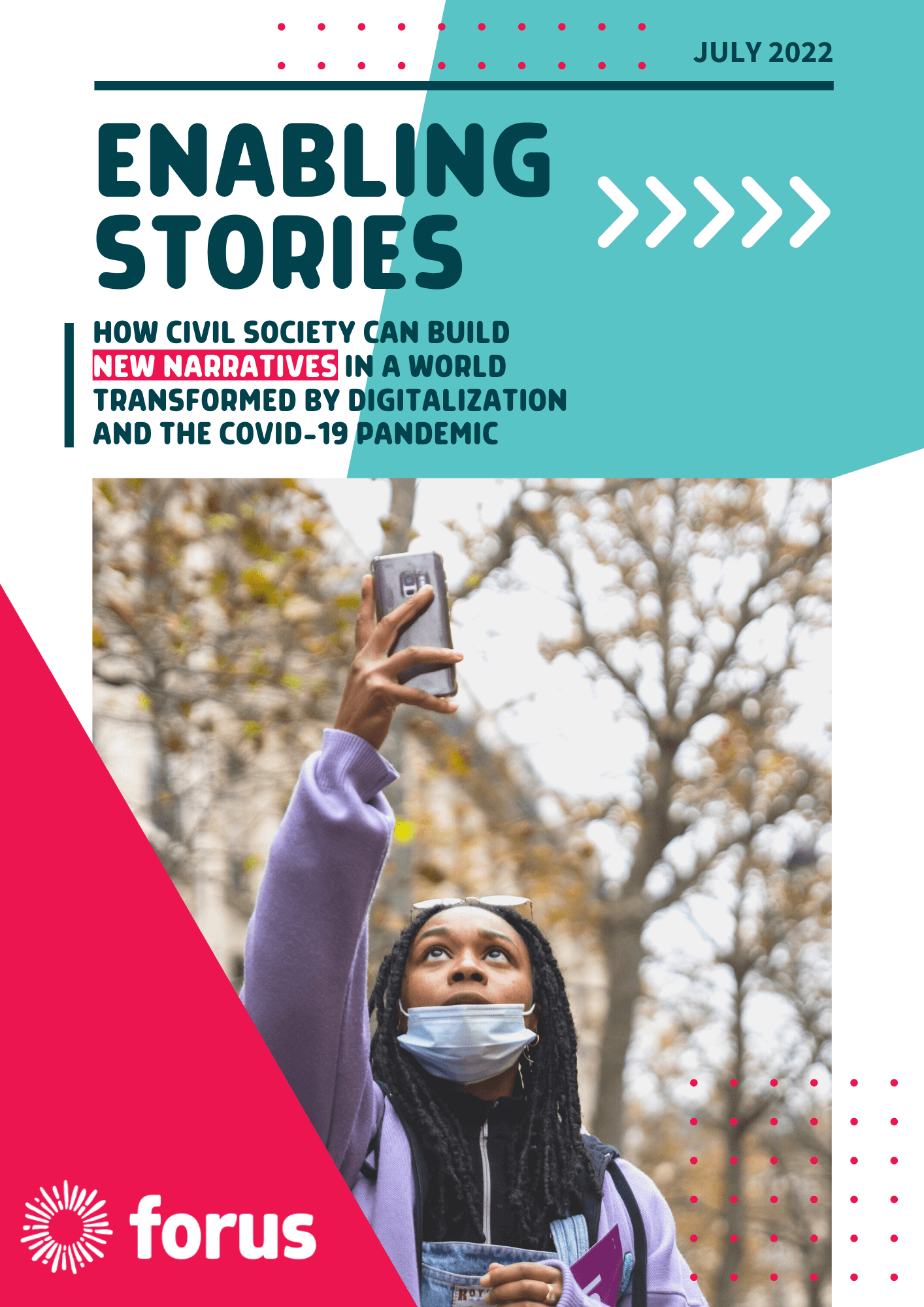
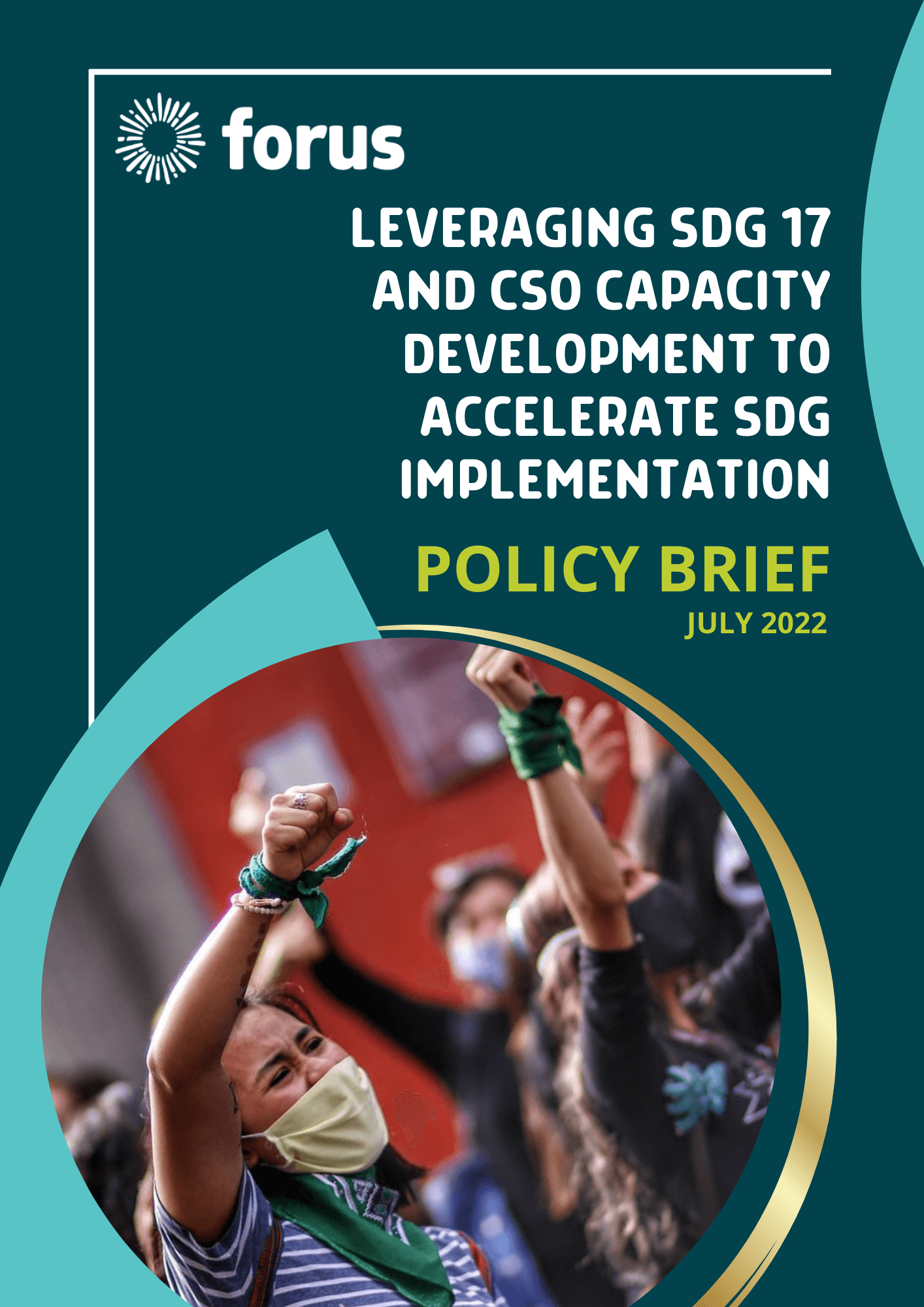
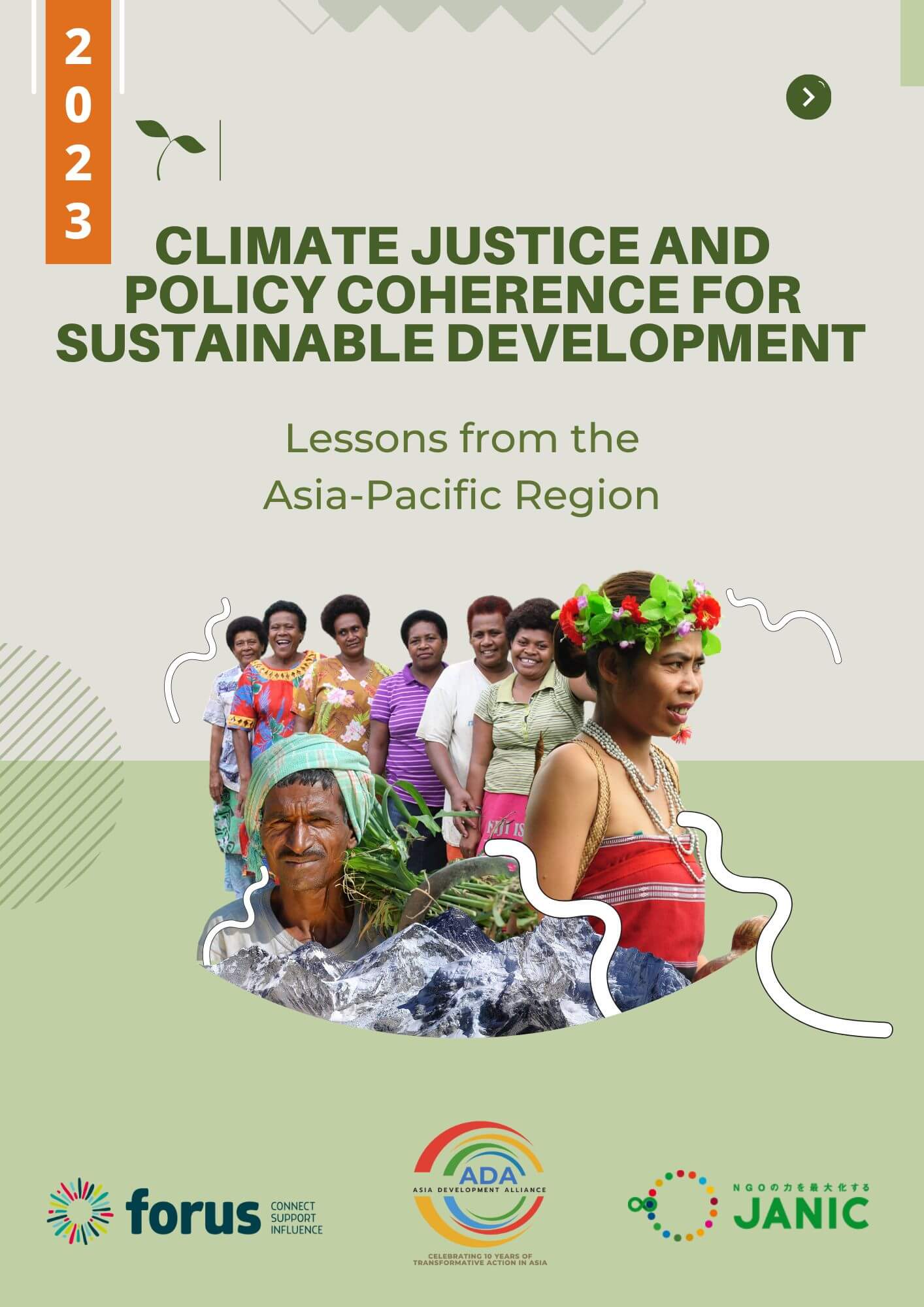
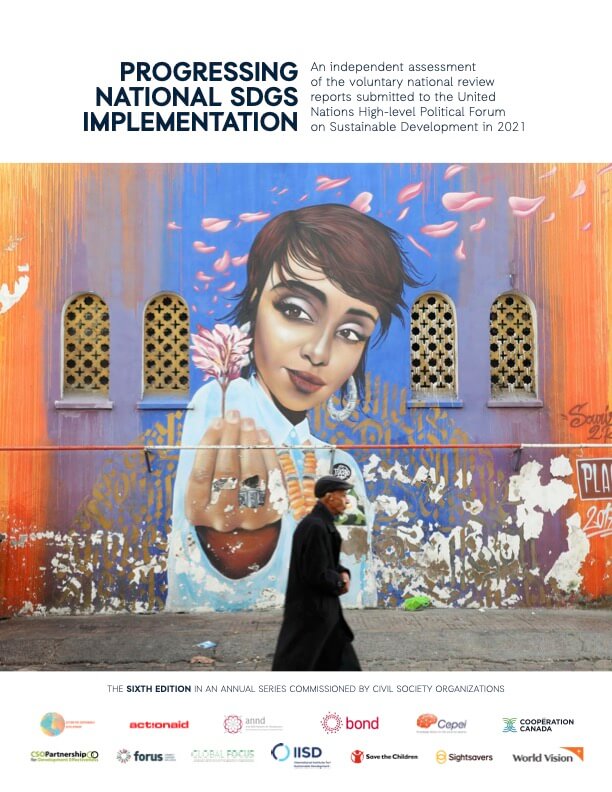
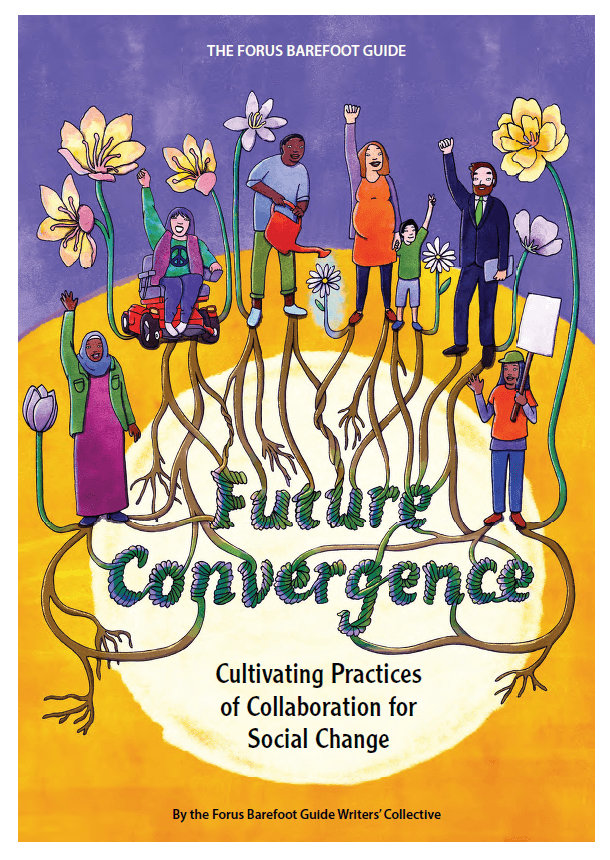
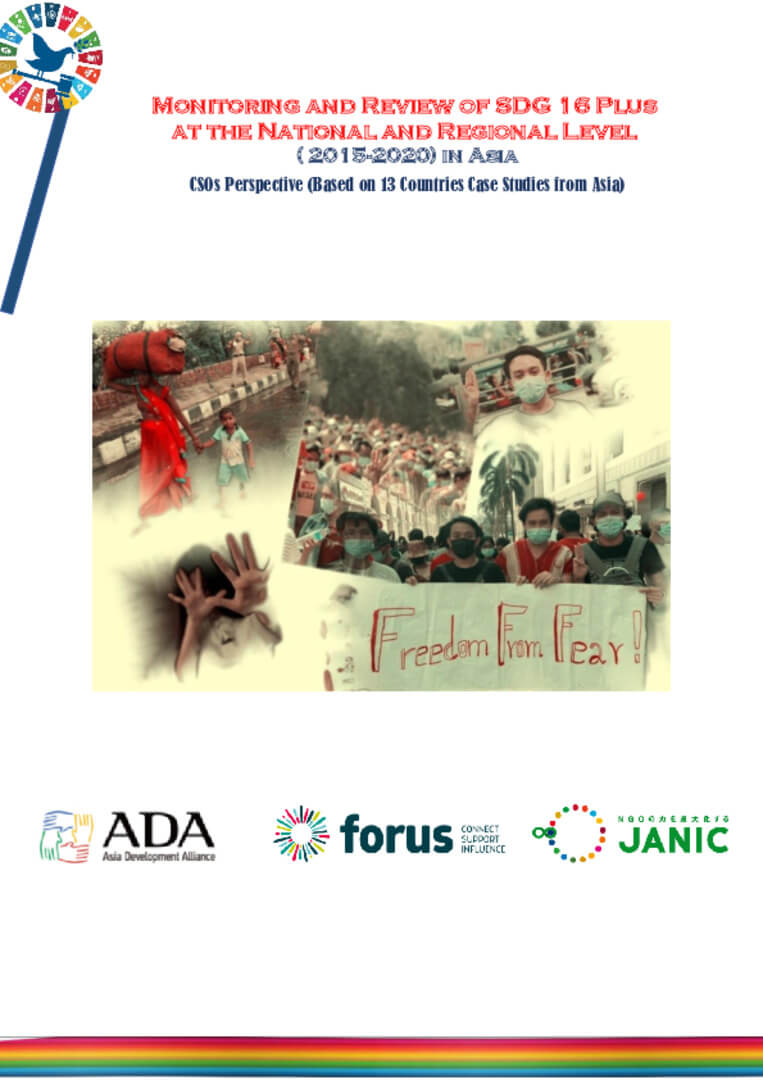
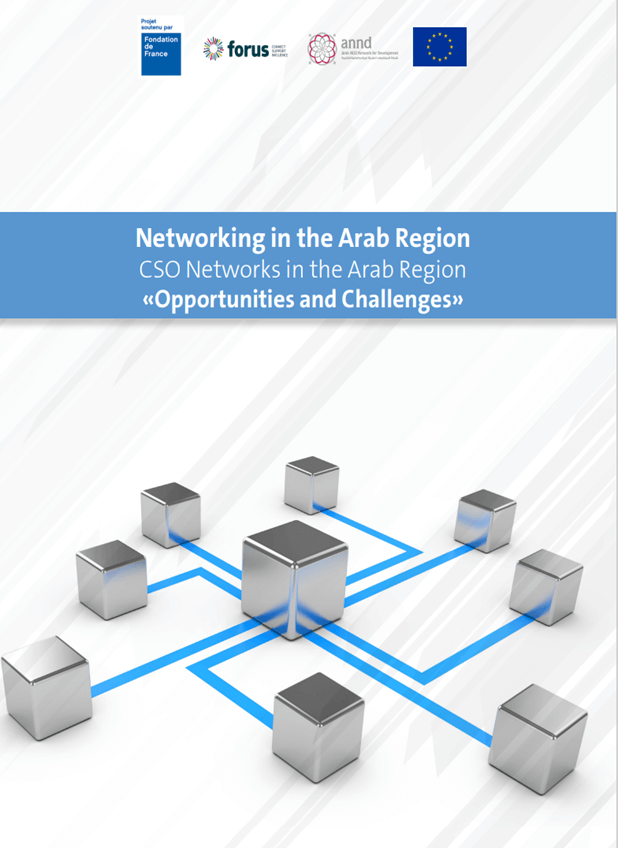
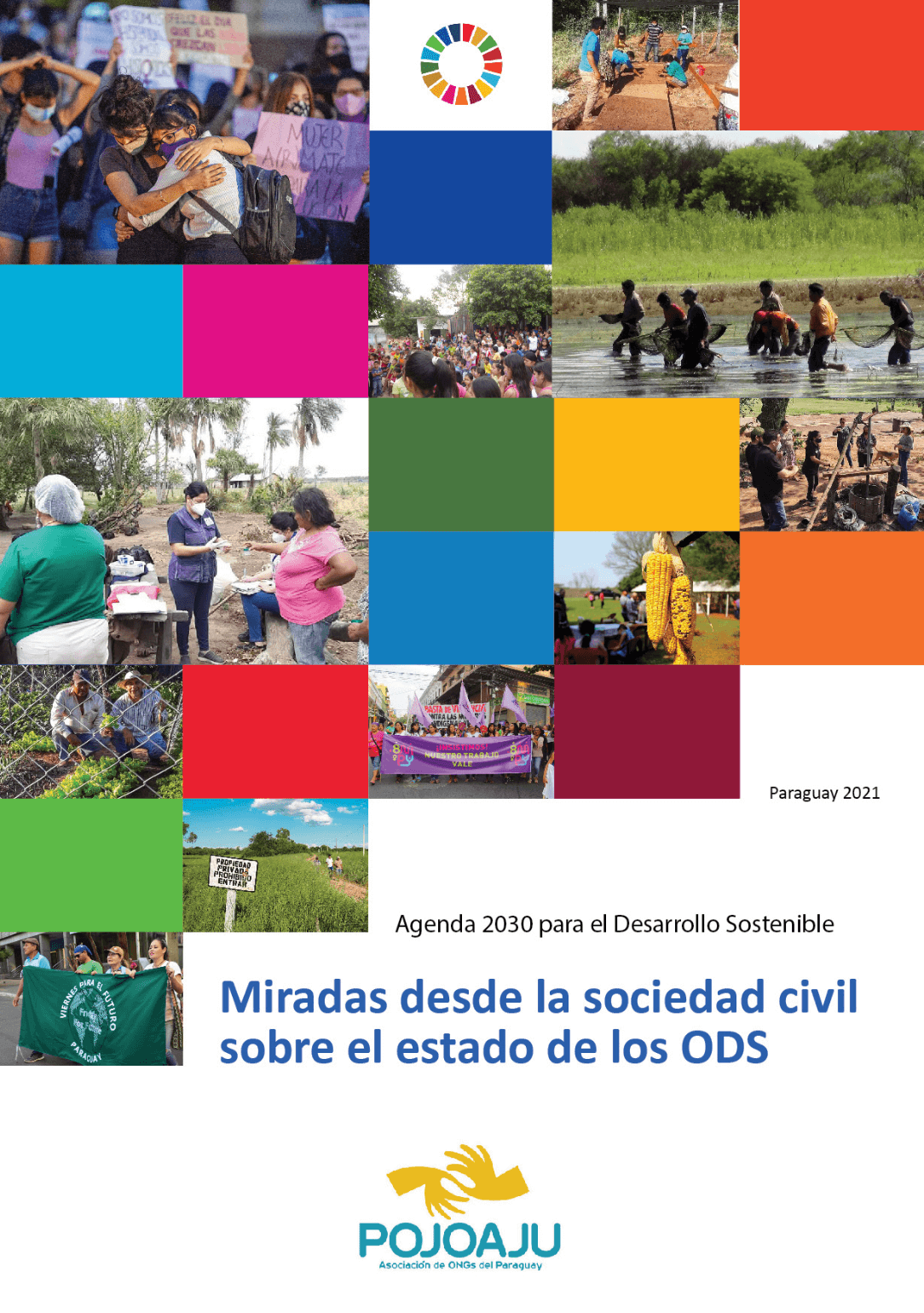
HLPF 2025: Civil Society Is Not A Service Provider – We Are The Frontline Of Transformation Forus members call for radical reforms at HLPF 2025 Ten Years of Agenda 2030: Can Voluntary National Reviews Still Rescue the SDGs? From Voluntary National Reviews challenges to global solidarity: Forus members share experiences at CSO weekend workshop at the #HLPF2025 🌍 See you at HLPF 2025? Join Forus events, initiatives and campaigns Rebuilding Trust for Inclusive Governance - Unlocking SDG 16 for Peaceful Societies Call to Action - Rebuilding Trust for Inclusive Governance - Unlocking SDG 16 for Peaceful Societies Enabling Stories - How civil society can build new narratives in a world transformed by Digitalization and the Covid-19 Pandemic Leveraging SDG 17 and CSO Capacity Development to accelerate SDG Implementation - Policy Brief Climate Justice and Policy Coherence for Sustainable Development - Lessons from the Asia-Pacific Region COVID-19 Related Success Stories from the Voluntary Sector of India Highlights - Progressing National Sustainable Development Goals Implementation report (6th Edition) ‘Networking in the Arab region, CSO networks in the Arab region, opportunities & challenges’ by Dr. Faouzi Boukhriss (27/04/2021) Informe - Miradas desde la sociedad civil sobre el estado de los ODS en Paraguay Promoting an enabling environment for philanthropy and civil society Recommendations to ensure meaningful civil society participation at the United Nations: From ambition to action. Future Convergence: Cultivating Practices of Collaboration for Social Change - The Forus Barefoot Guide Monitoring and Review of SDG 16 Plus at the National and Regional Level (2015-2020) in Asia Sustainable Development by Shifting the Power: Capacity Strengthening of Civil Society as a Key Tool for the Implementation of SDG 17 Civic Space Policy Brief - Progressing National SDGs Implementation Report Christelle Kalhoule, Forus Chair and Sarah Strack, Forus Director At the ongoing UN High-Level Political Forum in New York the Forus network started the day on July 18 with the virtual launch of the new Forus report: “Unlocking the power of localization and multi-stakeholder partnerships to rescue the SDGs”. With contributions from across 20 Forus members and a panel discussion with representatives from CODE-NGO (The Philippines), CONGCOOP (Guatemala) and TANGO (The Gambia), the session moderated by VANI (India) and launched by Forus Director Sarah Strack looked at stories and experiences on localisation processes and efforts across the network. As the global community enters the final five-year stretch toward the SDG deadline, the time for rhetorical commitment is over. Accountability is now the litmus test of credibility. At the center of that test lies the Voluntary National Review (VNR) process—the mechanism through which countries report on their progress toward the SDGs. The event offered space for informal networking and honest reflection - something that is often missing in more formal multilateral spaces. Forus members shared grounded insights into the realities of an enabling environment, access challenges and tokenistic engagement during national review processes. Forus at the UN High-Level Political Forum 2025 In 2015, the international community embarked on an ambitious journey with the adoption of the 2030 Agenda for Sustainable Development, setting forth 17 SDGs to create a world that is just, peaceful, and prosperous. Central to this transformative agenda is SDG 16, which aims to promote peaceful and inclusive societies, ensure access to justice for all, and build effective, accountable, and inclusive institutions at all levels. In this report Forus members analyse the status of implementation of SDG 16 and share experiences for the way forward. The aim of this report is to examine two key factors which have been rapidly transforming civic space across the world in recent years, often negatively impacting the rights and freedoms of activists and civil society practitioners and their operating environments. These factors are, firstly, the COVID 19 global health pandemic and secondly, the accelerating global process of digitalization. This policy brief aims to provide an overview of the progress made by the UN Member States in promoting the capacity development, in particular of civil society, in line with the commitments made under SDG 17 which focuses on the Global Partnership and Means of Implementation. This report analyses the extent to which Policy Coherence for Sustainable Development (PCSD) informs the development that is taking place in Asia-Pacific, with a particular focus on climate action & climate justice. This study is a sincere effort towards measuring the digital adaptability quotient of the voluntary organisations across India and recognizing their innovative practices to overcome the impact of the Covid-19 pandemic on their work and the support they provide to communities. Discover the highlights from the 6th edition of the Progressing National Sustainable Development Goals Implementation report! Find the full report here: https://www.forus-international.org/pdf-detail/84895-progressing-national-sustainable-development-goals-implementation-report-6th-edition This research paper on networking in the Arab region comes in the context of dialogues organised by ANND members and partners on the various challenges faced by Civil Society Organisations (CSOs) in the Arab region at the national level. It covers the presented alternatives and civil society’s role in dialogue with public policymakers and developing action plan for future advocacy initiatives. More info: read the article on the national dialogue on economic policies in Tunisia (ATFD - Tunisian Association of Democratic Women) https://www.forus-international.org/en/custom-page-detail/75649-towards-another-possible-tunisia Watch a video about civil society dialogue in Syria: https://www.youtube.com/watch?v=S-KZZ4R1ta8 This research is part of the National Civil Society Dialogue project supported by ANND in 3 countries: Tunisia, Jordan and Syria (CSOs in exile in Lebanon). https://www.annd.org/en/publications/details/cso-networks-in-the-arab-region-opportunities-and-challenges Project co-financed by the Fondation de France Without a change in the direction of its public policies, Paraguay will not make progress on the SDG targets of the 2030 Agenda, warns POJOAJU. This is the conclusion reached by POJOAJU, the Paraguayan Association of NGOs, as a result of observations made in a report (in Spanish) on the Sustainable Development Goals of the 2030 Agenda in the country. Philanthropic freedom and civic space more broadly are under attack and must be defended and promoted through a prompt and concerted response of the philanthropic, civil society and NGO sectors. This page either doesn't exist, or it moved somewhere else. We all know that collaboration is vital for transformative social change. But how do we practice collaboration in these times? That is the question driving the publication "Future Convergence - the Forus Barefoot Guide". It is a practical resource intended for individuals and organizations who want to improve their learning processes and social change practices. This Barefoot Guide, written by thirty-one civil society leaders and practitioners from twenty countries from across the world, describes a range of practices and experiences that bring diverse people and organisations together towards a vision of a planet that is more equitable, inclusive, humane and sustainable. It is available in English, French and Spanish. The concept of SDG 16+ refers to the fact that SDG 16 (“Peaceful Just and Inclusive Societies”) is interlinked with many other SDGs and should thus be implemented as such, in a transversal manner, enhancing issues like government accountability, building trust and sustaining peace. Coordinated by the Asia Development Alliance with contributions from Forus and the TAP network and based on case studies from 13 Asian countries, this report assesses the gaps and challenges of SDG 16 + implementation in Asia and includes good practices and recommendations that can help policy makers understand the perspectives and priorities of the local communities. Developed collaboratively with 14 national and regional CSO platforms, this report provides an analysis of the transformative potential of capacity-strengthening initiatives for civil society and a review of its representation in the 2022 Voluntary National Reviews (VNRs). With a focus on changing power dynamics, ensuring localization, and decolonizing practices, the report underscores the pivotal role that civil society organizations can play in delivering the Sustainable Development Goals (SDGs) when appropriately supported. The 2022 VNR reports presented to the UN’s HLPF by governments around the world continue to be largely silent on issues of shrinking civic space globally, and on the ongoing attacks on human rights defenders and environmentalists. This Civic Space brief, looks at the civic space status of the 2022 VNR reporting countries.
Upcoming Forus actions on Agenda 2030

WHEN


Title


WHERE


2025-12-15T23:00:00Z - 2025-12-16T23:00:00Z

UN General Assembly High-level meeting on WSIS+20 review

2025-11-09T23:00:00Z - 2025-11-20T23:00:00Z

30th Conference of the Parties of the UNFCCC (COP 30)

Hangar - Convention and Trade Center of the Amazon - Avenida Doutor Freitas - Marco, Belém - State of Pará, Brazil

2025-11-03T23:00:00Z - 2025-11-05T23:00:00Z

World Social Summit

Doha, Qatar

2025-11-03T23:00:00Z - 2025-11-20T23:00:00Z

14th Meeting of the Local Communities and Indigenous Peoples Platform (LCIPP) & 30th UN Climate Change Conference (COP30)