© Forus
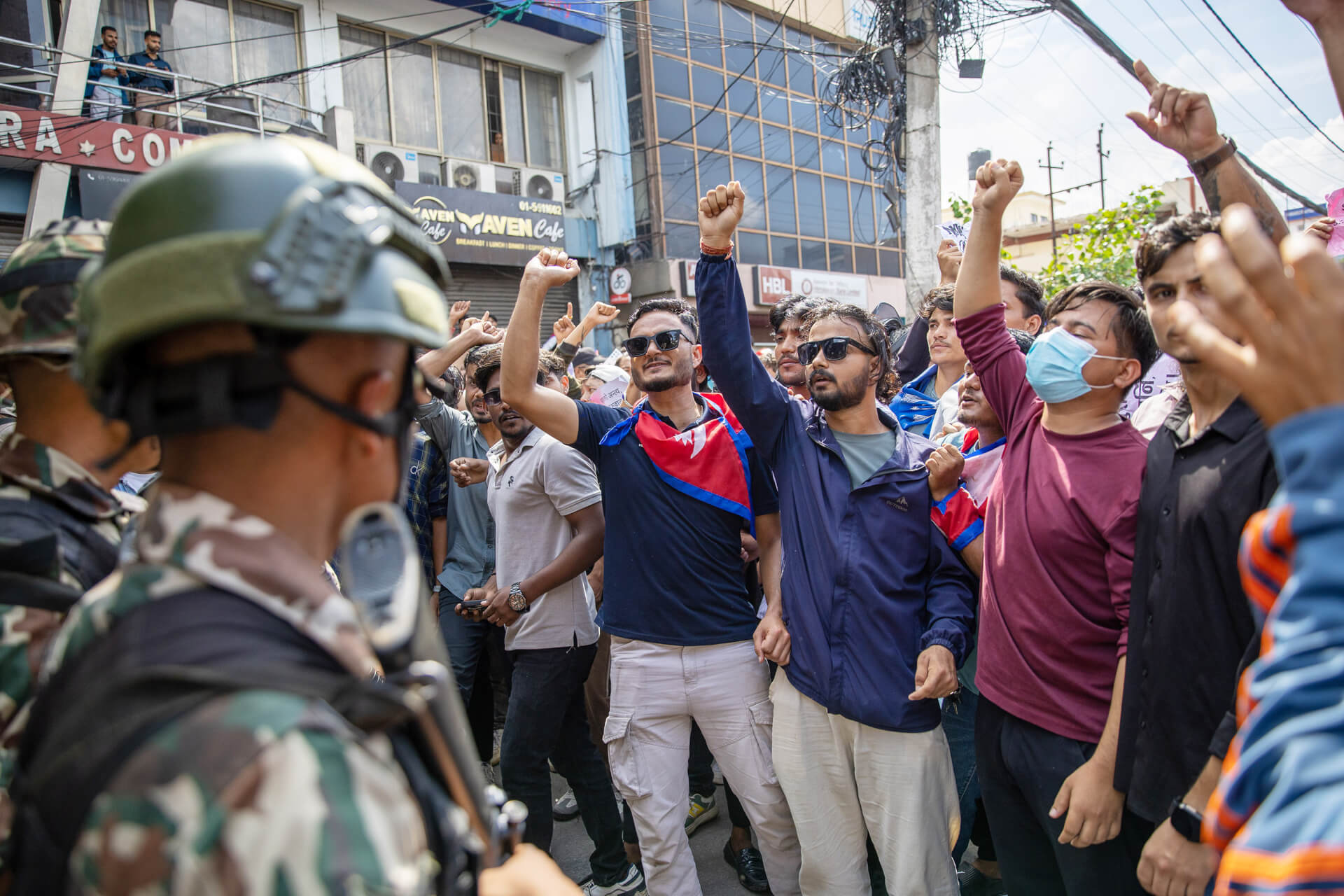
© Sanjog Manandhar

Wed 18 Mar 2026
The Bell and the Silence: Inside Nepal’s 2026 Political Reordering
On the morning of March 5, 2026, queues outside polling stations across Nepal were longer — and noticeably younger — than they had been in decades. By the time the Nepal Election Commission announced a 60 percent turnout among the country’s 19 million registered voters, it was clear that the “Gen-Z Revolution” — months of street protests and digital organizing that had paralyzed the capital over the previous autumn — had finally moved to the ballot box.
By March 7, the data began to tell a story that few of the country’s traditional power brokers were prepared for.
In Jhapa-5, the longtime stronghold of KP Sharma Oli, the atmosphere shifted from predictable to surreal as vote counting concluded. Balen Shah, the engineer and rapper who rose to prominence as Mayor of Kathmandu before stepping onto the national stage, did not simply challenge the four-time Prime Minister — he dismantled the incumbency. The final tally showed a staggering divide: Shah secured 68,348 votes to Oli’s 18,734.
The scene in Jhapa reflected a broader national trend. The Rastriya Swatantra Party (RSP), which emerged only four years ago, swept across constituencies previously held by the Nepali Congress, the Communist Party of Nepal (Unified Marxist–Leninist), and other legacy forces. As of now, the RSP has secured 120 wins with leads in five more, effectively dismantling the “Big Three” dominance that has shaped Nepali politics since the end of the monarchy in 2008.
The human dimension of this shift was visible in the streets. In RSP strongholds, the sound of drums and the rhythmic ringing of bells — the party’s election symbol — drowned out the usual city traffic. Young volunteers, many of whom had spent months mobilizing at the local level, hoisted their candidates onto their shoulders, burying them in marigolds. Their voices rose in a singular, defiant chant that had become the anthem of the movement: “Vote kma? Ghanti ma!” (“Vote for what? The Bell!”).
For these voters, the slogan was more than a campaign line — it was a rejection of the status quo and a demand for a digital-age government grounded in transparency and accountability.
On the other side, a different scene unfolded. Within the ranks of legacy parties, the silence was heavy. In a series of high-profile upsets, seasoned leaders such as Gagan Thapa and Shekhar Koirala failed to retain their seats. Perhaps the most telling image of the old guard’s retreat was the absence of the Deubas. Former Prime Minister Sher Bahadur Deuba and his wife, Arzu Rana Deuba, did not cast a vote. Among the figures of the previous era, only Pushpa Kamal Dahal (Prachanda) emerged with a victory — standing as a lone survivor of a political class that had, until this week, seemed immovable.
Ultimately, the 2026 election was not merely a reshuffling of seats in the 275-member House of Representatives. It was a study in contrasts. While headlines focused on sweeping victories and historic margins, the deeper story lay between two worlds: the deafening energy of a “New Wave” in the streets, and the quiet, reflective corridors of parties that, for the first time in a generation, found themselves on the outside looking in.
This article is written as part of the Forus journalism fellowship programme. Learn more here
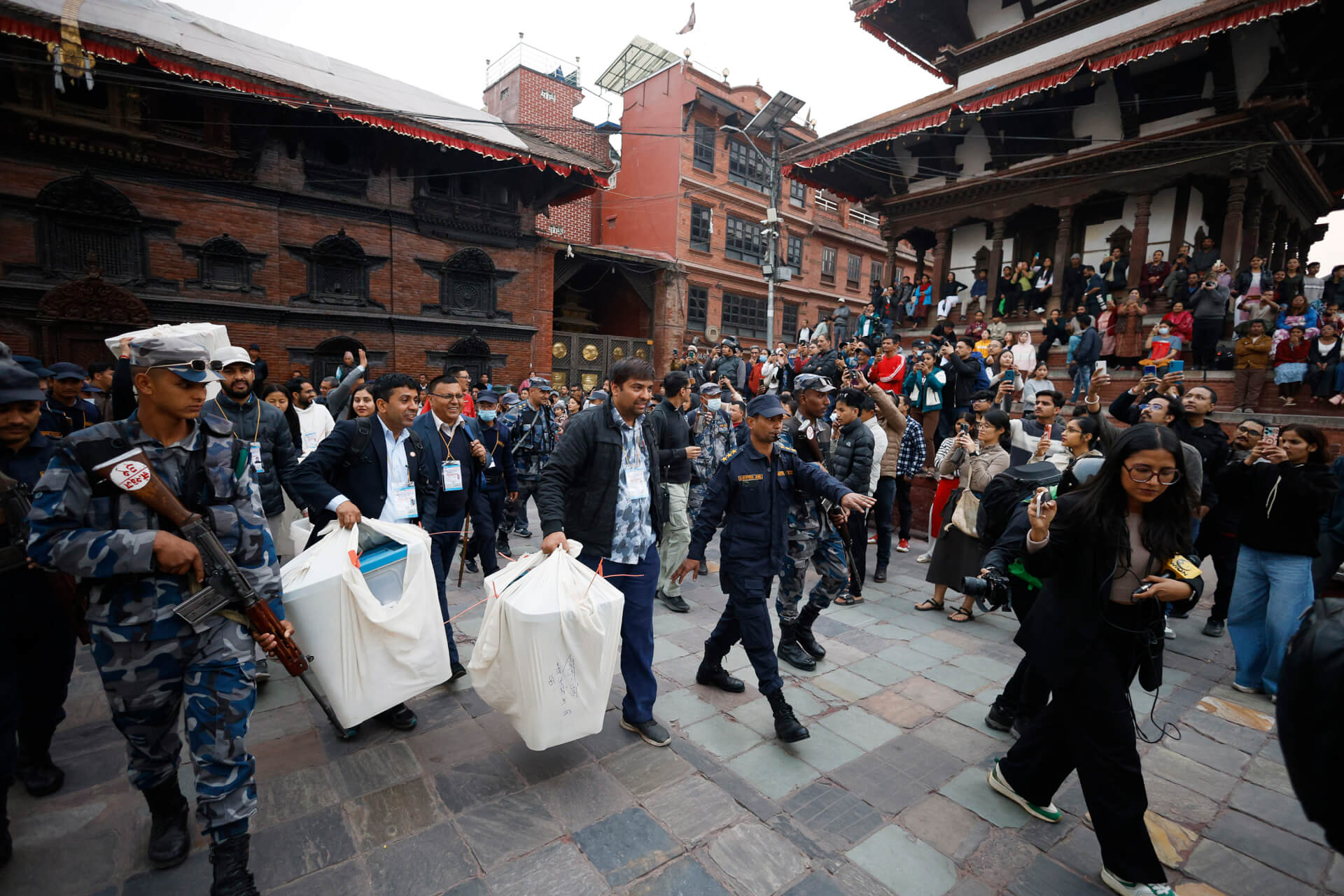
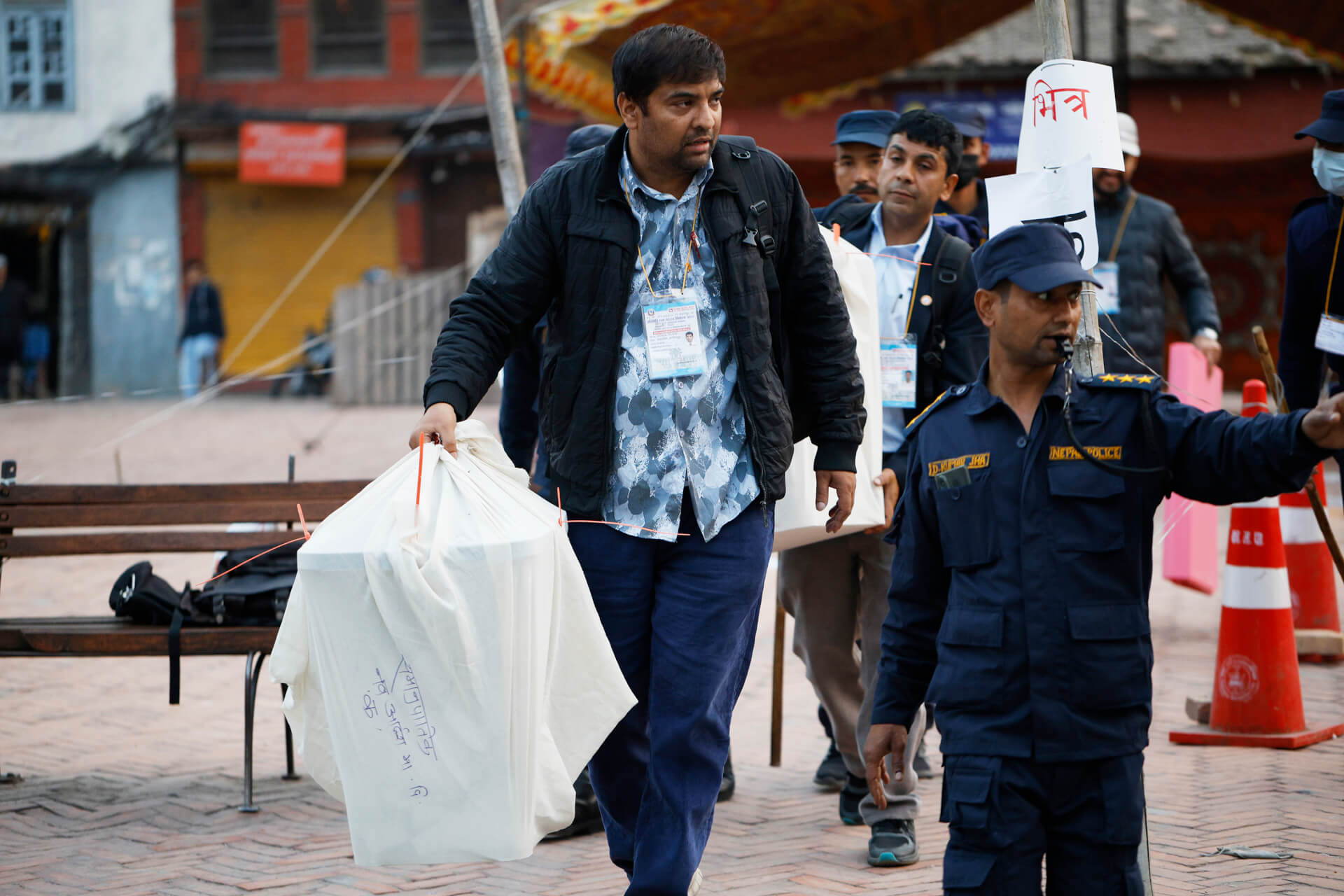
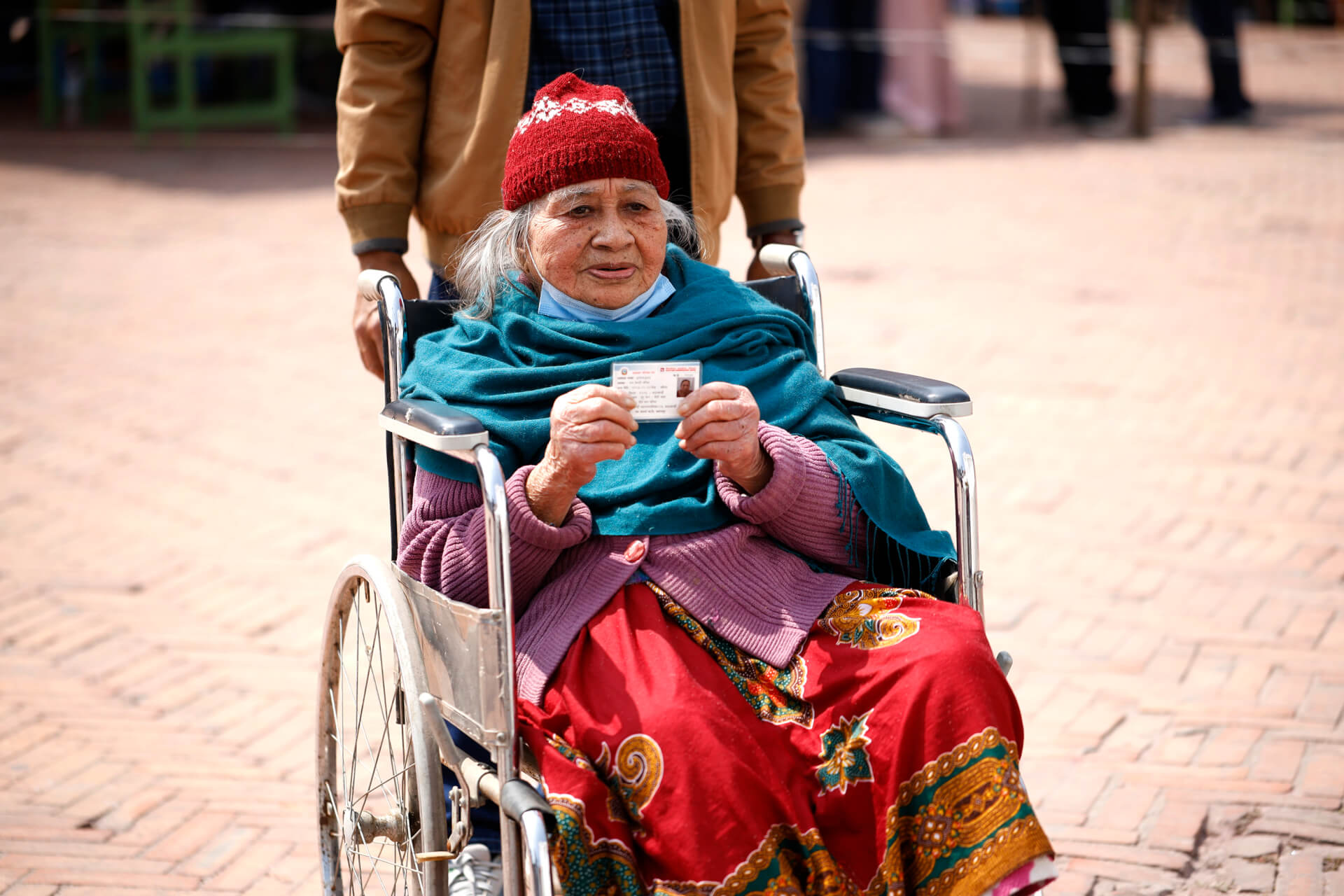
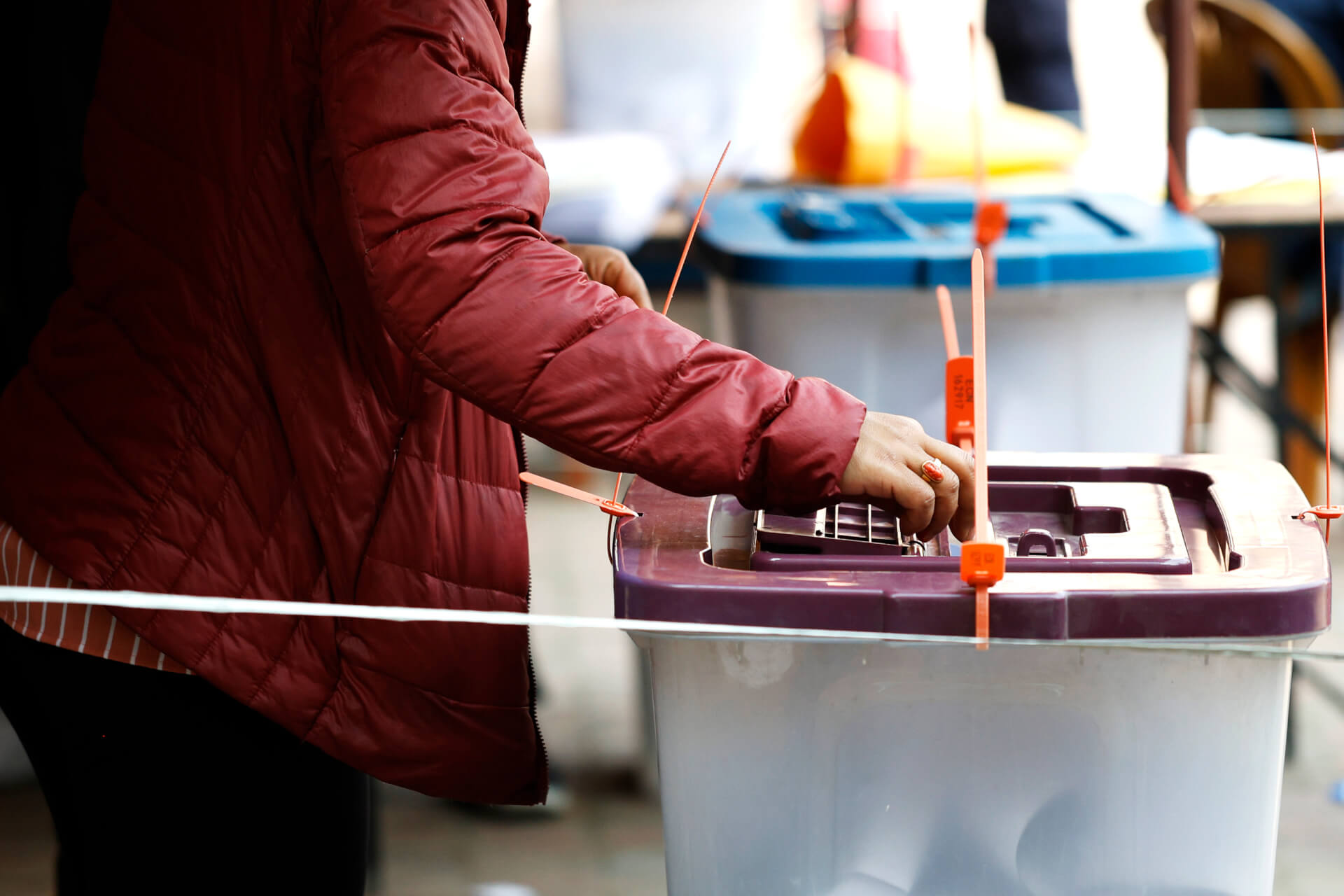
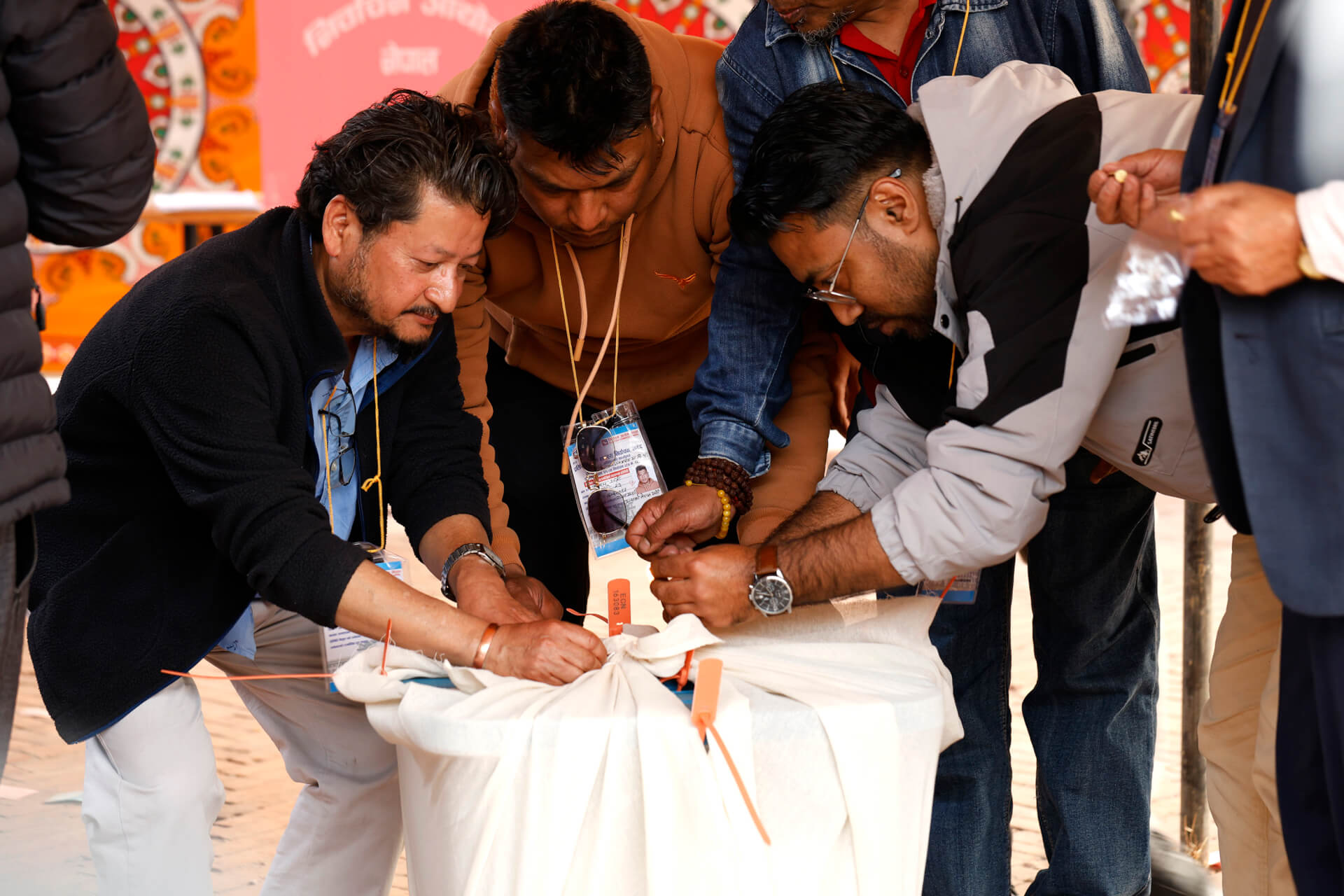
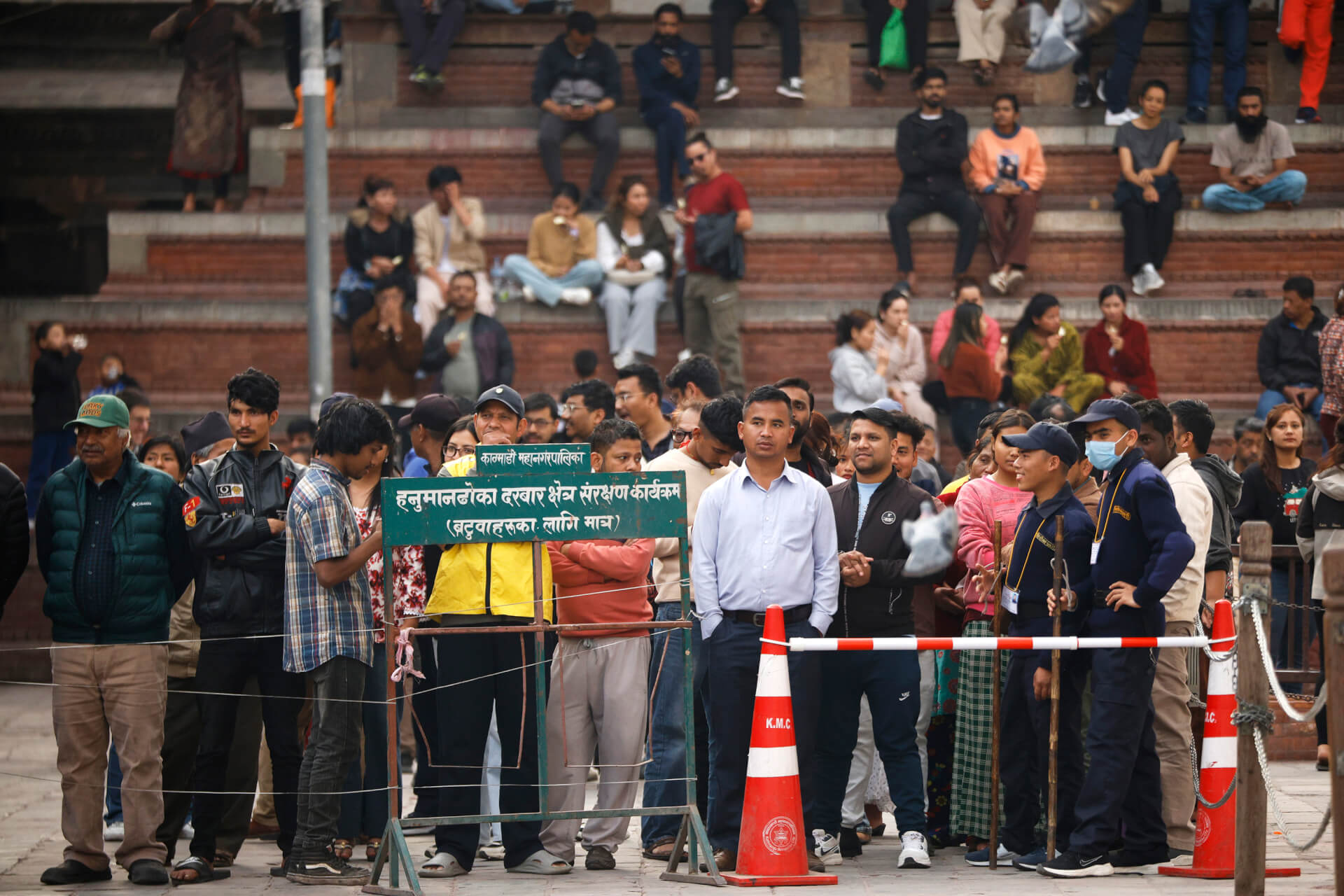
Election officials collect ballot boxes for transport to counting centres as voters cast their ballots during Nepal’s parliamentary elections in Kathmandu on March 5, 2026. The vote marks the country’s first election since anti-government protests led to the collapse of the previous government in September 2025. An elderly woman is seen displaying her voter ID after voting. (c) SANJOG MANANDHAR
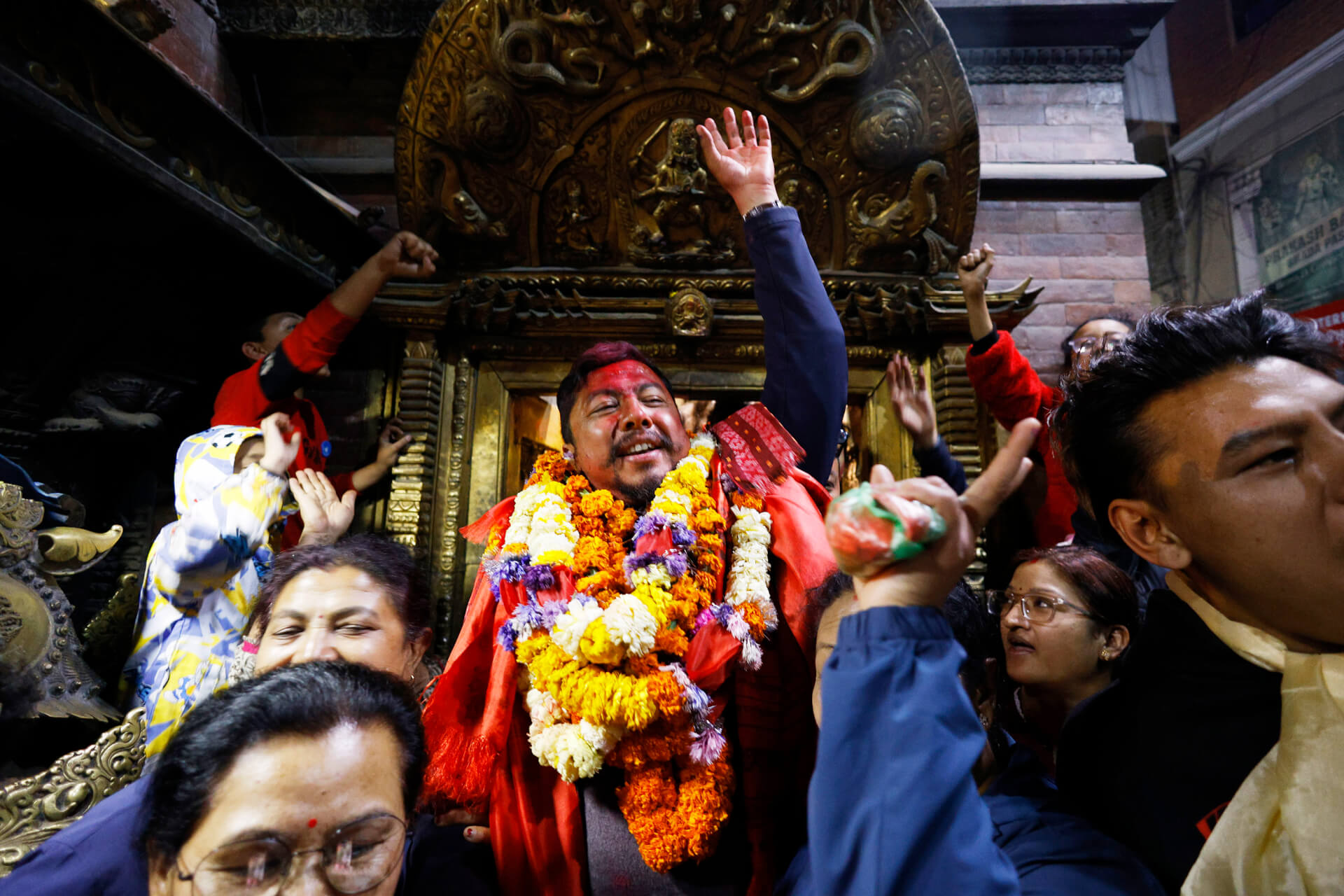
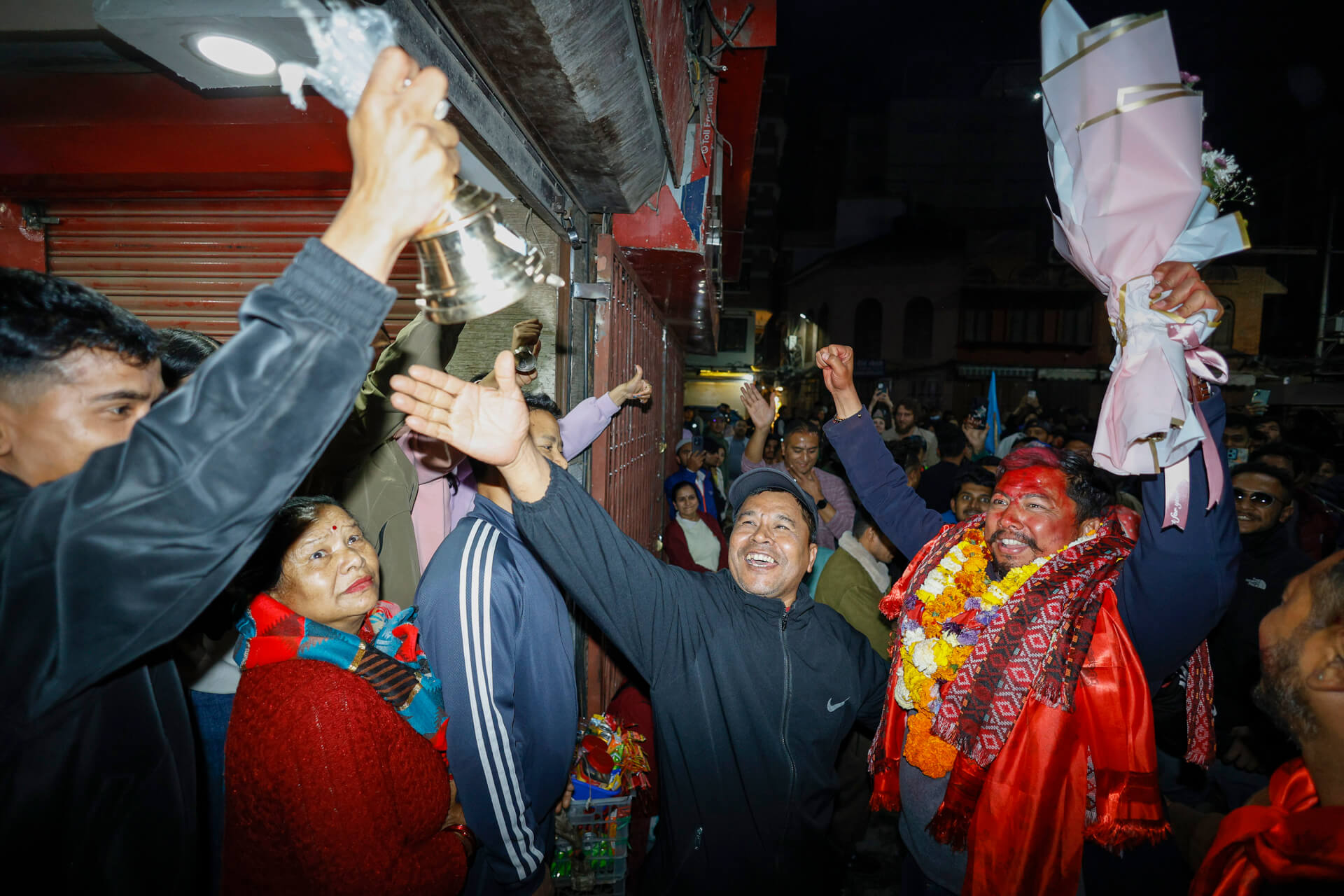
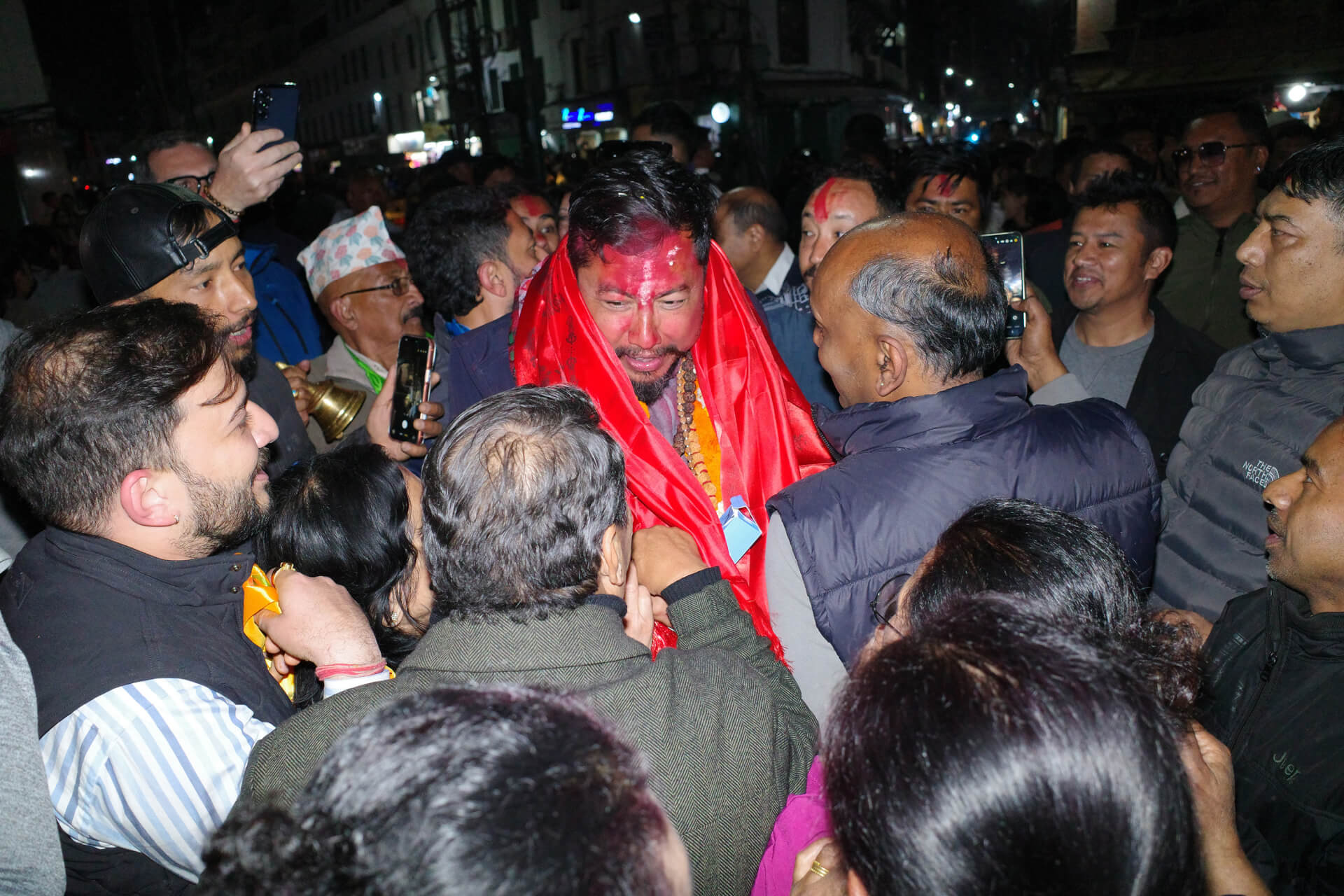
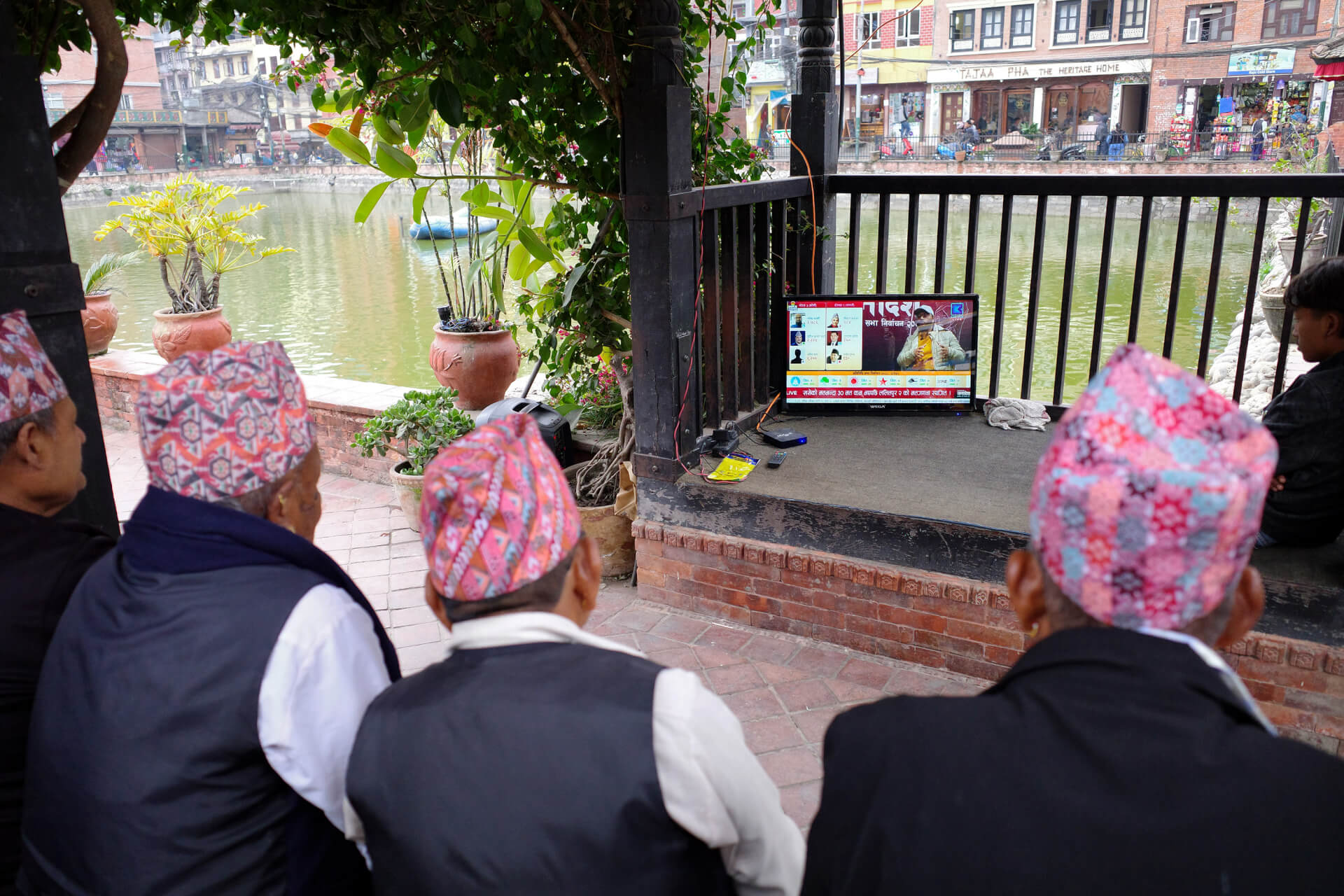
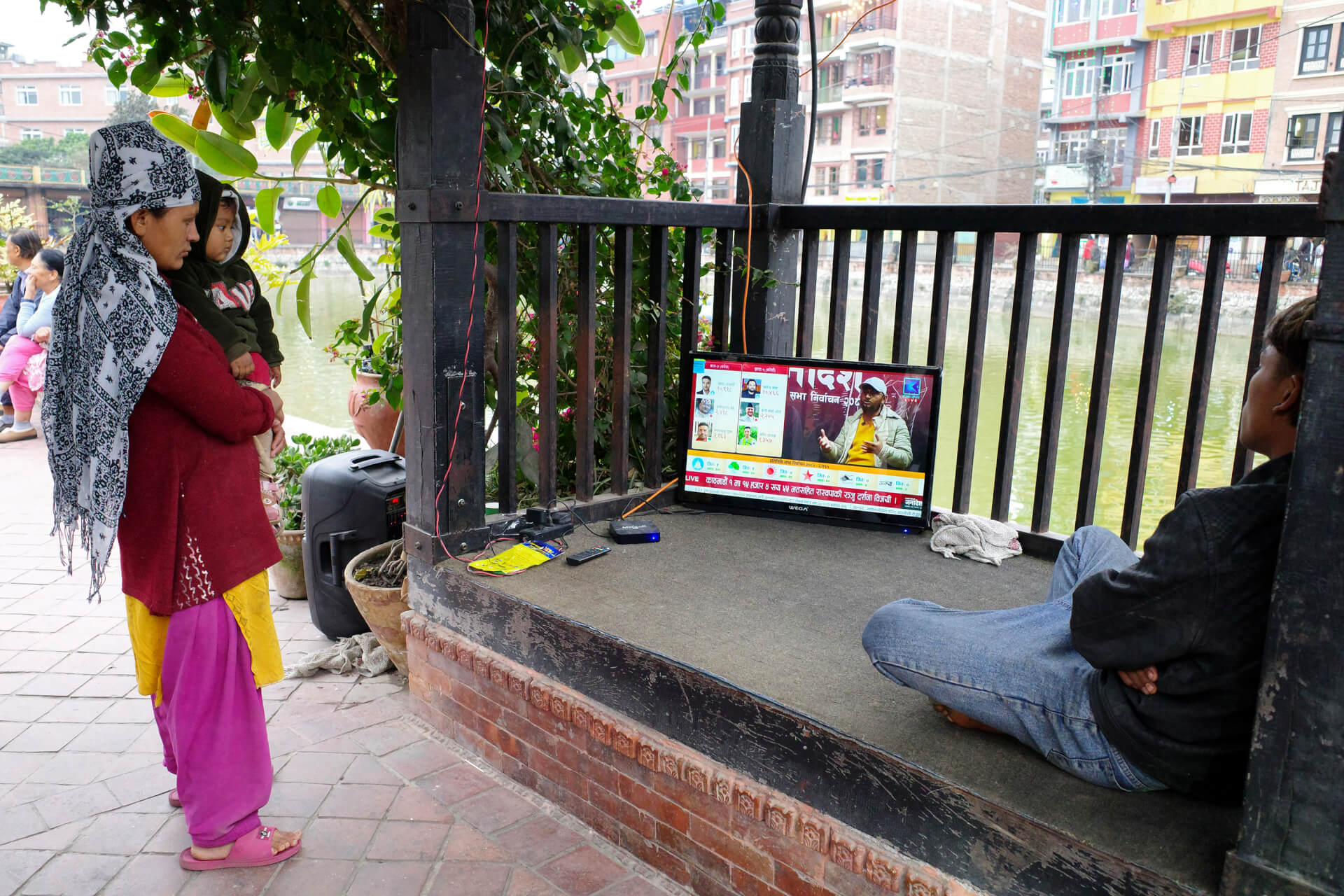
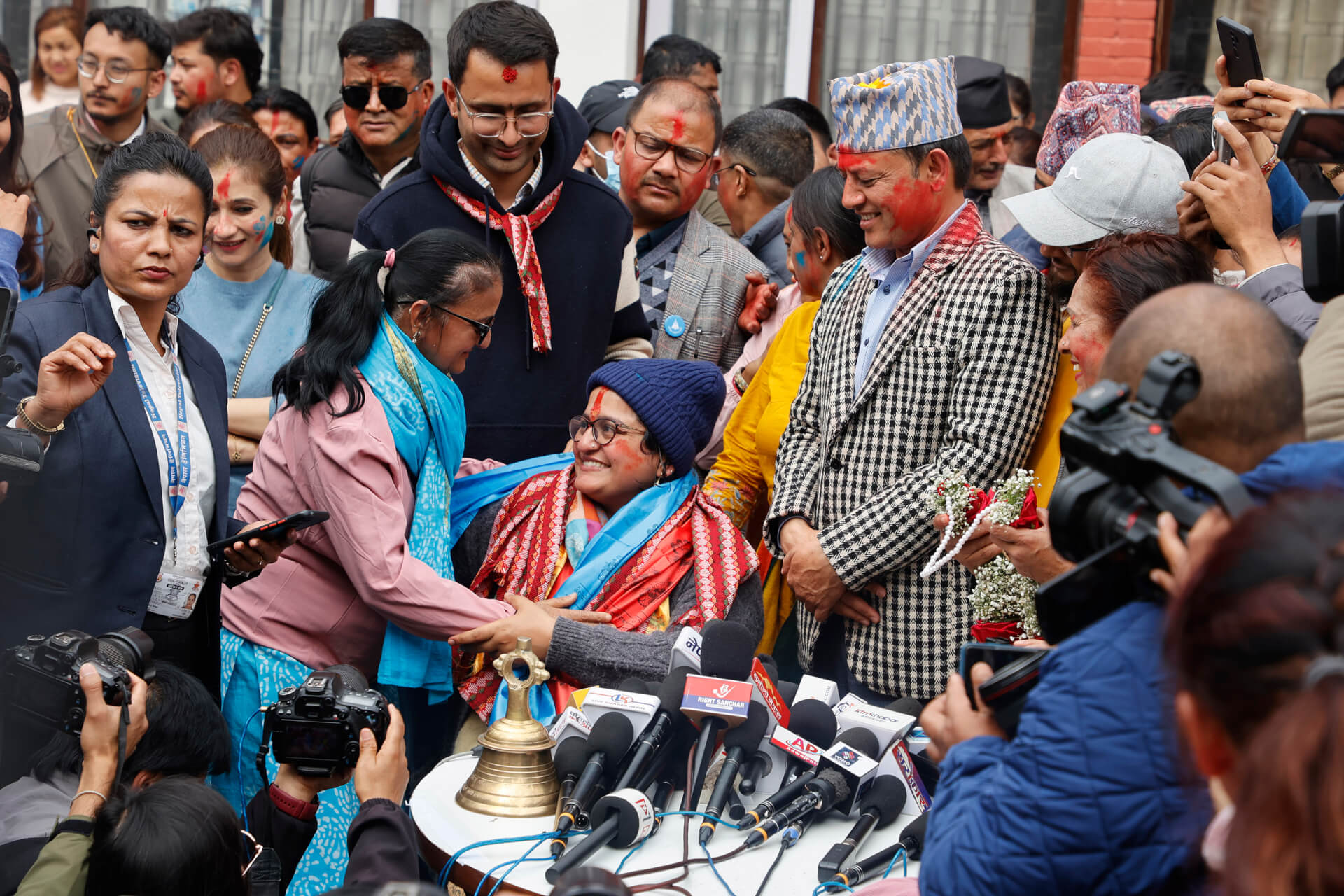
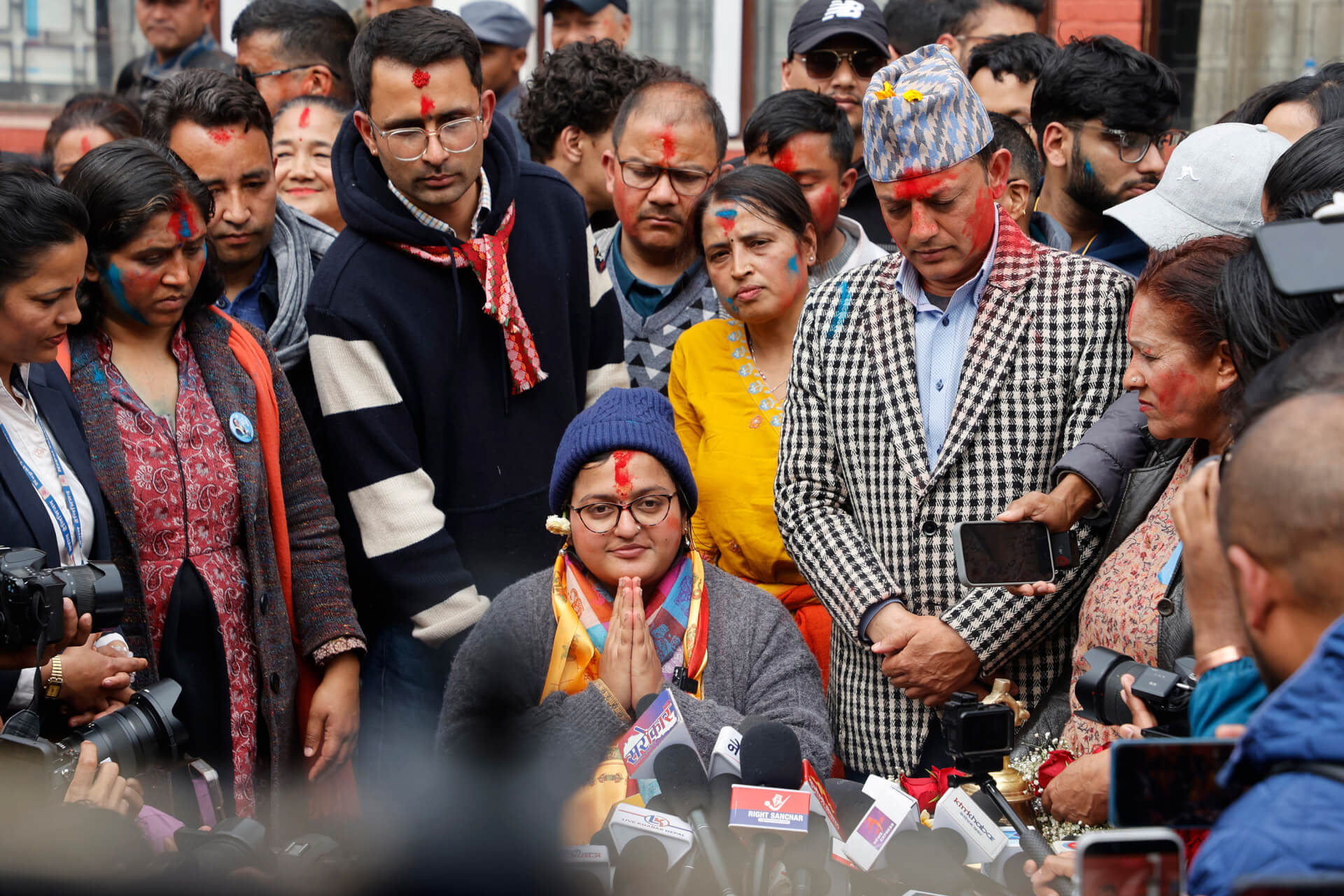

Supporters celebrate as Biraj Bhakta Shrestha is felicitated during a victory rally in Kathmandu, while others watch vote counting results in public spaces in Lalitpur on March 6, 2026. Ranju Darshana, a Rastriya Swatantra Party (RSP) candidate, reacts after securing one of the first parliamentary victories. The elections mark Nepal’s first since anti-government protests led to the collapse of the previous government in September 2025. (c)SANJOG MANANDHAR / HEMANTA SHRESTHA
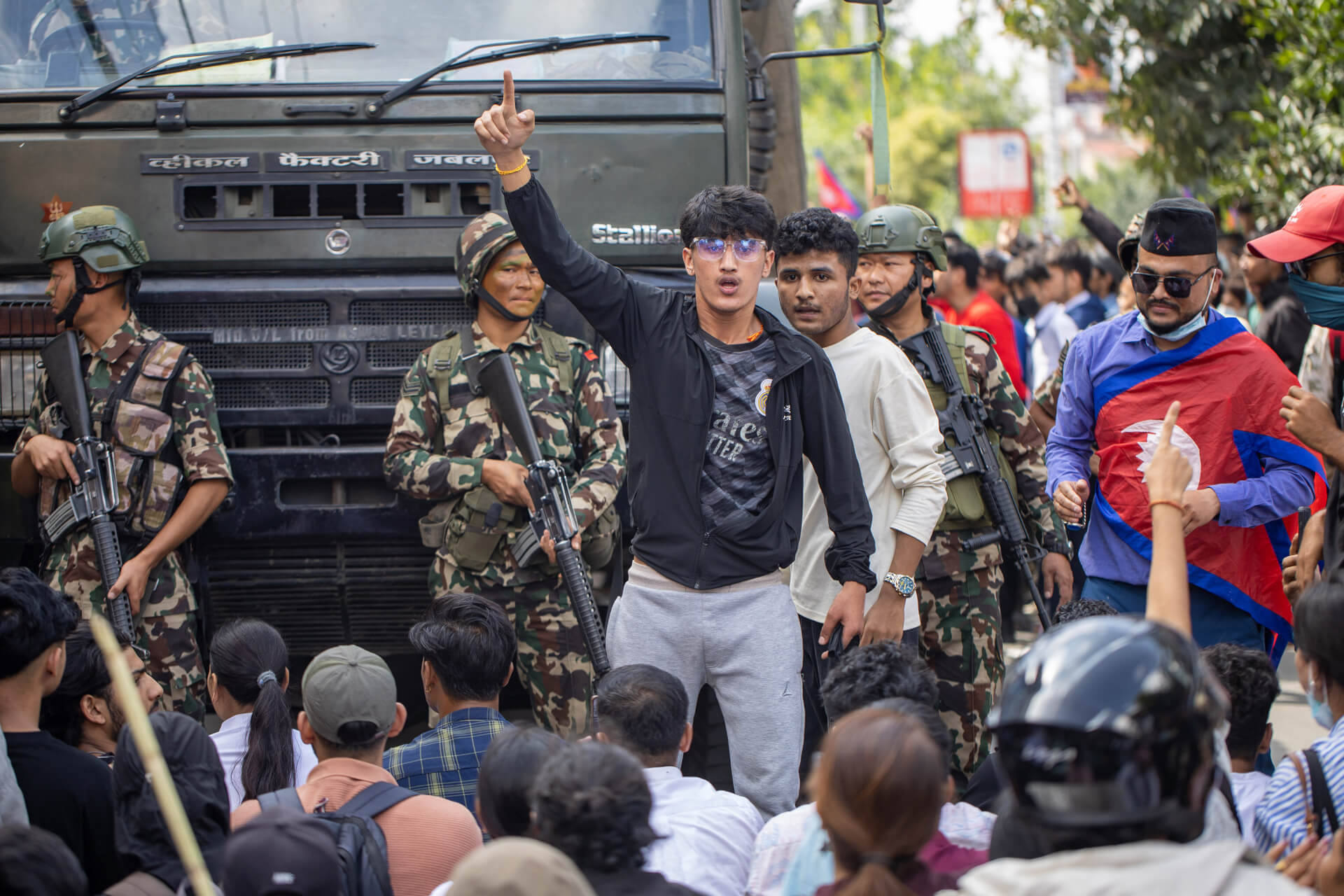
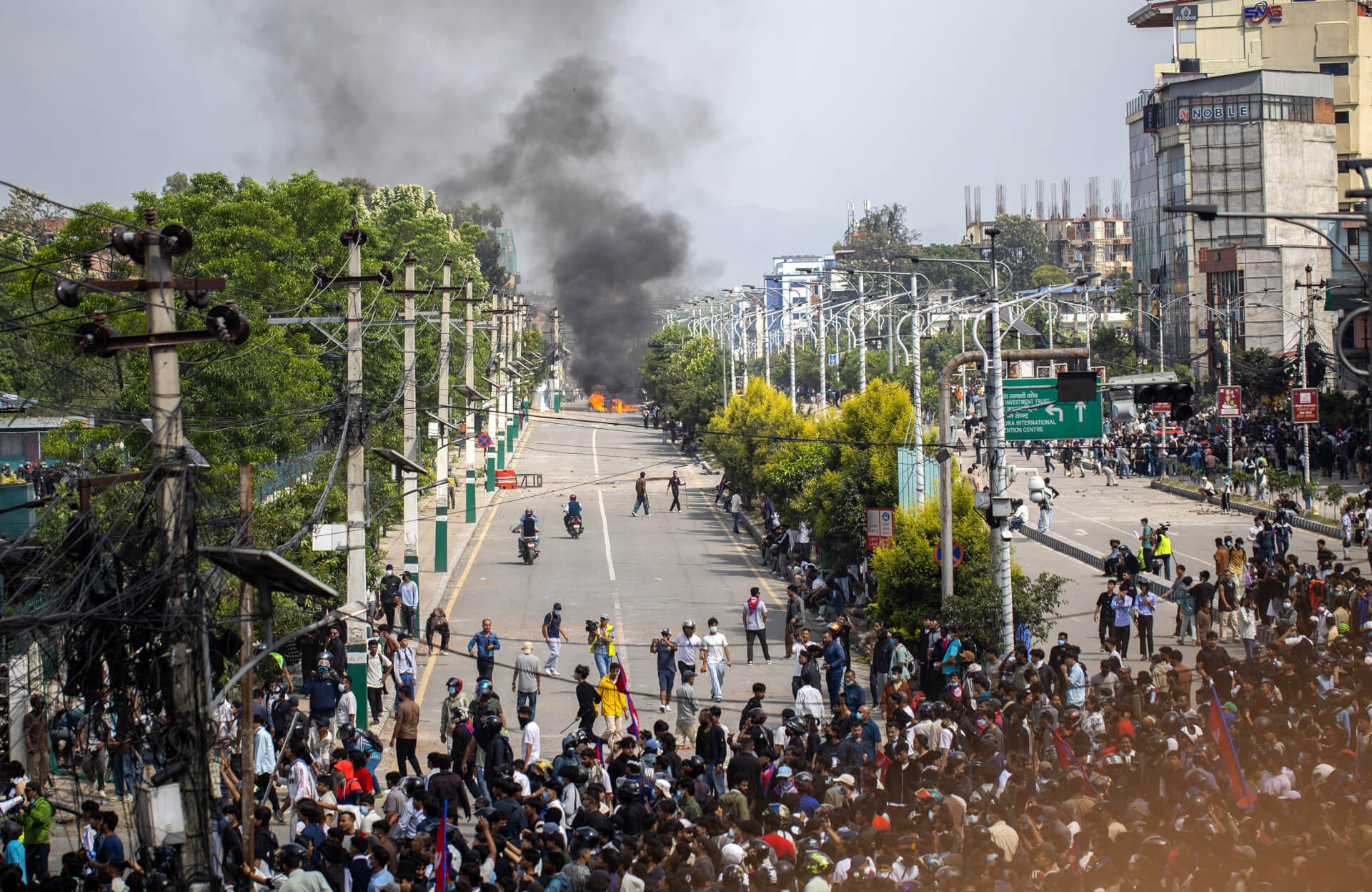
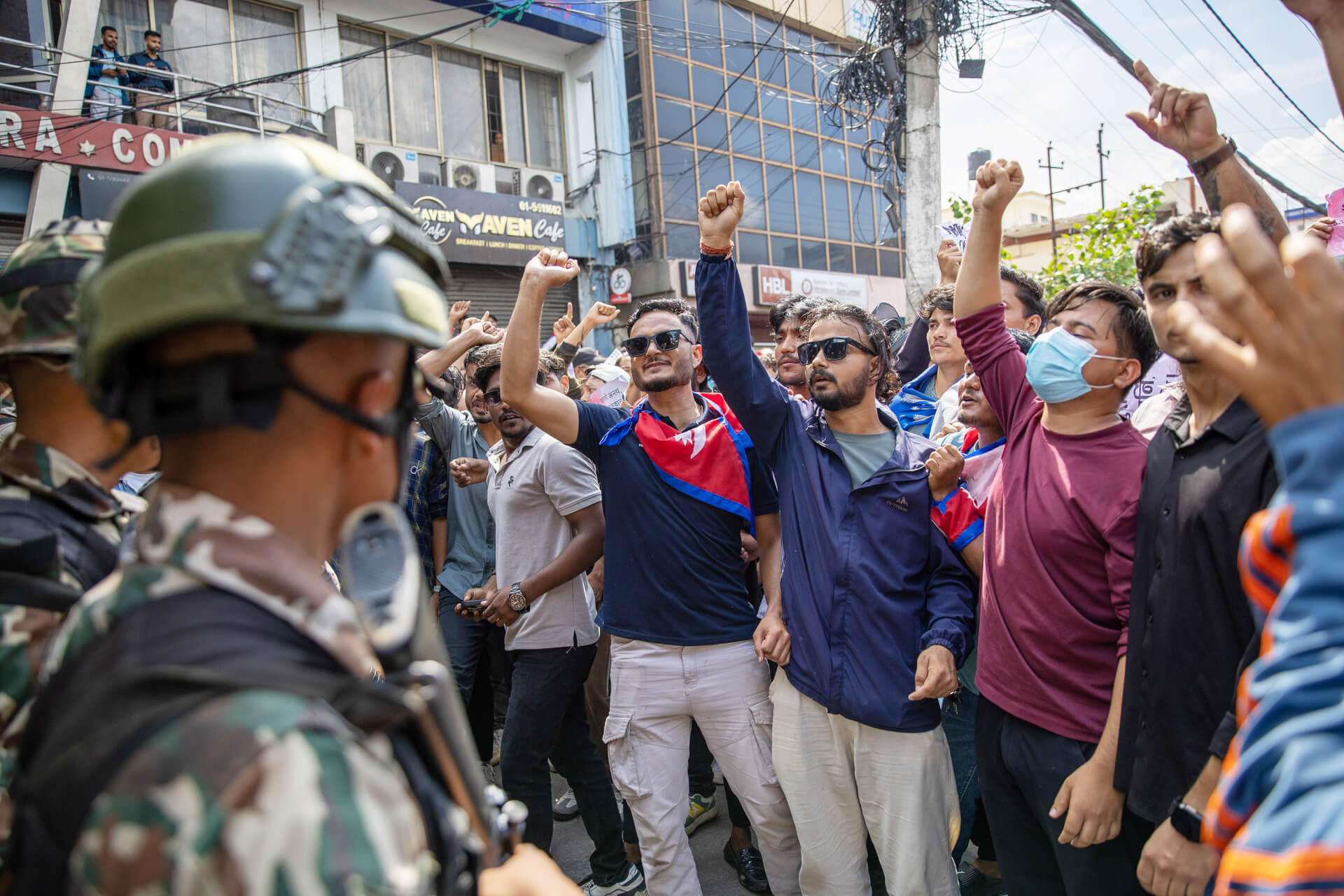
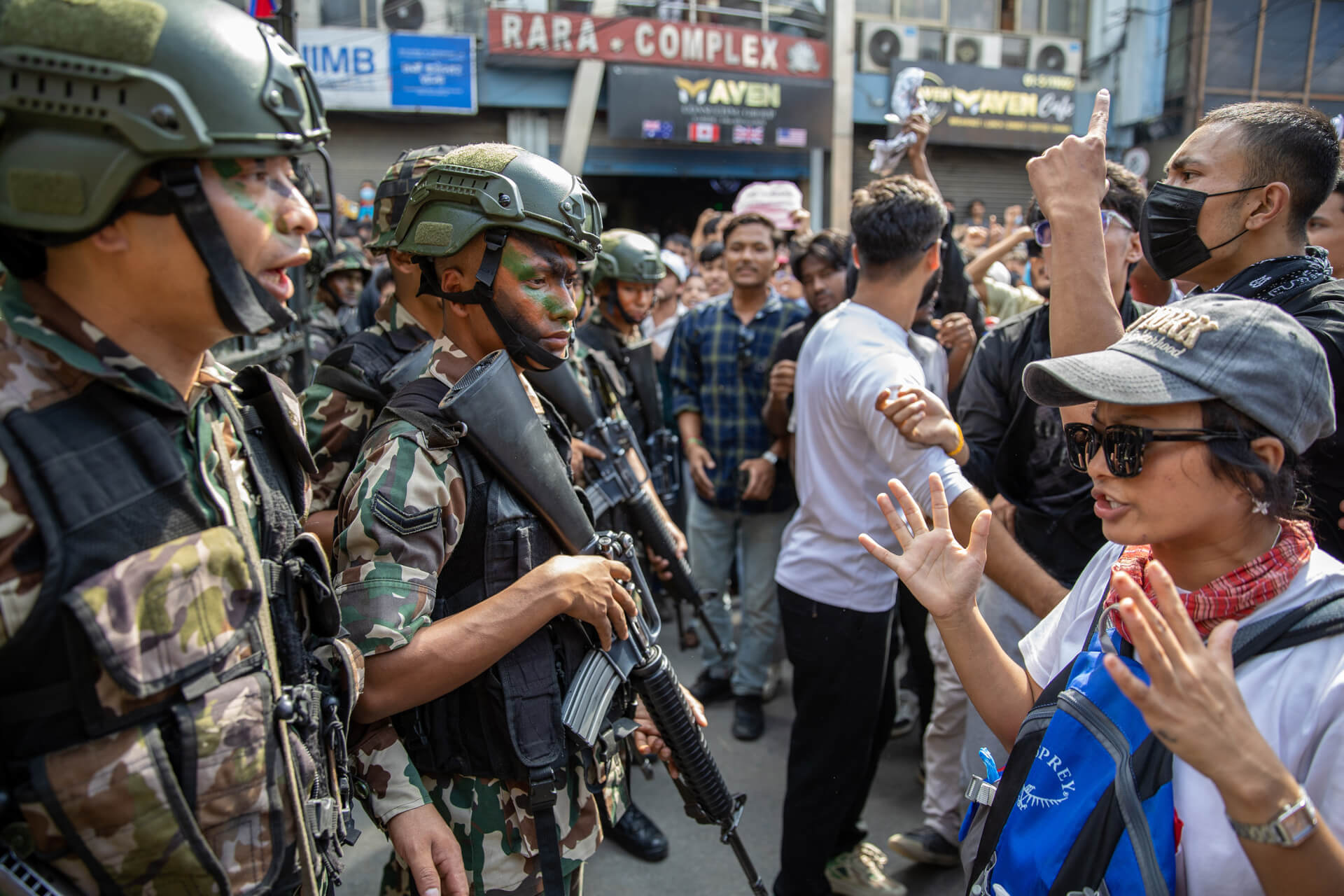
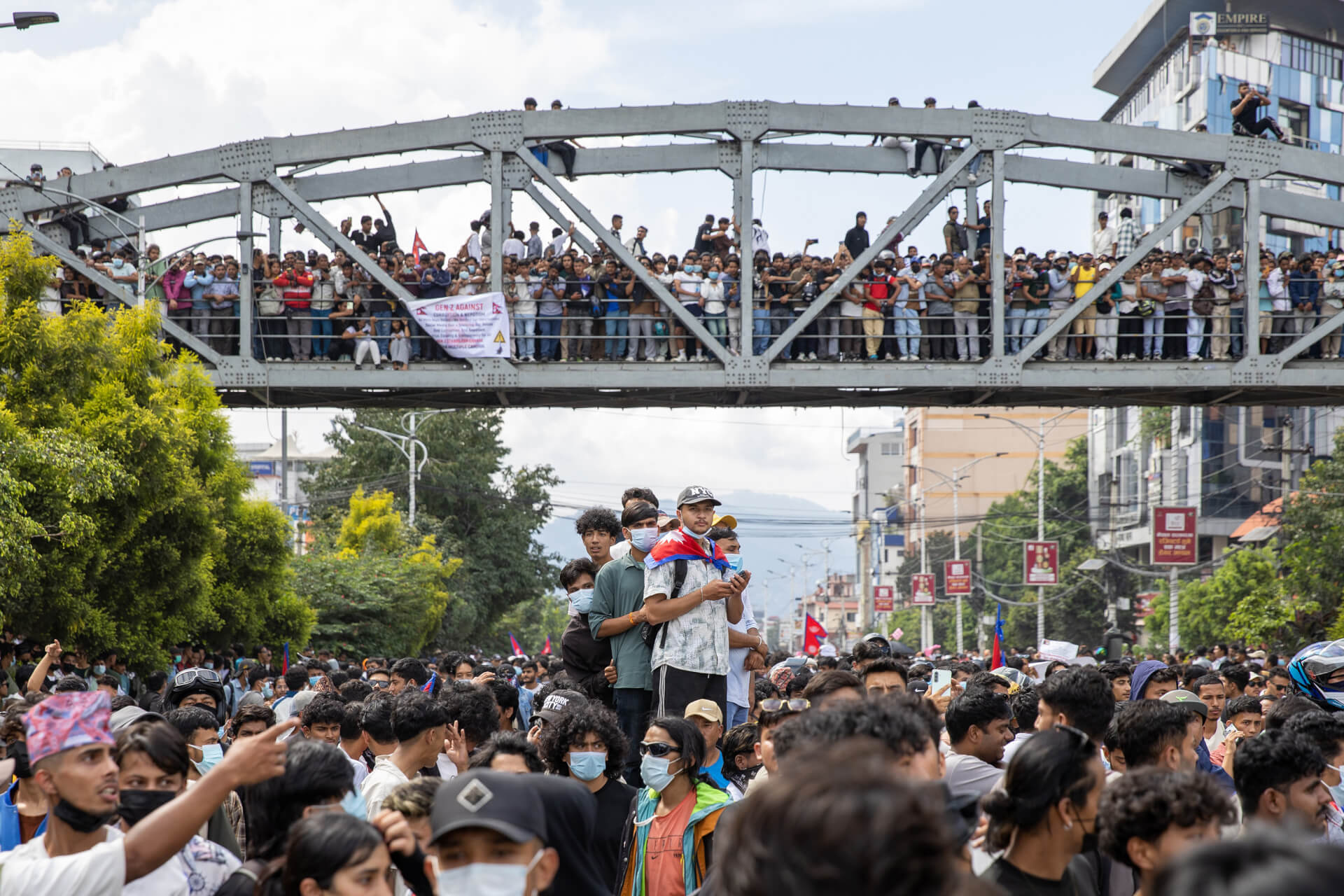
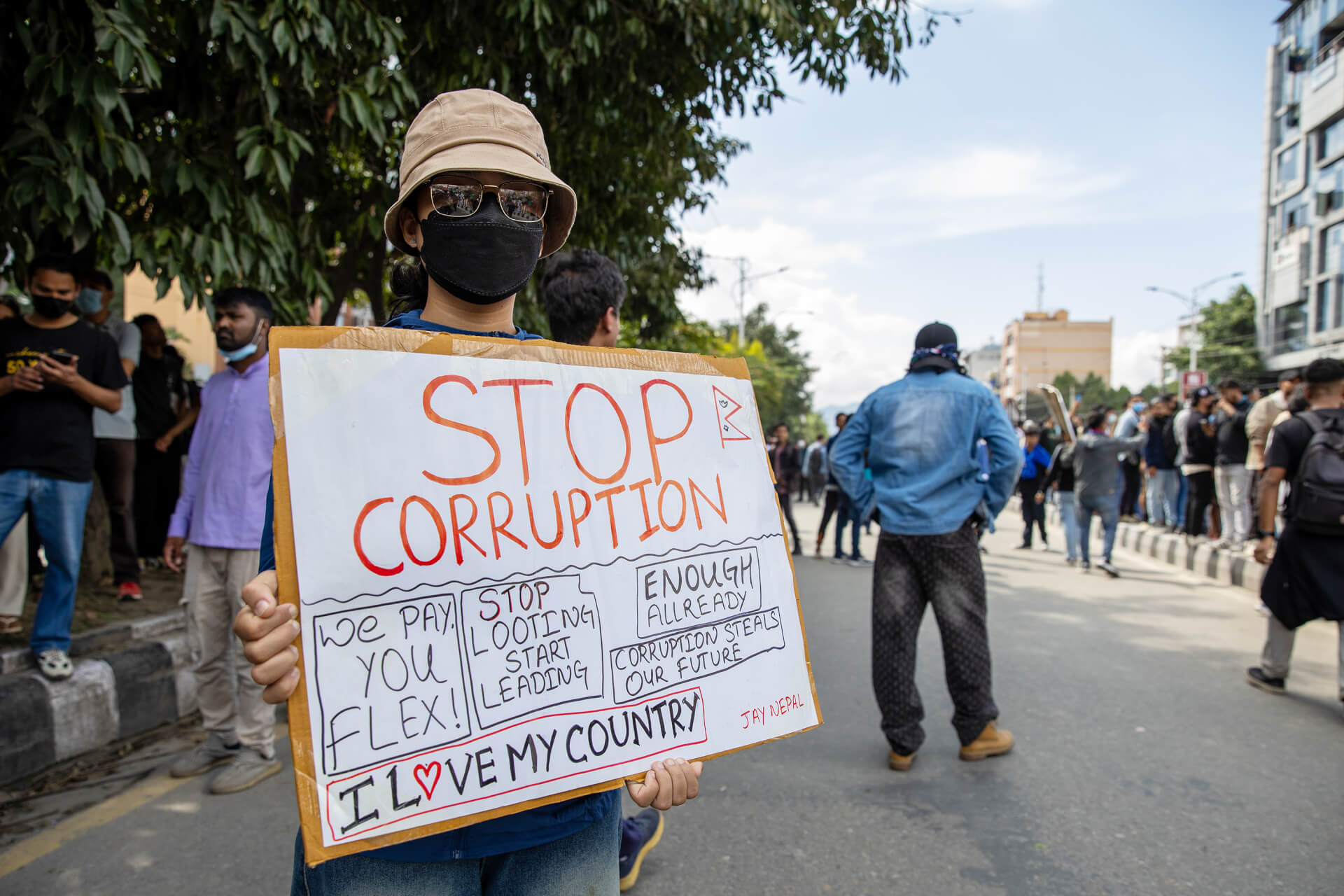
Protestors rally against corruption and social media restrictions in Kathmandu, Nepal. September 8th, 2025. (c)SANJOG MANANDHAR
Tue 17 Mar 2026
News
Leading Change: How Women, Youth and Civil Society Are Accelerating the SDGs from the Ground Up With less than five years left to achieve the 2030 Agenda for Sustainable Development, civil society leaders from across regions gathered on 11 March 2026 for the CSW70 side event “Leading Change: Women, Youth, and Civic Action for SDG Acceleration.”
Fri 13 Mar 2026
News
From menstrual dignity to digital safety: How grassroots feminists are redefining gender justice Girls without access to sanitary products during their periods often resort to using tissue paper, rags, leaves, or simply staying home. Teachers would sometimes send students away if they stained their uniforms. The breakthrough came with the creation of pad banks: permanent, school-based emergency supply boxes stocked with menstrual products each term. Girls who begin menstruating during school hours can discreetly access supplies from the counselor’s office and remain in class.