© Forus
© Sanjog Manandhar
Tue 23 Dec 2025
Unbroken Spirit of Mukesh Awasthi: As Nepal’s Youth Demanded Transparency and Dignity, a Single Bullet Changed Everything
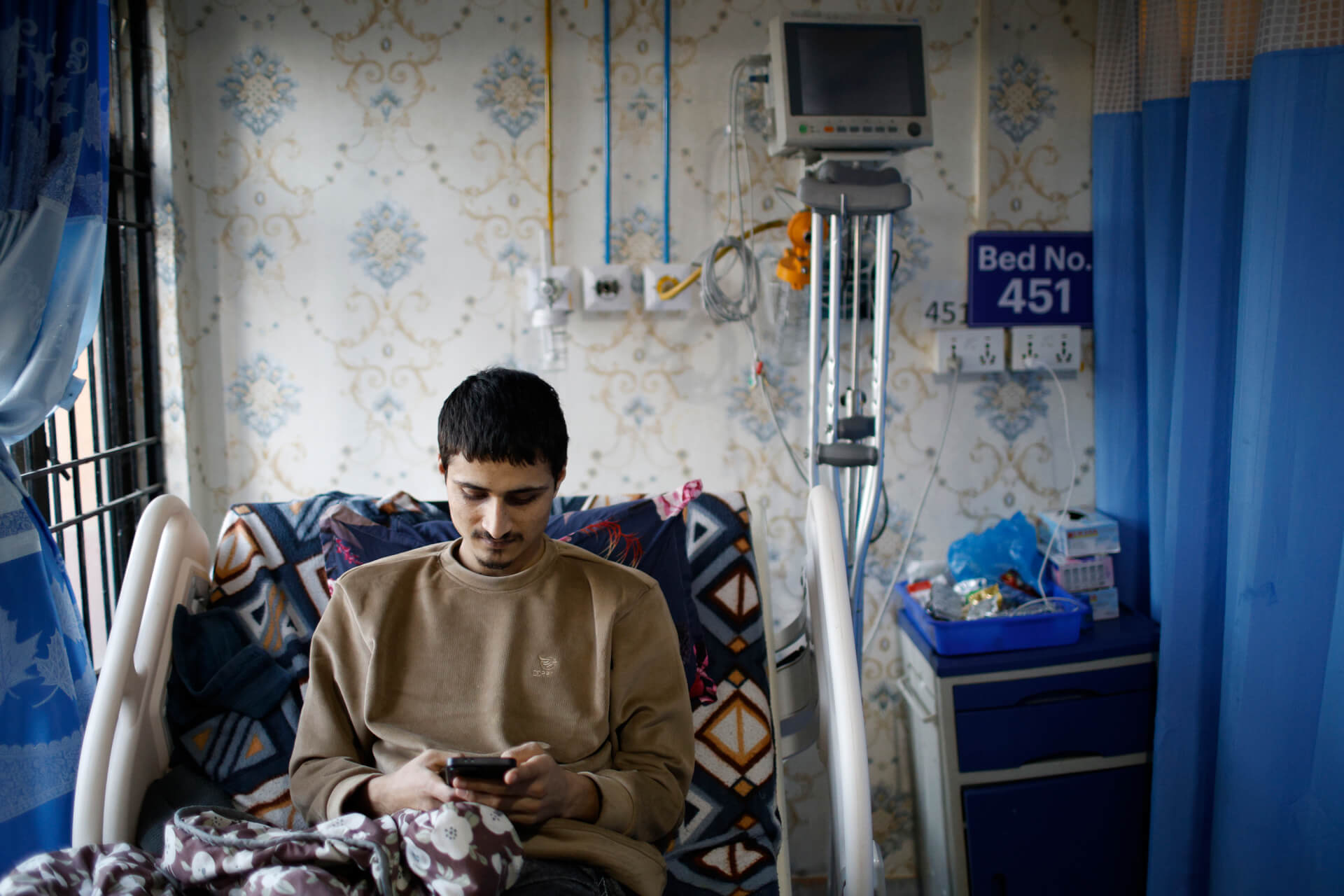
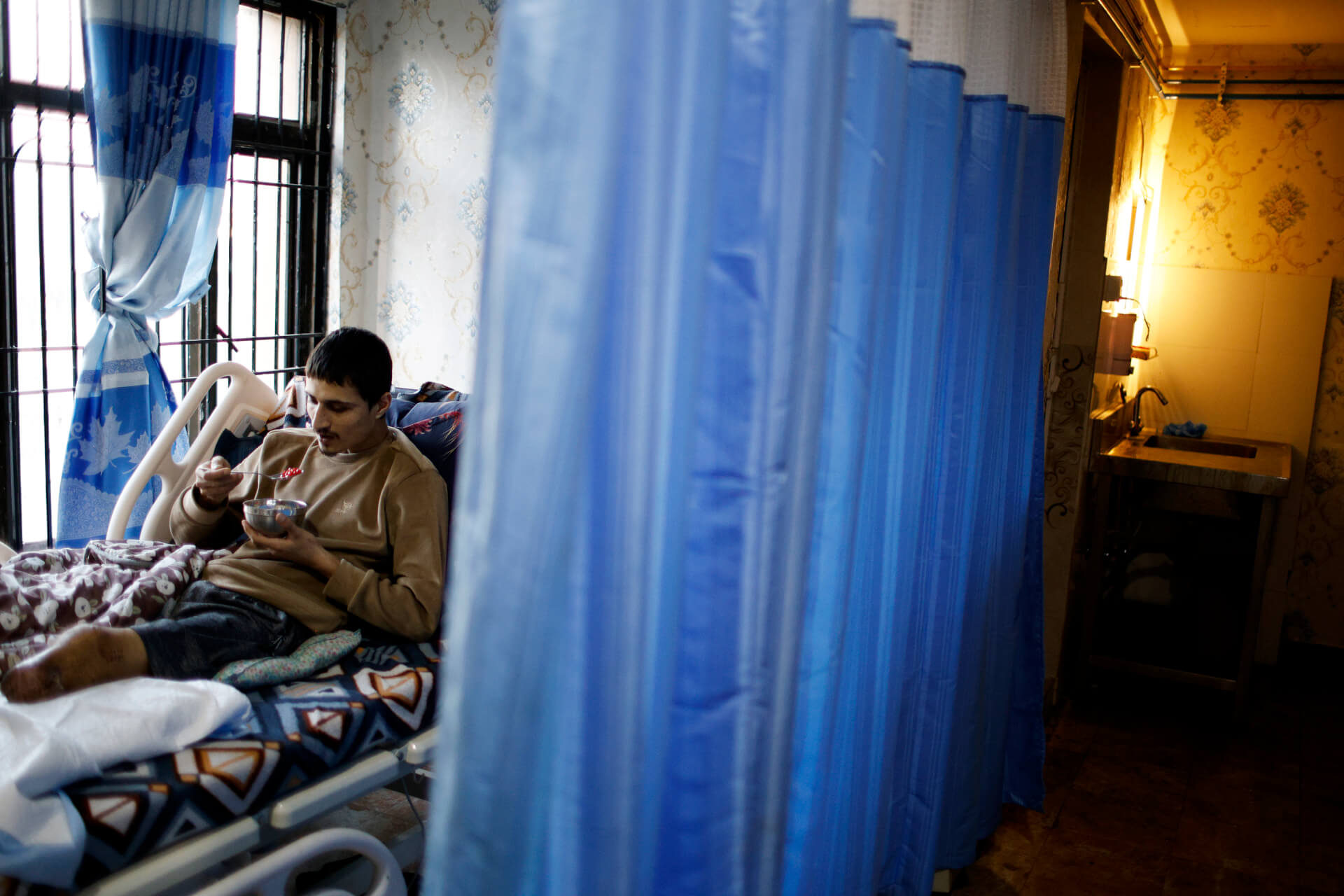
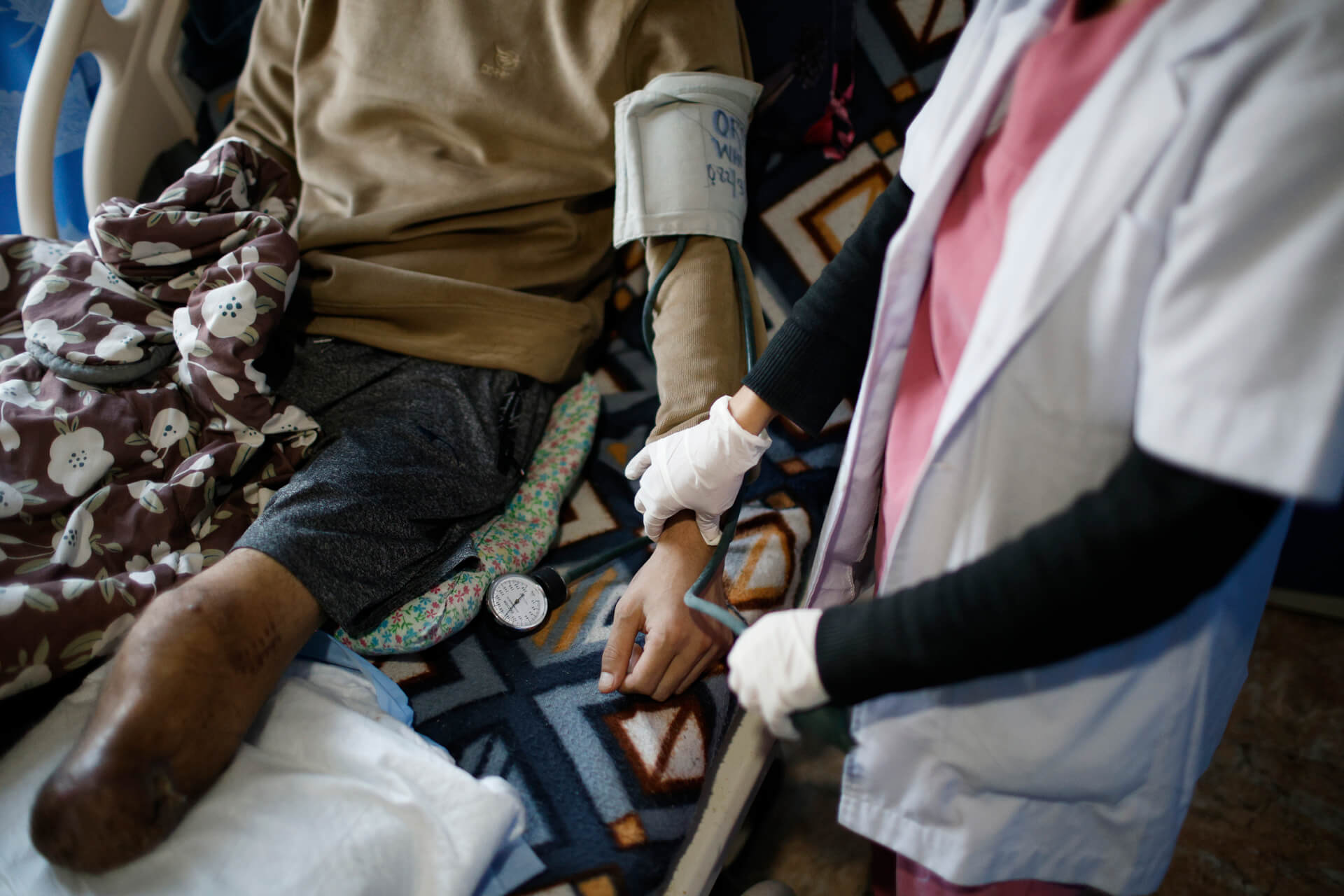
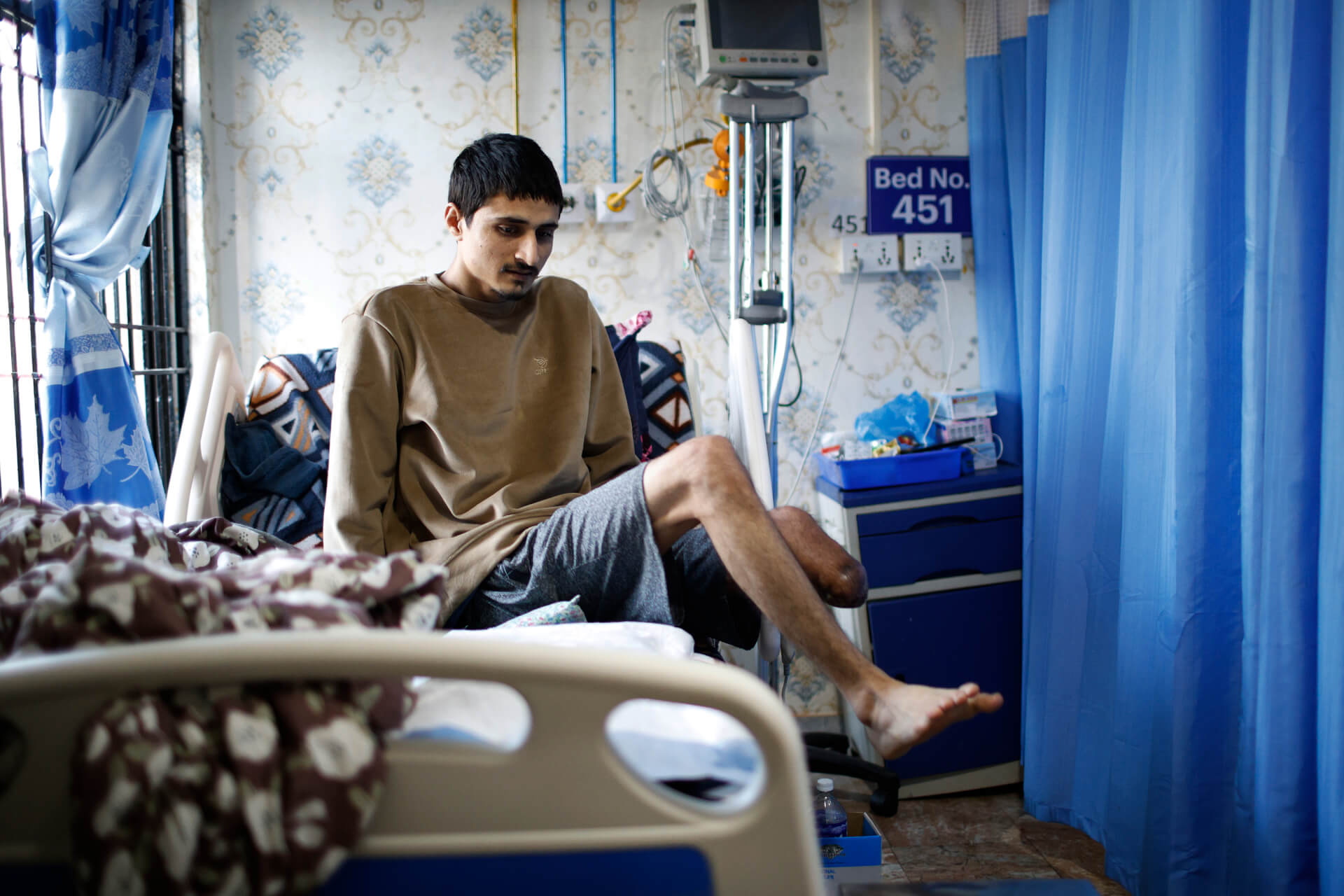
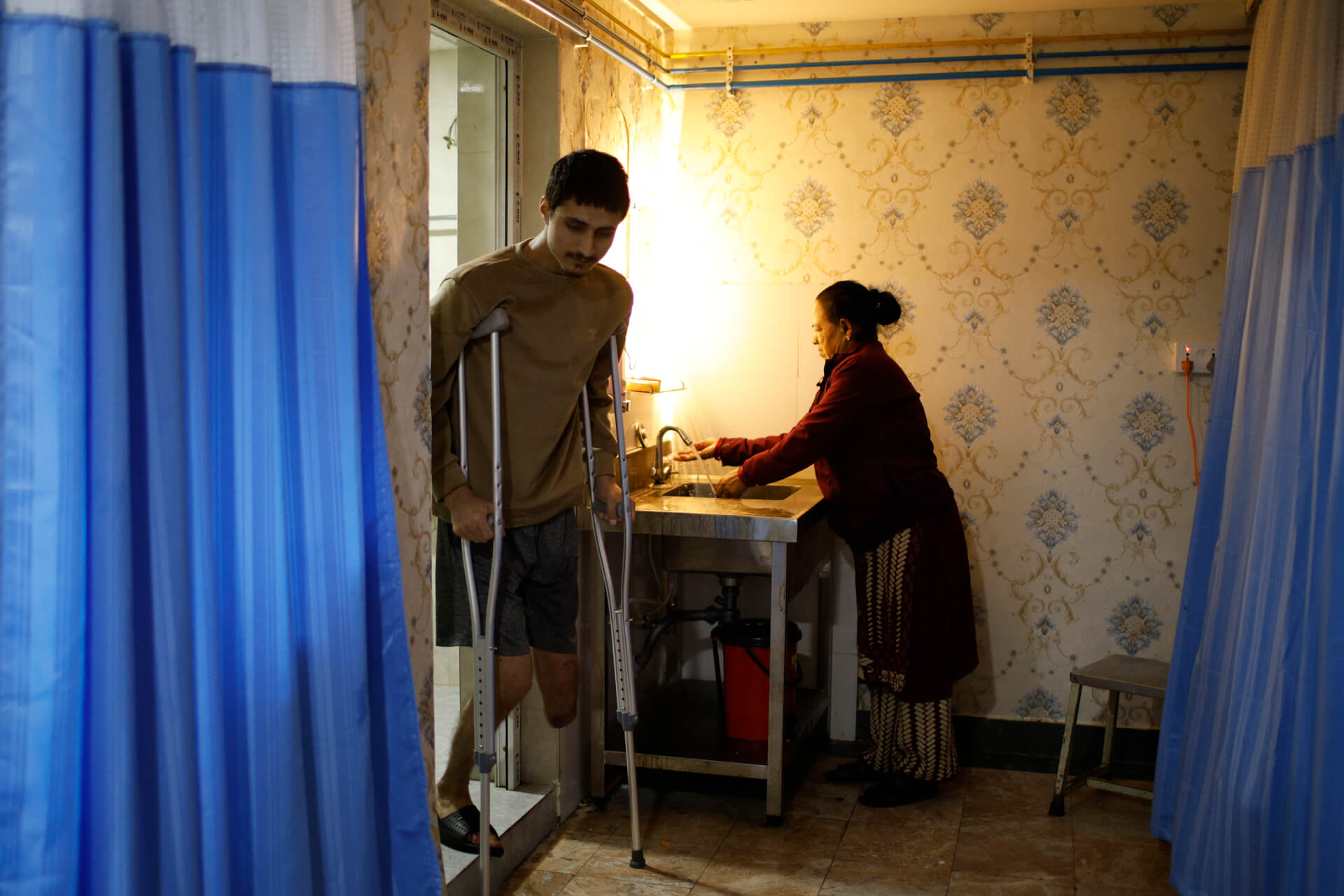
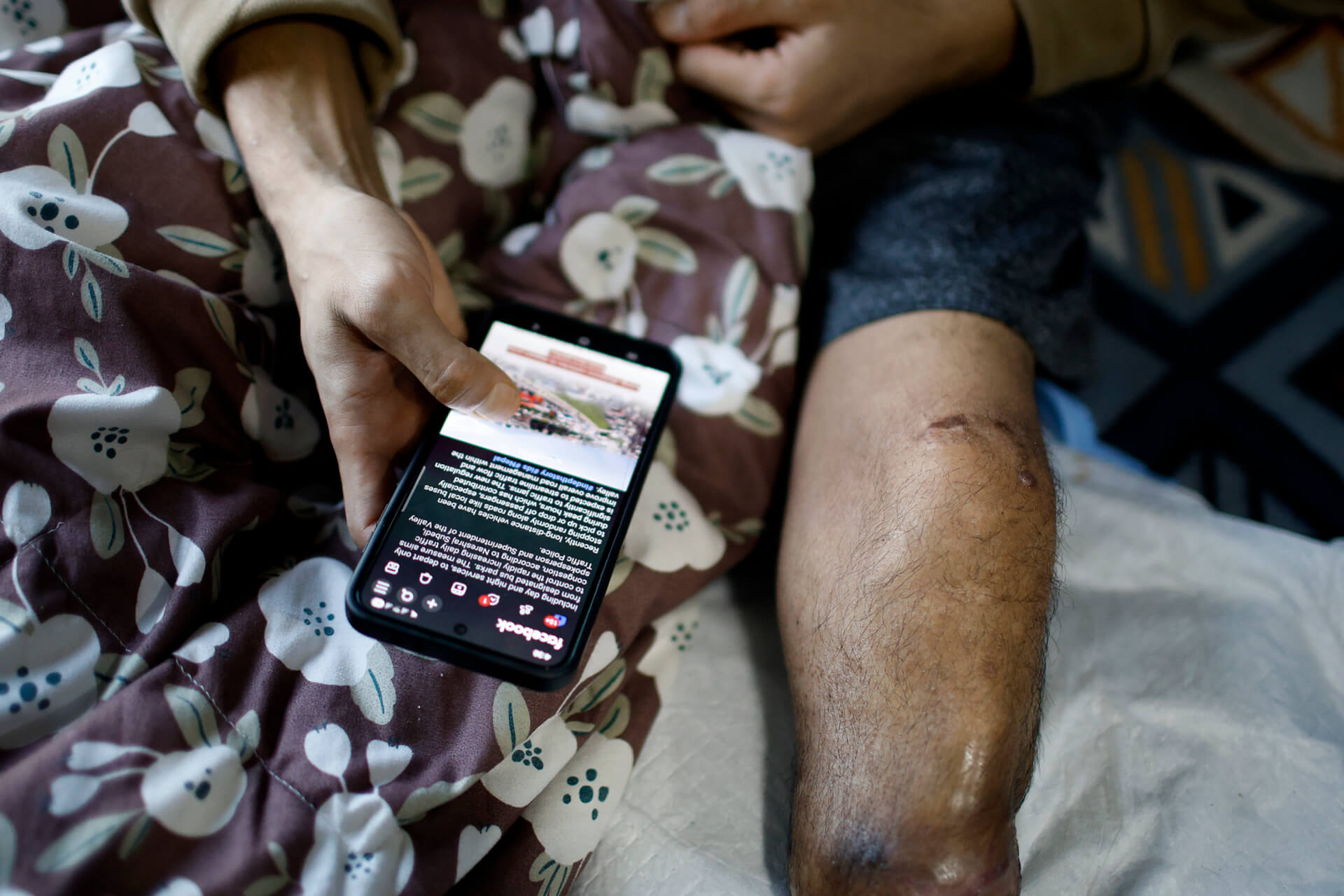
On the fourth floor of the National Trauma Centre in Kathmandu, the air feels heavy. Since September 2025, 22-year-old Mukesh Awasthi has lived in a world bounded by the four walls of a hospital room. His bed sits by the window—his only connection to the life he once had. Most of the time, he is silent, staring at the empty space beneath the white sheets where his left leg used to be.
Just months ago, Mukesh was a young man in motion. His bags were figuratively packed for Australia, where he planned to pursue civil engineering. Today, he is a symbol of a generation’s broken heart.
Mukesh hails from Amargadhi, Dadeldhura—the same land that birthed Nepal’s five-time Prime Minister, Sher Bahadur Deuba. But sharing a home district with the political elite offered him no protection, only despair. Living in a small rented room in Kuleswor, Mukesh embodied the self-made Nepali youth. He worked hard to support himself and his younger brother, a management student, refusing to be a financial burden on his parents.
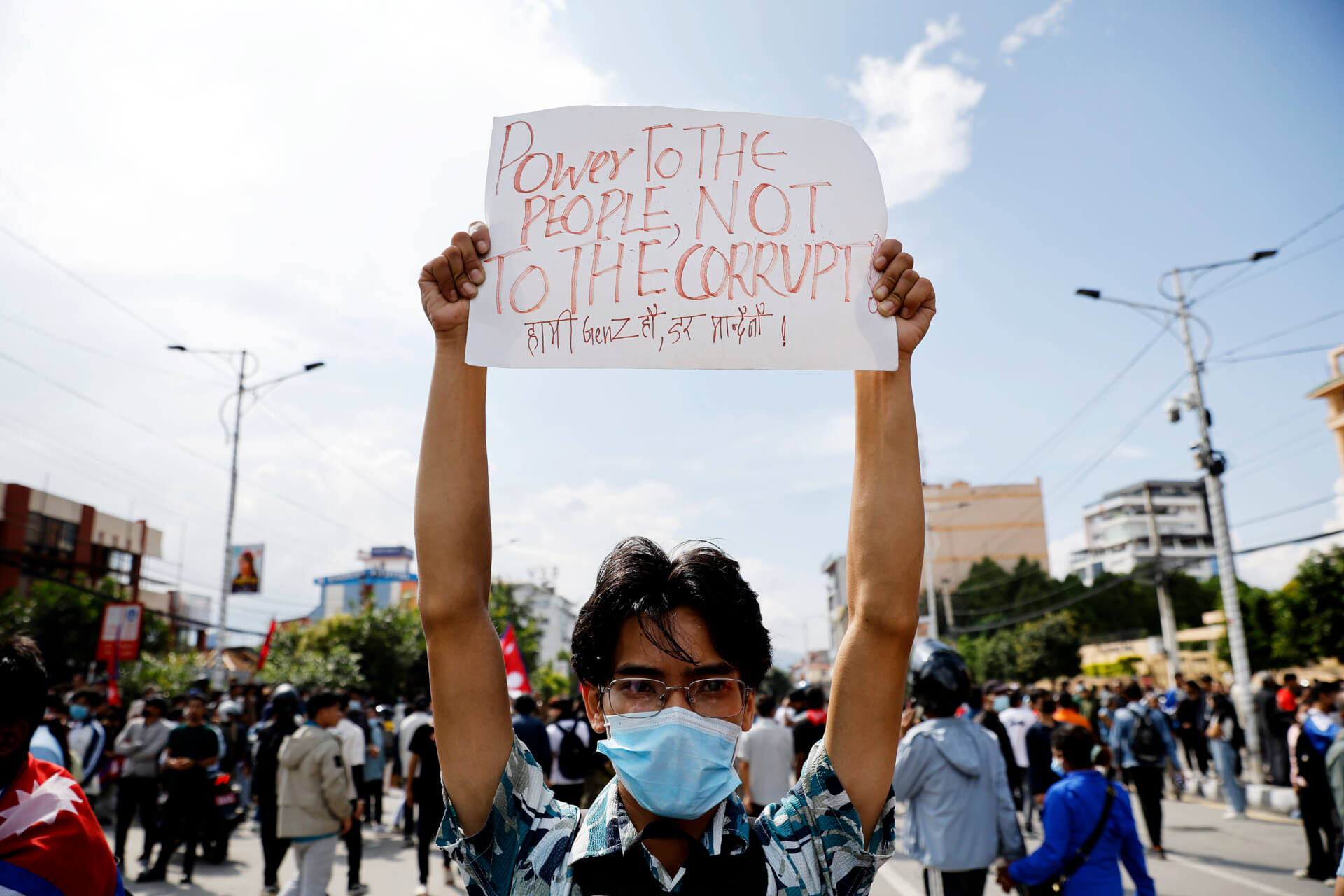
His frustration, like that of millions of his peers, was sharpened by social media. As “nepo-baby” trend posts circulated on TikTok and Instagram, showcasing the gilded lives of the politically connected, the contrast with his own struggle became unbearable. When the government abruptly banned these platforms in September 2025, it felt like a direct assault on the only window young people had to the world.
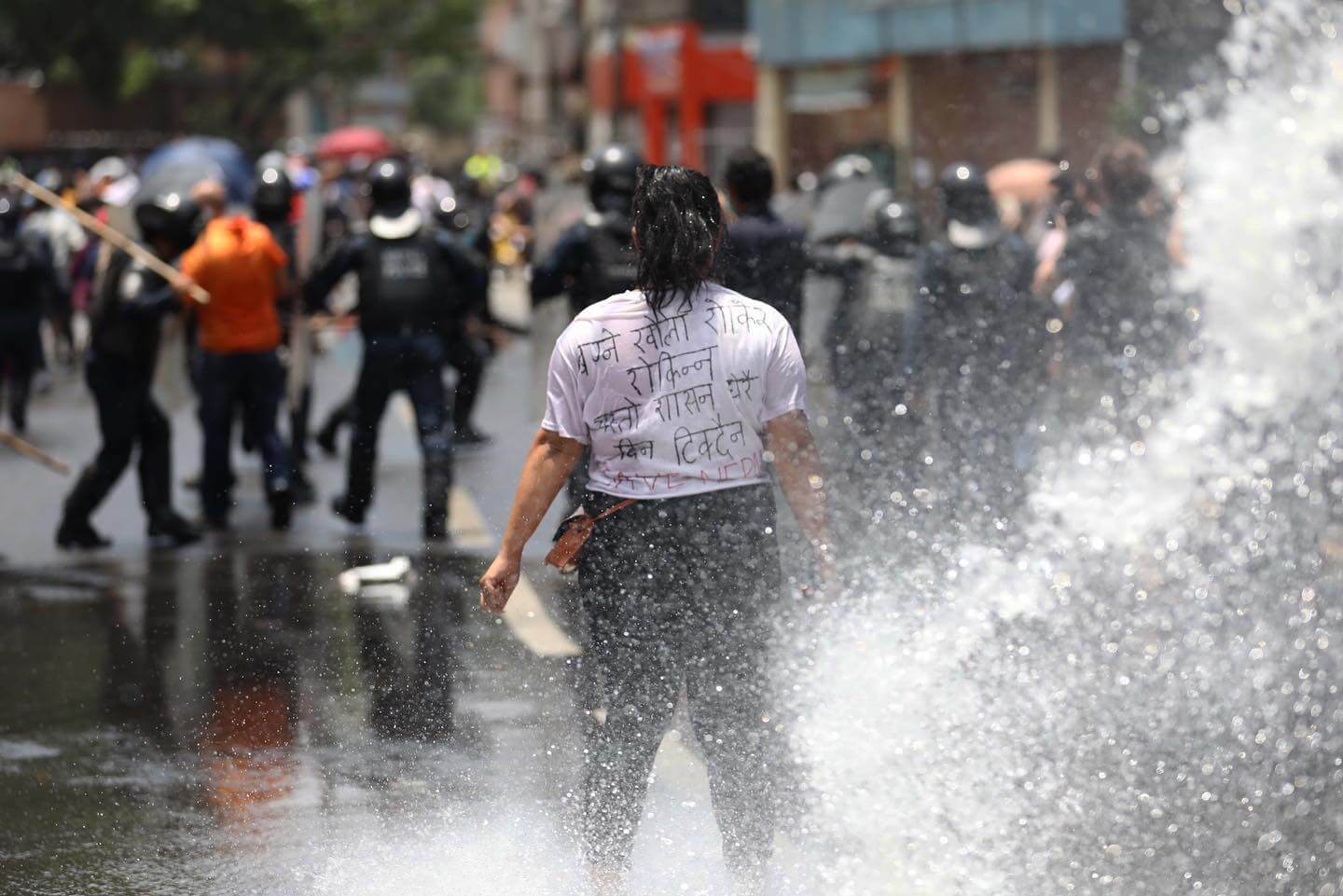
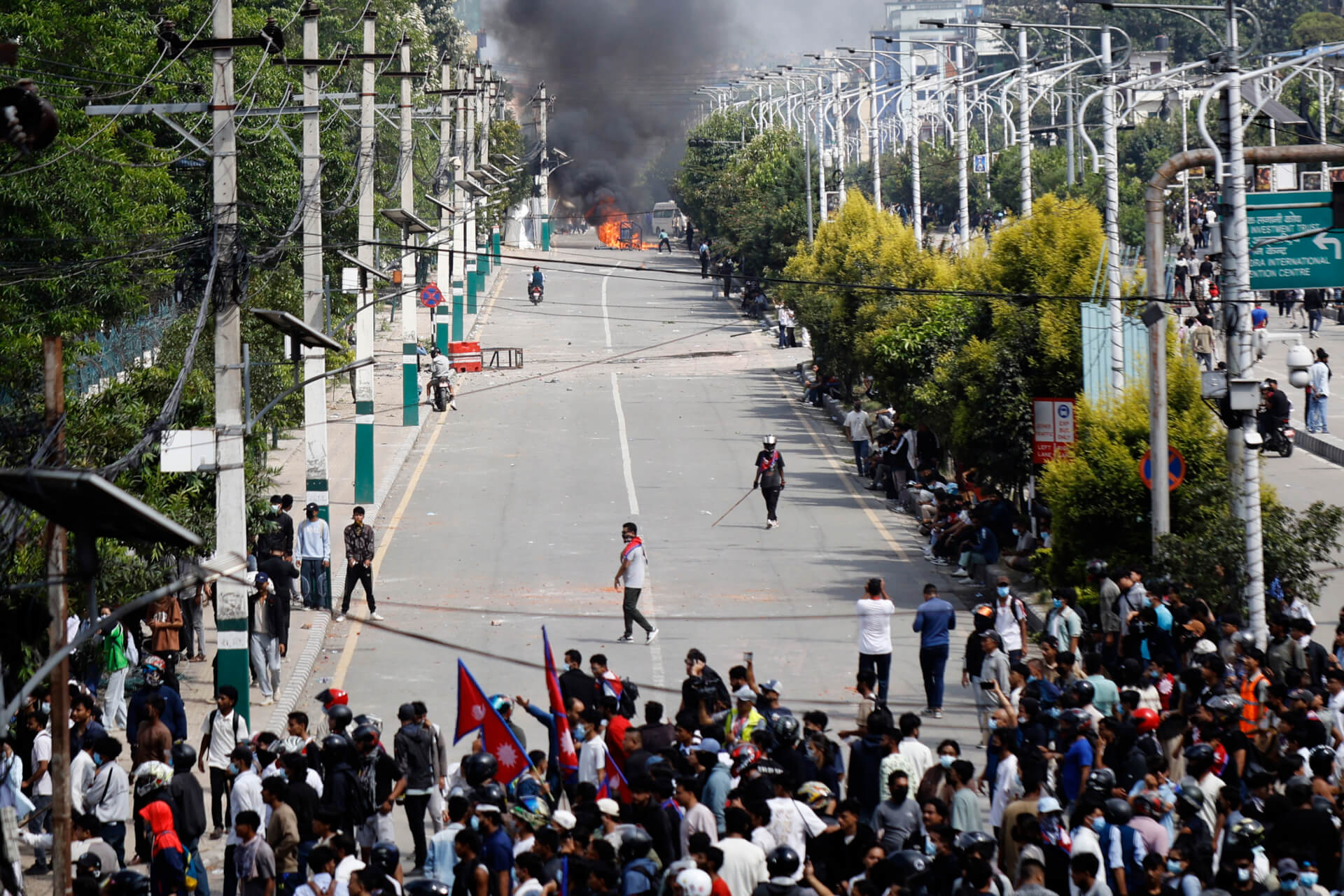
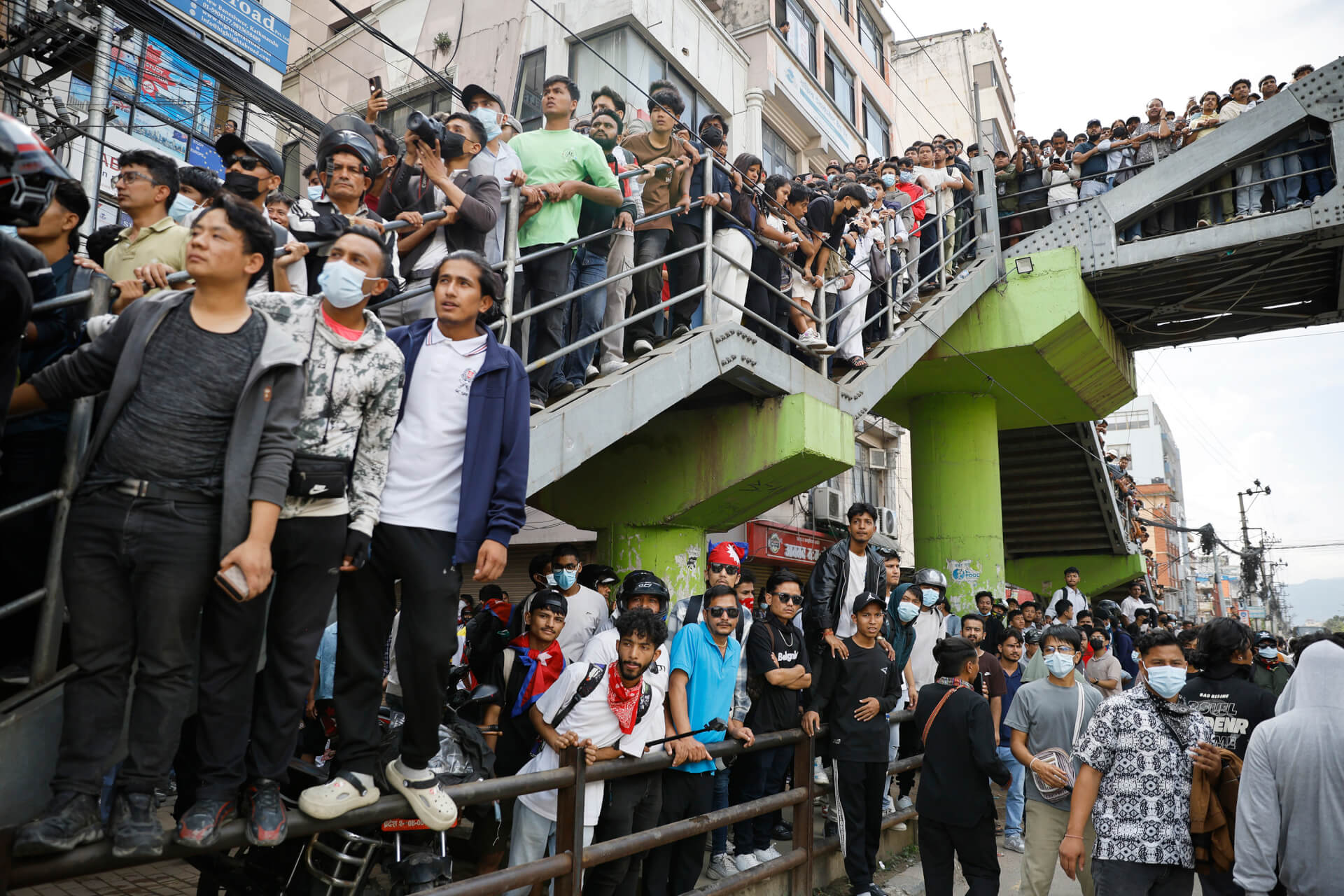
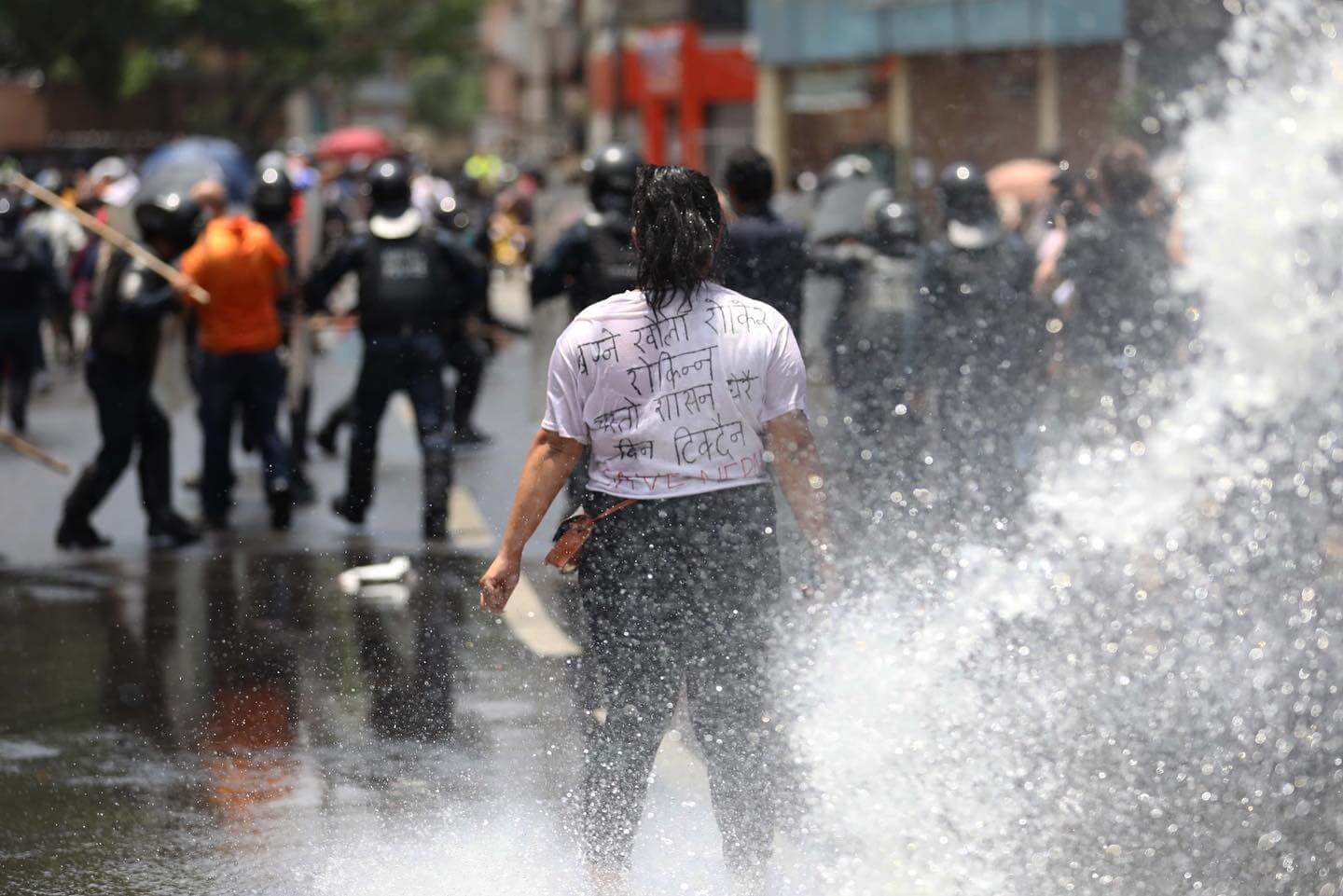
On September 8, the first day of the protests, Mukesh didn’t hesitate. He asked his employer for leave, believing he was joining a non-violent march for transparency and a better future. But in an instant, the peace was shattered. The air was pierced by gunfire as police rounds flew indiscriminately, hitting even nearby schoolchildren.
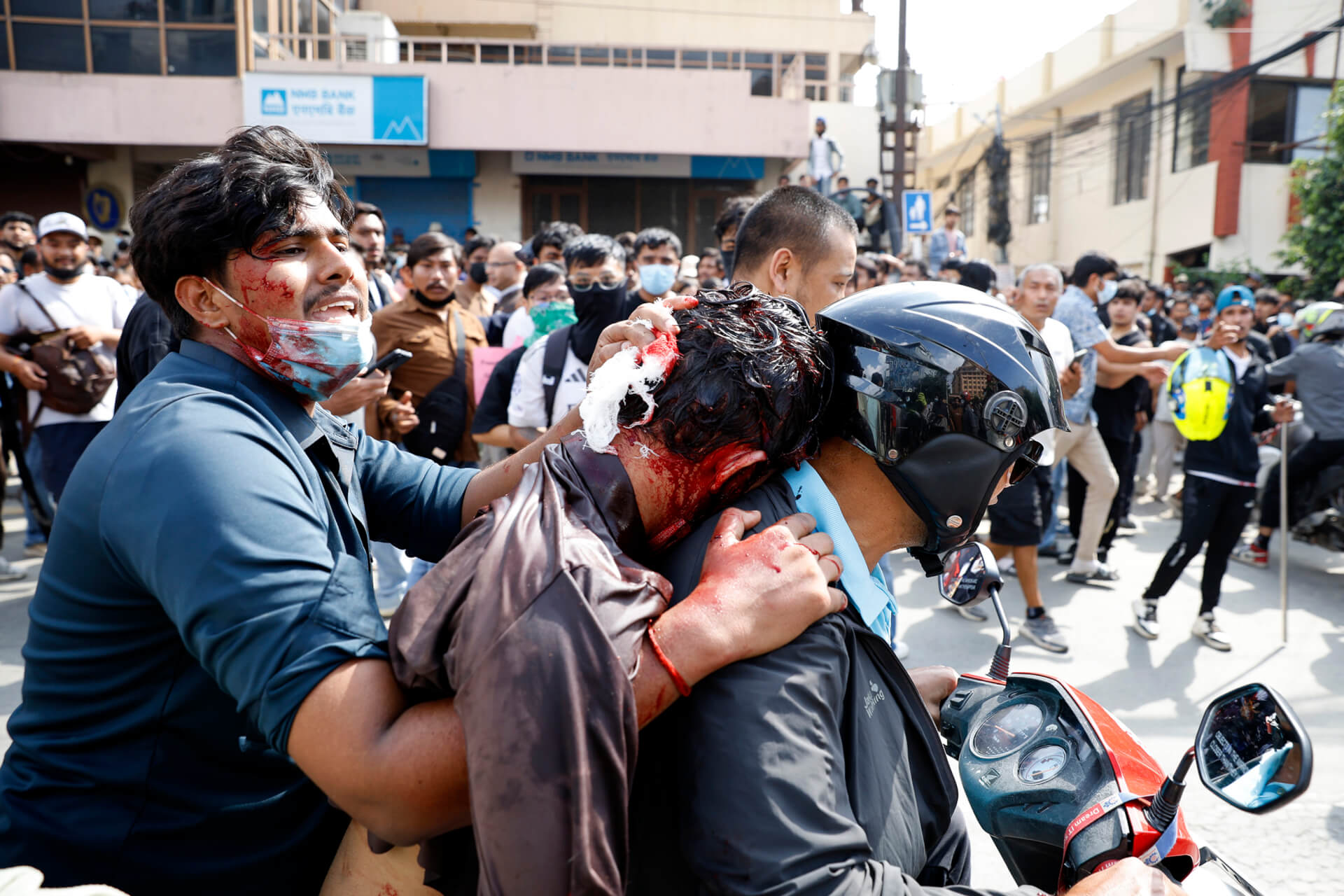
When a bullet struck Mukesh’s left thigh, he initially prayed it was only a rubber round. It was only when he saw blood gushing that the terrifying reality set in—it was live ammunition. Despite doctors’ desperate attempts to save his limb, they were ultimately forced to amputate his leg to save his life.
“I went there to support fellow peaceful protesters, but those in power took the very legs I stood on,” Mukesh says, his voice steady despite the pain. “Now, I see the same faces responsible for the blood on the streets acting as if nothing happened. It hurts more than the wound to think our sacrifice might be forgotten.”
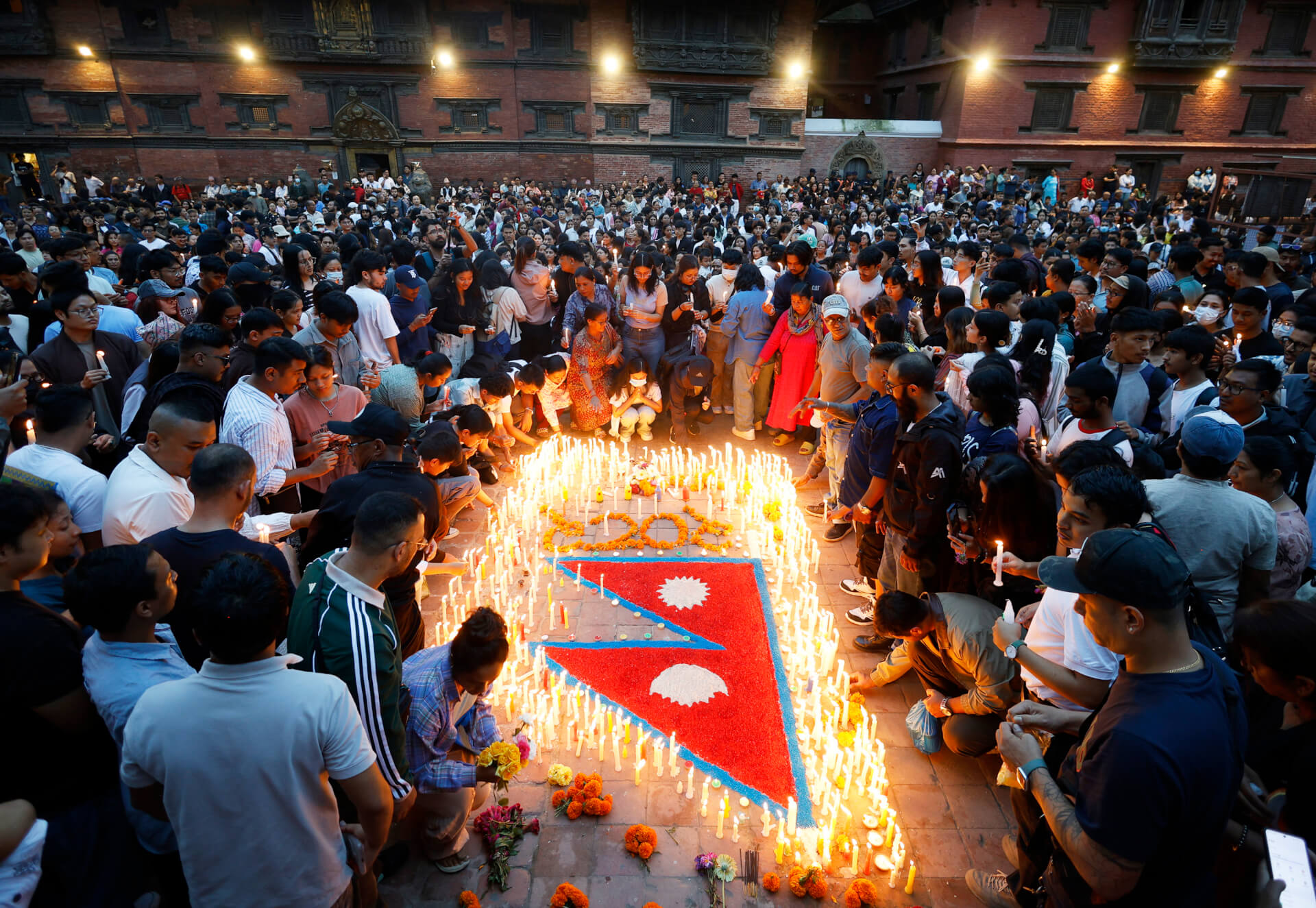
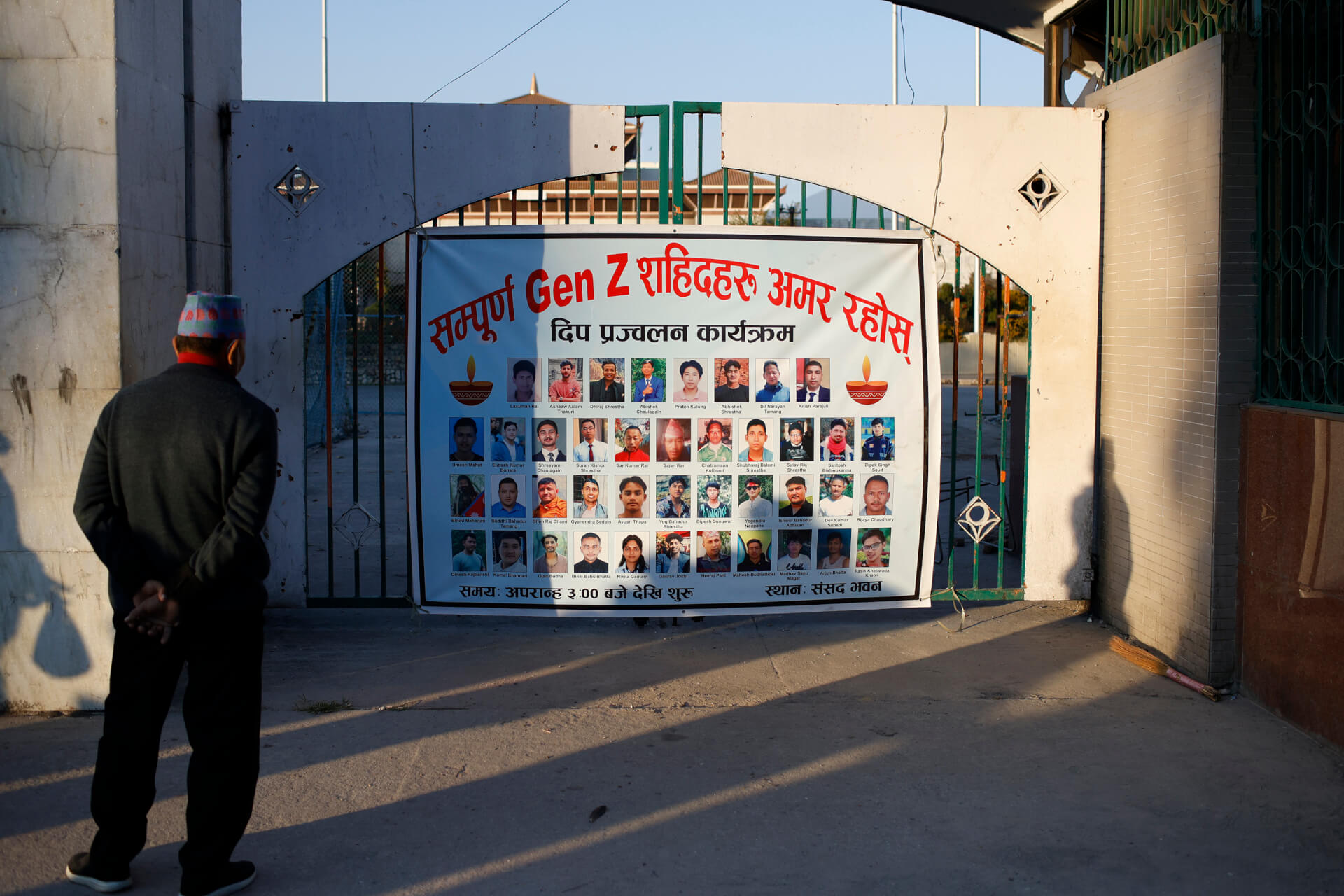
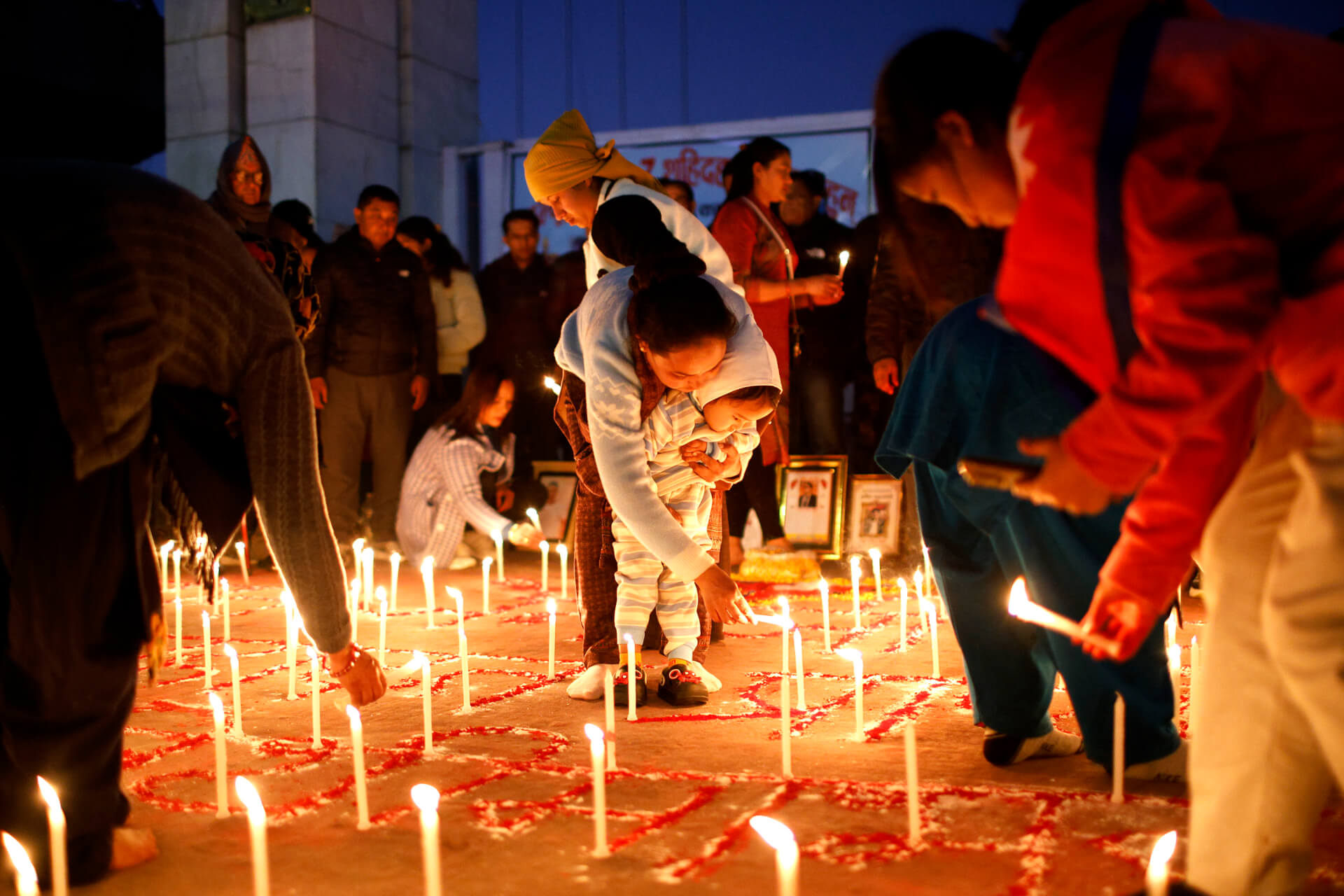
Arjun Bhattarai, President of the NGO Federation of Nepal, notes that the movement was fueled by “bottled-up anger.” With youth making up 40% of the population, the trauma of more than 70 deaths and hundreds of injuries has left a deep scar on the nation. The Federation is now demanding that the government provide victims with long-term medical care, psychological counselling, and social security.
“These victims are the changemakers,” Bhattarai says. “If the government doesn’t listen, this will happen again.”
Despite the heavy toll, Mukesh refuses to let his spirit remain buried. With remarkable resilience, he has reshaped his dreams; since his physical path to civil engineering was cut short, he has set his sights on becoming an IT engineer. He is determined to stay positive, but the “what-ifs” still haunt him in the quiet hours.
As Nepal prepares for the March 5 elections, Mukesh remains a living reminder of the cost of dissent.
He once hoped to build bridges as an engineer; now, he is building a new life from a hospital bed—hoping the country he sacrificed for does not forget the faces of those who paid the highest price.
This article is written as part of the Forus journalism fellowship programme. Learn more here
Mon 15 Sep 2025
Forus in Media
Civil society in Nepal calls for justice, accountability, protection of fundamental freedoms as country endures crisis - EU SEE Nepal is in the grip of its worst political crisis in years, as youth-led protests over corruption and digital freedoms have been met with lethal state violence, deepening a nationwide crisis of governance and trust.