©UN Women

© EFE

Strategic planning and digital capacity for effective member engagement

SINERGIA, the Venezuelan network of civil society organisations, focused on strengthening strategic planning, organisational resilience and internal capacities among its members. The project combined technical tools with psychosocial support and adaptive planning approaches to help organisations operate in a highly restrictive and uncertain environment. 
Forus

Project Description


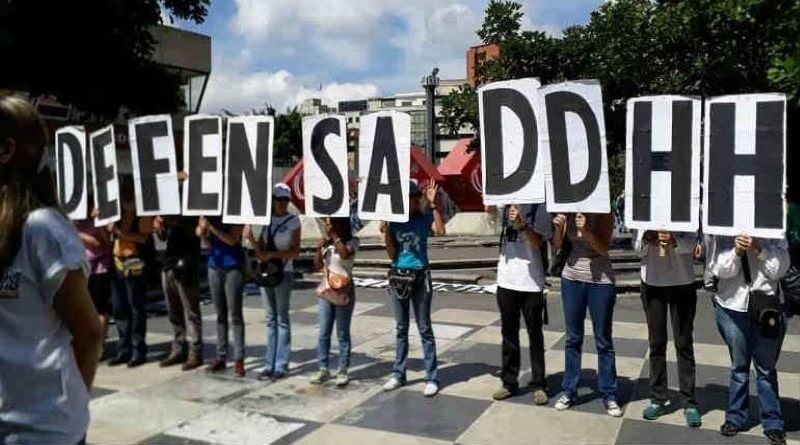
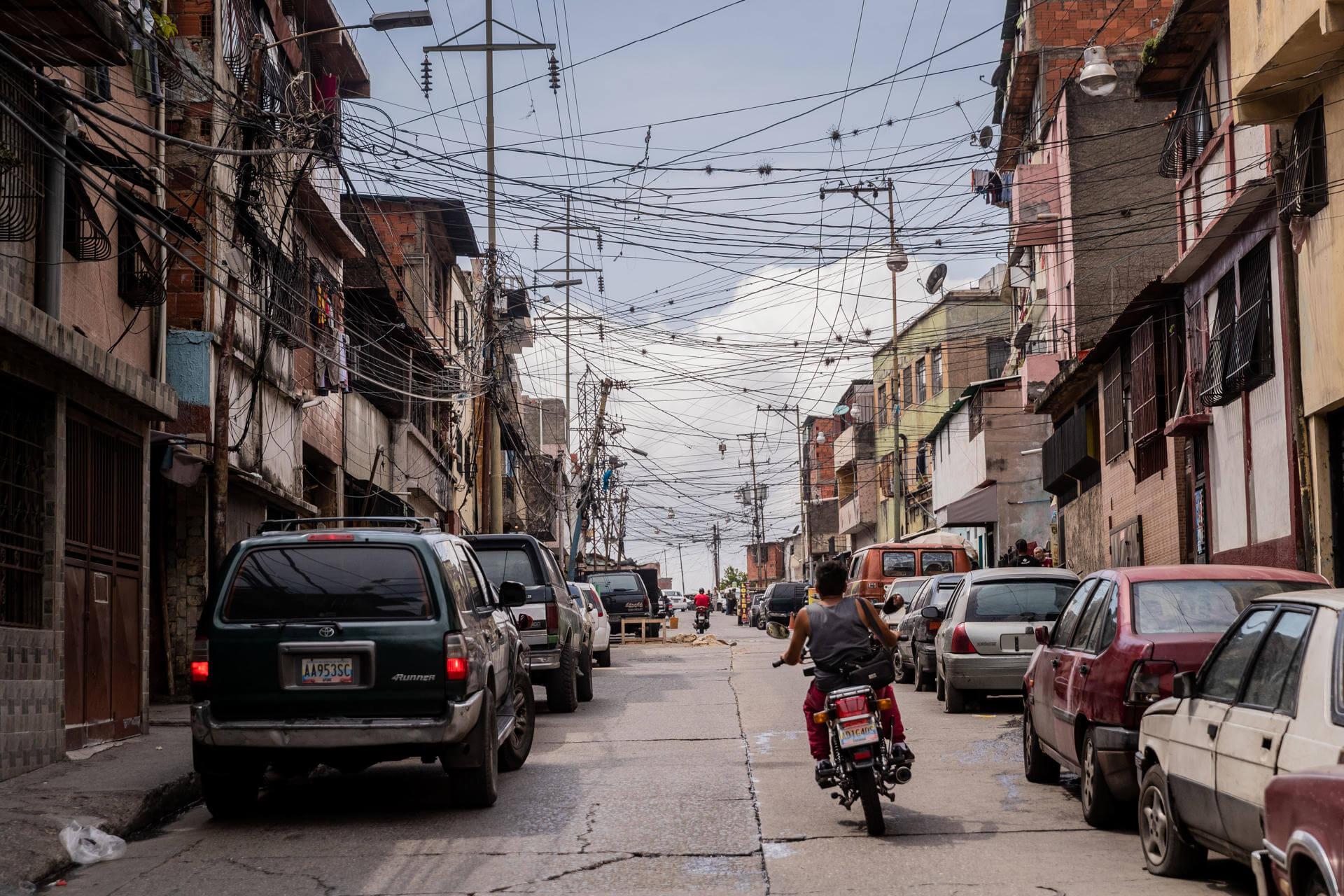
SINERGIA used Cycle 6 to strengthen its network’s ability to respond to a complex and restrictive operating environment, characterised by a prolonged humanitarian crisis, and increasing legal controls on civil society organisations that affect civic spaceThe spaces for participation, assembly and national and international cooperation for NGOs is every day smaller. In this context, the project prioritised strengthening strategic planning capacities, improving internal coordination, and supporting members to adapt to ongoing and evolving political, legalinstitutional and social challenges. 


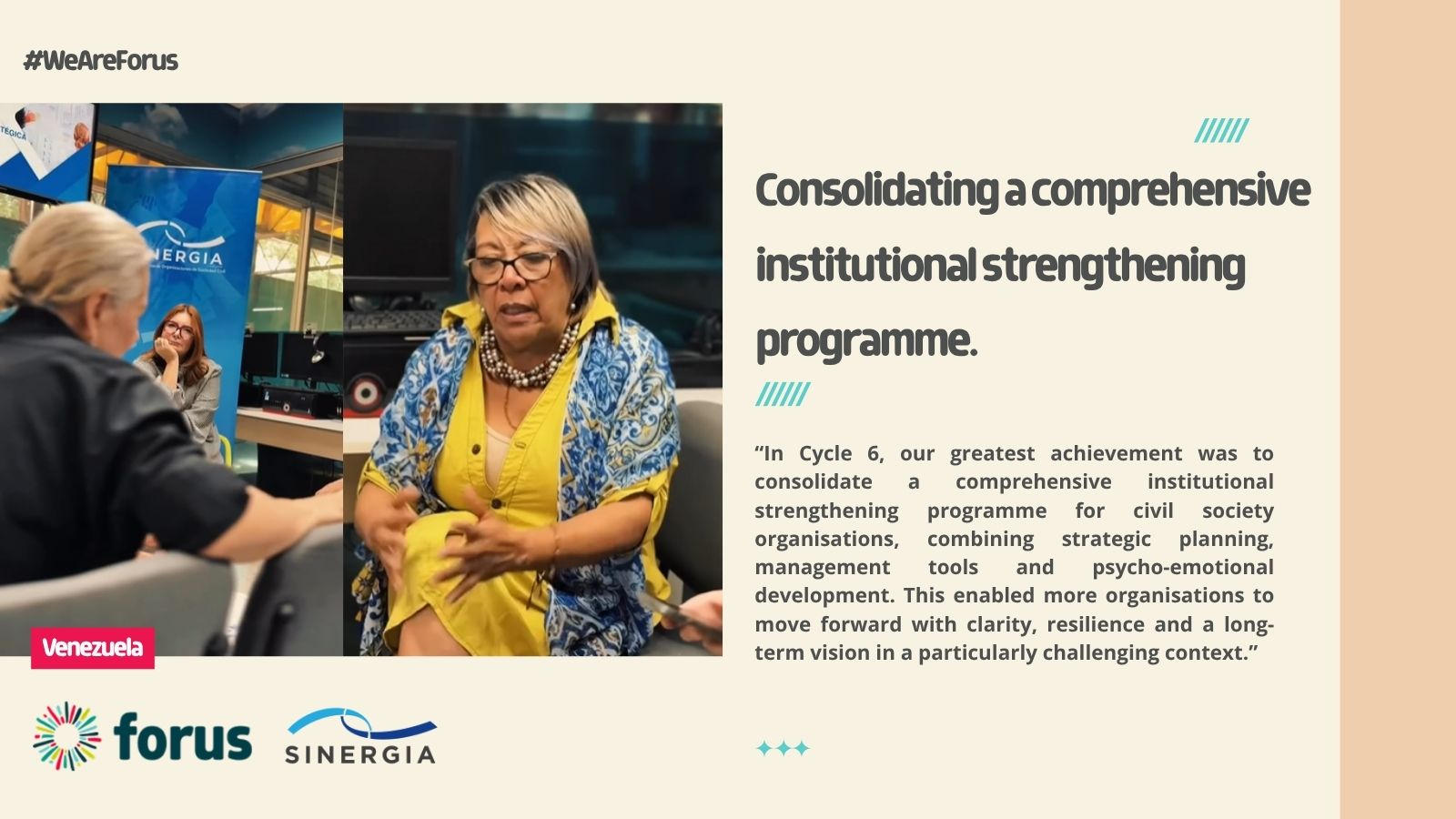
A central component of the project was the delivery of two complementary training modules: strategic planning and psychosocial support. These modules were implemented through a series of intensive workshops, combining technical expertise with context-sensitive facilitation. The strategic planning component helped organisations define clearer objectives, align their mission and vision, and develop practical roadmaps to guide their work under uncertain conditions.  


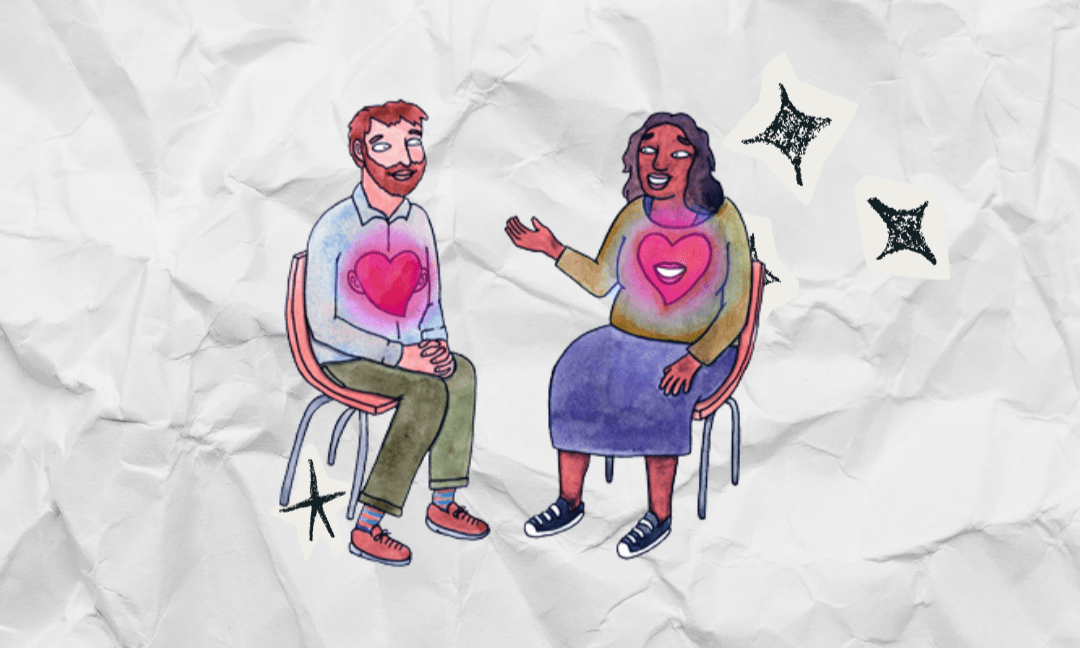
At the same time, the project recognised that resilience in Venezuela’s civil society depends not only on organisational systems but also on the wellbeing of the people behind them. The psychosocial support module provided tools to address stress, fear and uncertainty among staff, which had been identified as key barriers to sustained engagement and effective action.  


The project also contributed to strengthening SINERGIA’s own institutional capacities, including improved financial managementmonitoring processes and resource mobilisation practices, supported through technical assistance from Forus. This helped enhance transparency, accountability and the organisation’s ability to manage donor funding more strategically.  


Although still in progress, the project laid the groundwork for longer-term tools such as a virtual learning space and institutional digital platforms, designed to sustain knowledge sharing and capacity development across the network. These were developed with careful attention to digital security risks, given the sensitive national context.  


By the end of the cycle, SINERGIA reported stronger internal cohesion, clearer strategic direction, and improved confidence among participating organisations to continue their work and navigate regulatory pressures. The project also contributed to increased visibility, new partnerships and a stronger sense of belonging within both national and international civil society networks.  


For NGO networks working in fragile or restrictive contexts, this project demonstrates how relatively limited funding can be used to strengthen both technical capacities and human resilience, enabling organisations to sustain their work and defend civic space.

Key Results 

  • Strengthened strategic planning capacities among SINERGIA and participating member organisations. 

  • Delivered integrated training combining technical planning tools with psychosocial support. 

  • Improved organisational resilience, cohesion and clarity of purpose among participants. 

  • Enhanced internal systems for financial managementmonitoring and accountability. 

  • Advanced development of digital platforms and a virtual learning space for knowledge sharing. 

  • Increased visibility, partnerships and engagement at both national and international levels.  

 

Forus

Learning


SINERGIA’s experience shows that organisational strengthening in restrictive contexts must go beyond technical tools. Combining strategic planning with psychosocial support proved critical to sustaining engagement and overcoming fear and uncertainty among civil society actors.  


The project also highlights the importance of flexibility and contextual adaptation, including integrating legal awareness, digital security and adaptive planning into capacity-building processes. Finally, it shows that strengthening internal systems and leadership can help organisations better navigate external pressures while maintaining their mission and independence.  
 
Forus
Forus