2024-02-29
About Gaborone, Botswana
Welcome to Gaborone, Botswana, where the Forus General Assembly is taking place in 2024!
Below some practical tips and a bit of history about Gaborone.
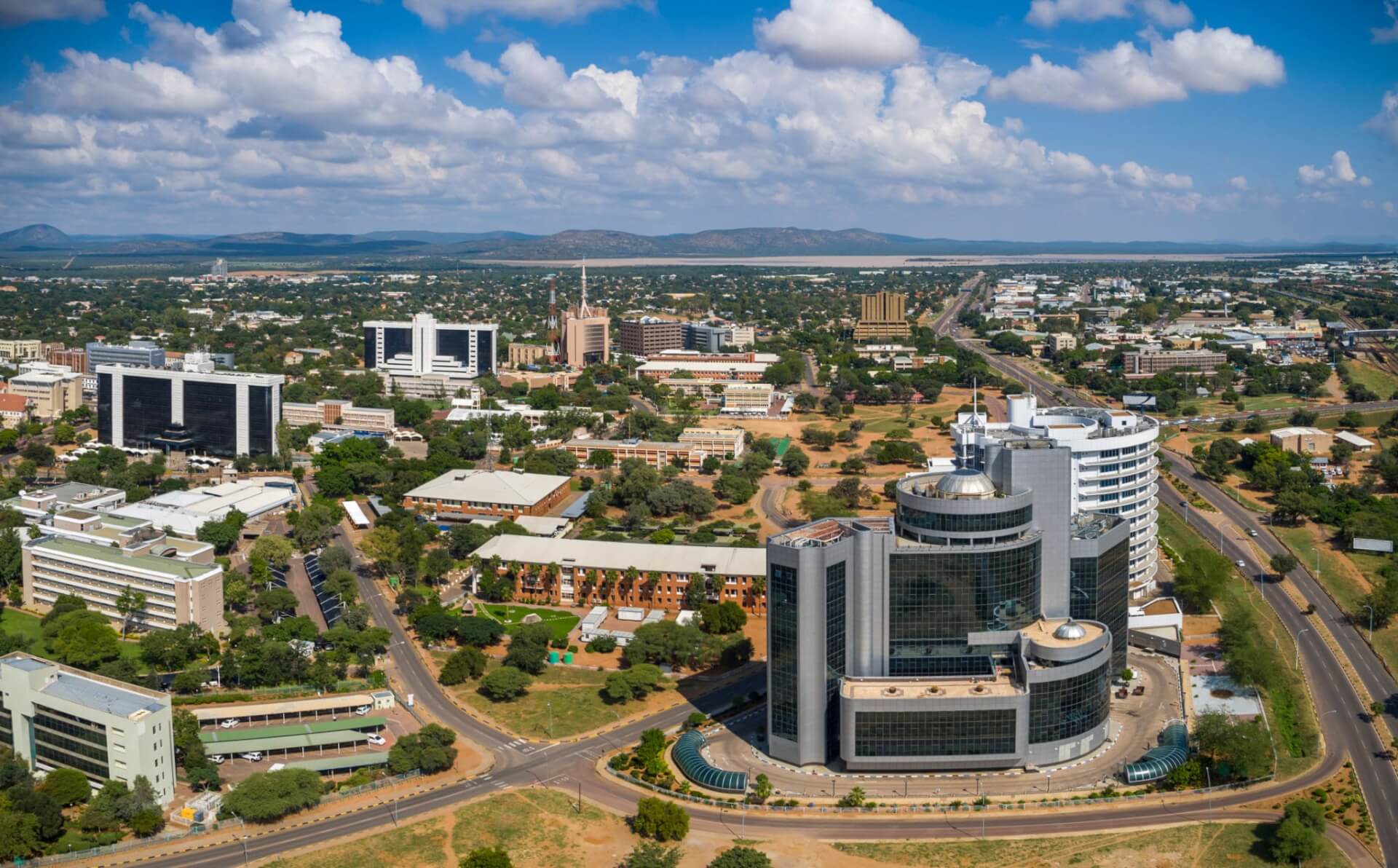
Gaborone, Botswana's capital, has a relatively recent but dynamic history, evolving from a small rural village into a bustling city since its establishment as the nation's capital in 1965. Rapid urban development and strategic location along major transport routes facilitated its growth into an economic hub, attracting businesses and investment. Despite its urbanization, the city maintains green spaces like the Gaborone Dam and Game Reserve. Art in Gaborone flourishes as a reflection of the city's cultural diversity and creative spirit. The Thapong Visual Arts Centre stands as a prominent hub for artistic expression, showcasing the works of local artists and offering workshops and exhibitions to nurture emerging talent. Gaborone's art scene encompasses a wide range of mediums, from traditional crafts to contemporary installations, often drawing inspiration from Botswana's rich cultural heritage and the broader African experience. Street art also thrives in the city, with vibrant murals adorning walls and public spaces, adding a colorful dimension to Gaborone's urban landscape.
-
Currency: The currency used in Botswana is the Botswana Pula (BWP). It's advisable to exchange some currency upon arrival at the airport or use ATMs in the city to withdraw cash.
-
Transportation: Gaborone has a relatively efficient public transportation system, including buses and taxis. Taxis are widely available and can be hailed on the street or booked through ride-hailing apps. Alternatively, car rental services are also available for those who prefer to drive themselves.
-
Language: The official language of Botswana is English, so most people in Gaborone speak English fluently. However, Setswana is also widely spoken, especially in informal settings.
-
Weather: Botswana has a semi-arid climate with hot summers and mild winters. If visiting during the summer months (November to March), be prepared for high temperatures and occasional rainfall. In winter (May to August), temperatures can drop significantly, especially at night, so pack accordingly.
-
Voltage: Botswana uses a 230V/50Hz electrical system, and the standard plug type is the Type M socket, which has three round pins. Travelers from countries using different plug types will need a travel adapter.
-
Visa Requirements: Check visa requirements well in advance of your trip to ensure you have the necessary documentation.
-
Time Zone: Botswana operates on Central Africa Time (CAT), which is UTC+2.