
Mon 12 Aug 2024
Bangladesh Pro-Democratic Movement: Severe Human Rights Violations on the Rise
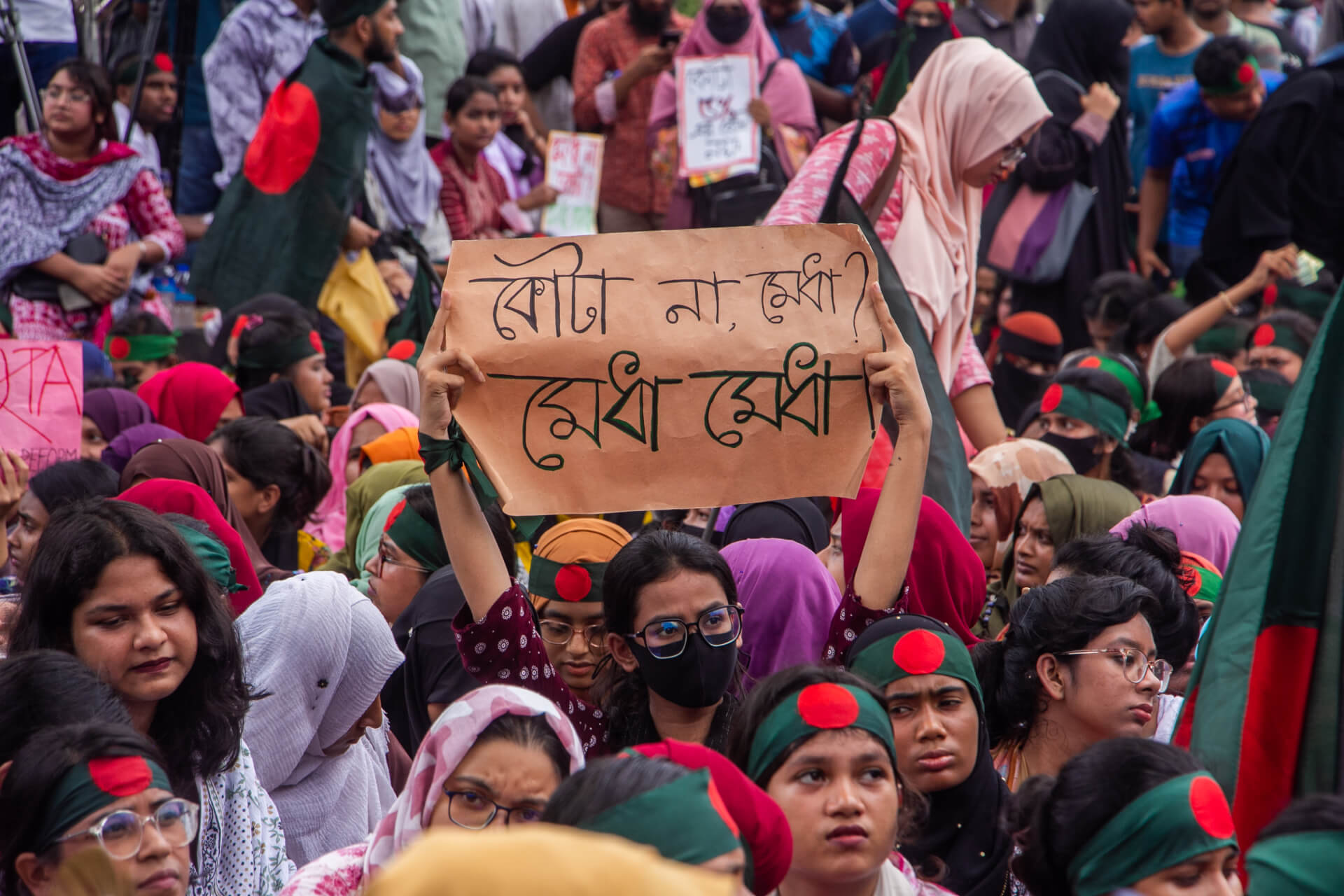
Hundreds of people have now been reported dead in Bangladesh following violent clashes between protesters and government forces. The unrest, primarily driven by youth movements, has escalated into widespread violence. In the face of this, civil society organisations have emphasized that a democratic society is a human right, and this encompasses freedom of assembly and expression.
What sparked the protests?
Approximately one-third of civil service jobs were reserved for relatives of the Bangladesh war for independence veterans. The long-running resentment over the quota system considered discriminatory by many- sparked peaceful protests in June. Then, in July, Bangladesh’s public universities saw a series of walkouts by faculty and students over new pension reforms that, if implemented, would involve salary deductions. Protests gradually escalated into a larger opposition movement with authorities sending out security forces to crackdown on protesters and journalists. In the heat of it all, Prime Minister Sheikh Hasina ordered internet shutdown and a nation-wide curfew while calling protesters “terrorists trying to destabilize the country”.
On August 5, Sheikh Hasina who had led the country for 15 years, fled the country and resigned. An interim government was formed on August 8thled by the Nobel Laureate Mohammad Yunus but killings have not stopped with women and children among the victims and over 2500 arrests. The situation on the ground has turned volatile amid the power vacuum. Amidst all these, the pivotal role student protests played in over turning the long-standing government cannot be underrated. Student leader Nahid Islam, speaking to Civicus explained that standing up against oppression meant accepting to get kidnapped and tortured by government agents but it was all worth it.
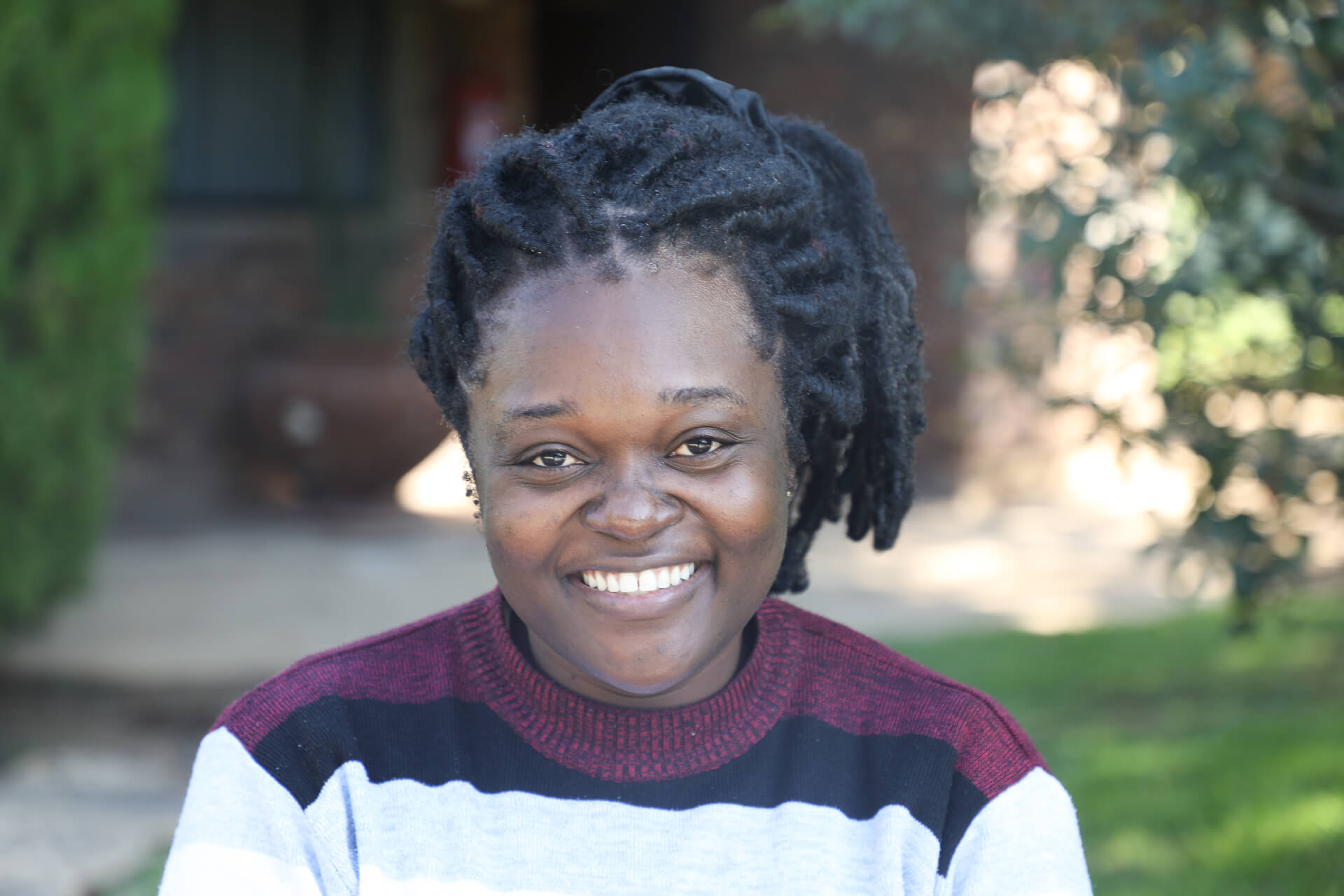
Qurratul Ayen, a Research Fellow at the Asia Development Alliance, emphasizes that the youth have played a key role and should be encouraged:
“We’ve seen the power of youth and given them acclaim. Now, this generation has the opportunity to steer Bangladesh toward a more democratic and stable future”.
Nahid Islam further declared that “the interim government must be honest, impartial, competent and patriotic.”
Civil society’s reactions in the region
Civil society organisations in the region have not remained silent. The NGO Federation of Nepal (NFN), via a press release signed by their President Ram Prasad Subedi, and Secretary General Arjun Bhattarai, has called for a democratic resolution:
“NGO Federation of Nepal deeply condemns the actions by then Hasina government, which violated fundamental principles of human rights essential for a democratic society, including freedom of expression and freedom of peaceful assembly. In light of these events, the NFN echoes the urgent calls from United Nations experts, including Human Rights Chief Volker Turk and Special Rapporteur Irene Khan, for an impartial, independent, and transparent investigation into the alleged human rights violations during the crackdown on protestors. NFN calls for the formation of a national consensus government or an initiation of democratic process for handover of authority”.
Jamila Asanova, Chair of the Asia Development Alliance has also stressed the importance of finding a peaceful solution:
"Unfortunately, Bangladesh is in a period of political vacuum at present. Now, more than ever, it’s essential for the nation to rally around democratic ideals and work towards a stable future."
The alliance which is also a Forus regional platform has also issued a public statement which partially reads:
“The recent unrest has already led to tragic loss of life, widespread injuries, and deepening divisions within our society. This violence must end now to prevent further harm and to pave the way for a peaceful resolution to the current crisis.”
The alliance is also calling for:
“1. Support for Youth Leadership: Civil society must offer guidance and mentorship to the youth leaders who have emerged from this movement. Their energy and vision are vital, but they will need the support of experienced advocates to channel their efforts into constructive political engagement.
2. Advocacy for a Democratic Transition: We must push for the establishment of a transparent and inclusive interim government that represents all segments of society. This government should prioritize restoring law and order, safeguarding human rights, and preparing the country for fair and free elections.
3. Monitoring Human Rights Violations: The violence that marred the recent protests must be thoroughly investigated. Civil society organizations should work together to document these incidents and demand accountability from those responsible for the excessive use of force.
4. Promotion of Inclusive Dialogue: A national dialogue involving all stakeholders—youth, civil society, political parties, and marginalized communities—should be initiated to address the underlying issues that led to this crisis.
5. International Solidarity: We call on the global civil society community to stand with the people of Bangladesh during this critical time. International pressure and support will be crucial in ensuring that the country does not slide further into chaos and that a democratic resolution is achieved.
6.Protection of Bangladeshi Minorities: In this period of instability, it is crucial that we ensure the protection of Bangladeshi minorities, who may be particularly vulnerable during times of political and social unrest. Civil society must advocate for the safety and rights of these communities, ensuring they are not marginalized or targeted amid the ongoing crisis.”
With Nobel Laureate Muhammad Yunus now in the country to lead the interim government, calls for real democracy and the strict respect of human rights have multiplied and the civil society looks on to the country with hopes that the problem will finally be history.