
Fri 10 Jul 2026
Beyond participation: Forus members and civil society partners call for stronger accountability in SDG implementation
As the 2026 High-Level Political Forum (HLPF) continues in New York, the message that sustainable development cannot be accelerated by commitments alone came through. It requires open civic space, meaningful stakeholder engagement, stronger accountability, and tighter links between global promises and local realities.
On 8 July, Forus took part in discussions that placed participation at the heart of SDG implementation — not as a formal requirement to be ticked off, but as one of the conditions that will determine whether the 2030 Agenda delivers.
The message is especially urgent as the world enters the final years before 2030. Governments are under pressure to show progress, but technical solutions and reporting processes will not be enough if the people and communities most affected by decisions continue to be excluded from shaping, monitoring and improving them.
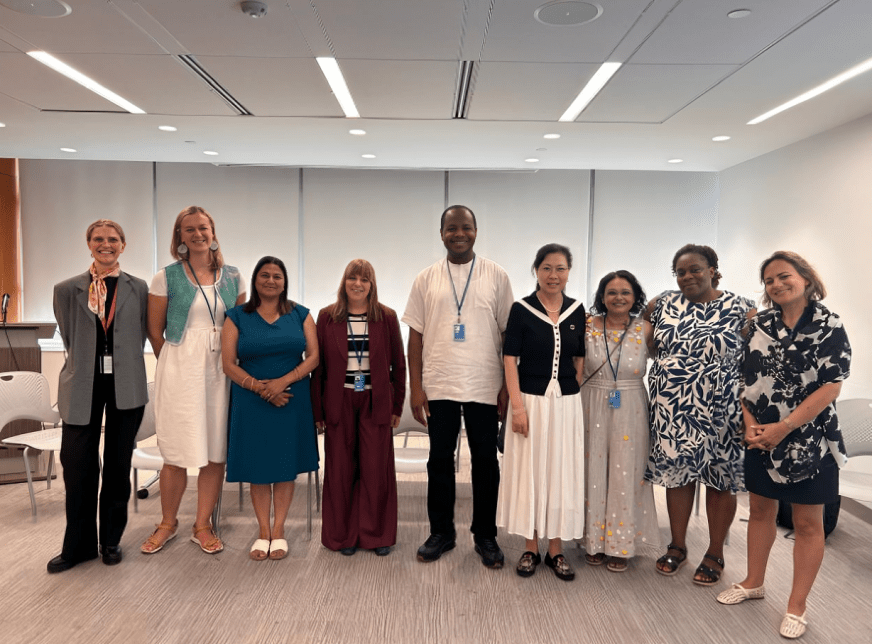
During the HLPF side event “Civil Society, Civic Space and the SDGs – Coordinated Actions for the 2030 Agenda and a Sustainable Future for All,” organized by several civil society partners, speakers stressed that civic space is directly linked to development outcomes. When civil society can organize, speak, monitor, advocate and participate safely, policies are more grounded, more accountable, and more responsive to people’s realities. When civic space shrinks, implementation suffers.
A civic space foundation, set from the opening
Opening the discussion, ECOSOC President Lok Bahadur Thapa underlined that governments cannot achieve sustainable development alone. Civil society plays a vital role in connecting national commitments with local realities, strengthening accountability, and ensuring that policies respond to people’s needs. Restrictions on Zambia freedom of association, expression and participation therefore do not only affect civil society organizations. They weaken sustainable development itself.
From data to narrative: three national experiences
Three speakers turned that general principle into concrete national experience, moving the conversation from frameworks and data points to lived narrative
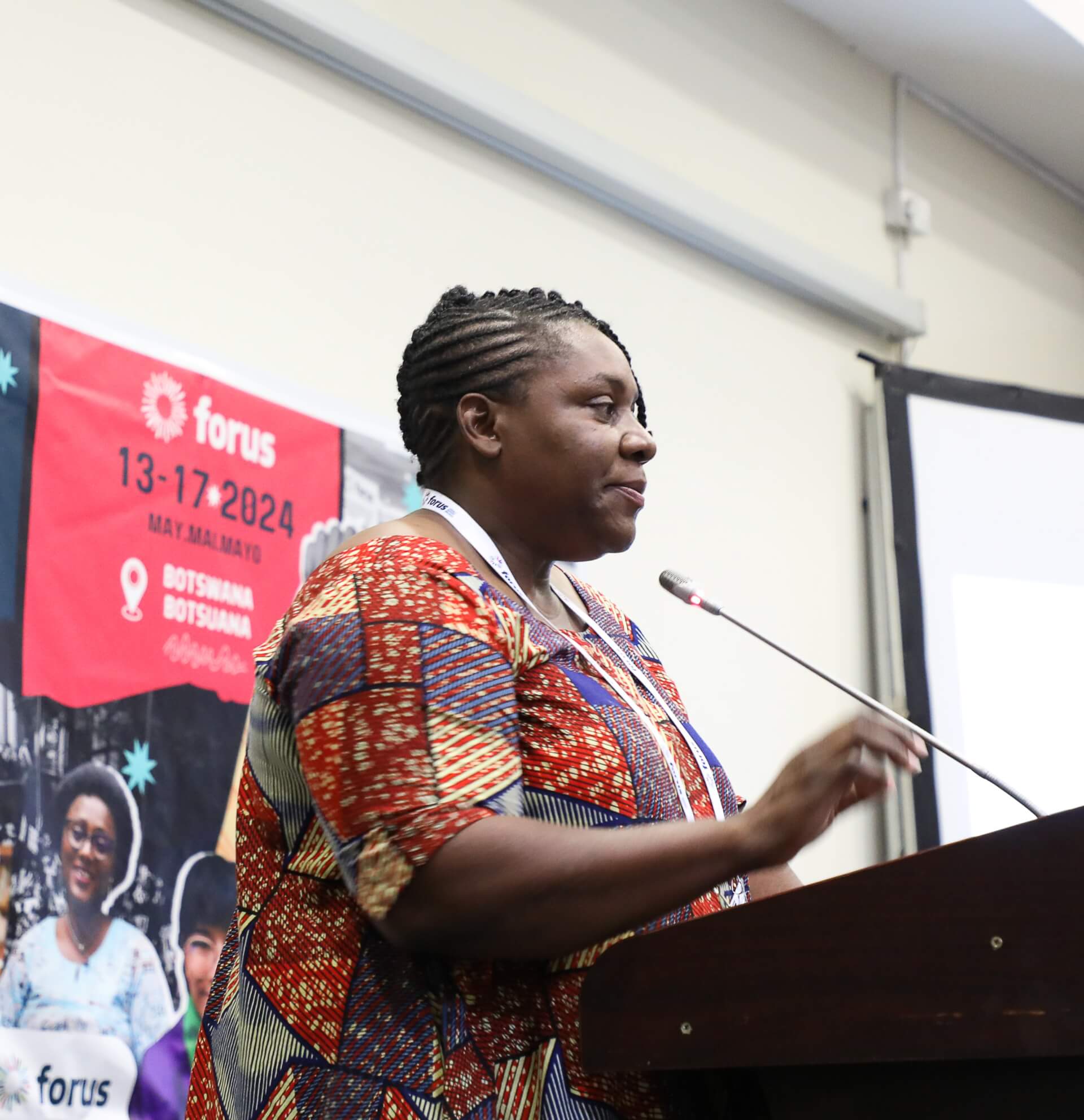
Forus member Leah Mitaba, from the Zambia Council for Social Development, shared Zambia’s experience with co-created governance mechanisms, including the Open Government Partnership, joint government–civil society reporting and the localization of the SDGs through co-chaired thematic platforms. Her message was clear: participation must be predictable, adequately resourced and embedded throughout the policy cycle — not limited to one-off consultations held after decisions have already been made.
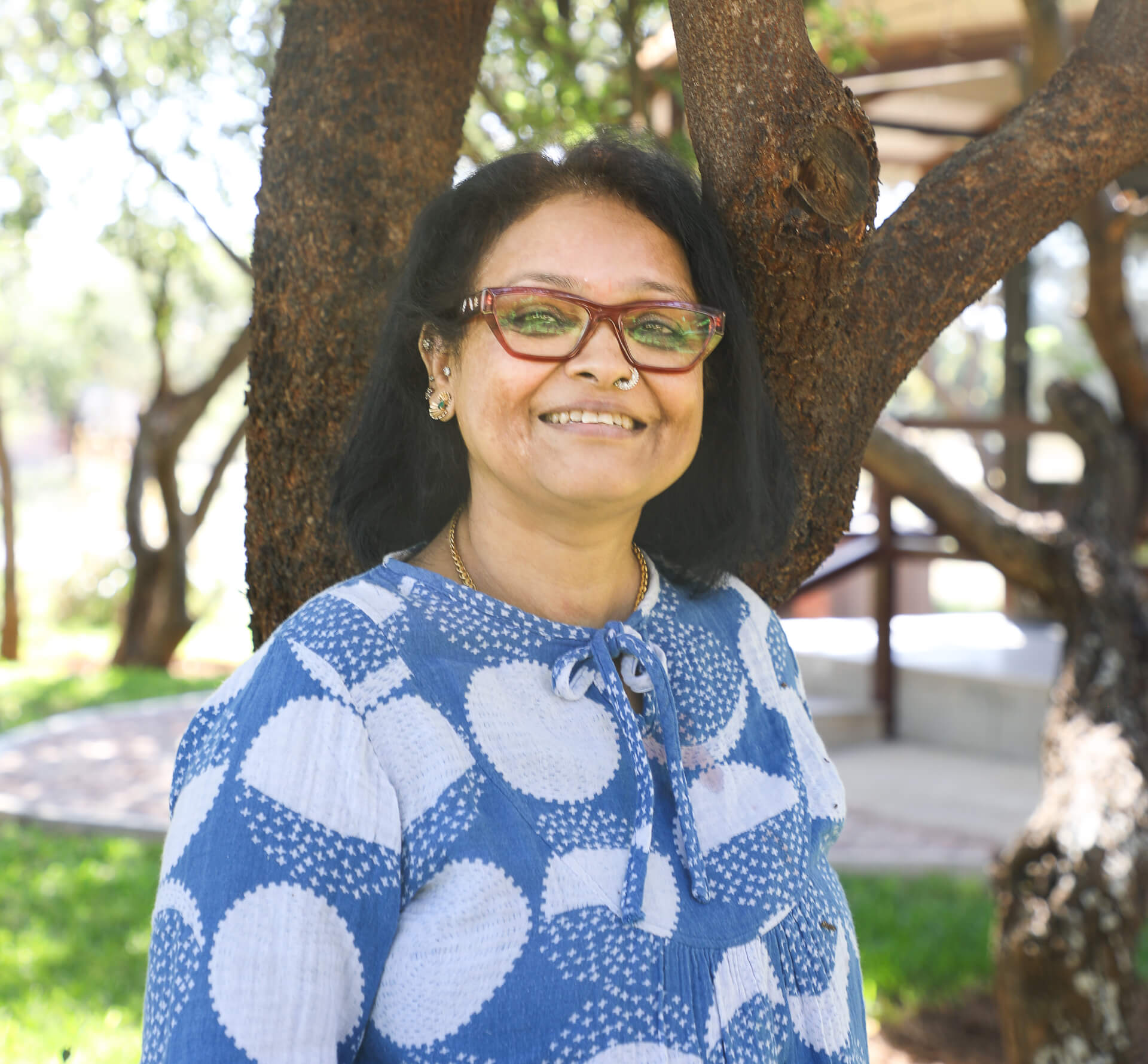
Other speakers echoed this call. Rup Sunar, from Dignity Initiative in Nepal, stressed that civic space is not byproduct of inclusion and accountability but a prerequisite for them: without freedom to organize and speak, there is no meaningful basis for either. Leticia Leobet Florentino, from Geledés in Brazil, reminded participants that future SDG discussions must also address the structural drivers of inequality, including racism, sexism, colonial legacies and economic injustice, that shape who gets a seat at the table in the first place.
Three countries, three entry points – institutional design, civic space and structural inequality – but one shared conclusion/ data and mechanisms alone do not produce accountability. What turns participation into accountability is whether people’s realities and voices shape the decisions made in their name.
But is anyone still unconvinced?
Throughout the day, one concern kept resurfacing: not only whether stakeholders are invited into SDG processes, but also whether their participation can actually influence decisions. This point was reinforced in a second discussion on regional civil society engagement mechanisms. Participants from different regions highlighted that, although participation mechanisms have improved over the past decade, engagement remains uneven and is still too often limited to consultation rather than genuine co-creation.
Common challenges were raised across regions: shrinking civic space, limited access for grassroots organizations and marginalized communities, insufficient resources for participation, weak accountability mechanisms and a lack of community-generated data to inform decision-making.
At the same time, the discussion showed that important practices already exist. Regional civil society forums, structured dialogue with UN Regional Commissions, community-led monitoring, shadow reporting and regional advocacy networks are helping connect local realities with regional and global policy spaces. What these practices need now is to be strengthened, protected, and financed, not reinvented.
From consultation to influence
For Forus, this is central to the future of SDG implementation. Civil society should not be invited only at the end of the process, once priorities have already been defined. It must be part of agenda-setting, planning, implementation, monitoring and review a shift that matters especially for national platforms and regional coalitions, which bring together diverse civil society voices, connect communities to decision-makers and help ensure that global commitments respond to national and local realities.
This same concern runs through the 2026 HLPF VNR Lab taking place today in New York: “Beyond Participation: Meaningful Stakeholder Engagement in VNRs for Accelerating Progress Towards 2030,” organized by UN DESA, the UN Foundation and the Major Groups and Other Stakeholders Coordination Mechanism.
The VNR Lab offers a timely space to reflect on how stakeholder engagement in Voluntary National Reviews has evolved over the past decade — and where it needs to go next. With only four years remaining until 2030, the session will examine how inclusive and evidence-informed VNR processes can strengthen transparency, accountability, and implementation, including through youth engagement, citizen-generated data, and community-led monitoring.
Forus welcomes this focus. Voluntary National Reviews should not be treated as reporting exercises alone. At their best, they can open political space for governments, civil society, communities, youth, local actors and UN partners to assess progress together, identify gaps, strengthen accountability, and improve implementation.
But this requires moving beyond participation as a presence.
Meaningful stakeholder engagement means that civil society and communities are involved early enough to shape priorities. It means that evidence from communities is taken seriously. It means that recommendations lead to follow-ups. It means that reporting is connected to course correction. And it means that civic space is protected so that participation can be honest, safe and independent.
As HLPF discussions increasingly look toward the 2027 SDG Summit and the final stretch of the 2030 Agenda, this is the shift that matters: from consultation to influence, from reporting to accountability, and from participation as a principle to participation as a practice.
Forus is calling for civic space and stakeholder engagement to be recognized as essential conditions for sustainable development. This means institutionalizing participation at local, national, regional and global levels; investing in the conditions that allow communities to engage meaningfully; and ensuring that civil society, youth, local actors and communities are not treated as observers of implementation, but as partners in making it work.
The final years of the 2030 Agenda cannot be driven by reporting alone. They must be used to strengthen the systems, relationships, and accountability mechanisms that make implementation possible. If sustainable development is to be more inclusive, more credible and more effective, participation must move beyond the room — and into the decisions that shape people’s lives.
This reflection builds on other recent work by Forus. Earlier this year, the network published its South-South and Triangular Cooperation report, "Cooperation That Works", documenting how civil society organizations across regions are using South-South and triangular cooperation to strengthen SDG implementation on the ground. Alongside it, Forus' Post-2030 Vision report sets out what the network's members believe must be defended, demanded and declined as the international community looks toward the next phase of the 2030 Agenda