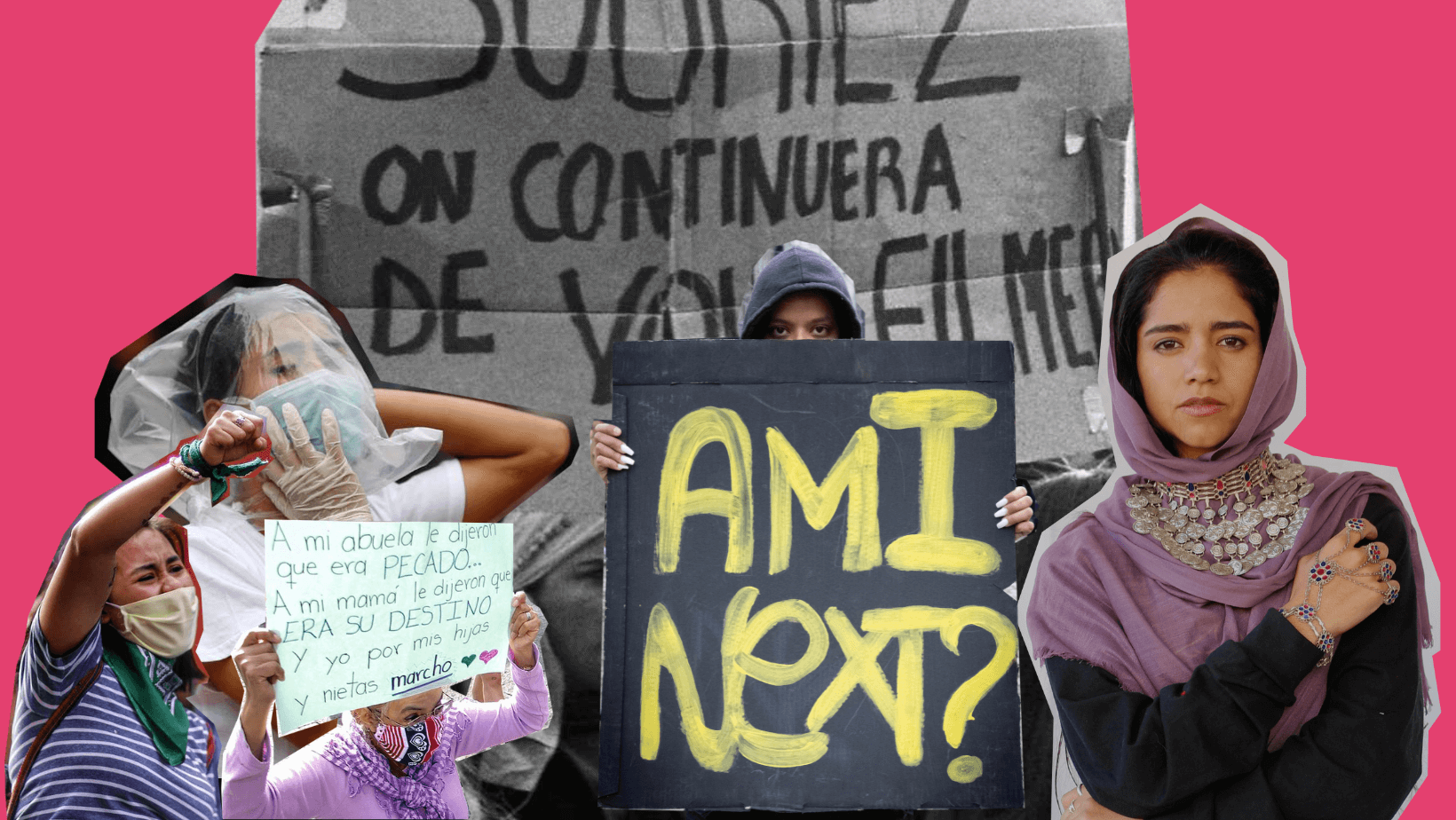
© NGO Forum on ABD
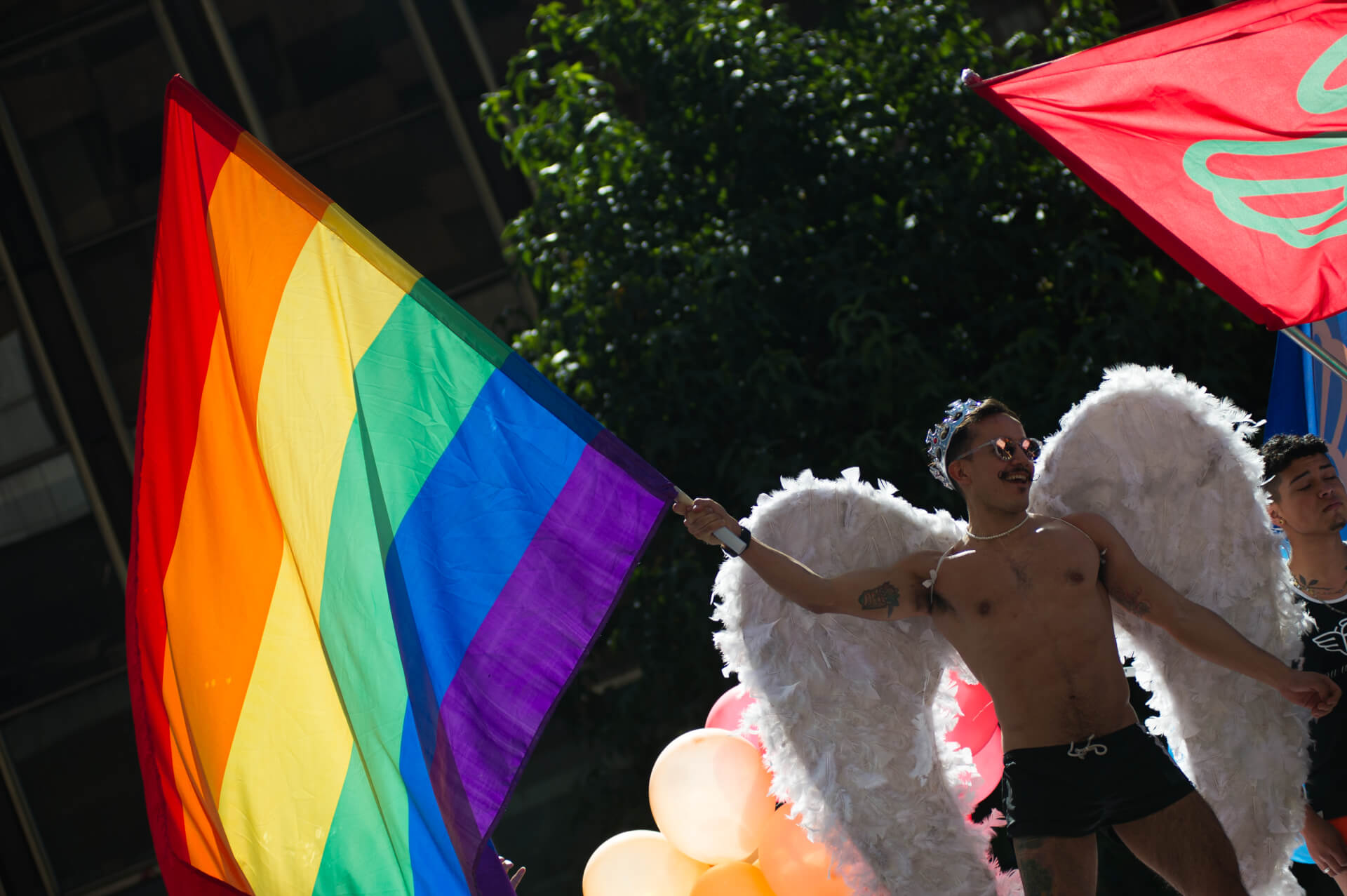
© Sebastian Barros
Tue 17 Jun 2025
LGBTQIAP+ rights and sustainable development: reflections in the context of Pride Month 2025
As the world observes Pride Month 2025 – a period marked by a wide range of events, parades, marches, and discussions – we reflect on the role that LGBTQIAP+ rights play in the global architecture of sustainable development ahead of our involvement in the upcoming UN High-Level Political Forum.
The celebrations of Pride Month transcend their commemorative aspect, serving as a form of protest and, simultaneously, as a moment for critical evaluation of the commitments made by the international community within the framework of the 2030 Agenda.
SDG 5 - in review this year at the UN HLPF, it aims to end all forms of discrimination – unequal or unfair treatment that can be based on a range of grounds, such as age, ethnicity, disability, and diverse sexual orientations, gender identities and expressions, or sex characteristics. This broad definition recognizes that gender equality, as established in the Sustainable Development Goals, necessarily encompasses the protection and promotion of the rights of LGBTQIAP+ people.
Advancing gender equality strengthens the foundations of more stable, inclusive, and resilient societies, shaping conditions where long-term peace and development can take root. This guiding principle of the 2030 Agenda takes on particular relevance when we consider that the world is not on track to achieve the established 2030 target, with progress on gender equality not only failing to advance but beginning to reverse in many regions.
Global Scenario: Advances and Setbacks
The latest data compiled by ILGA World in the context of Pride Month 2025 offer a complex overview of the global situation of LGBTQIAP+ rights. At least 61 UN member States present legal barriers to freedom of association for registering and operating organizations that openly advocate for LGBTI rights; 64 criminalize same-sex sexual acts; and only 18 UN member States allow legal gender recognition based on self-determination at the national level.
This scenario of regional and national disparities highlights the need for a systemic approach that recognizes the intersectionality between LGBTQIAP+ rights and other pillars of sustainable development, including poverty reduction (SDG 1), health and well-being (SDG 3), quality education (SDG 4), and decent work and economic growth (SDG 8).
The "Leave No One Behind" Perspective
The central principle of the 2030 Agenda "leave no one behind" takes on particular relevance when examined through a critical intersectional lens. This approach recognizes that issues of economic and racial justice are intrinsically applicable to gender and sexuality policies, demonstrating that LGBTQIAP+ rights cannot be understood in isolation from broader systems of oppression.
Data from a 2019 Williams Institute analysis of Behavioral Risk Factor Surveillance System (BRFSS) in the US shows that LGBTQ+ adults experience poverty at significantly higher rates (22%) than their heterosexual, cisgender peers (16%), with disparities varying considerably across different communities within the LGBTQIAP+ spectrum. To illustrate, transgender individuals face unemployment rates double that of the general population (14% compared to 7%).
An intersectional analysis demonstrates how exclusion based on sexual orientation, gender identity, and expression intertwines with other forms of marginalization – poverty, racism, xenophobia – which simultaneously compromise multiple SDGs. Organizations worldwide are recognizing that the challenges faced by LGBTQIAP+ people must be considered transversally in response to the SDGs, as the exclusion of any population group compromises the effectiveness and legitimacy of development efforts.
Regional Trends: A Landscape of Contrasts
The global scenario of 2025 reveals a complex landscape of simultaneous advances and setbacks. With some countries achieving marriage equality and others criminalizing diverse sexualities and genders, the year demonstrates the polarized nature of LGBTQIAP+ rights progress.
While Liechtenstein implemented equal marriage on January 1, 2025, other jurisdictions are witnessing significant setbacks. In the United States, the current administration signed in January an executive order titled "Defending Women from Gender Ideology Extremism", which requires federal departments to recognize gender only as binary male-female. In Asia, ILGA-Asia documented event cancellations, attacks on LGBTQIAP+ friendly businesses, and threats to the legal protections of trans people across the region.
Funding Crisis: Systemic Impacts
The year 2025 marks an unprecedented funding crisis for LGBTQIAP+ organizations globally. The Global Philanthropy Project estimates that at least US$105 million in government funding for LGBTI movements in the Global South and East are at risk due to anticipated cuts in development assistance budgets, representing 27% of total funding focused on these regions.
Outright International's "Defunding Freedom" report documents that 120 grants for LGBTQIAP+ organizations in 42 countries have been suspended, affecting everything from grassroots groups to national and regional organizations, with violence prevention services, healthcare, and legal support being terminated in Africa, Asia, the Pacific, the Caribbean, Eastern Europe, and Latin America.
Intersectionality in Crisis Contexts
The funding crisis acutely reveals how intersectional vulnerabilities manifest in contexts of resource scarcity. The withdrawal of external aid has led to the closure of emergency shelter and assistance programs, emboldened human rights violators, and ceded space for setbacks. This situation highlights how LGBTQIAP+ people facing multiple forms of marginalization – based on race, class, migratory status, or geographical location – are disproportionately affected when support systems are withdrawn.
Intersectionality is an operational reality that determines who has access to resources, protection, and opportunities for participation in development processes. In contexts where LGBTQIAP+ organizations lose funding, it is often the most marginalized people within these communities – trans people of color, LGBTQIAP+ refugees, people with disabilities – who are the first to lose access to essential services.
As Pride Month 2025 draws to a close, Forus shares its commitment to amplifying the voices of LGBTQIAP+ communities in the struggle for sustainable development and human rights. Every year, through the March With Us campaign, we are uniting our global network to stand in solidarity with gender rights and organizations at the frontlines of change—from Brazil to Chile, from grassroots collectives to national platforms. In the next few weeks we will share stories from across our network working for LGBTQIAP+ inclusion and rights. Do you have a project or story to share? Get in touch with Vitória Dacal at [email protected]