CAMPAIGN
#March With Us
Every year, one month of stories from activists and civil society at the forefront of gender justice.
Launched in 2021, the #MarchWithUs campaign features the stories of change-makers fighting for gender justice across the globe.
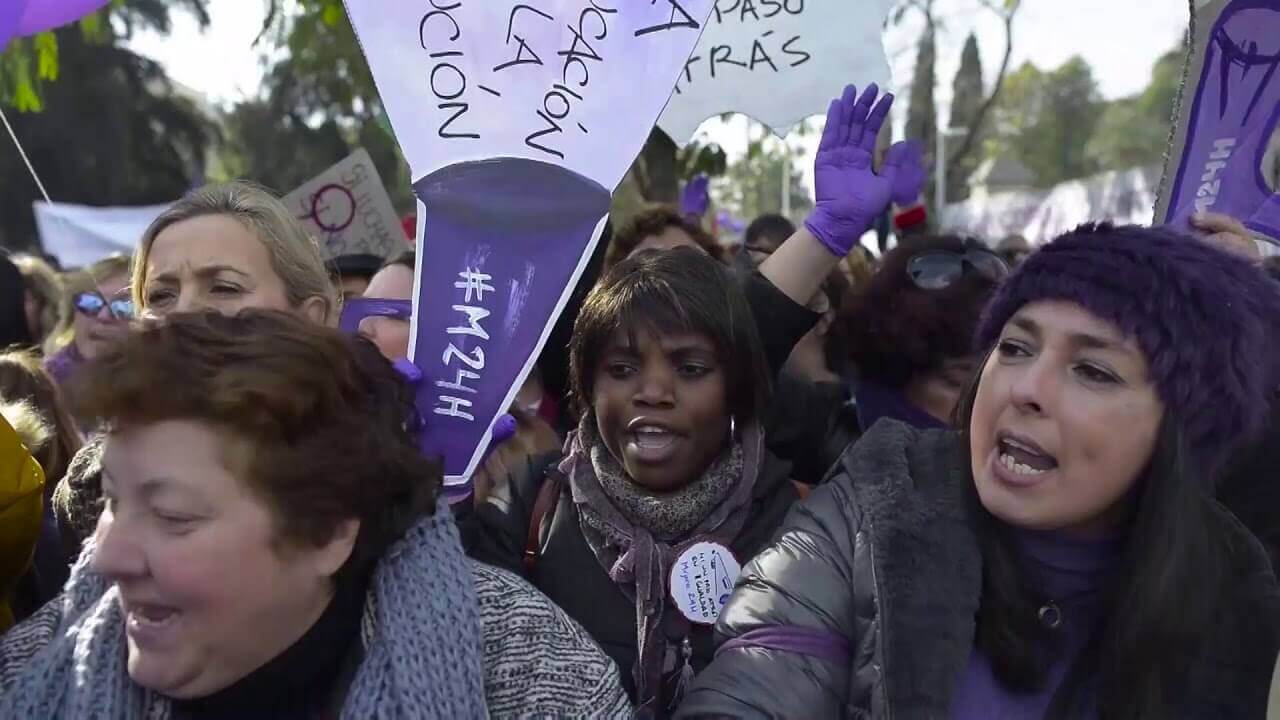
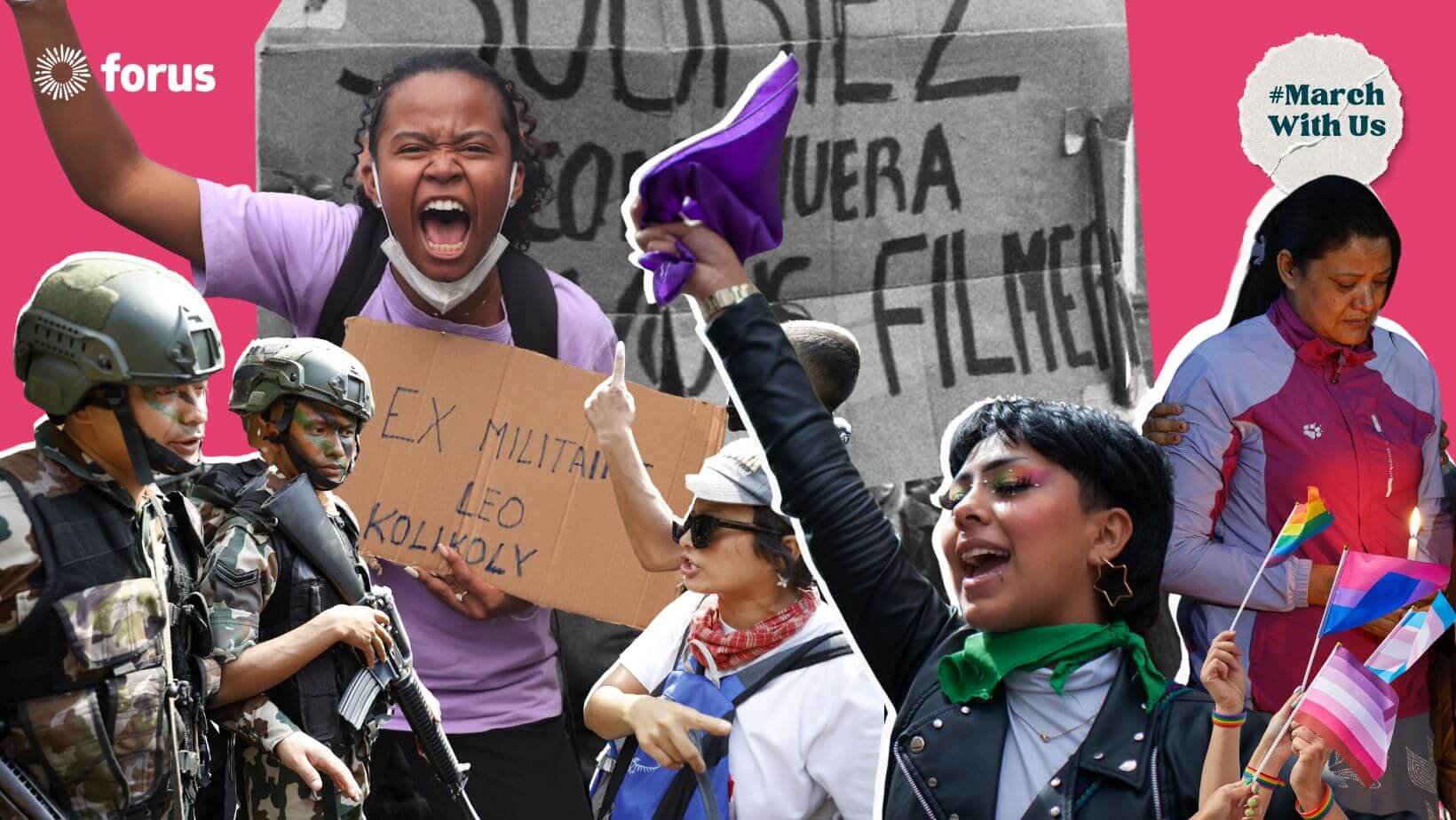
According to several Forus reports and research, feminist and LGBTQ+ rights groups are among the most targeted civil society coalitions. They are often victims of attacks, discrimation and oppression, with impunity reigning in many instances. Every year, with #MarchWithUs we dedicate one full month to their experiences to show together how new practices of collaboration and innovative forms of mobilisation can lead us forward.
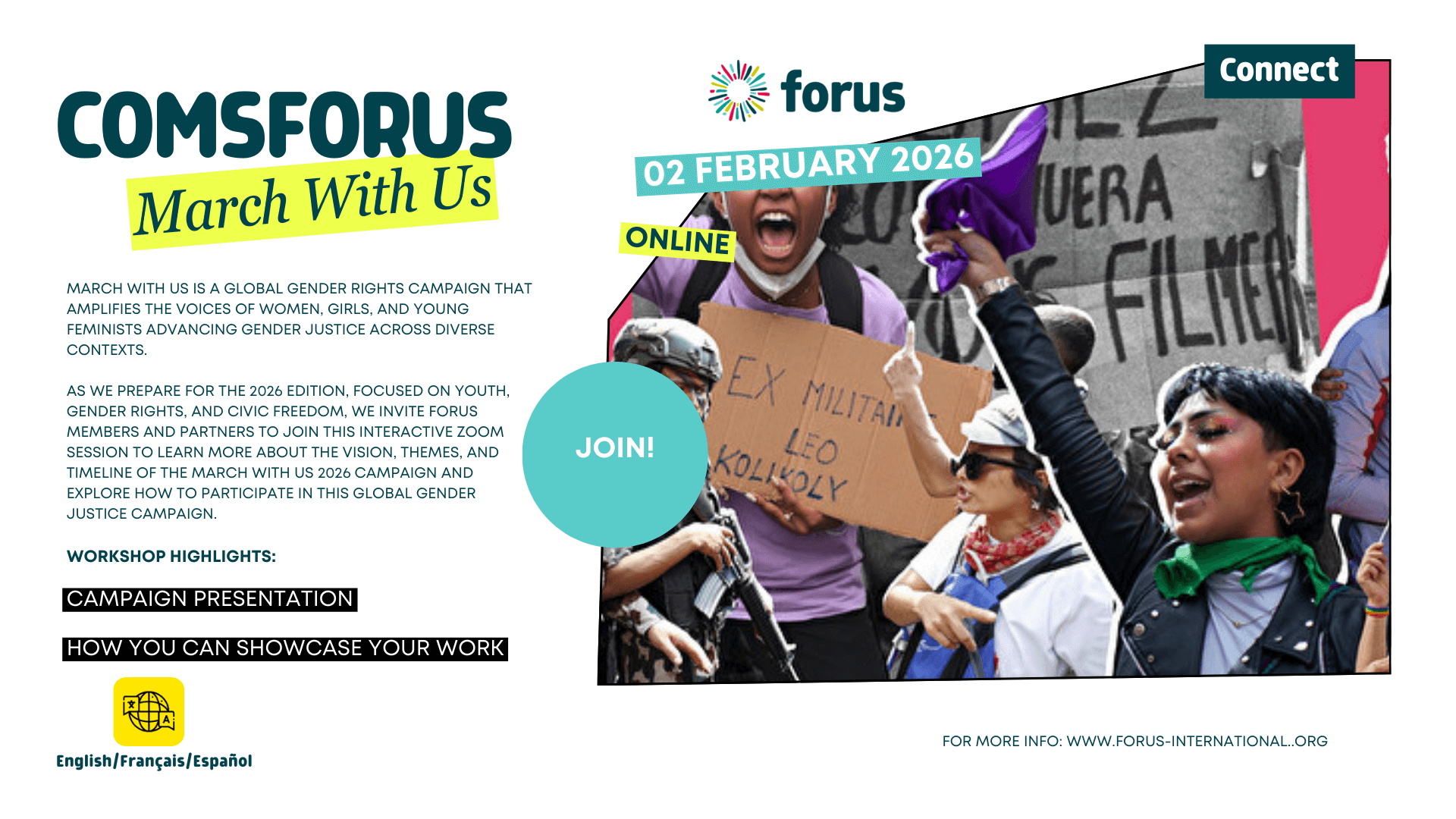
2026 edition of March With Us
We are launching the 6th edition of March With Us on March 8. This year’s focus “Youth, Gender Rights, and Civic Freedom” explores a solutions-driven, movement-powered call for gender justice, youth leadership, and expanded enabling environment for civil society. Discover our campaign below with over 50 Forus members and activists, march with us and share your story for the 2026 edition!
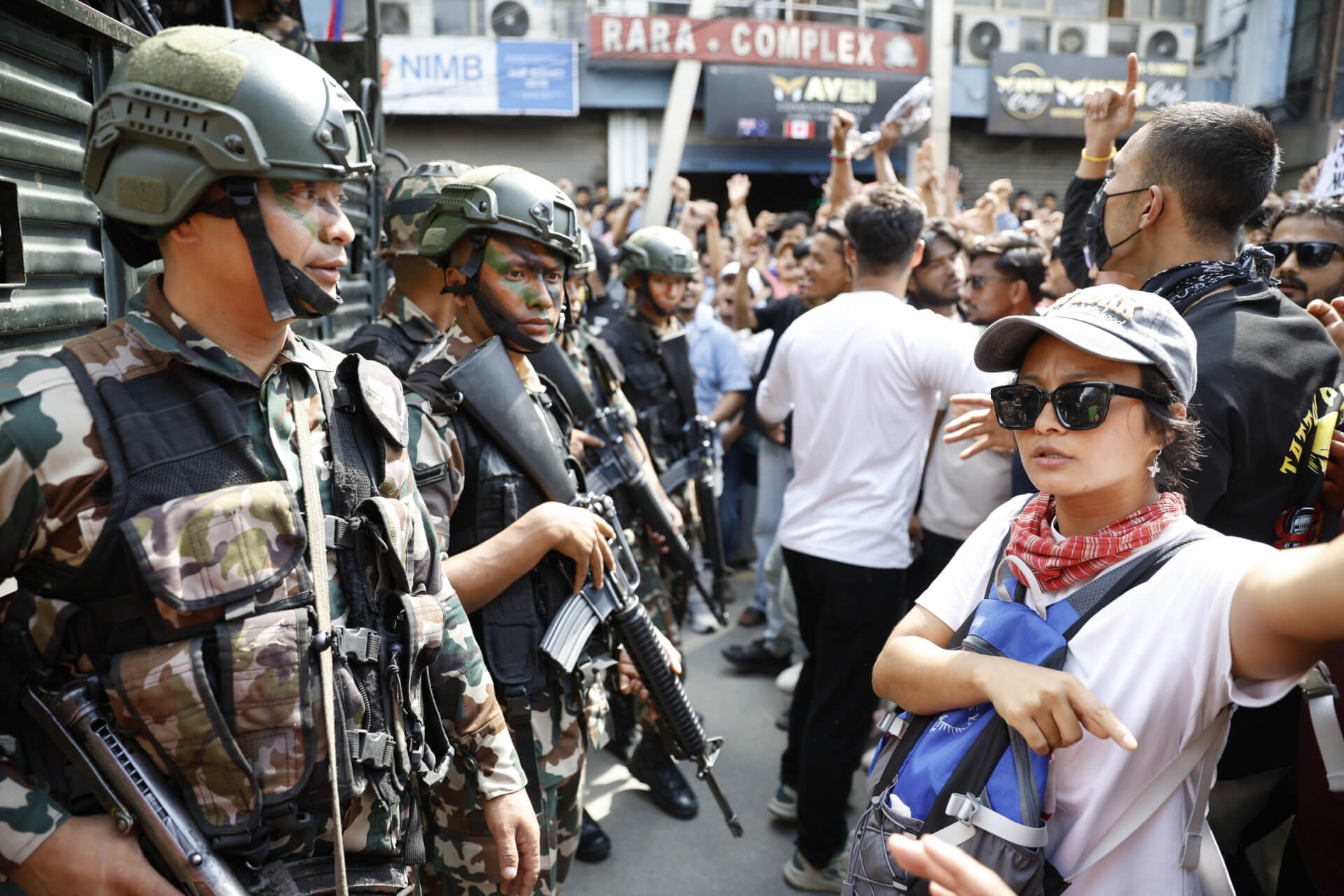
Discover the focus of the 2026 edition




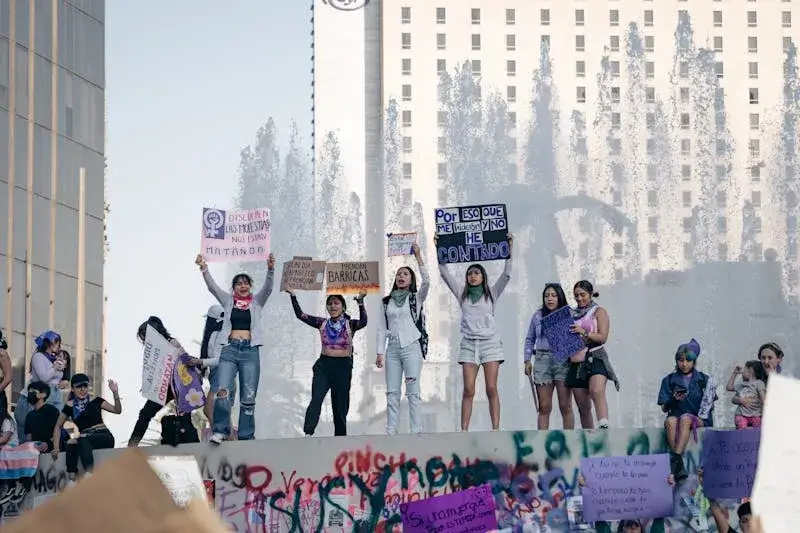
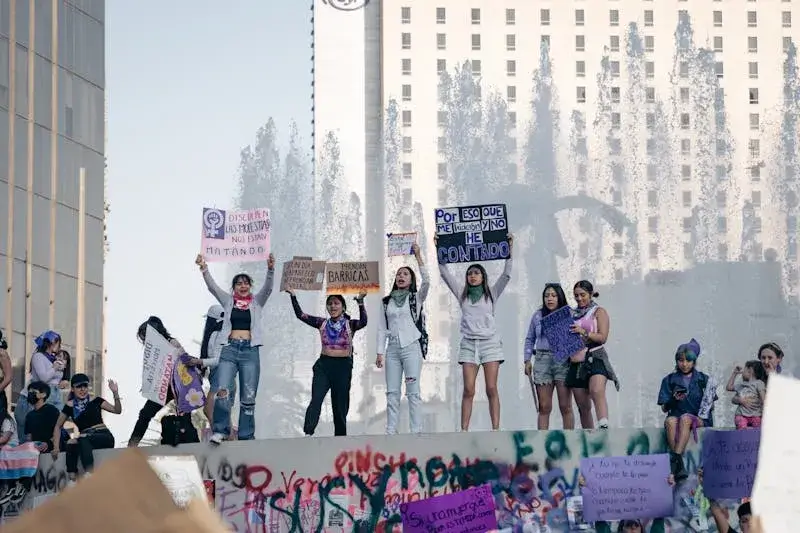
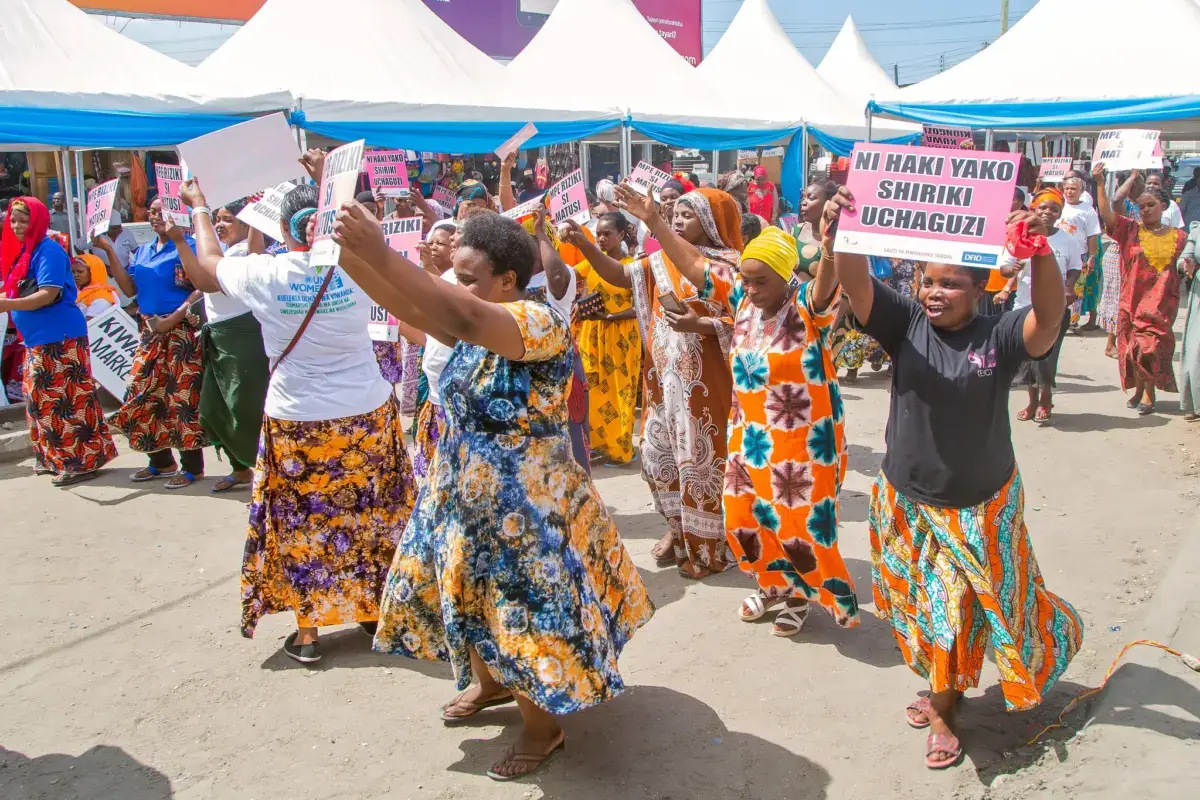
#MarchWithUs - Feminismo, direitos digitais e resistência — Uma conversa com Lola Aronovich
#MarchWithUs - Dr. Joëlle M. Cruz on gender Justice, organising & voices

#MarchWithUs - Toxic vs. Healthy Masculinities — A Conversation with Fonka Mutta
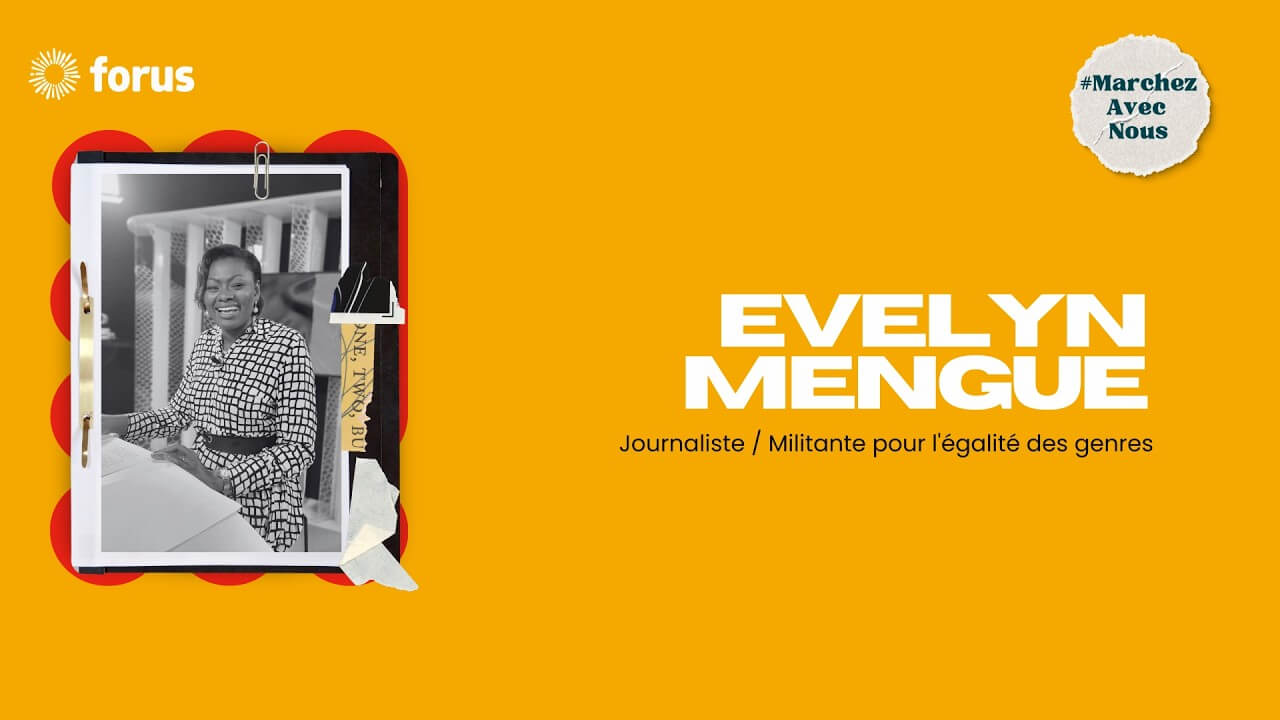
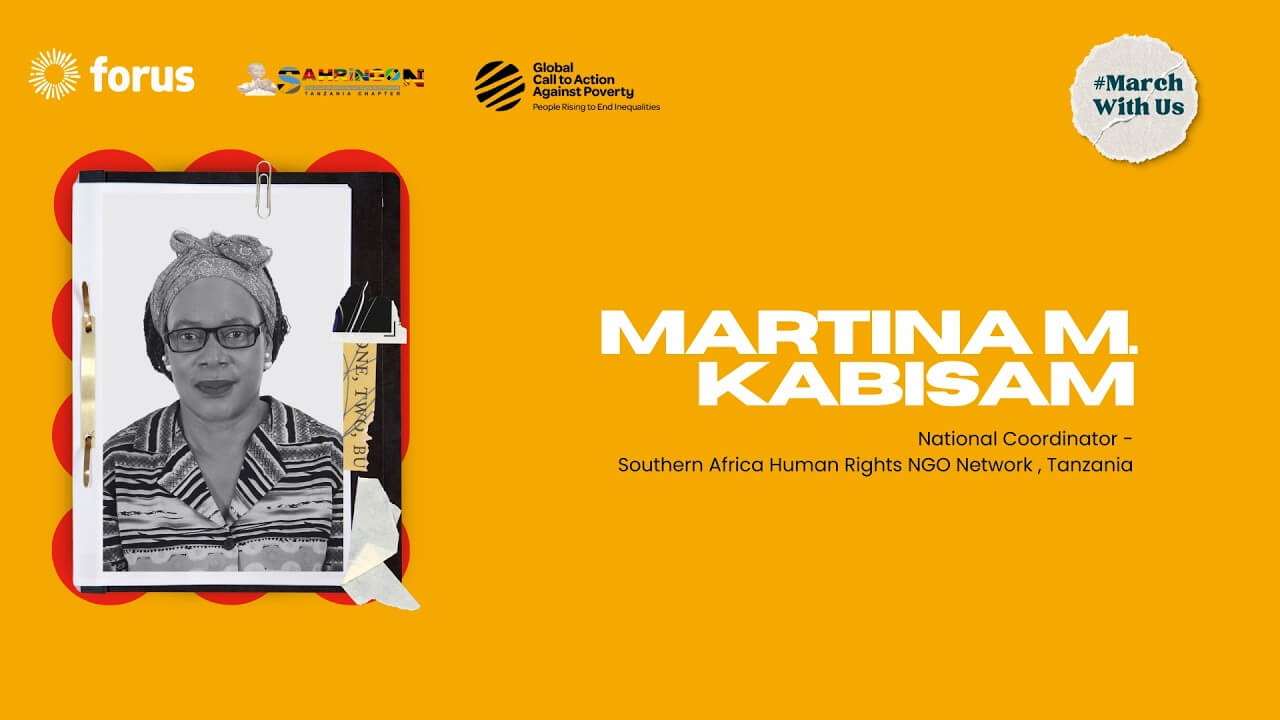
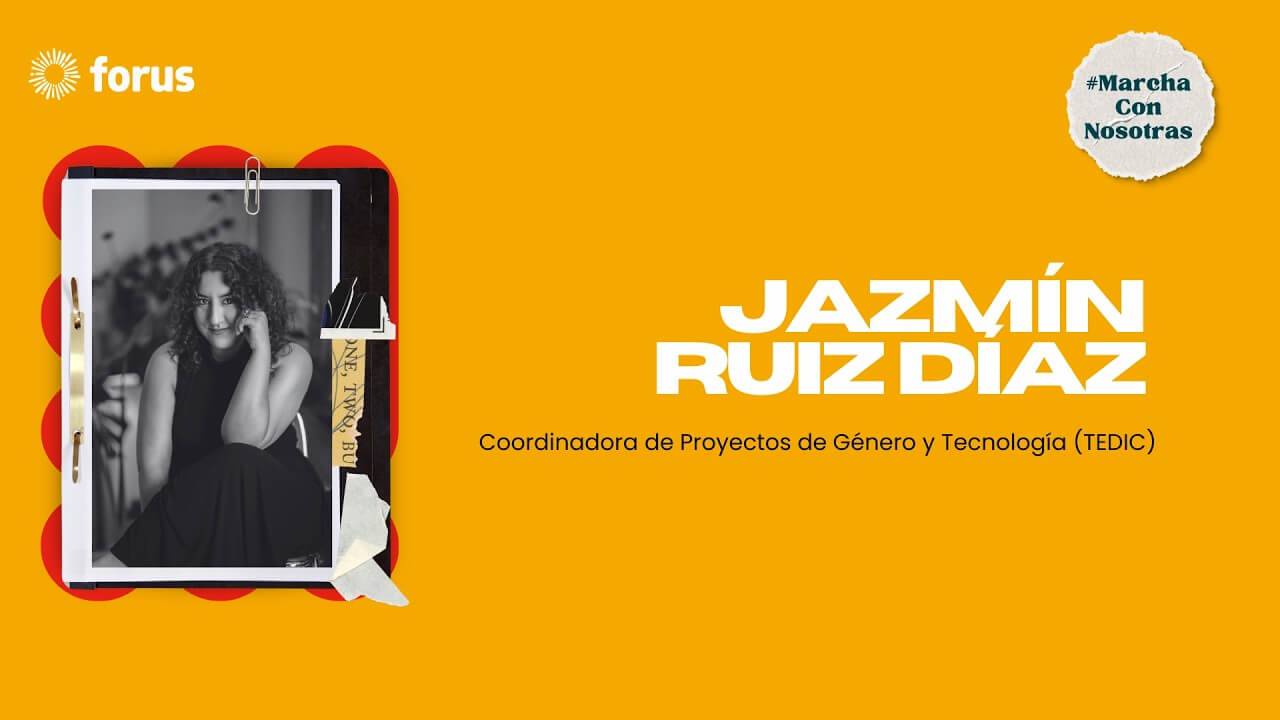
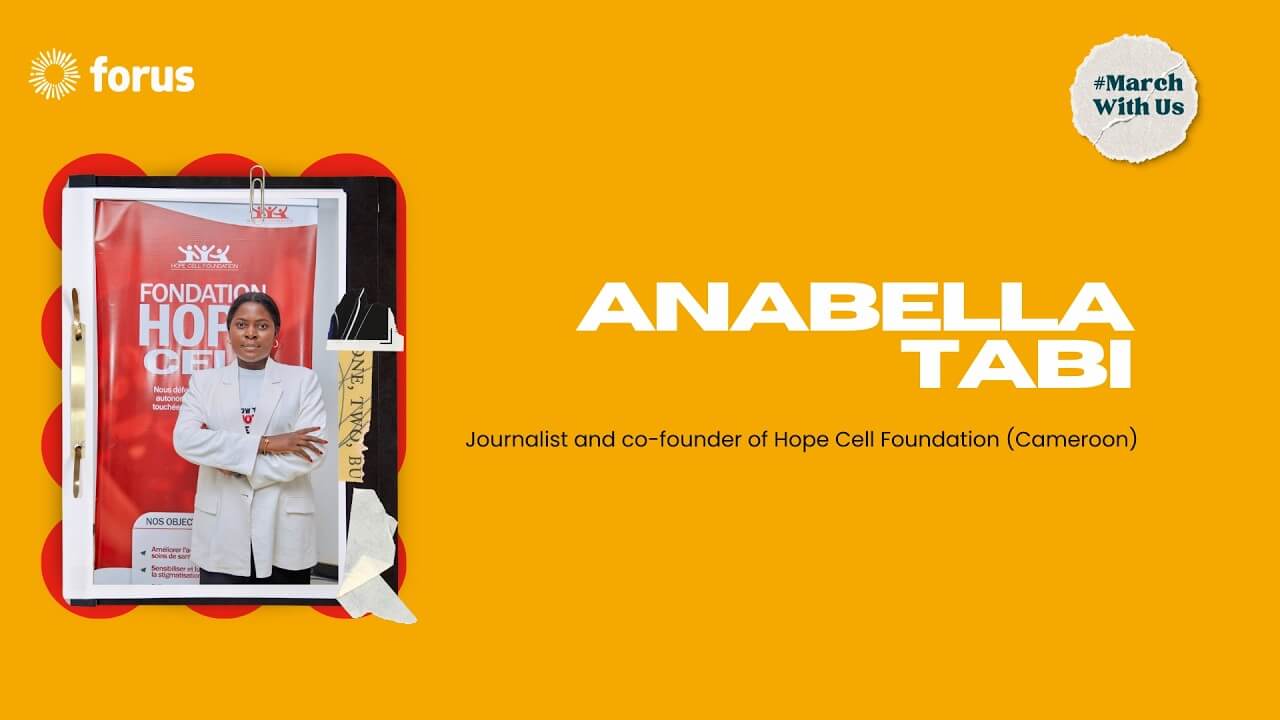
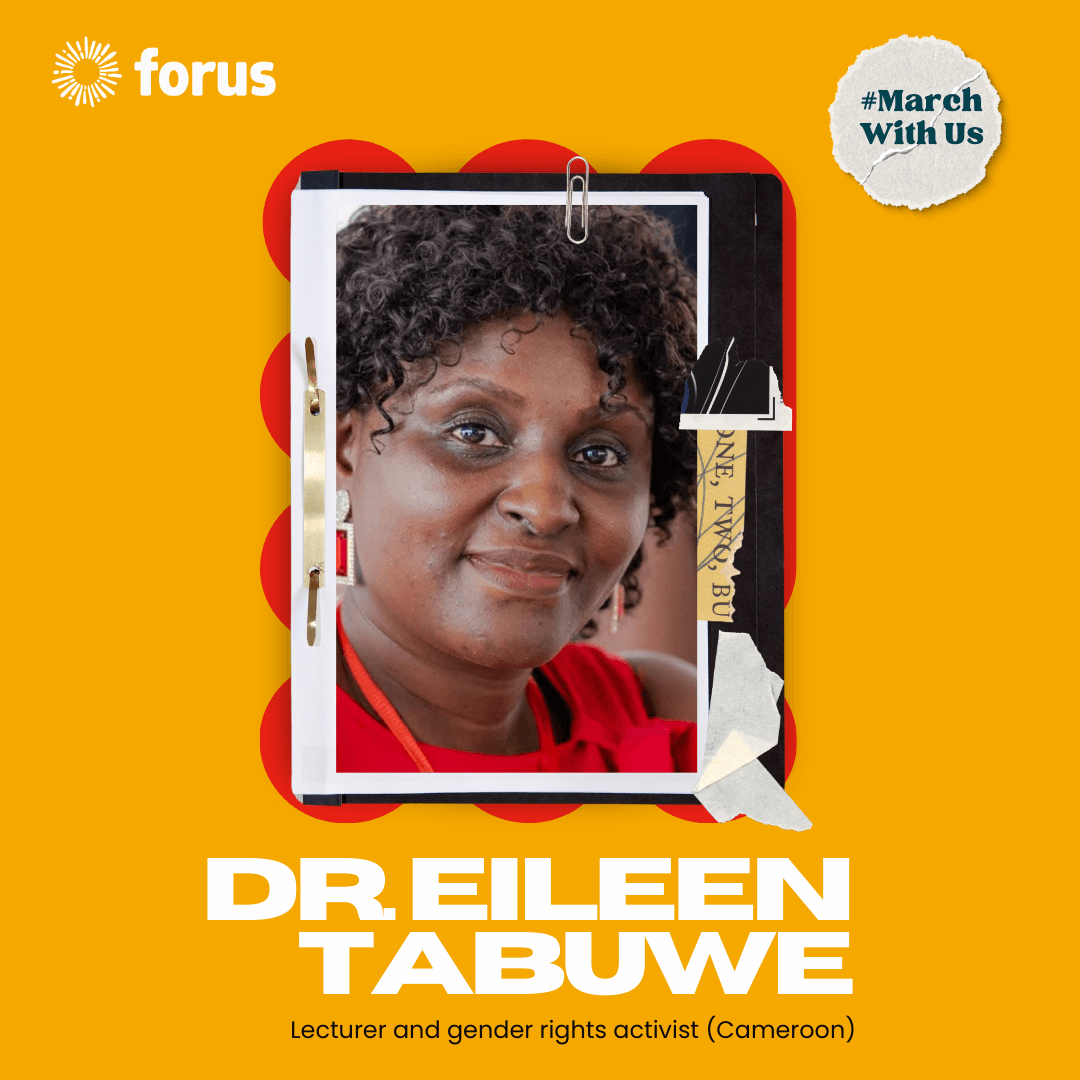
#MarchezAvecNous - Voix de Femmes d’Afrique Centrale
#MarchWithUs - Gender activism in Nepal with Dhana Pariyar
March With Us
Previous editions
Discover the voices who have been driving the campaign since 2021
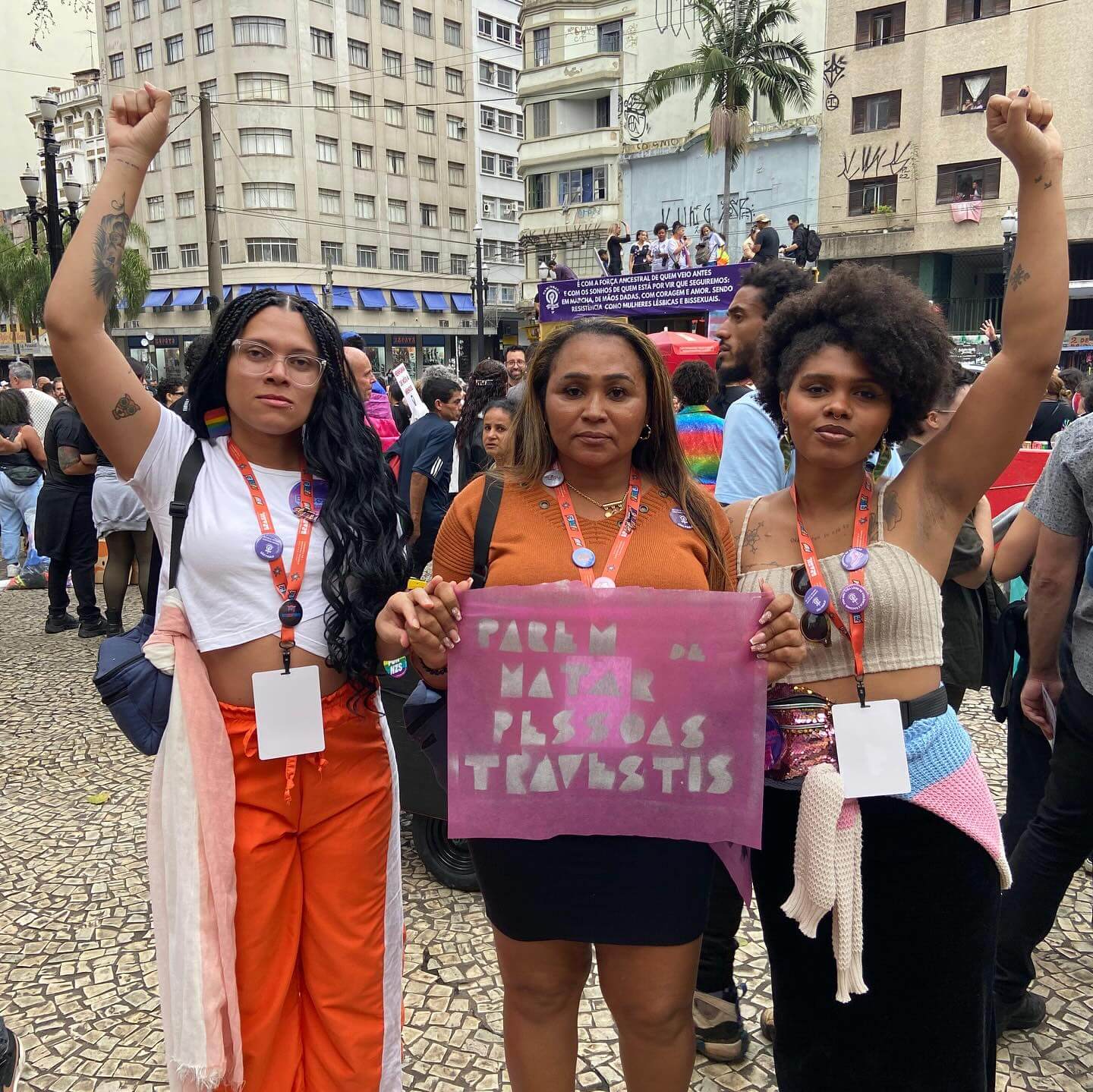
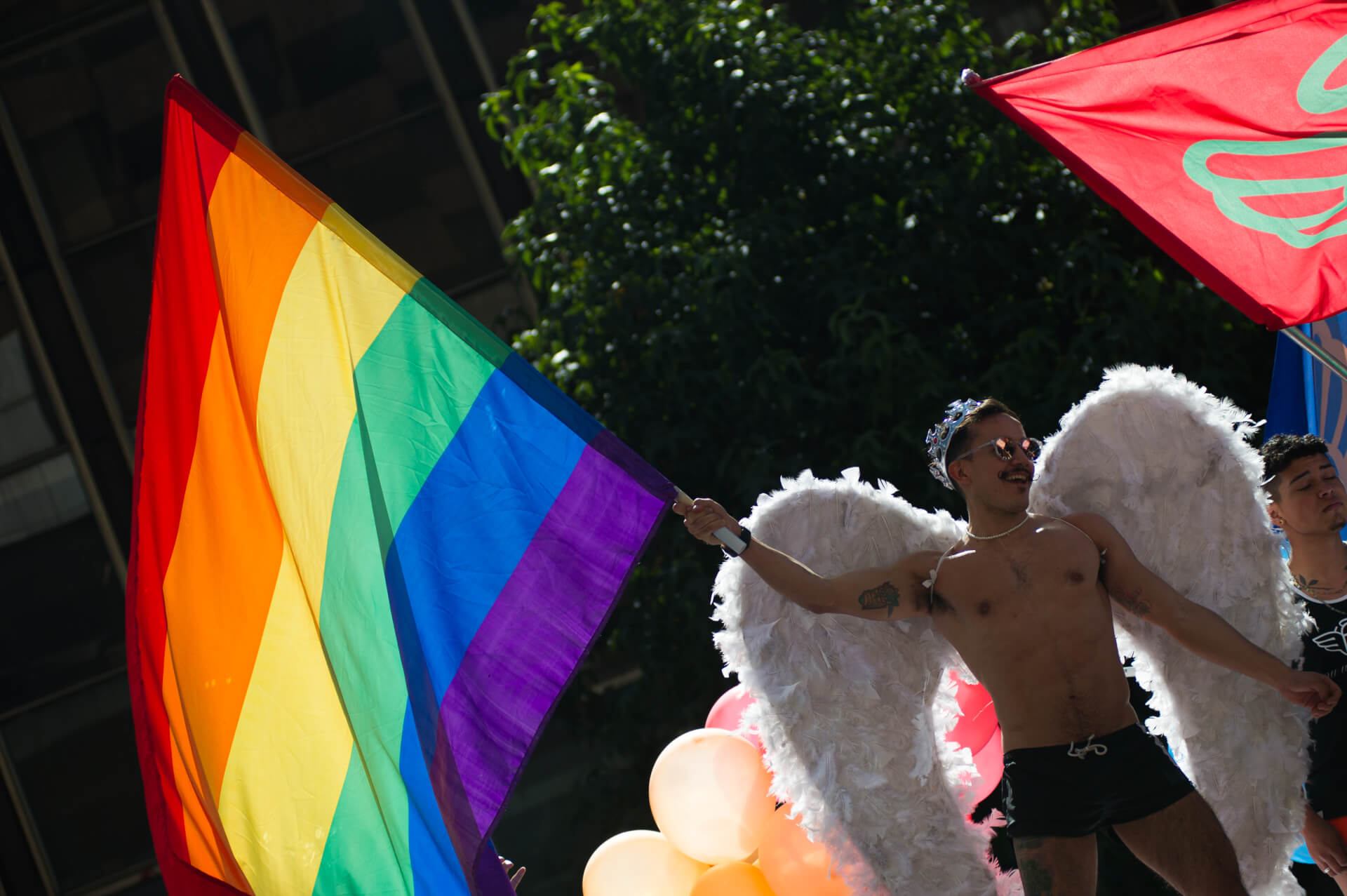
Tue 17 Jun 2025
LGBTQIAP+ rights and sustainable development: reflections in the context of Pride Month 2025 As the world observes Pride Month 2025 – a period marked by a wide range of events, parades, marches, and discussions – we reflect on the role that LGBTQIAP+ rights play in the global architecture of sustainable development ahead of our involvement in the upcoming UN High-Level Political Forum.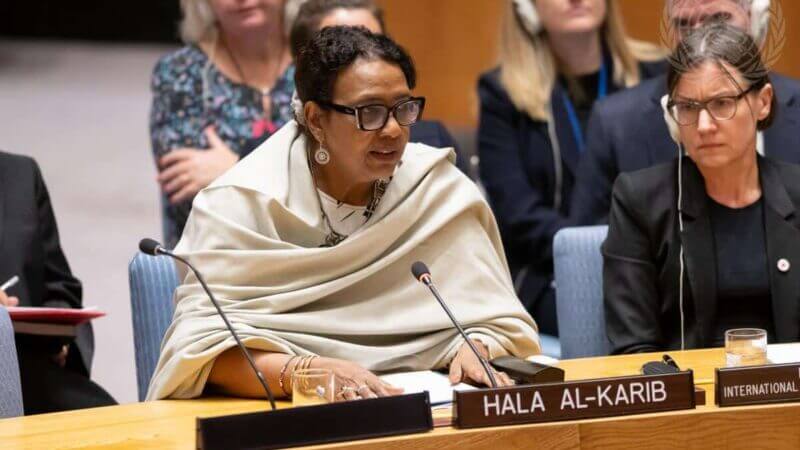
Mon 28 Apr 2025
‘We are not just imagining power; we are claiming it’: Women at the forefront of change in the Horn of Africa “Audre Lorde said, ‘There is no hierarchy in oppression.’ My activism is rooted in this belief. Whether it’s gender-based violence, ethnic discrimination or economic marginalization, our fights are linked.”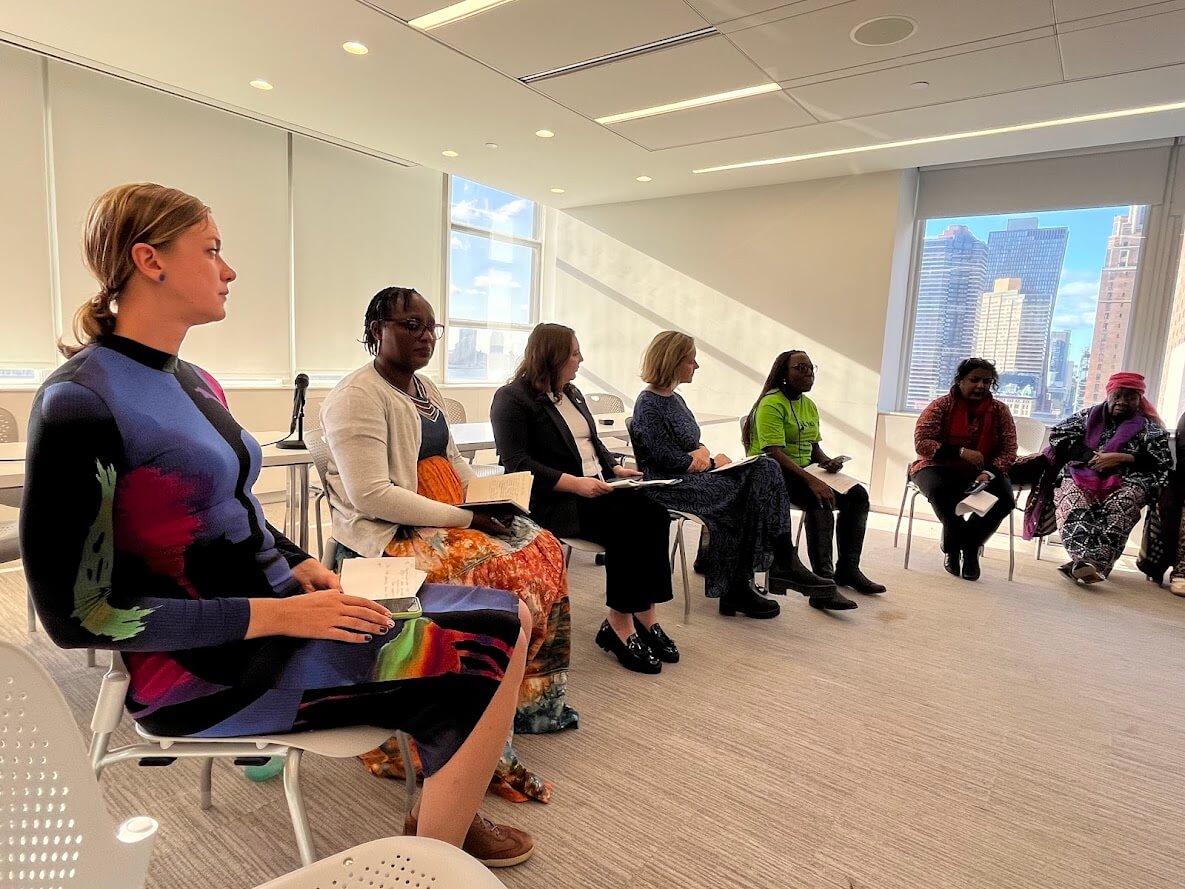
Thu 3 Apr 2025
Reflecting on CSW69 and on gender movements The 69th Commission on the Status of Women (CSW69) convened at a time when gender equality efforts face heavy challenges. Drastic funding cuts and shrinking civic spaces, translate into global advocates gathering to reaffirm commitments to gender justice and call for urgent, coordinated action. The Forus network and its partners, leveraged the March With Us campaign and the Forus Leadership Development Program to spotlight feminist leadership and resilience at this year’s CSW.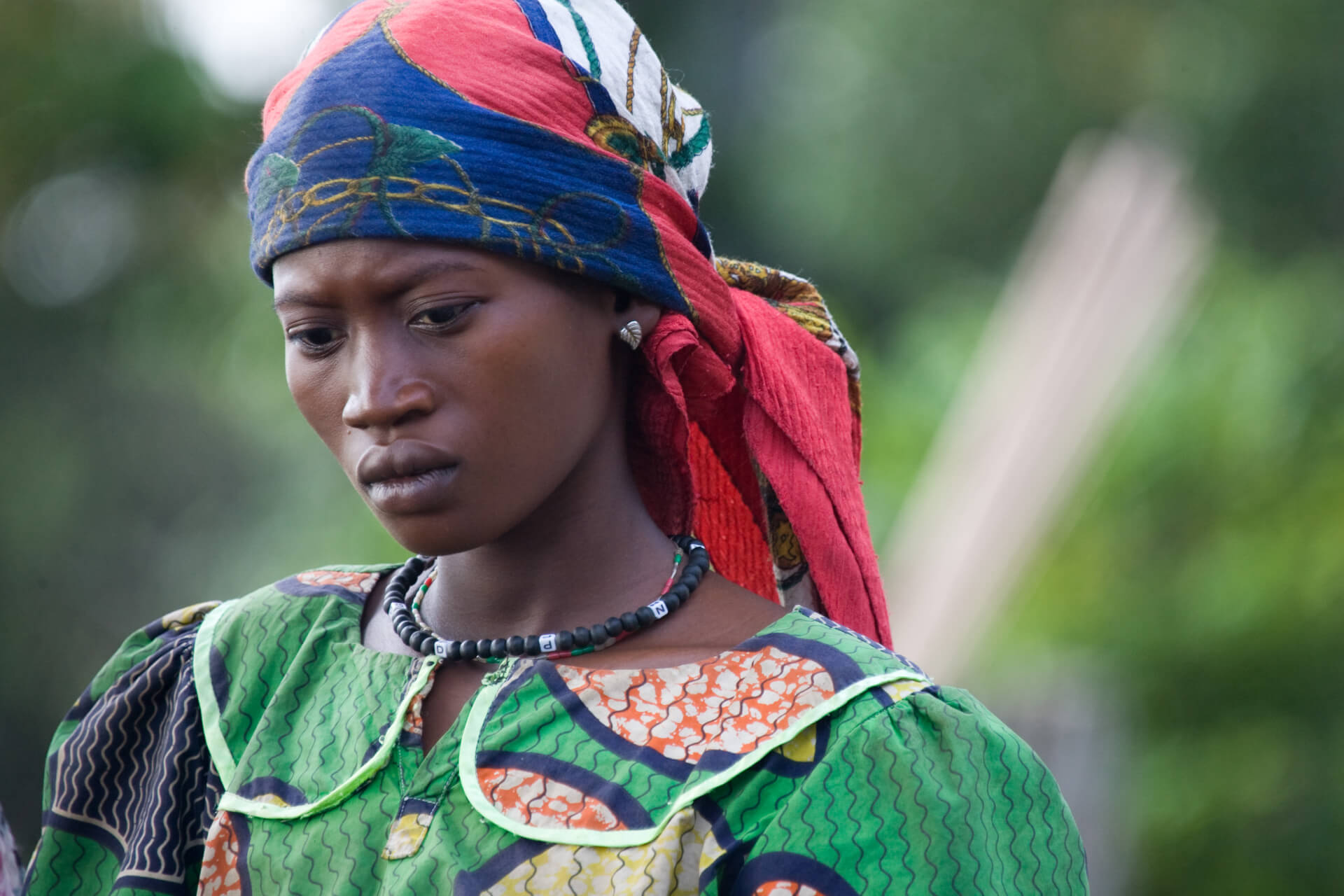
Tue 15 Apr 2025
"Justice in our country is a luxury": Standing for Women and Girls in the Democratic Republic of Congo For over 30 years, armed conflict in the DRC has displaced millions, with women and children bearing on their own skins and hearts the violence. In recent months, the crisis has deepened, forcing thousands from their homes. Gender-based violence, lack of access to healthcare, and economic hardship have reached catastrophic levels.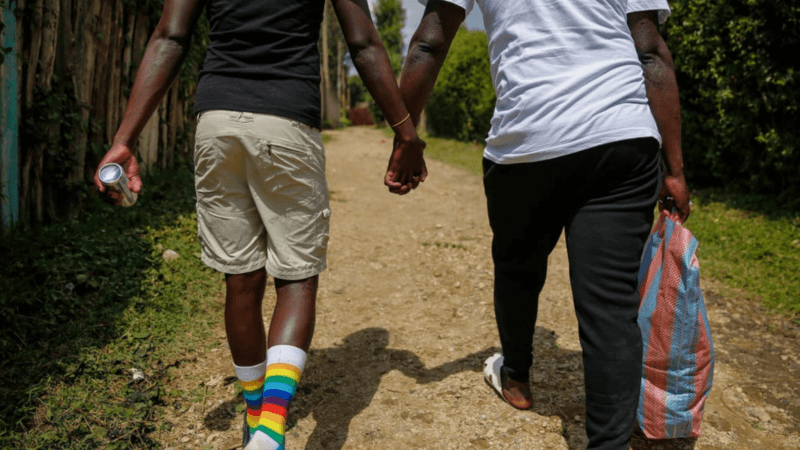
Tue 15 Apr 2025
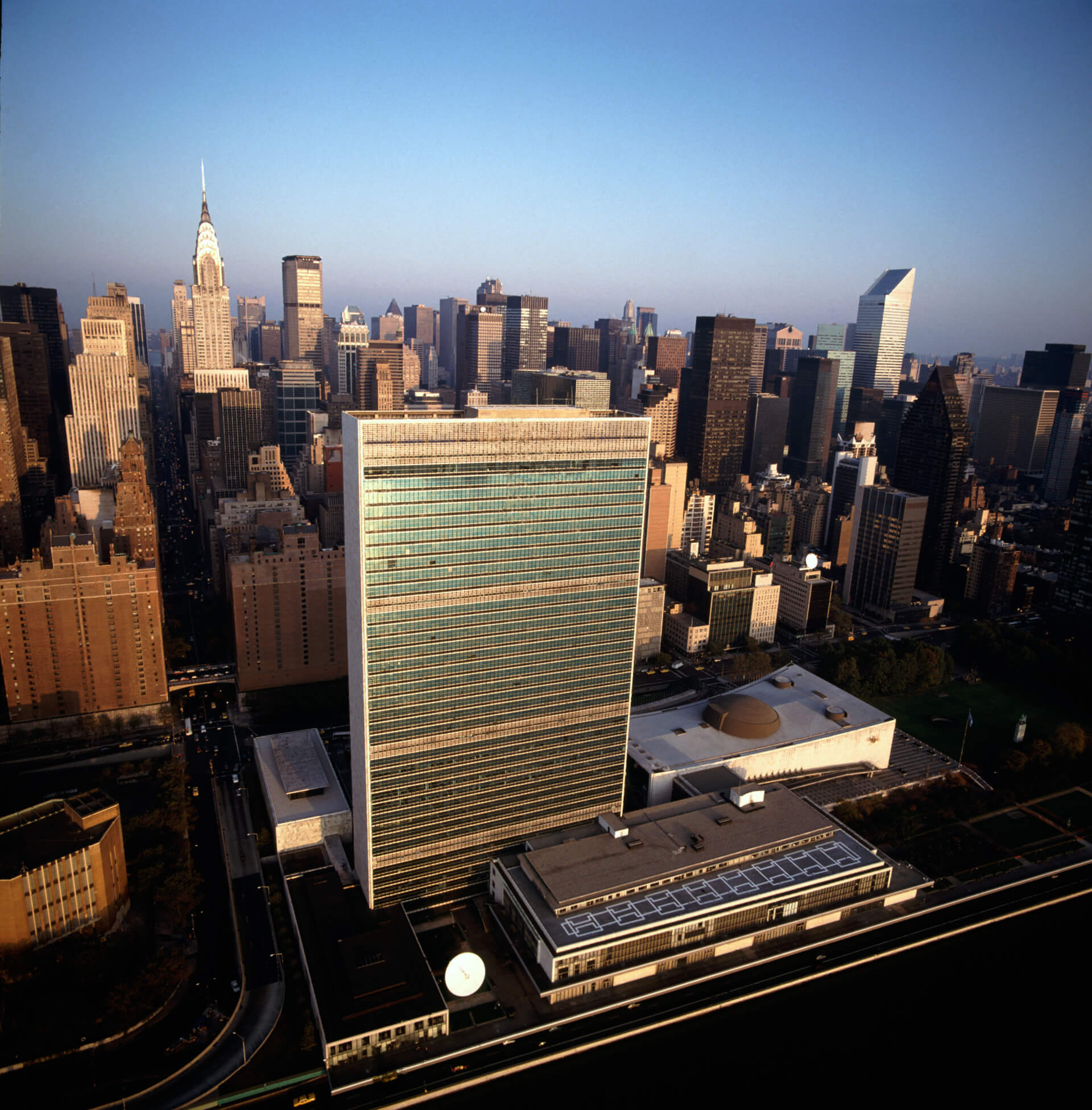
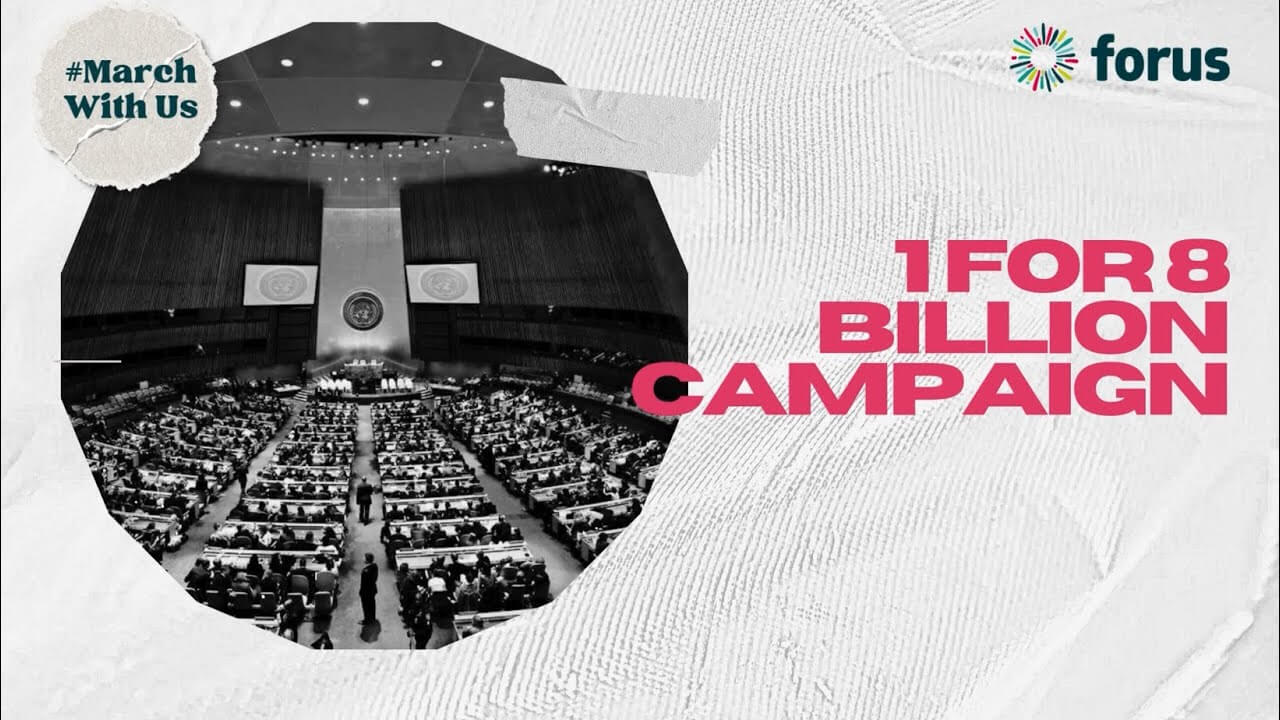
Reimagining Power: The Fight for a Feminist UN Leader The 1 for 8 Billion campaign isn’t just about electing a woman; it’s about fixing a flawed system. The UN’s appointment process has long been dominated by a handful of powerful nations, with backroom deals deciding leadership roles.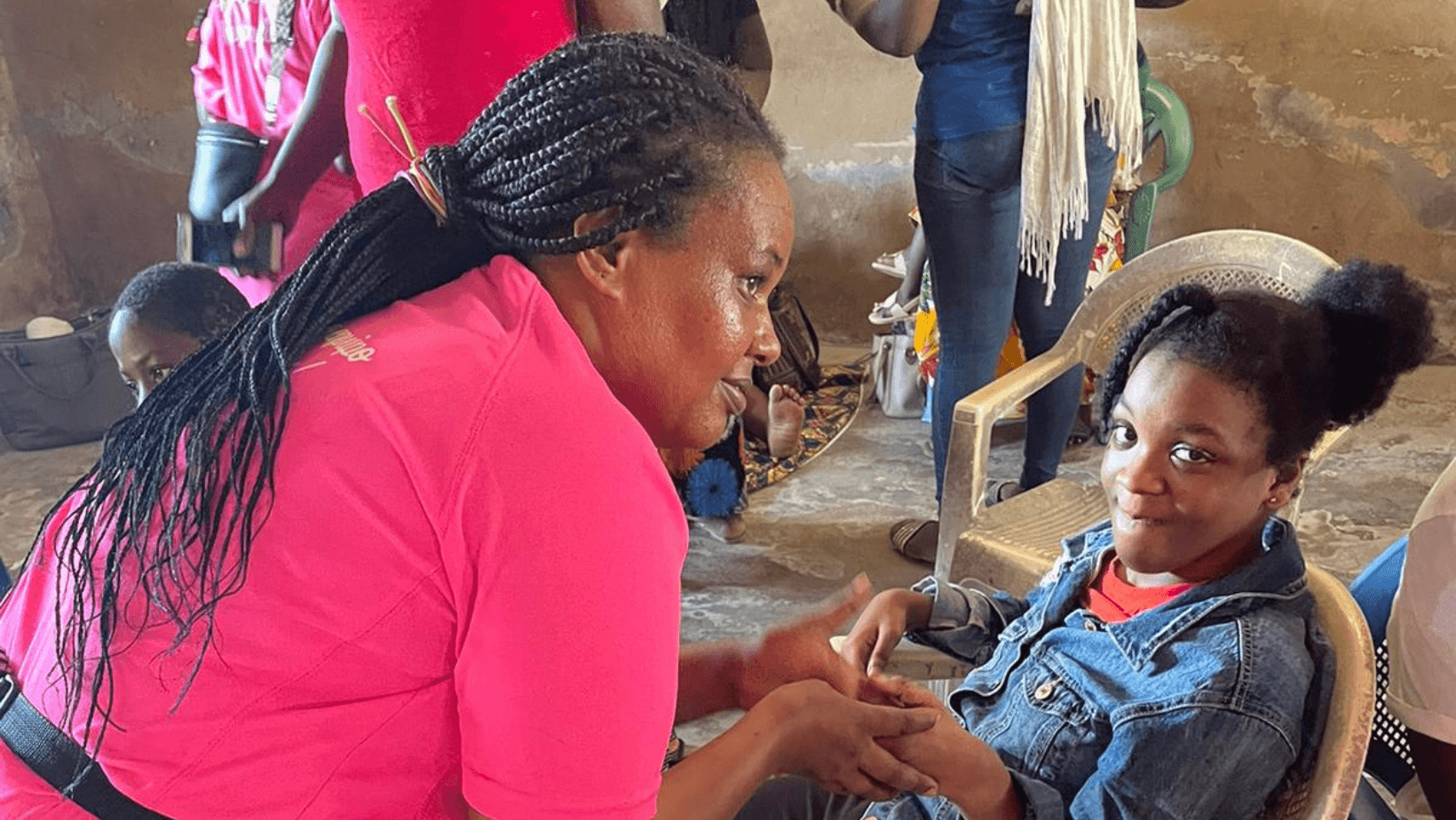
Tue 25 Mar 2025
Women Bring "Emotional Medicine" to Buduburam Refugee Camp Amidst Demolition Crisis Amid the remains of the once-thriving Buduburam refugee camp, a group of women is offering a collective source of healing. As thousands of displaced Liberians face an uncertain future following the demolition of their homes, Rachel J. Bestman, Dehcontee Gould, Martalhen Q. Dorbor, and Vera Dweh have stepped in with a mission of care and psychosocial support.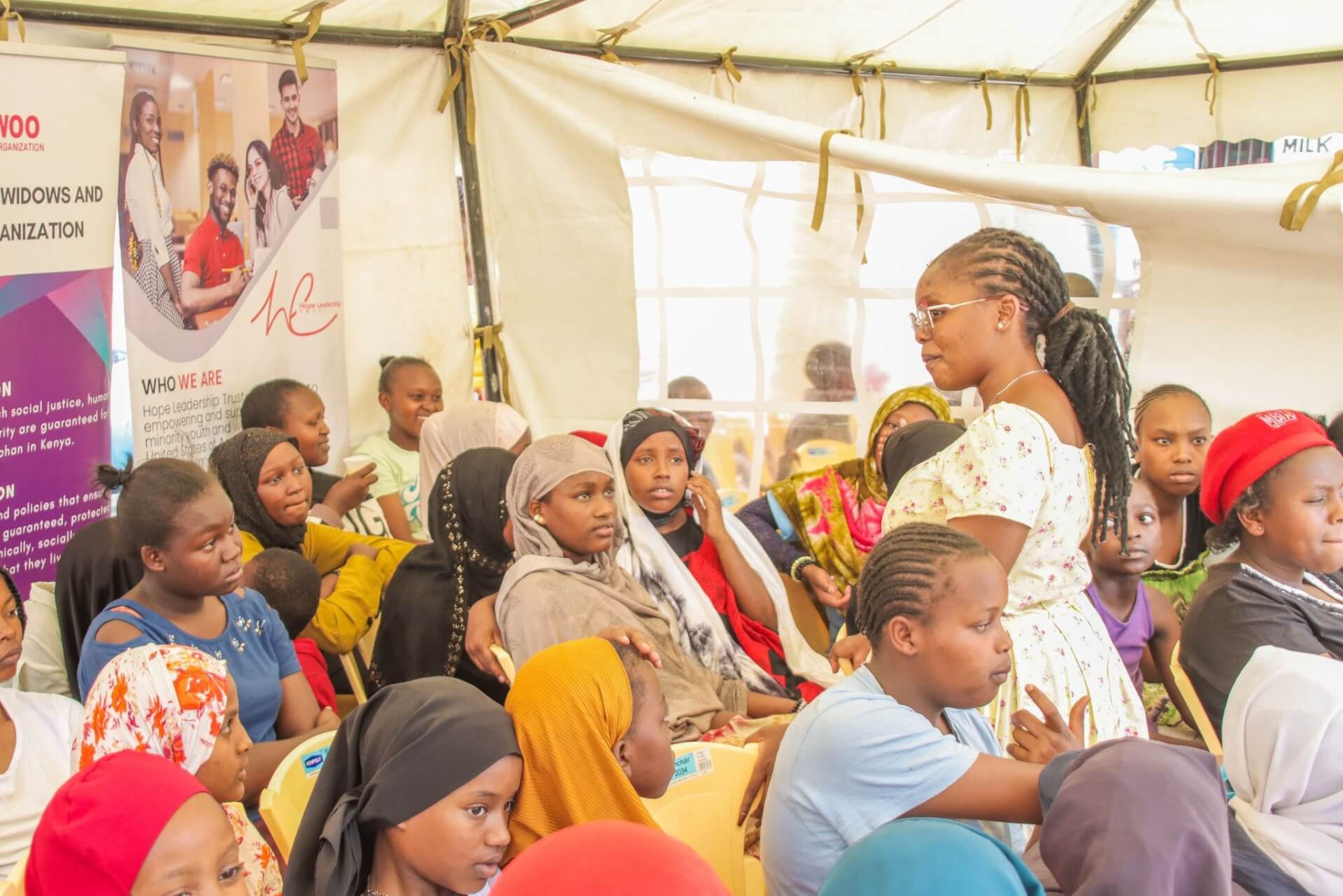
Tue 25 Mar 2025
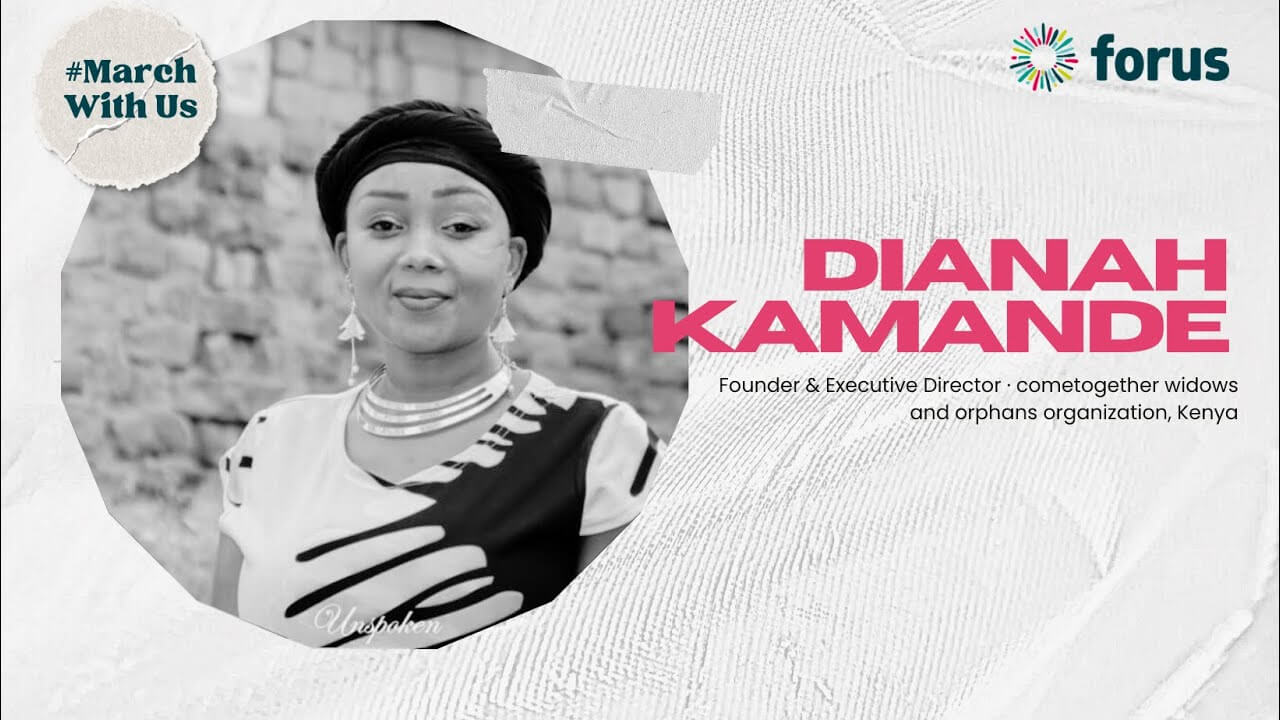
Reclaiming Power: Dianah Kamande’s Inspiring Journey from Survivor to Advocate for Justice The fight for justice, equality and dignity often begins in the most personal spaces of pain. Dianah Kamande’s story—one of unimaginable hardship, resilience and triumph—stands as a testament to the transformative power of courage and advocacy. As part of the March with Us campaign, her narrative not only inspires but calls for urgent action to reimagine the patriarchal systems that fail so many daily.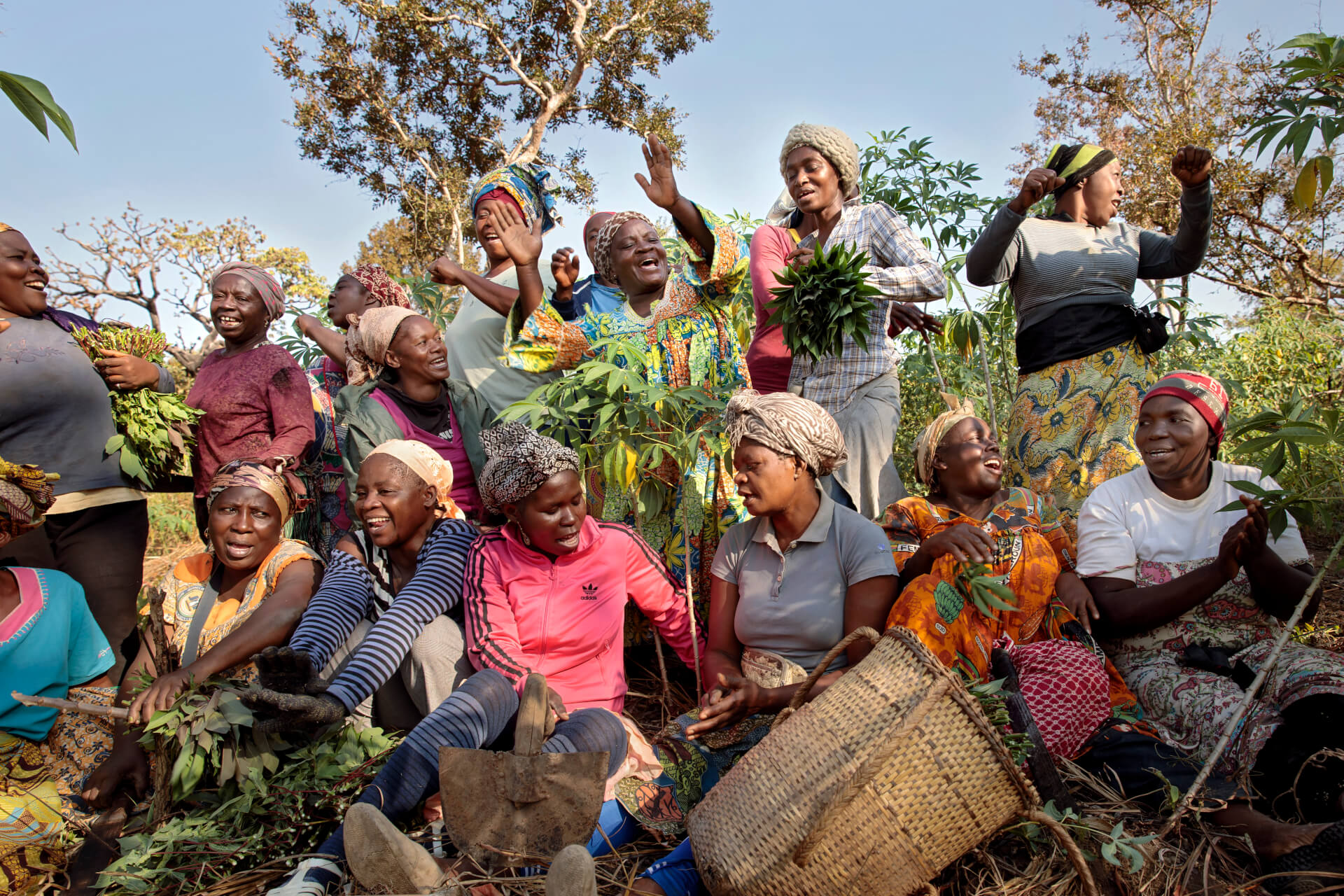
Tue 25 Mar 2025
Empowering Women and Girls: Fighting Gender-Based Violence and Driving Change in Cameroon For years, Cameroon has faced sociopolitical challenges that disproportionately impact women and girls. From gender-based violence to economic exclusion and digital abuse, the barriers to equality remain high. Yet, activists like Dr. Tumasang and Nancy Saiboh are at the forefront of change, working tirelessly to empower women and create sustainable solutions for a more equitable society.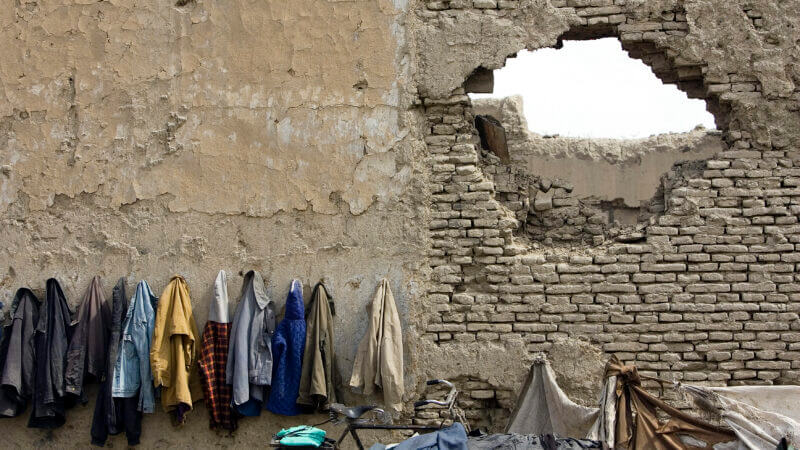
Fri 21 Feb 2025
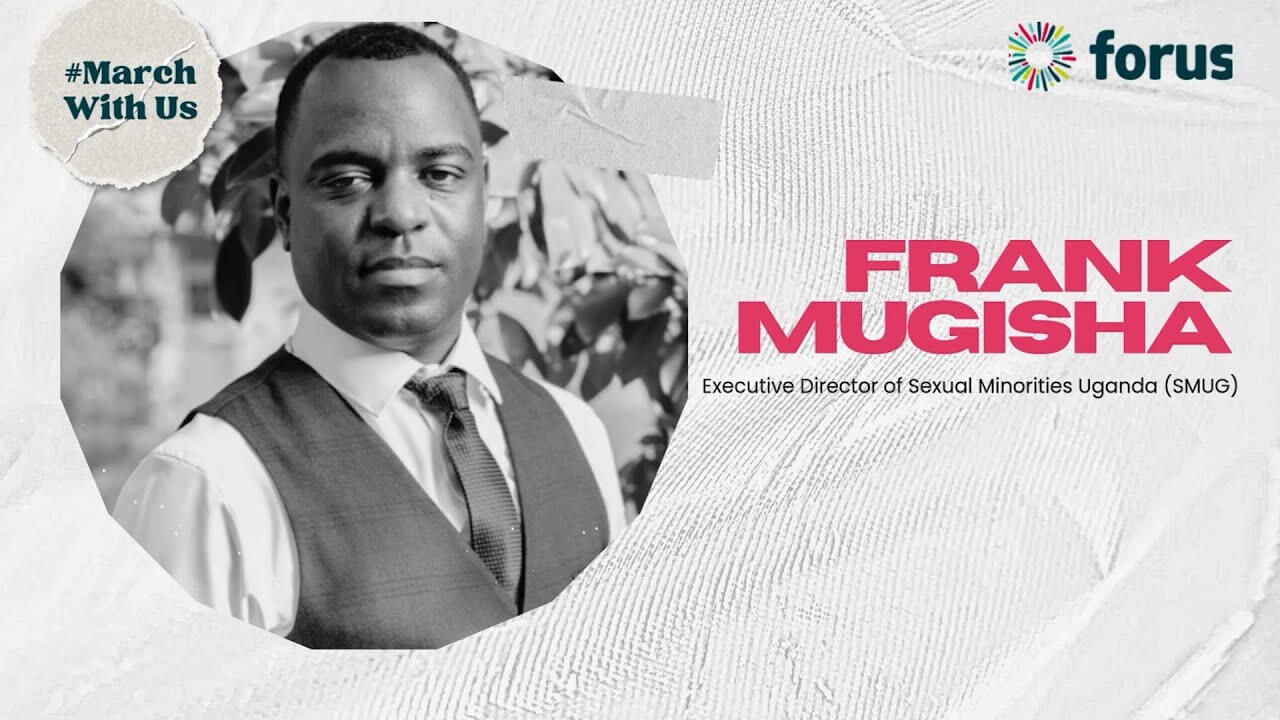
#MarchWithUs - Frank Mugisha on LGBTQI rights in Uganda
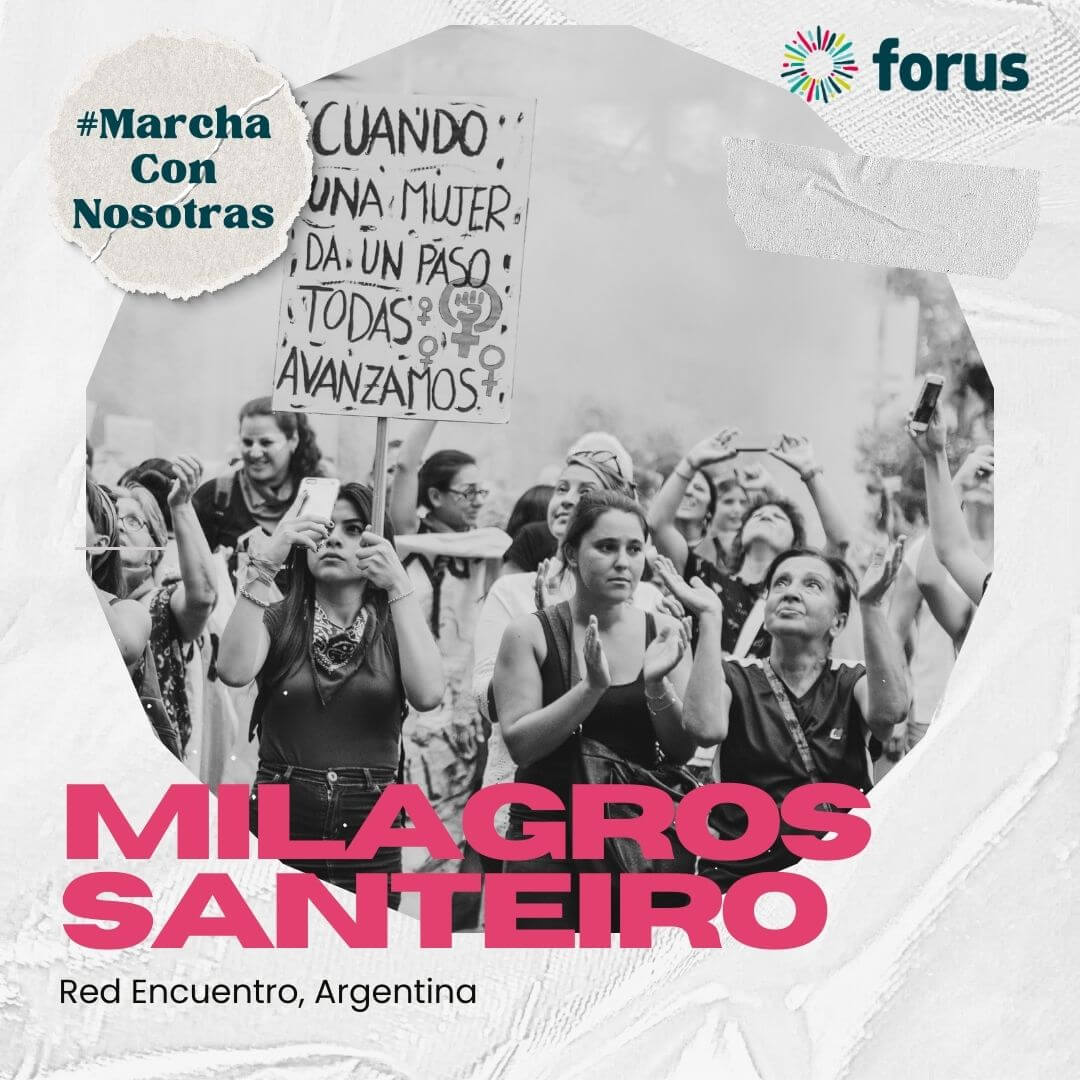
Red Encuentro y los retrocesos en derechos de género en Argentina
Marcha Con Nosotras - Colectivo Alejandría y la lucha por la justicia de género en El Salvador
#MarchWithUs - Ndi Nancy on empowering young girls and digital safety in Cameroon
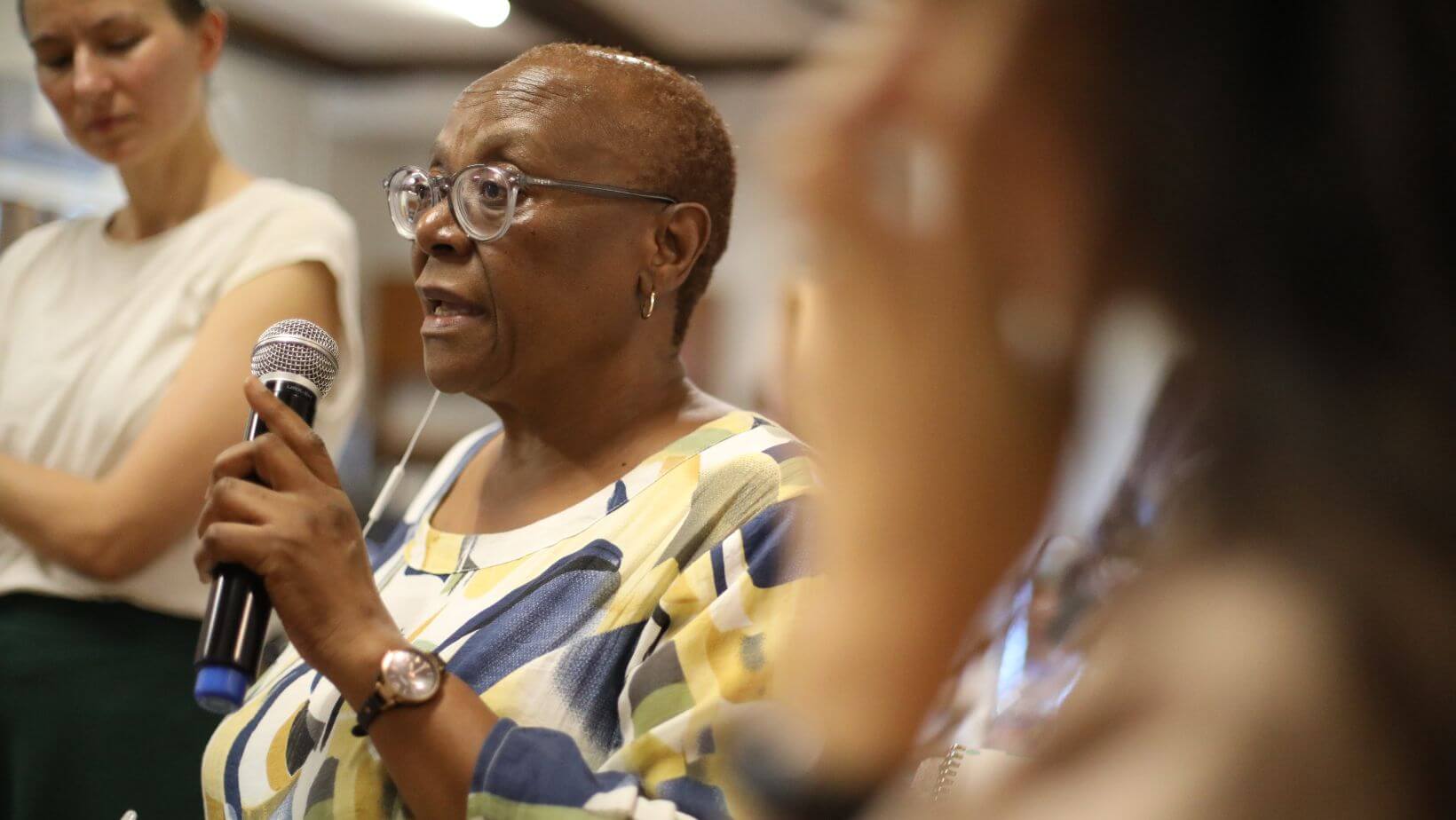
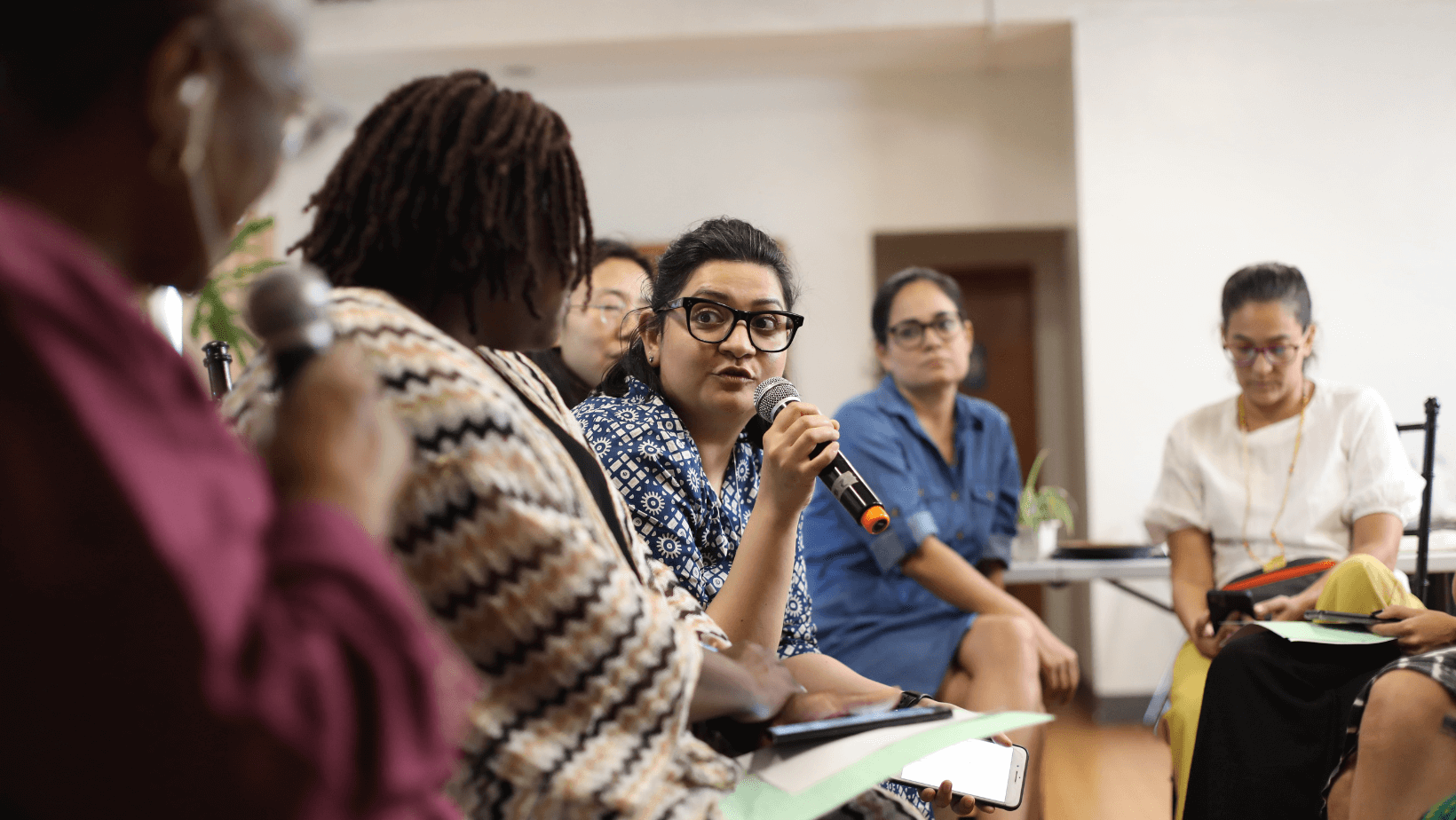
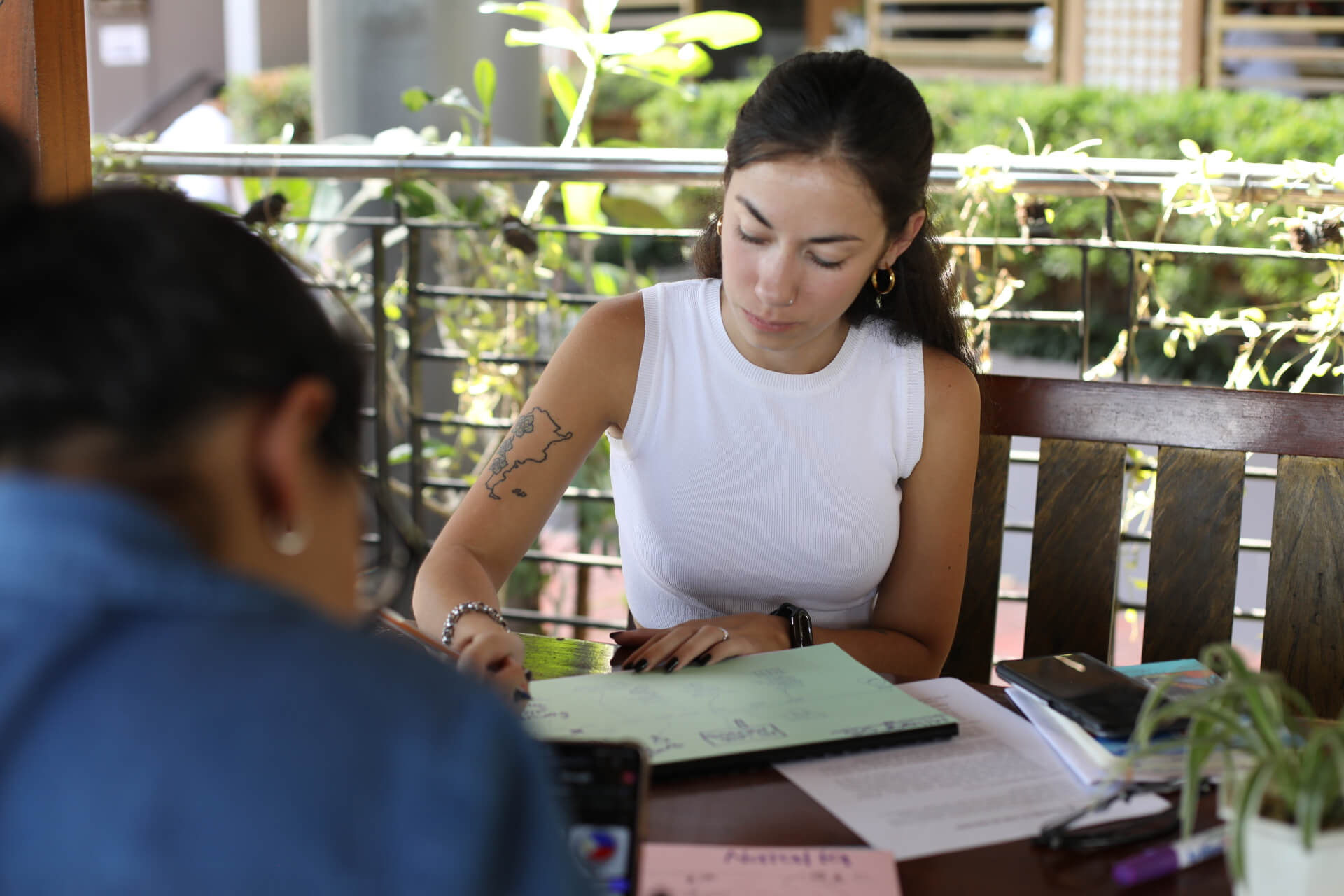
Discover the ongoing 5th Cycle
Supporting women leaders from across the Forus network
Fri 21 Feb 2025
#MarchWithUs - GENARRATION Project to Support Jerusalem's Youth
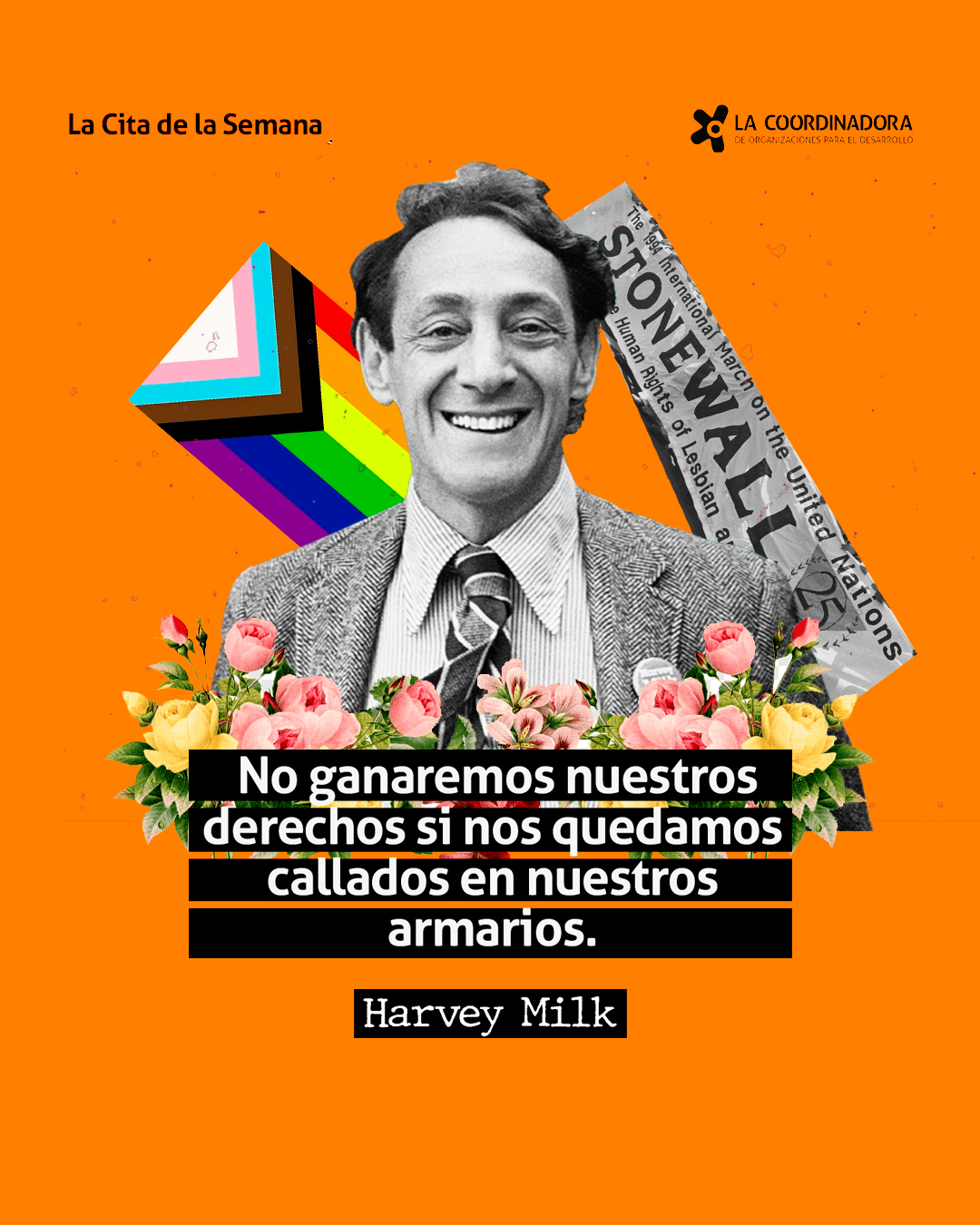
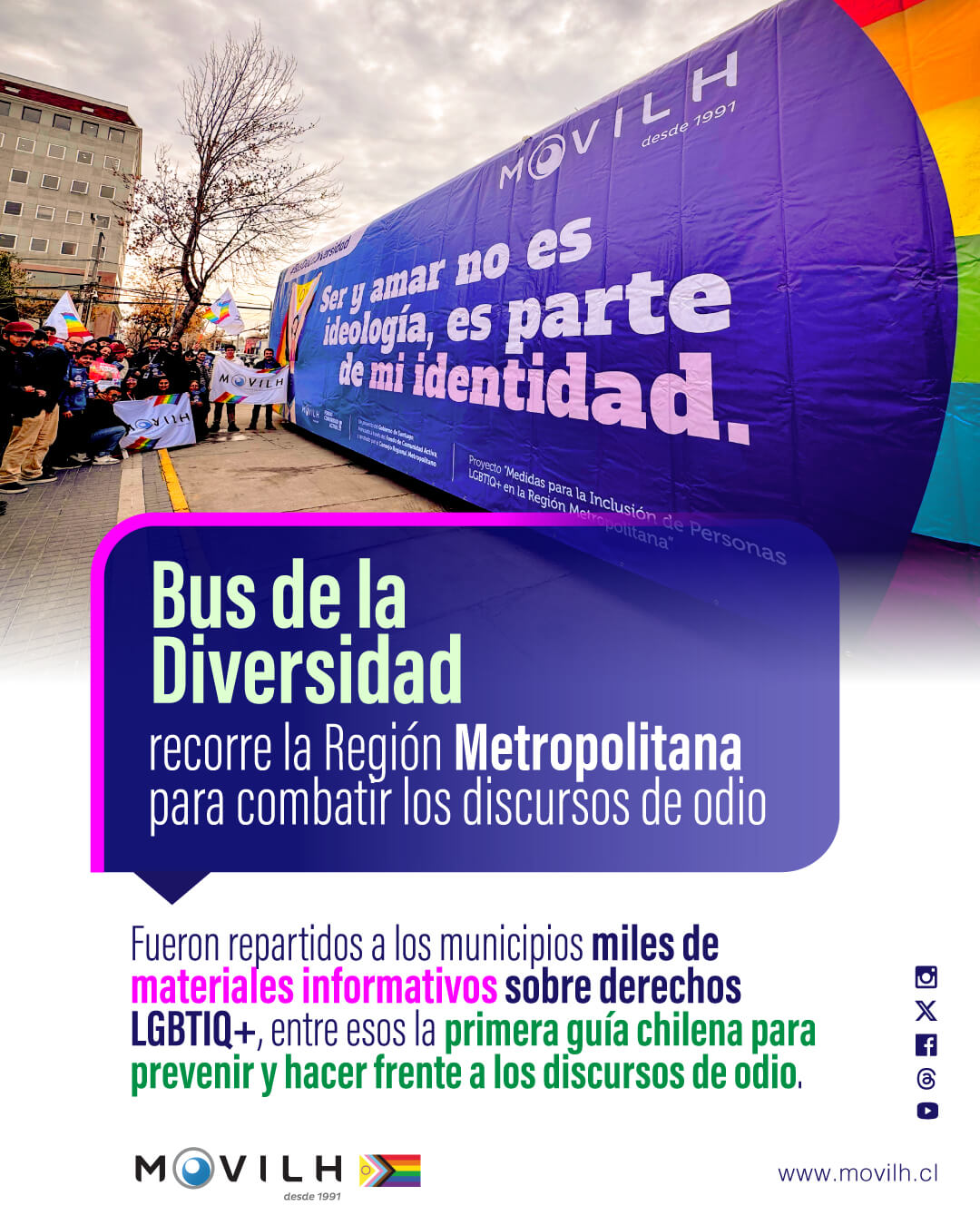
Forus network @ Pride Month 2025
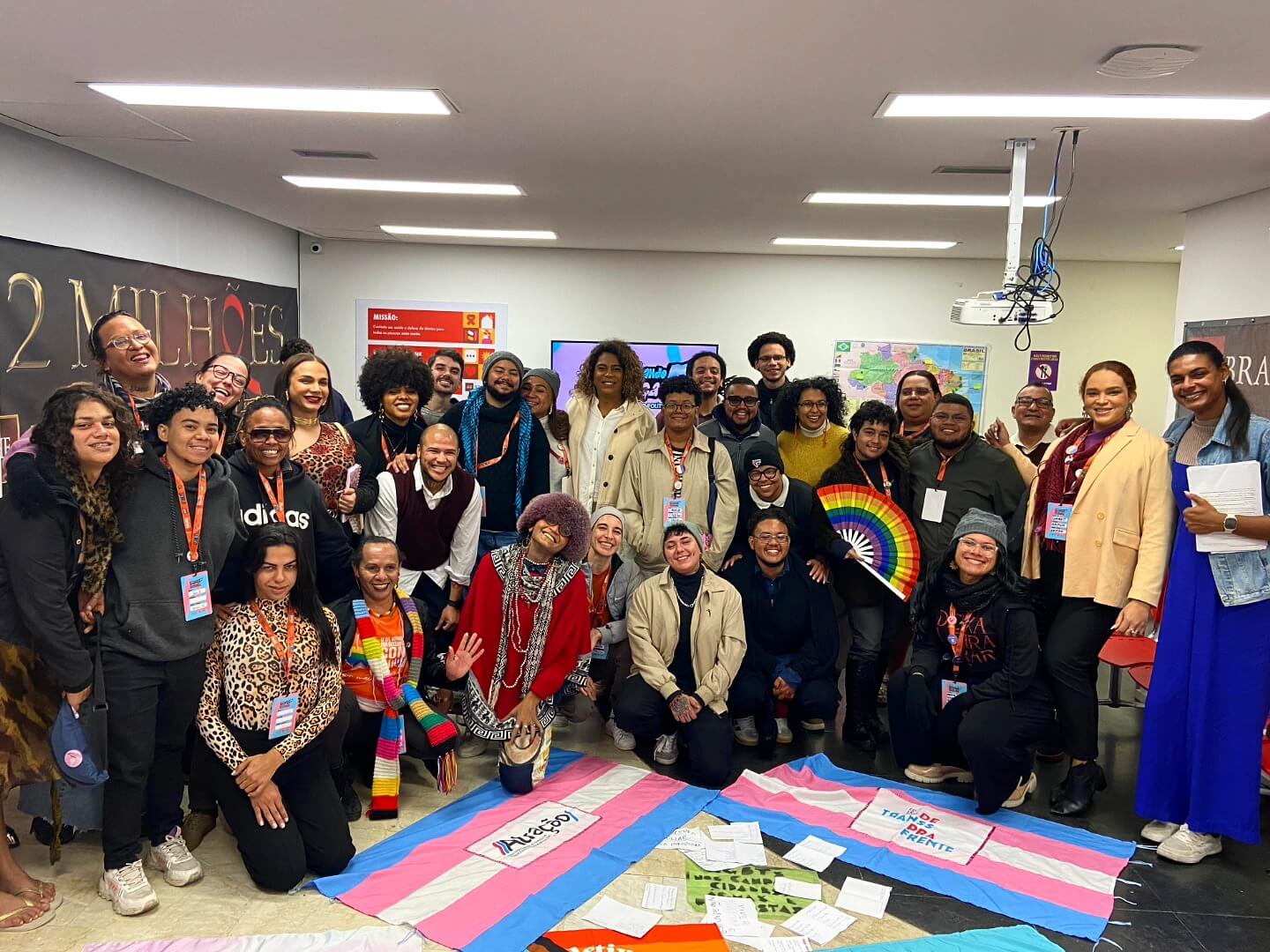
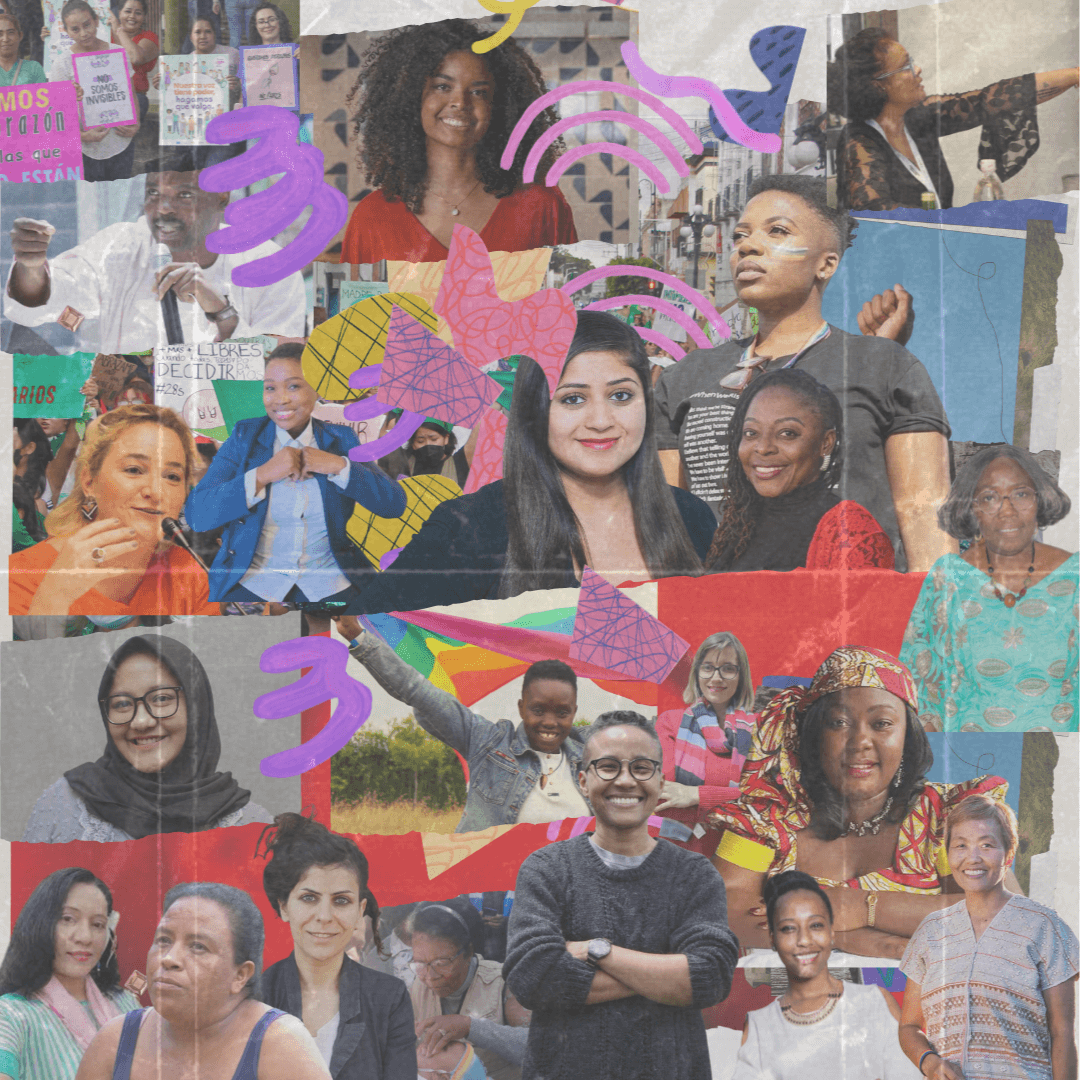
EN - FR - ES- INTRO Episode March With Us for gender justice!
Welcome to the 4th edition of March With Us for gender justice! Bienvenue à la quatrième édition de Marche avec nous pour la justice en matière de genre ! ¡Bienvenidos a la 4ª edición de Marcha con nosotras por la justicia de género!
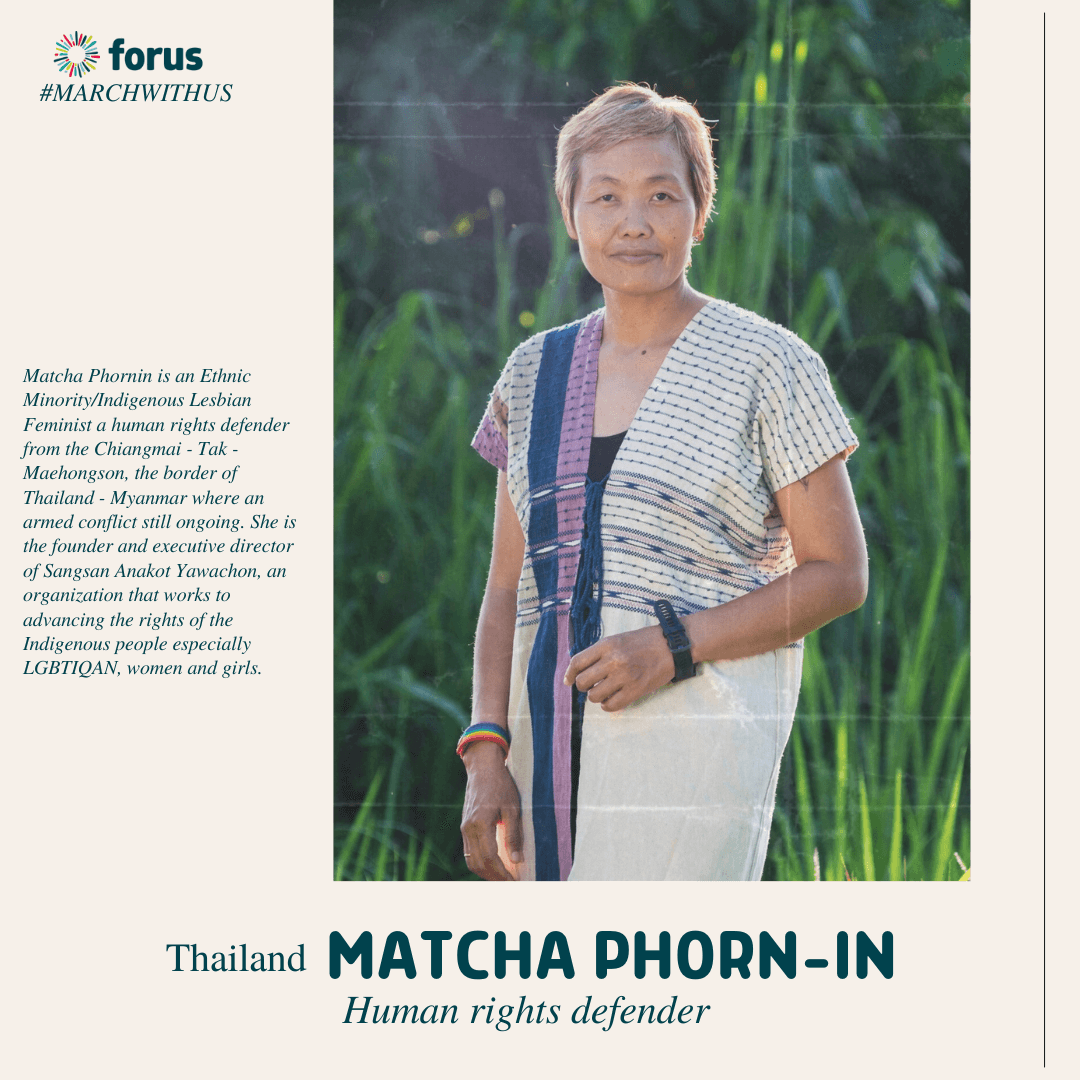
EN- Matcha Phorn-in on indigenous and LGBTIQAN rights
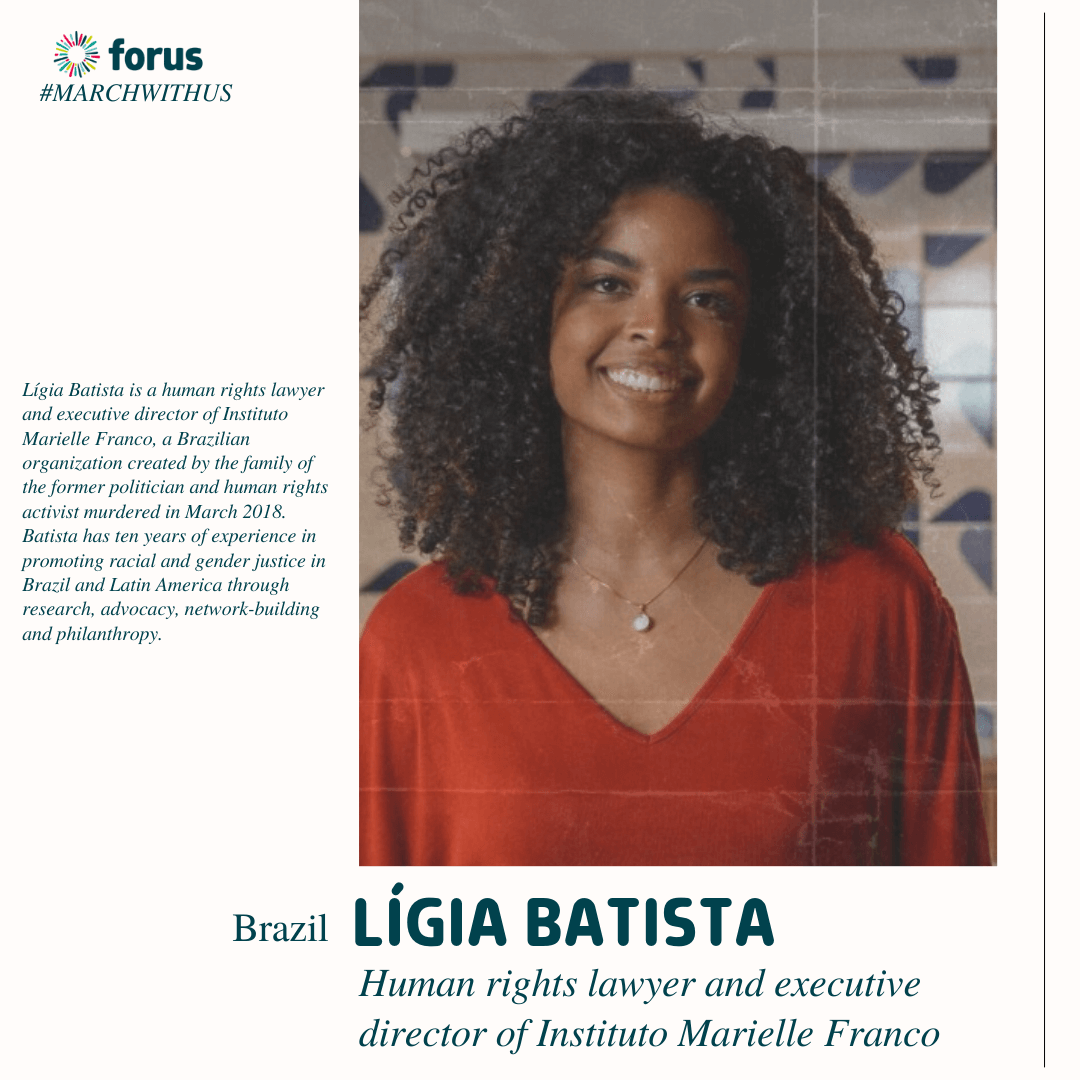
EN - Instituto Marielle Franco on fighting political violence
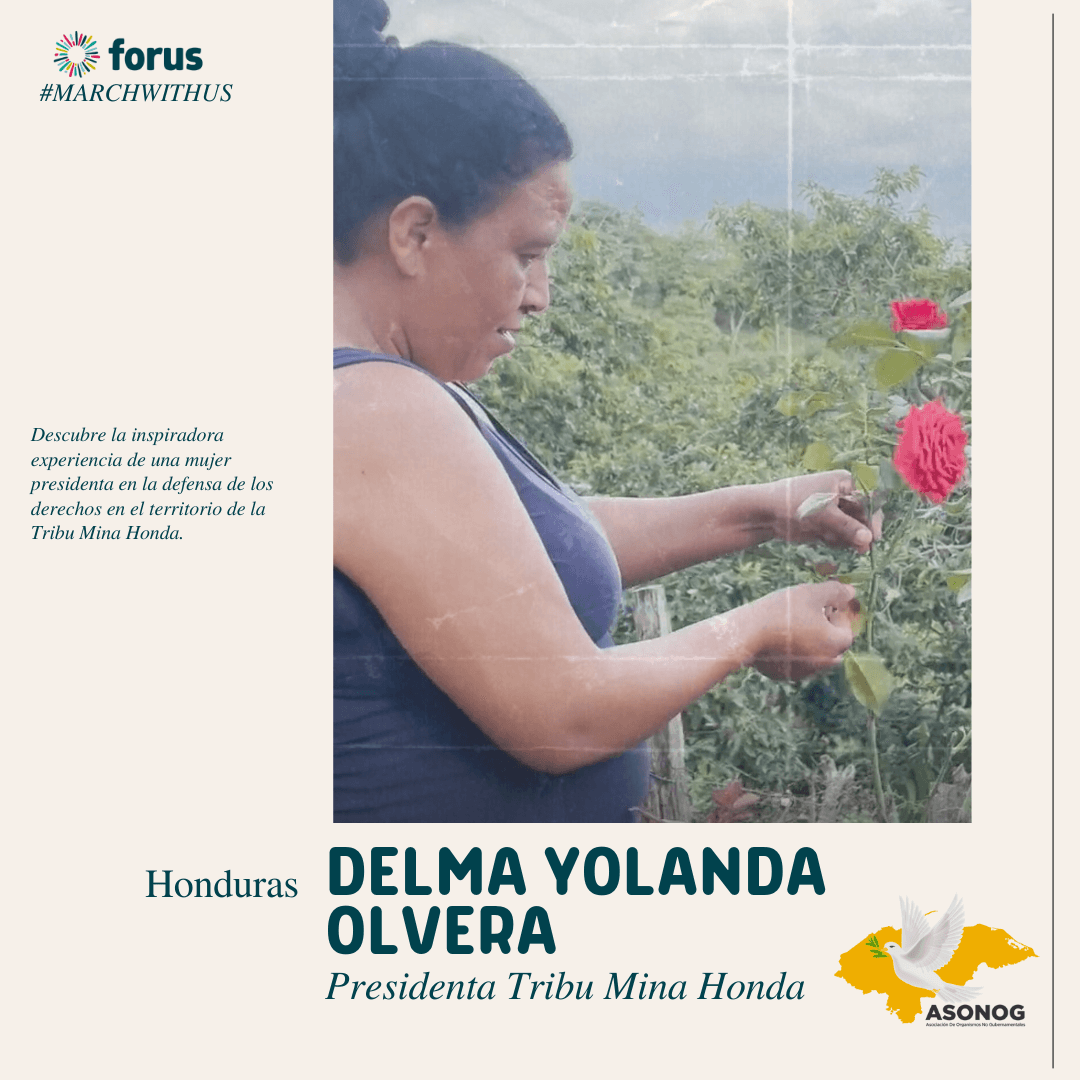
Mujer presidenta en la defensa de los derechos en el territorio de la Tribu Mina Honda en Honduras
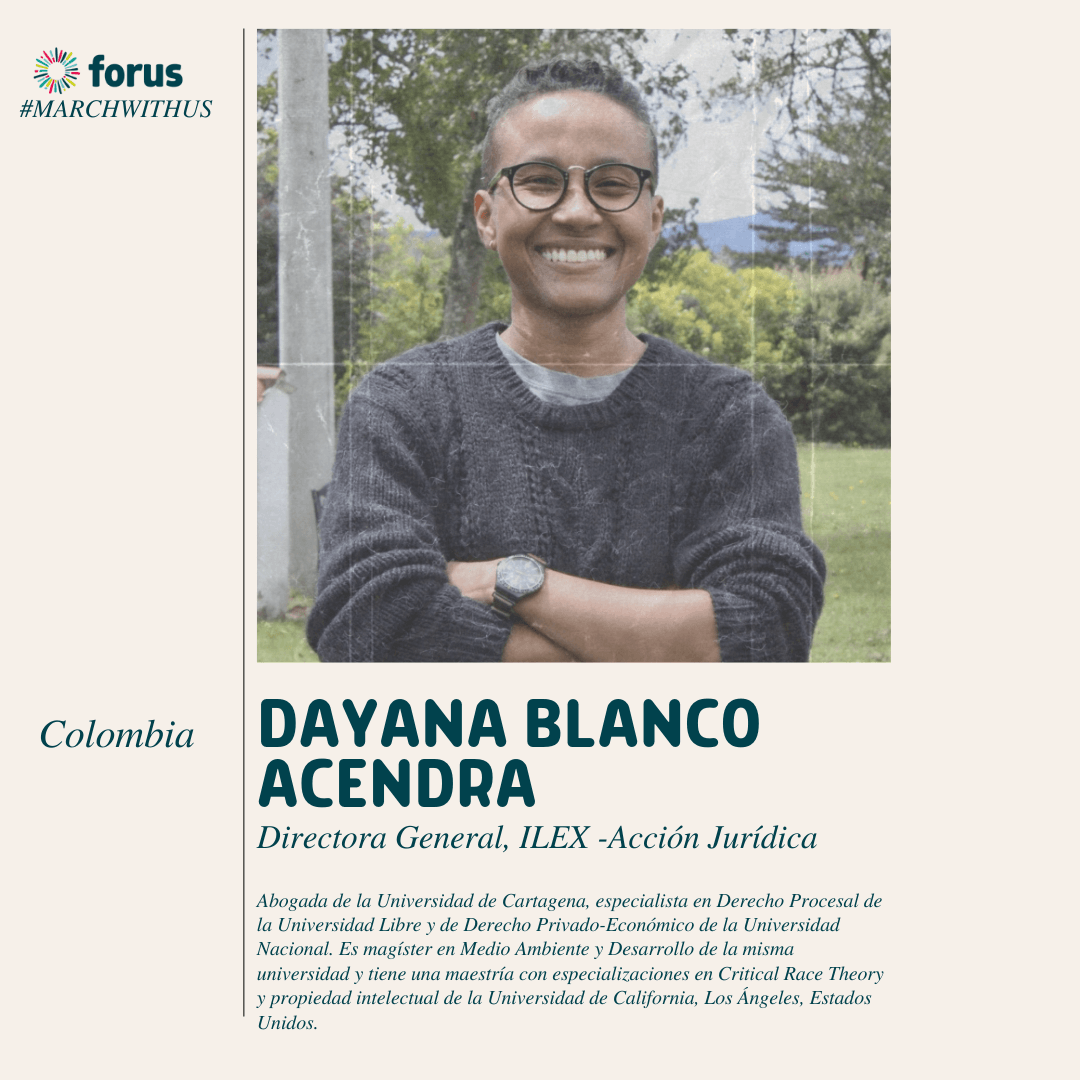
ES - Ilex Acción Jurídica sobre la lucha por la despenalización del aborto en Colombia
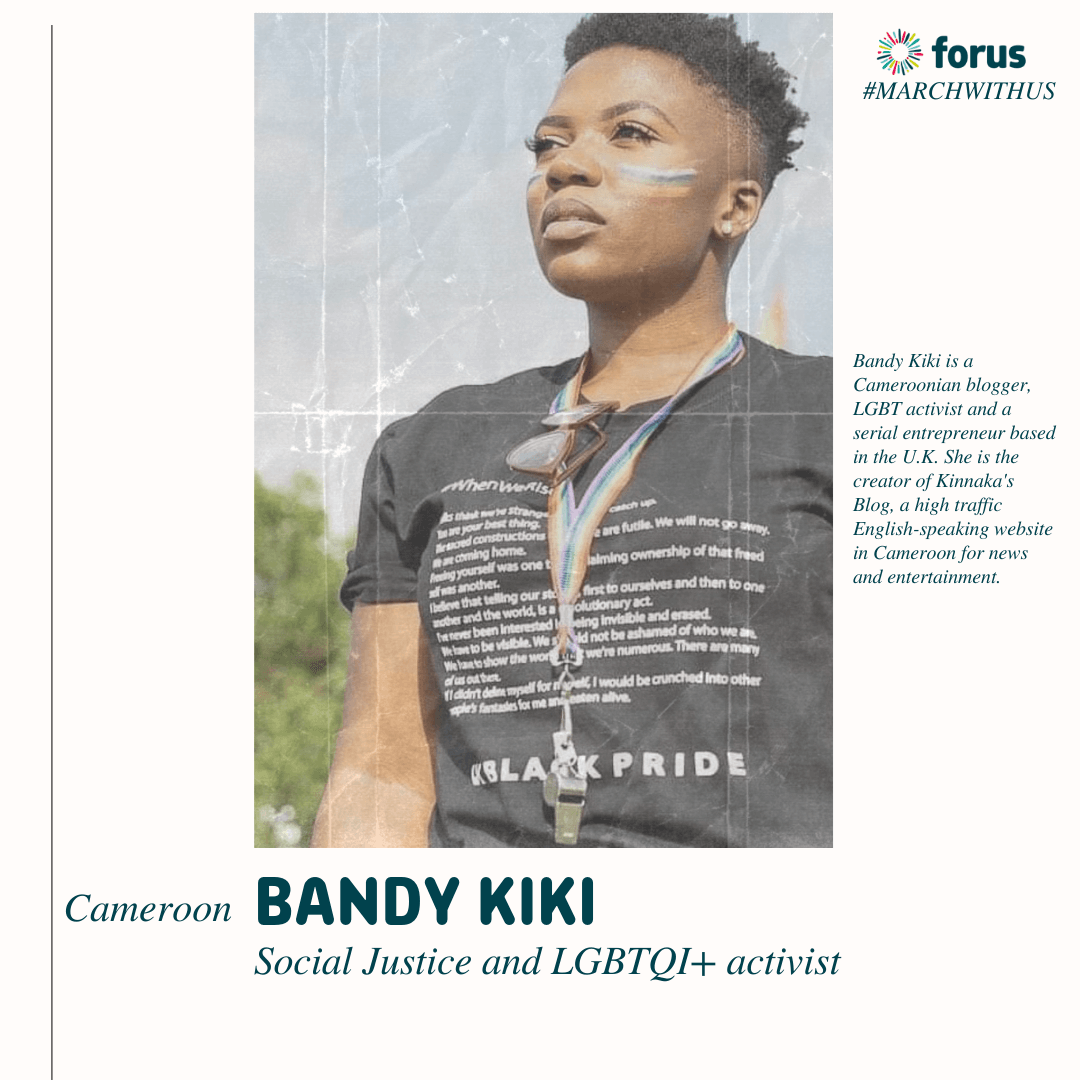
EN- Bandy Kiki on fighting anti-LGBTQ laws and violence
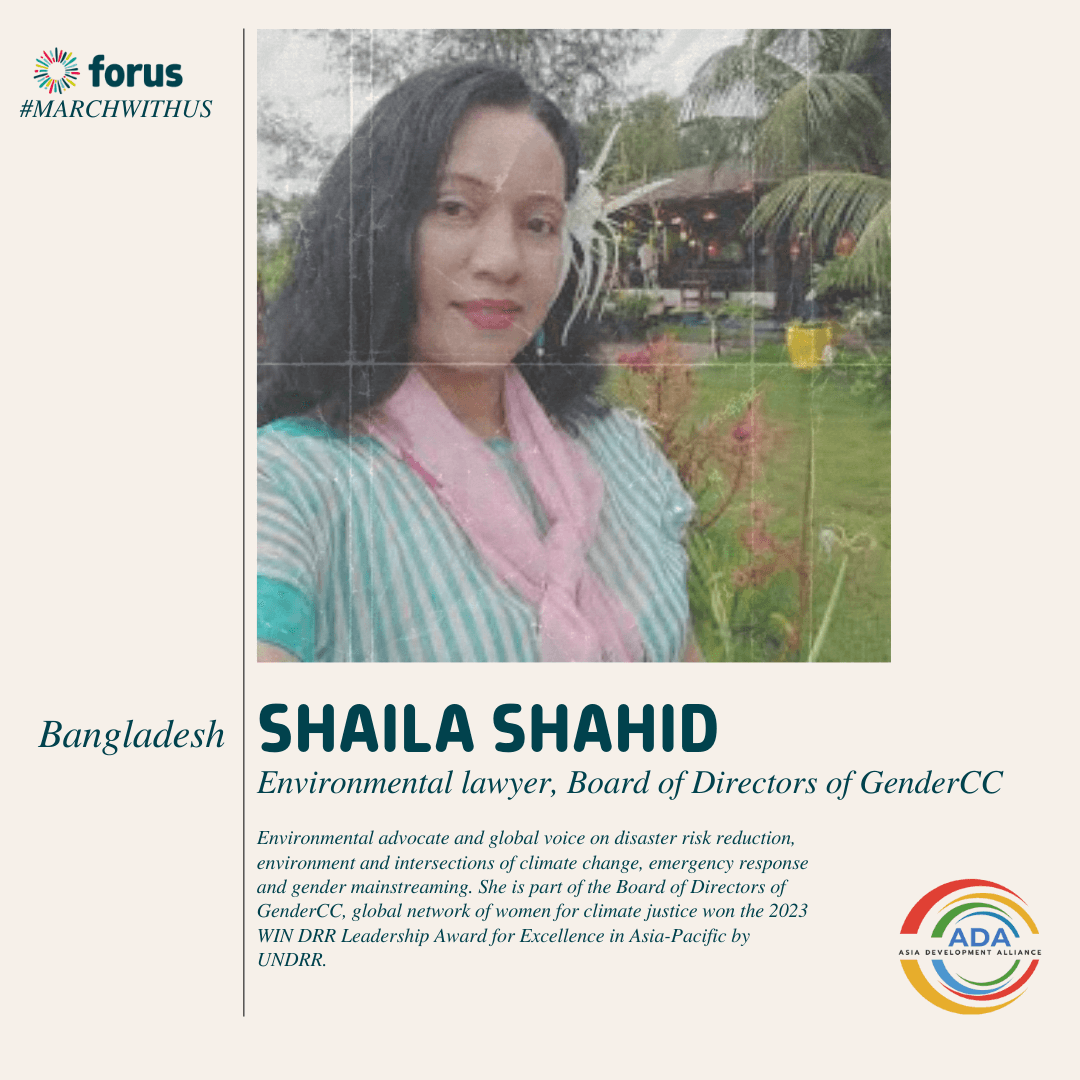
EN- Shaila Shahid on gender-responsive climate justice
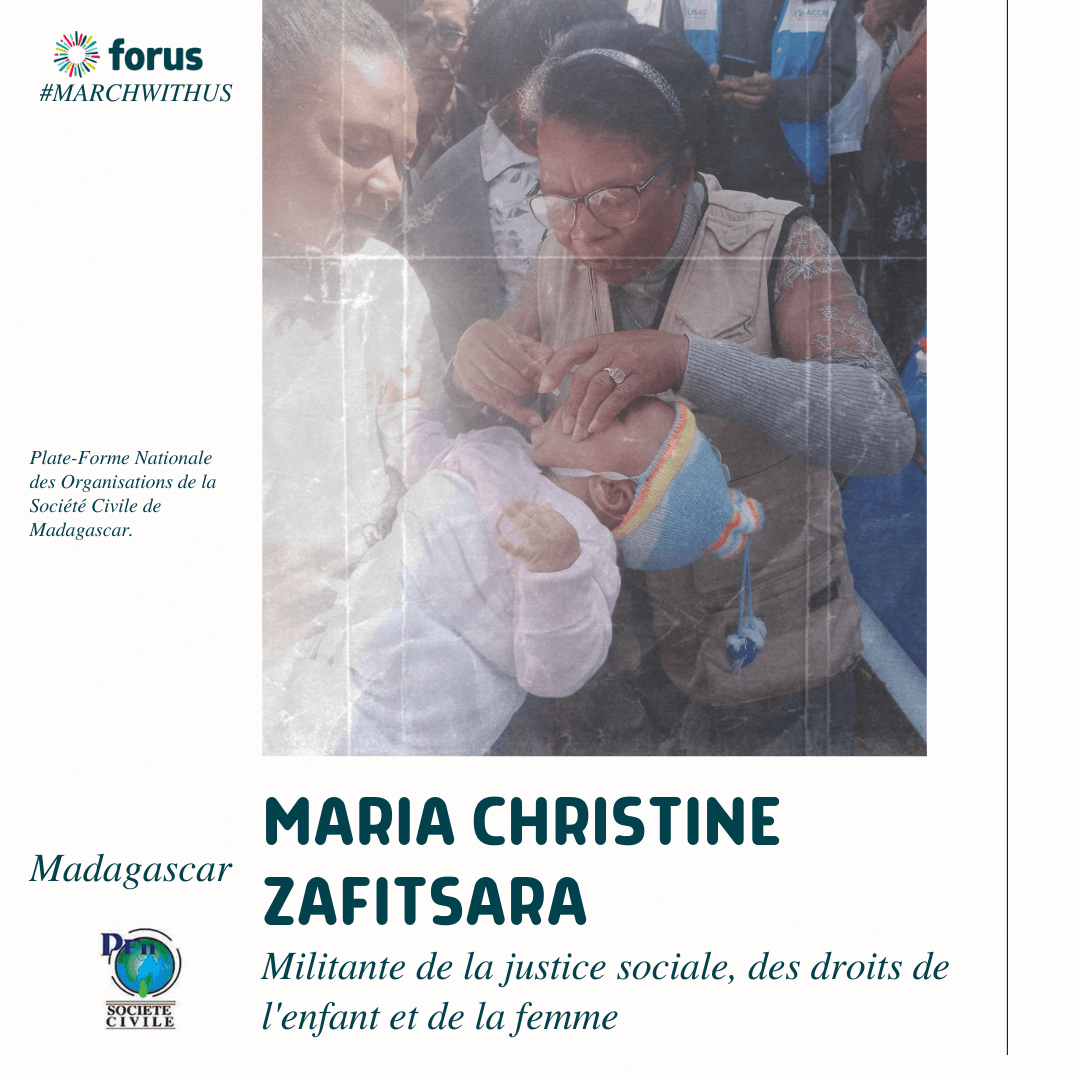
FR - Zafitsara Maria sur les luttes et les victoires des femmes à Madagascar.
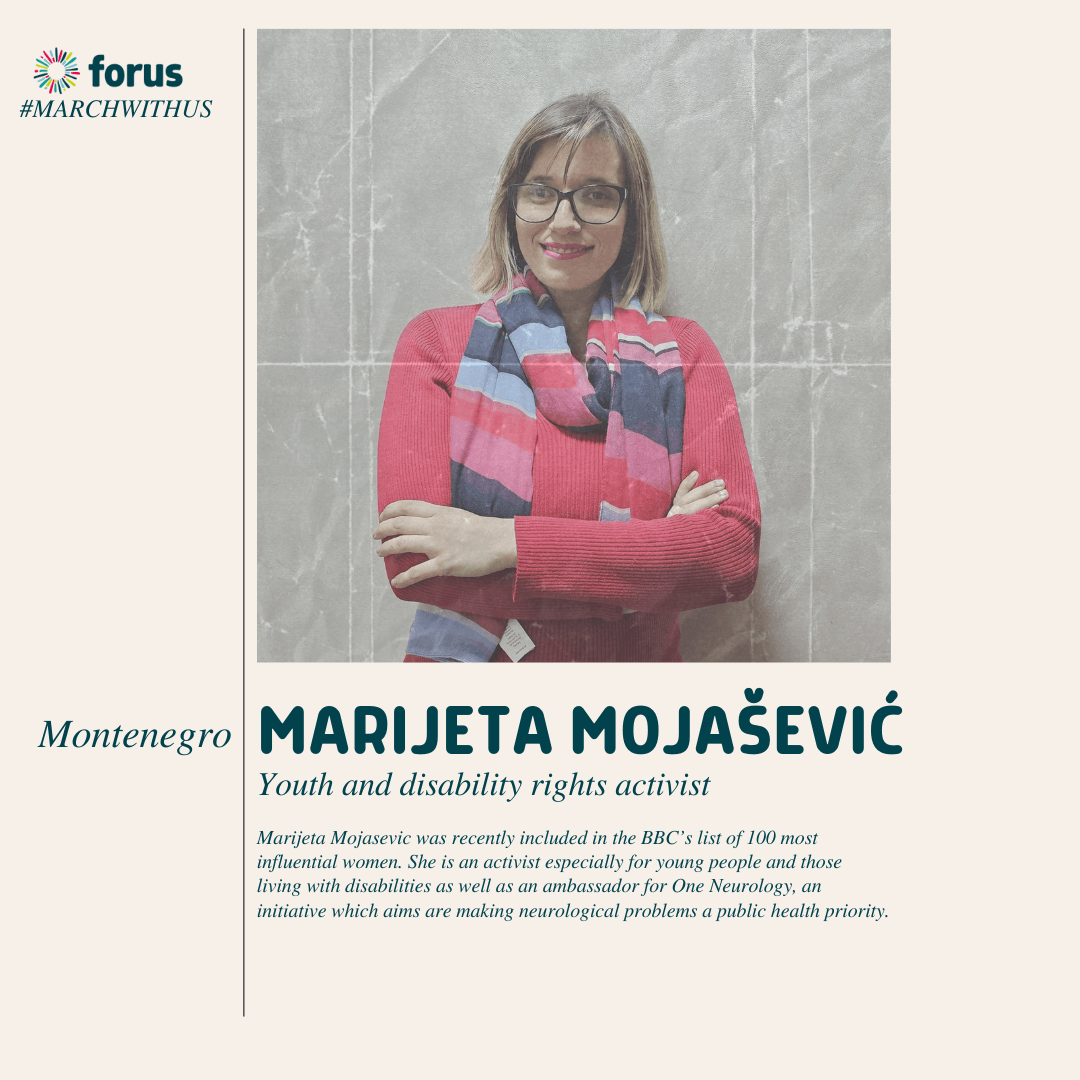
EN- Marijeta Mojašević on disability justice
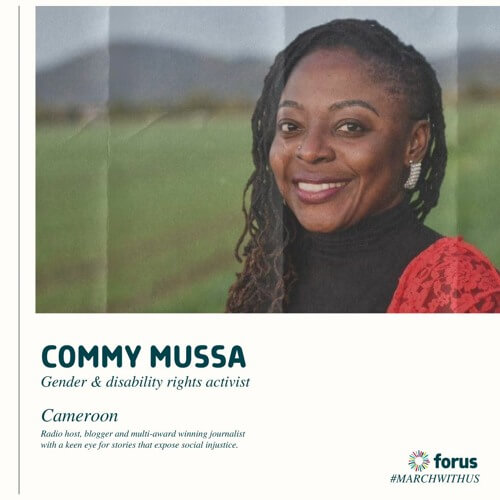
EN- Commy Musa on achieving gender equality and shifting powers
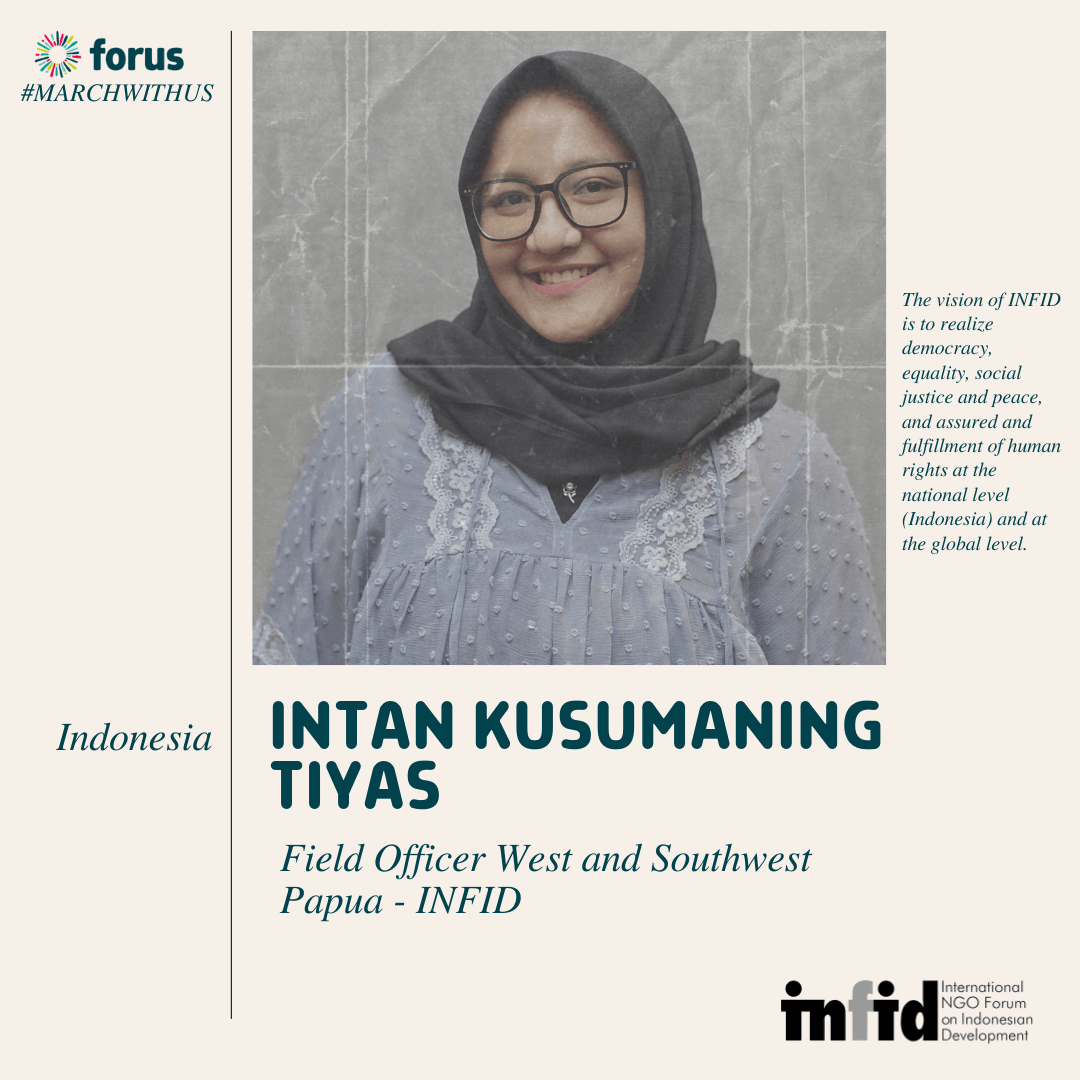
EN - Intan Kusuma on women's rights in Indonesia
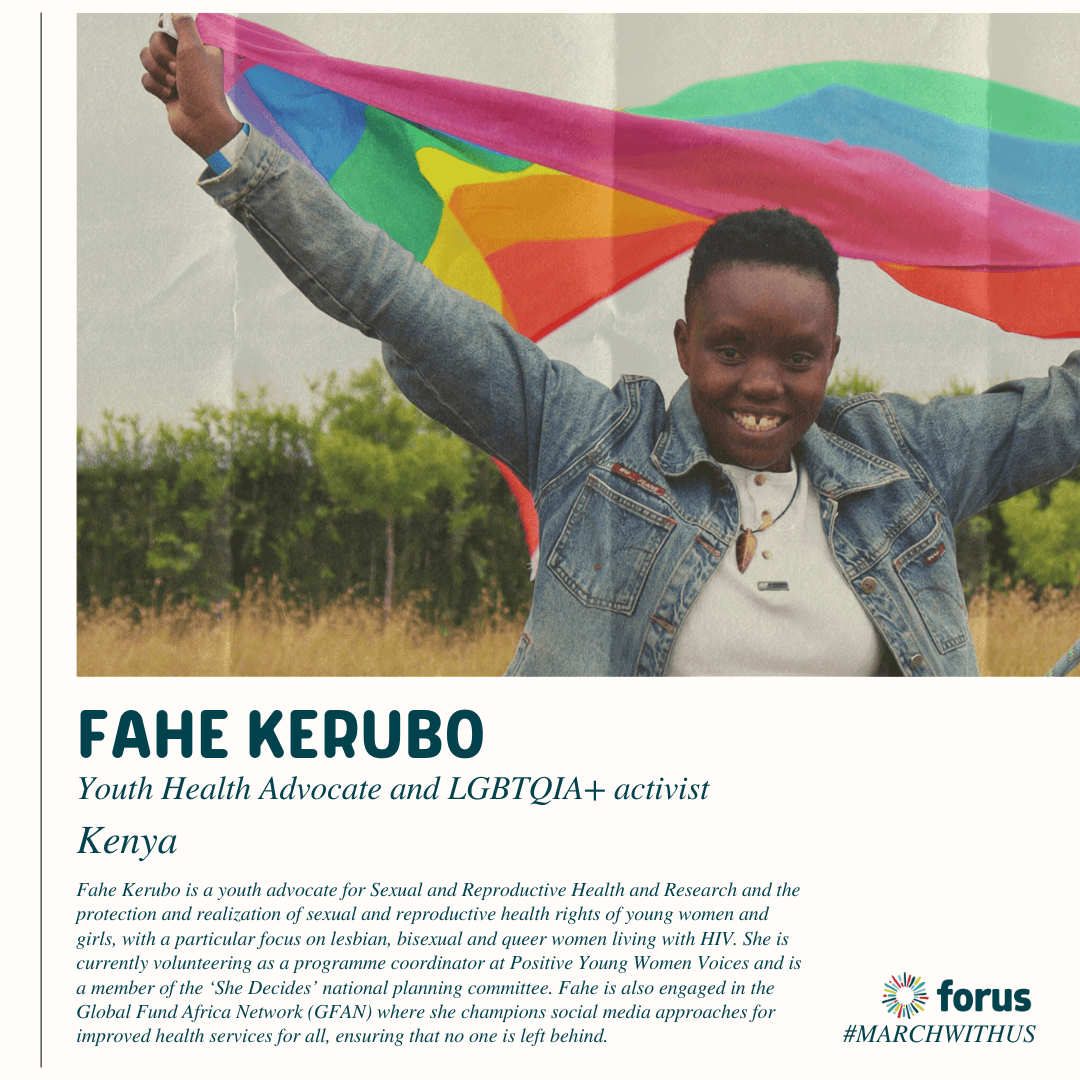
EN- Fahe Kerubo on sexual and reproductive rights
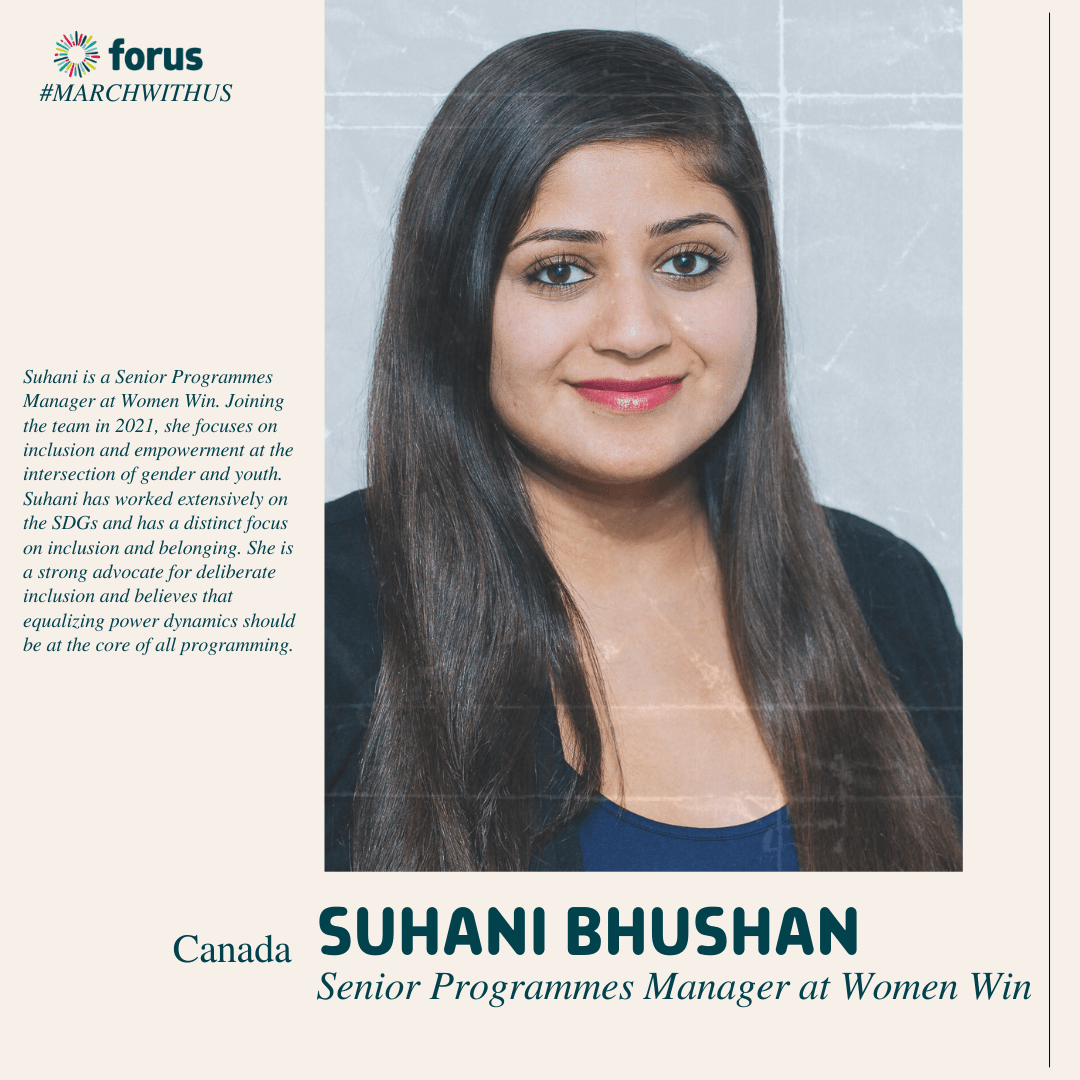
EN - Suhani Bhushan on participatory grant-making and funders’ advocacy
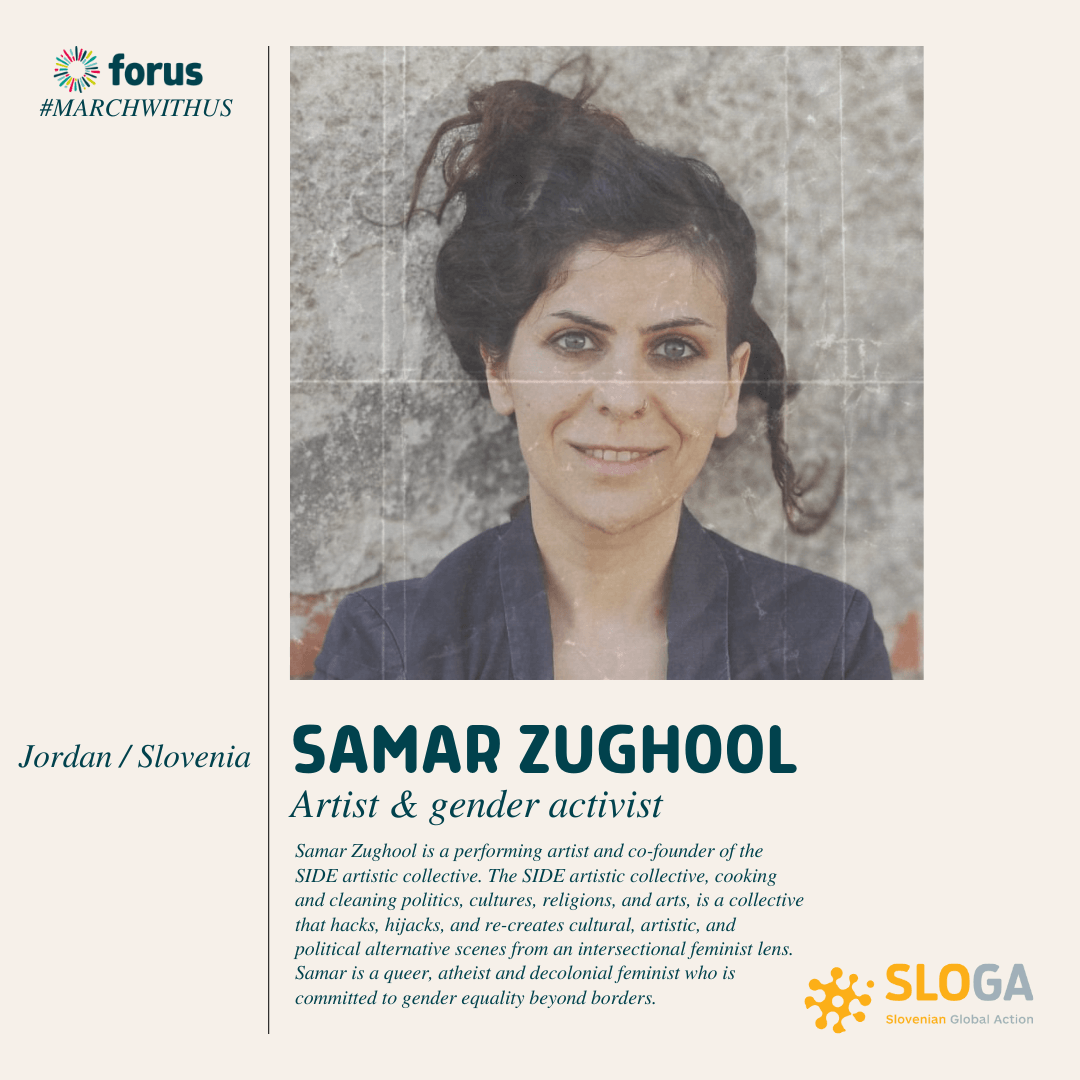
EN - Samar Zhugool on activism through art
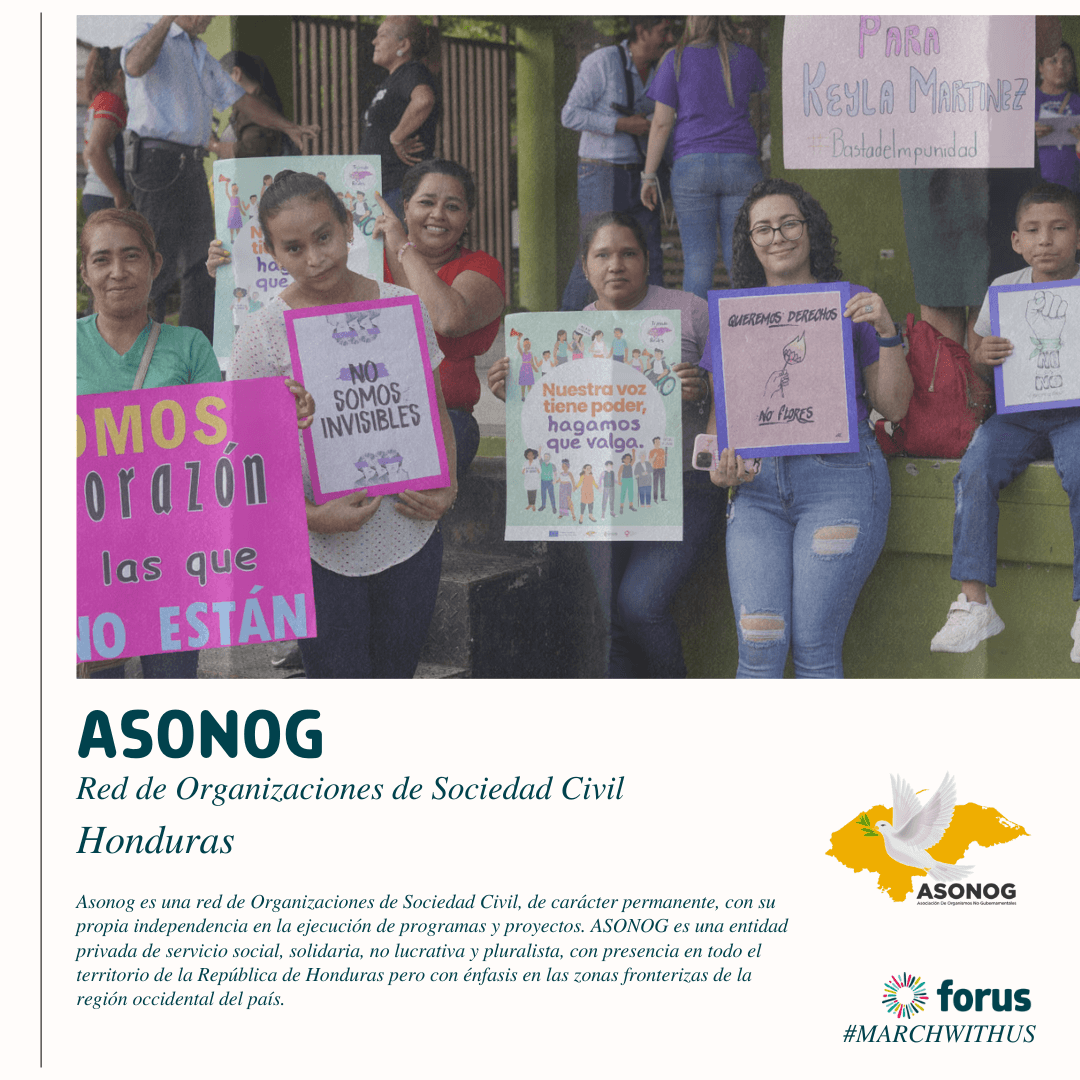
ES - Podcast 8M Asonog Honduras
EN - SLOGA on integrating gender equality in international development
FR - FONGTO sur la justice de genre au Togo
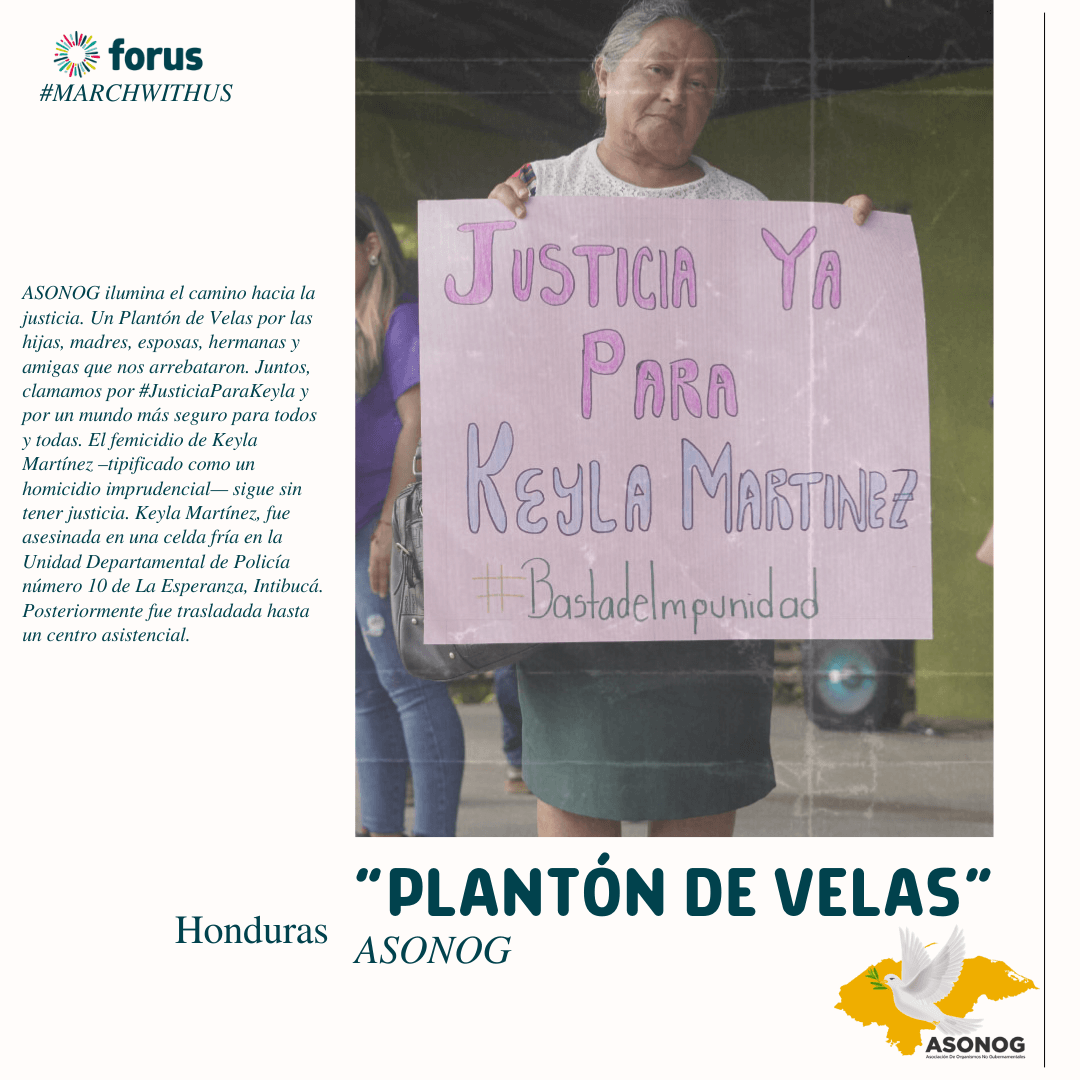
#MarchaConNosotras - Asonog, Honduras - Plantón de Velas
EN - NNNGO on women leadership, inclusion and gender policies in Nigeria
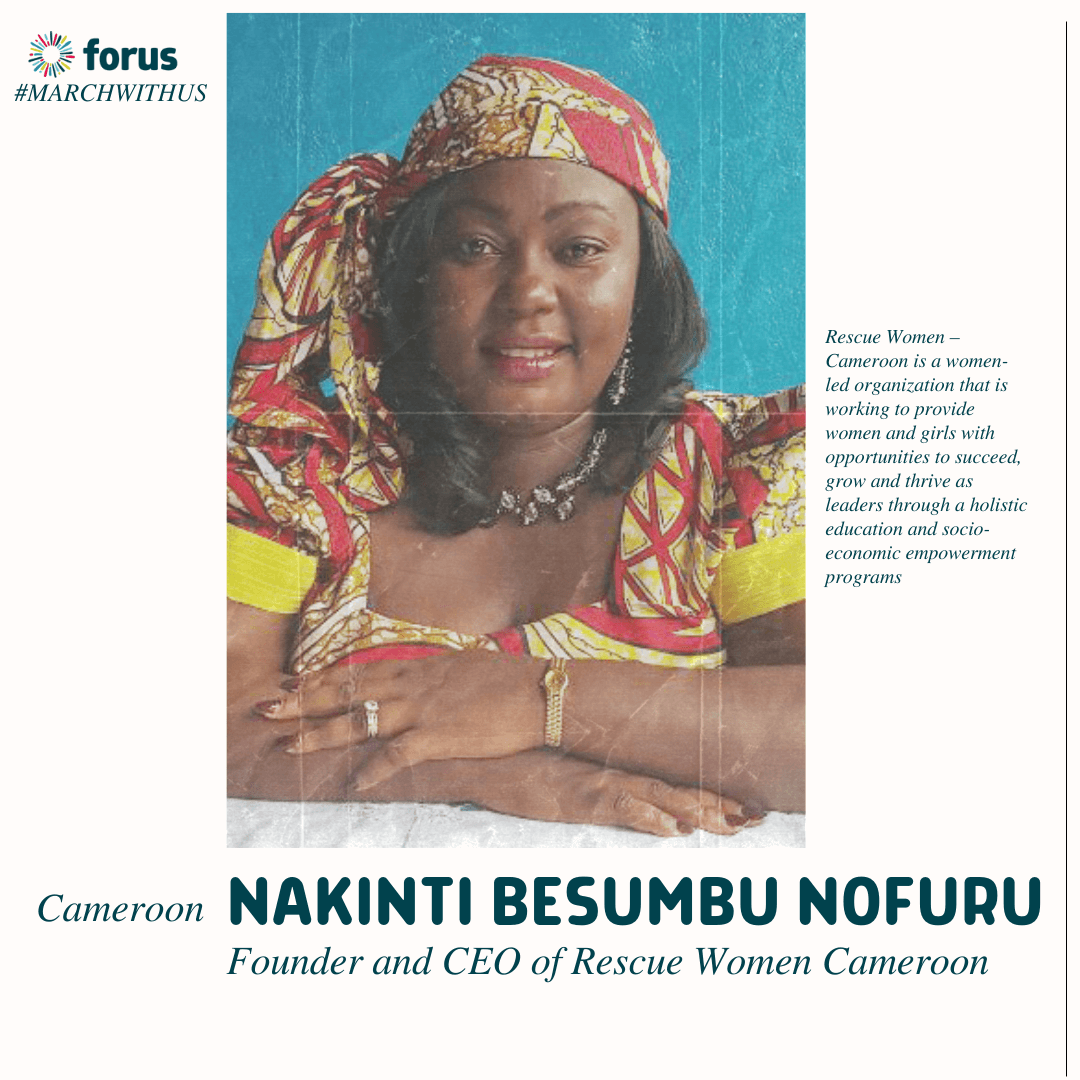
EN- Nakinti Besumbu Nofuru on Rescue Women Cameroon
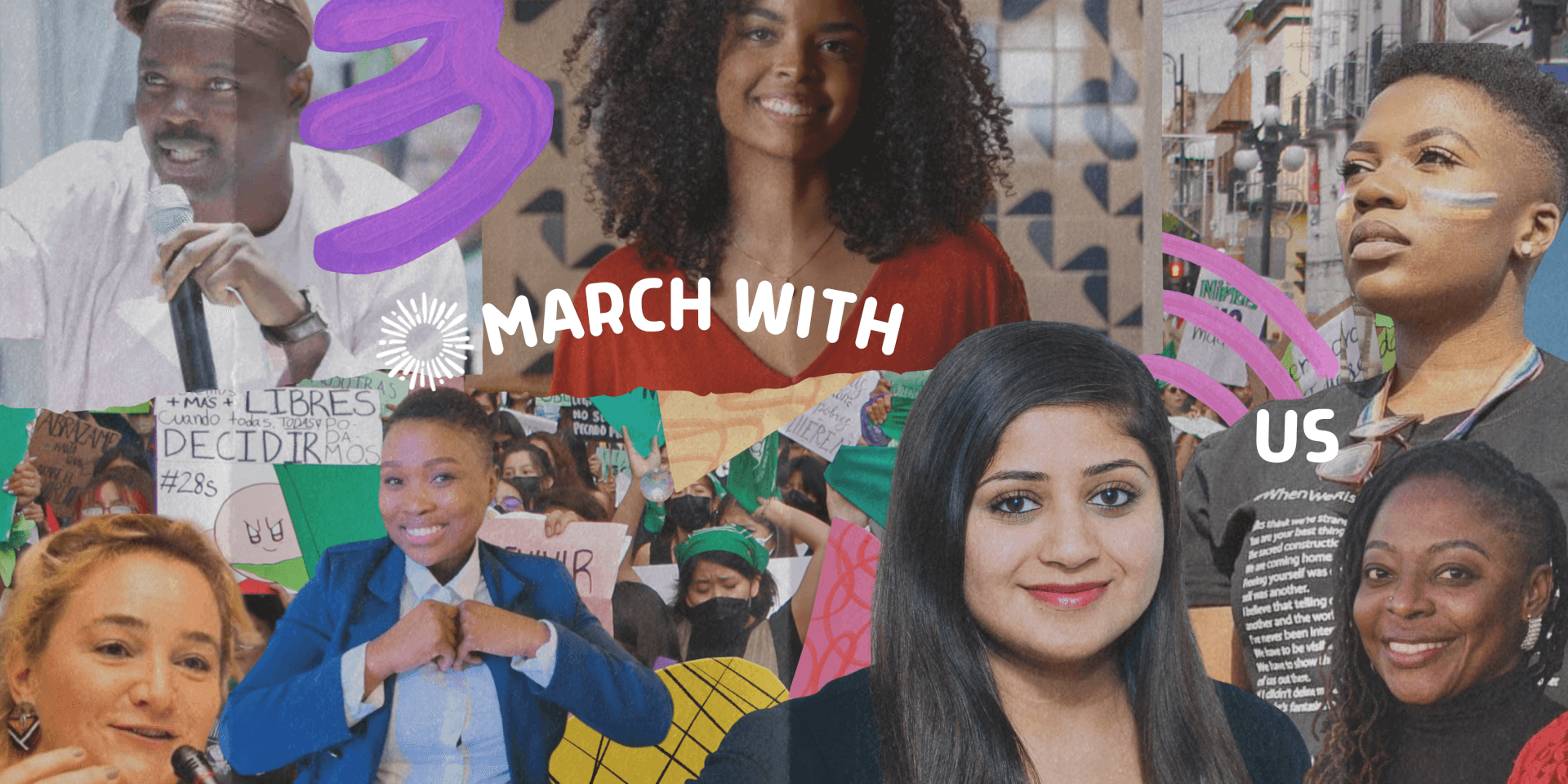
Discover the stories
Learn more about the activists and civil society organisations part of March With Us
Tue 7 Mar 2023
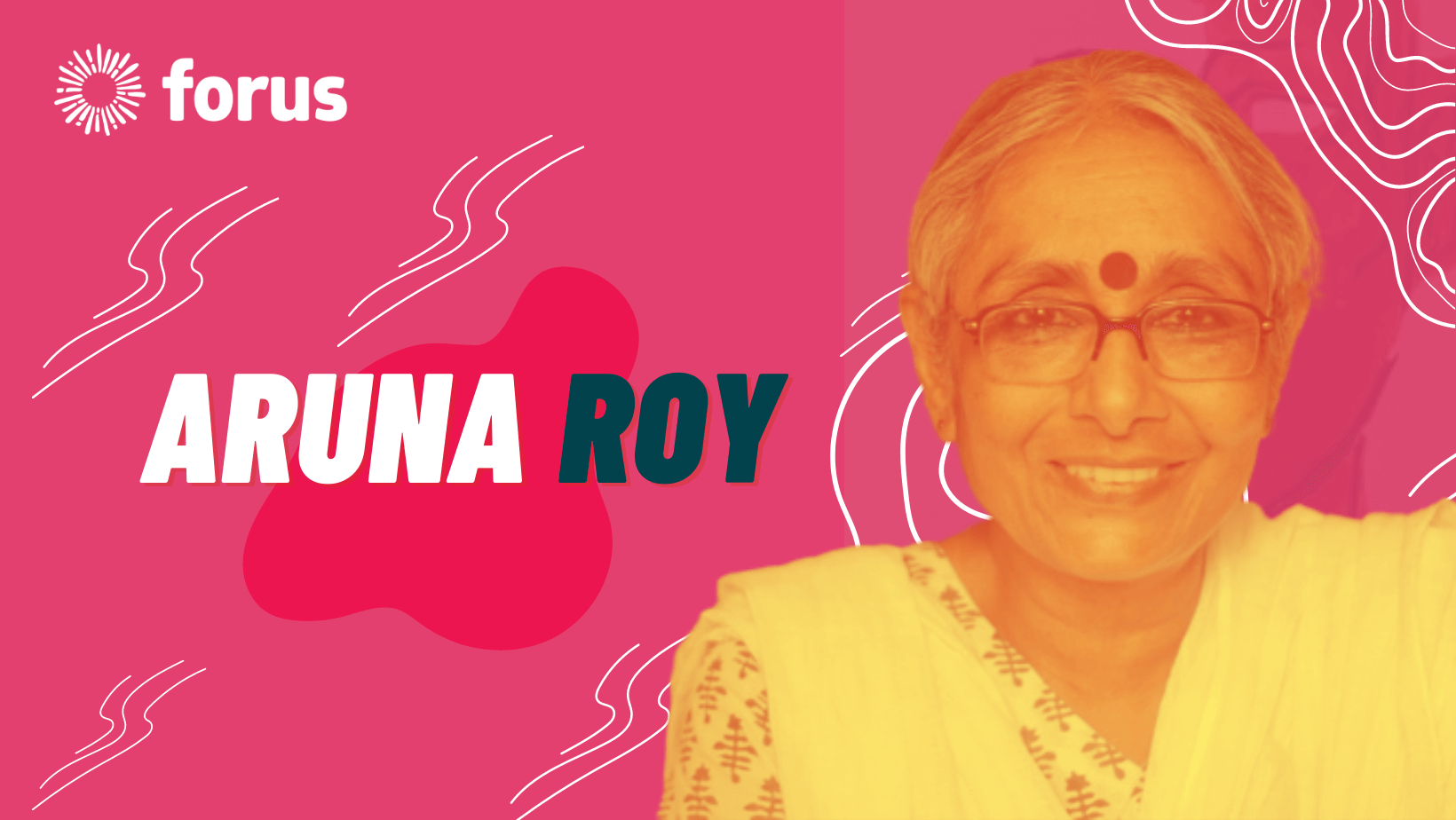
Aruna Roy: “The structures of power have to be questioned and made to deliver” At a time when the space for protests, both physical and online, is shrinking, Forus sat down with renowned social activist Aruna Roy to discuss the achievements and obstacles when it comes to social justice in India and beyond.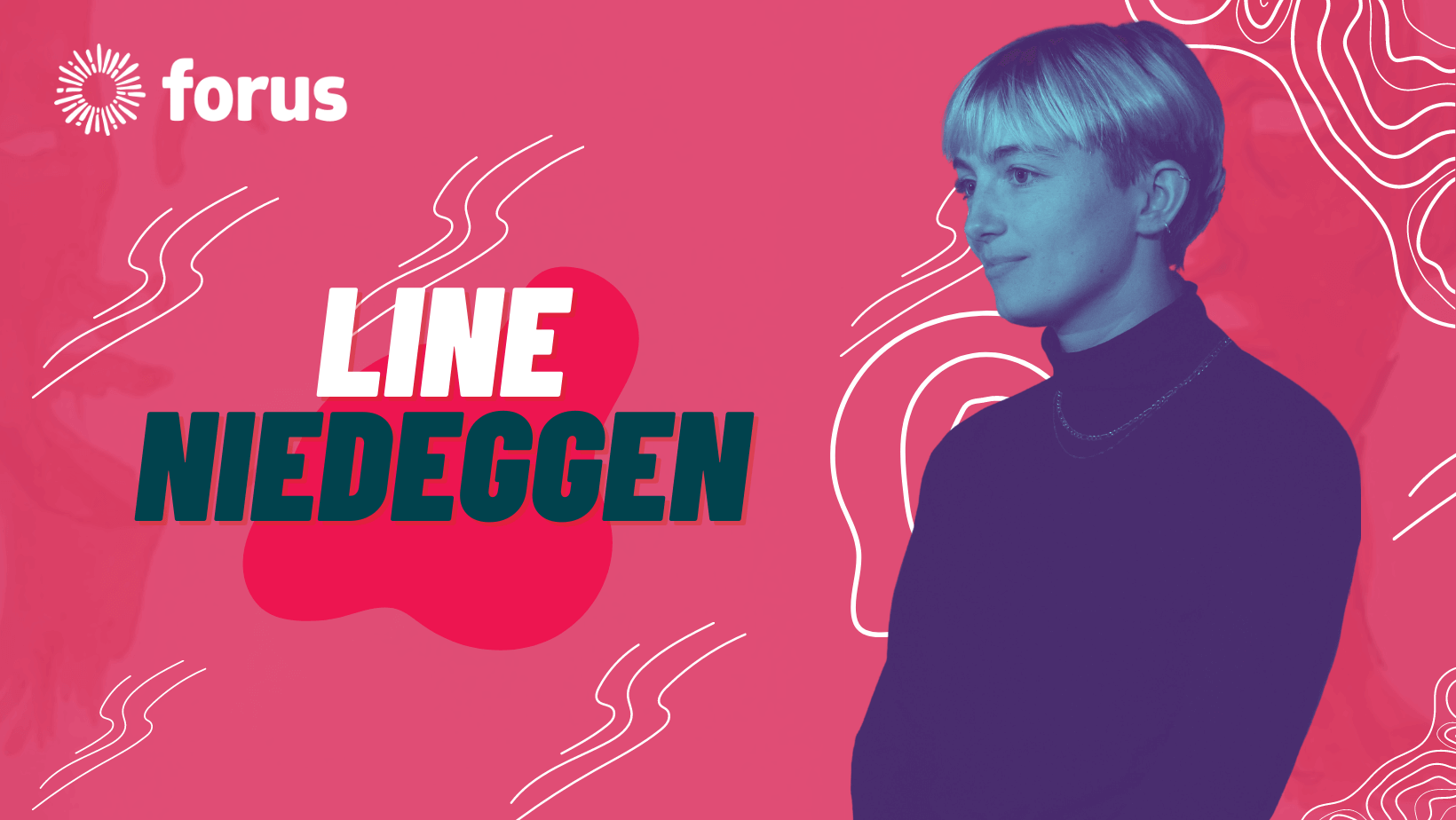
Tue 7 Mar 2023
Line Niedeggen: On complex solutions for a complex crisis Activism is intertwined and each fight cannot be treated in silos. Line Niedeggen, activist and spokesperson for the Fridays For Future in Germany, tells us why intersectionality and representation matter in climate justice movements.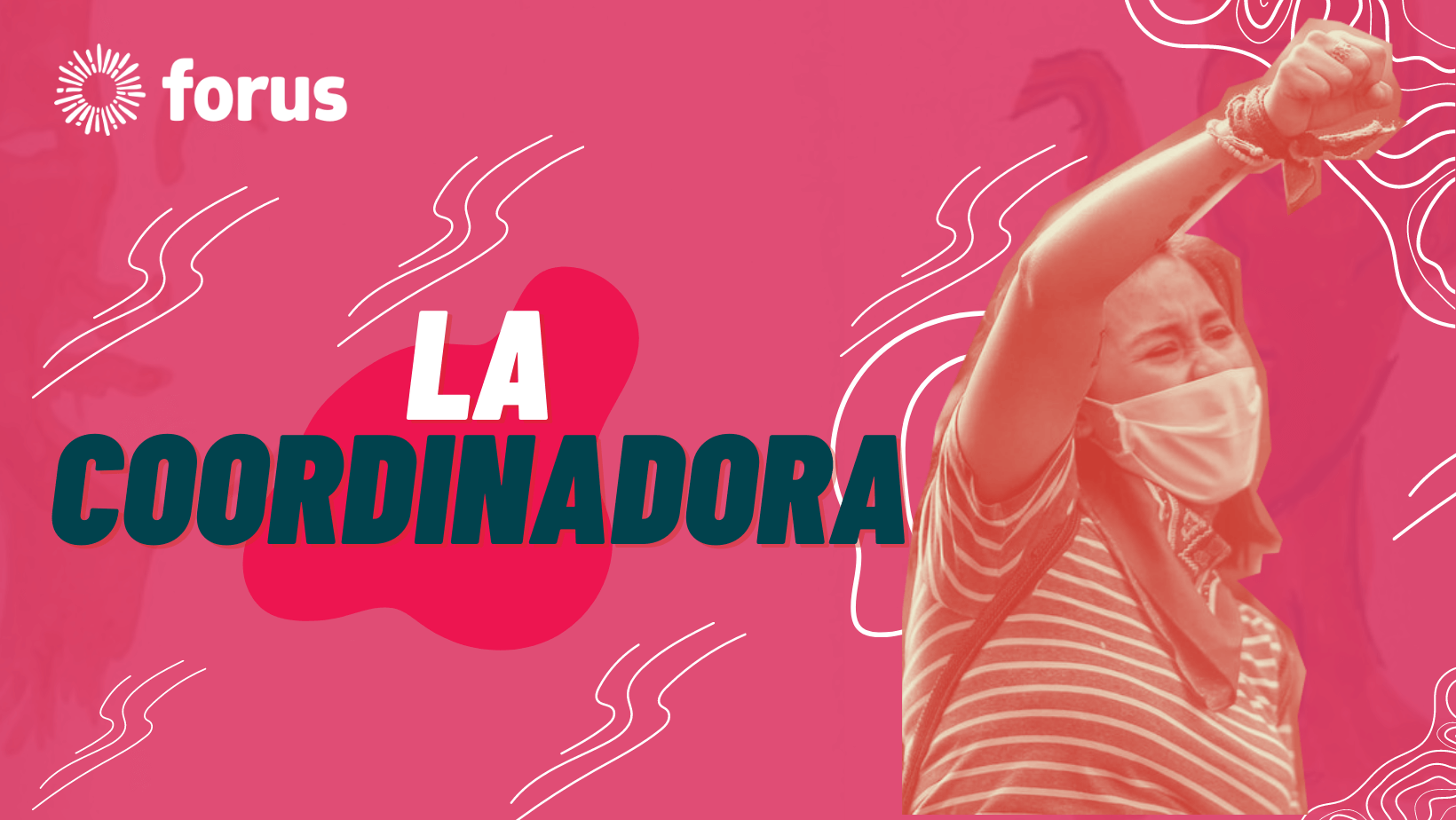
Tue 7 Mar 2023
La Coordinadora: "The feminist approach wants to put an end to sexism, sexist exploitation and oppression” For the March With Us campaign, we talk to the Feminisms Group of La Coordinadora; they explain to us what feminist cooperation consists of and of the need for radical transformation in order to rebuild on the basis of fairer and more egalitarian policies.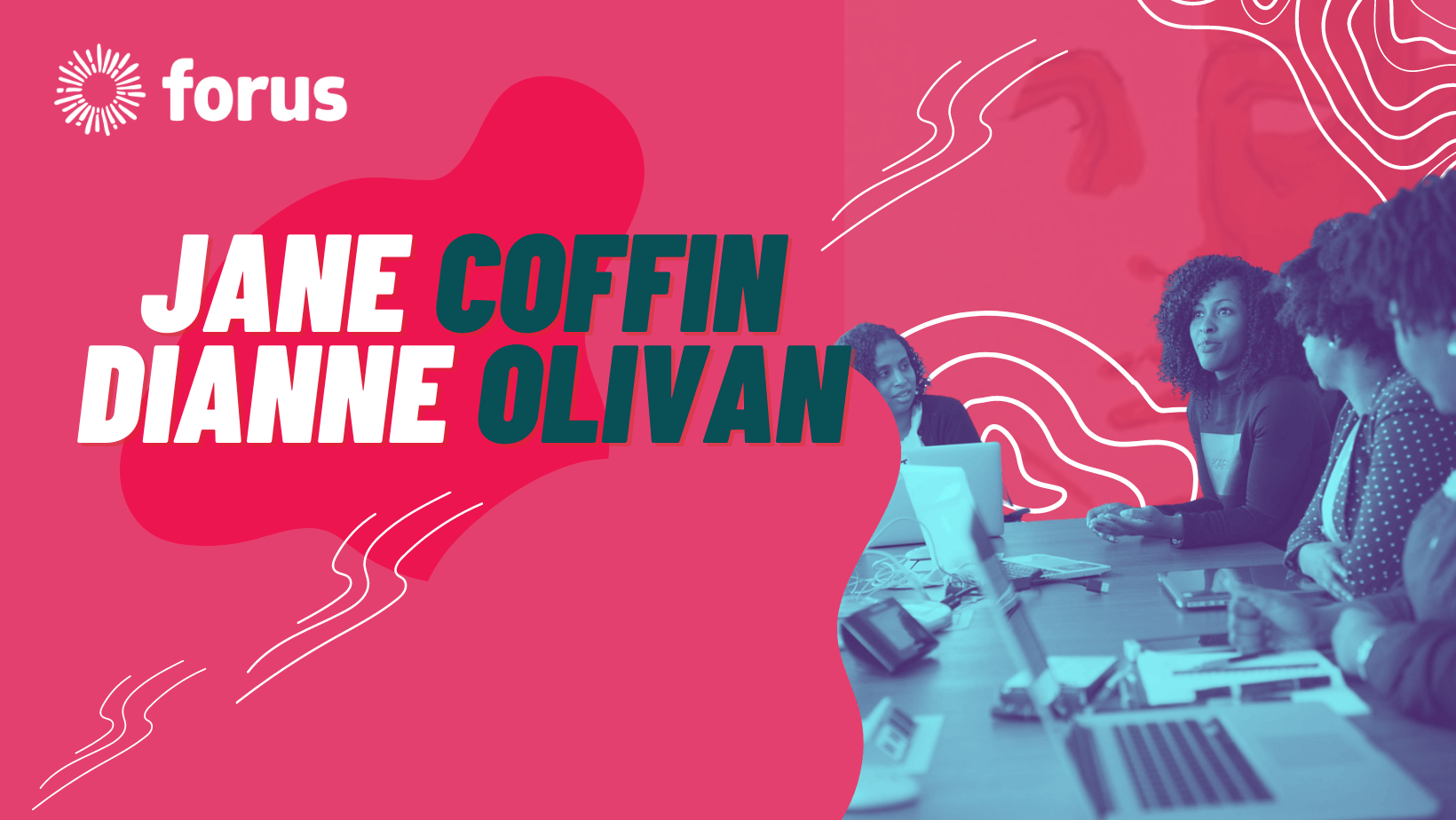
Mon 13 Mar 2023
Gender Patterns in Tech: “The cycle of marginalization can and must be broken” Virtual engagement is biased. Women and girls face hurdles to access technology and need to overcome inherent socio-cultural norms that keep the doors shut when it comes to their ability to step into and influence the digital sphere. In partnership with Connect Humanity, we ask Jane Coffin, Connect Humanity Senior Advisor and Dianne Olivan, gender and digital rights expert, why the online world is still a hostile space for women and how we can change that.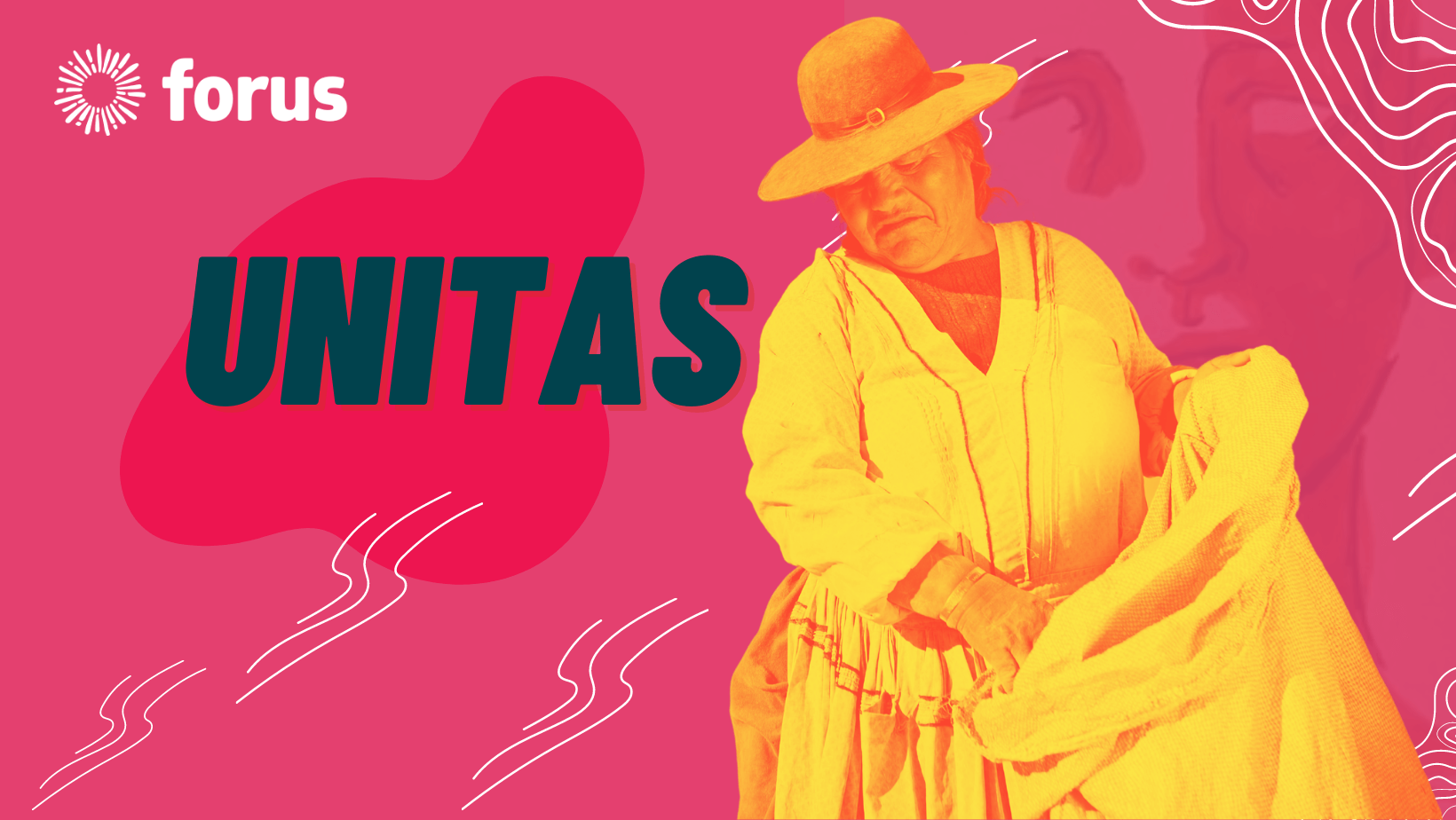
Mon 13 Mar 2023
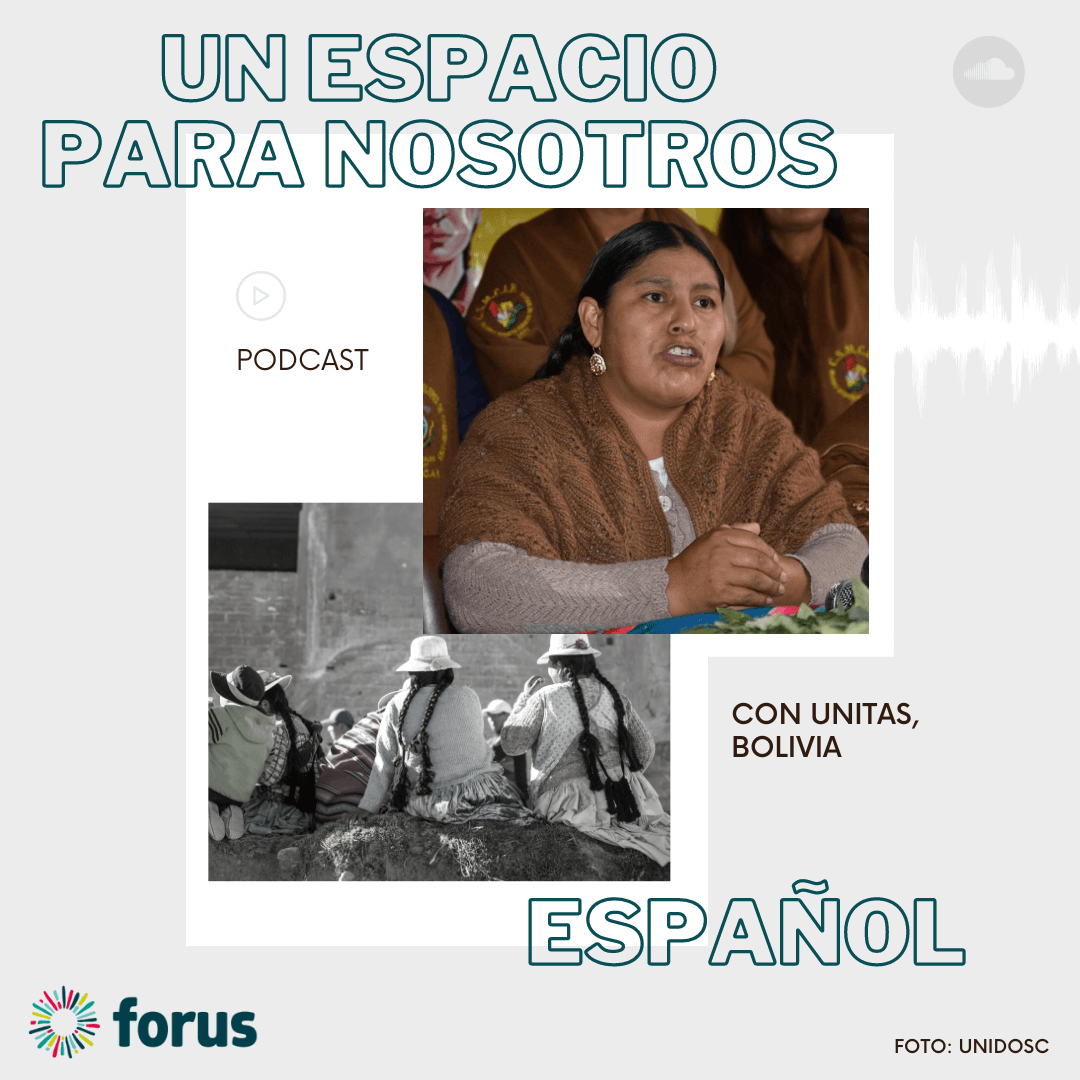
UNITAS: on "diverse feminist movements" in Bolivia As part of the #MarchWithUs campaign, we interviewed UNITAS, Forus member in Bolivia, about the gender twist in their mobilisations and projects. From important women figures in the history of Bolivia, to their recently published book on women human rights defenders UNITAS puts gender at the heart of its actions.
Tue 7 Mar 2023
Kirthi Jayakumar: “All violence against women is political” Feminist Foreign Policy has been practiced for generations in the Global South. Women in this part of the world have resisted colonialism, practiced food sovereignty, built and nurtured peace, used outer space without encroachment, and educated whole communities even when powerful colonizers and upper caste communities penalized them for it.
Tue 7 Mar 2023
Lina Al Hathloul: “Saudi voices are not heard enough” The context in Saudi Arabia is as hard as ever given that they're basically two Saudi Arabias: one is that which the world sees, and one is underground. It's very difficult to fight for people when the image that the world has of Saudi Arabia has changed.
Wed 22 Mar 2023
“The online space is not gender neutral” Building upon the #UNmute initiative, Global Focus’ organised a side event to the CSW67, exploring how to ensure inclusive access to decision-making forums for civil society, focusing on women and girls, through safe, universal, and meaningful connectivity.
Thu 2 Mar 2023
Ruth Kay Kangwa: “Electoral violence against women is real, not just in Zambia, but all over Africa” With a fear of intimidation very real in the people’s day-to-day lives, human rights lawyer activist and member of the Youth4Parliament, Ruth Kay Kangwa founded the “Girls Gone Political” movement.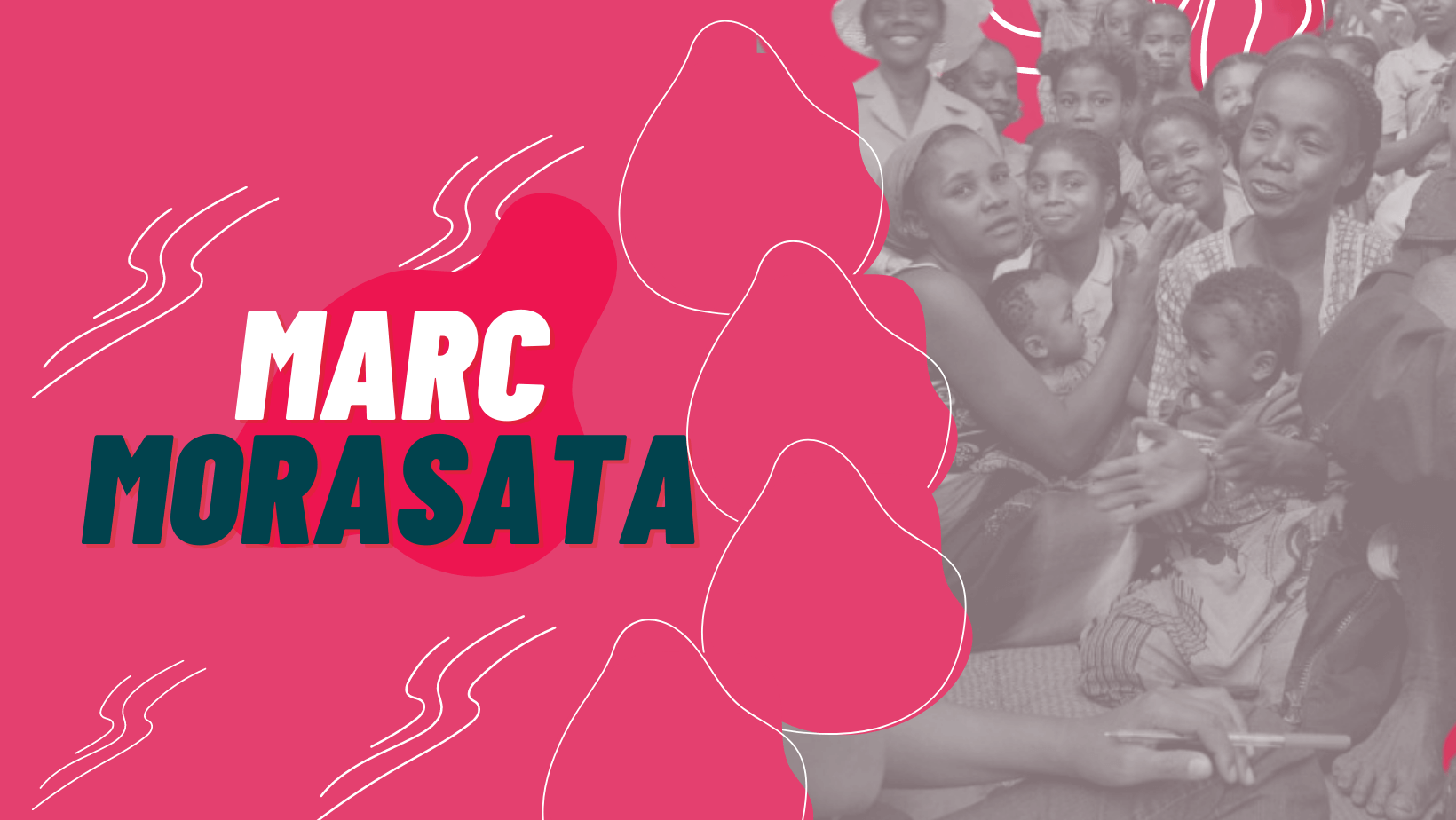
Thu 2 Mar 2023
Madagascar : Bridging the gender gap Madagascar also has one of the highest rates of sexual violence in the world: one-third of women aged 15-49 have experienced at least one form of gender-based violence. In addition, nearly four out of ten women marry before the age of 18. In terms of work, men earn 37% more than women. Women are also more affected by unemployment than men: they are 20% more likely to be unemployed than men.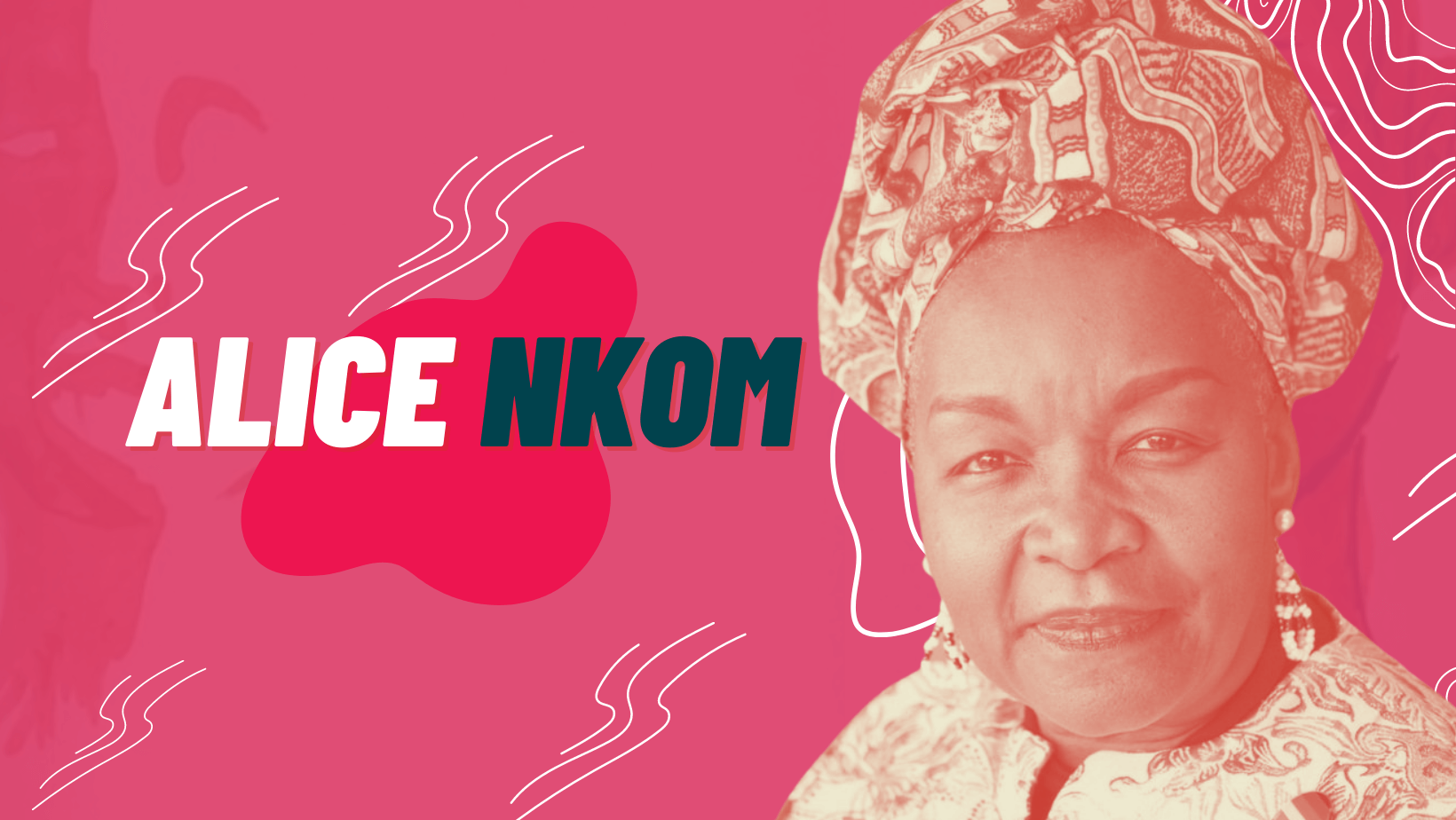
Thu 2 Mar 2023
Alice Nkom: Defending sexual minorities in Cameroon The country's criminal code has a lot of shortcomings when the rights of people of the LGBTQ community are concerned. This is what prompted Barrister Alice Nkom to choose to fight for the defence of people who have been arrested, mostly arbitrarily, imprisoned and even sentenced without substantial evidence as was the case for Shakiro, a transgender woman imprisoned for several months for "attempted homosexuality".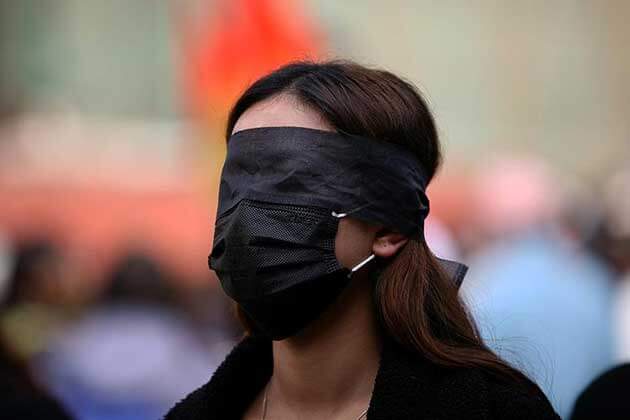
Mon 6 Jun 2022
“Safeguarding” must be survivor-centered and intersectional At a time when civic space is shrinking and the importance of a civil society that speaks and acts with integrity and accountability has never been greater, how can we shift from a compliance-oriented approach to safeguarding, to one of genuine cultural and norm change? How can we promote survivor-centered and intersectional approaches?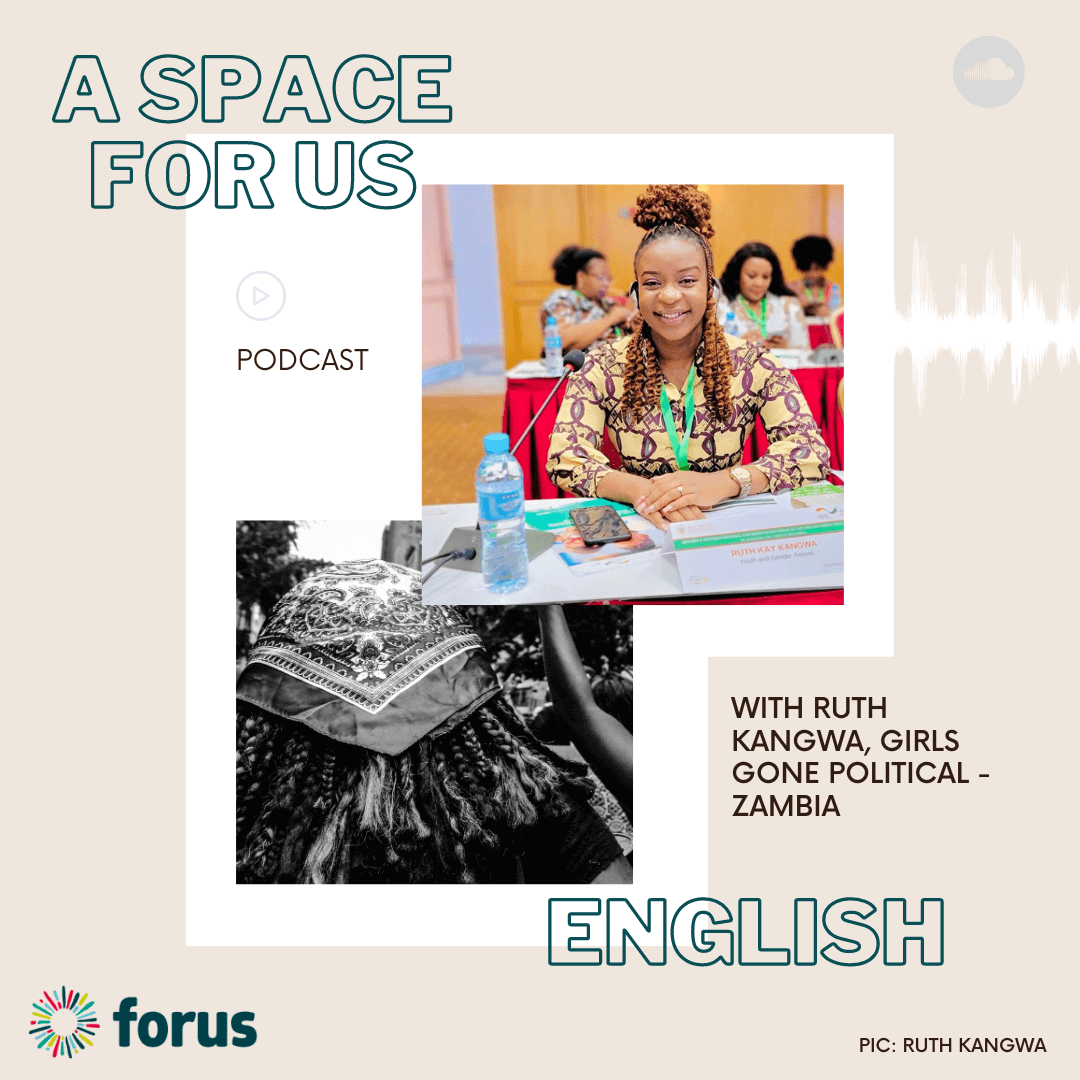
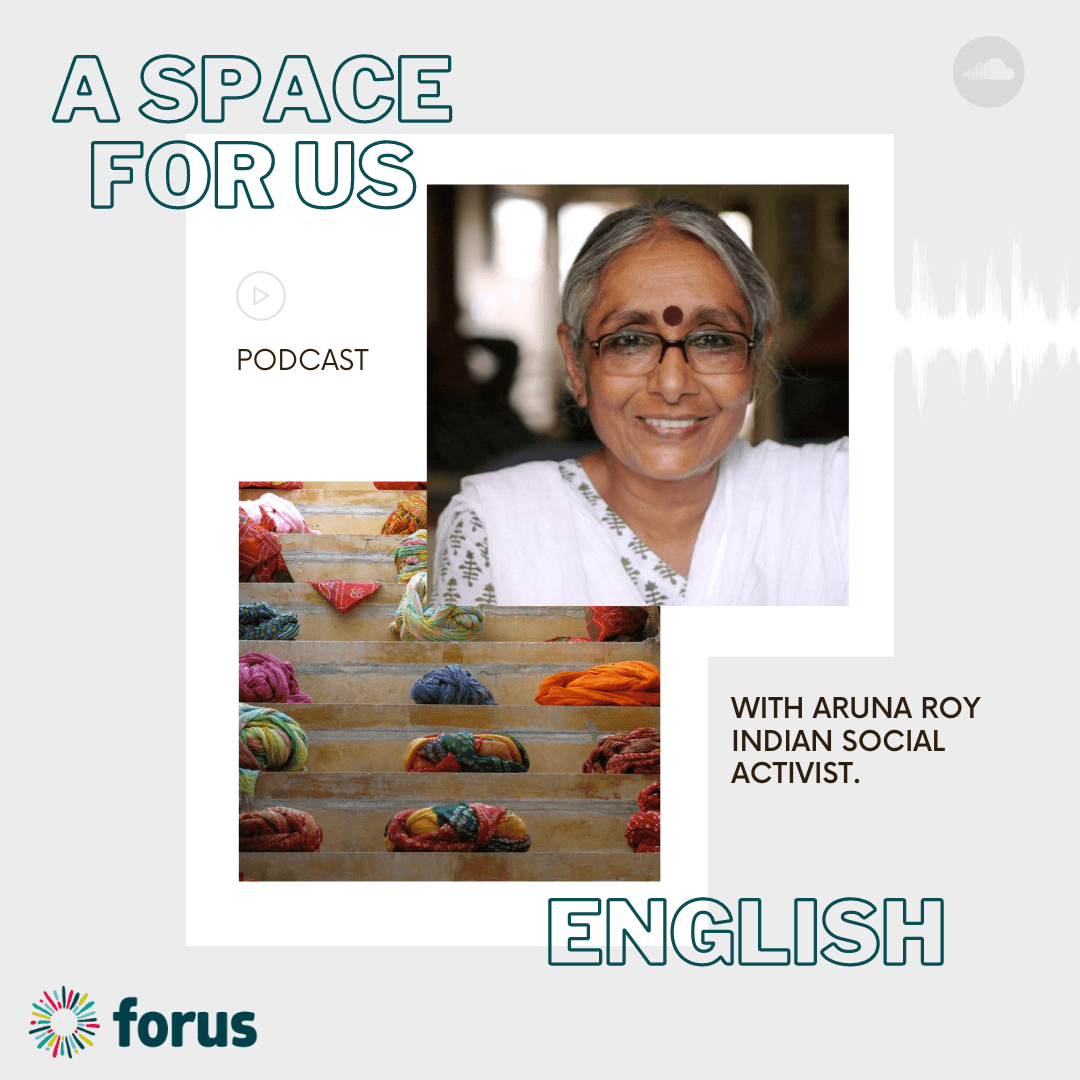
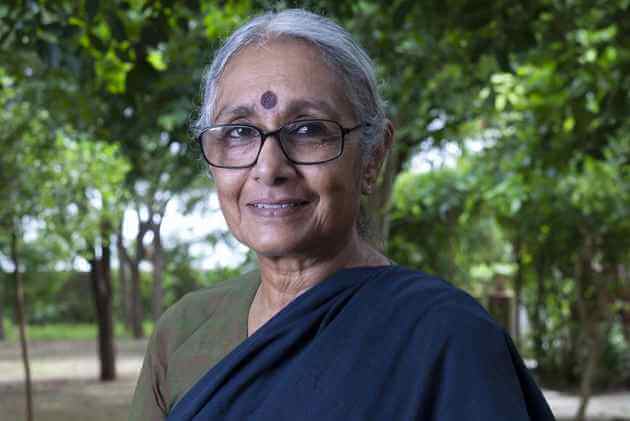
Aruna Roy - gender and social justice activist, India.
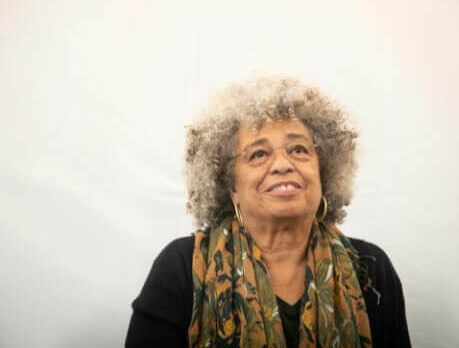
Angela Davis - social justice activist, US.
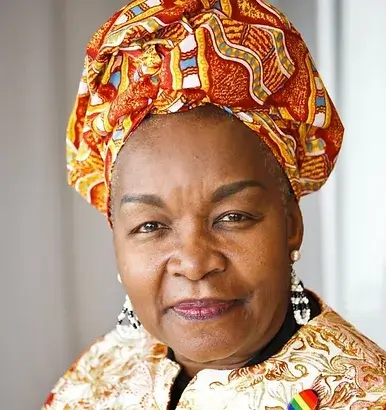
Alice Nkom - LGBTQI+ activist and lawyer, Cameroon.
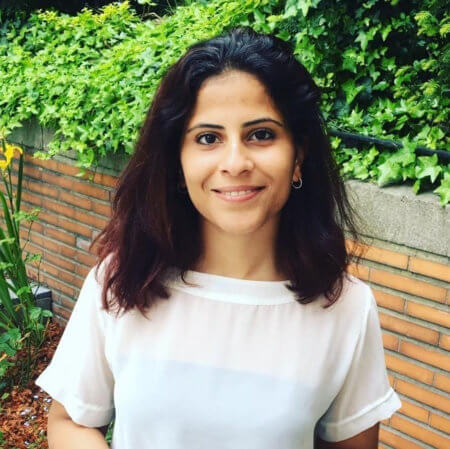
Lina Al Hathloul - Human Rights Activist, Saudi Arabia
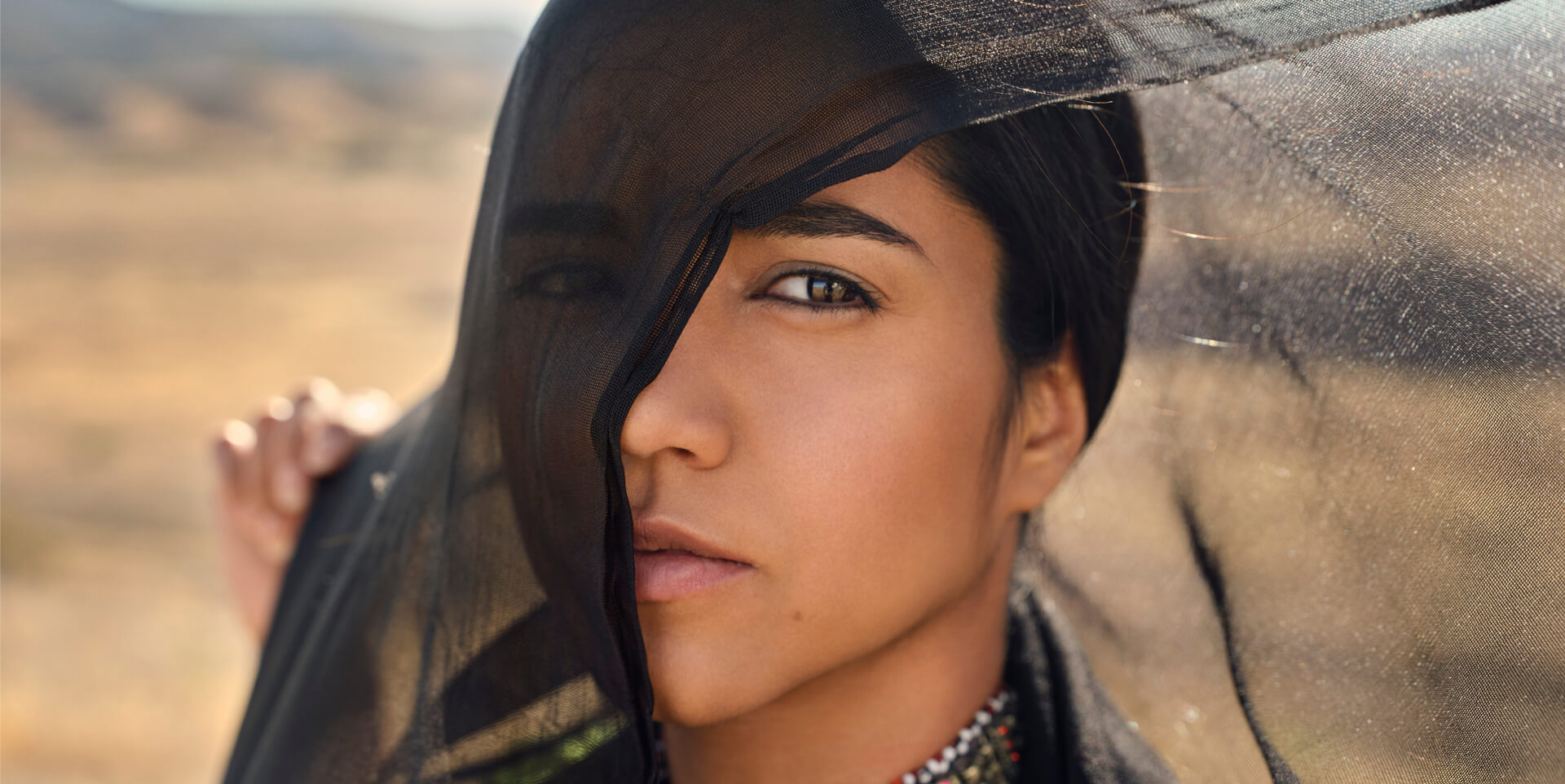
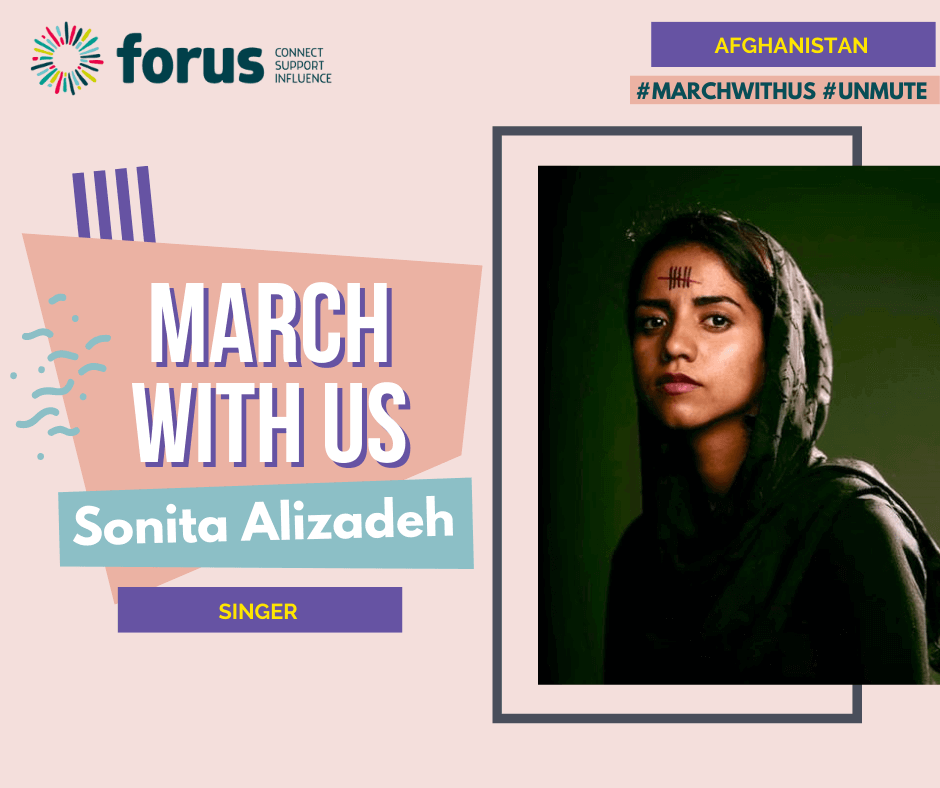
Sonita Alizadeh - rapper and human rights defender, Afghanistan
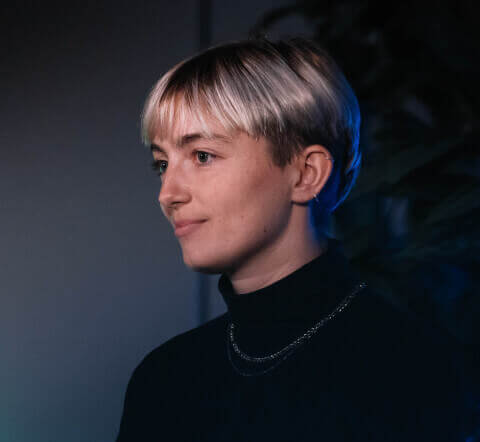
Line Niedeggen - Fridays for Future, Germany
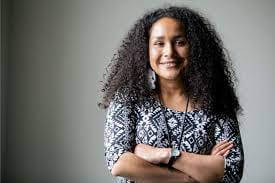
Paola Yañez-Inofuentes - Red de Mujeres Afrolatinoamericanas, Afrocaribeñas y de la Diáspora, Bolivia
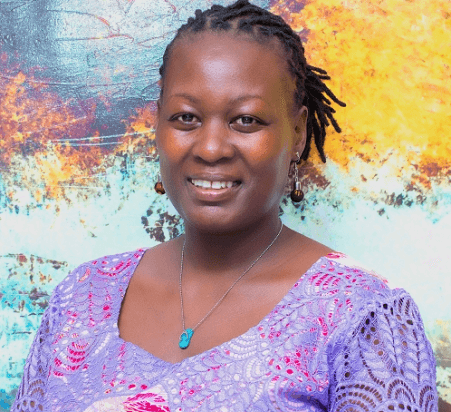
Eunice Musiime - from the Pan-African feminist platform Akina Mama Wa Afrika, Uganda
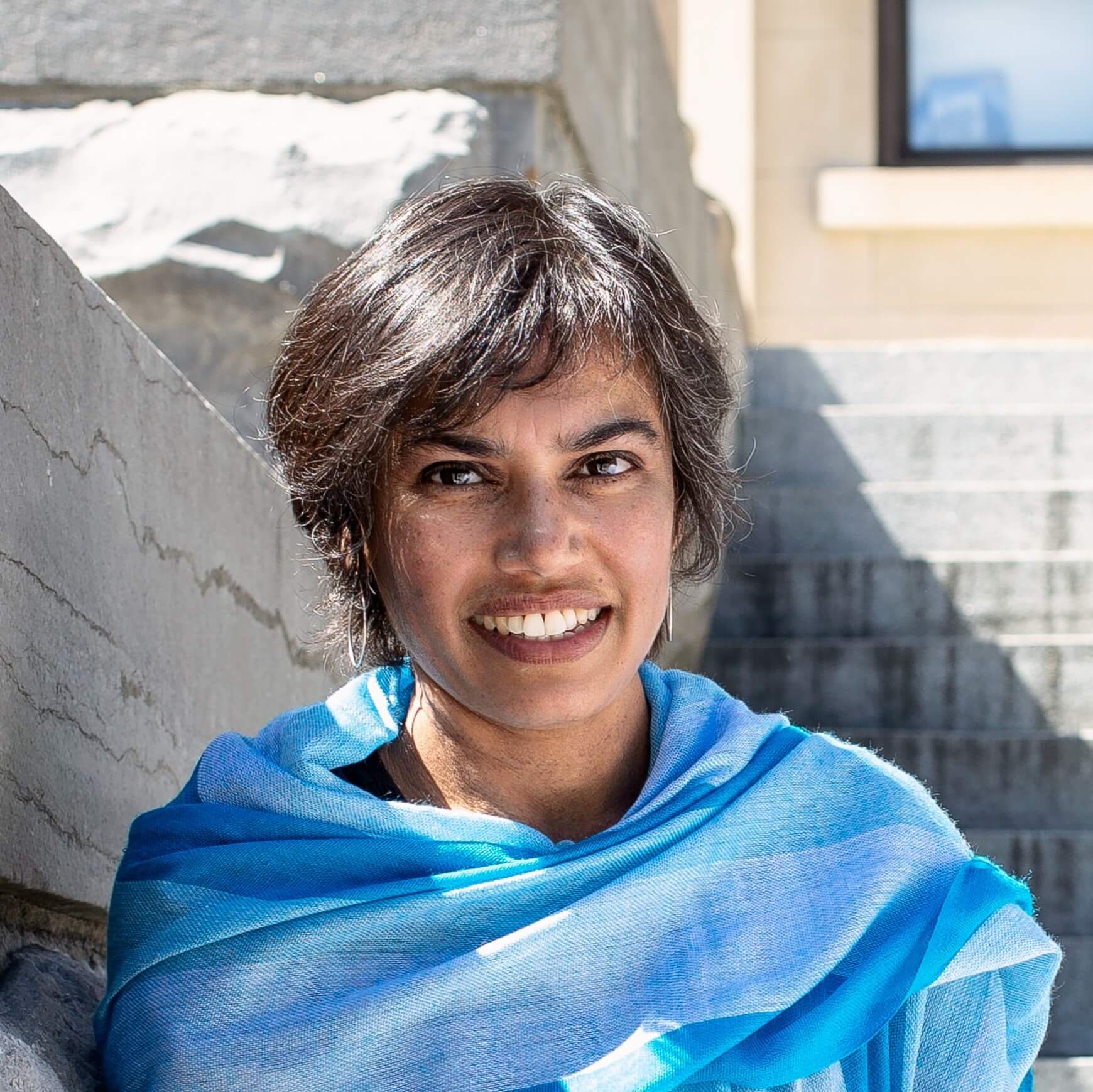
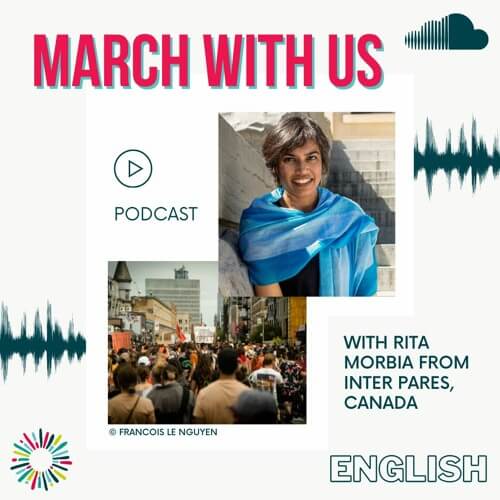
Rita Morbia - from the Canadian transnational social justice organization Inter Pares
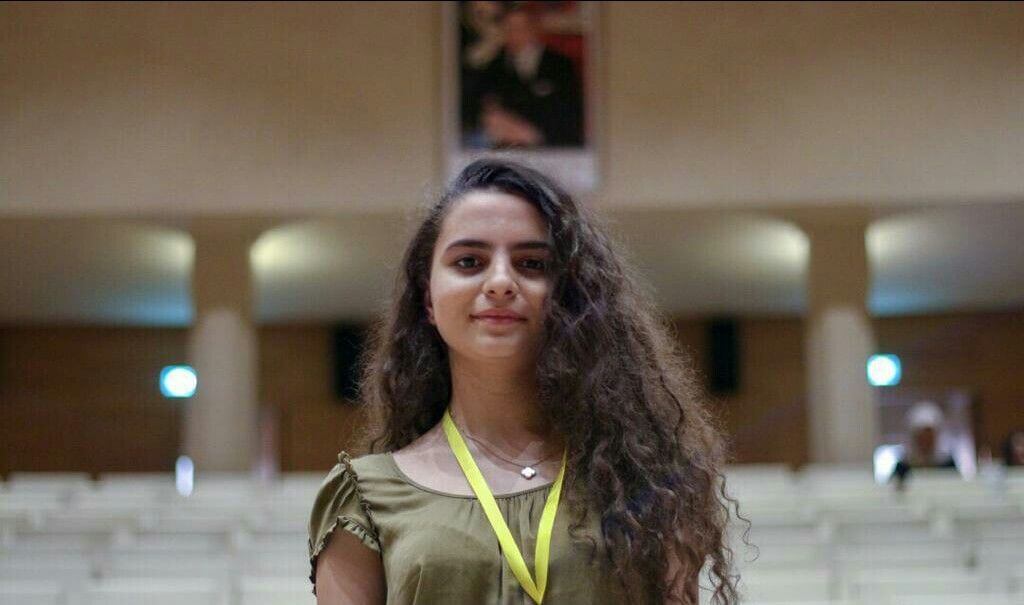
Imane Lakbachi - youth and gender equality advocate, Morocco
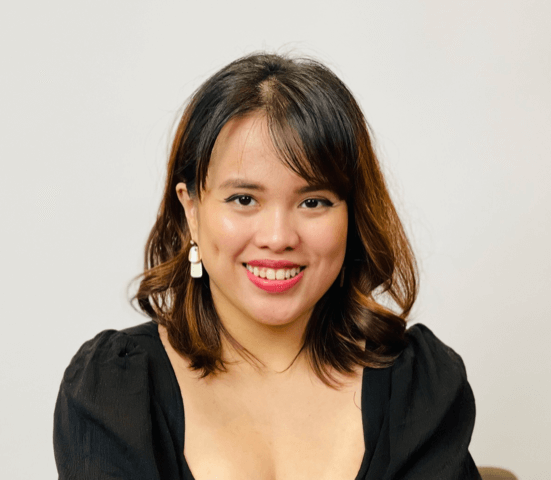
Dianne Olivan - Gender and digital rights expert, The Philippines
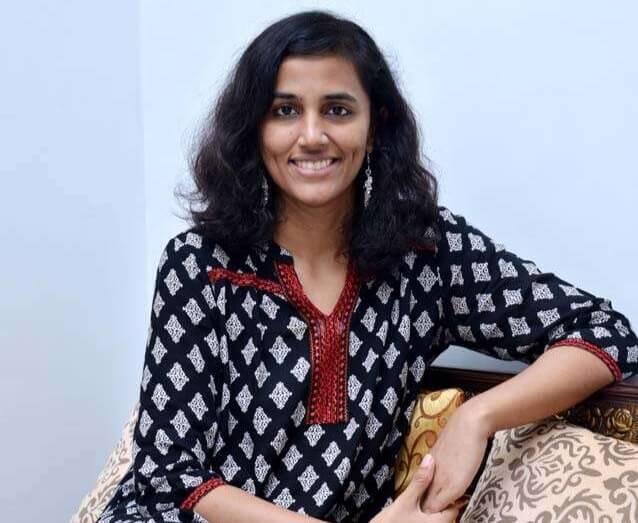
Kirthi Jayakumar - lawyer and feminist researcher
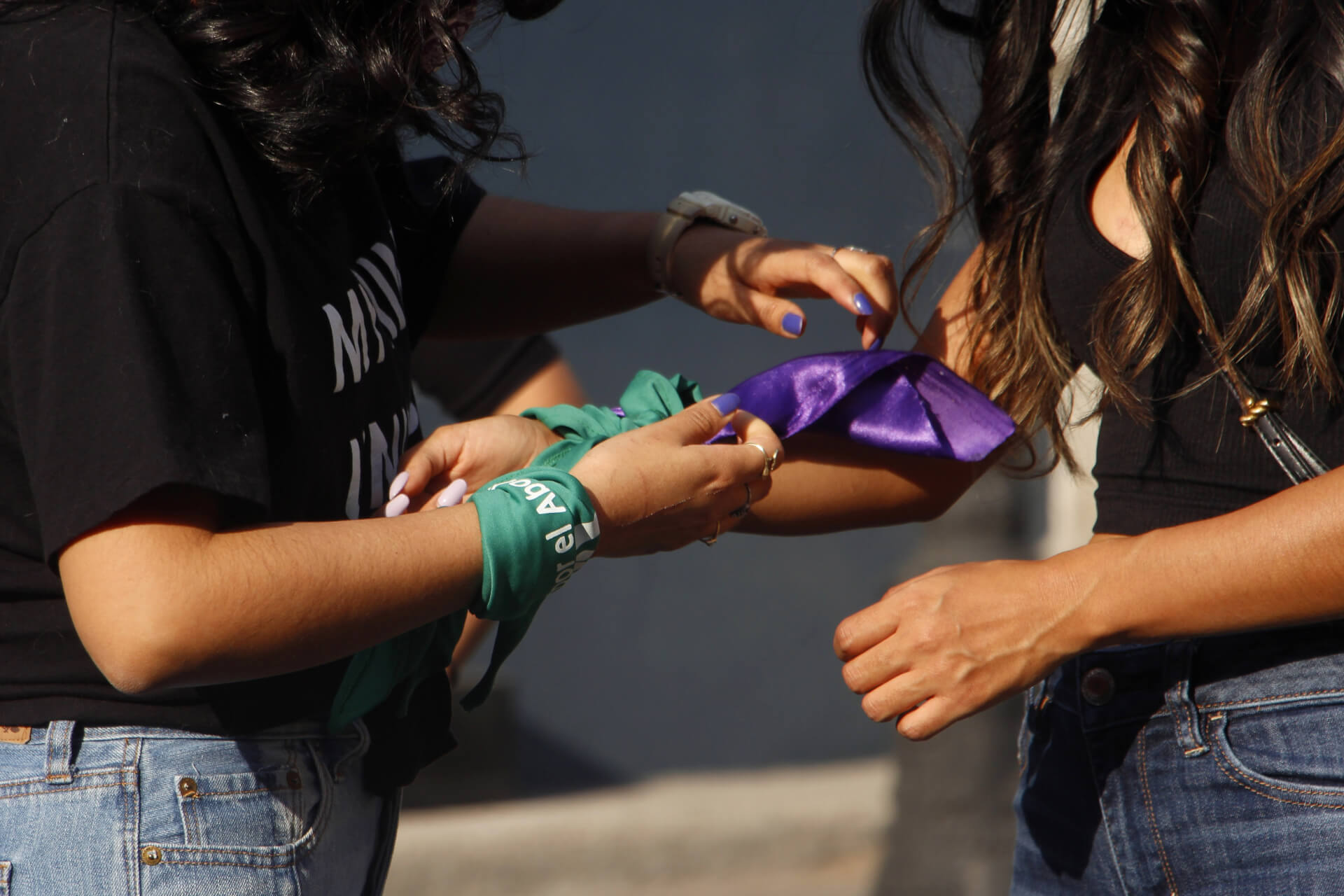
Rose Heffernan - gender and climate justice activist
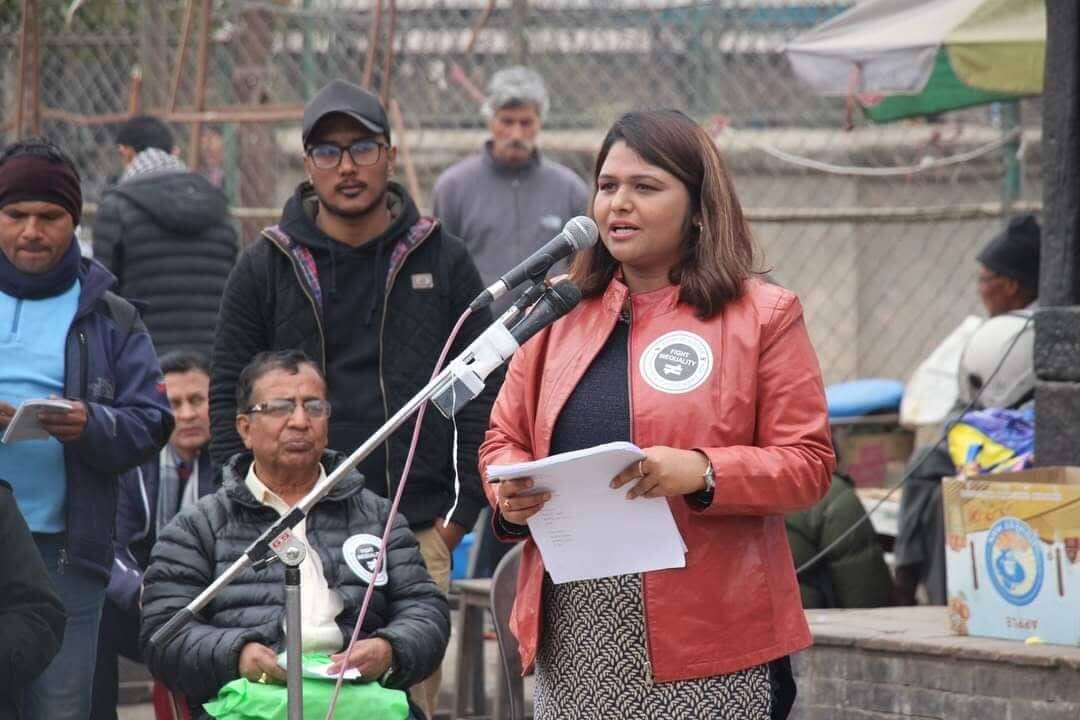
Bhawana Bhatta - gender activist, NFN, Nepal
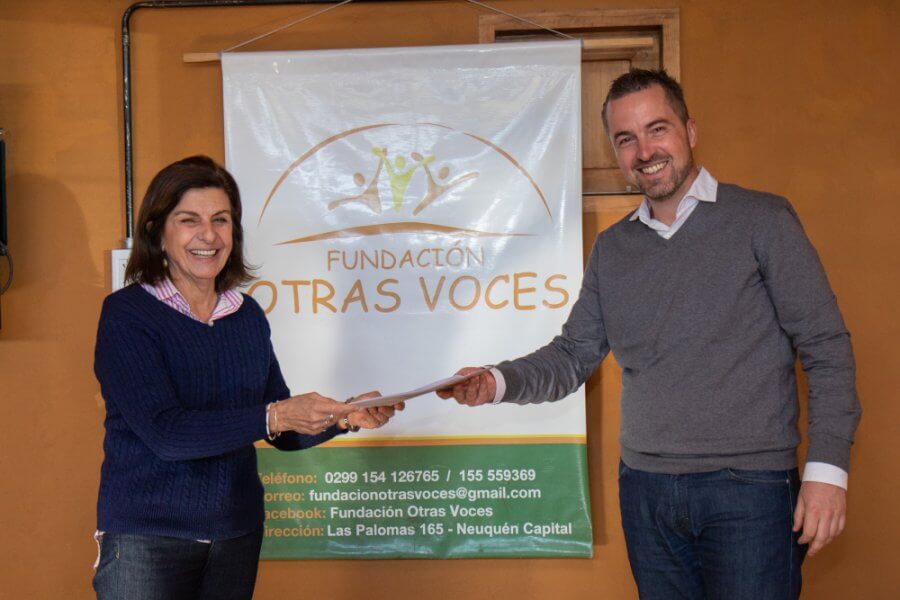
Teresa Casala - la Fundación Otras Voces, Argentina
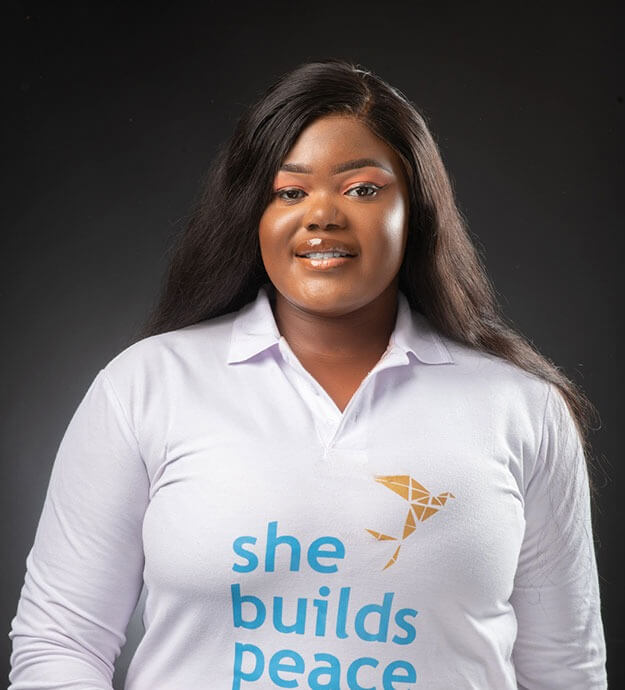
Caryn Dasah - activist and peace builder, Cameroon
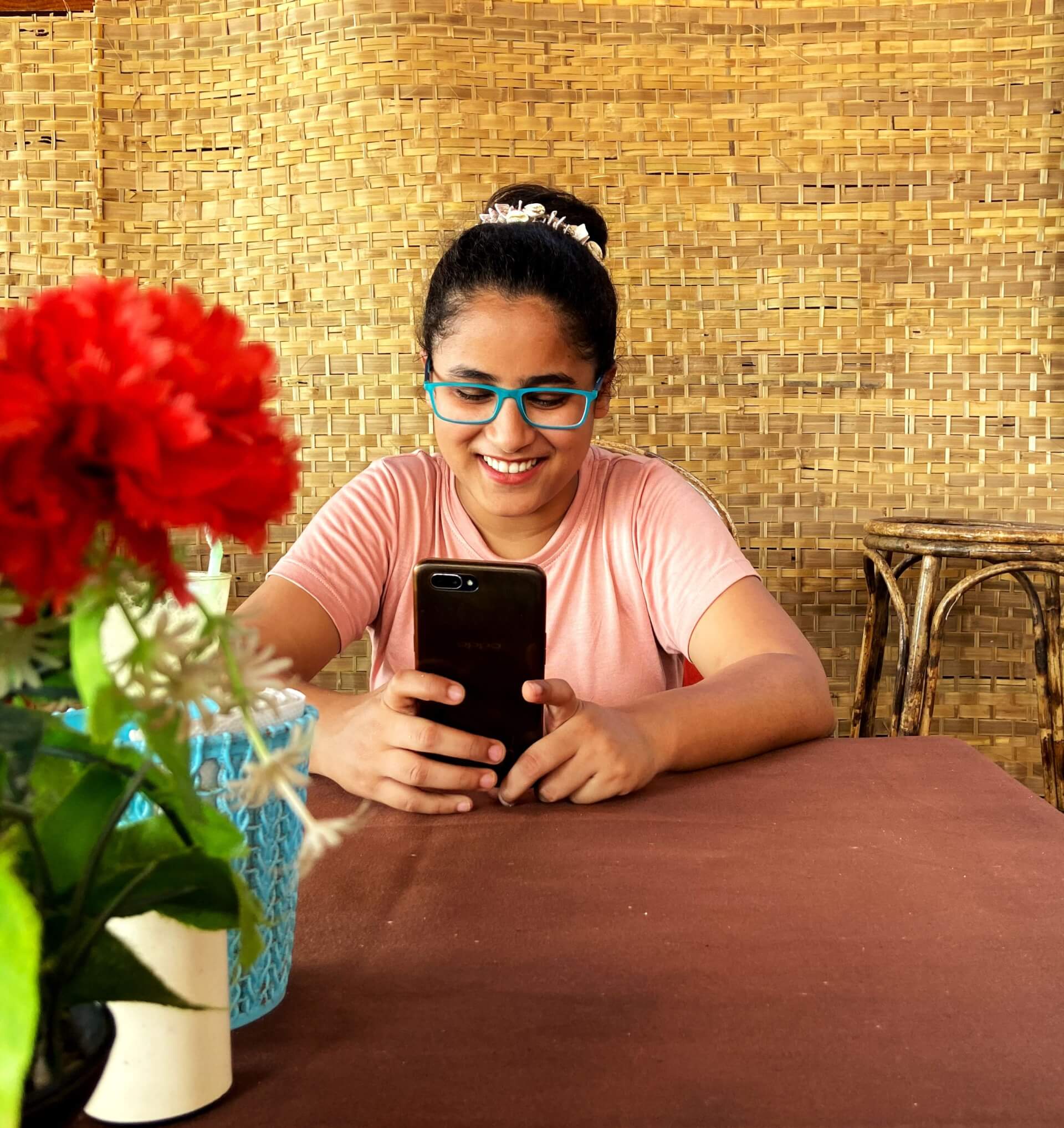
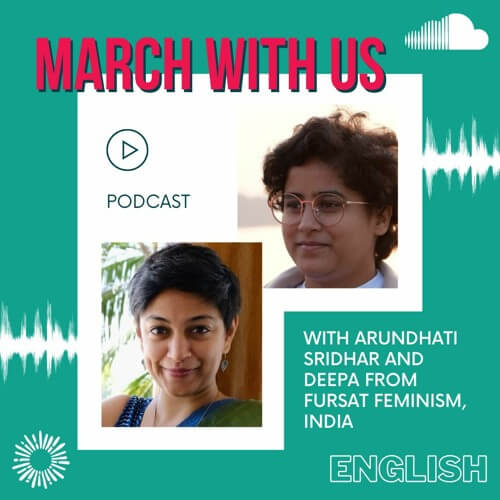
Deepa - Fursat Feminism, India
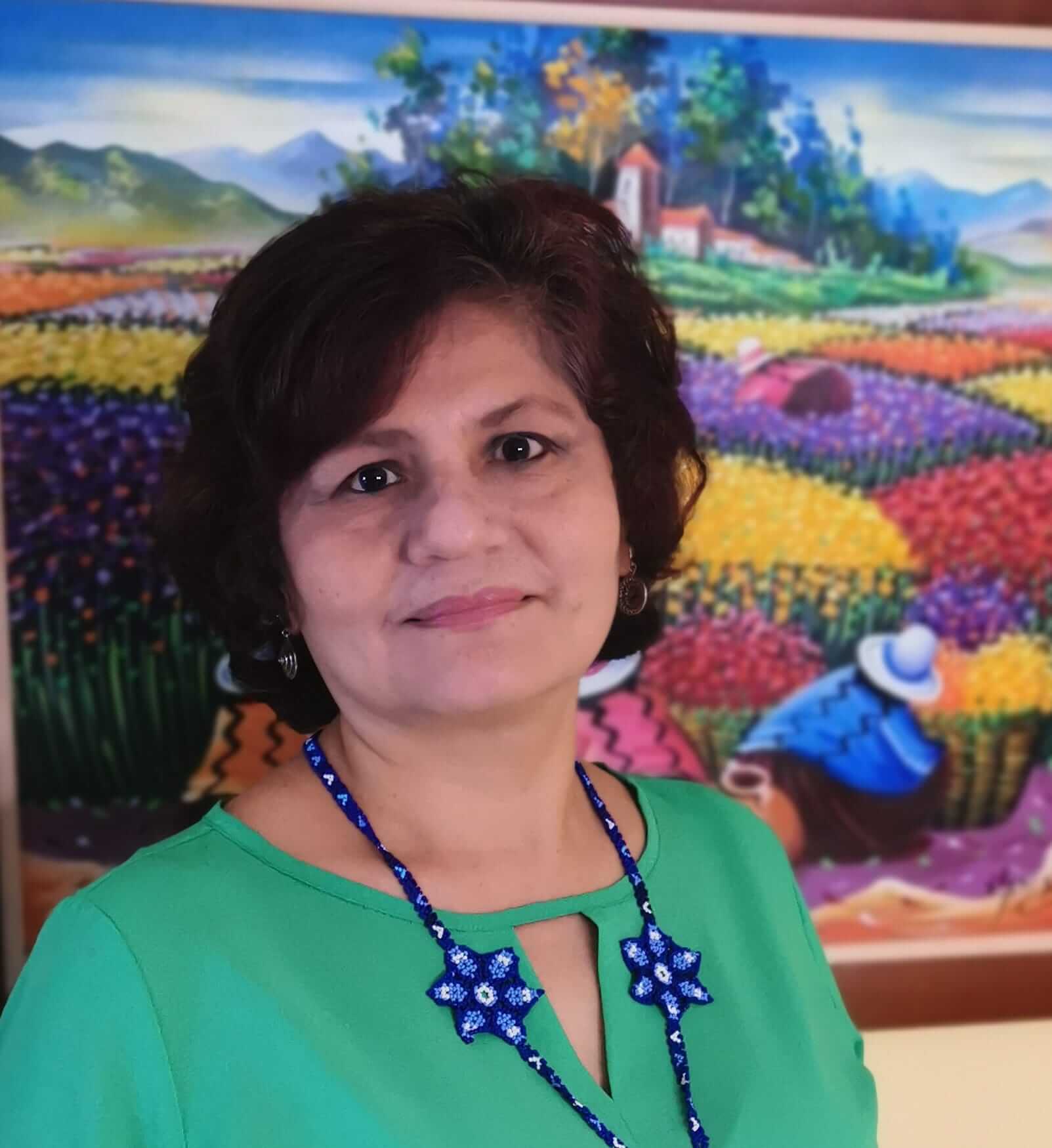
Tatiana Retamozo - AIETI, Spain
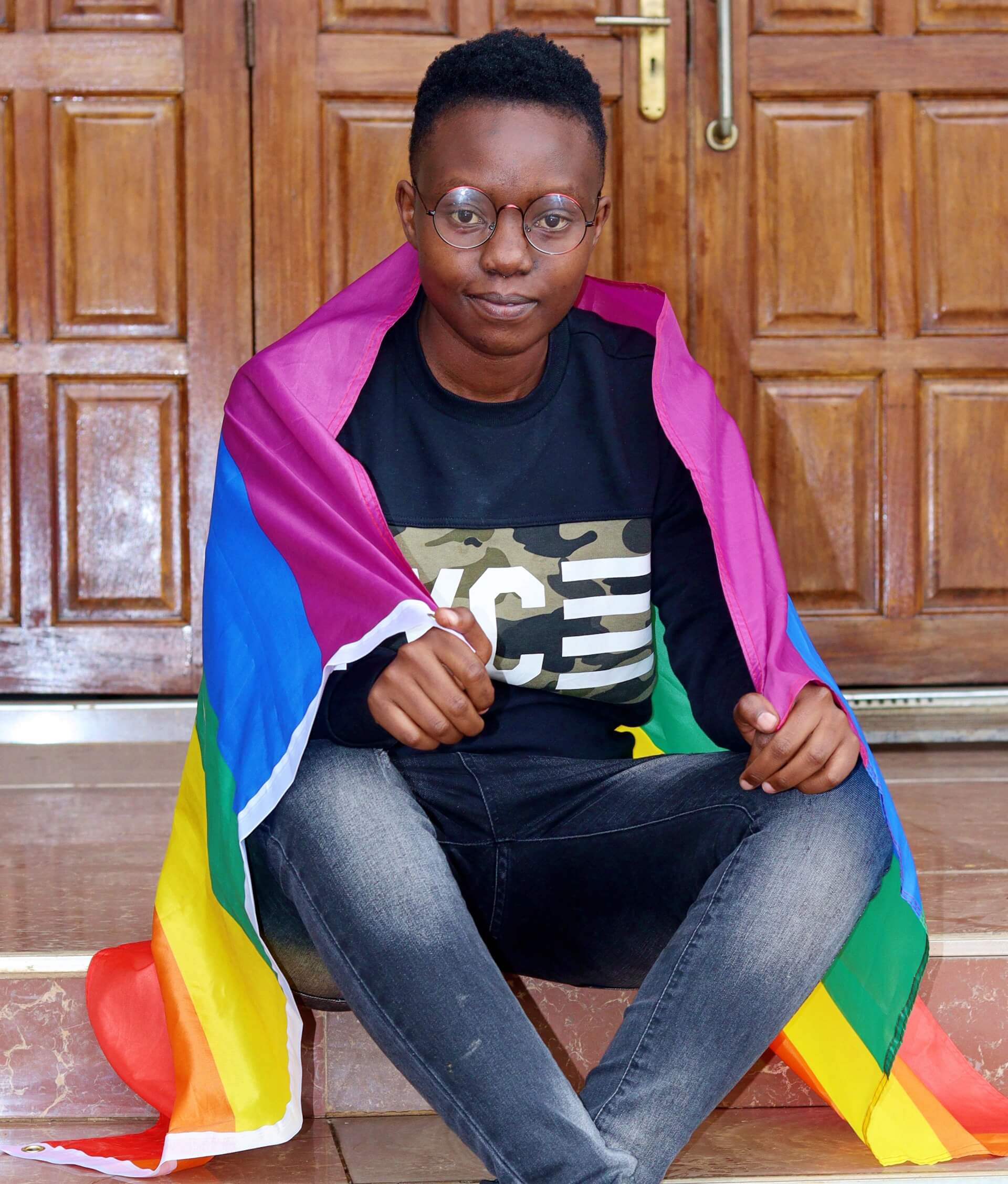
Fahe Kerubo - youth activist, Kenya
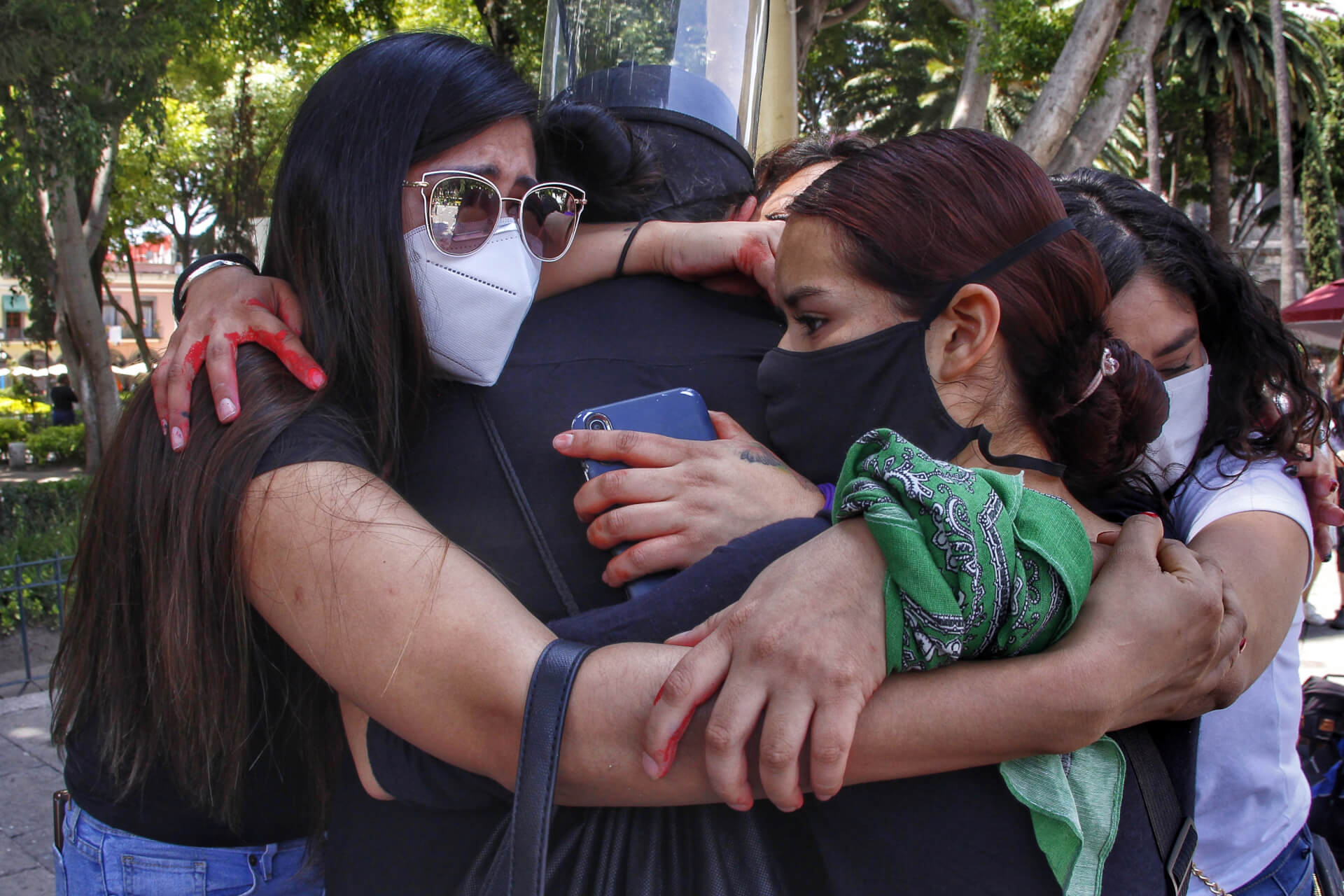
Melanie Isahmar Torres Melo - photojournalist, Mexico

Amy Tounkara - writer and activist, France
Jane Coffin - Connect Humanity Senior Advisor, US
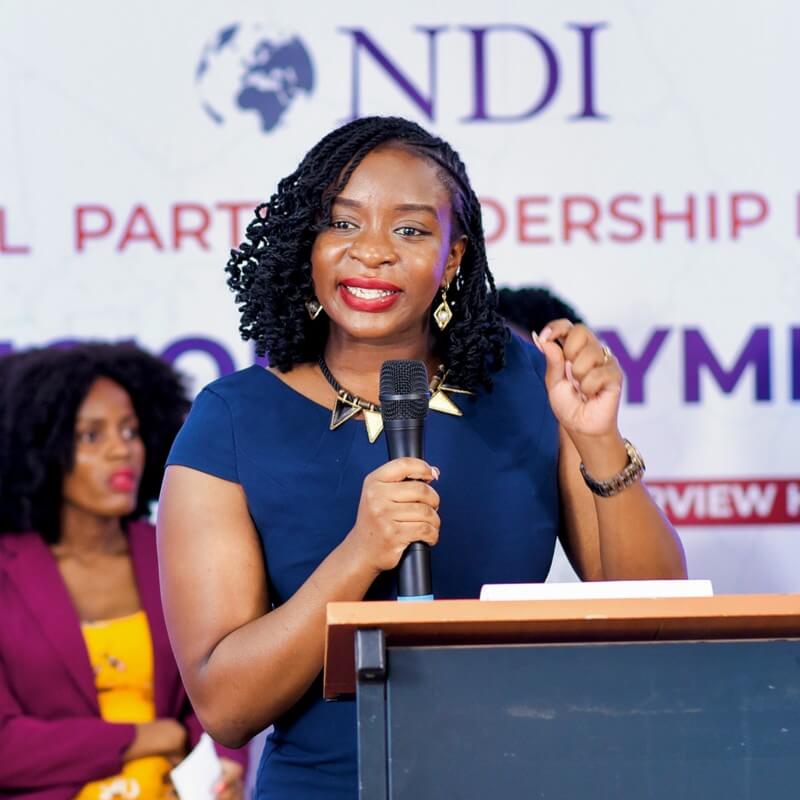
Ruth Kangwa - Girls Gone Political, Zambia
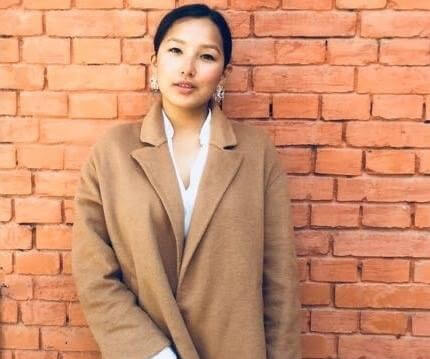
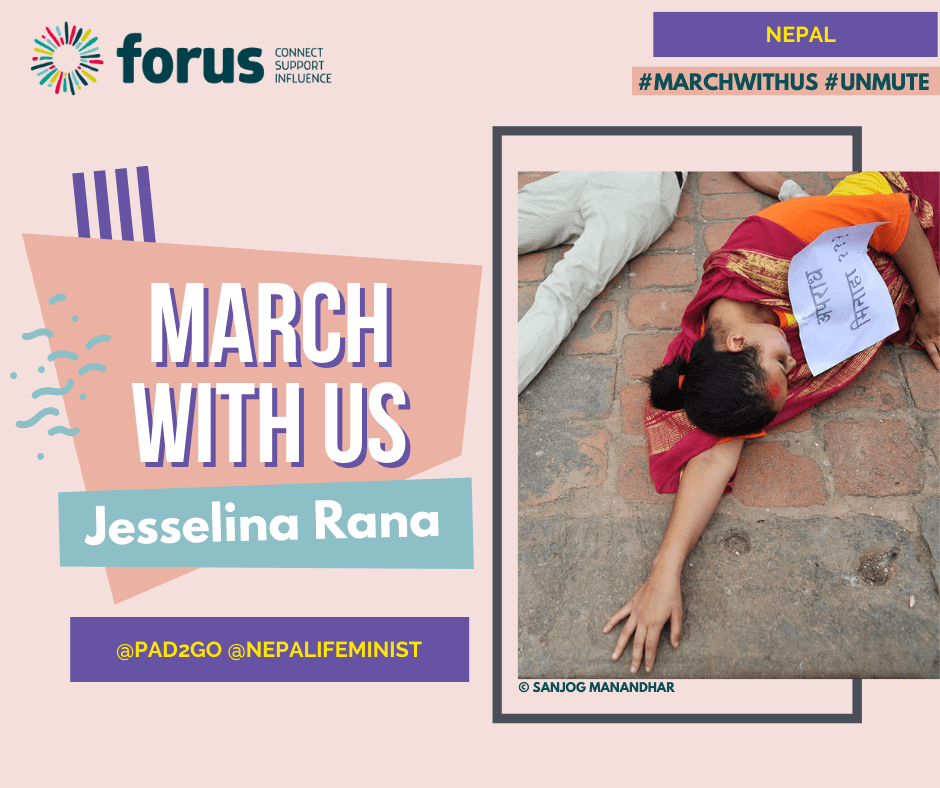
Jesselina Rana - feminist activist, Nepal

Arundhati Sridhar - Fursat Feminism, India
Thu 9 Mar 2023
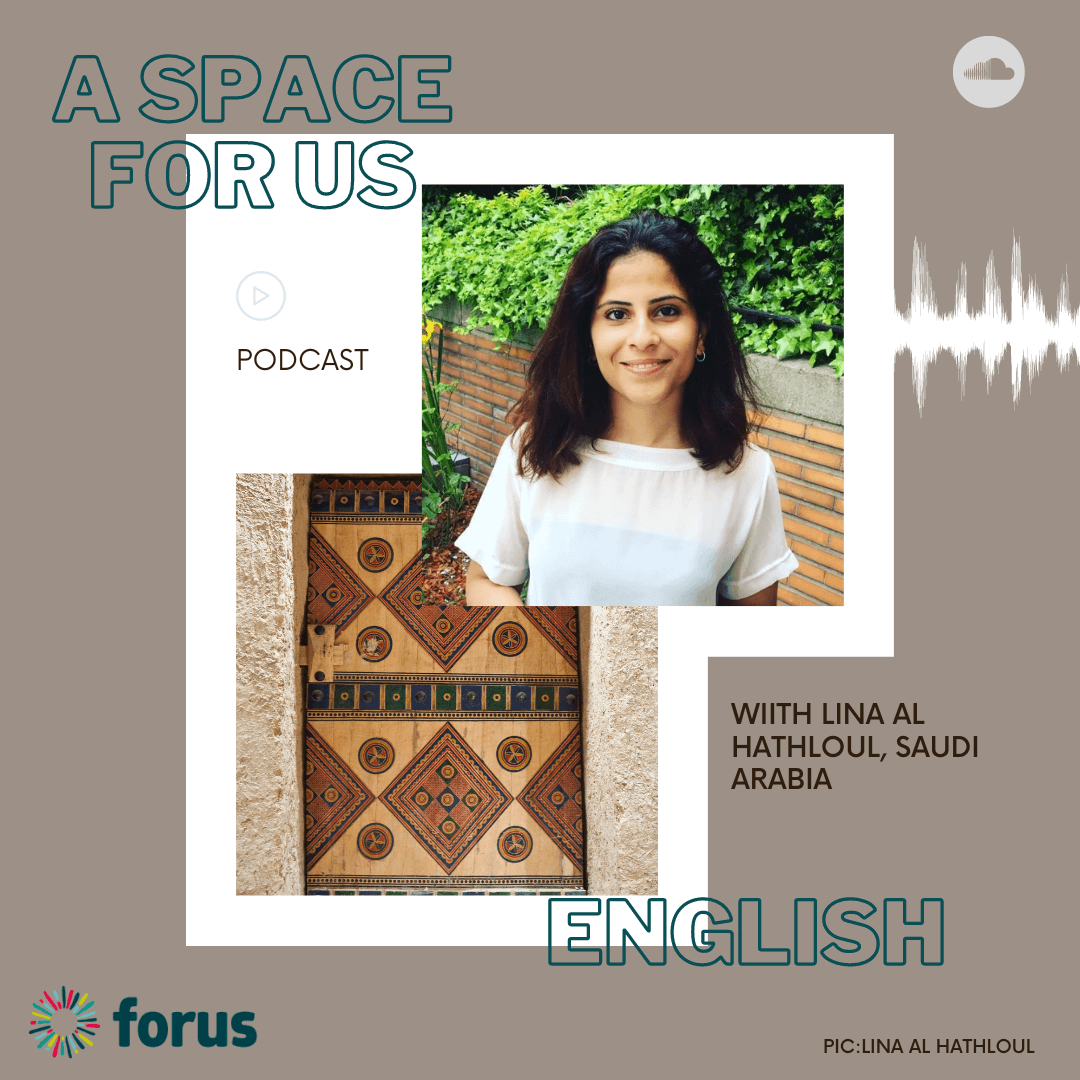
EN - Lina Al Hathloul on human rights in Saudi Arabia
In this episode part of the March With Us campaign, we talk with Lina Al Hathloul who is bringing to light the situation of women and human rights activists in Saudi Arabia. She will tell us about her life journey and her new illustrated book Loujain Dreams Of Sunflowers.

Wed 1 Mar 2023
EN - Line Niedeggen on climate & gender justice
As part of the March With Us campaign, discover our interview with Line Niedeggen, a climate justice activist with Fridays for Future since 2019. She is among activists who lead major climate strikes in Germany and works for Fridays for Future on national strategy and public relations, with a focus on intersectionality in different matters of justice.
Wed 8 Jun 2022
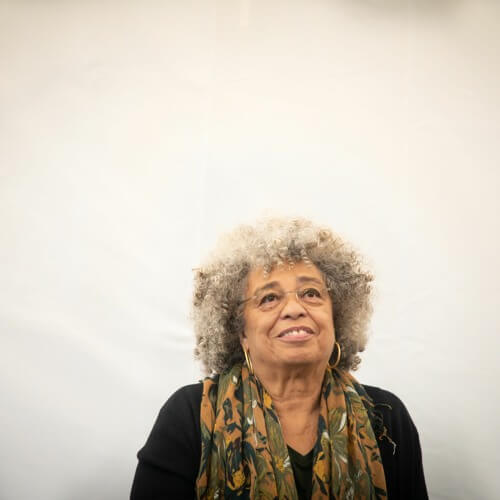
EN - Interaction with activist Angela Davis
How to avoid destructive polarisation? How to work with other groups that sometimes have diverging views?
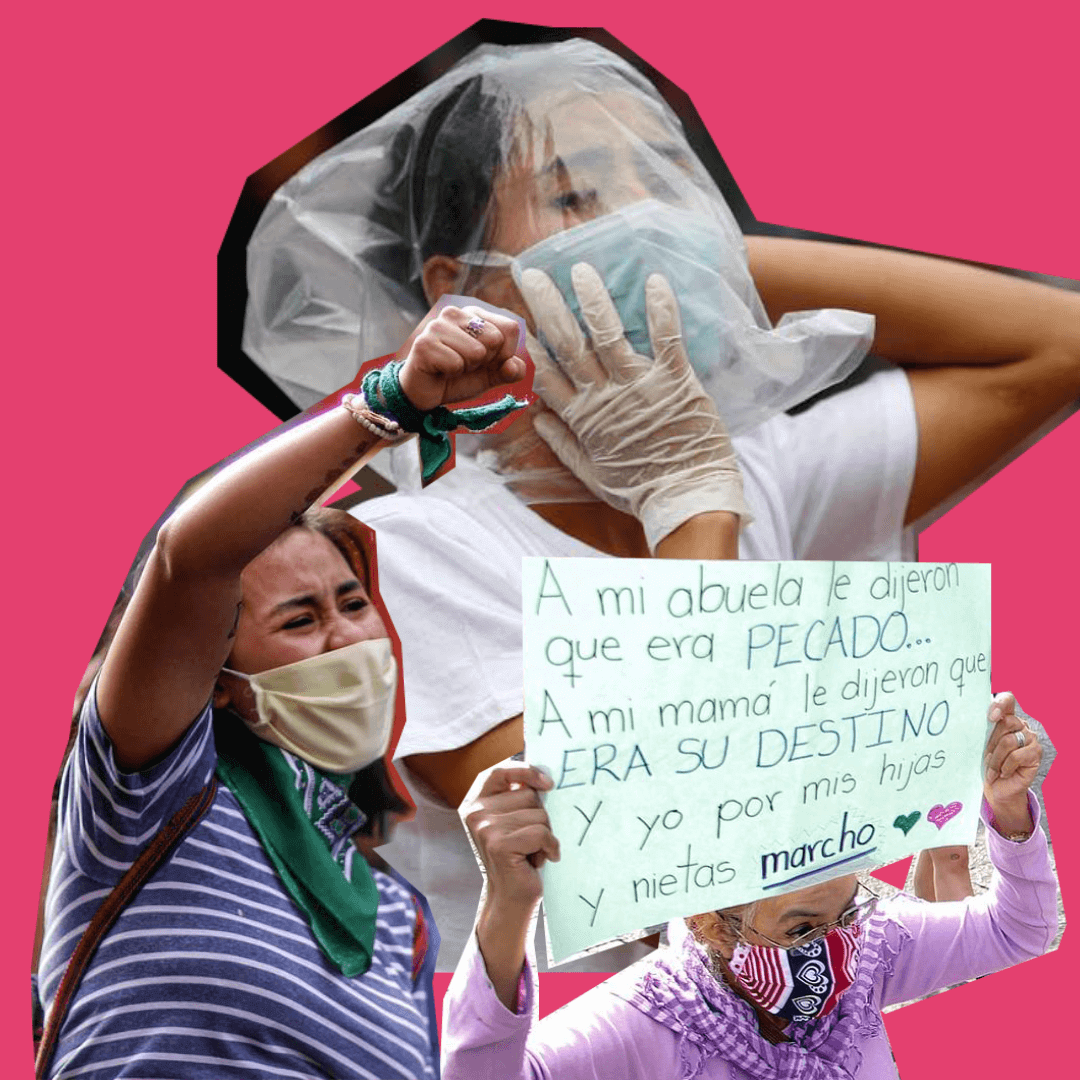
Forus members are involved in innovative and intersectional approaches to gender justice and Power Shifts.
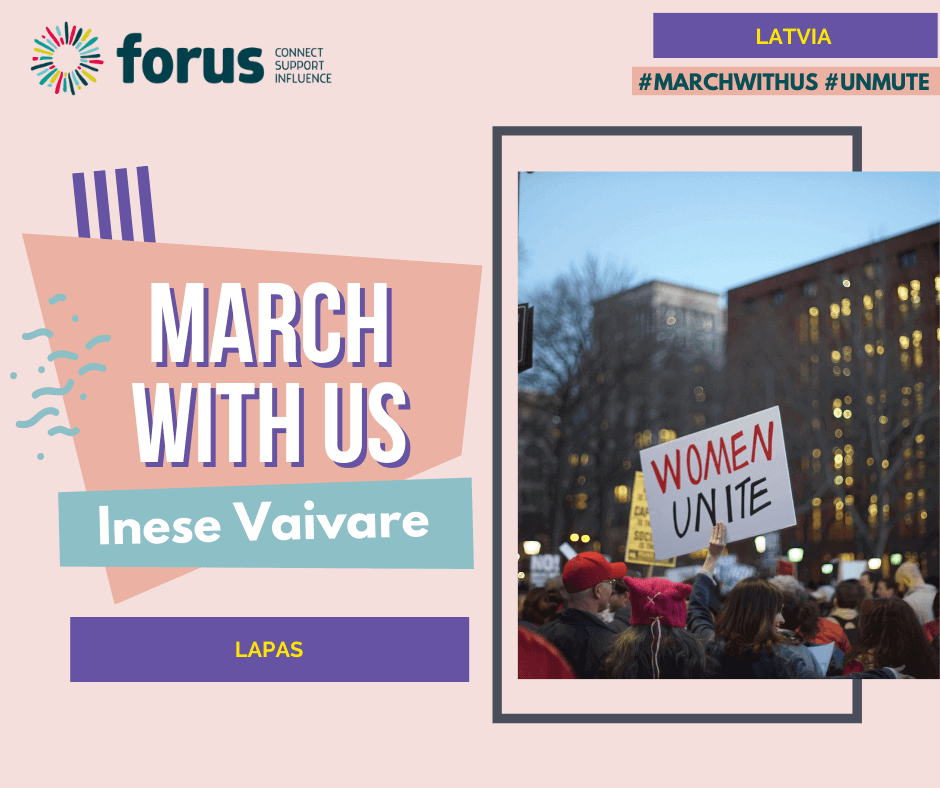
Explore the stories of Forus members driving the March With Us campaign. Witness Unitas in Bolivia advocating for women human rights defenders, while BOCONGO in Botswana employs its membership to combat violence against women and enhance legislative frameworks. PIANGO in the Pacific, REPONGAC in Central Africa and ADA across Asia, La Coordinadora in Spain call for feminist collaboration and leadership. PDA in Pakistan advocats for women's involvement in decision-making, and NNNGO in Nigeria urging a gender paradigm shift. Sloga in Slovenia and LAPAS in Latvia stress the crucial importance of staying connected to gender movements and changing narratives. Sinergia in Venezuela sheds light on the challenges women confront in the region, FCOSS in Fiji focuses on women's leadership and disaster management, and Red Encuentro in Argentina collaborates with its members to foster intergenerational gender justice. VANI in India, through its podcast series "She Leads the Way," highlights women leaders, while NFN in Nepal engages with grassroots communities. Infid in Indonesia emphasizes the necessity of increasing women and girls' representation in tech, and Abong in Brazil delves into power shifts and beyond. These are just a glimpse of the innovative civil society initiatives of Forus members we share in the March With Us campaign. Explore their work below!



/ Podcasts
EN - Transnational solidarity, feminism and collaborative leadership, with Rita Morbia