© NGO Forum on ABD

2026-07-20
Research: Sentinel of peace in the Great Lakes
In the Great Lakes region, where tensions have recurred for more than two decades, civil society organizations, to play their part in providing solutions, have always begun with research. A step that is often less visible but essential in this process, as it enables the identification of warning signs of new tensions. This makes it possible to prevent them before they escalate.
Research is a central tool in conflict prevention in the Great Lakes region. For the organization Actions Sociales pour le Développement au Monde (ASDMonde asbl), research is not only used to understand crises once they have erupted. It also makes it possible to identify warning signs of new tensions.
Emile Nduwimana, executive secretary of Action pour le Développement et l’Intégration Régionale (ADIR), an organization that is a member of the Réseau des Plate-formes des ONGs d'Afrique Centrale (REPONGAC), which is a member of FORUS, explains that by relying on factual data, research helps to better understand the causes of tensions, combat rumors, and guide appropriate interventions. The Centre d'Alerte et de Prévention des Conflits (CENAP) also states that the early identification of warning signs of tensions can help prevent violence before it escalates. The objective of this center is therefore to collect field data in order to alert authorities and promote preventive responses.
In a webinar organized by FORUS last May, Claudia Lynch, head of the Worldview project at Dóchas, the Irish Association of Development and Humanitarian Organizations, demonstrated how her organization used data to identify which audiences could still be reached and which arguments actually resonated with them.
Listening to communities to build sustainable peace
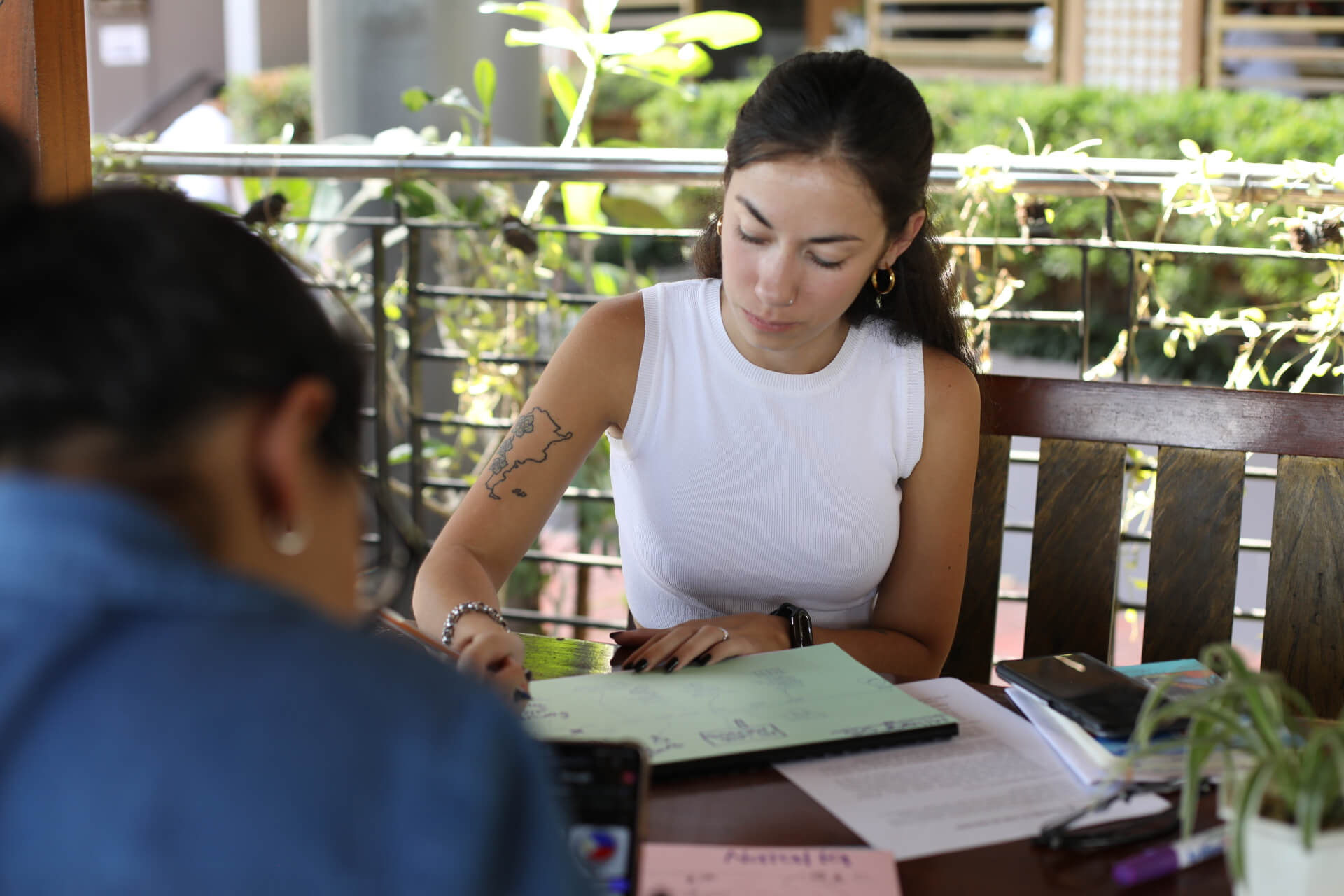
In the provinces of North Kivu and South Kivu in eastern DRC, the organization JAMAA Grands Lacs has also made research a central pillar of its work. Before launching an initiative, JAMAA Grands Lacs organizes community consultations, focus groups and participatory analyses bringing together young people, women, religious leaders, local authorities and civil society representatives. According to its coordinator, Nicolas Mumbere, sustainable solutions cannot be developed without a thorough understanding of the needs, expectations and dynamics of the communities concerned.
"Communities are not only the beneficiaries of projects; they are also the best placed to explain the causes of problems, sometimes conflicts, and to identify solutions," he explains.
This approach is of crucial importance. In recent research conducted by this organization, interviews with communities enabled them to better understand the tensions affecting each territory. They also found that behind the violence experienced there are often problems related to access to land, economic frustrations, social exclusion, hate speech or the trauma left by past conflicts and accumulated conflicts. This study also showed that untreated trauma continues to fuel social tensions, domestic violence and mistrust between communities. Peacebuilding therefore also involves the healing of individuals. Rather than applying ready-made solutions, JAMAA Grands Lacs adapts its interventions to the realities observed on the ground.
CENAP also prioritizes participatory action research, an approach that directly involves communities in identifying problems, defining solutions and implementing them. According to this organization, this method has contributed to strengthening social cohesion through local initiatives of mediation, psychosocial support and economic resilience, showing that conflict prevention can also come from communities themselves.
ASD Monde and JAMAA Grands Lacs share the view that listening to communities before taking action and accessing local data appears less like an option than an essential condition for an intervention, even more so when it comes to building sustainable peace.
When peacebuilders become victims
The studies conducted by JAMAA Grands Lacs are not only used to analyze conflicts. They also make it possible to better understand the difficulties faced by those who work daily for peace. As Nicolas Mumbere points out, a participatory analysis carried out by this organization among community mediators, leaders of local organizations and religious leaders highlighted an often-overlooked reality.
“Peace actors themselves are deeply affected by the violence they seek to resolve,” he says.
Faced with accounts of war, forced displacement and the trauma of populations, many suffer from emotional exhaustion without receiving appropriate support.
In the case of this organization, these findings led to the creation of projects directly inspired by the results of the research.
The Peace Starts Here program, supported by Peace Direct, has accompanied more than 150 leaders of organizations involved in peacebuilding in South Kivu. The simple objective was to provide these actors with spaces for support, reflection and capacity building so that they could continue their work in better conditions.
In the same spirit, JAMAA Grands Lacs created the Maison Régionale de Paix, a space dedicated to psychosocial support, trauma healing and the personal development of community actors. An action that emerged as one of the possible solutions from their recent research.
Research, an often overlooked cornerstone
For CENAP, the lessons from the conflicts that affected Burundi, Rwanda and the Democratic Republic of Congo in the 1990s and early 2000s have demonstrated the limitations of state and regional early warning mechanisms. Despite their importance, the results of research produced in conflict-affected provinces are sometimes challenged despite the use of recognized scientific methodologies. They also often remain difficult to access. Many analyses carried out by field organizations or local universities are insufficiently disseminated and struggle to inform public decisions.
ADIR highlights a lack of reliable local data, particularly in certain areas of Burundi and eastern DRC. This organization advocates for better funding for research, stronger partnerships between researchers and civil society, and broader dissemination of results among communities.
For JAMAA Grands Lacs, it is necessary to strengthen links between researchers, universities and civil society organizations in order to share more of the knowledge produced locally. This cooperation would allow organizations to access already existing research and save time.
Innocent Buchu (Kinshasa) and Florence Inyabuntu (Bujumbura)
2026-07-17
News
Mylène Lawson: "It's often in translating, appropriating and following up on recommendations that lasting influence over public policy is built" A civil society perspective on turning human rights commitments and women's leadership into lasting change for communities in Togo and across the region
2026-07-17
News
Latifa Souflani: "Influence isn't just about holding a seat at the decision-making table — it's built through citizen mobilization" A civil society perspective on why meaningful participation, accountability and inclusive governance are essential to turning commitments on women's rights and sustainable development into real change for communities.