
2026-04-01
Women and Environmental Leadership, 3 Voices Moving Africa
In the face of environmental challenges in Africa, women are emerging as agents of change. They are redefining ecological leadership through innovative initiatives.
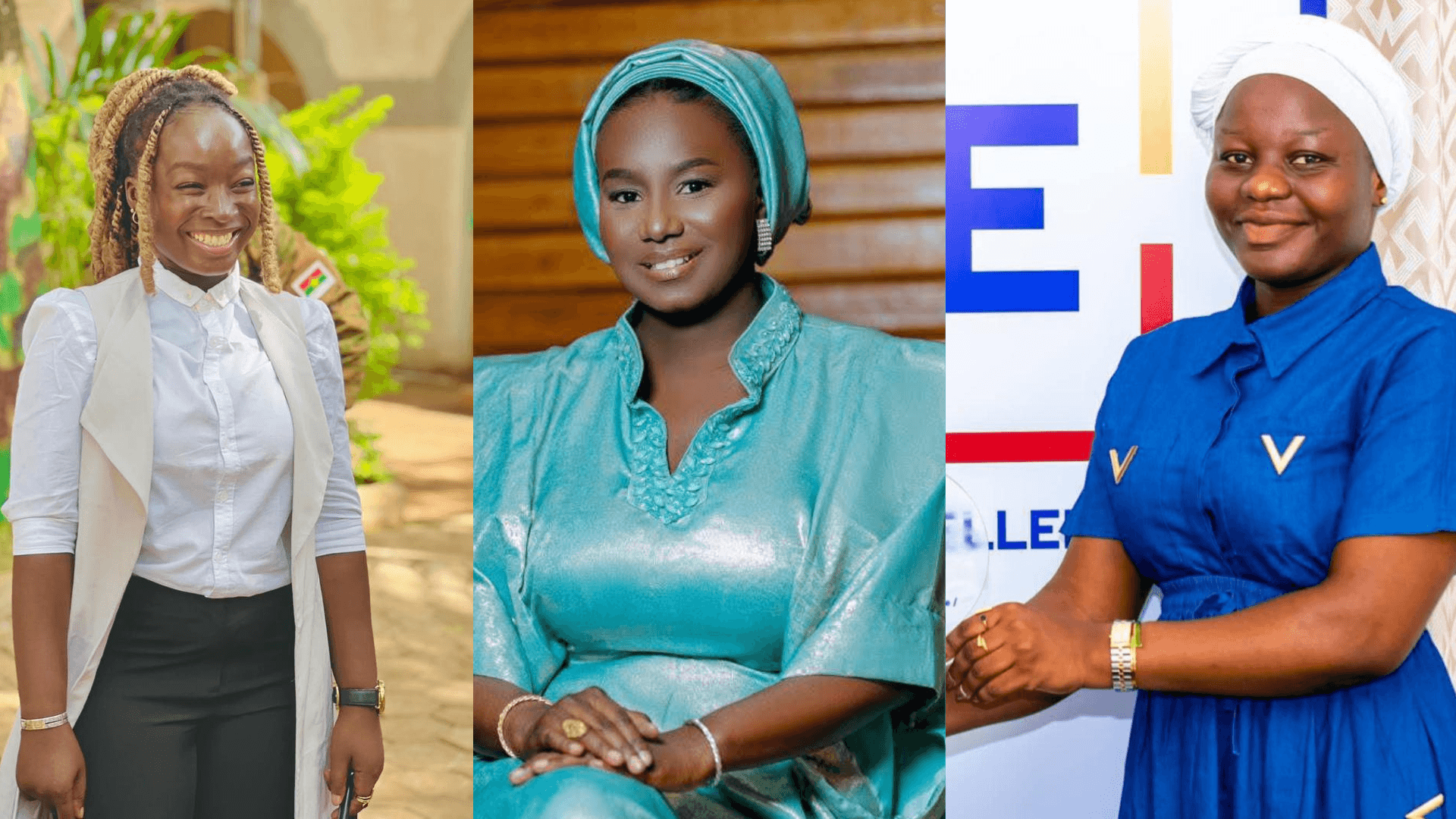
Focus on 3 African women from Benin, Mali and Burkina Faso who are now references in the field of environmental protection through environmental initiatives. These women have different backgrounds but the same goals: to empower women and contribute to a healthy environment and a sustainable future for Africa.
This article highlights three inspiring struggles of women committed to protecting the environment and expanding civic space.
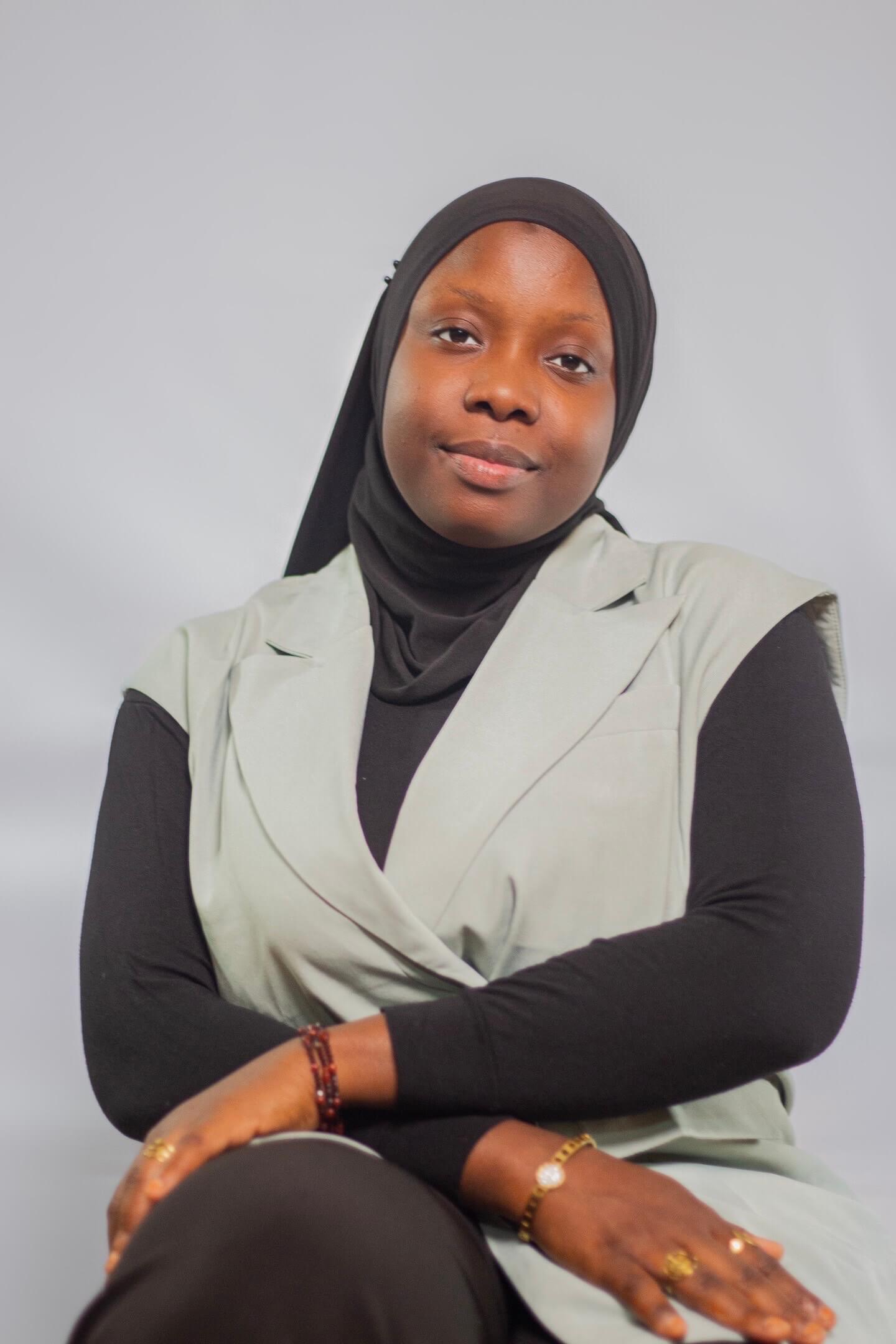
Fatoumata Boubou (Mali) – Clean Mali Movement
A clear vision for a cleaner and greener Mali
- In-Country Focal Point of the Global Center on Adaptation Mali, the first Malian to hold this role under this program for a one-year term.
- Climate Ambassador, a commitment that deeply reflects her personal convictions and her daily fight for the protection of the environment.
Her vision is clear: to make Mali a cleaner and greener country, and to contribute to a more sustainable Africa. To achieve this, she is convinced that the commitment of all is essential.
Motivation
What motivated me was first of all a simple but alarming observation: the progressive deterioration of our living environment and its direct consequences on the health of the population, especially young people and women. As a committed citizen, I understood that remaining a spectator was no longer an option.
Despite the constraints of civic space, my commitment has been strengthened by the belief that change starts with local action. I have chosen to turn obstacles into opportunities, by mobilizing young people around a common cause: protecting our environment to guarantee our future.
Initiatives
We have put in place several concrete initiatives, including:
- Awareness campaigns on waste management and sanitation
- Community clean-up operations
- Training on recycling and waste recovery
- Educational activities in schools
- Advocacy with local authorities
These initiatives aim to make each citizen responsible for his or her relationship with the environment.
Impact
My actions help change behaviors, which is essential in the fight against environmental problems. By raising awareness among people, especially young people, we reduce polluting practices and encourage more sustainable lifestyles.
We also participate in:
- The reduction of waste
- The improvement of urban sanitation
- The prevention of diseases related to unsanitary conditions
- Organization of sanitation activities in hospitals, with donations of garbage cans and sanitation equipment
- Reforestation campaigns in schools
- Inclusive actions with organizations such as the organization of blind youth in Mali, to involve people living with disabilities
- Collaboration with town halls to strengthen local actions in favour of the environment
We have also launched the "One grin, one garbage" initiative, which aims to mobilize Malian youth through informal exchange spaces (grins), in order to raise awareness, debate and transform behaviors around environmental issues.
Challenges
Despite structural challenges, including the lack of funding, we are pursuing our efforts with determination.
The main challenges are:
- Lack of funding
- Low awareness
- Difficulties in accessing decision-making spaces
- Constraints related to civic space
These obstacles allowed me to develop resilience and creativity.
Leadership and civic space
My leadership creates an inclusive environment where everyone can take action. We encourage young people and women to get involved, train and take initiative.
Women are at the heart of the day-to-day management of natural resources. They are directly impacted by environmental changes. Valuing their role means recognising their expertise and ensuring more inclusive and sustainable solutions.
Lessons
- Change starts with local actions.
- Youth is essential.
- Perseverance and collaboration are key to inclusive and sustainable civic engagement.
Personal conclusion
For me, the solution lies in a collective approach: working in consortium, building capacity through training, supporting committed actors and involving all levels of society.
Despite the difficulties, I remain deeply optimistic. I am convinced that the world deserves better, and that with a sincere and lasting collective commitment, a clean Mali is not only possible, but inevitable.
Finally, it is essential to build capacity through training, regular updates and structured support for the actors involved. It is together, in a dynamic of collaboration and synergy, that we will be able to build a cleaner Mali, a greener Africa and a sustainable future for all.
I am convinced that climate issues are above all a question of life. Mali is full of innovative initiatives, but it is essential to strengthen synergies between actors. Public institutions, ministries and international partners, including embassies, must play a key role in facilitating collaboration and supporting concerted action.
Faiza Adiadion (Burkina Faso) – Mother Nature
A commitment born of childhood and strengthened by action
In Burkina Faso, a woman carries nature in her first name and in her actions. Rolande Faiza ADIADION, president and founder of the Mother Nature association, is one of those discreet but decisive figures who, far from the spotlight, reforest the earth, educate consciences and refuse to let the African continent die slowly. His story is one of commitment born of love, nourished by knowledge, and armed with a conviction: nature does not wait.
"My commitment was born long before the creation of the association. It comes from my grandfather, who taught us to love the land from childhood. Later, my studies in social and environmental protection, my field investigations in contact with agro-trainers and farmers confirmed one thing to me: the system had to change. Despite the security constraints and the shrinking of civic space in Burkina Faso, I told myself that waiting for the ideal conditions would condemn future generations. We act with what we have, where we are."
Initiatives and impact
"Since 2021, Mother Nature has:
- Planted more than 10,000 trees with growth monitoring
- Trained 1,250 women
- Trained 2,000 youth
- Cleaned five major markets
- Recycled about 50 tons of waste
- Distributed 120 garbage cans in public spaces
But beyond the numbers, it's the faces that count: this woman who learned market gardening and now feeds her family, this young person who thought the environment was none of his business and who plants trees every weekend."
"What is happening in Bobo-Dioulasso and Burkina Faso is a reflection of what is happening everywhere in Africa: deforestation, soil degradation, food insecurity linked to climate change. Every tree we plant, every woman we train, is a local response to a global problem. Africa is the continent that contributes the least to greenhouse gas emissions, but suffers the most from their consequences. Our work is also an act of climate justice."
Challenges
"There are many challenges. The security context in Burkina Faso limits our funding and mobility.
The main challenges include:
- Limited funding opportunities
- Security constraints affecting mobility
- Youth unemployment weakening continuity of actions
- Cultural resistance to women in leadership
- Moments of discouragement when needs exceed available means."
Role of women
"African women are on the frontline of climate change. They are the ones who travel miles to find water, who see harvests dwindle, who manage the shortage on a daily basis.
And yet, they are rarely around the tables where decisions are made.
Valuing their role is not a question of symbolism, it is a question of efficiency. When a woman is trained, educated, empowered, it is a whole community that changes."
Voice and civic space
"I use social networks to raise awareness, inform and mobilize. Every action of Mother Nature is documented and shared, because visibility is also a form of activism.
In a context where civic space is shrinking:
- Showing that we exist
- Showing that we act
- Refusing silence
is already a political act."
Leadership
"When a young girl from Bobo-Dioulasso sees a woman leading an association, carrying out projects, speaking out on the climate, she thinks that it is possible for her too.
My leadership is:
- Environmental
- Symbolic
- A way to expand civic space from within."
Lessons
"The first lesson is that love must precede the means.
- If you wait for funding to get involved, you will never act.
- Knowledge is a weapon.
- The collective is strength."
Modoukpé Oniodjé (Bénin) – Greener Rural Community
A commitment born of observation and the reality of the field
Originally from Dassa-Zoumè, in the green heart of the Beninese Hills, Modoukpè Oniodje is a specialist in Climate Security and Migration and a consultant in gender and social communication.
She is:
- Assistant to the executive director of the NGO Échelle Bénin
- Initiator of the Greener Rural Community program
- Advocate for inclusive climate justice
With more than seven years of experience in:
- Community development
- Impact journalism
- SDG education
- Volunteerism
she is now an influential voice within several national and international platforms.
Testimonial
My gaze has never turned away from the wounds of my land. My commitment was born from what my own eyes saw.
Initiatives
Through my Greener Rural Community initiative, I have structured a local environmental education program.
To date we have reached:
- 15 communities in Benin
- Interventions in Dassa
- Bonou
- Abomey-Calavi
- Ouidah
- Lokossa
- Djougou
- Parakou
- Natitingou
Our approach is based on three pillars:
- Awakening of consciences
- Technical transmission through training for young people and women in sustainable agricultural and artisanal practices
- Territorial anchoring, as in the village of Wassimi, where we have co-constructed with the inhabitants adaptation solutions specific to their environment.
Lessons
My career has taught me:
- Agility
- Resilience
- Anchoring
Conclusion
These women link environmental protection to social justice and civil liberties. They are a force and a safe bet for Africa.
Through these journeys, a reality emerges:
- African women are not only victims of environmental crises
- They are also major actors in their solutions
- Their commitment contributes to community resilience
- Their leadership expands civic space
Supporting these initiatives is an investment in a fairer, more inclusive and more sustainable future for Africa.
For more women leaders, discover the Forus Leadership development programme below and the annual March With Us campaign!
This article is part of the Forus Journalism fellowhip programme.