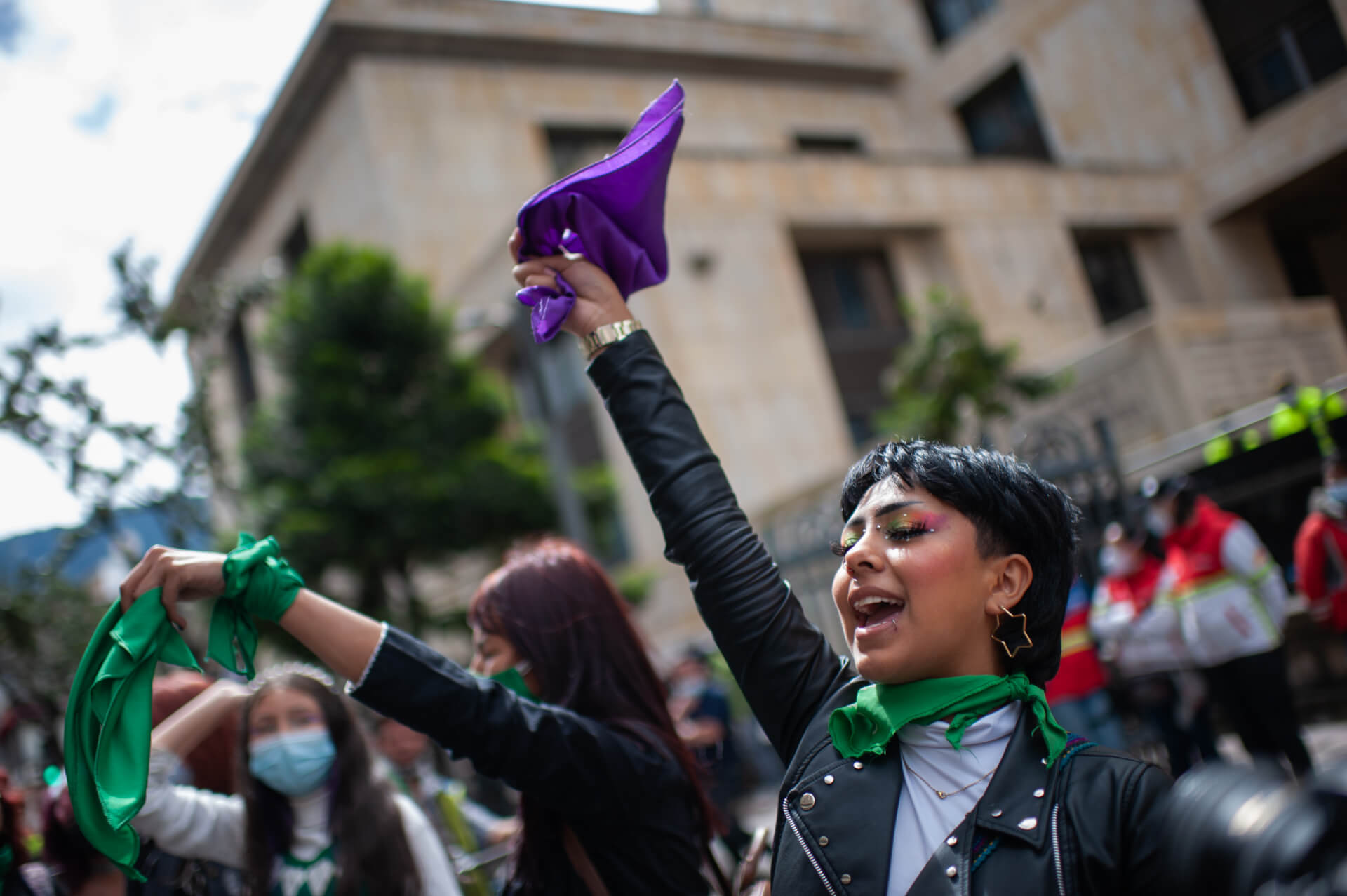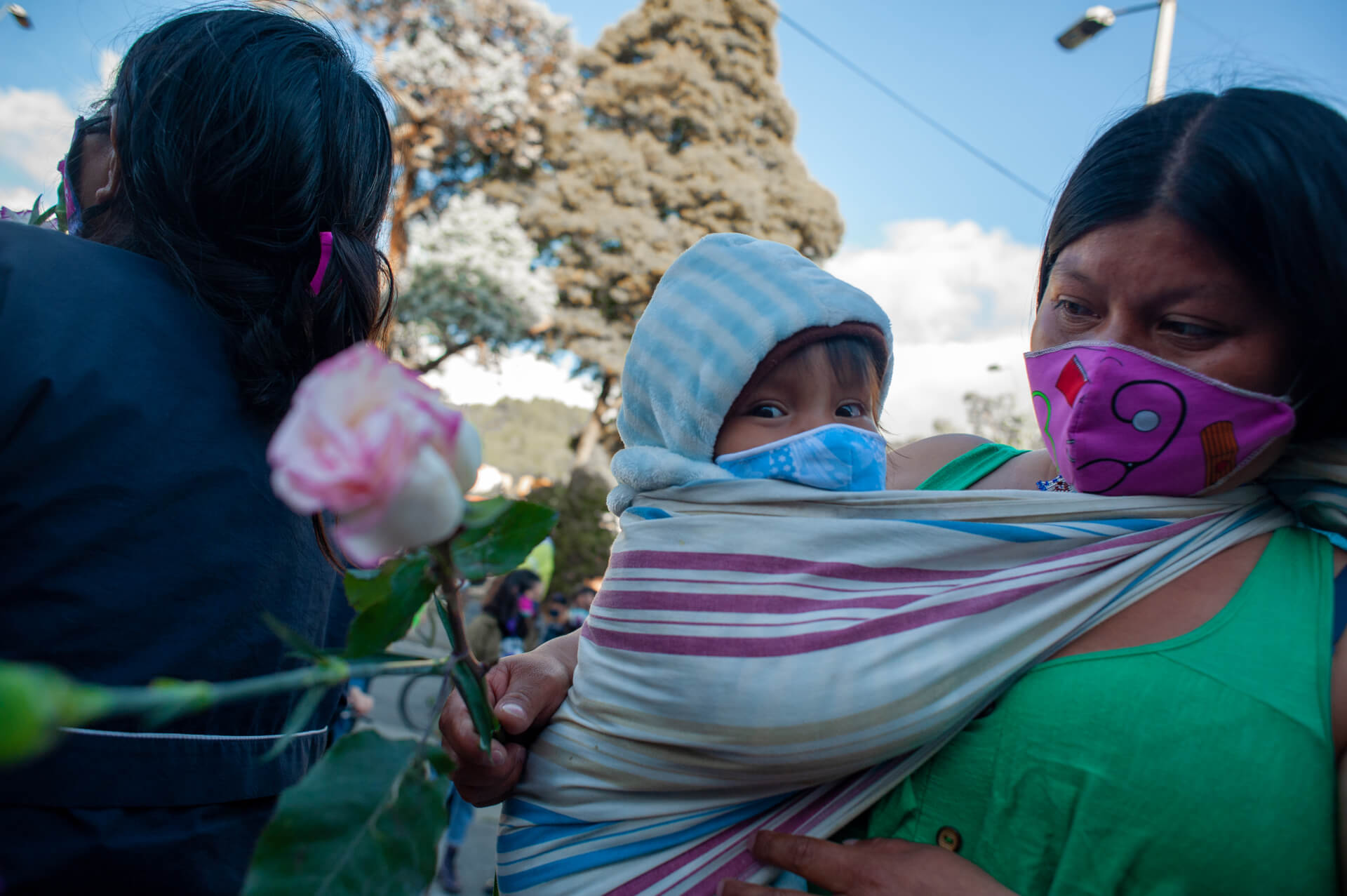
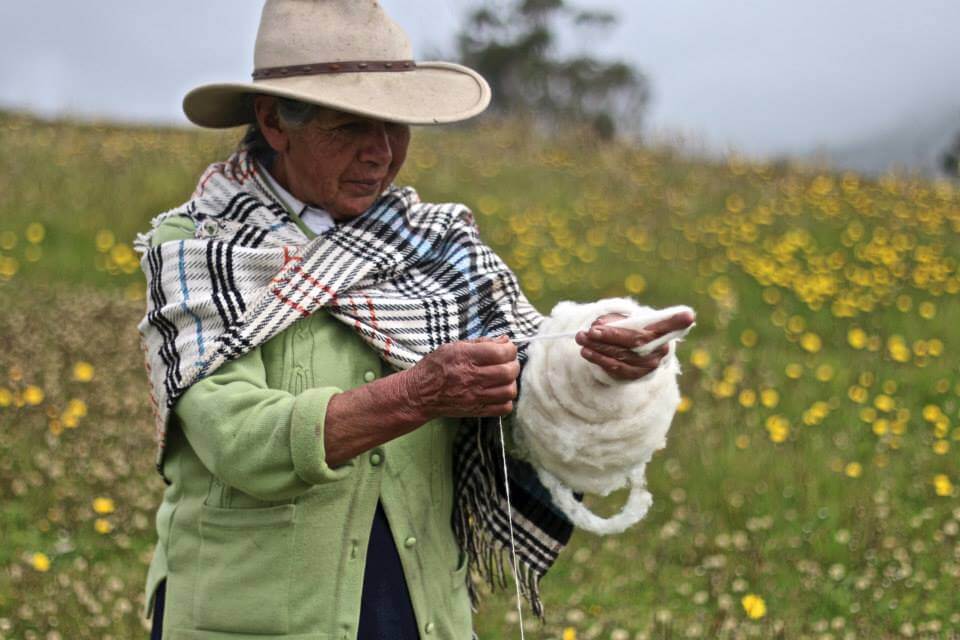
Indigenous activists in Colombia protesting against land eviction. ©Sebastian Barros
Enabling environment
INITIATIVE
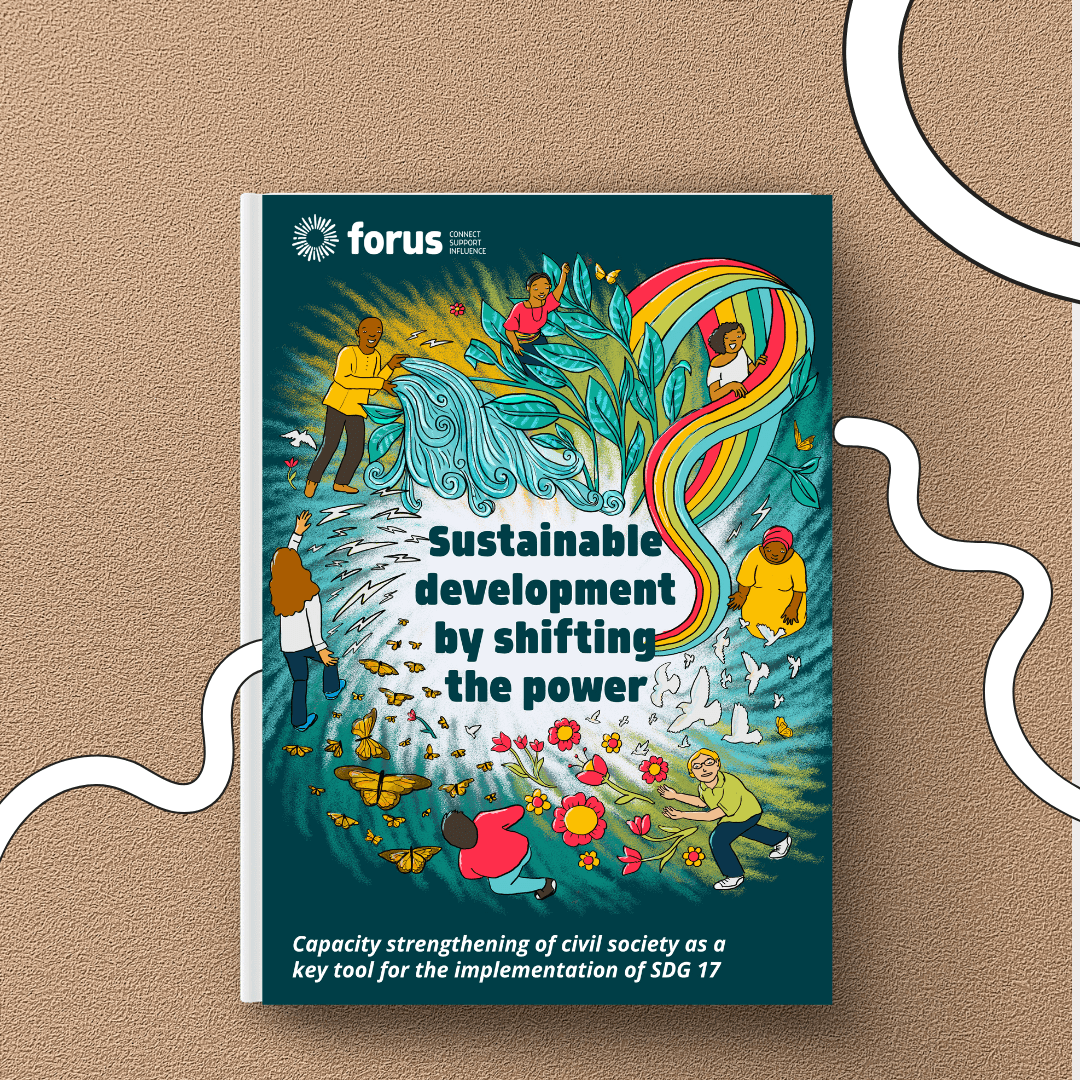
Sustainable Development by Shifting the Power
Looking into the transformative impact of the #ShiftThePower movement.
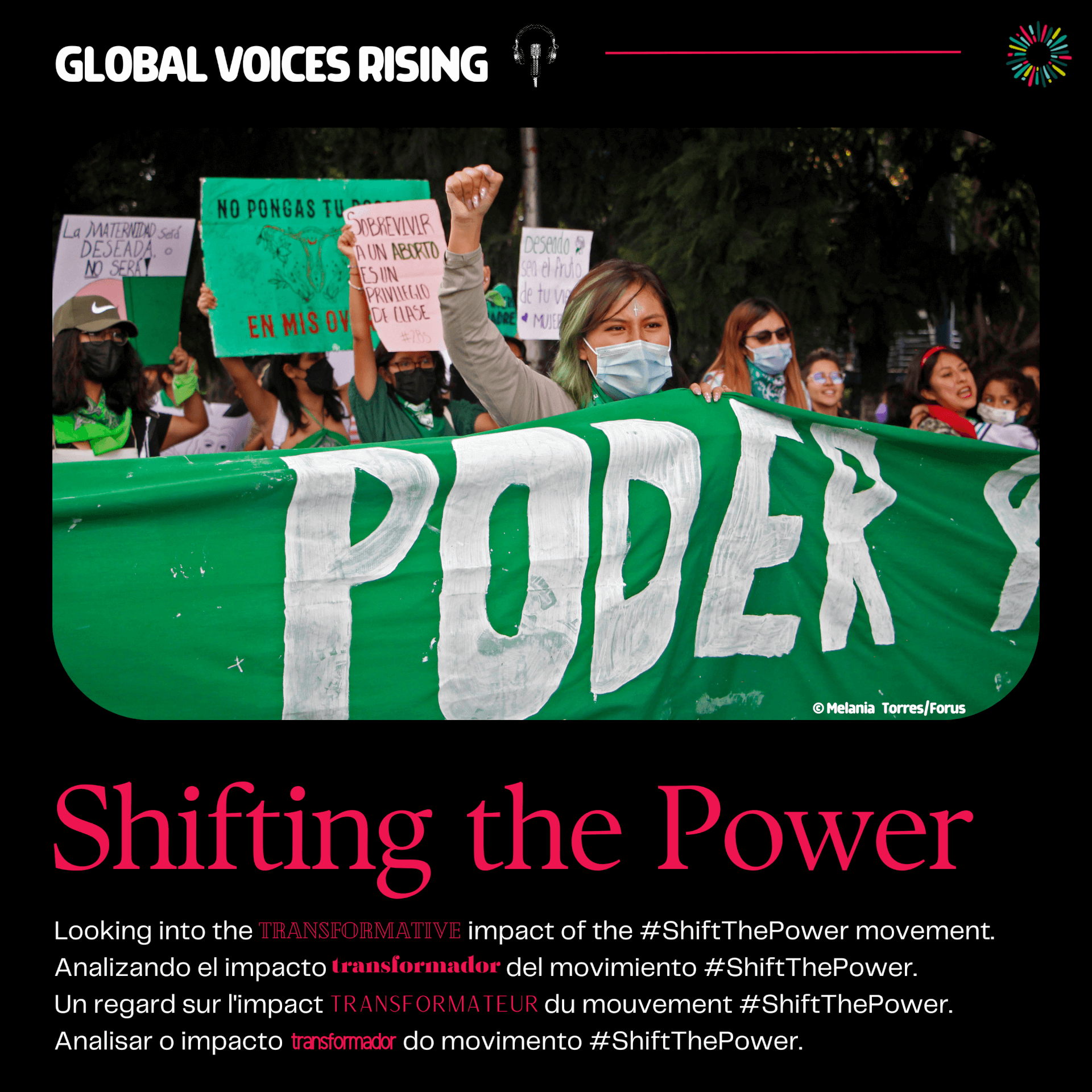
EN/FR/ES - Shifting The Power- global voices rising
This is "Shifting the Power – Global Voices Rising", a podcast series that looks into the narratives and perspectives emerging from civil society worldwide about imagining and transforming current development models and the so-called “aid industry”.
EN/FR/ES - Shifting The Power- global voices rising
Tue 12 May 2026
Space for Us
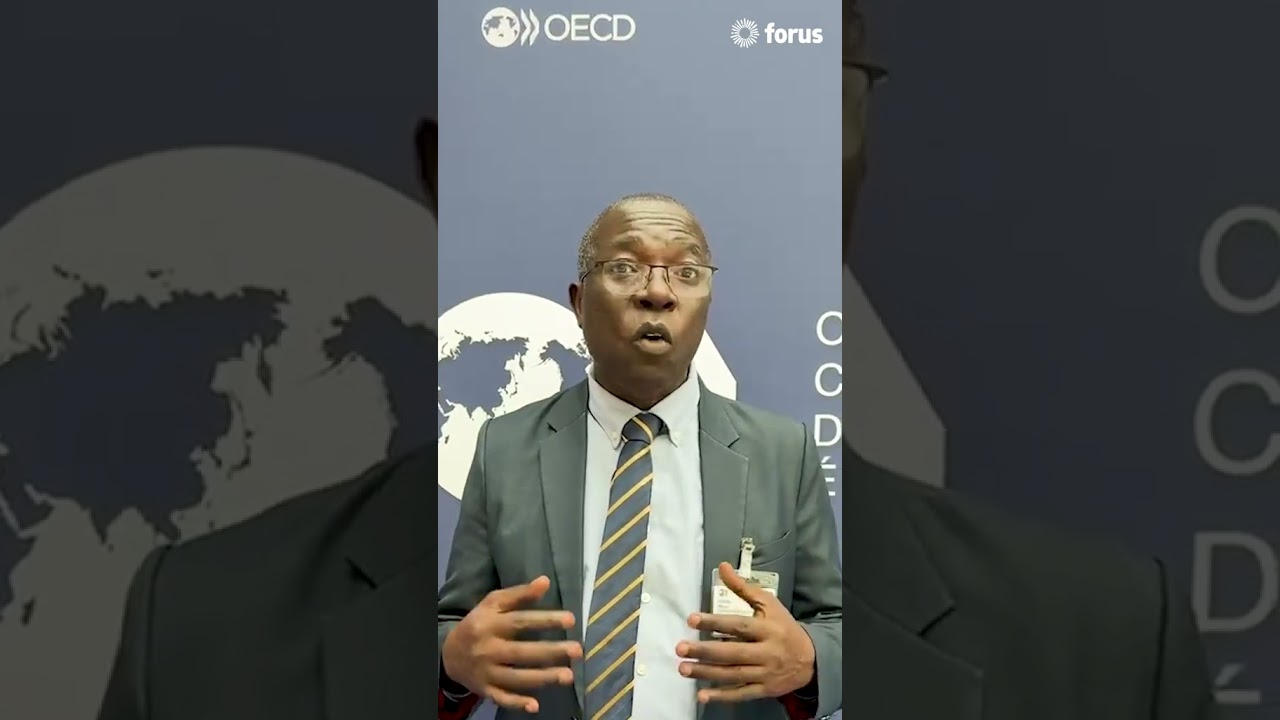
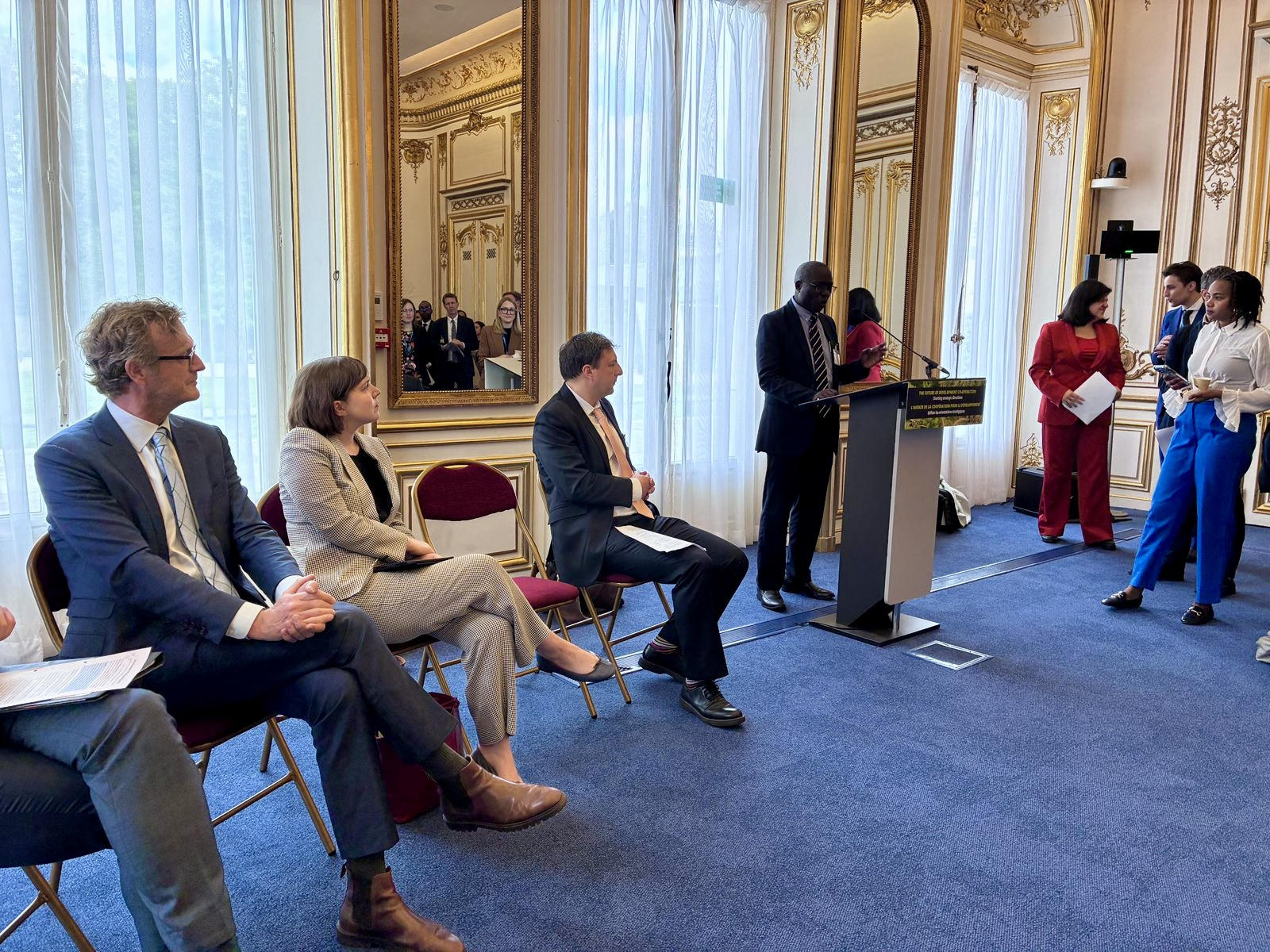
Dr. Moses Isooba on the #OECD Call to Action on Locally Led Development The OECD Call to Action on Locally Led Development launched today at The Future of Development Co-operation Charting strategic directions Summit in Paris — and Forus is proud to be an early endorser, alongside Peace Direct, participating governments, foundations, and other civil society networks. Hear from Dr. Moses Isooba Forus co-chair and Executive Director of the Uganda National NGO Forum (UNNGOF) on why it's time to move from commitment to practice. Sign up here to join the Call to Action and help shape the future of locally led development: https://www.peacedirect.org/invitation-to-action/ Learn more: https://www.forus-international.org/en/?modal_page=news&modal_detail_id=from-commitment-to-practice-join-the-call-to-action-on-locally-led-development @oecd @peacedirectfilms
Tue 12 May 2026
Press Release - News
From commitment to practice: join the call to action on locally led development The OECD Call to Action on Locally Led Development launched today at The Future of Development Co-operation Charting strategic directions Summit in Paris — and Forus is proud to be an early endorser, alongside Peace Direct, participating governments, foundations, and other civil society networks.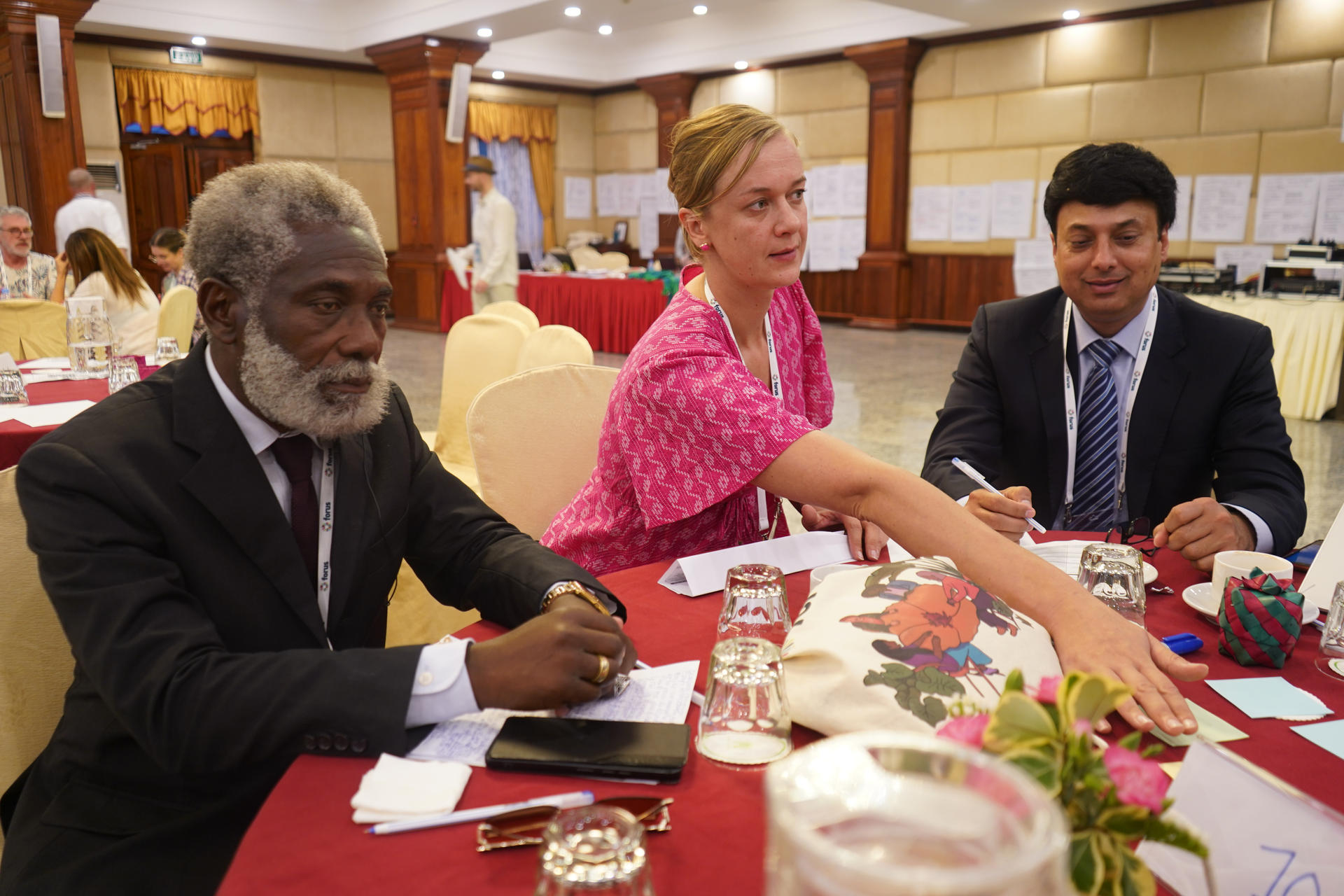
Tue 5 May 2026
Press Release - News
What to fund and what not to fund? For the second year in a row, aid and development financial support levels have fallen, with 2025 marking the biggest drop. Governments across Europe and beyond are tightening their budgets, often citing inflation, debt pressures, and shifting political priorities. Yet for NGOs and community partners, the consequences are immediate, structural, and in many cases, irreversible.
Mon 4 May 2020
Publications
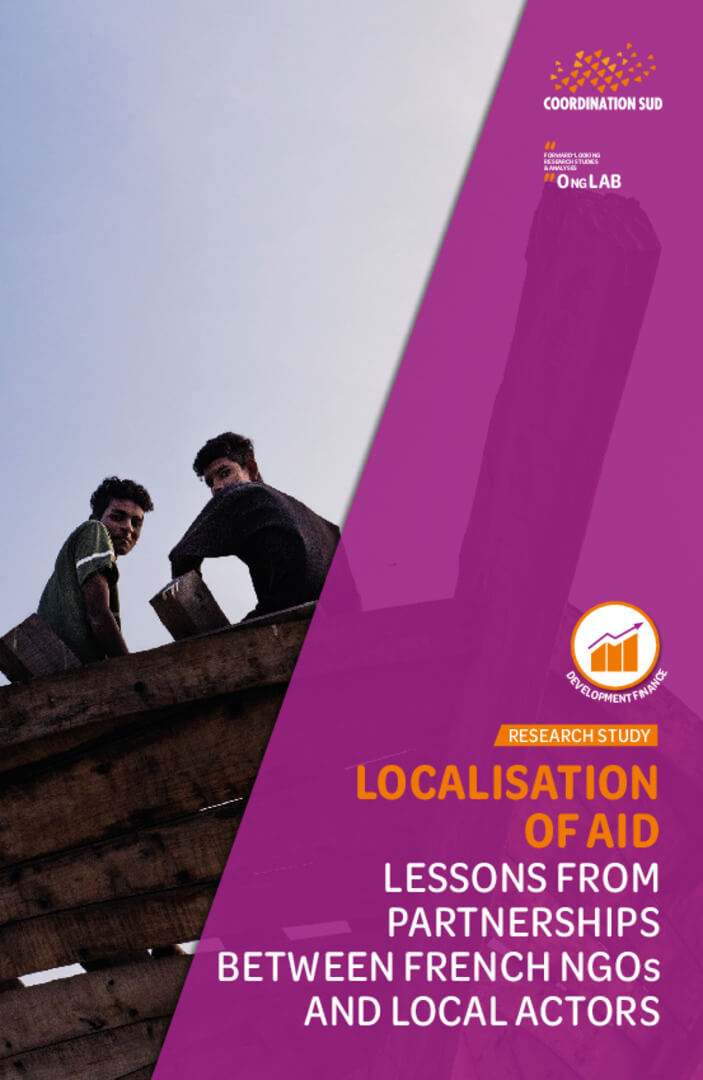
LOCALISATION OF AID, LESSONS FROM PARTNERSHIPS BETWEEN FRENCH NGOs AND LOCAL ACTORS (Resource of Coordination Sud, French member of Forus) Made with the support of Forus. This study seeks both to revisit the terms of this debate and to “test” localisation based on practices in the field. It queries the discrepancies that may exist between the debate on localisation and realities on the ground, and it questions the hypothesis that greater “proximity” of aid to the field of action increases the effectiveness of the projects carried out.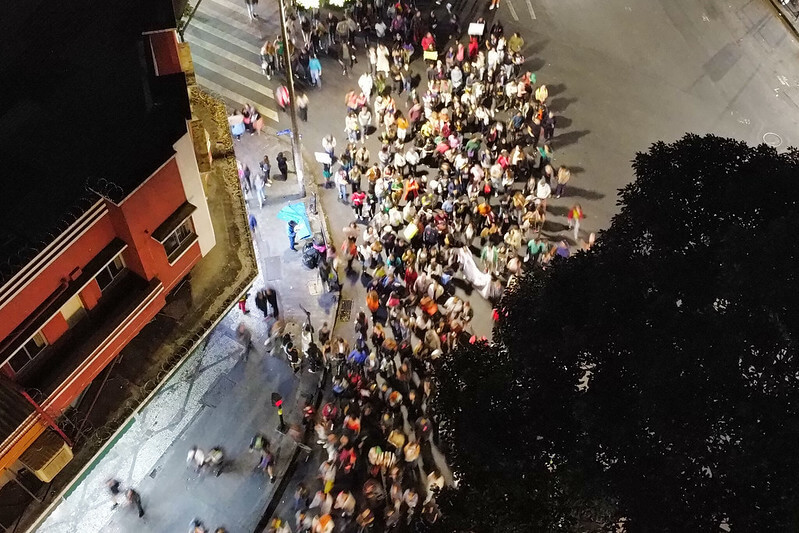
Mon 11 Nov 2024
News
Statement on recent trends in Official Development Assistance (ODA) budgets The implications of withdrawing from development finance commitments, particularly in politically sensitive contexts, must be carefully examined. It undermines not only development progress but also global peace, stability and cooperation.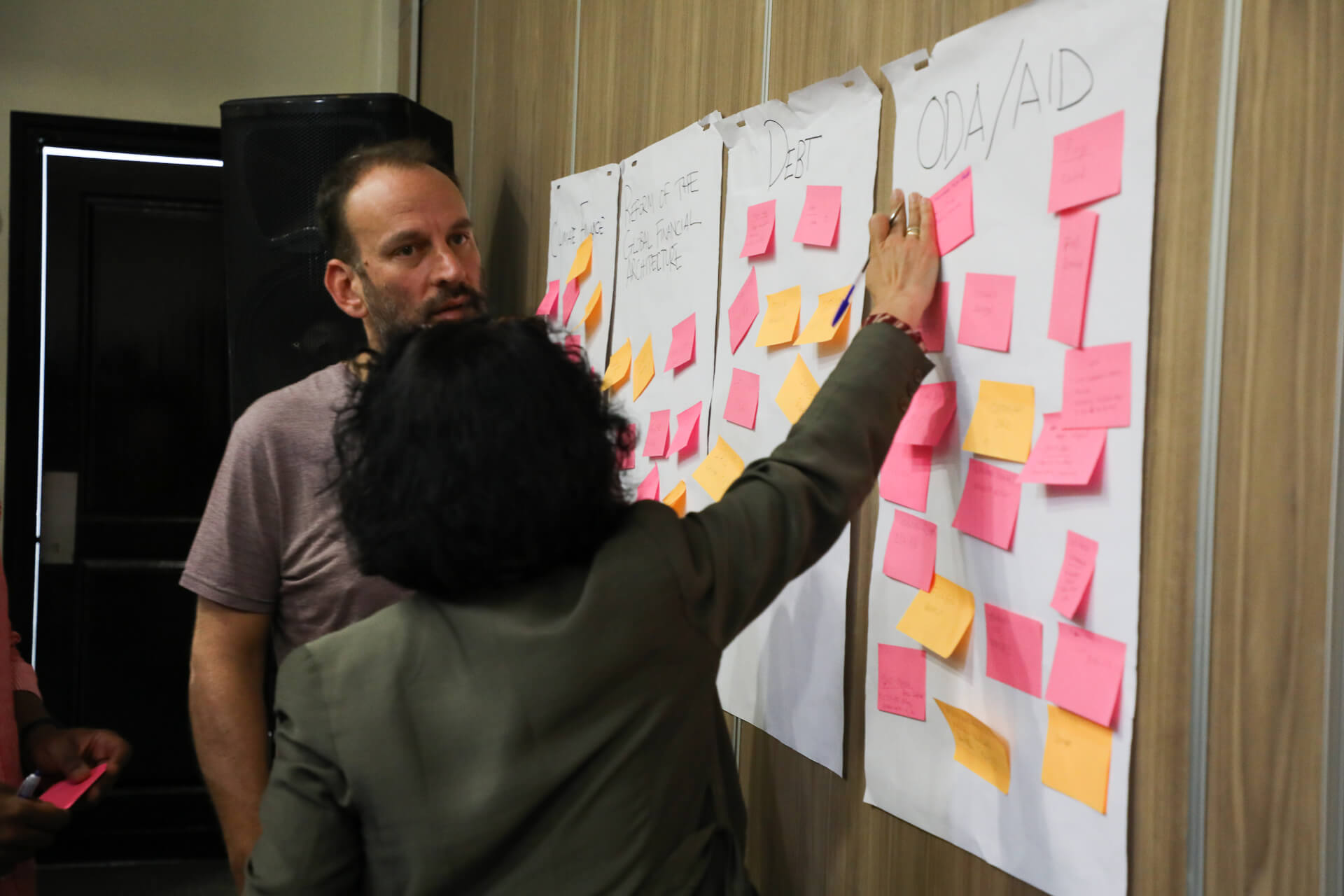
Mon 30 Sep 2024
News
Redefining and Enhancing the Quality of Official Development Assistance –ODA- for Sustainable Development Official Development Assistance (ODA or aid) continues to be a crucial source of financial support for many countries, as it helps fund the budgets that provide essential public services, particularly in least developed and low-income countries. Despite this, ODA must extend beyond traditional benchmarks and become more authentic in addressing the real needs of communities, particularly in the Global South.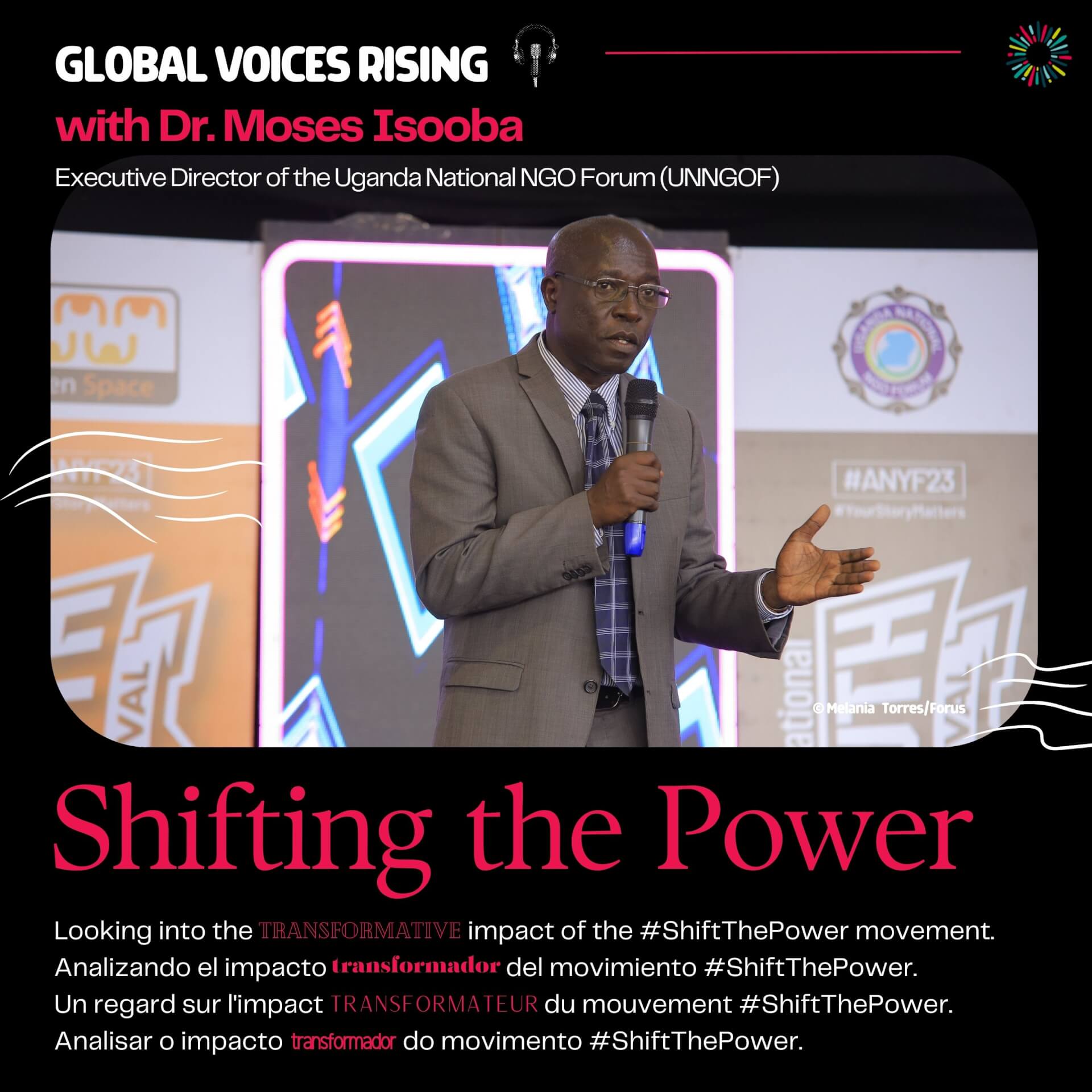
EN - Shifting the Power with Dr. Moses Isooba (Uganda)
Dr. Moses Isooba adds a wealth of experience our conversation around the #ShiftthePower movement. Dr. Isooba is the Executive Director of the Uganda National NGO Forum and an active member of the Re-Imagining INGOs (RINGO) Social Lab—reshaping the landscape of INGOs through disruption, innovation, and systematic thinking.
EN - Shifting the Power with Dr. Moses Isooba (Uganda)
ES - Sobre dinámicas de poder y transformaciones con Pina Huamán
Acompañándonos en este episodio está Josefina Huaman. Pina es secretaria ejecutiva de la Asociación Nacional de Centros de Investigación, Promoción y Desarrollo en Perú y secretaria Técnica de la La Mesa de Articulación de Asociaciones Nacionales y Redes de ONGs de América Latina y el Caribe que es un espacio de articulación de las ONG de la región. Hoy conversaremos con ella sobre el movimiento "Shift the Power" y las visiones para un cambio transformador.
With this initiative and the multimedia series "Shifting the Power – Global Voices Rising", we aim to look into the transformative impact of the #ShiftThePower movement.
We will look at the diverse interpretations of development shaped by unique contexts, how locally-led development grapples with bureaucratic barriers as well as visions for sustainable development involving changing entrenched systems, leveraging equal partnerships and demanding conversations on power dynamics. What impact has the #ShiftThePower movement had on organizational strategies, particularly in terms of redefining roles and embracing local initiative? Our conversations will also highlight the critical learning moments in addressing systemic biases and leveraging failures and successes to reshape power dynamics. We'll delve into the evolving role of INGOs and look at how to prioritize community aspirations above conventional 'expert' cultures to ensure genuine representation and participation in development processes.
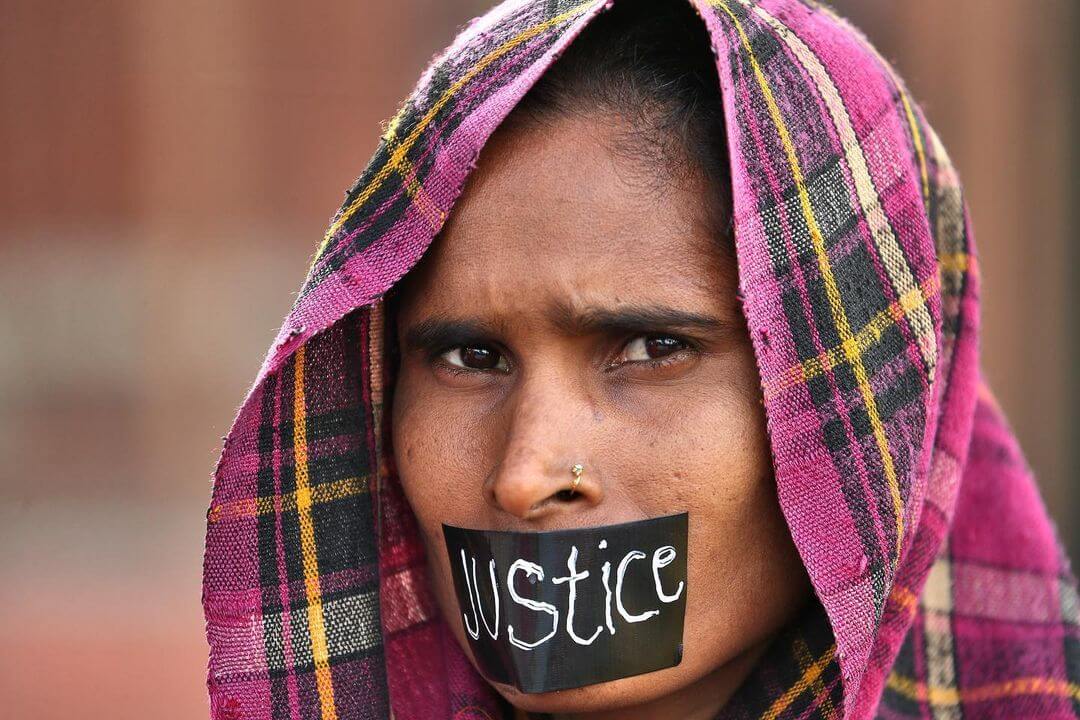
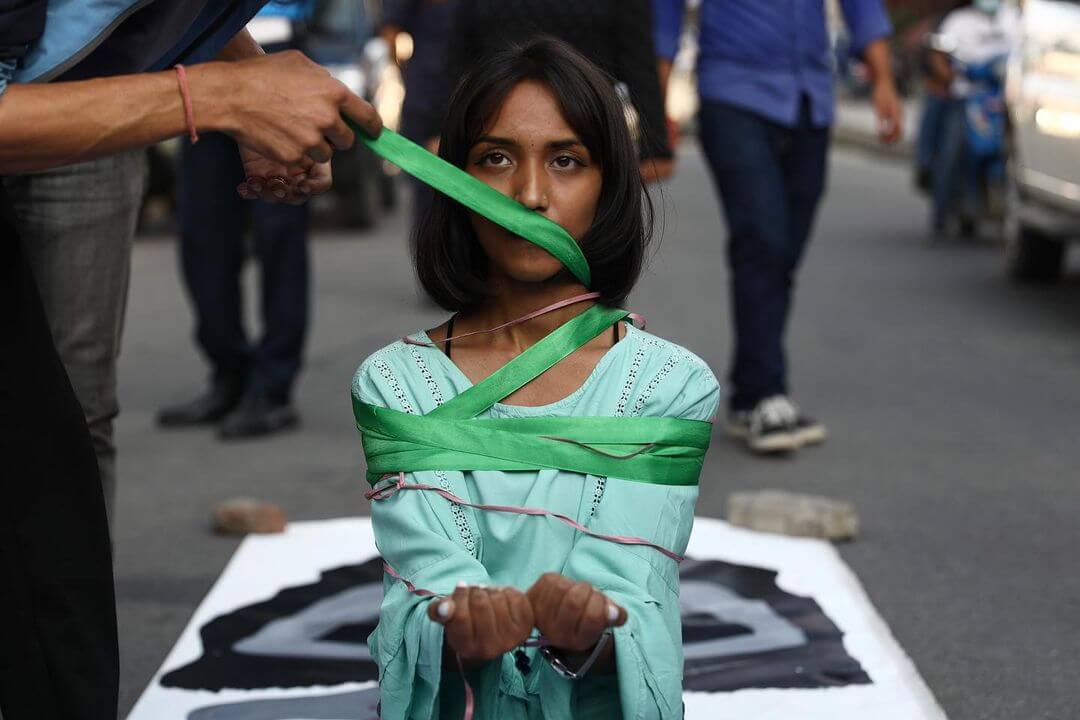
© Sanjog Manandhar
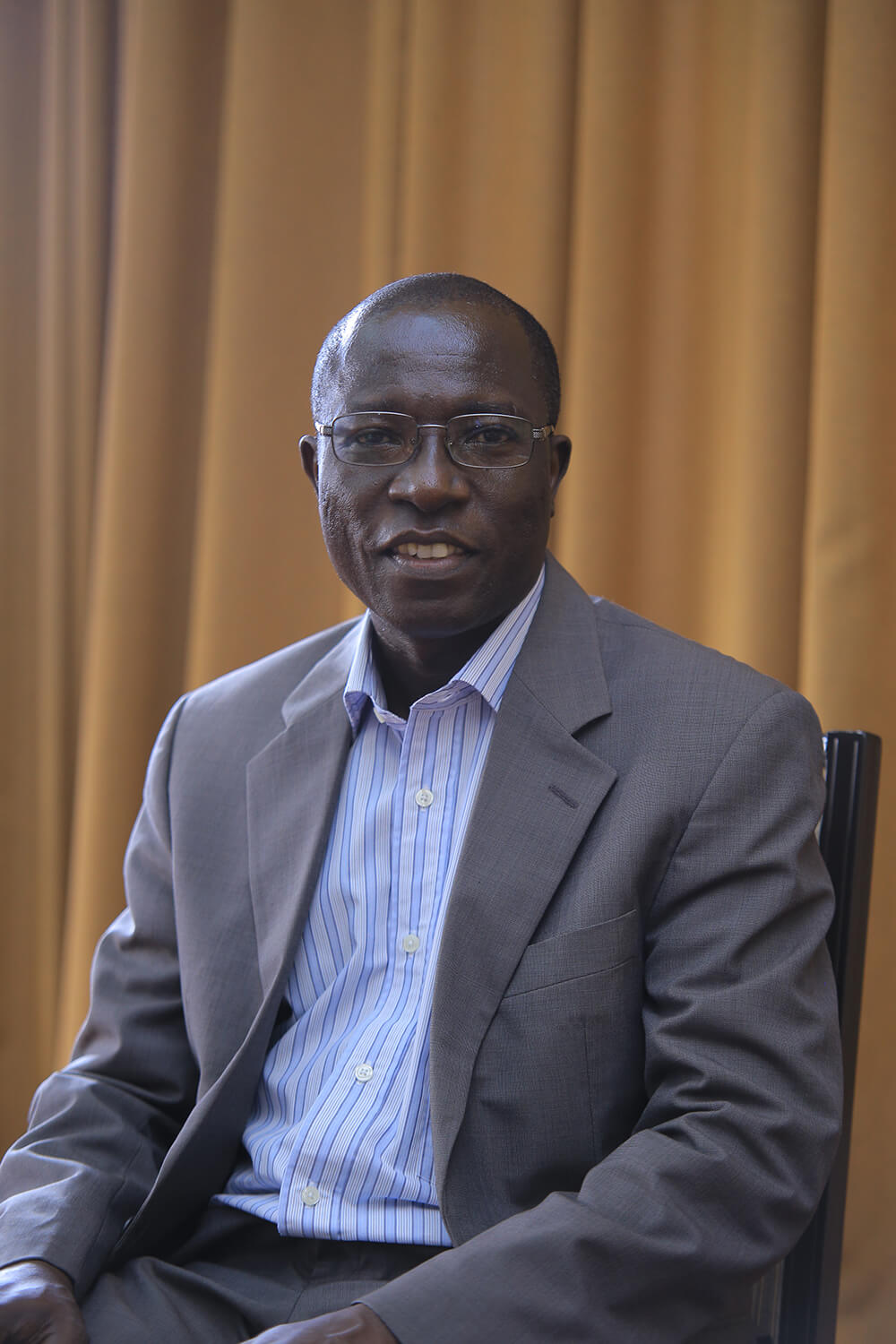
“Shifting the power is essentially a new form of organizing to challenge the dominance of “white saviourism” and its attendant effects” Moses Isooba, Executive Director, UNNGOF, Uganda.
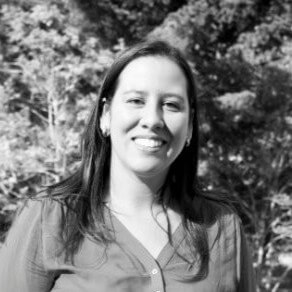
"CSO capacity strengthening makes CSOs even more capable of interacting with local power, able to switch between working with powerless communities and speaking to powerful ones, and to become a “must talk to” actor in development processes.” Lina Paola Lara Negrette, Ccong, Colombia.

"Recognizing and respecting, indigenous knowledge and capacities, especially the community trust and assets that southern civil society organisations bring to the table will enhance the north-south partnership now and in the future." Oyebisi Babatunde Oluseyi, Executive Director of NNNGO, Nigeria.
Wed 13 May 2026
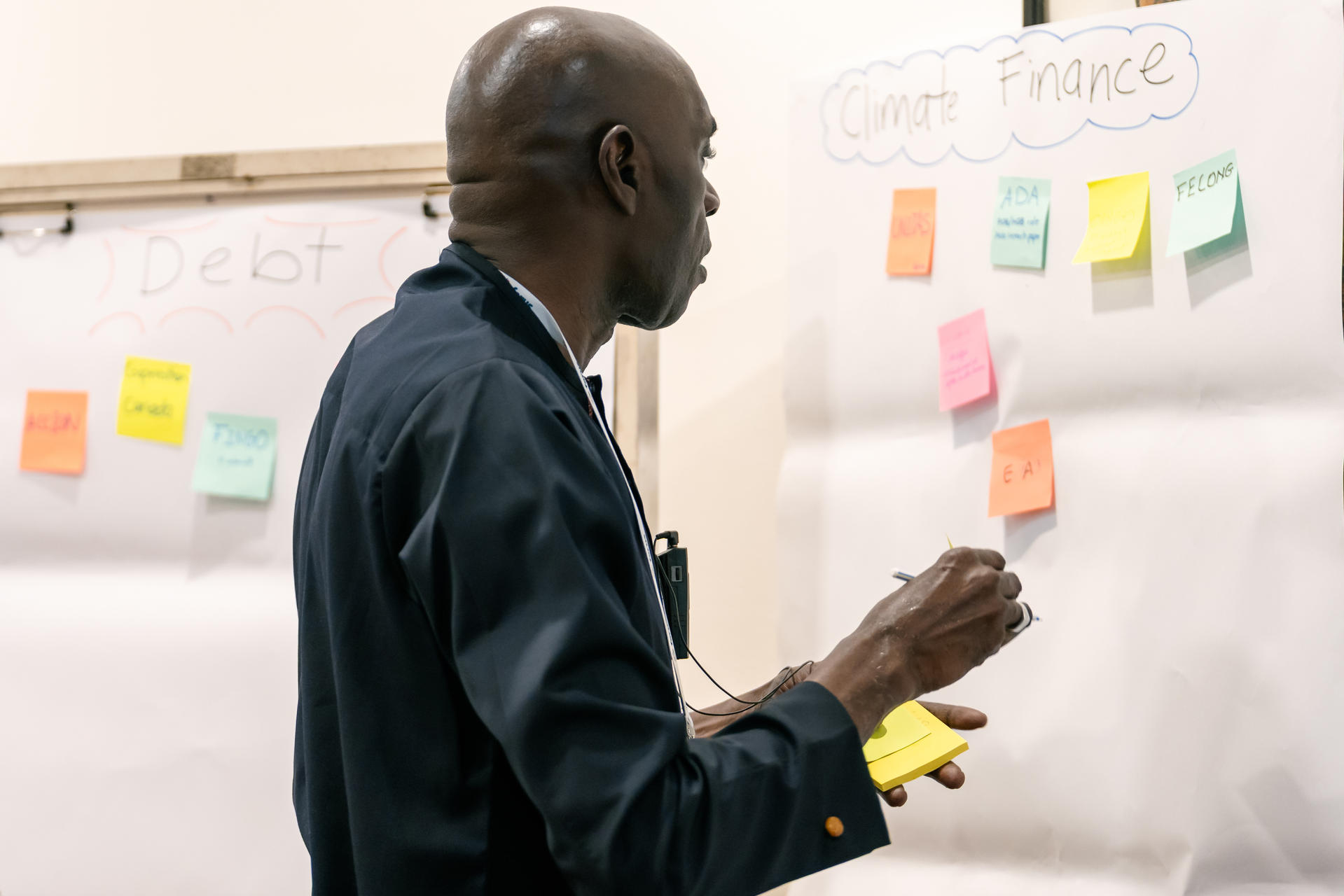
Stand with Civil Society InitiativeIn this time of crisis and opportunity, we call upon all funders and policymakers to engage in collective action that strengthens the resilience and effectiveness of local civil society through the following key actions.
Thu 17 Jul 2025
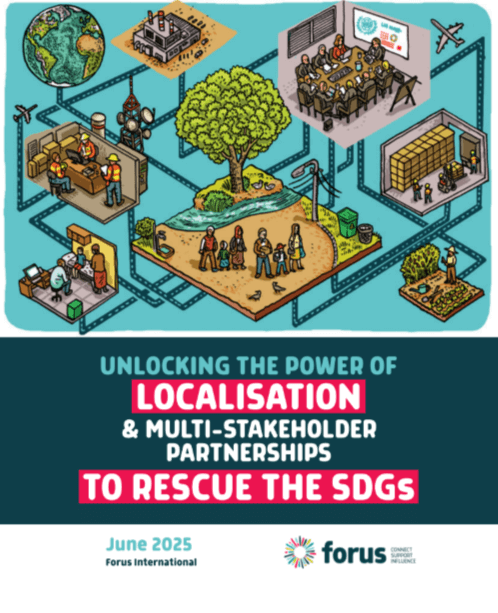
Unlocking the power of localisation and multi-stakeholder partnerships to rescue the SDGsDiscover 15+ powerful case studies from across five regions in the Forus network, showcasing how local communities are reshaping the path to achieving the Sustainable Development Goals (SDGs). This groundbreaking report offers practical strategies to reorient SDG implementation from the ground up — prioritising inclusive, locally driven, and community-owned approaches.
Fri 5 Dec 2025
Toolkit for tomorrow in action today - International Civil Society CentreReal-world examples of how organisations have used the Toolkit for tomorrow: Anticipating civil society futures to explore and shape their futures.
Wed 9 Oct 2024
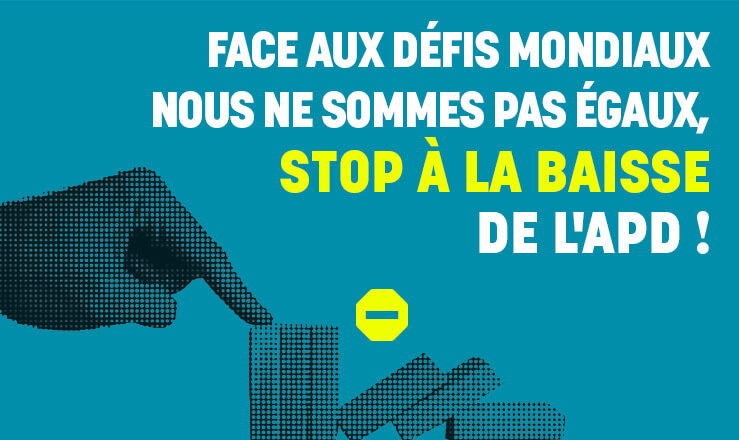
Solidarity under threat: French NGOs mobilise against new ODA cuts in the 2025 budgetWith just a few days to go before Parliament examines the 2025 Finance Bill, Coordination SUD is organising an information and discussion forum for NGOs and journalists on the government's plan to cut the Official Development Assistance (ODA) budget once again, threatening international solidarity initiatives and making the living conditions of the populations most vulnerable to crises, poverty, inequality and climate change more precarious.
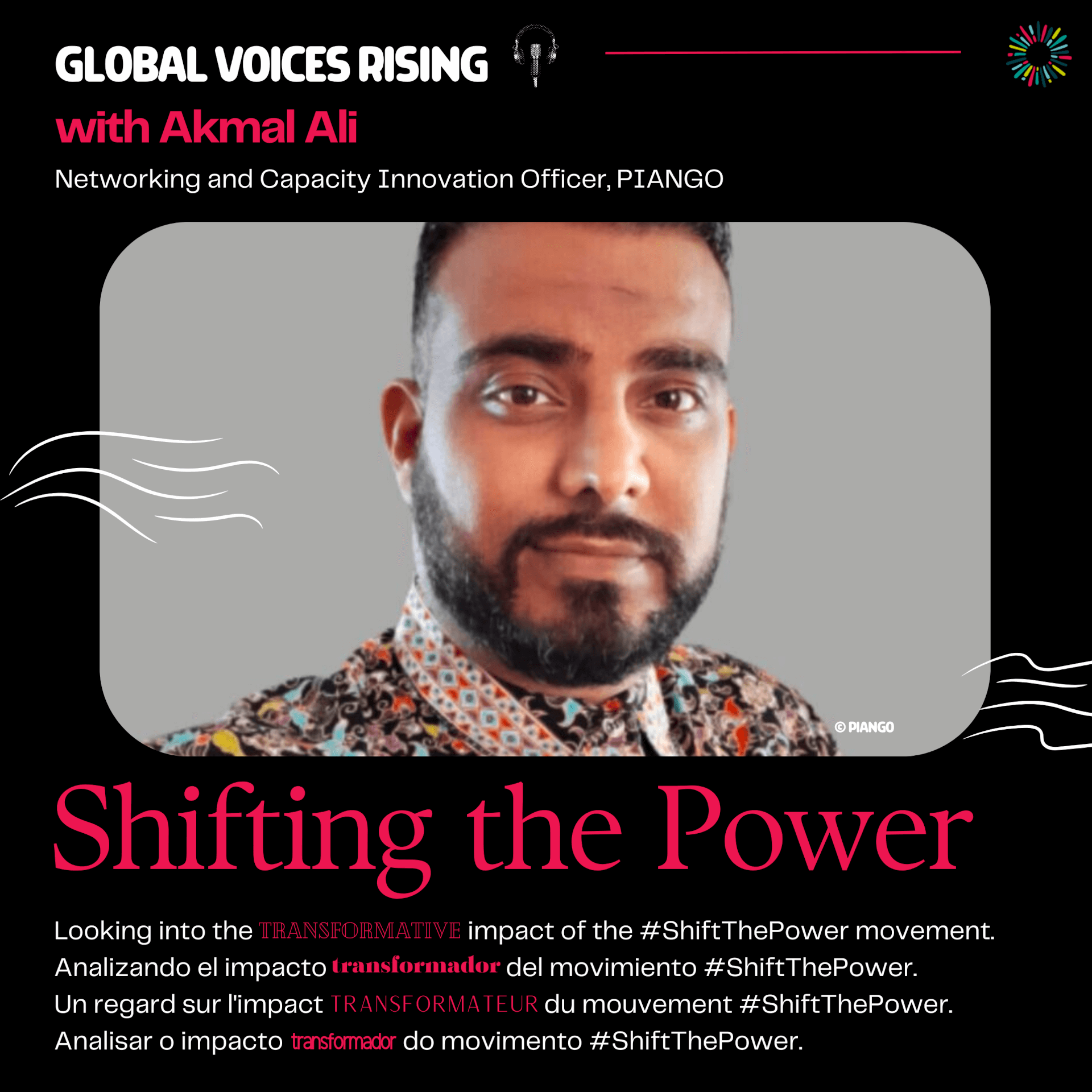
EN - On localisation and "being united" with Akmal Ali, PIANGO
In this episode, we're exploring localisation and power shifts with Akmal Ali, from Forus member PIANGO, that for over 30 years, has served the Pacific strengthening the capacity of NGOs and the civil society sector in the 24 Pacific countries and territories.
EN - On localisation and "being united" with Akmal Ali, PIANGO
EN - MAKAIA: How development can be shaped to fit different contexts
As part of our #Shiftthepower series, we are pleased to talk with Catalina Escobar, from Colombia, Co-founder and Strategy Director of MAKAIA, about the shift the power movement.
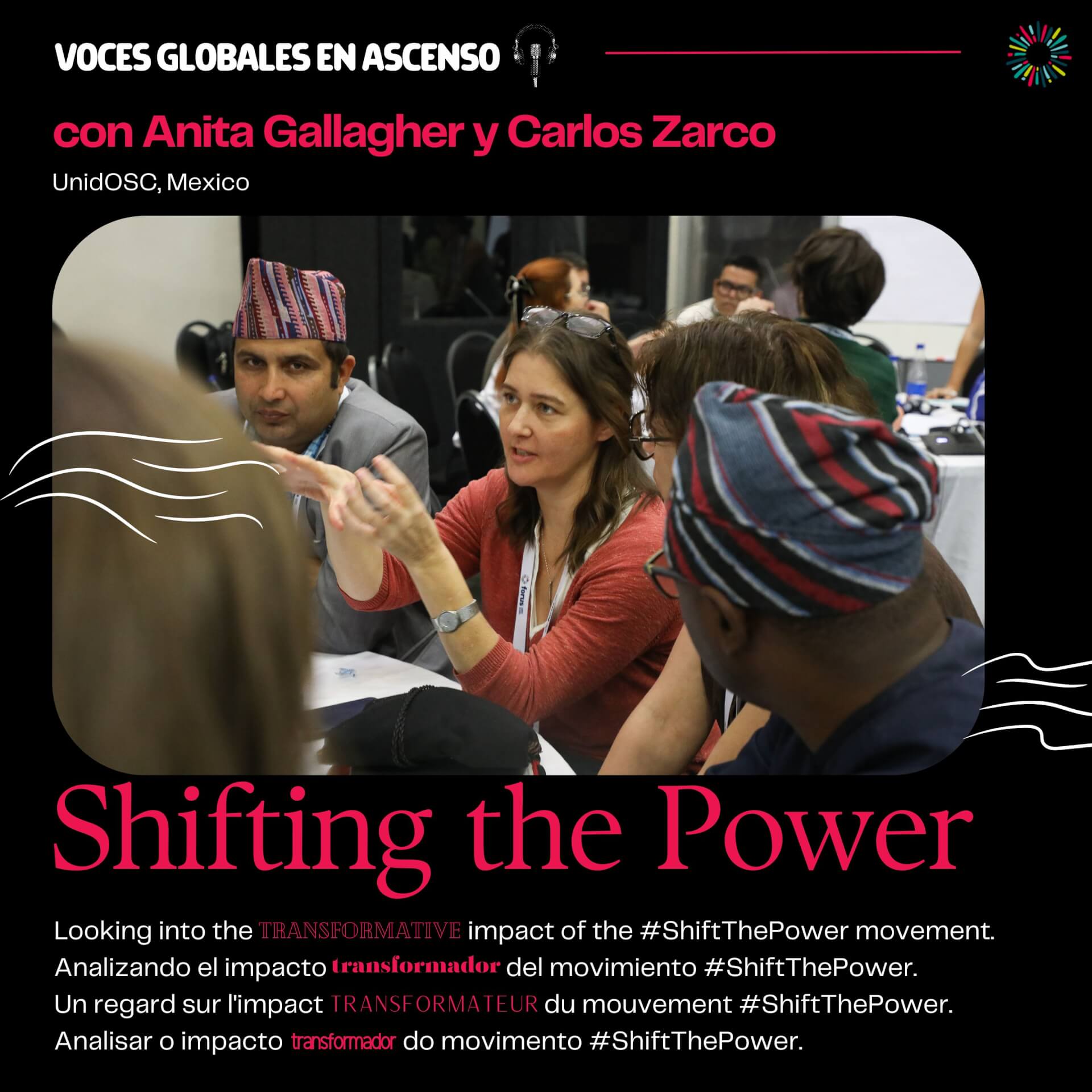
Transformando el Desarrollo con UnidOSC - Voces Globales en Ascenso
En este episodio contamos con la presencia de Anita Gallagher y Carlos Zarco, representantes de la red de sociedad civil en México, UnidOSC. Anita y Carlos están profundamente involucrados en la transformación del desarrollo y la redefinición del poder.
Transformando el Desarrollo con UnidOSC - Voces Globales en Ascenso
EN - Equitable partnerships with LOCALliance
Joining us for this podcast episode are three guests actively engaged in this work representing LOCALliance, a consortium working on localisation advocacy across multiple platforms. Welcome to Anaïs Tamani and Marie Berra from Coordination SUD and Abdulqawi Hajeb a leader in the localisation initiative and movement in Yemen.
The Forus network launched the report in 2023: "Sustainable Development by Shifting the Power: Capacity Strengthening of Civil Society as a Key Tool for the Implementation of SDG 17".
With a focus on changing power dynamics, ensuring localization, and decolonizing practices, the report underscores the pivotal role that civil society organizations can play in delivering the SDGs when appropriately supported. Developed collaboratively with 14 national and regional CSO platforms, this report provides an analysis of the transformative potential of capacity strengthening initiatives for civil society and a review of its representation in the 2022 Voluntary National Reports (VNRs). Voluntary National Review is a process through which countries assess and present national progress made in implementing the 2030 Agenda, including achieving its 17 Sustainable Development Goals (SDGs) and the pledge to leave no one behind.
Main messages
- Forus highlights the power of local ownership, participatory processes, and horizontal approaches in strengthening civil society. Forus recommends an inclusive and participatory approach to CSO capacity strengthening, CSOs must have autonomy and agency in shaping their own capacity strengthening initiatives.
- Improving VNR reporting on CSO capacity strengthening is crucial. Let's ensure transparency and accountability in supporting civil society organizations. Measuring progress in CSO capacity strengthening is key to achieving meaningful impact. Let's develop effective metrics and evaluation frameworks to track our collective efforts.
- Capacity strengthening can be a catalyst for localization, power shift, and decolonized approaches. Acknowledging power dynamics is crucial for effective capacity strengthening. Let's challenge existing structures and ensure equal representation and participation for all.
- Forus calls for stronger collaboration and partnership in strengthening CSOs. Together, we can create a more inclusive and effective civil society. Transforming funding systems for CSO capacity strengthening is essential. Let's advocate for sustainable and flexible funding mechanisms to support long-term impact.
Regional & National Approaches to civil society Capacity Strengthening
Discover an overview of various regional and national approaches to CSO capacity strengthening. These case studies offer a glimpse into the diverse landscapes and dynamics of CSO capacity strengthening efforts, underscoring the need for tailored approaches, multi-stakeholder collaboration, and sustainable resource allocation to CSOs due to their contributions to sustainable development agendas.
The development of this report and the case studies has been possible thanks to the valuable contributions of the members of the Forus Advisory Group on SDG 17 & CSO Capacity Strengthening. This Advisory Group included representatives from ABONG (Brazil), ADA (Asia), Alianza ONG (Dominican Republic), Bond (United Kingdom) CCONG (Colombia), Cooperation Canada (Canada), FINGO (Finland), InterAction (United States), LAPAS (Latvia), NFN (Nepal), NNNGO (Nigeria), PDA (Pakistan), PLATONG (Cape Verde) and UNNGOF (Uganda). We also thank the Forus Regional Coalitions (ADA, PIANGO, REPAOC, REPONGAC, SADC-CNGO, MESA) whose representatives have shared their insights during various discussions on CSO capacity strengthening.

Forus approach to capacity strenghtening
Forus adopts a collective learning approach to capacity strengthening of civil society organizations. Rather than a top-down approach, Forus values the expertise and knowledge of its members and acts as an enabler to facilitate learning and collaboration within the network. This approach includes guidance, workshops, peer support, and the exchange of information and resources. Forus conducts assessments to identify the specific capacity strengthening needs of its members and develops tailored strategies accordingly. Recognizing the diverse resources and needs among its members, Forus provides financial support as part of its capacity strengthening. By establishing partnerships with national platforms, Forus facilitates the implementation of concrete capacity strengthening projects aligned with the specific priorities and needs of its members. Joint projects are encouraged to strengthen connections, foster synergies, and promote mutual learning among members. Forus advocates for sustainable resources and improved funding schemes for CSO capacity strengthening at national and regional levels, aiming to strengthen civil society globally.
Why is Forus analysing the Voluntary National Reviews?
Forus focuses its analysis on examining how governments address CSO capacity strengthening in their VNRs. The goal is to identify the extent to which this important aspect is acknowledged or overlooked by the governments in their voluntary reports. By assessing the inclusion or exclusion of civil society capacity strengthening, Forus aims to provide valuable insights into the progress made and identify areas that require further attention. The objective is to offer observations and recommendations that can foster enhanced collaboration and effectiveness in achieving the Sustainable Development Goals.
Power Shift
In the international development sector, there is a growing recognition of the need for transformative reform in aid and development practices to address power imbalances and promote equitable outcomes. Unequal power dynamics perpetuate the perception that certain actors possess superior skills and resources while relegating others to passive recipients. Donors and international non-governmental organizations (INGOs) must reconceptualize their relationships with partners in the Global South valuing their knowledge and expertise and centering their voices in development initiatives. The report looks at a crucial aspect of this power shift which is fostering locally-led and locally-driven development, with communities having ownership over the development processes concerning them.
Decolonization
Decolonization challenges the colonial attitudes and inequalities that persist in language, thought, relationships, and social and economic structures. Development research highlights that colonialism has profoundly influenced the mindset of actors in the international cooperation sector. Genuine decolonization requires a fundamental shift in thinking, valuing the diversity of knowledge and supporting civil society organizations through capacity strengthening. Language, imagery, and compliance systems tied to funding also need to be decolonized. Current communication may reinforce stereotypes, and current compliance systems often burden Global South-based organizations because of their association with risk. This report looks at how recognizing the agency of local communities is vital for meaningful social change. Investment in organized civil society and its sustainability is crucial beyond isolated projects to foster broader social transformation.
01
The 2030 Agenda for Sustainable Development acknowledges the importance of capacity strengthening in achieving the SDGs, specifically highlighted in SDG 17 on Global Partnership and Means of Implementation. However, research conducted by Forus reveals that there is room for improvement at UN Member States level, in terms of the approaches adopted and the funding of capacity strengthening for and with civil society.
02
The report includes a review of existing literature on CSO capacity strengthening, localization, decolonization, and power dynamics between the Global South and the Global North, an analysis of the 2022 Voluntary National Reviews (VNRs) submitted by UN Member States to the High-Level Political Forum on Sustainable Development was also carried out.
03
The report includes inputs and advice gathered from the Forus Advisory Group on SDG 17 & CSO capacity strengthening.
04
Written accounts by national and regional CSO platforms provide concrete examples of and learning from civil society capacity strengthening initiatives and practices.