


2026-05-12
From commitment to practice: join the call to action on locally led development
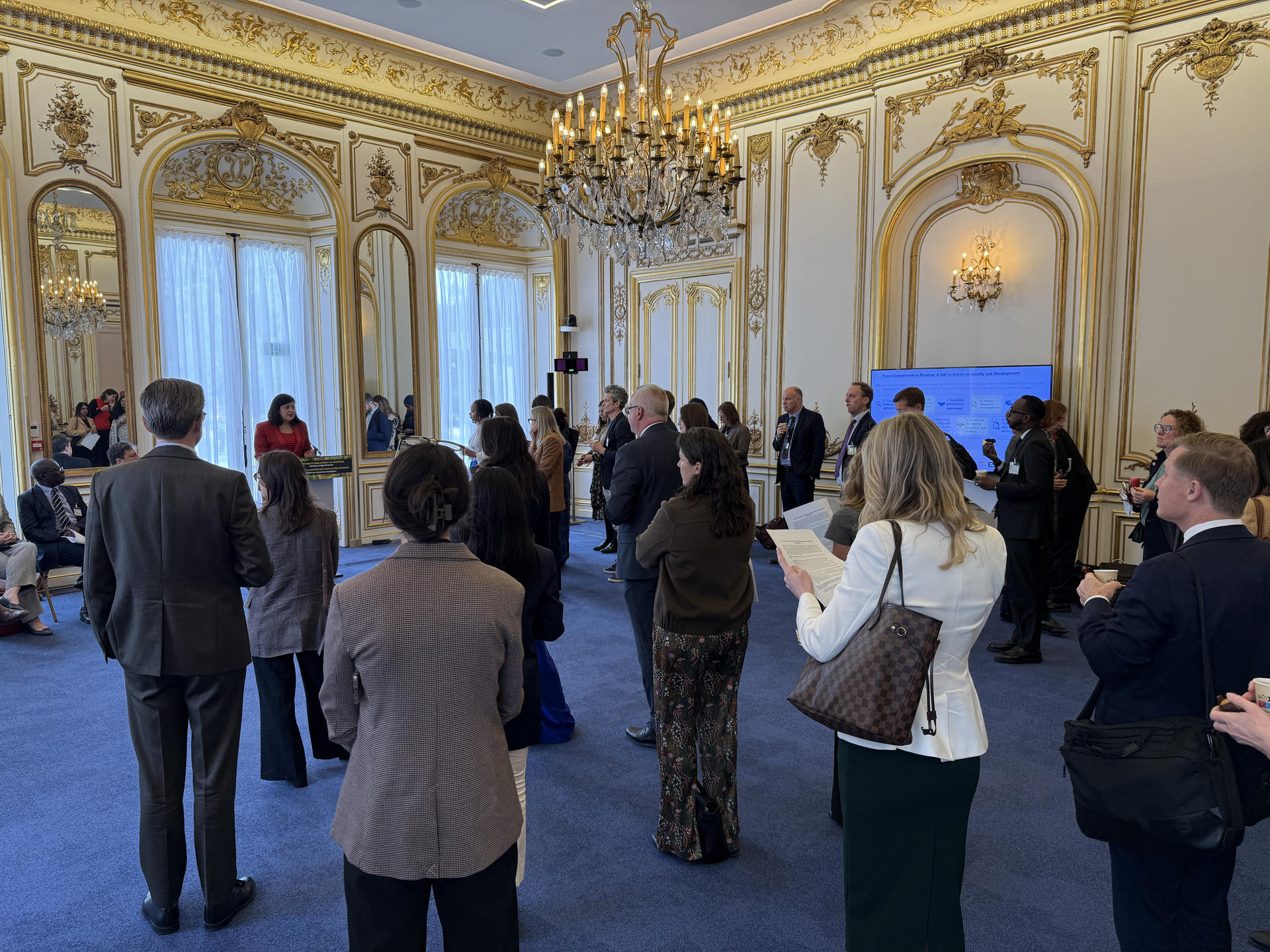
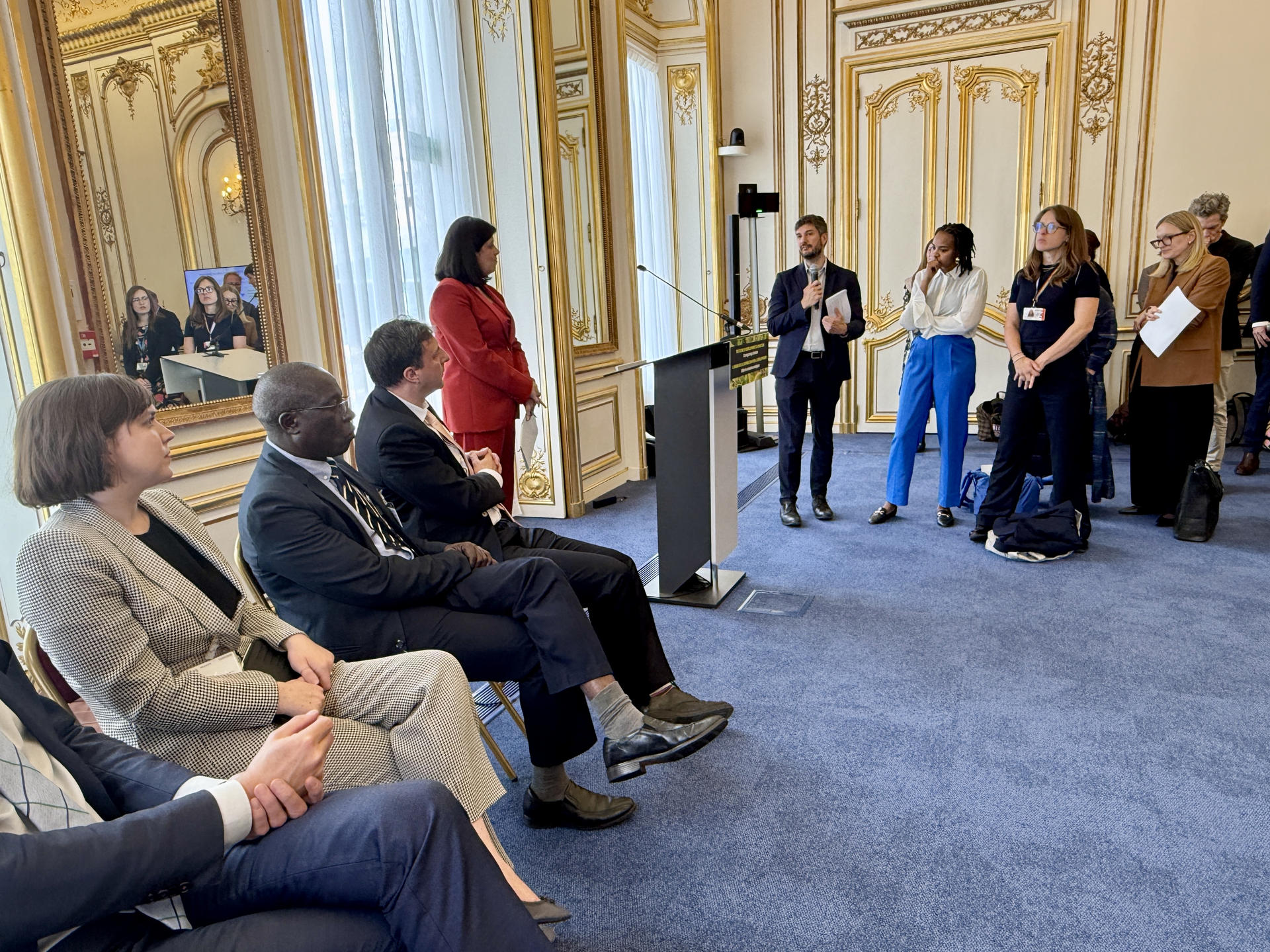
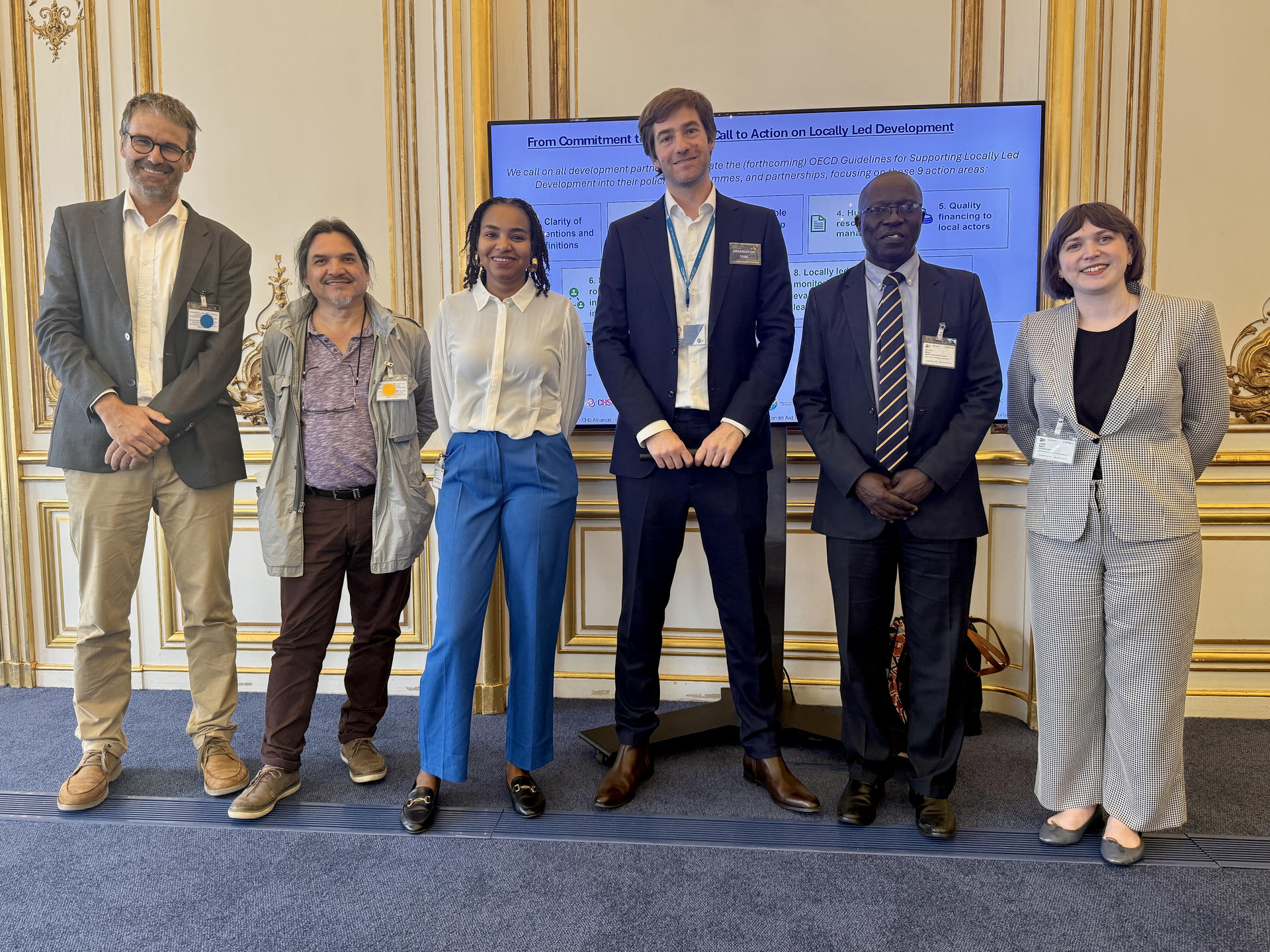
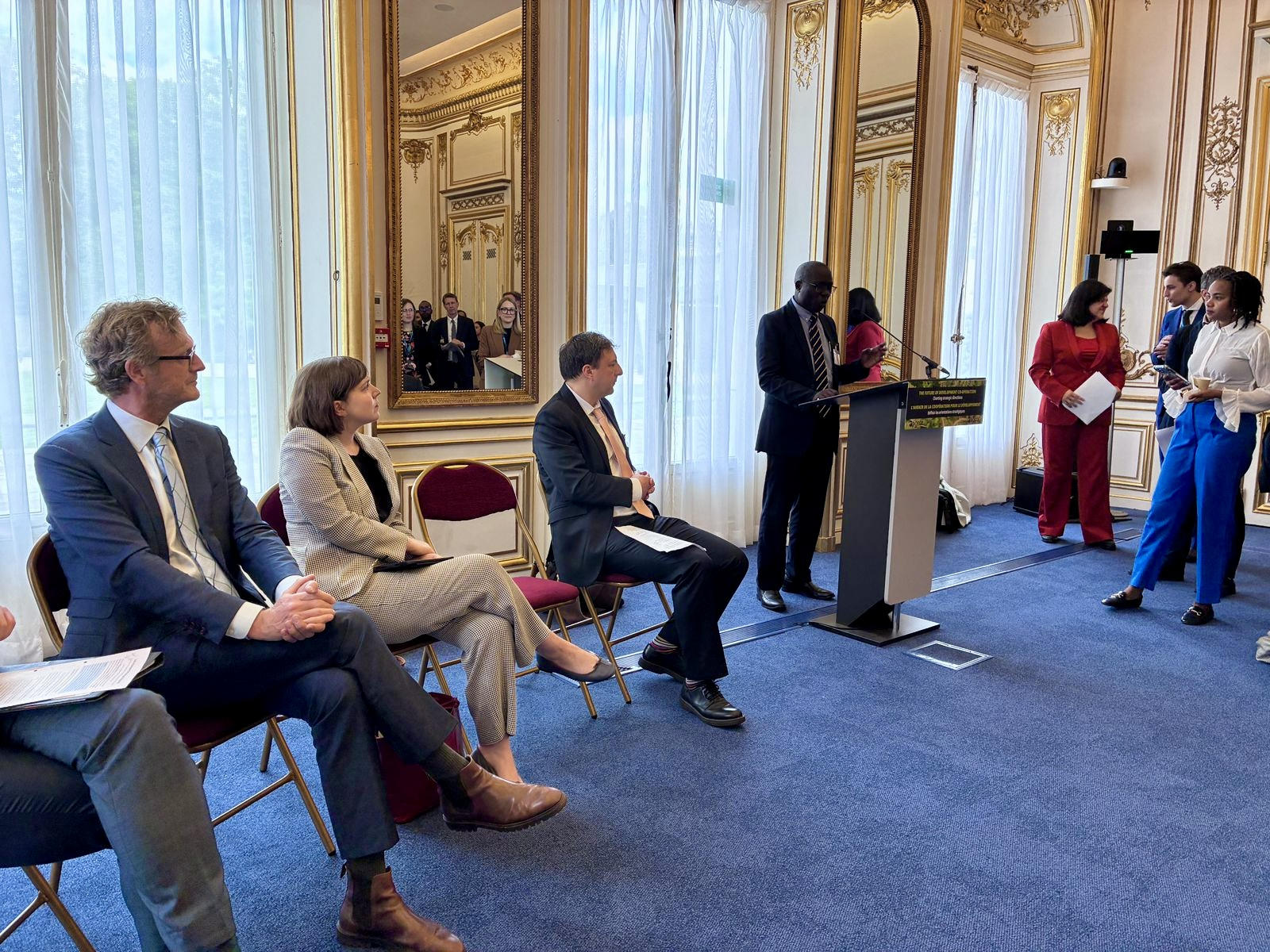
The OECD Call to Action on Locally Led Development launched today at The Future of Development Co-operation Charting strategic directions Summit in Paris — and Forus is proud to be an early endorser, alongside Peace Direct, participating governments, foundations, and other civil society networks.
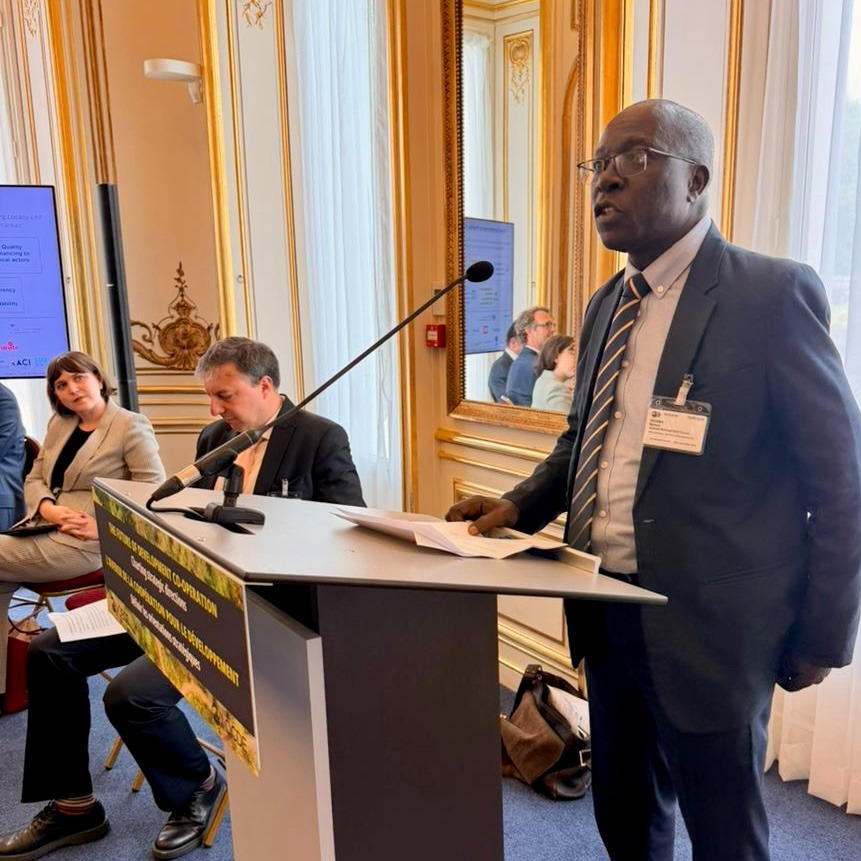
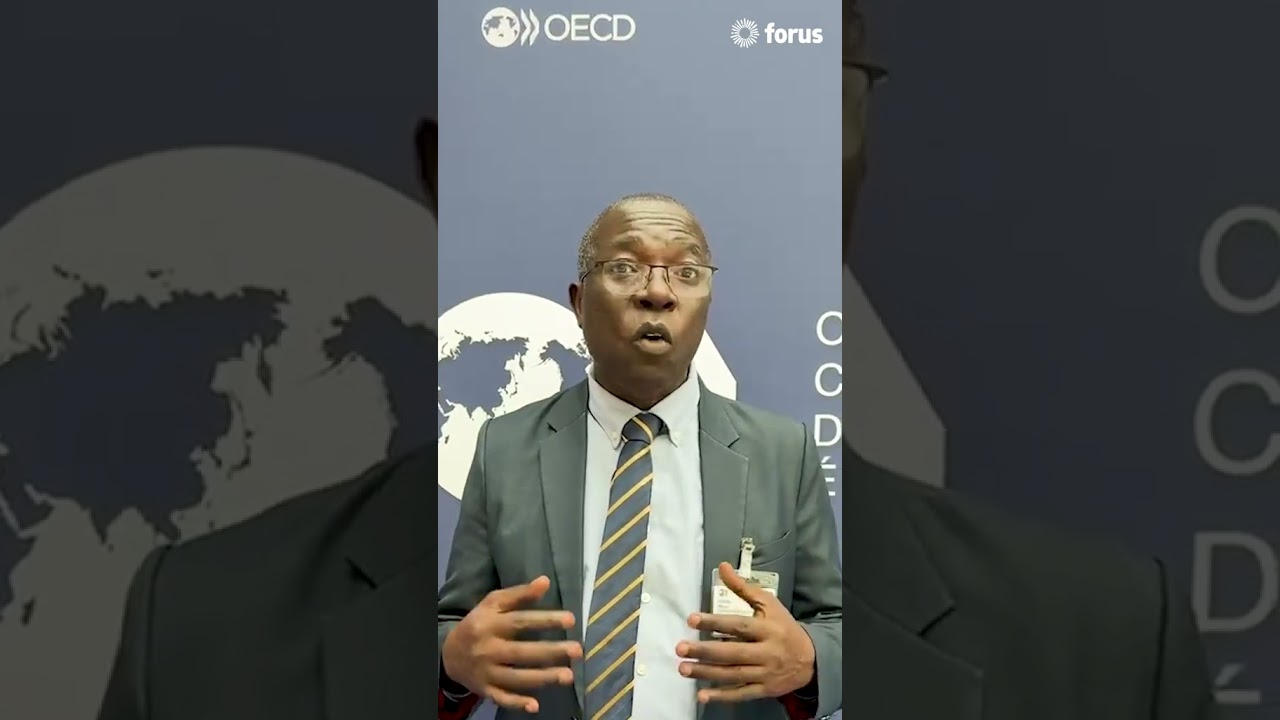
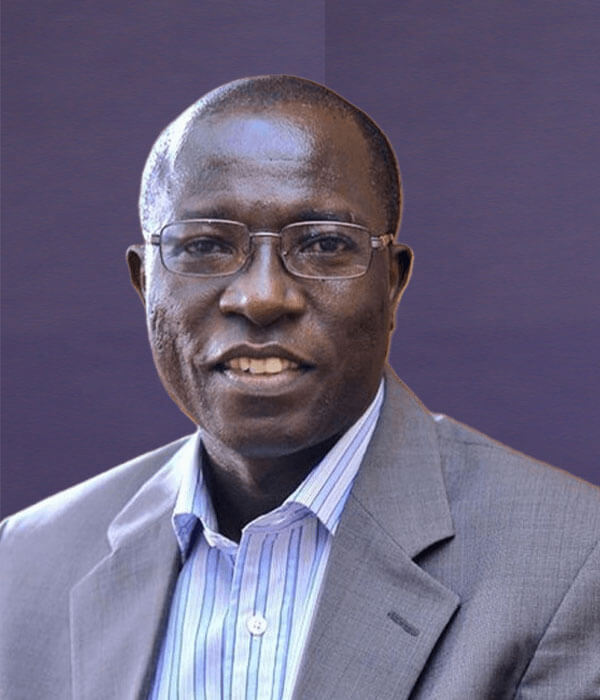
"The Call to Action gives us a practical way forward. It asks development partners to be clear about what they mean by locally led development, to invest in meaningful co-creation, to build equitable partnerships, and to provide long-term, predictable and flexible financing, including core support and overheads for local actors and networks,” Dr. Moses Isooba Forus co-chair and Executive Director of the Uganda National NGO Forum (UNNGOF) said during his speech at the event.
The Call to Action is about shifting power, funding, and decision-making to local actors, making partnerships equitable, accountable, and real.
The Context
The OECD Guidelines for Supporting Locally Led Development (LLD), which will be published on May 29, 2026, come at a time of unprecedented pressure on Official Development Assistance (ODA) than ever before. With a changing geopolitical, humanitarian and development landscape. With a shifting geopolitical, humanitarian, and development landscape, resources are shrinking, and sluggish progress towards many of the Sustainable Development Goals remains slow. There is a pressing need to build a fairer international and multilateral system.
At the same time, civic space restrictions are suffocating local actors. Communities cannot lead if they are restricted, criminalised, underfunded, or excluded from decision-making.
“In this context, locally led development is not a “nice to have”; it cannot become another beautiful phrase in the development dictionary. We have had many words before — participation, ownership, partnership, localisation. But communities do not eat vocabulary. Communities need power, resources, trust, and space to shape their own future,” said Dr. Moses Isooba. “An enabling environment for civil society is not an accessory to locally led development. It is its foundation.”
That system must be fit for the future, align with the plans and priorities of local actors, advance equitable partnerships, and be rooted in trust, mutual accountability, and respect.
Will you join the call to action?
Created in partnership with the OECD, Peace Direct, governments, foundations, and civil society networks, the invitation is intended to inspire action at all levels of the global community – a meaningful recommitment to long-term, locally led development. In the call to action we find the need for co-creation, equitable partnerships, quality financing, risk sharing, and supporting an enabling environment for civil society.
For decades, development efforts have often been shaped far from the communities they aim to serve. Yet when local actors lead the way, communities define their own priorities, solutions are designed and rooted in local realities, and success is measured on local terms; the impact of development looks very different. This is something we can all achieve together.
“Power moves when three things change: who decides, who holds resources, and who defines success. If these three things do not change, then we are not shifting power. We are only rearranging the furniture,” Dr. Isooba said.
In fact, this shift is already underway in many places. The Forus report, Unlocking the Power of Localisation and Multi-Stakeholder Partnerships to Rescue the SDGs, launched during the 2025 High- Political Forum, draws on 15+ real-world case studies from across Africa, Asia, Latin America, the Pacific, and Europe. It demonstrates the transformative potential of localisation and equitable partnerships, showing how local actors, when adequately resourced and empowered, are reshaping development practices and delivering tangible SDG outcomes.
Over several years, the Forus network has been mobilising to shed a light on the diverse interpretations of development shaped by unique contexts, showing how locally-led development can change entrenched systems, leveraging equal partnerships and demanding conversations on power dynamics. Our network has addressed critical learning moments in addressing systemic biases and leveraging failures and successes to reshape development.
Real progress now depends on the willingness of governments, donors, foundations, and civil society organizations to work together in rethinking how development is funded, supported, and sustained.
The invitation is open: it's time to move from commitment to practice. Sign up here to join the Call to Action and help shape the future of locally led development.
"Today, our call is simple: let us stop polishing the language of partnership and start changing the rules of partnership.
Move from control to trust.
Move from risk transfer to risk sharing.
Move from beneficiaries to co-investors.
Move from intermediated aid to locally led cooperation.
Move from promises to practice." - Dr. Moses Isooba.