
©Forus
Influence

Inclusive Governance and Citizen Participation
Forus recognizes the crucial role that inclusive governance plays in ensuring transparency, accountability, and the protection of human rights.
Inclusive Governance
Our Work
Inclusive governance and meaningful citizen participation are fundamental to building democratic societies and achieving sustainable development. However, across the globe, citizens face barriers to participating in decision-making processes that affect their lives. These barriers include restrictive laws, limited access to information, exclusionary practices, and the shrinking of civic space. Our work focuses on strengthening the capacity of civil society organizations to engage in governance processes at all levels - especially for groups who have historically been marginalized.
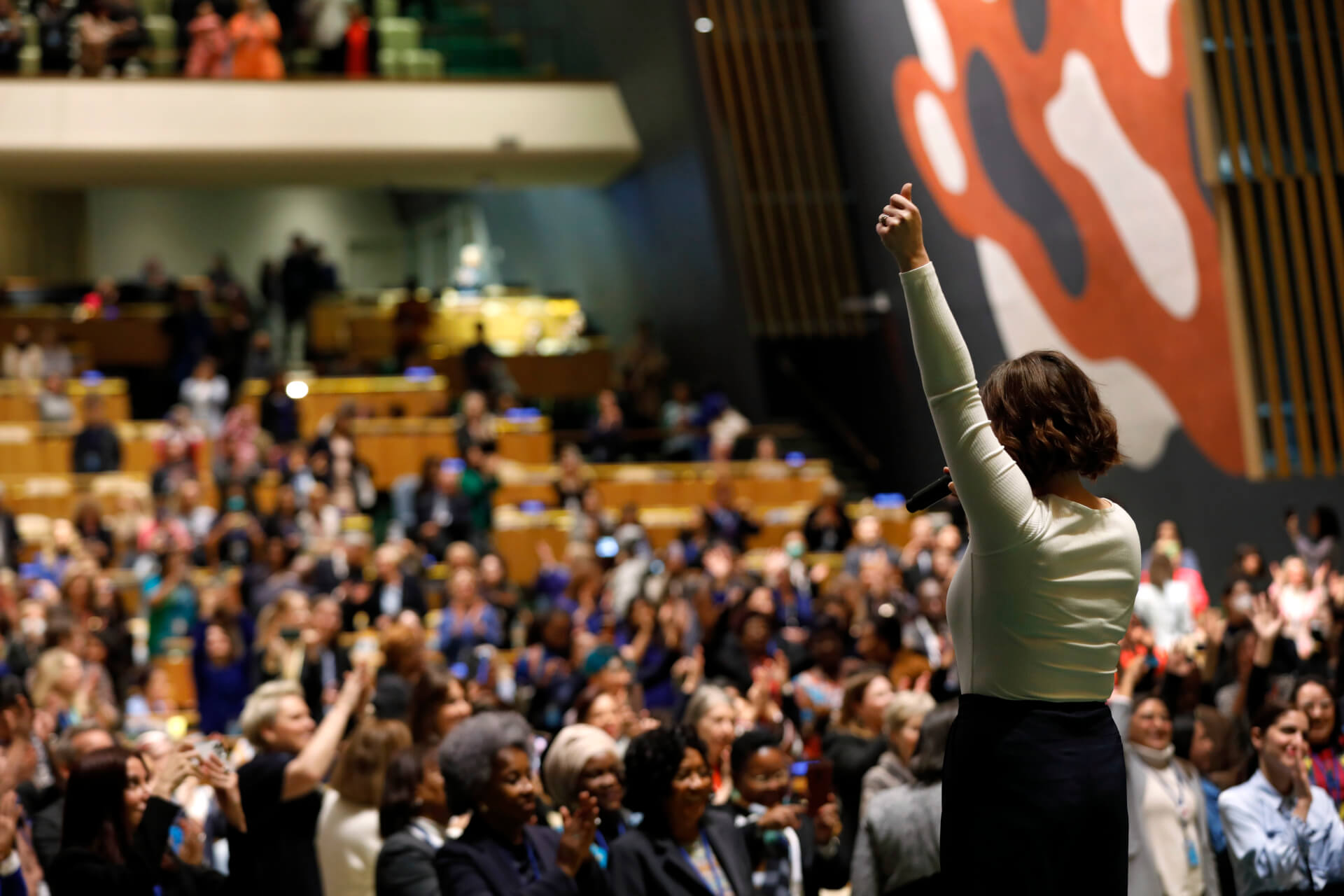
WHAT IS OUR APPROACH?
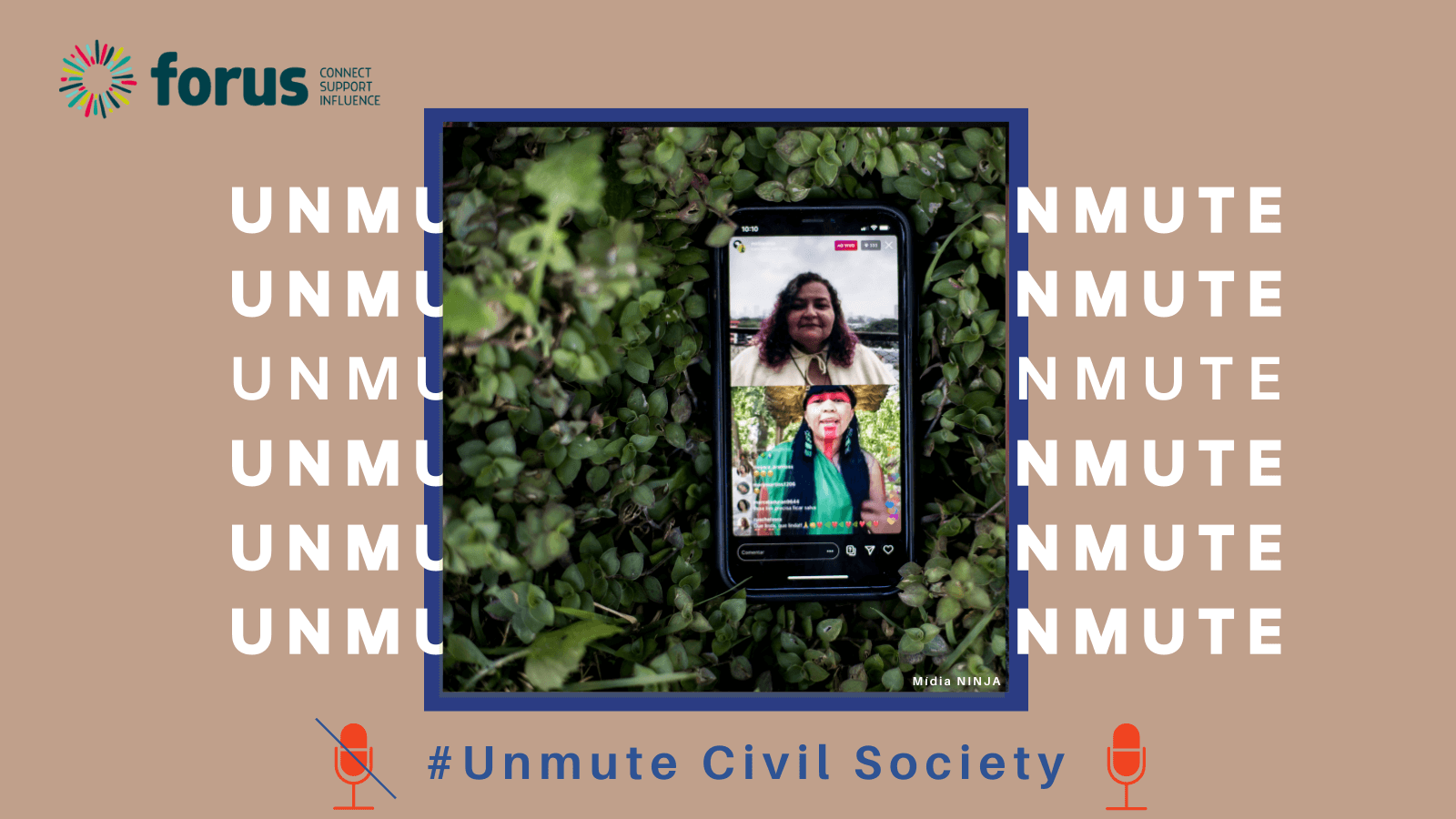
- Advocacy for Inclusive Governance: Forus advocates in internal, regional and national forums, for governance frameworks that are transparent, accountable, and inclusive, ensuring that all citizens, including underrepresented groups are supported in meaningfully participating. With The UNMute initiative Forus amplyfies civil society voices in global decision-making processes, particularly at the United Nations.
- Citizen Participation in Decision-Making: Forus supports initiatives that enhance citizen participation in governance, particularly in the context of sustainable development goals (SDGs) and other global commitments.
- Multistakeholder Partnerships: recognizing the importance of the importance of multi-stakeholder partnership and inclusive governance for the achievement of sustainable development, Forus emphasizes SDG 17 that focuses on partnerships for the goals.
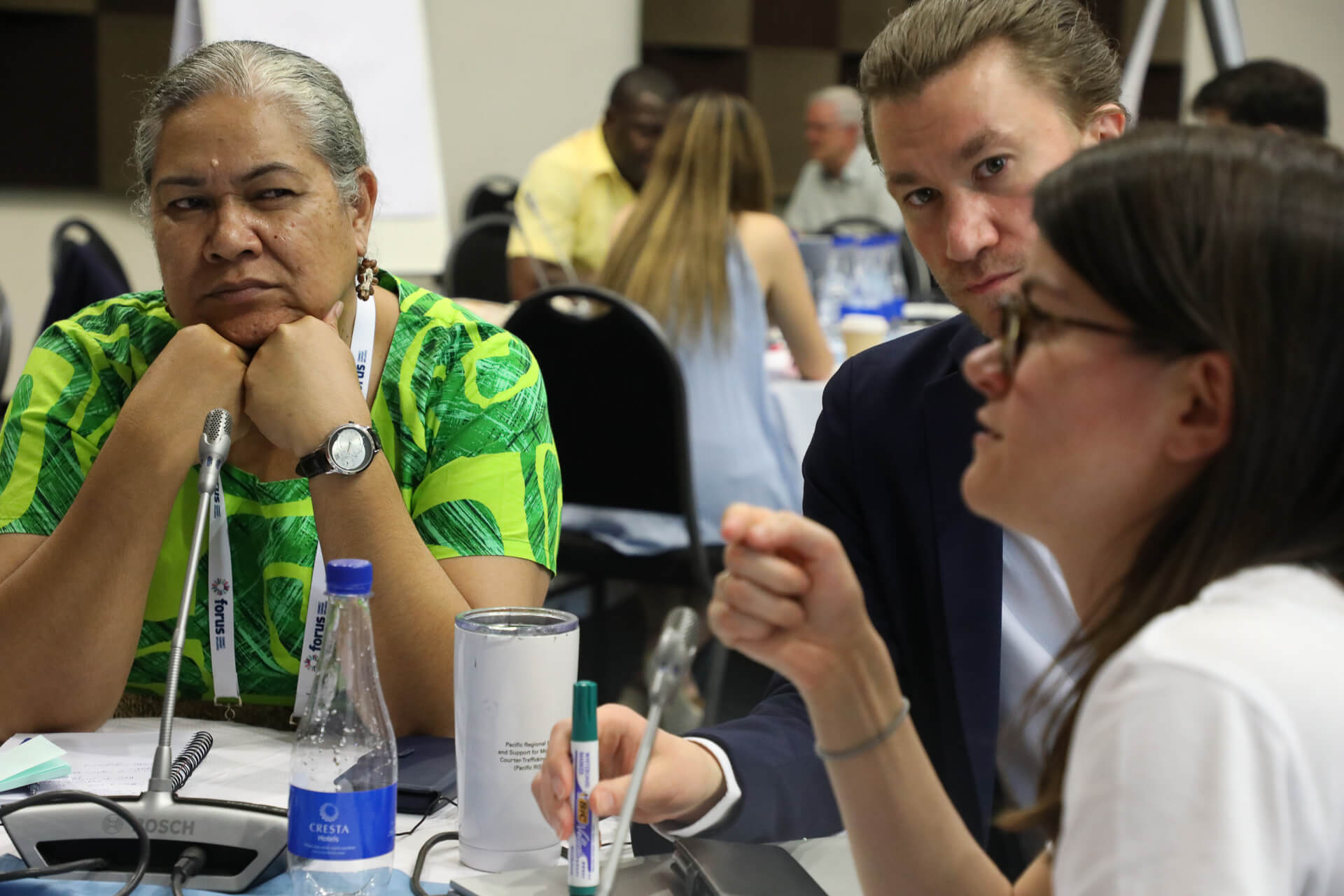
- Capacity Strengthening and Knowledge Sharing: Forus provides training, tools, and resources to its members and CSOs to strengthen their advocacy efforts and enhance their engagement with policymakers. We promote the exchange of best practices and experiences among our members addressing common challenges.
©Forus
Mon 8 Jul 2024
Press Release - New Forus report looks at inclusive governance for peaceful societies Forus releases its new report "Rebuilding Trust for Inclusive Governance: Unlocking SDG 16 for Peaceful Societies." With over 40 examples from across the globe, the report investigates the current state of SDG 16 and provides recommendations for its implementation.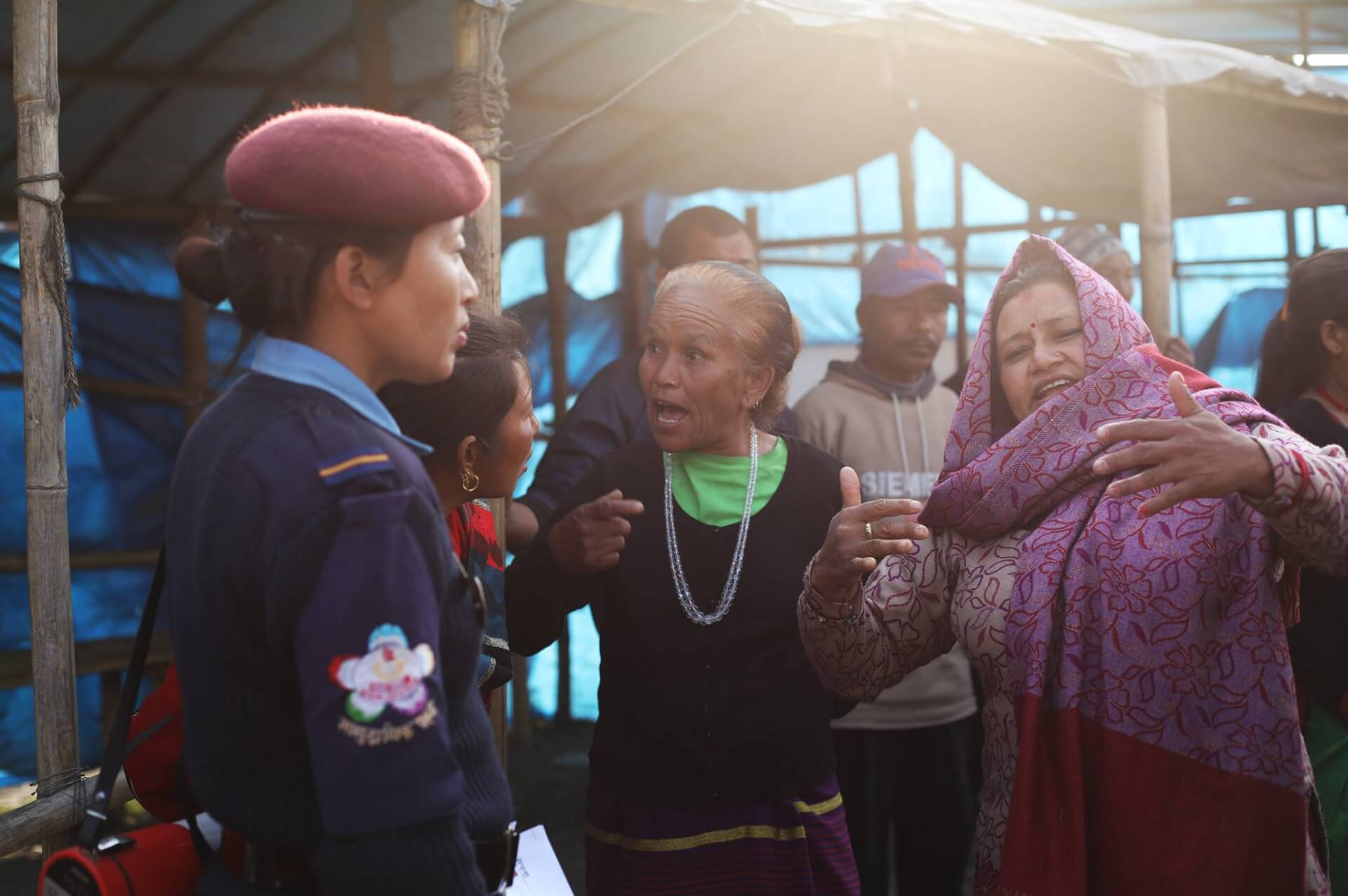
Tue 28 Nov 2023
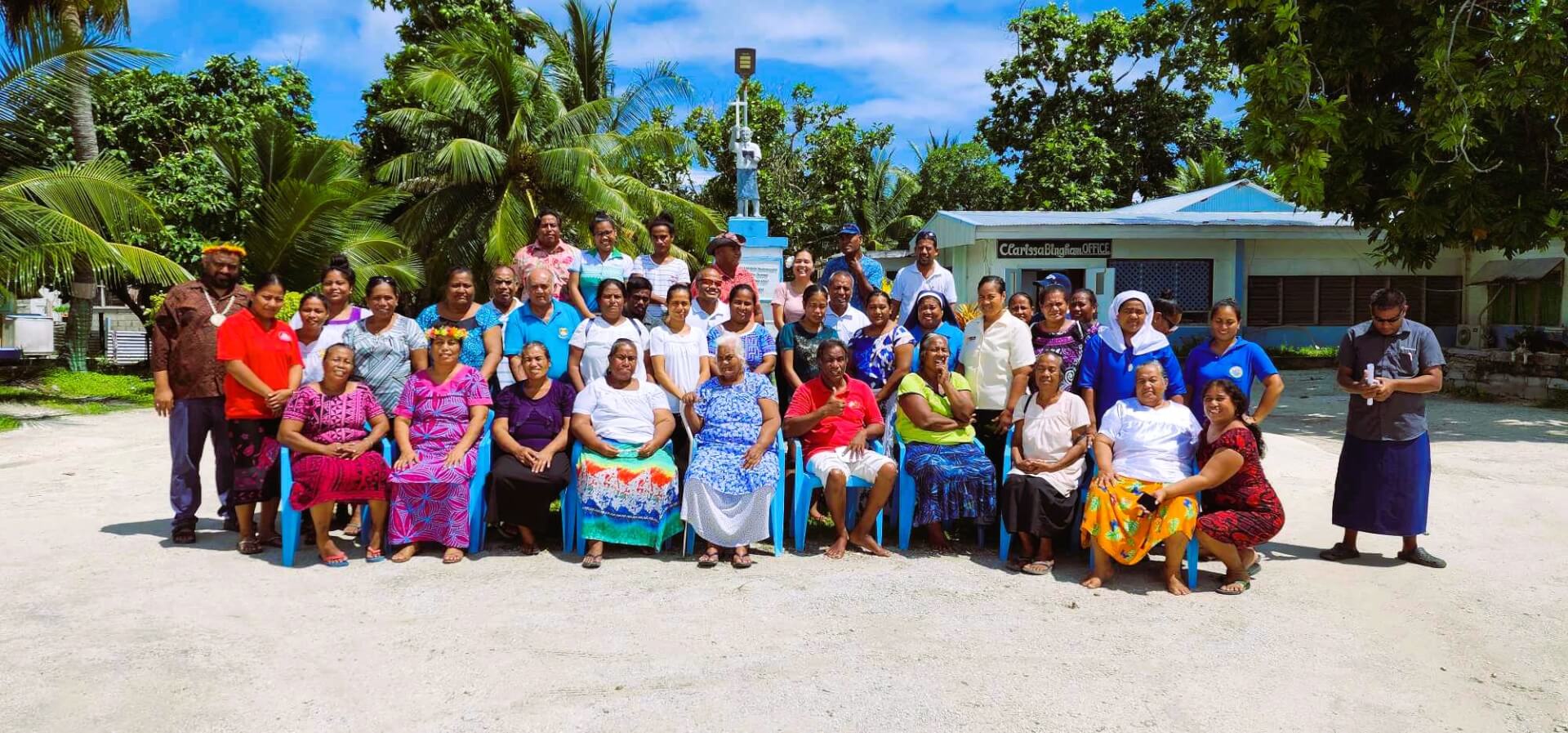
CONTEXTUALIZING ‘GOOD GOVERNANCE’ THROUGH AN I-KIRIBATI PERSPECTIVE Sustainable practices help strengthen community bonds, advance the quality of life and offer hope for a better future. Environmentally, sustainable practices help protect natural resources, mitigate and adapt to Climate Change and promote biodiversity, which is significant and of great value in the Kiribati context.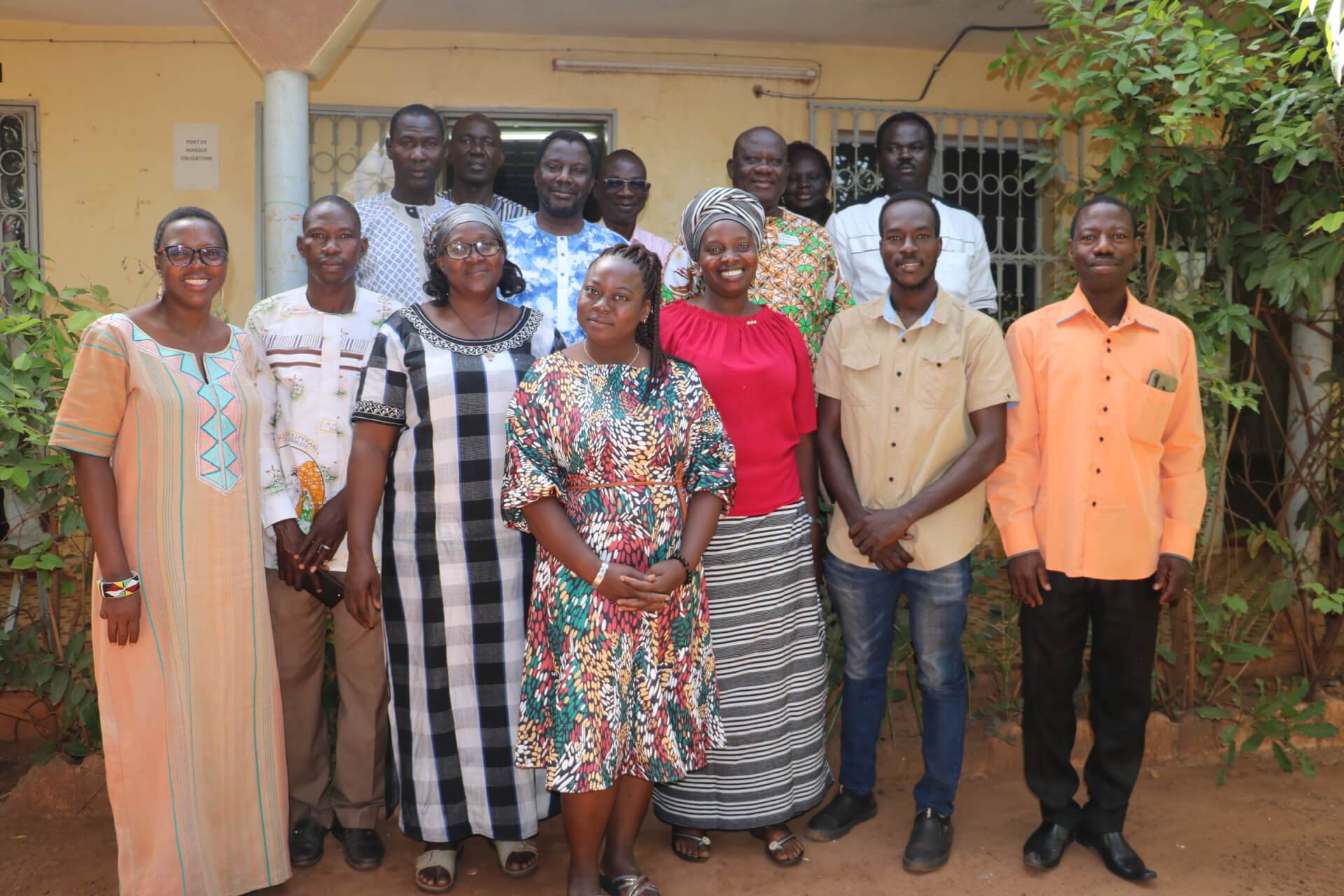
Tue 29 Nov 2022
Governance and citizen monitoring of public policies: members of SPONG regional coordination units at the school of advocacy SPONG within the framework of the project aimed at strengthening the regional structuring of the organization, supported by Forus in collaboration with the French Development Agency, organized two training workshops for members of the coordination units of the Centre, West and North regions.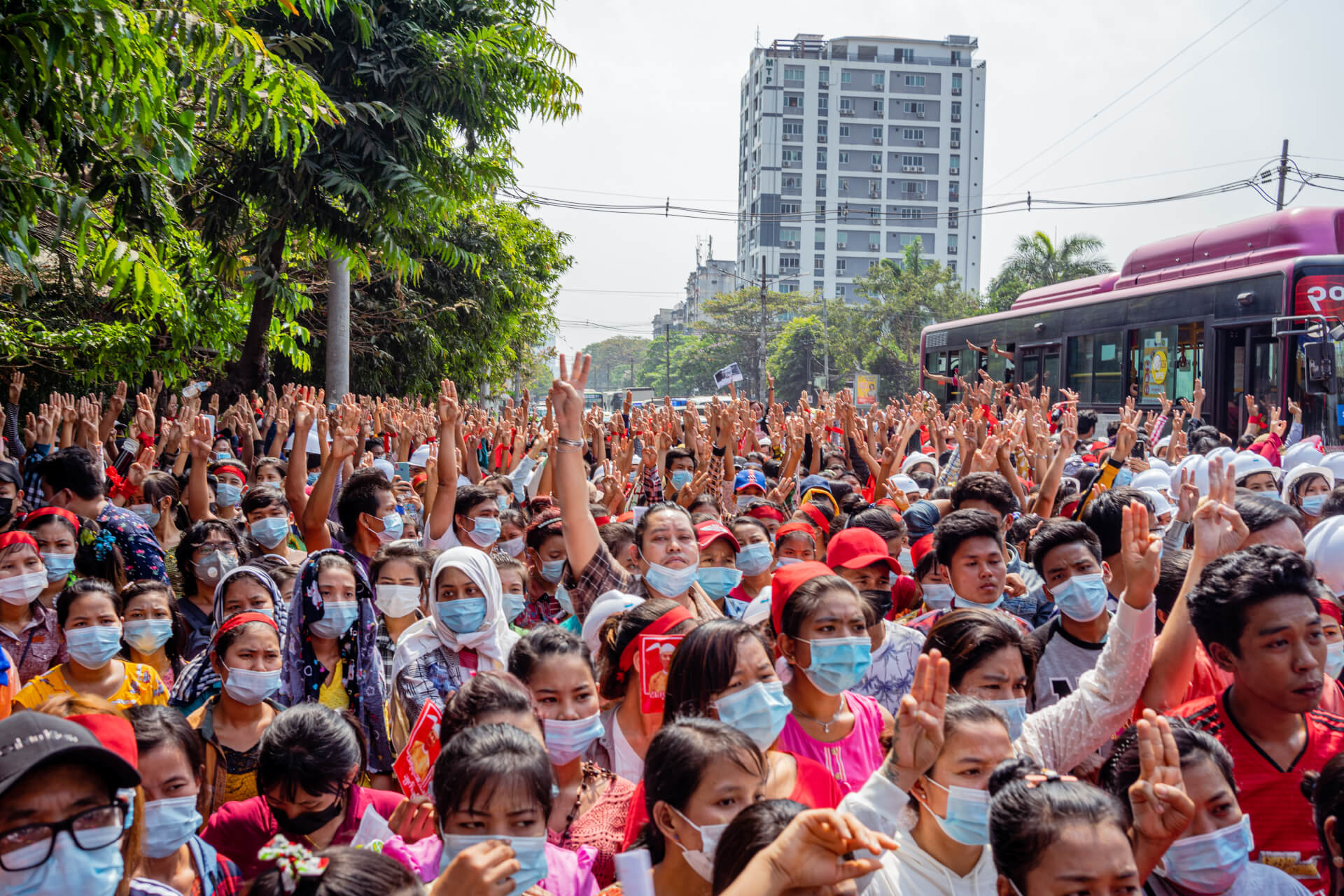
Fri 30 Sep 2022
What Asia needs in a post-pandemic world is people-centered governance The lack of commitment and concerted action from most governments poses detrimental threats to the people and planet caught amid multidimensional crises compounded by COVID-19 in Asia. The UNESCAP SDG Progress Report 2022 indicates that the SDGs will not be achieved in Asia and the Pacific until 2065 given the current pace of progress.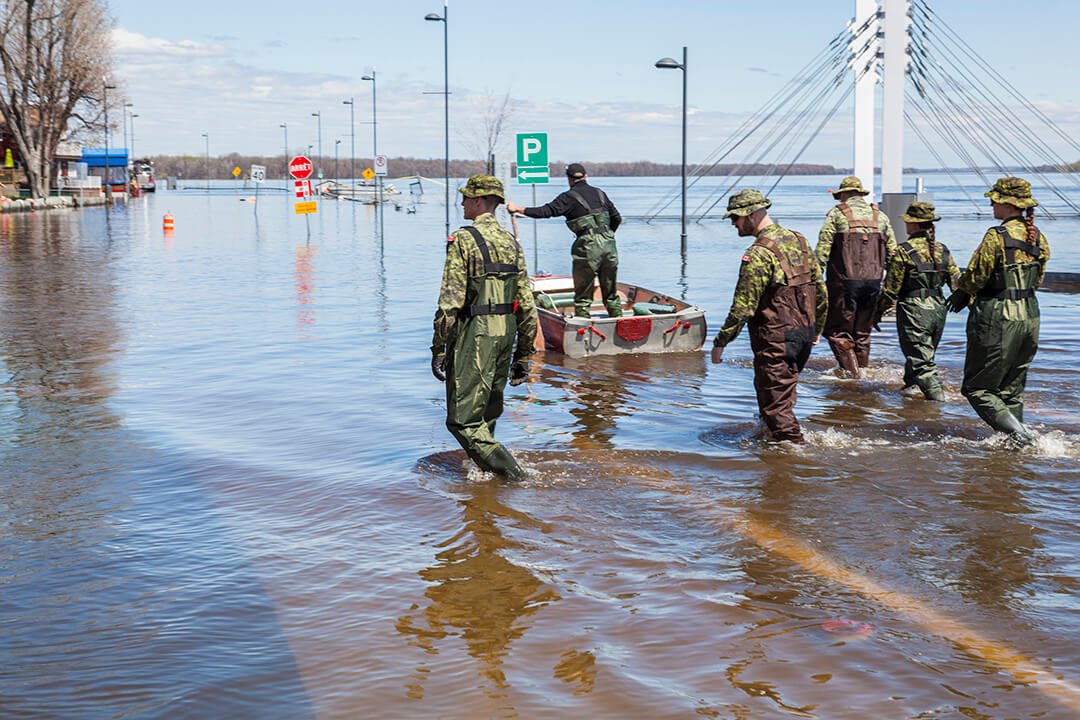
Our Campaigns and Initiatives on Inclusive Governance
Discover our reports and campaigns

/ Podcasts & Videos
See all
Thu 4 Jul 2024
EN - How to rebuild trust for inclusive governance
Tue 2 Jul 2024
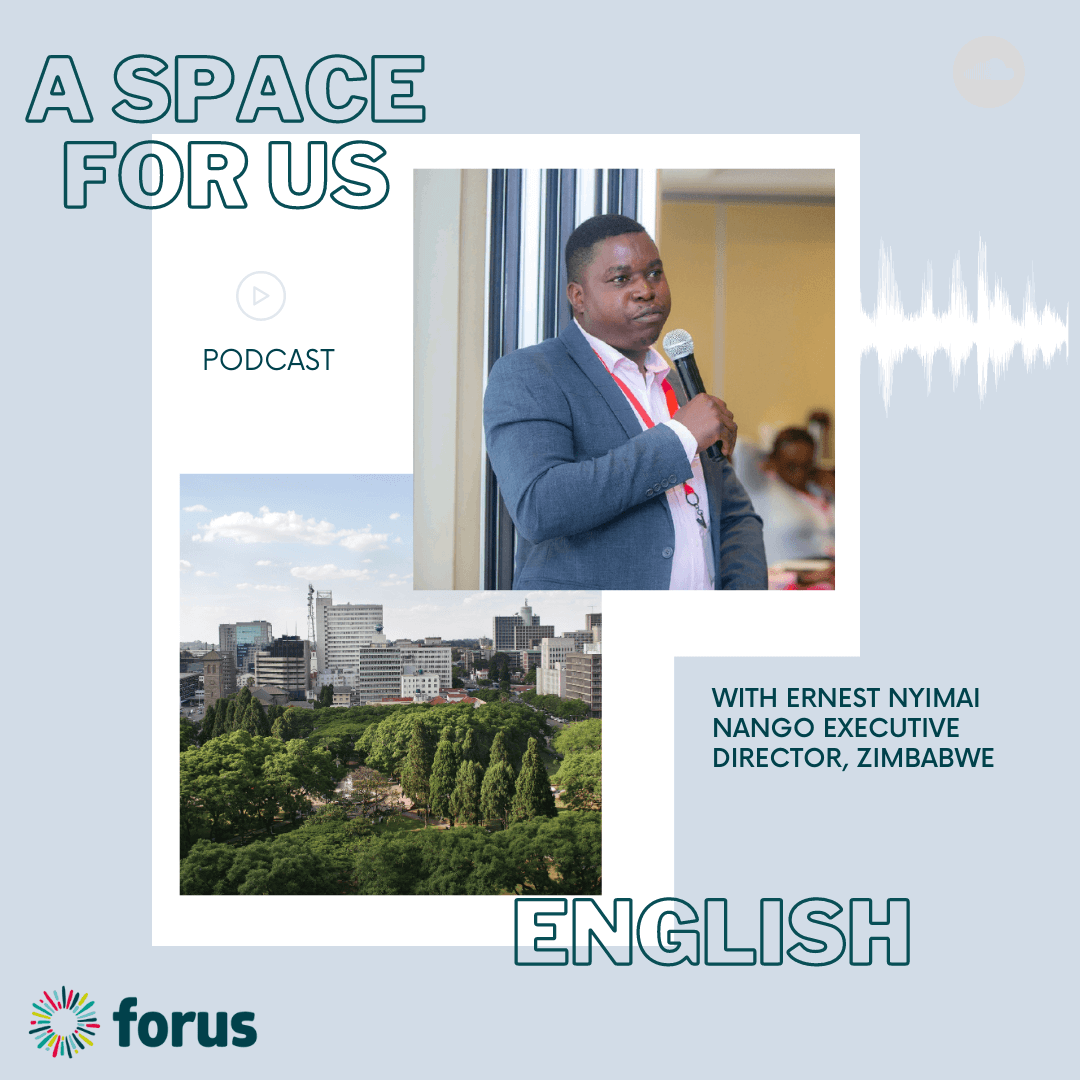
EN - NANGO in the Voluntary National Review Process in Zimbabwe
Thu 4 Jul 2024
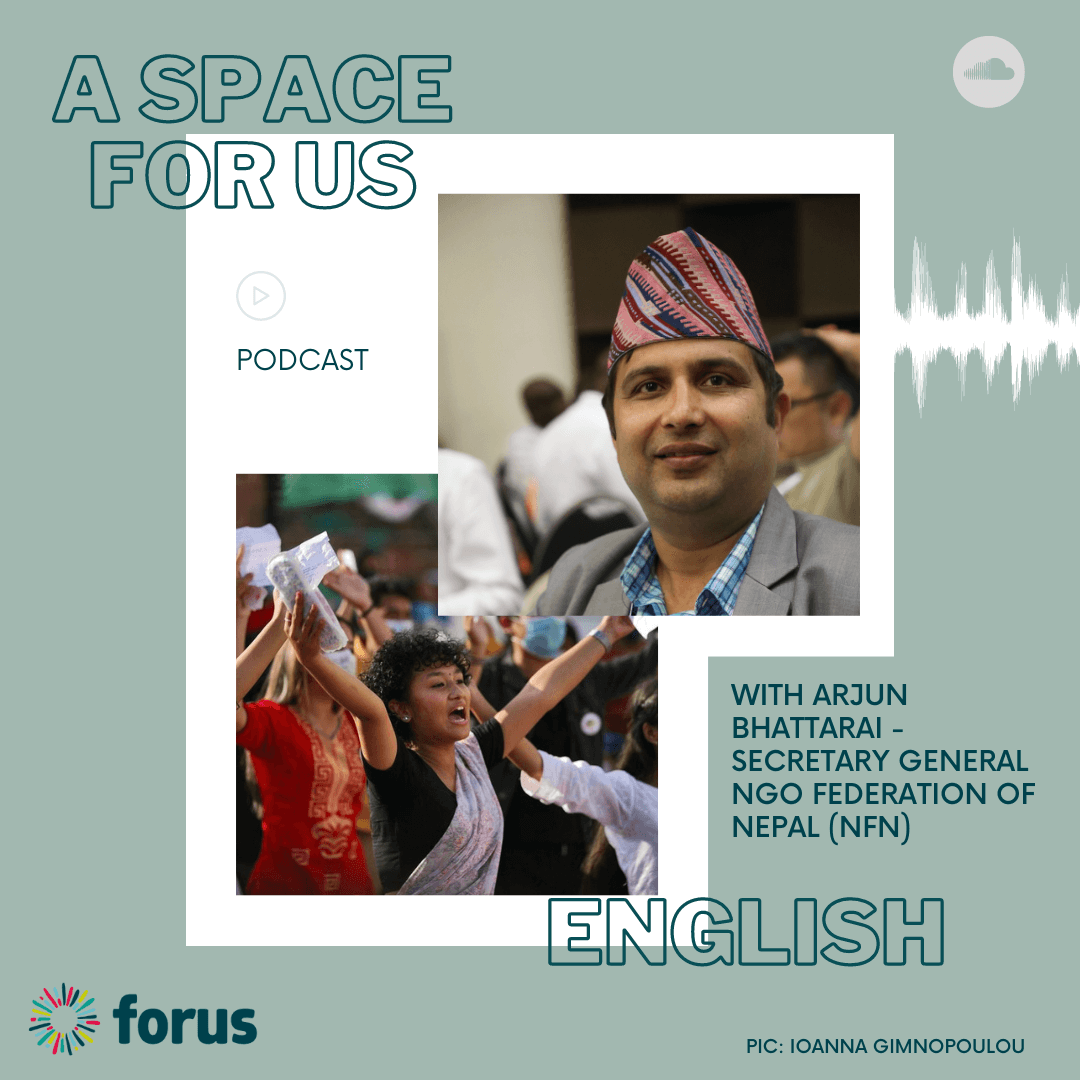
EN - NFN on the Voluntary National Review Process in Nepal