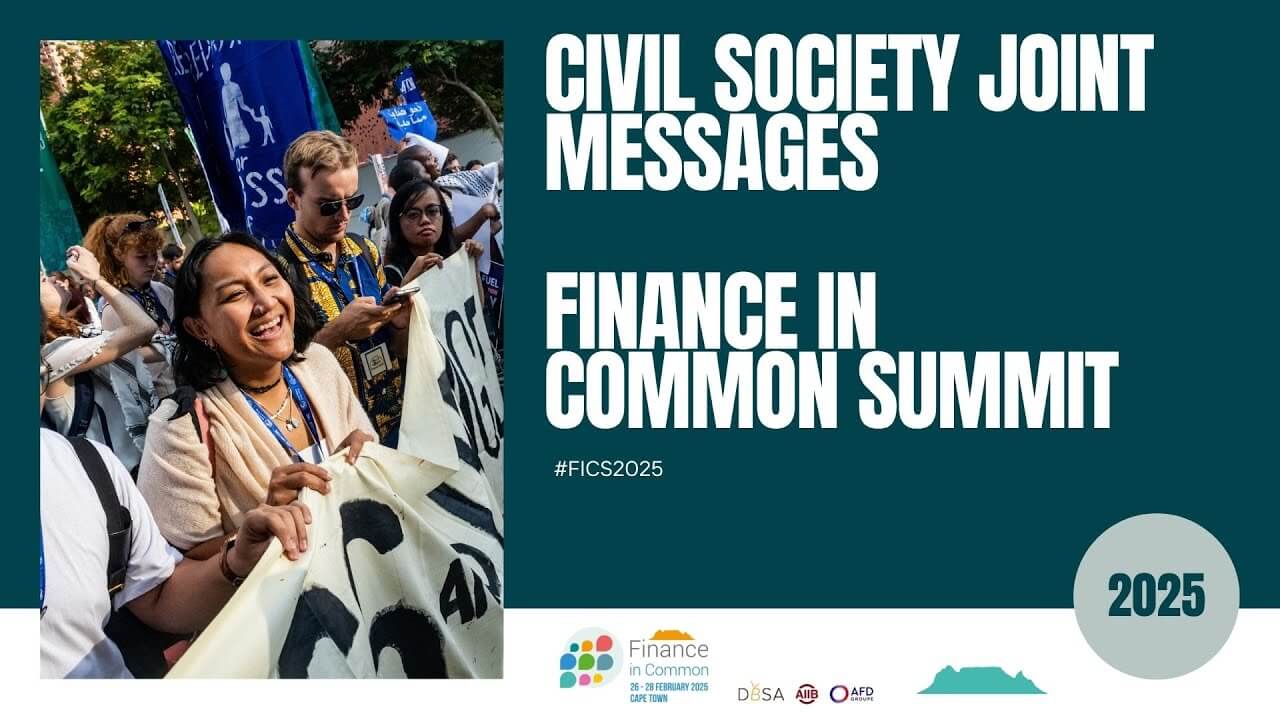
© NGO Forum on ABD
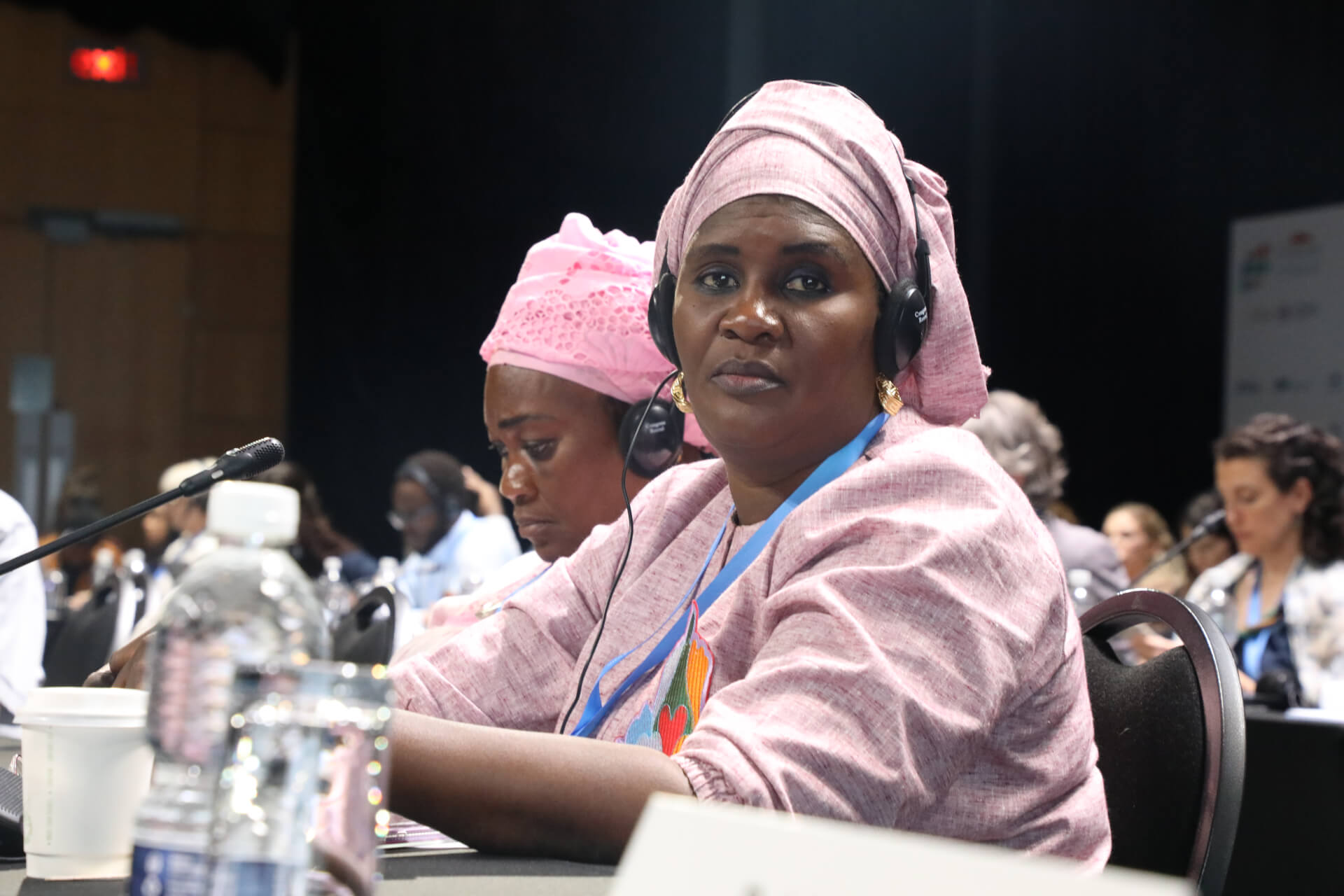
© Forus - Finance in Common Summit 2025 - Shifting the Balance CSO event


Mon 17 Mar 2025
Financing for sustainable development: what we are pushing for
As the landscape of global development finance shifts, we must reflect on different approaches to funding sustainable development. What mechanisms should civil society platforms push for to ensure financial systems prioritise equity, resilience, and sustainability in every sense? In a world where inequalities deepen and resources remain unevenly distributed, we must push for bold reforms—debt relief, progressive taxation, and innovative funding models—that support communities and drive long-term change. As we just concluded the fifth edition of the Finance in Common Summit, the importance of aligning public development banks and financial institutions with the needs of the people and the planet is crystal clear. Since 2020, the first edition of the Summit, civil society organisations, have been at the forefront of advocating for social, environmental, and economic justice.
With an enabling environment for civil society facing new challenges, one of the primary mechanisms we must push for is the integration of human rights and environmental sustainability into the mandates of all financial institutions, especially public ones like public development banks. These banks must align their investment strategies with the urgent need to address climate change, protect biodiversity, and respect the rights of the communities most affected by development projects. This means shifting away from investments that prioritise short-term profits and harmful industries and instead directing funds toward projects that uplift communities and build infrastructure that is both sustainable and resilient to future challenges.
Additionally, there is an urgent need to create financing models that are inclusive and accessible to those most affected by inequality and poverty. This includes ensuring that small-scale farmers, women entrepreneurs, indigenous communities, and other often-overlooked groups can access the capital they need to thrive. Civil society has long advocated for mechanisms such as microfinance, social bonds, and climate financing that directly address the needs of these communities, and it’s time for financial systems to support these models in a more comprehensive and integrated way.
We must also push for accountability and transparency. By ensuring that financial institutions actively engage with local communities and civil society, we can hold them to the highest ethical standards of investment and social responsibility. As written by Forus Chair Christelle Kalhoule, in the aftermath of the Finance in Common Summit, the new coalition between Public Development Banks and civil society organisations offers a platform for formalising these partnerships, sharing best practices, and co-creating sustainable solutions. "This collaboration is essential for ensuring that development finance serves communities, not just elites."
As we prepare for the 4th Financing For Development conference in Sevilla, civil society platforms will continue to demand that financial systems evolve - ensuring that equity, resilience, and sustainability are not just buzzwords but core principles.