© NGO Forum on ABD
© TAP Network


Thu 3 Apr 2025
Reflecting on CSW69 and on gender movements
The 69th Commission on the Status of Women (CSW69) convened at a time when gender equality efforts face heavy challenges. Drastic funding cuts and shrinking civic spaces, translate into global advocates gathering to reaffirm commitments to gender justice and call for urgent, coordinated action. The Forus network and its partners, leveraged the March With Us campaign and the Forus Leadership Development Program to spotlight feminist leadership and resilience at this year’s CSW.
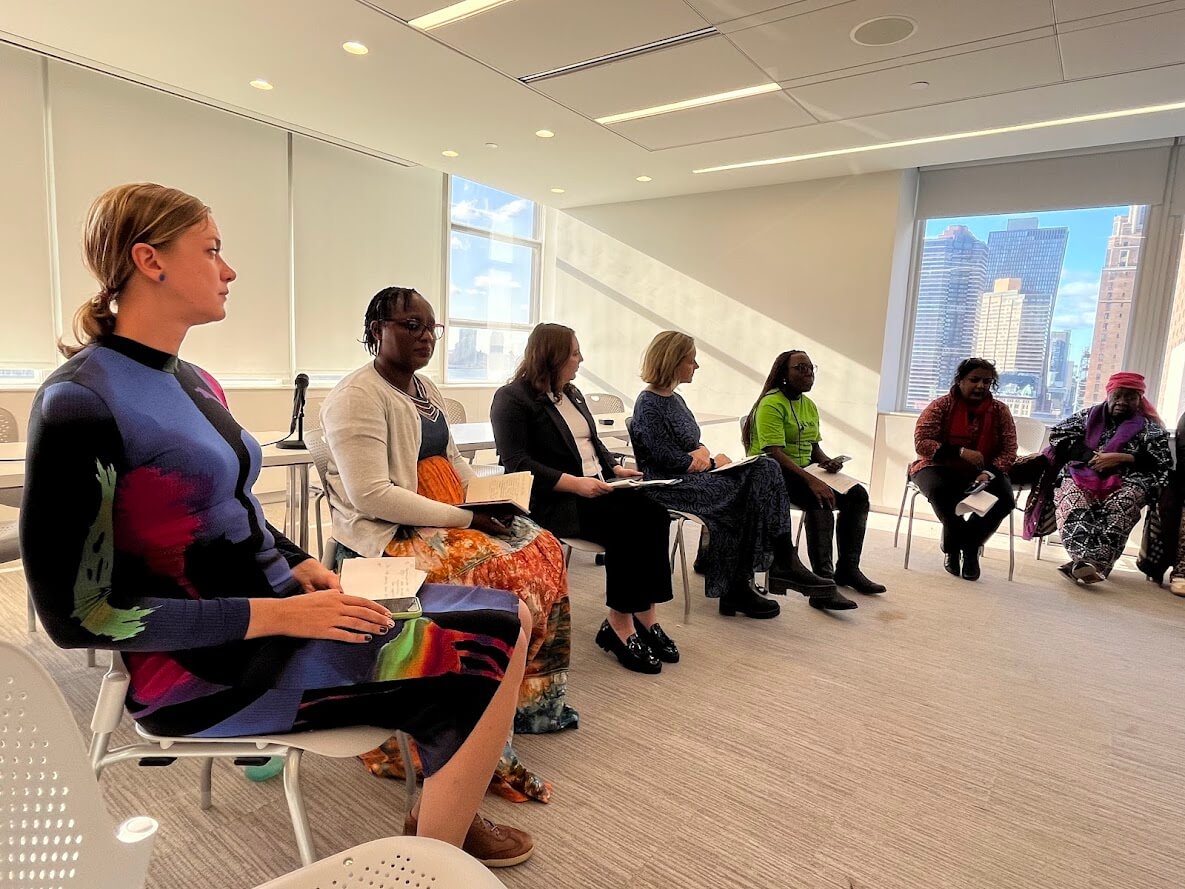
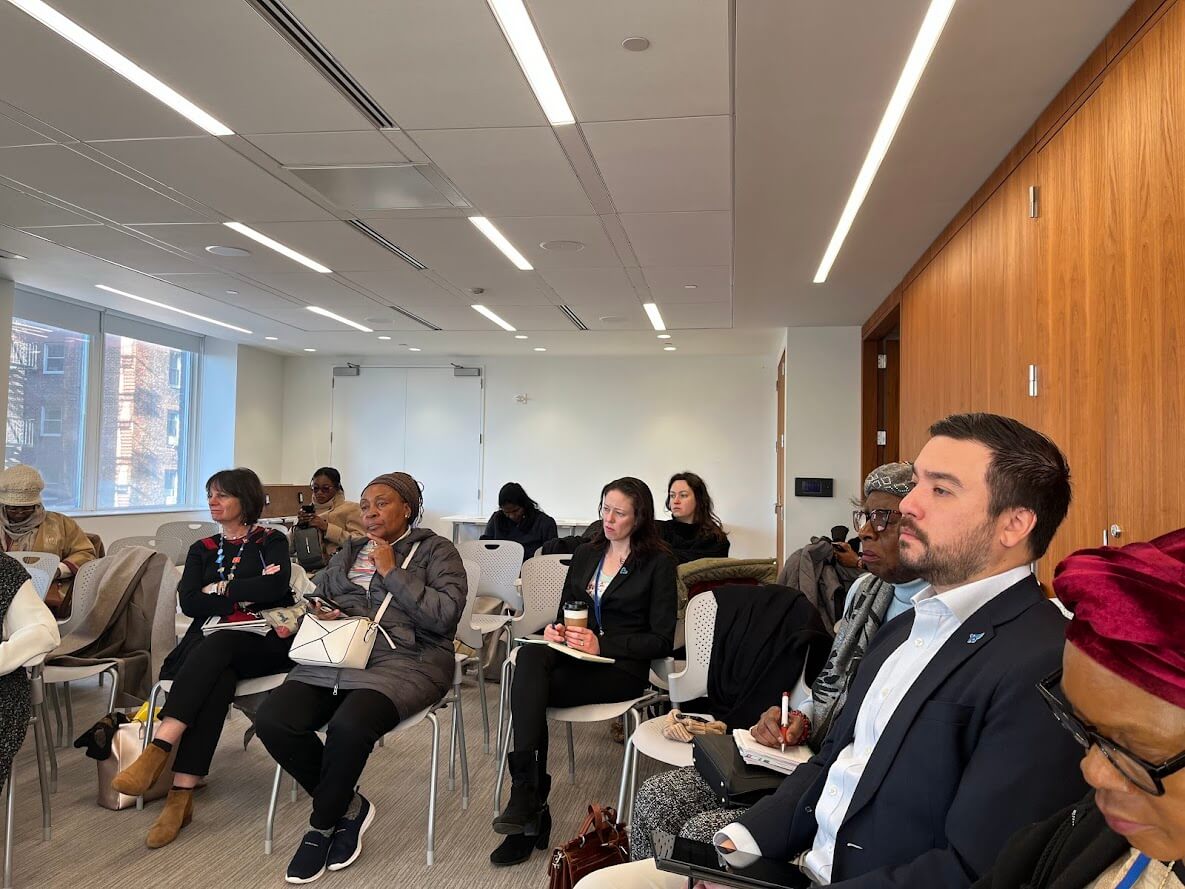
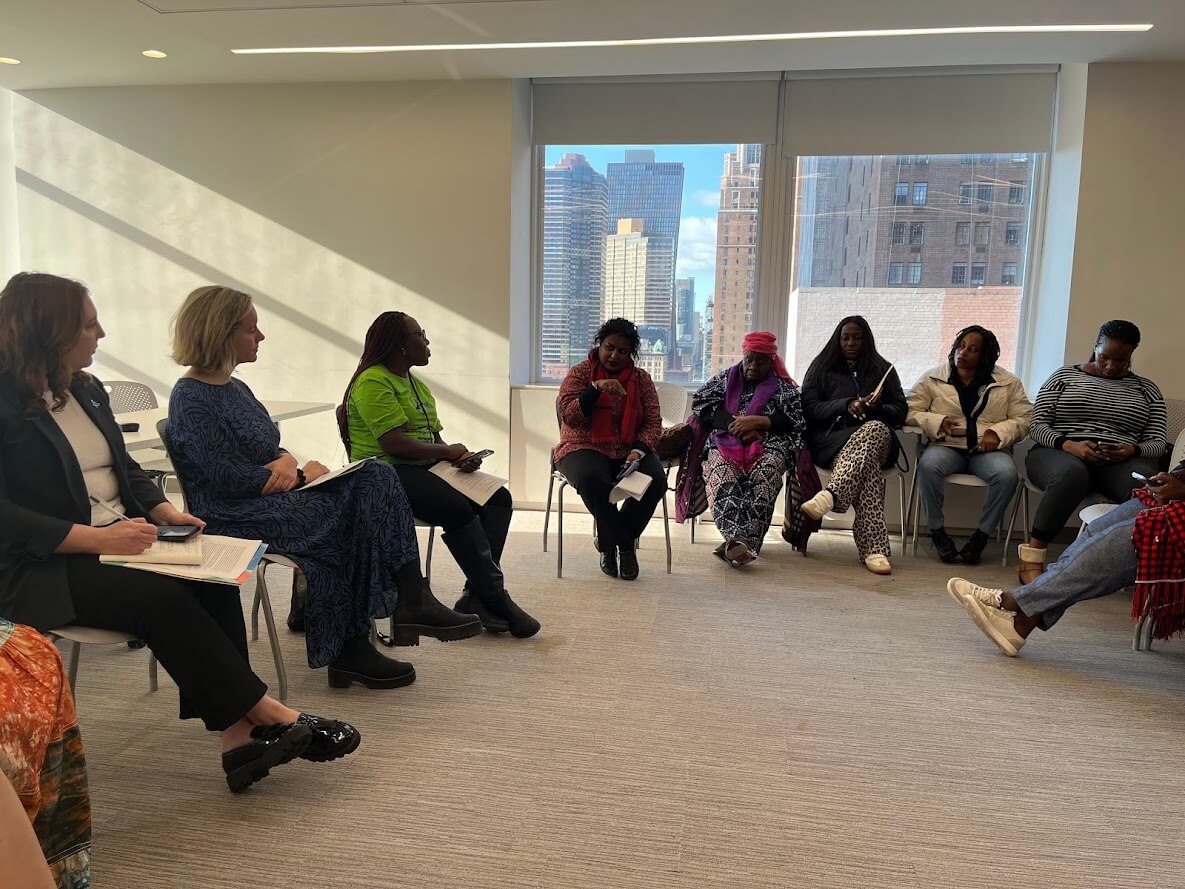
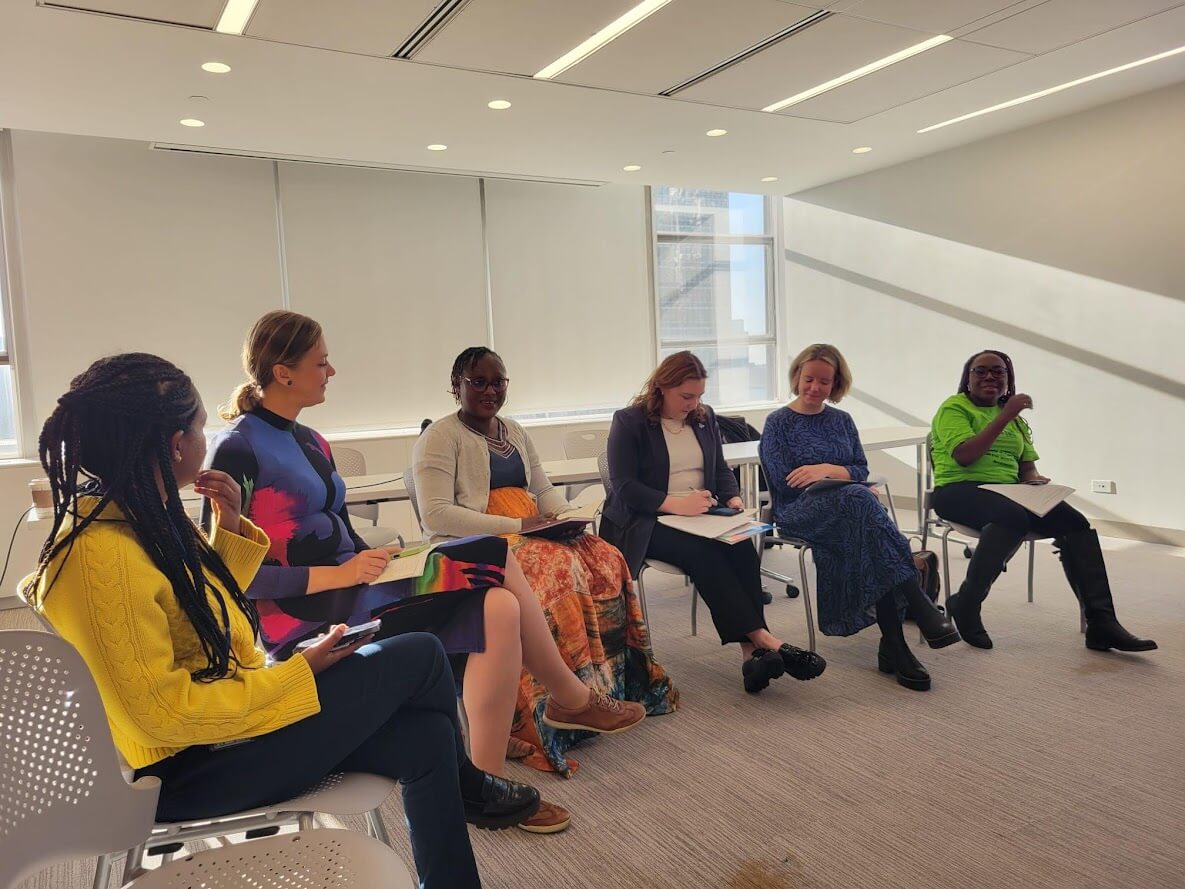
In a collective side event titled "Accelerating Gender Equality: Securing Funding and Leadership Beyond Beijing+30" civil society organizations and activists called for an urgent, coordinated global response. The panelists brought diverse expertise in advocating for gender equality, protecting civil society space, addressing funding challenges, and advancing feminist leadership. Elena Marmo (TAP Network), as moderator, focused on advocacy and campaigns for gender equality. Merle Rutz (Former Oxfam, Civic Space Expert) specialized in civic space restrictions and the impact of funding cuts. Christelle Kalhoule (Forus Chair, Burkina Faso) highlighted the effects of current funding cuts across the Sahel region and global campaigns such as March With Us and the Forus Leadership Development Program.
Justina Kaluinaite (Lithuanian Development Cooperation Platform) offered insights into the evolving global peace and security landscape, emphasizing women’s leadership in conflict prevention, peacebuilding, and post-conflict recovery. Advocate Nyaradzo Mashayamombe (TaLI, Zimbabwe) shared her work on girls’ and young women’s rights, particularly in the fight against child marriage. Lastly, Beena Pallical (General Secretary, National campaign on Dalit rights in India) focused on the impact of recent funding changes on Dalit communities, highlighting the path forward to ensure sustained community engagement.
Context & Rationale
The 30th anniversary of the Beijing Declaration and Platform for Action highlighted the ongoing barriers to gender equality, with projections such as:
-
300 years to end child marriage.
-
286 years to close gaps in legal protections and eradicate discriminatory laws.
-
140 years to achieve gender parity in leadership.
Simultaneously, the withdrawal of key funding partners, particularly the current US funding freeze and realignment, exacerbates these challenges. It's a harsh reality: gender equality remains decades—if not centuries—away unless decisive action is taken.
The Global Funding Crisis for Gender Equality
If we focus on funding freezes, women representatives shared how these have jeopardized essential services, from sexual and reproductive health programs to gender-based violence prevention.
“In Burkina Faso and the West Africa region, the situation is particularly critical. Many women’s rights organizations and gender-focused programs have faced delays and disruptions. This crisis is not just financial but political, as restrictions on civic space stifle the voices of grassroots movements fighting for women’s rights and programs which are lifelines for many” says Christelle Kalhoule, Forus Chair.
Beyond financial strain, as detailed in the EU SEE initiative, the freeze has created an environment of fear and uncertainty with political ramifications. In countries like Nigeria and Pakistan, where foreign funding is already stigmatized, this freeze has fueled political attacks on civil society organizations, further restricting their ability to operate freely.
Call to action, urging donors, policymakers, and civil society to:
-
Secure Sustainable Funding: Diversify funding sources to reduce dependence and ensure long-term investments in gender equality.
-
Protect an enabling environment for civil society: Strengthen legal protections and spaces for civil society organizations advocating for gender rights.
-
Amplify Women’s Leadership: Implement leadership development programs to accelerate progress toward parity.
-
Advance Economic and Legal Protections: Push for equal pay legislation, end discriminatory laws, and scale up efforts to eradicate child marriage.
-
Reinforce the Women and Peace agenda
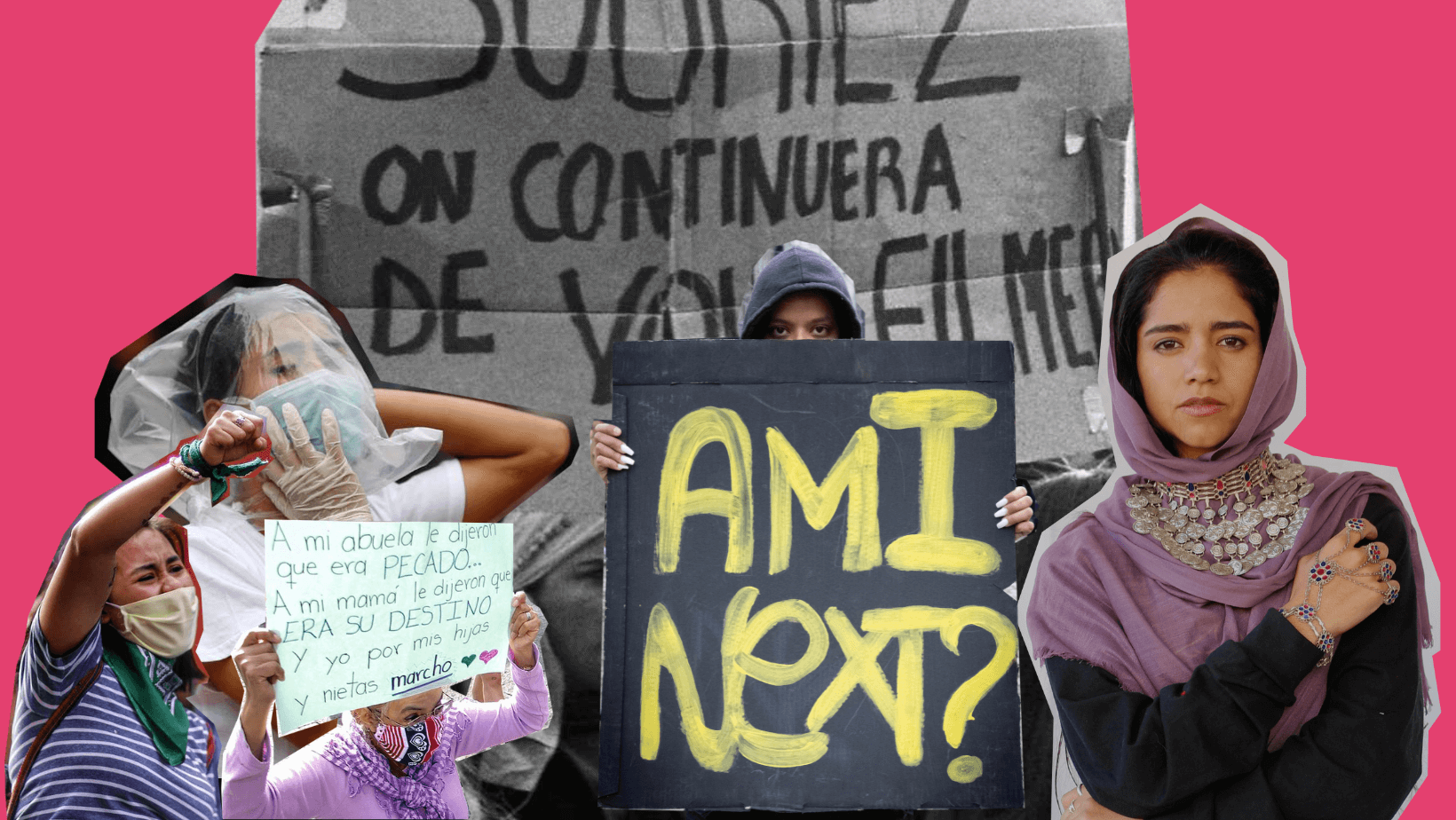
The March With Us campaign, now in its fifth year, was presented with its central theme of Reimagining Power. Activists from over 15 countries including Uganda, Afghanistan, Argentina, Cameroon, Latvia, Belgium and Sri Lanka shared their stories through podcasts, documentaries, and digital advocacy, showing various manifestations of the gender movements.
The Forus Leadership Development Program was also presented to support women leaders within civil society organizations. The program is a unique bonding and solidarity opportunity to reflect on leadership, share experiences, and explore strategies to drive transformative social change. A key focus of the program is analysing the different types of change and the leadership required to support them. This has included reflections on personal and collective leadership journeys, the role of national and global NGO platforms, and the challenges and opportunities in driving social transformation.
As we approach the 2025 High-Level Political Forum review of SDG 5, there is an urgent need to secure sustainable funding and promote leadership in gender equality. Learn more about Forus initiatives for Gender Rights and Power Shifts below.
Our Campaigns on Power Shifts and Gender Justice
Discover Shifting the Power and March With Us!