

Thu 16 Jul 2026
The future of the SDGs is local: " participation becomes meaningful when it can change a priority, a budget or a decision"
The final years of the Sustainable Development Goals will be won or lost locally, but bringing implementation closer to communities is not enough as power, resources and accountability will need to move with it.
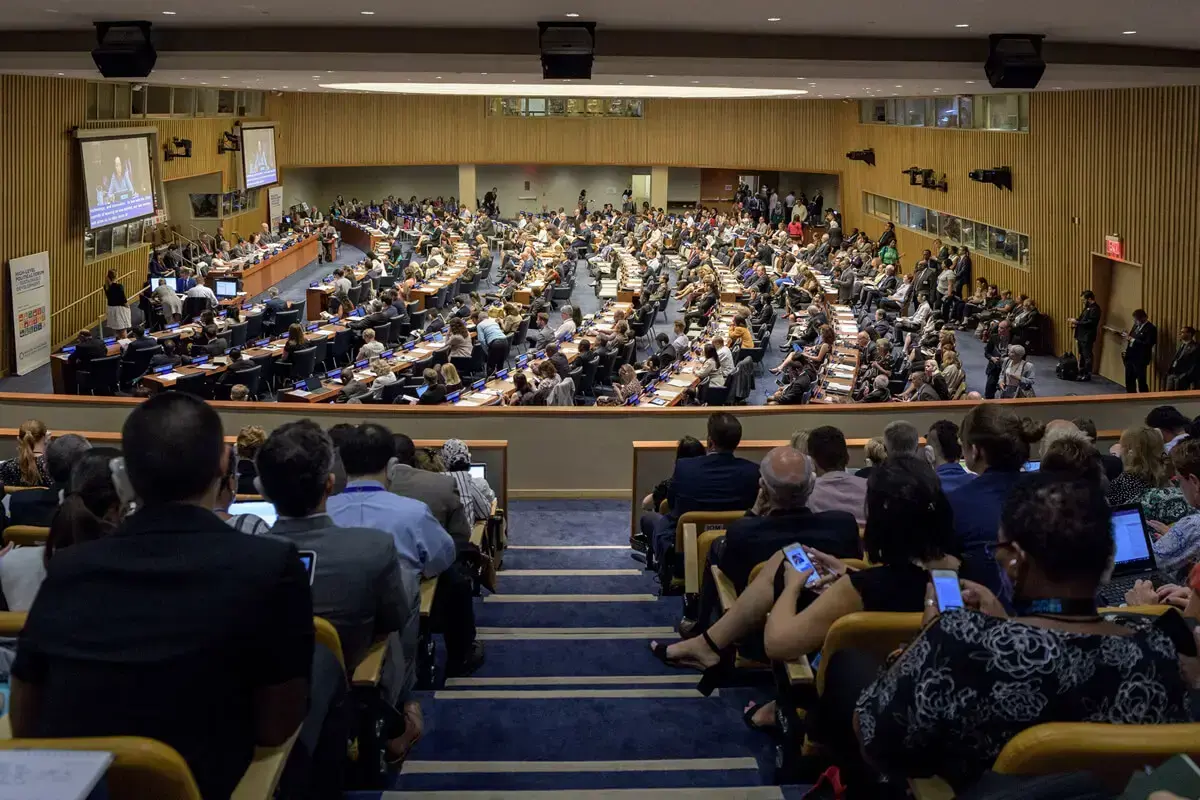
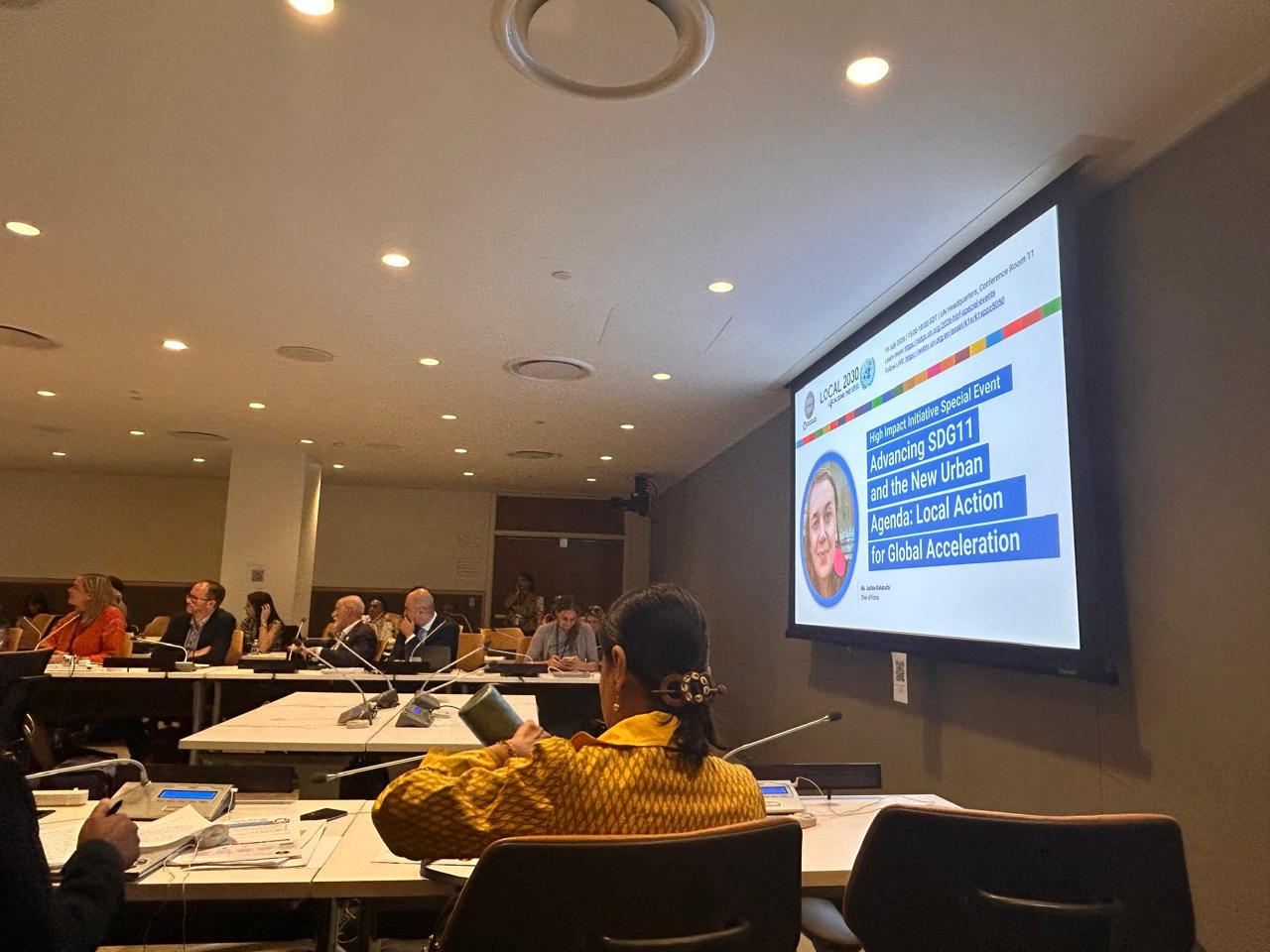
This discussios was at the centre of the Local2030 Coalition Special Event, “Advancing SDG 11 and the New Urban Agenda: Local Action for Global Acceleration,” held on 15 July as part of the UN High-Level Political Forum 2026.
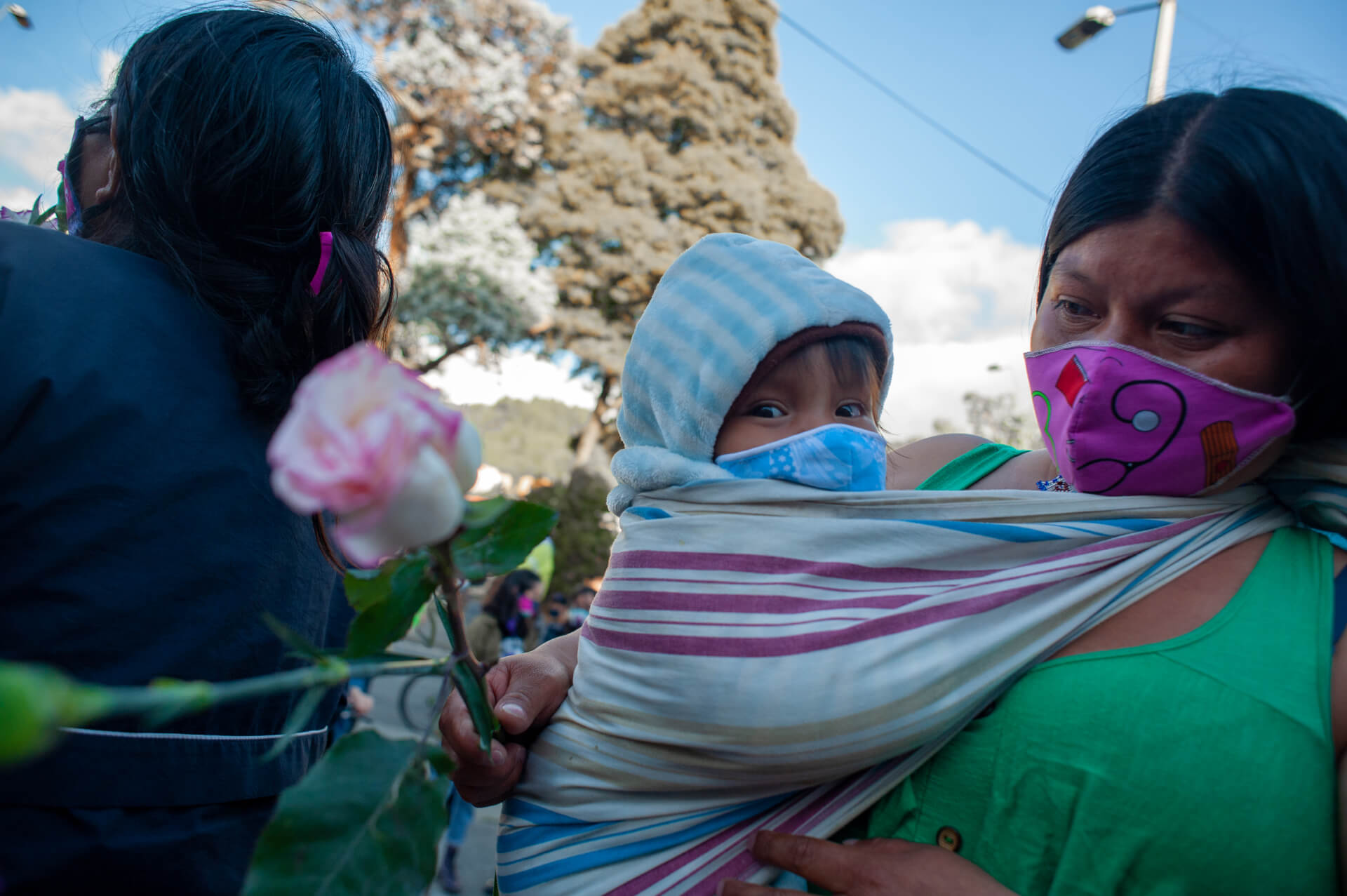
SDG 11 on sustainable cities and communities is under in-depth review at this year’s High-Level Political Forum, while 2026 also marks ten years since the adoption of the New Urban Agenda. With more than one billion people living in slums and informal settlements, accelerating locally grounded implementation is essential not only for SDG 11, but also for progress on poverty, health, education, gender equality, climate resilience, water, energy and partnerships.
Local2030: Localising the SDGs is a network and platform that supports the on-the-ground delivery of the SDGs, with a focus on those furthest behind and brought partners together to unpack how local action can be scaled through stronger multilevel governance, partnerships and financing.
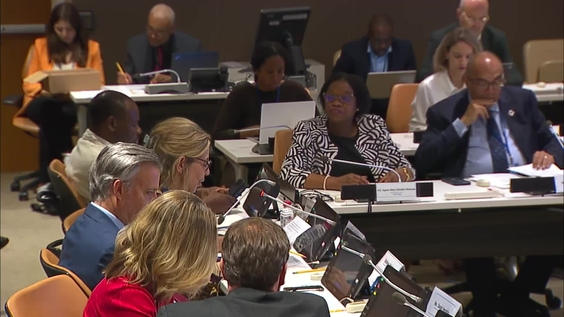
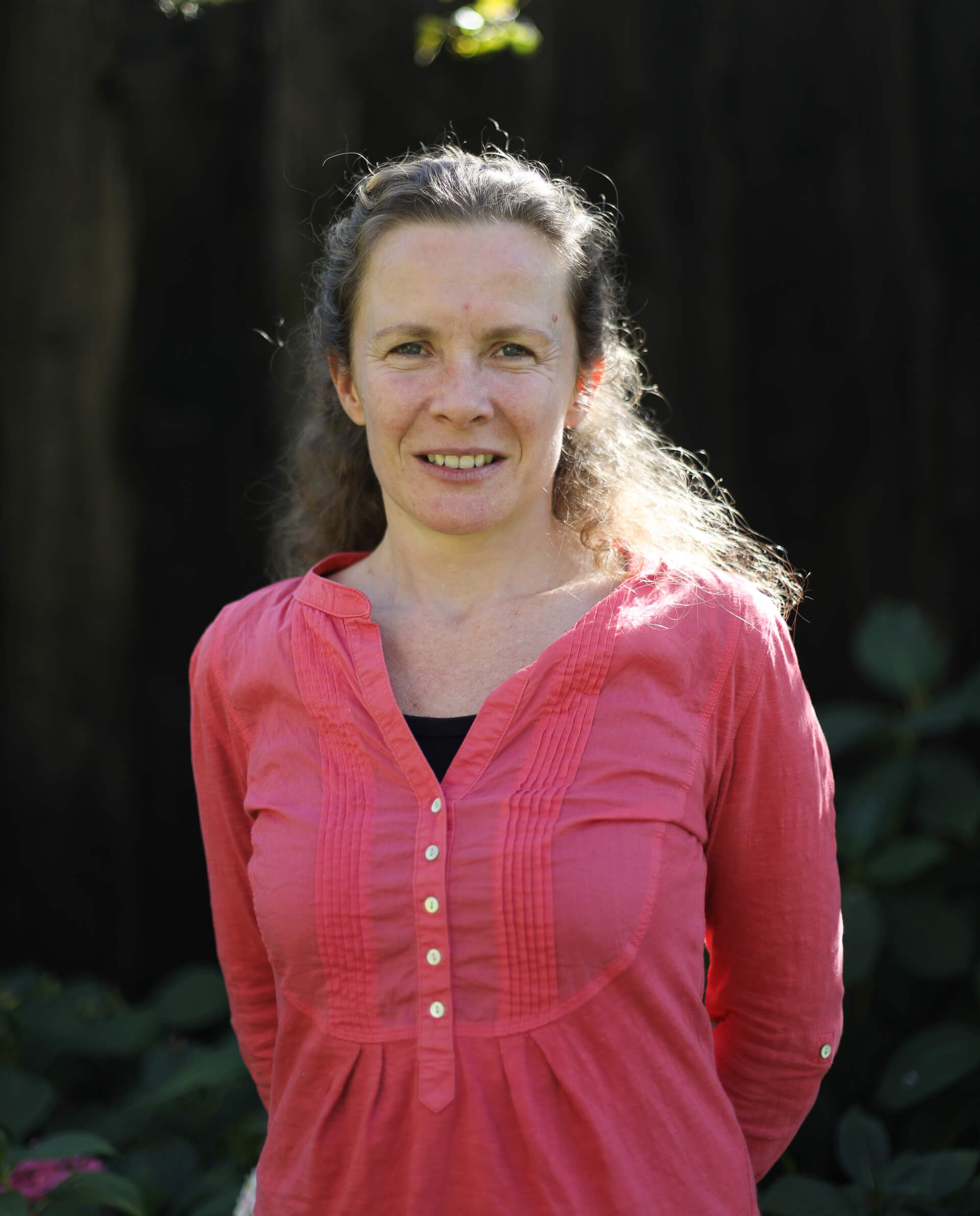
Forus Chair Justina Kaluinaitė joined the roundtable on “Financing and Scaling SDG Localisation: Unlocking Implementation at the Territorial Level” alongside Mr. Mahmoud Mohieldin, United Nations Special Envoy on Financing Sustainable Development; H.E. Antônio da Costa e Silva, Chief International Advisor at Brazil’s Ministry of Cities; Mr. Daniel E. Ortega, Director of Impact Evaluation and Policy Learning at CAF – Development Bank of Latin America and the Caribbean; Ms. Elizabeth Maruma Mrema, Deputy Executive Director of UNEP, representing Local2030 Working Group 2; and Mr. Ander Caballero, Secretary for External Affairs of the Basque Government, representing the Euskadi Local2030 Hub.
Together, they brought perspectives from across the SDG localisation ecosystem. The UN financing perspective raised the question of how the global financial architecture can better support territorial development and turn local priorities into investable solutions. Brazil brought experience in territorial policy and multilevel governance. CAF highlighted the potential of development banks and municipal finance, including emerging work to unlock local credit in Chocó, Colombia. UNEP and the Local2030 Working Group on finance focused attention on what local and regional actors need to deliver the SDGs. The Basque Government offered a model of decentralised cooperation connecting regional leadership with municipalities, academia, civil society and the UN system.
Forus brought the complementary question: Who shapes the finance, who can access it, and who can hold it to account?
In her intervention, Kaluinaitė drew a distinction:
“Localisation without local power is decentralised delivery, not local ownership.”
A project does not become locally led simply because it is implemented in a particular municipality, territory or community. Local ownership exists when people and locally rooted organisations can influence the priorities, budgets and decisions that affect their lives. It means involving communities before plans are finalised, not consulting them after the main choices have already been made.
" My own years in community development, including in Rwanda, Cambodia and Colombia, have reinforced this lesson: change lasts when communities have a genuine say.We must move from consultation to co-creation. Participation becomes meaningful when it can change a priority, a budget or a decision," Kaluinaitė added.
Forus’ experience across national NGO platforms and regional coalitions points to three shifts that are essential if localisation is to deliver meaningful change grounded in our recent research Cooperation That Works and Unlocking the power of localisation and multi-stakeholder partnerships featuring 15+ powerful case studies from across five regions offering practical strategies to reorient SDG implementation from the ground up — prioritising inclusive, locally driven, and community-owned approaches.
First: share decision-making power
Those facing the greatest exclusion should not be treated only as beneficiaries to be reached: they are rights-holders and experts in their own realities.
Civil society organisations rooted in informal settlements and organisations representing women, young people, persons with disabilities and other communities facing exclusion must be involved from agenda-setting through implementation, monitoring and review.
Local and regional governments have an essential role, but localisation cannot be reduced to relations between national and subnational authorities. Territorial development also depends on the organisations and community structures that connect institutions with people, generate independent evidence and make public decisions understandable and contestable.
Second: make finance reachable
Scaling local action will require significantly more financing at territorial level. Local governments and community organisations frequently face financing systems designed at a scale they cannot reach, with complex application procedures, high minimum investment thresholds and requirements that do not reflect their capacities or realities.
At the same time, locally rooted civil society organisations often receive resources late, through long chains of intermediaries and under highly restricted conditions, while carrying much of the operational and political risk.
Forus is therefore calling for financing that is direct wherever possible, predictable, flexible and multi-year, with proportionate requirements and genuine risk-sharing.
Innovative and catalytic finance can help unlock territorial investment. Public development banks, public finance institutions and the private sector all have roles to play.
This without making bankability the only measure of value as many of the foundations of sustainable development — public services, civic participation, social cohesion, accountability and community resilience — cannot be judged solely by their commercial return.
The changing financing landscape must therefore be assessed looking at whether it expands the power and choices available to local actors, or merely transfer greater responsibility to them.
Third: build accountability into the architecture
Localisation also requires stronger systems through which people can understand, monitor and influence how resources are used.
At mentioned above, those furthest behind are often missing from administrative data and formal decision-making spaces. Community organisations can help identify who is not being reached, why exclusion persists and what must change. National civil society platforms and their partners across countries are taking action to leave no one behind.
Across the Forus network, practical examples already exist. In Nepal, youth-led Voluntary Local Reviews have brought children’s and young people’s perspectives into municipal and national policymaking.
In Zambia, community budget monitoring and citizen audits have strengthened transparency and influenced local spending in sectors including agriculture, health and education.
Territorial financing should therefore be accompanied by open and understandable budgets, community-generated evidence, accessible feedback and remedy mechanisms, and clear links between local reviews, national reviews and policy follow-up.
Civic space is a precondition for all of this. Civil society cannot support accountability when organisations cannot access information, organise independently or speak without fear. Governments and international partners cannot ask local actors to hold implementation together while restricting the space in which they operate.
Three questions for every localisation initiative
As the Local2030 Coalition develops new tools, financing mechanisms and approaches — including its work on localisation markers, territorial financing and scalable implementation models — Forus proposes three basic tests:
-
Did communities help decide?
-
Did resources reach locally rooted actors?
-
Can people see, question and influence the results?
Earlier discussions this year on shifting power for SDG delivery also examined declining Official Development Assistance, the growing role of investment and blended finance, and the risk that local actors may be expected to deliver more without receiving corresponding authority or resources.
The Local2030 event moved that discussion into a concrete institutional space where governments, development banks, UN entities, local authorities and civil society could examine what scaling localisation will require in practice.
Localisation as a commitment for 2027
As preparations advance toward the 2027 SDG Summit, localisation is increasingly being presented as a cornerstone of SDG acceleration.
Forus stands ready to continue bringing the experience of national NGO platforms and regional coalitions into the Local2030 Coalition and the wider road to 2027.
The future of the SDGs is local. For localisation to be transformative, power, finance and accountability must become local too.