© Forus
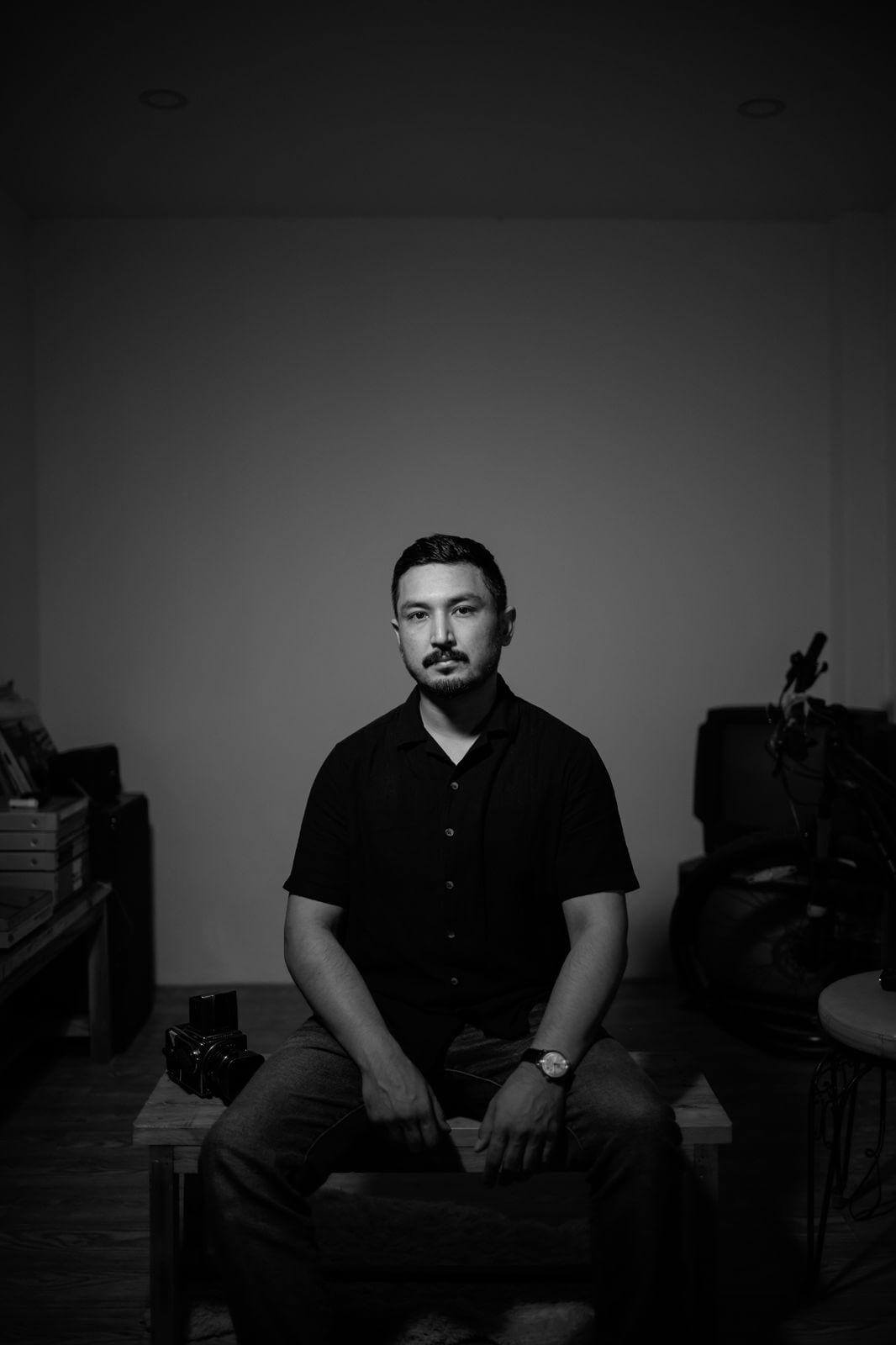
© Sanjog Manandhar

Mon 9 Feb 2026
How Nepal’s Pride and Gai Jatra Movements Are Advancing Queer Equality
In the narrow, winding alleys of Kathmandu’s Basantapur Durbar Square, the air is thick with the scent of incense and the rhythmic chime of temple bells. While the global community observes Pride Month in June, Nepal’s movement is defined by a second, more ancient celebration. During the festival of Gai Jatra, a sea of rainbow flags merges with the satirical masks of the Newa community. This is not a "foreign import"; it is the uniquely Nepali face of a revolution that bridges centuries-old tradition with modern human rights.
As Nepal navigates the early months of 2026, the movement for queer equality has moved beyond the quiet chambers of the Supreme Court and into the vibrant, chaotic heart of public life. This cultural mobilization reveals a profound truth that resonates across the Global South: legal progress remains incomplete without a radical reclamation of public and cultural space.
The history of Gai Jatra, or Saa Paru, is a masterclass in the evolution of tradition. The festival usually falls in August or September, occurring on the first day of the dark fortnight of the month of Bhadra. The tradition began in the 17th century with King Pratap Malla. After the death of his son, his queen fell into an inconsolable depression. To show her she was not alone in her sorrow, the King ordered every family who had lost a member that year to lead a procession through the streets.
To ensure the queen would find joy amidst the mourning, he encouraged satire, colorful costumes, and the mockery of authority. This "license to laugh" at death—and at society, became the festival’s defining trait. Today, though rooted in Newa culture, the festival has become a national event, welcoming all to share in the universal experience of resilience.
Cultural Camouflage as Resistance
For decades, queer lives in Nepal were lived in the quiet periphery, silenced by social invisibility. Activists realized that in a society where identity is deeply communal, visibility is the most potent form of resistance. By launching the Gai Jatra Pride March in 2002, the community hitched its movement to this familiar cultural language.
On this day, when participants traditionally dress in costumes and cross-gender attire for comedy, queer and trans people found "cultural camouflage." What was a joke for some was a lived reality for others. By marching, they sent a direct message: LGBTQI+ identities are part of Nepal’s social fabric. This visibility helps humanize legal demands, placing real lives at the center of policy debates and offering queer youth a rare opportunity to exist openly without feeling unsafe. Visibility itself is a form of defiance in a society where queer identities have often been dismissed as alien.
"We are not changing Gai Jatra into a 'Gay Jatra.' We are simply exercising our right to express ourselves within a tradition that has always valued the absurd and the diverse. By marching, we tell Nepal that we aren't a Western import—we are part of the soil," a representative of the Blue Diamond Society says.
This strategy rooting modern rights in traditional rituals—is a pulse felt across the Global South. In Brazil, organizations like ABONG (the Brazilian Association of NGOs) and the Pajubá Project have long utilized similar "ruptures" in public space. Just as Nepal reclaims Gai Jatra, Brazilian activists use Carnival and artistic festivals to affirm the legitimacy of queer existences. In early 2025, the Paraíso do Tuiuti Samba School centered the history of the Brazilian travesti community, using Brazil's most iconic cultural manifestation to demand social pedagogy and an end to violence.
The perspective of ABONG is vital: they argue that cultural mobilizations play a strategic role in reducing the gap between legal frameworks and lived reality. In both Brazil and Nepal, violence and discrimination persist despite legal wins. Cultural events function as "spaces of protection," creating an environment based on community bonds and mutual care. This mass occupation of public space reduces individual risks and offers opportunities for building self-esteem and belonging in the face of multiple forms of exclusion.
"Cultural mobilizations play a strategic role in reducing the distance between the legal framework and lived experience. These actions transform social values, proposing practical changes that occur in the hearts of the people long before they are finalized in the legislature," a representative from the ABONG/Pajubá Project explains.
From the Streets to the Supreme Court
In Nepal, this cultural grounding provided the "social oxygen" needed for judicial breakthroughs. In June 2023, the Supreme Court issued an interim order for same-sex marriage registration, leading to historic registrations in districts like Lamjung and Dordi. However, as of February 2026, a "lived uncertainty" remains. While the Ministry of Home Affairs has issued circulars for temporary registration, these marriages are often held in separate record books and do not yet grant full legal protections, such as inheritance or joint property rights.
This is where the work of the Blue Diamond Society and Brazil’s ABONG converges. Both understand that "certificates alone don’t guarantee safety." Through initiatives like the Pajubá Project, which supports Pride parades and Trans Marches in cities like São Paulo and Sorocaba, these movements emphasize that rights must be recognized not just by courts, but by every local office. In Nepal, the struggle continues to move from "provisional" records to permanent legislative reform in the Civil Code.
A marriage certificate is a historic victory but certificates alone don’t guarantee safety or equality. Rights must be recognized not only by the Supreme Court but by every local official, every bank teller, and every neighbor we interact with daily," a Legal Advocate from Mitini Nepal posits.
Nepal and Brazil are currently writing a manual for queer justice that values local aesthetics over Western models. They demonstrate that change is built incrementally: Pride parades challenge stigma, while legal victories legitimize further cultural assertion. The documentary "Xicas – travestis on the avenue," produced by ABONG and ANTRA, serves the same purpose as the Pride marches in Kathmandu: it builds a permanent record of existence, turning a "moment" of celebration into a "monument" of history.
"Nepal and Brazil are showing the world that Pride doesn't have to look like a parade in London. By using our own aesthetics—our masks, our samba, our festivals—we create a language of rights that our own people can understand and celebrate," a Human Rights Defender from ABONG says.
As the sun sets over the temples of Kathmandu, the message remains clear: the movement is not asking to be included in society; it is asserting a belonging that has always existed. From the Himalayas to the streets of São Paulo, the fight for equality is moving beyond the courtroom and into the heart of national identity.
This article is written as part of the Forus journalism fellowship programme. Learn more here
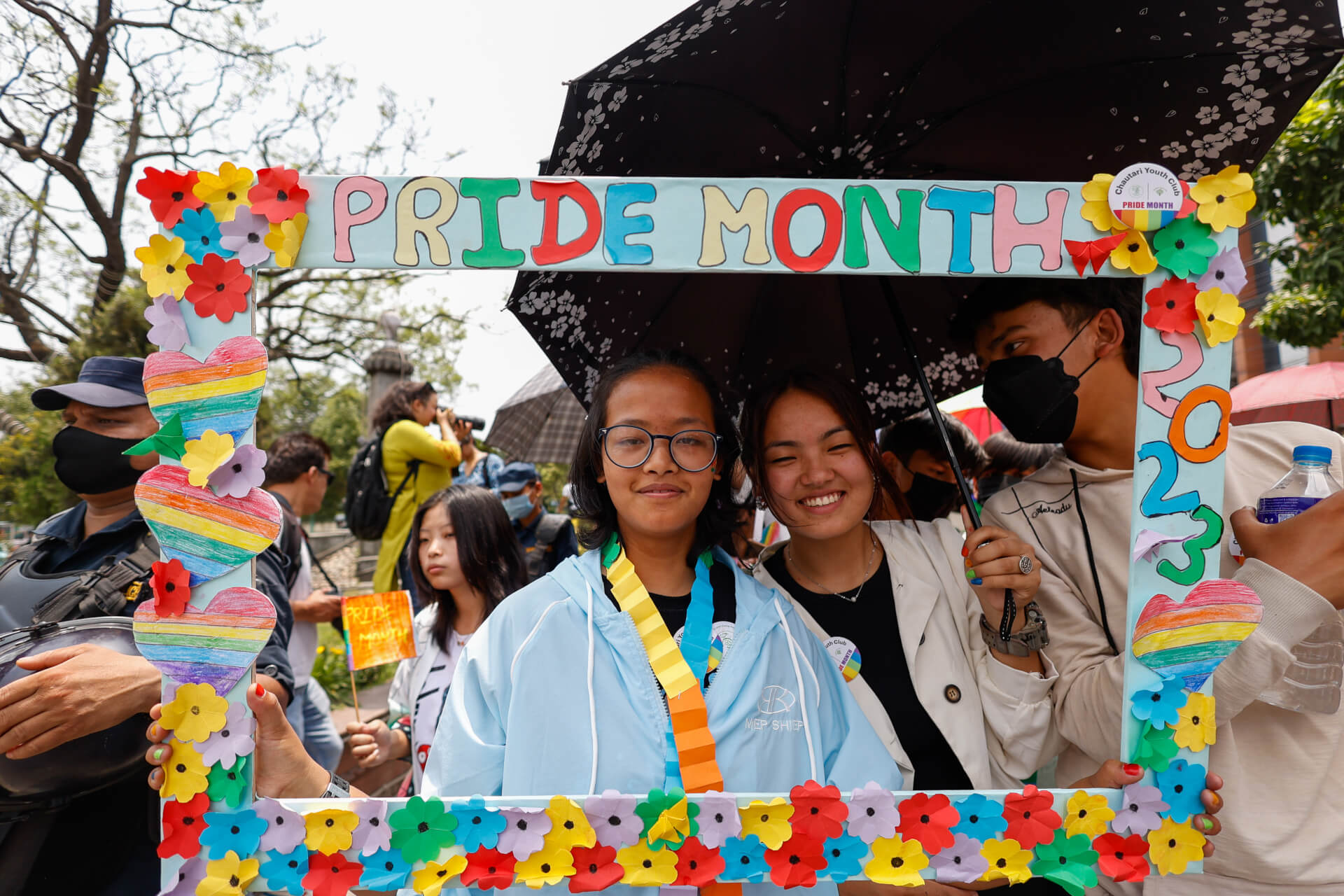
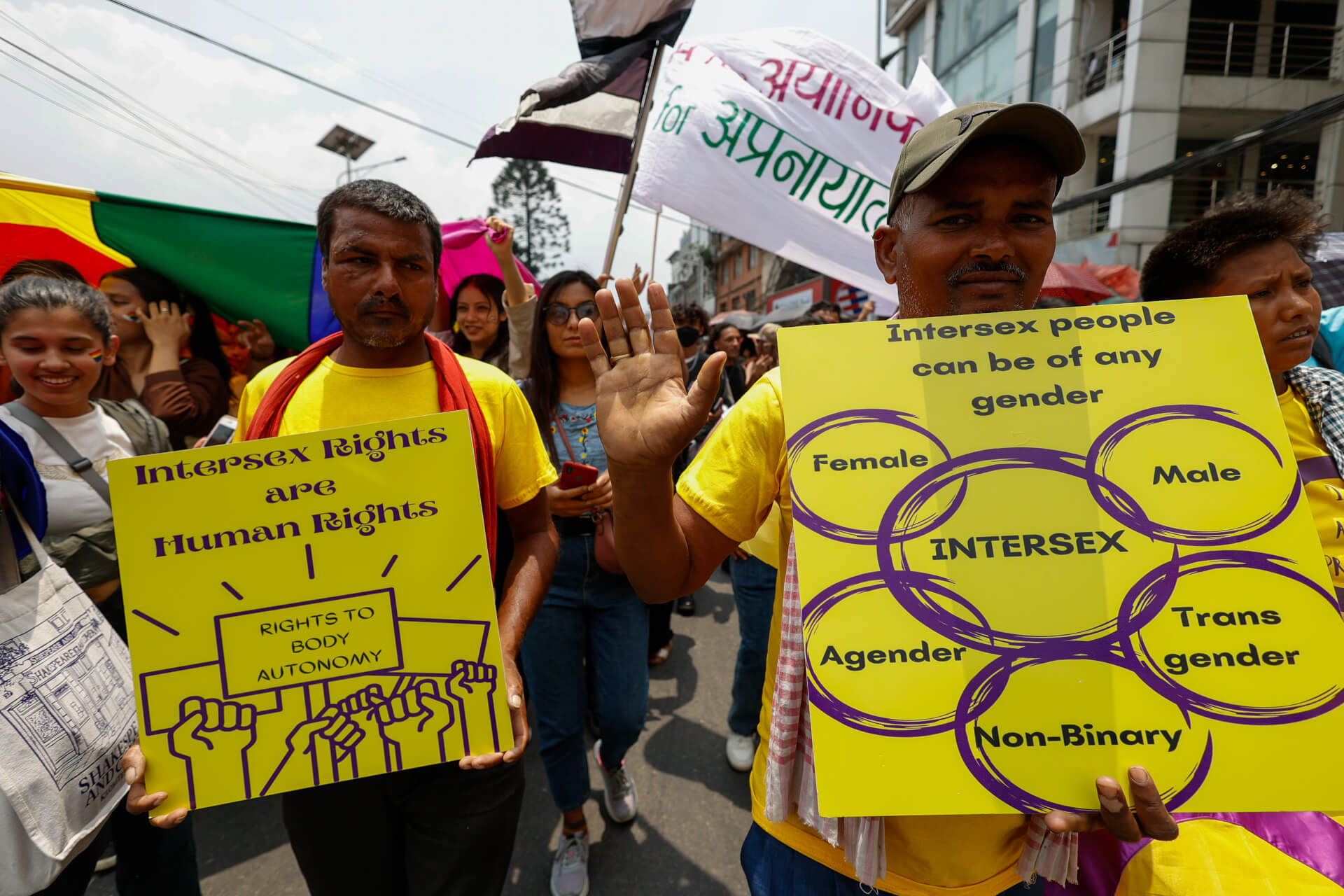
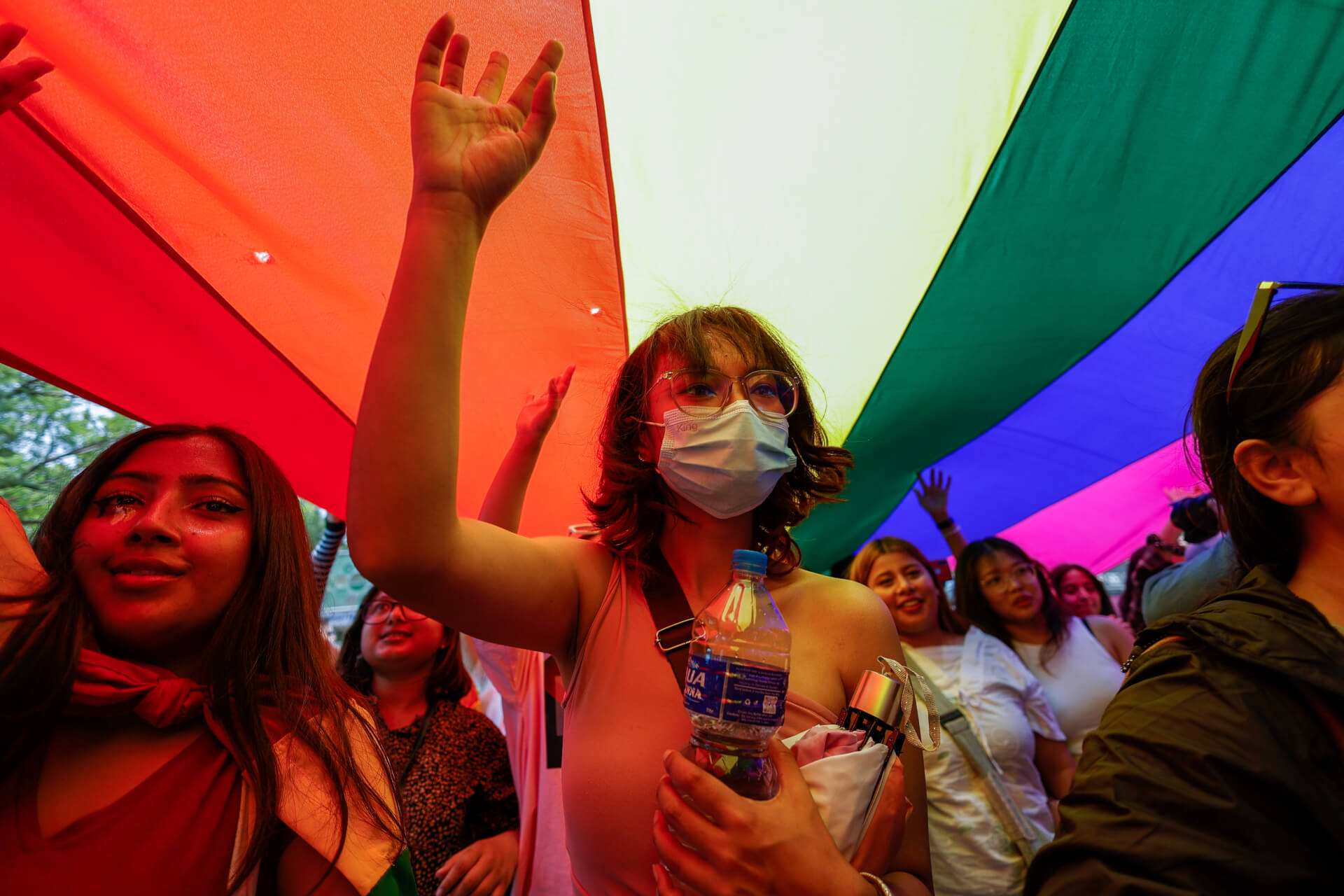
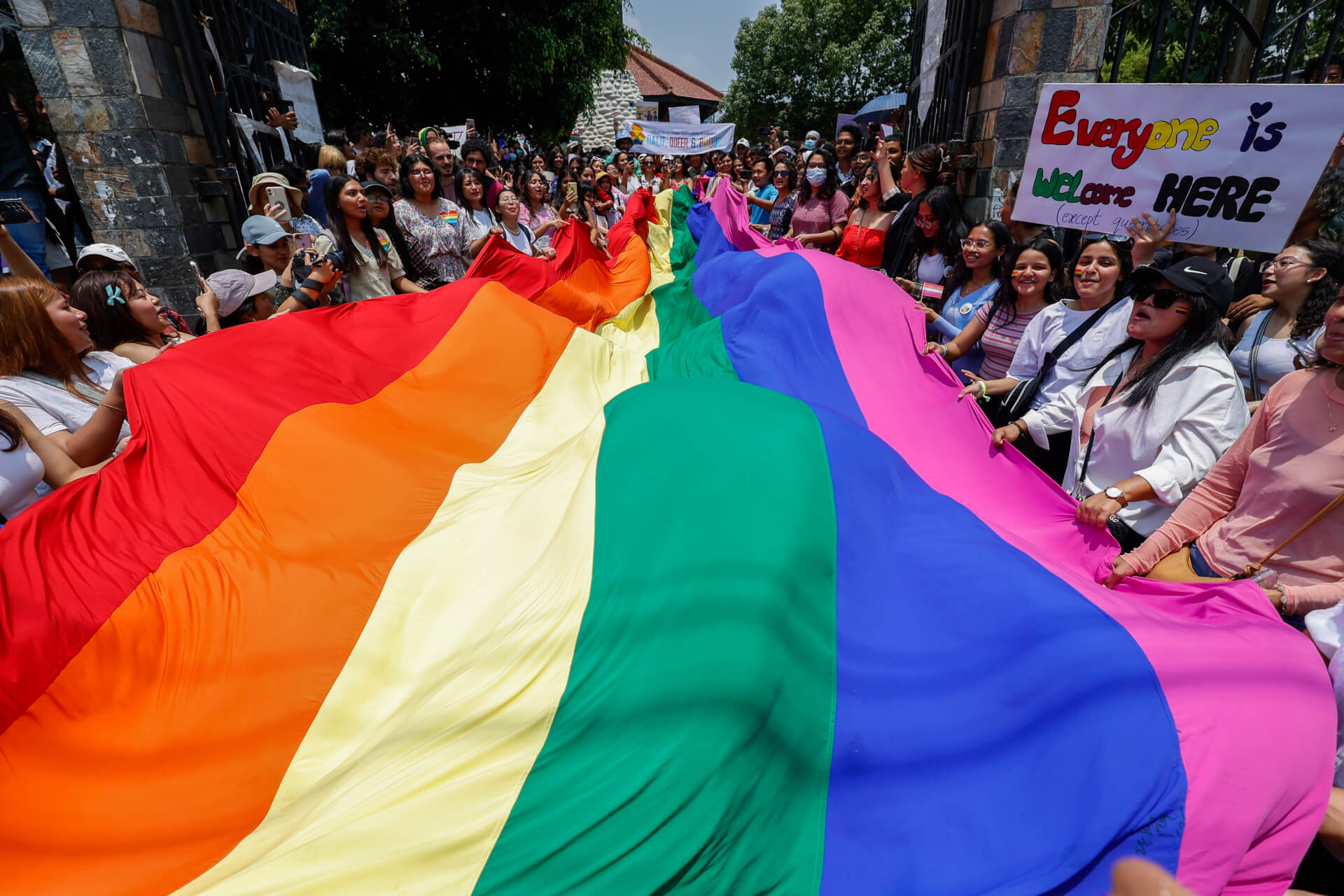
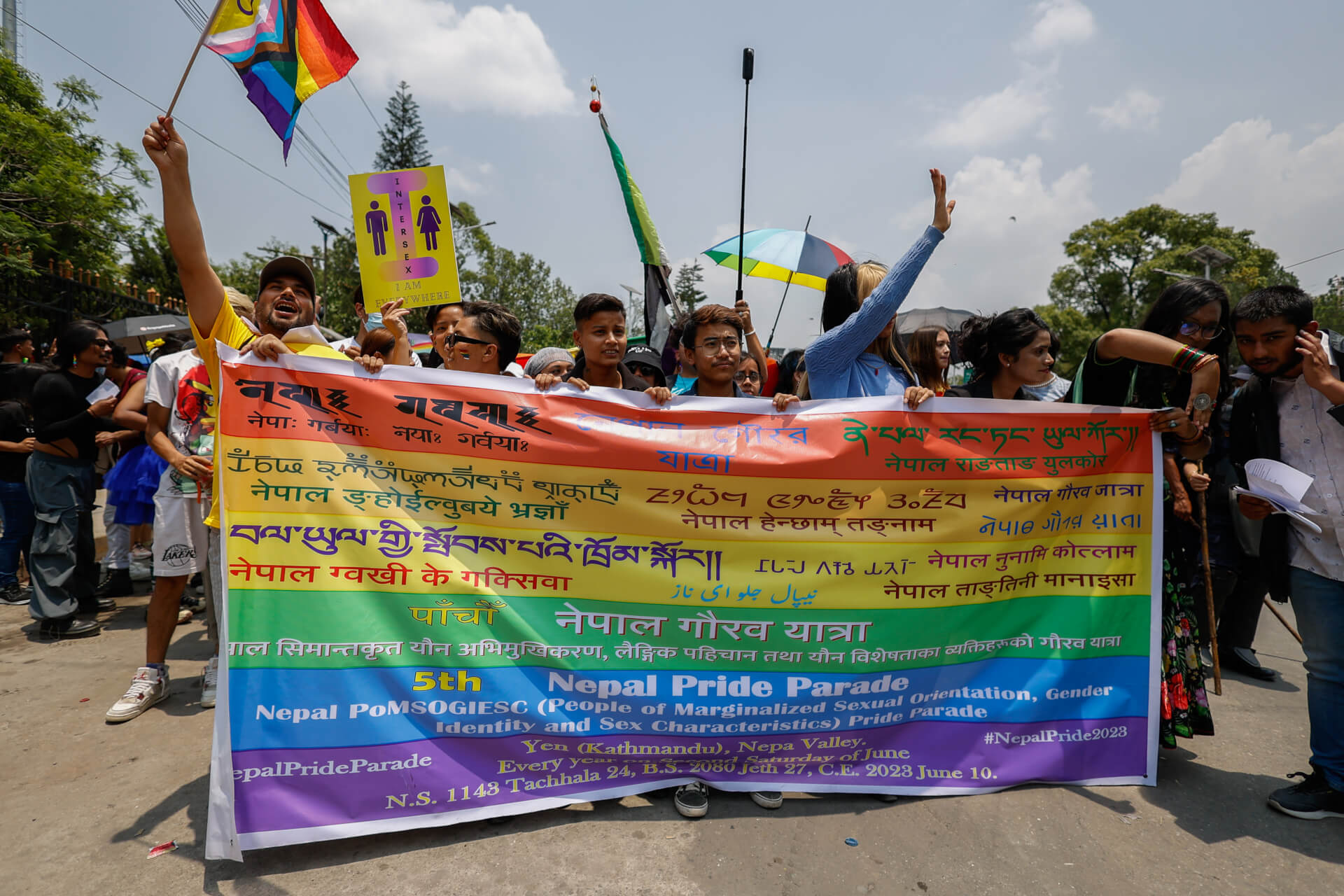
Campaigners from the LGBTQIA+ community take part in the 5th Annual Nepal Pride Parade on Saturday in Kathmandu, Nepal on June,10,2023. (c) SANJOG MANANDHAR
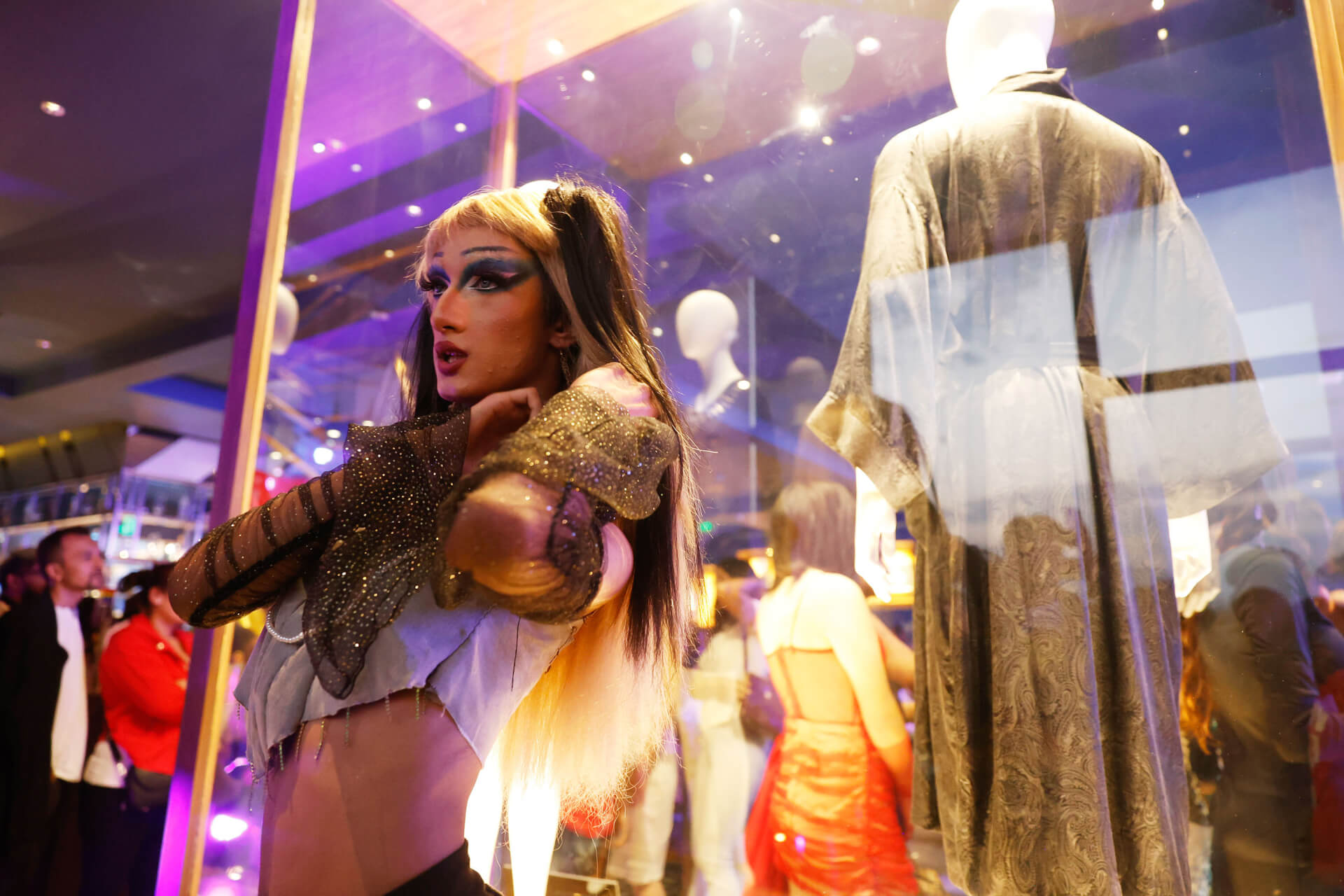
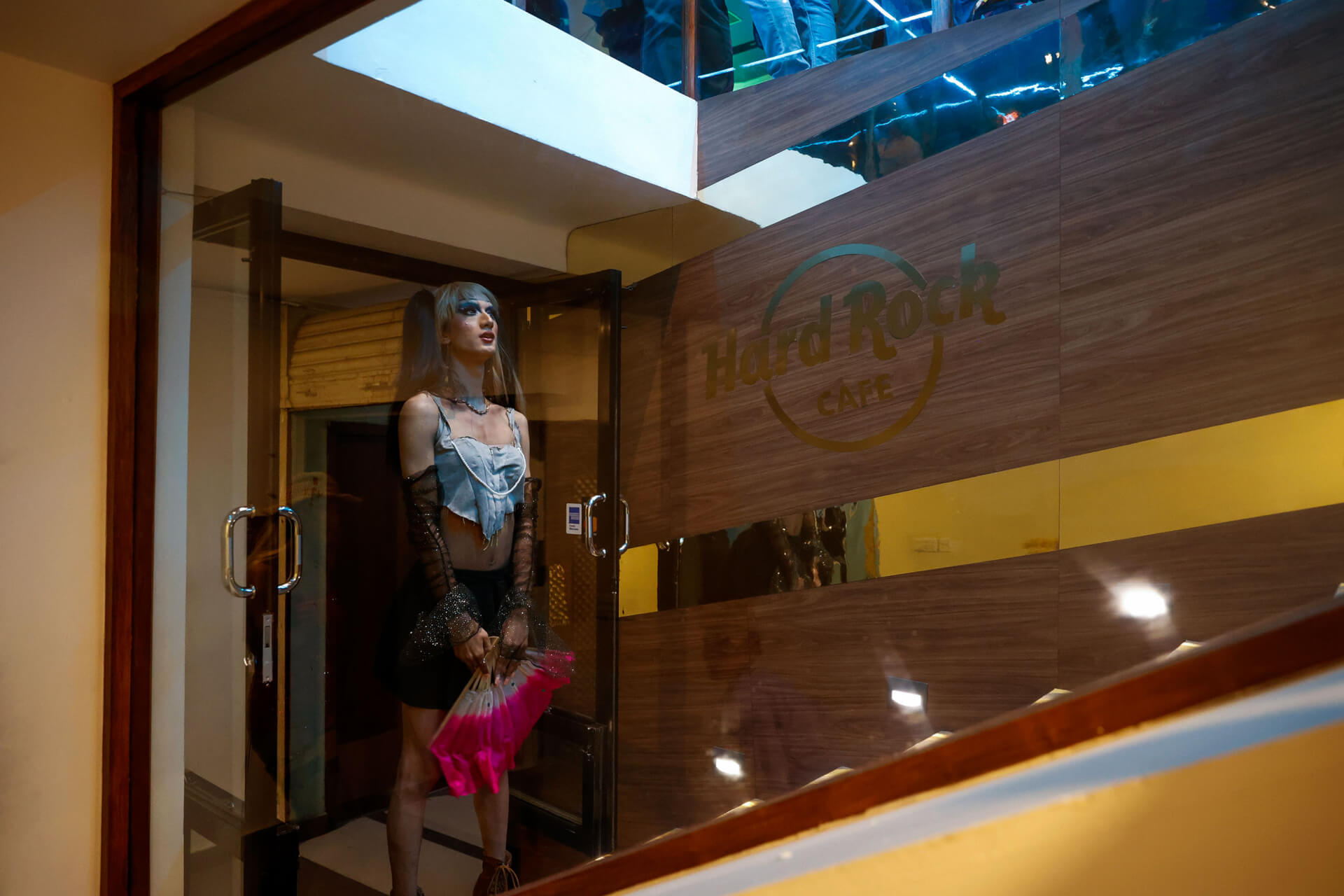
Participants gets ready for a stage performance during a drag show held to celebrate the annual Pride Month at the Hard Rock cafe in Kathmandu. June 17, 2023. (c) SANJOG MANANDHAR
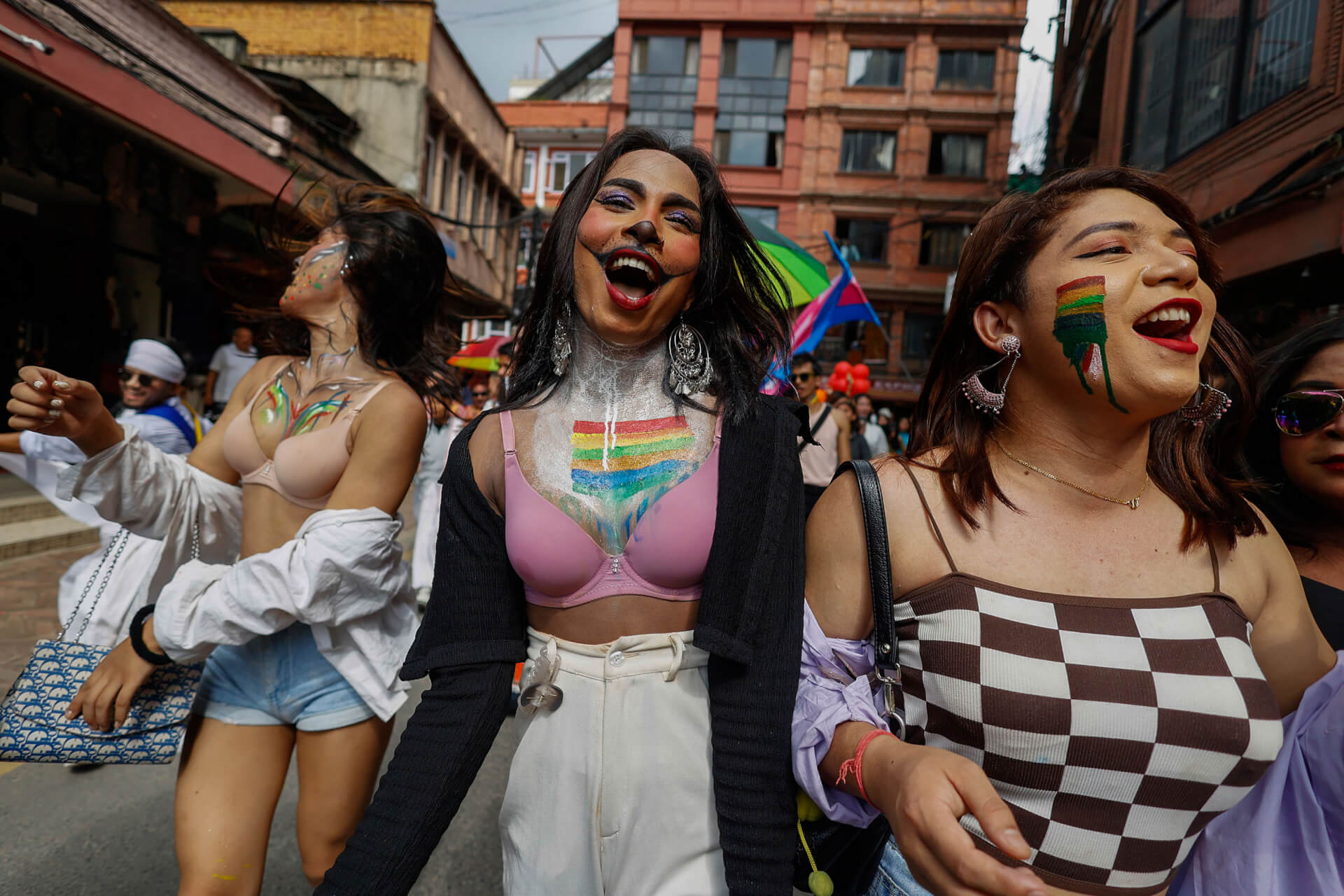
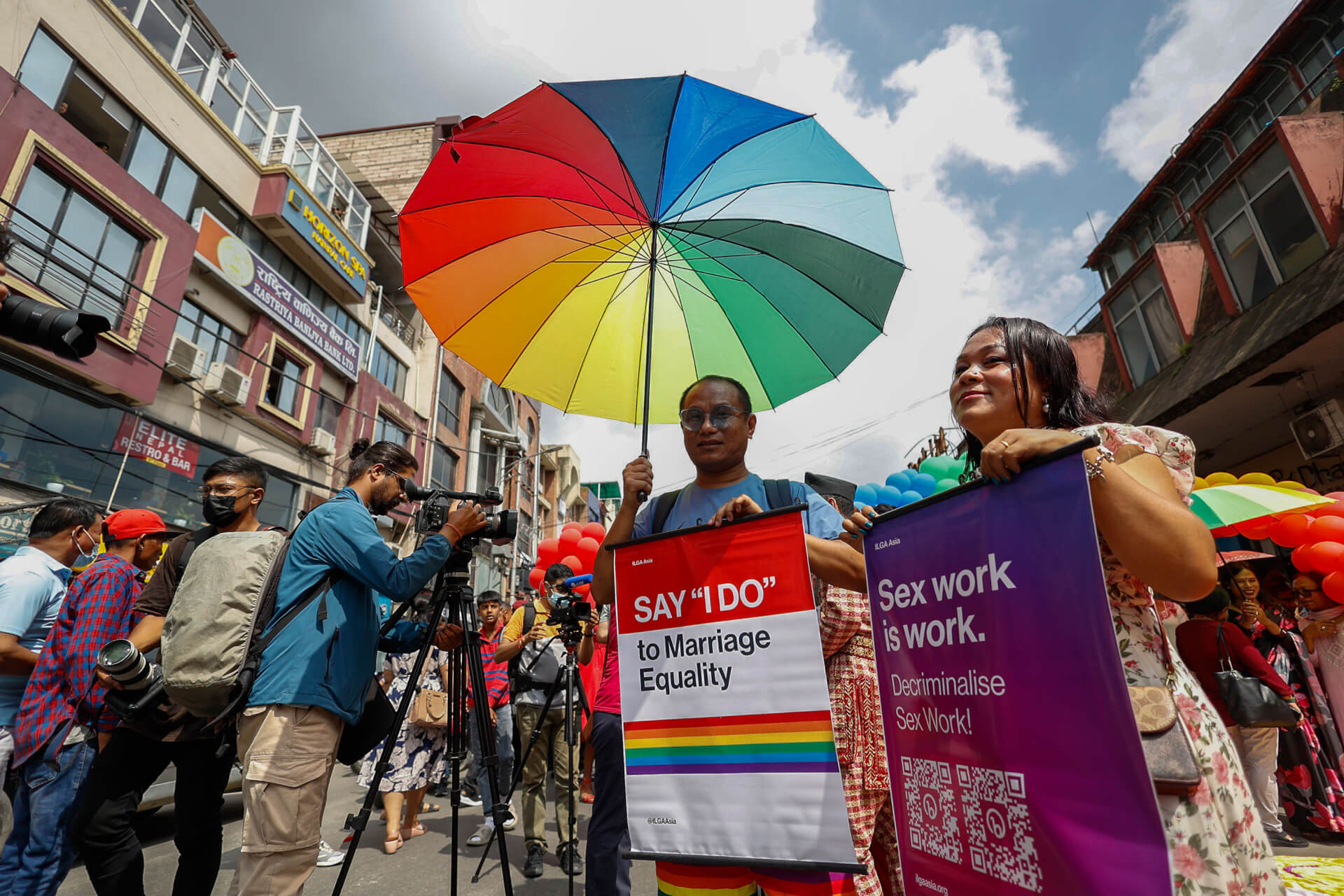
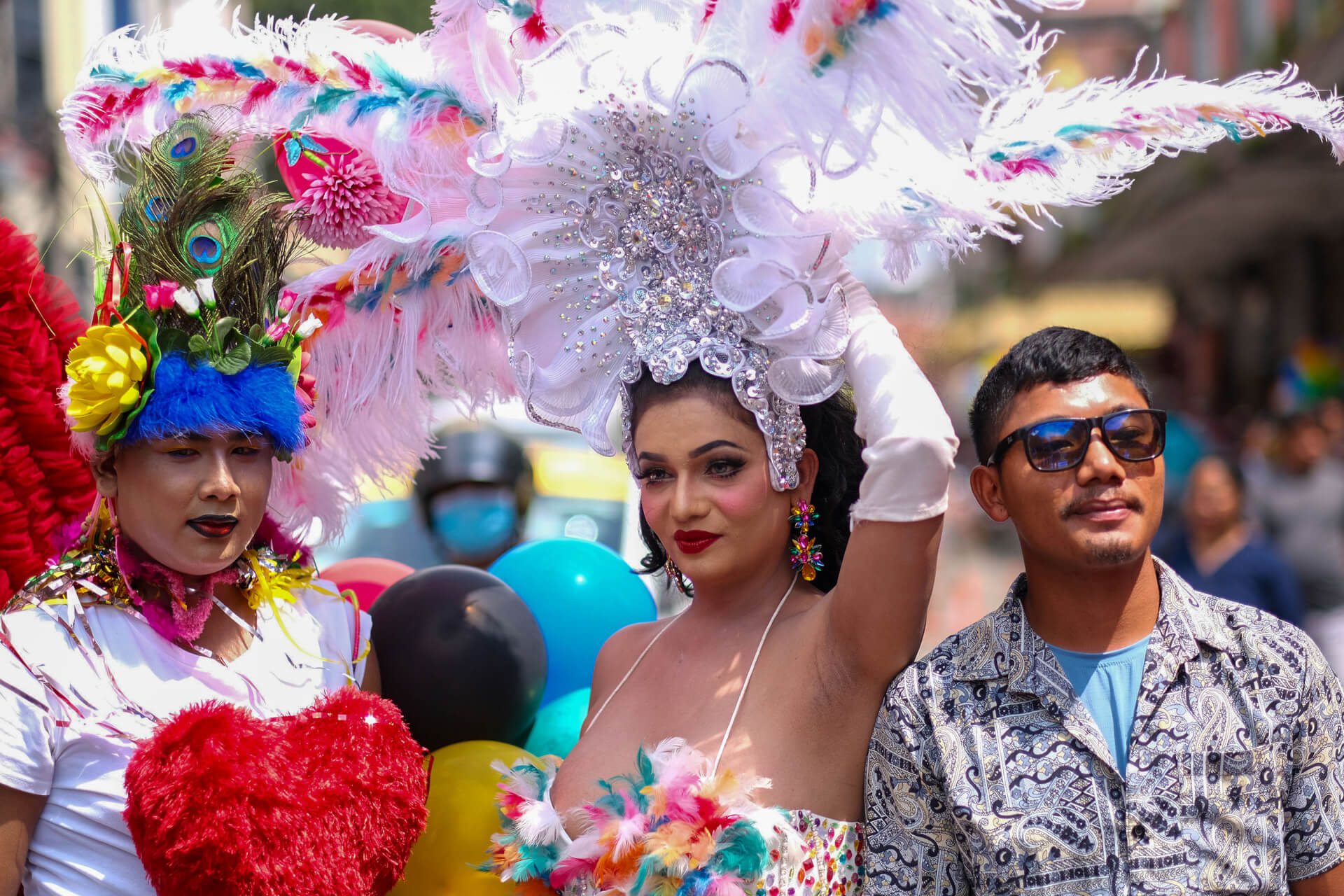
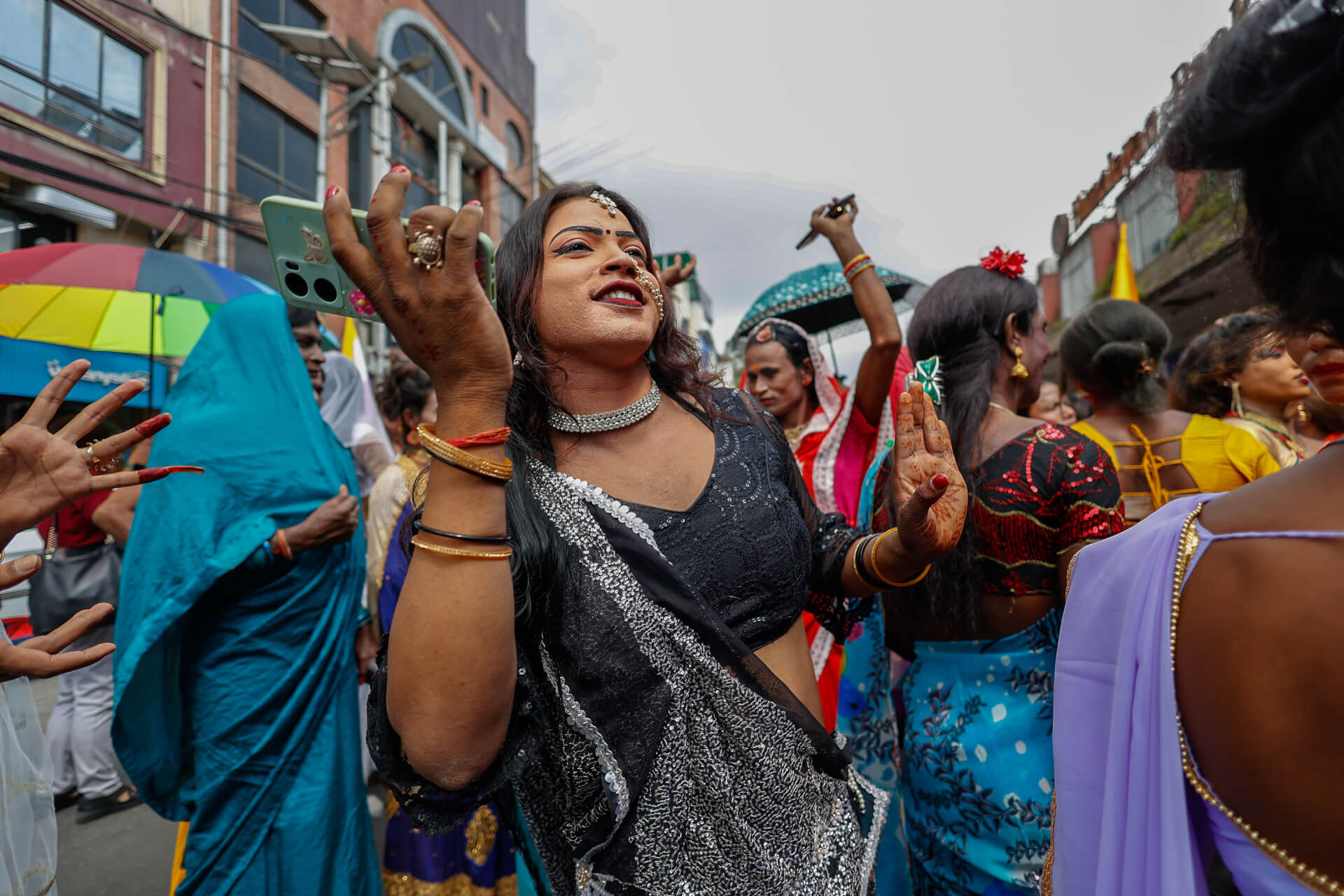
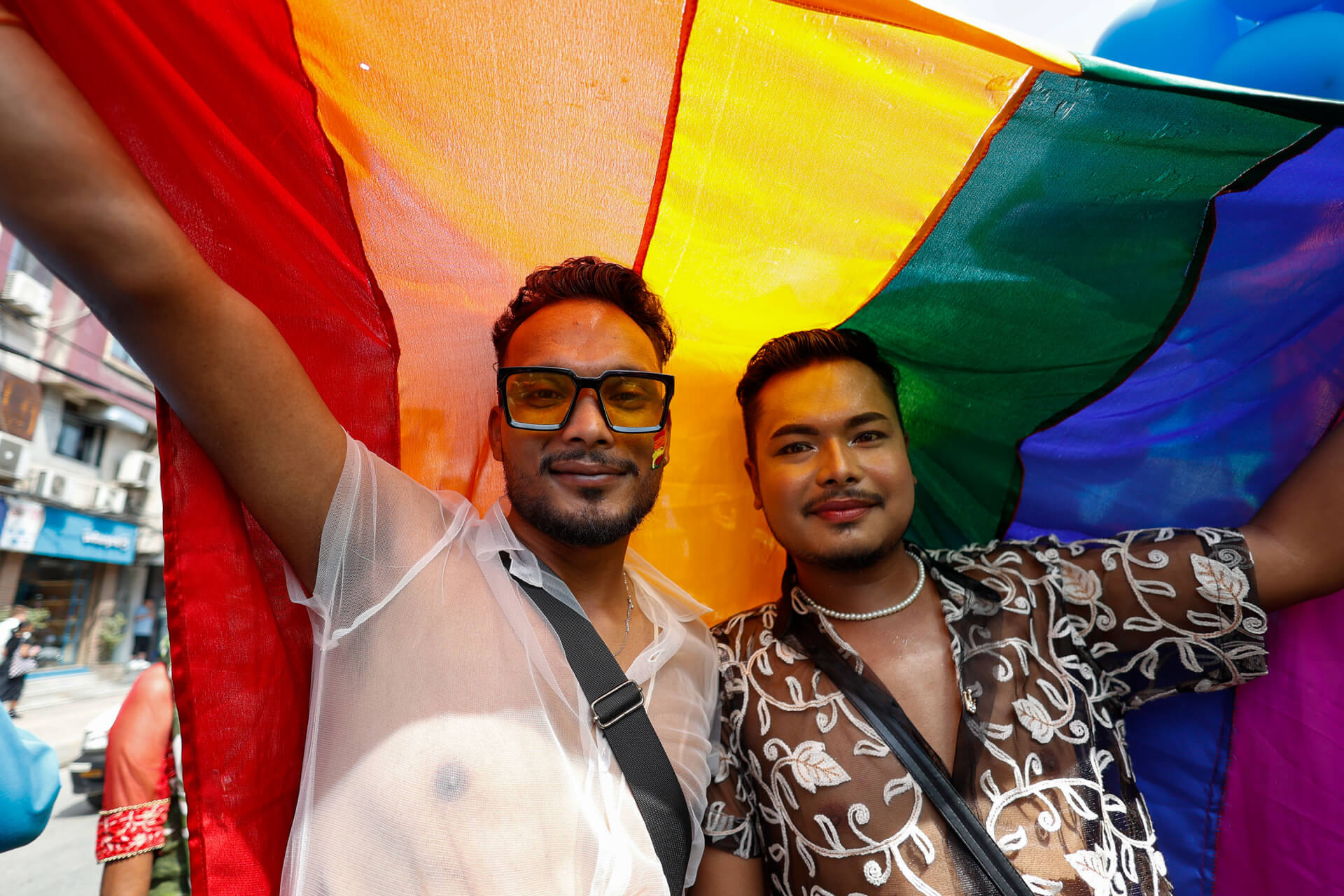
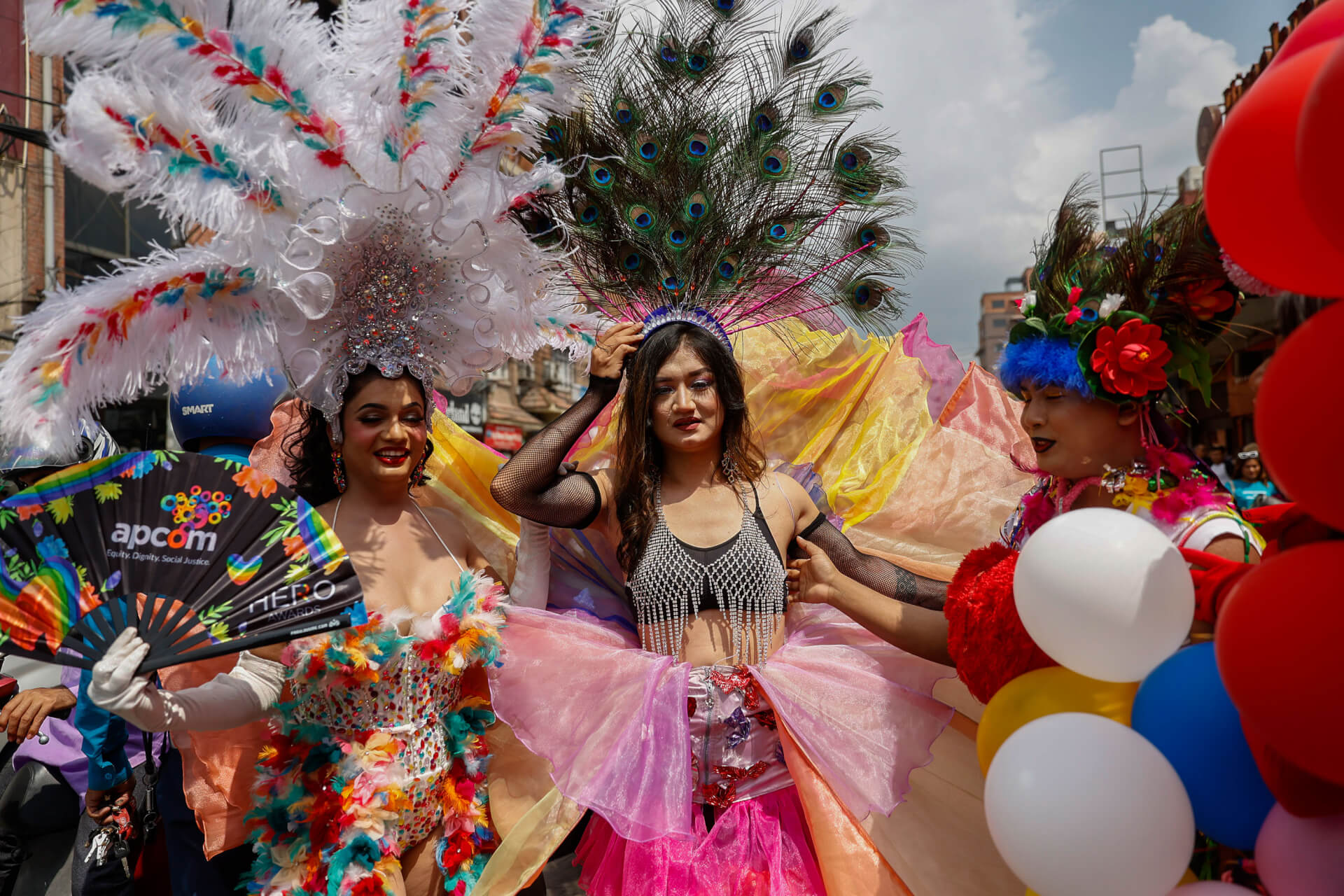
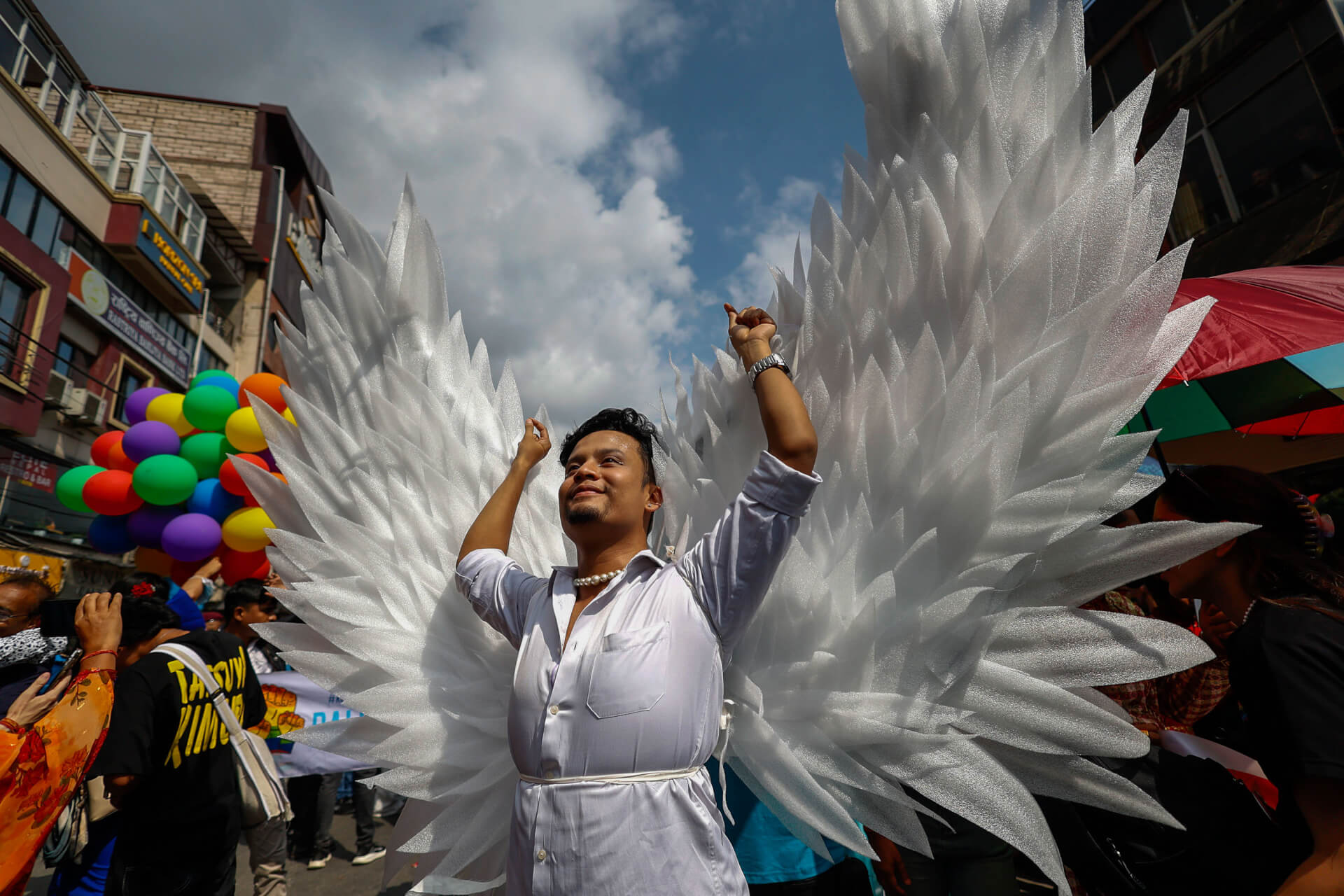
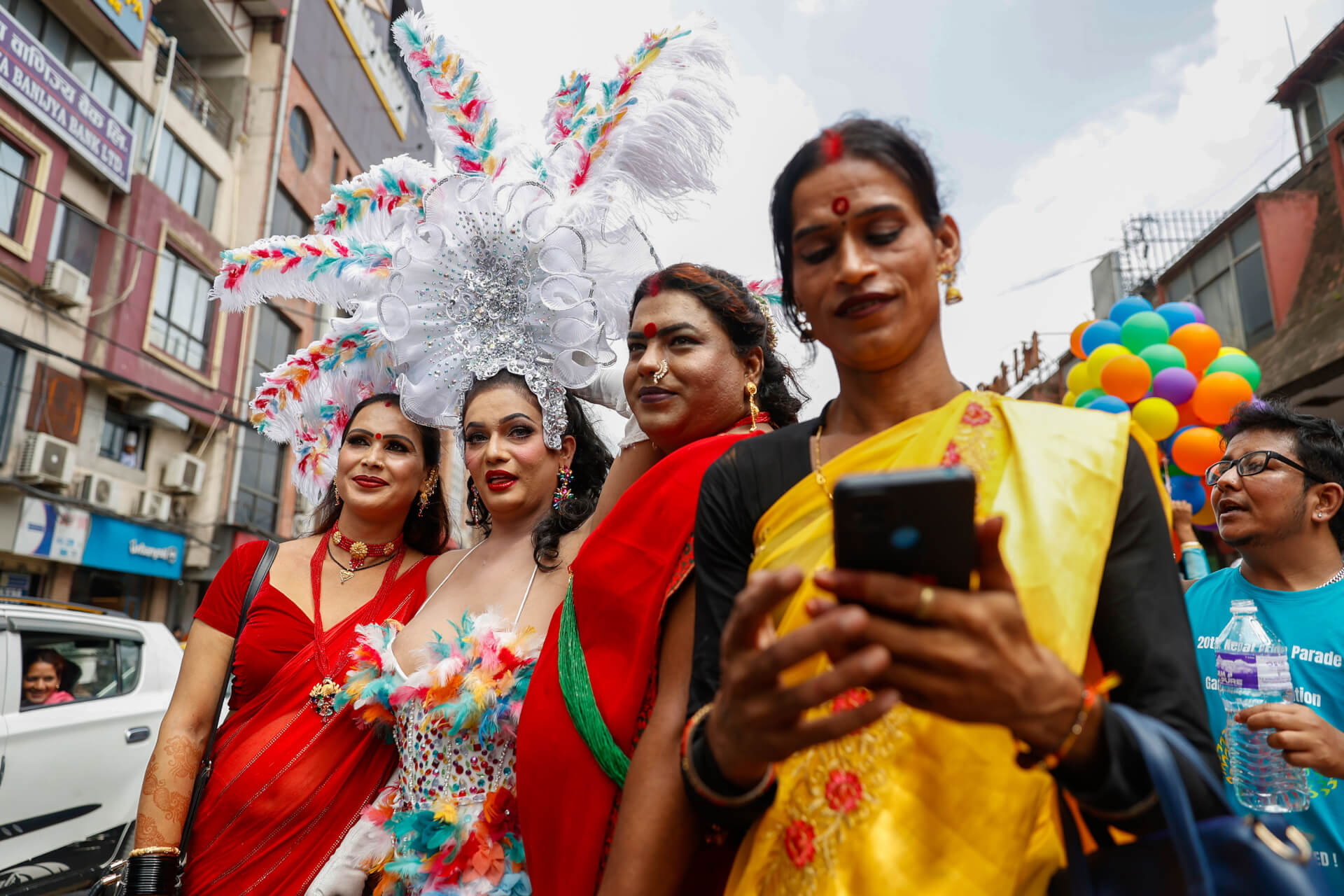
Pride parade, Kathamndu (c) SANJOG MANANDHAR
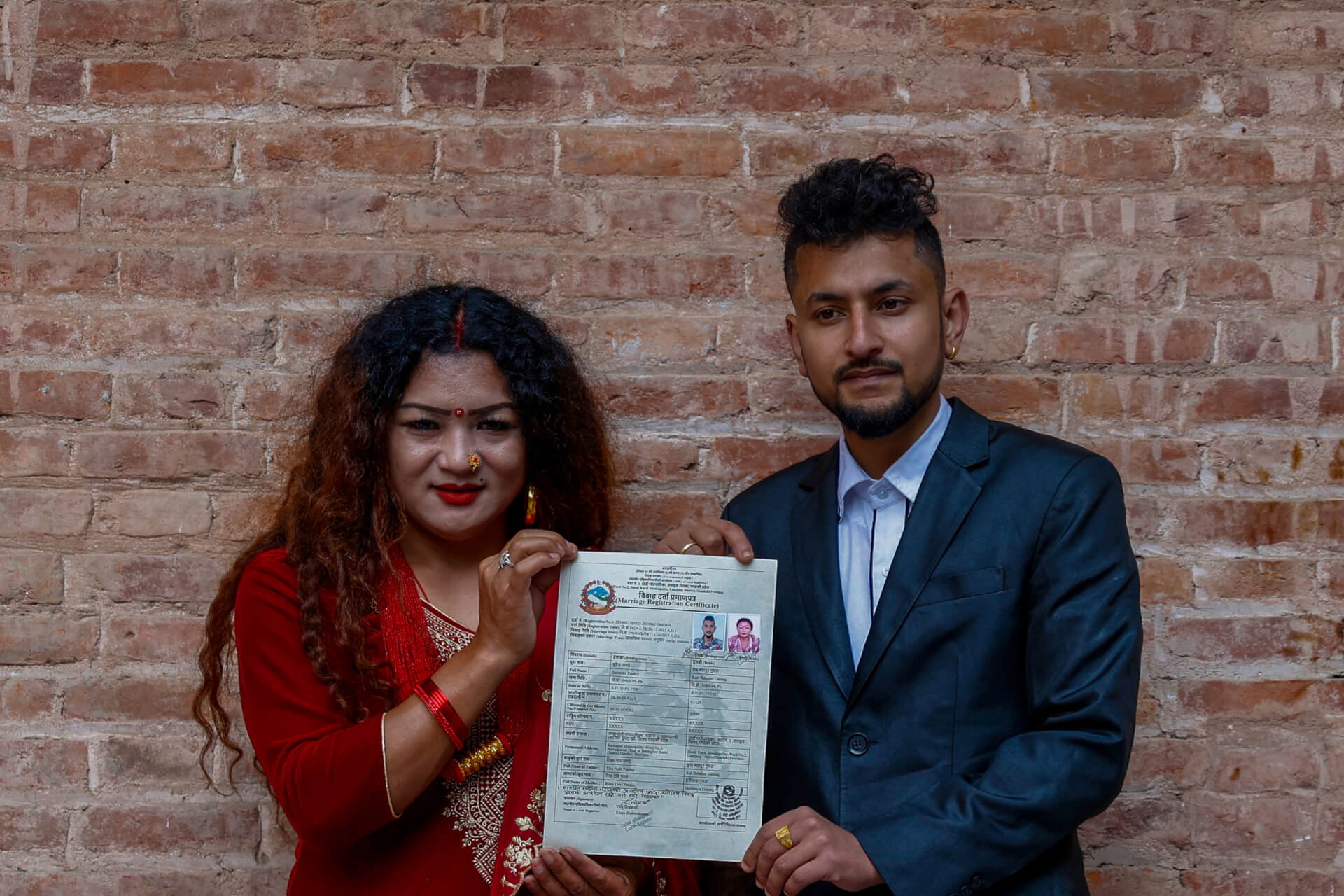
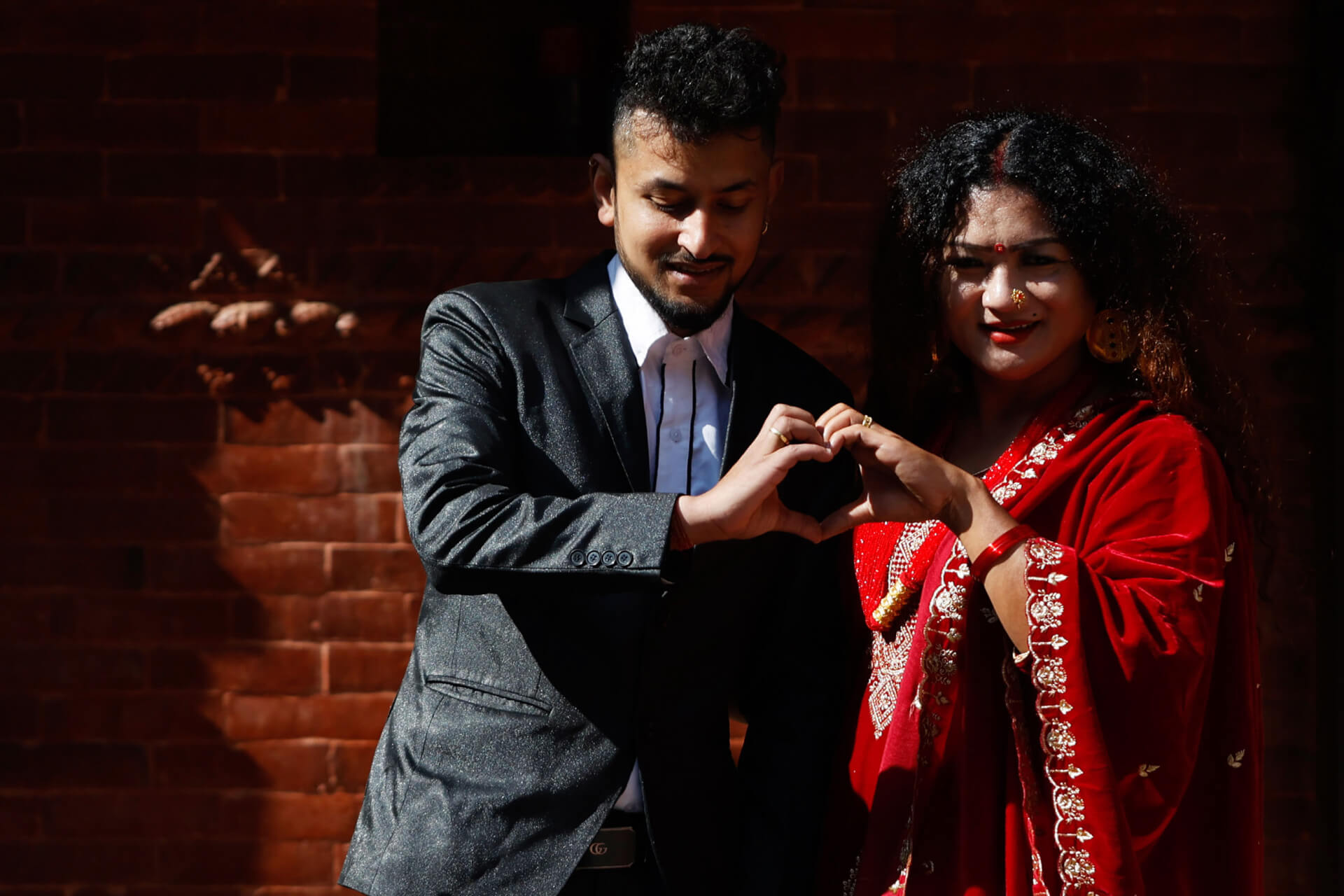
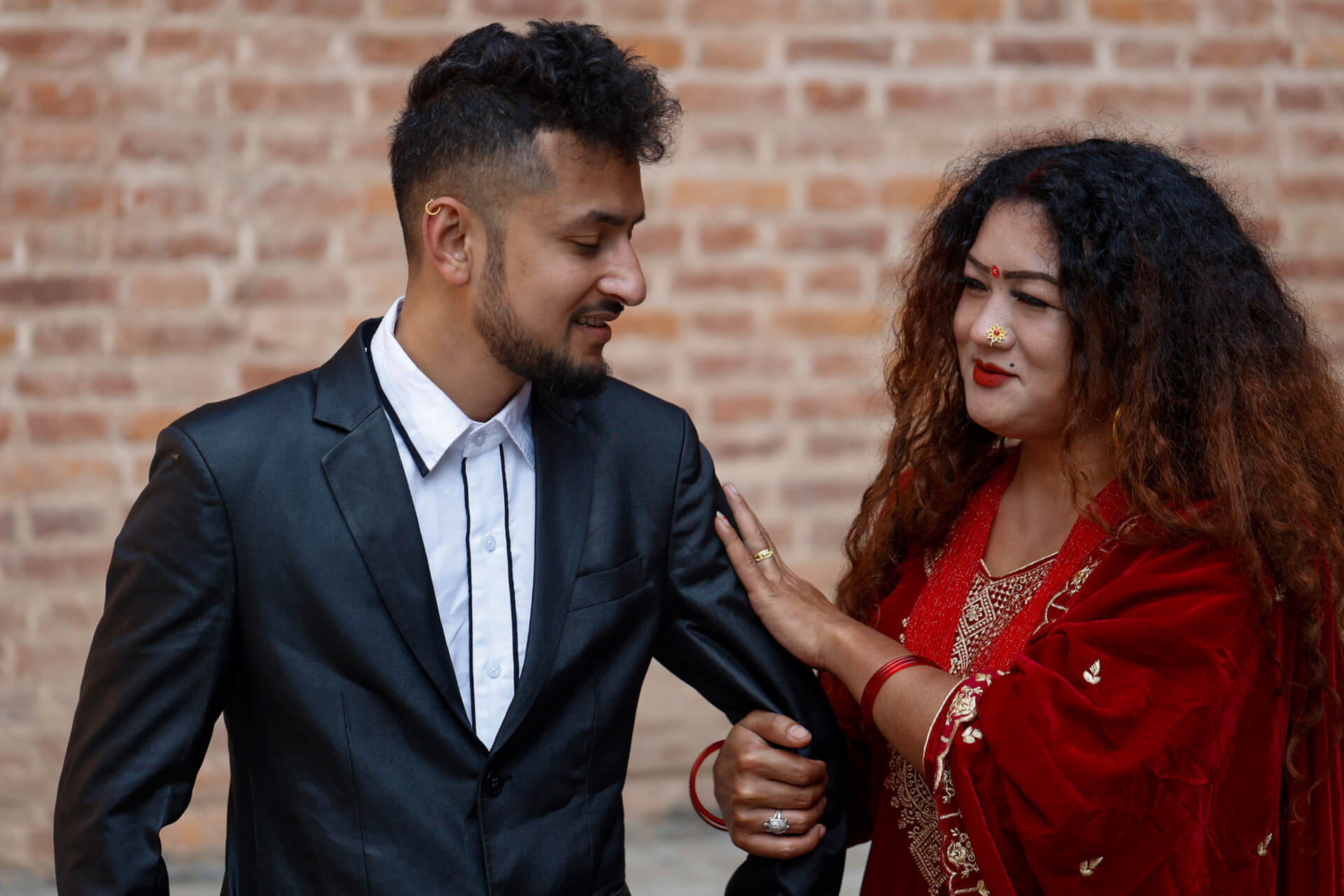
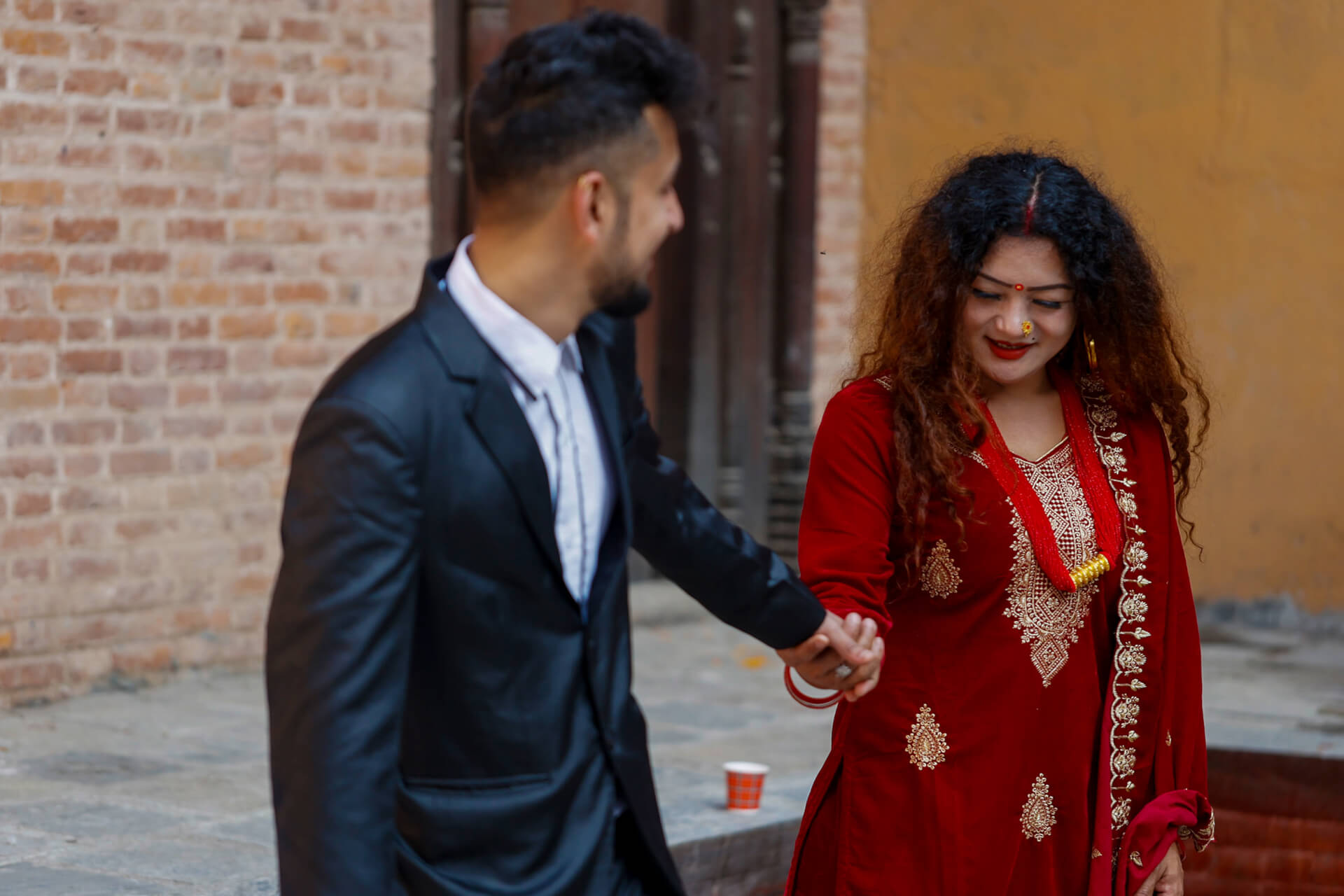
Maya Gurung, 35, (Right) and Surendra Pandey, 27, (Left) after being legally registered as a same-sex marriage couple, becoming the first couple to receive the status in Kathmandu, Nepal on Friday, December 1, 2023. (c)SANJOG MANANDHAR
Mon 9 Feb 2026
News
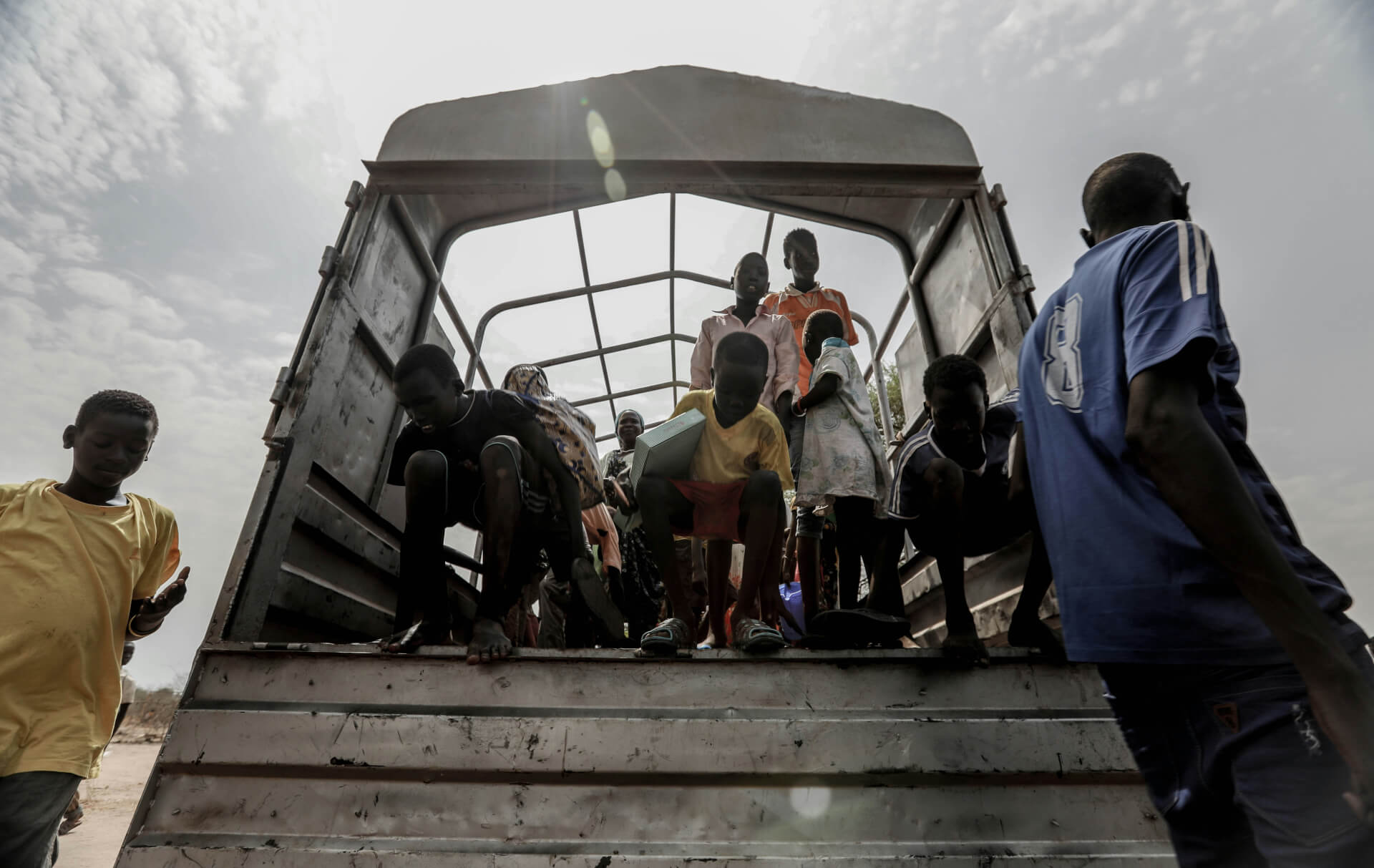
Great Lakes: Local associations, a bastion of hope In Burundi and eastern Democratic Republic of Congo, where conflicts and population displacement have created a humanitarian emergency, local organisations are trying to make a difference through a simple approach: acting with what they have, where they are. However, these actors on the ground remain largely excluded from strategic decision-making. Faced with a crisis that goes beyond the humanitarian emergency, regional actors are calling for a coordinated political response to enable a dignified and sustainable return.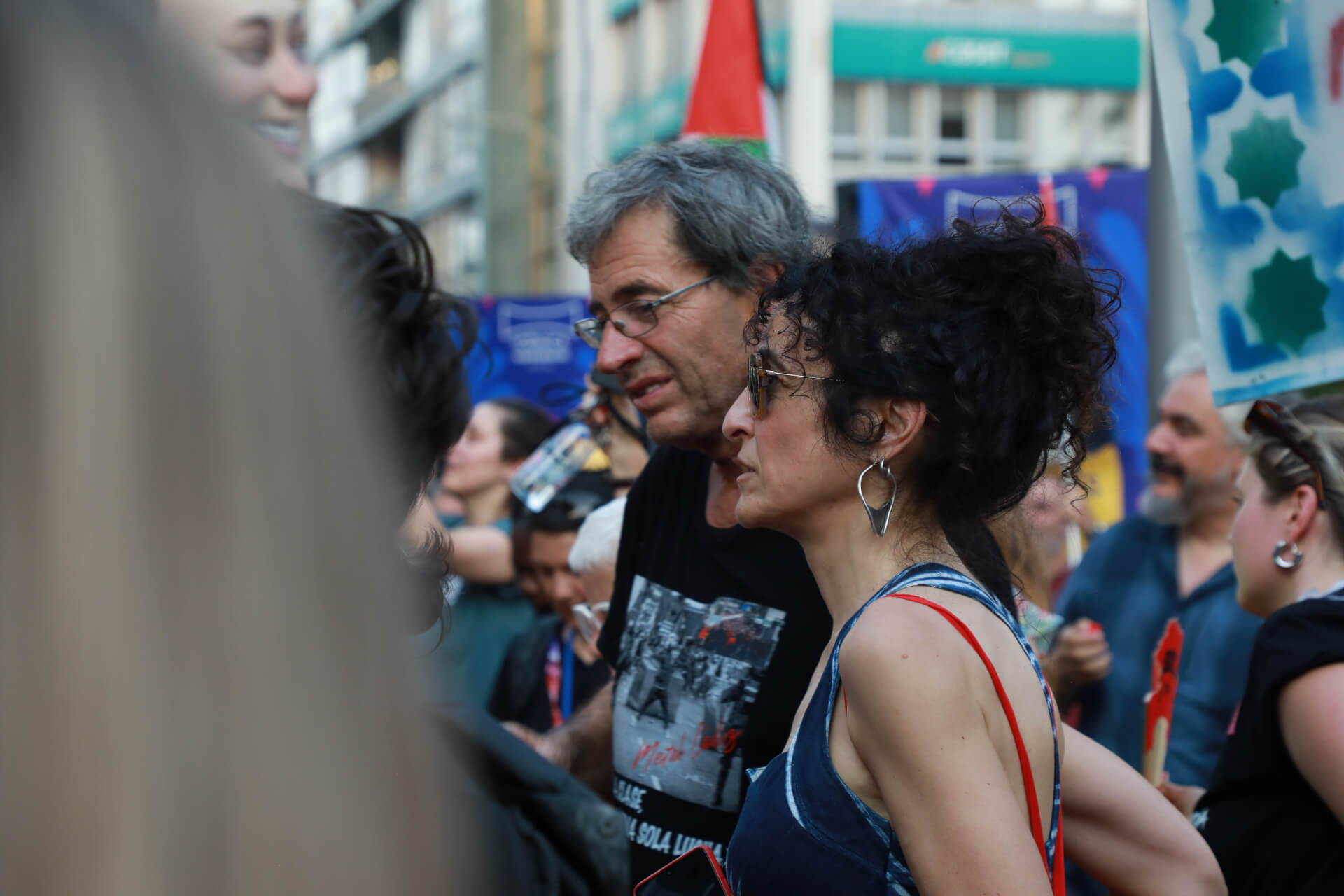
Thu 5 Feb 2026
News
March With Us 2026: Civil Society Mobilises to Amplify Gender Justice Voices On 2 February 2026, Forus convened a special Communications Working Group meeting to discuss the 6th edition of the March With Us Campaign for Gender Justice. Bringing together Forus members from across regions, the session created a dynamic space to explore how civil society can use podcasts, articles, documentaries and multimedia storytelling to amplify gender justice voices globally.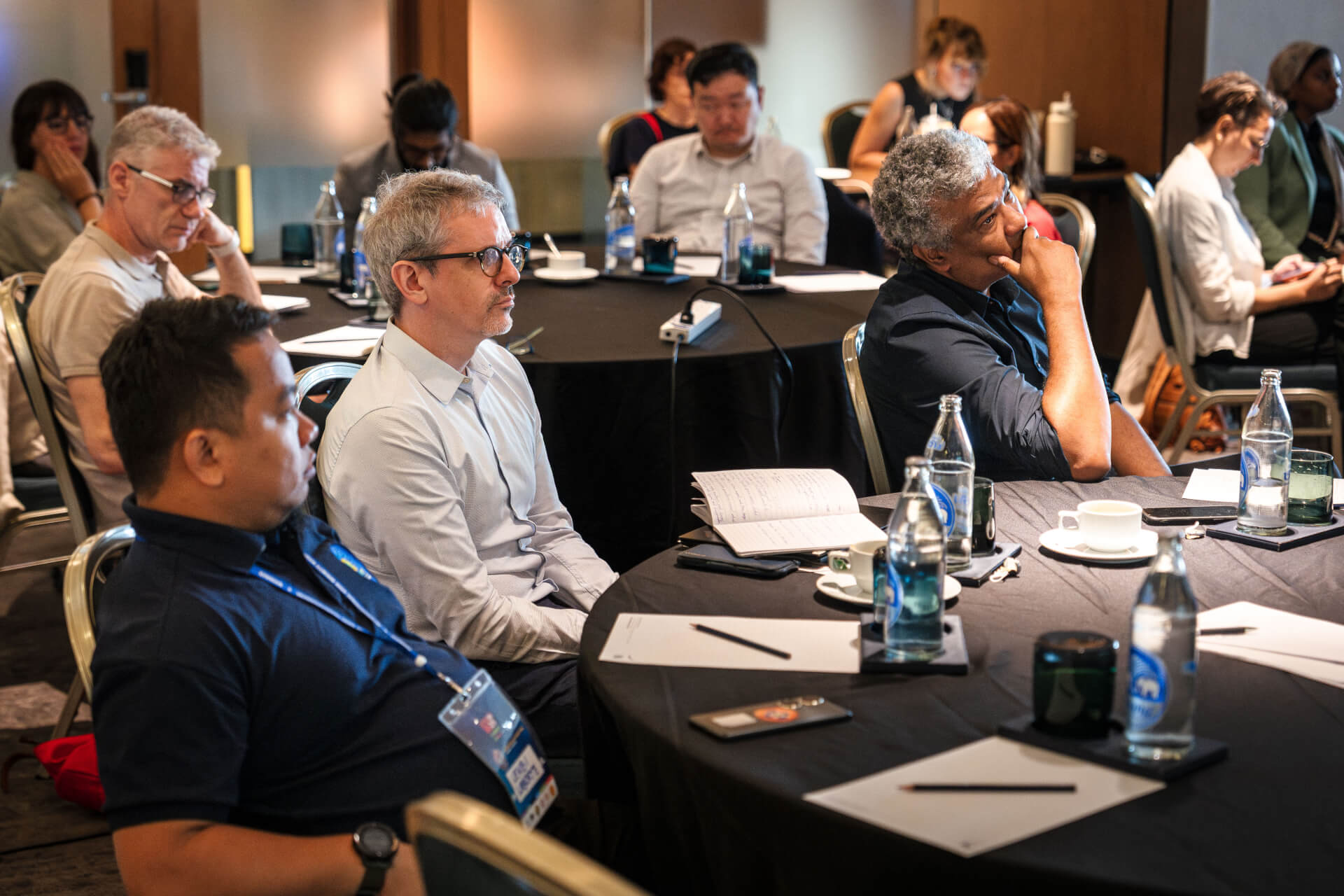
Wed 4 Feb 2026
News
Election-related violence: a shrinking space for democracy and civil society With major elections approaching across multiple regions in 2026, election-related violence remains a critical threat to democratic participation and the enabling environment worldwide. Beyond election day itself, violence before, during and after electoral processes continues to erode trust in institutions, silence dissenting voices and prevent civil society from fully exercising their fundamental freedoms of peaceful assembly and association.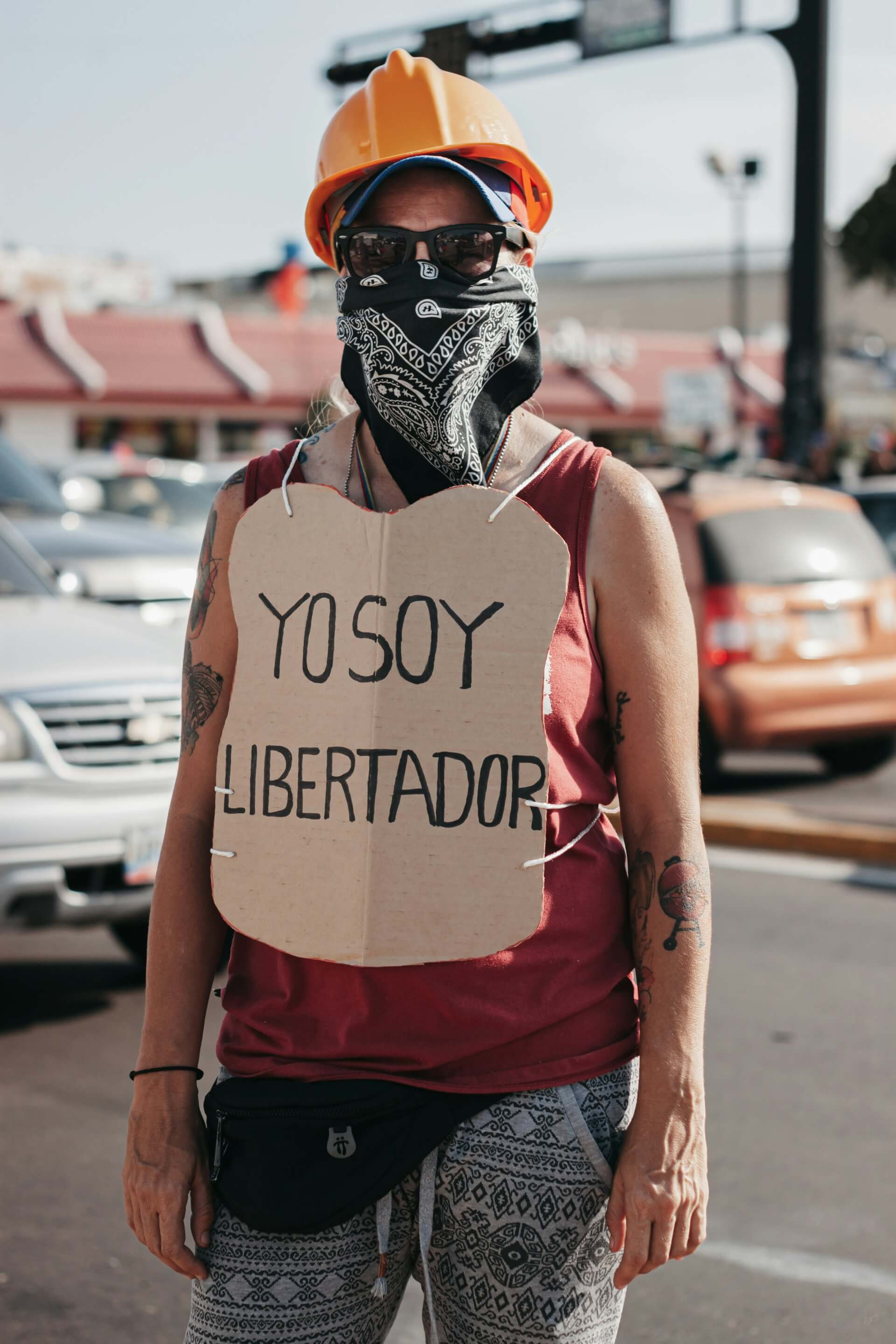
Thu 22 Jan 2026
News
Upholding International Law, Protecting Civilians and Civic Space, Preventing Escalation following the 3 January 2026 military action in Venezuela At a time of escalating conflicts and deepening geopolitical tensions worldwide, it is essential to reaffirm the foundations of the rules-based international order. The UN Charter, the principles of sovereignty, territorial integrity and political independence, and the prohibition of the threat or use of force are not optional. They exist to protect people and prevent escalation. Any action that undermines these principles could normalise “might makes right” in international affairs — with consequences that can rapidly spill over across Latin America and the Caribbean, and beyond. Peace in the region must be built through dialogue, cooperation and respect for international law — not through threats, coercion, or the use of force.