© Forus
©Forus


Tue 17 Mar 2026
Leading Change: How Women, Youth and Civil Society Are Accelerating the SDGs from the Ground Up
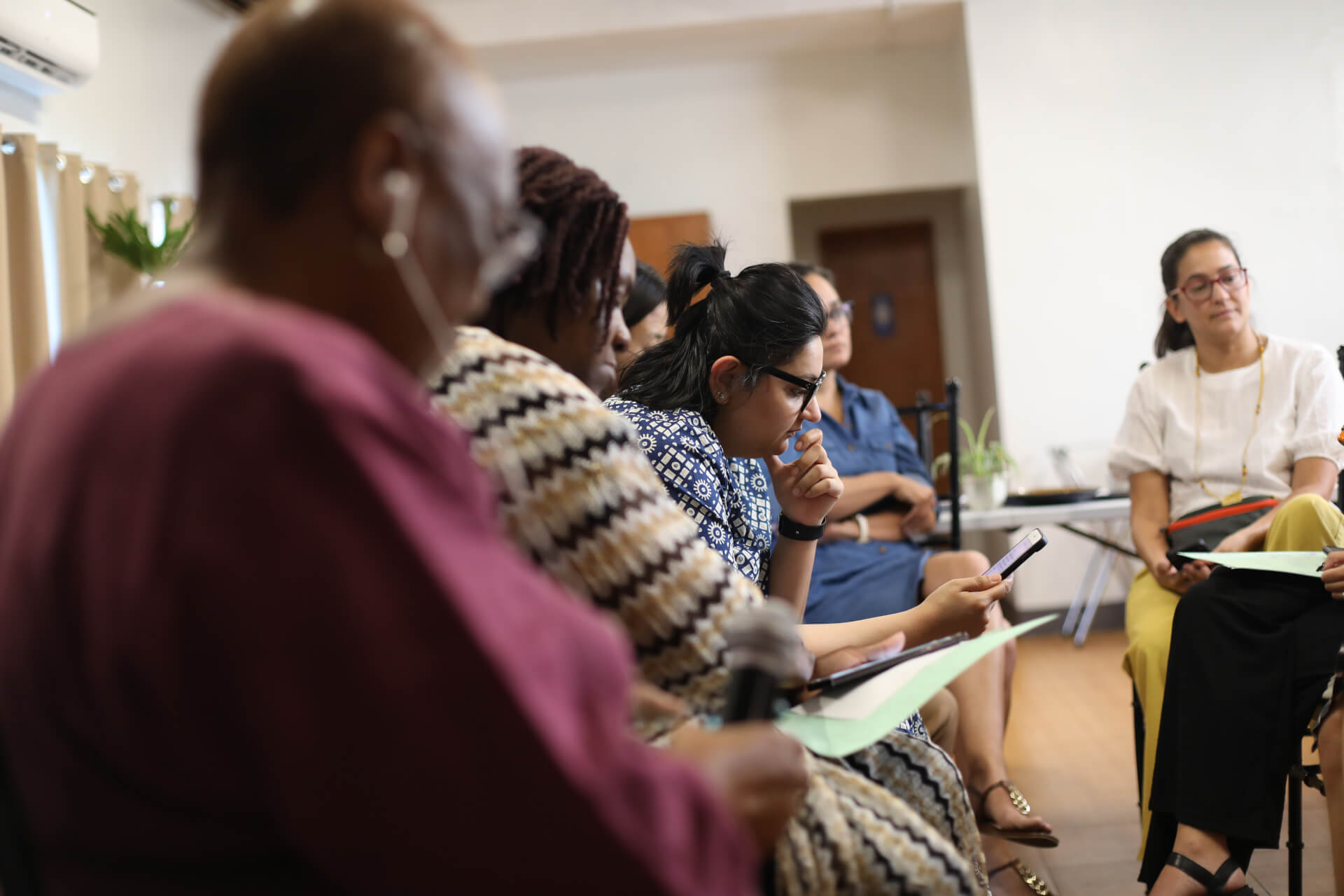
With less than five years left to achieve the 2030 Agenda for Sustainable Development, civil society leaders from across regions gathered on 11 March 2026 for the CSW70 side event “Leading Change: Women, Youth, and Civic Action for SDG Acceleration.”
Organized as part of the March With Us campaign for gender justice, the discussion brought together activists, policy advocates and community leaders to reflect on one central question: how can local action driven by women and youth accelerate progress on the Sustainable Development Goals (SDGs)?
Progress toward the SDGs remains uneven and frustratingly slow across many regions. Countries face compounding challenges – climate change, economic pressures, conflict and widening inequalities – that together risk leaving the most marginalised communities further behind. Yet across the globe, women and young people are responding not by waiting for international frameworks to catch up, but by building change at the local level; in the territories and communities where the effects of inaction are most acutely felt.
The contribution of six speakers who brought to the event concrete experience from Paraguay, the Pacif Island, China, Pakistan, Nepal and Zambia. Together, their testimonies point toward a shared conclusion: participation is not enough. Women and youth must move from consultation roles to genuine positions of influence – in climate governance, labour policy, digital advocacy and community budget processes alike; they highlighted how grassroots leadership is bridging the gap between global commitments and local realities.
Opening: Context and objectives of the session
Opening the event, Ndey Sireng Bakurin, Executive Director of the Association of Non-Governmental Organisation in the Gambia (TANGO) situated the event within a moment of dual crisis: the SDG deadline is approaching, yet progress is falling dangerously short. She was unequivocal about the cause: sustainable development cannot be achieved through international commitments alone. "Achieving the Sustainable Development Goals will not happen from global commitment alone. It happens when communities, civil society, women and young people take leadership and turn those commitments into real change," Ndey explained.
This framing — local action as the necessary complement to global ambition — ran as a thread through every contribution that followed. Ndey also stressed the structural role of civil society networks in bridging communities with governments and development partners, ensuring that no one is left behind. The Forus network, she noted, already demonstrates this in practice: local actors across its platforms are shaping development plans, influencing policy and holding institutions accountable in 74 countries.
Closing Climate Action Gaps
Mónica Centrón Secretary of POJOAJU — a Paraguayan civil society network — opened the first panel by reflecting on the outcomes of COP30 in Belém, and their sobering implications for local climate action. Her assessment of the global process was candid: adaptation plans remain unfunded, international climate finance from the Global North continues to fall short, and despite more than 50 global indicators, the connection to countries' financial realities remains weak.
Rather than waiting for international finance, POJOAJU works directly in territories alongside Paraguay's Ministry of Environment to develop local climate action plans and contingency protocols, demonstrating that meaningful climate action begins at the municipal level. The figures presented, however, reveal a troubling implementation gap: of Paraguay's 263 municipalities, only 11.8% have local climate action plans — leaving the vast majority of communities without the tools needed to protect themselves from fires, floods, extreme droughts and heatwaves.
"These plans must stop being nice documents stored in a desk and become tools with real budgets," Monica stressed.
The analysis here is sharp: the problem is not only technical capacity, but political will and structural funding. Local leaders may be willing but lack the resources to translate plans into action. She argued that the solution lies in moving beyond consultation toward institutionalisation — ensuring that the needs of women and girls are reflected in concrete local policies that transform abstract budget lines into real resilience. Women's leadership, she emphasised, has been central to this shift in practice: "When women lead, the climate agenda becomes more human — water, food security and the protection of the most vulnerable become priorities."
At the national level, the National Climate Change Commission - CNCC faces significant structural challenges: institutional fragility, insufficient funding, lack of effective sanctions for environmental damage and Paraguay's continued failure to ratify the Escazú Agreement despite sustained civil society pressure.
"The climate crisis cannot wait, and neither can communities. A resilient country is built by protecting natural resources and people — always with united hands."
These constraints illustrate a broader tension — between the ambition of civil society actors and the institutional environments in which they operate — that resonates well beyond Paraguay.
Gender-Responsive Climate Governance in Pacific
Emeline Siale, Executive Director of the Pacific Islands Association of Non-Governmental Organisations (PIANGO), shared lessons from a regional initiative promoting gender-responsive environmental governance across three Pacific Island nations — a project cut short by the withdrawal of US funding following the Trump administration's directives, but one that nonetheless yielded critical insights from communities on the frontlines of the climate crisis.
Rising sea levels and shifting temperatures are threatening not only land and livelihoods but the very fabric of Pacific communities. Climate pressures are disrupting social cohesion, straining ecosystems and making climate relocation an increasingly lived reality — particularly for women and girls. Yet Siale was clear that the Pacific is not merely a victim: Pacific governments have strengthened international legal frameworks around climate obligations, and with COP31 to be hosted in the Pacific this year, the region continues to play a great role in the global effort to limit warming to 1.5°C.
The initiative brought together women leaders across Pacific Island states to review national climate and gender policies and propose reforms. While progress has been made on gender inclusion — with more women visible in high-level climate spaces — Siale drew an important analytical distinction: “Gaps remain between their presence and their actual decision-making power”
Visibility, in other words, is not the same as power. Women's voices are not always translated into concrete policy requirements and their participation frequently remains consultative rather than determinative.
"There is no other way than to include women," she concluded. "When women's agency is placed at the centre of policy reform, things move."
The communities engaged in the initiative brought forward consistent recommendations: prioritise climate adaptation funding for vulnerable and indigenous communities; incorporate traditional knowledge into resilience projects; ensure meaningful representation of marginalised groups in decision-making bodies; and decentralise policies to reflect local realities.
Women in the Pacific, Siale noted, bring multidimensional expertise — across water, agriculture, fisheries and livelihoods — and have also led resistance against extractive initiatives, including deep-sea mining, that governments have sought to accommodate.
Empowering Women’s Leadership in Rural China
Xiangyi Wang Vice Chair & Secretary General of the China Association for NGO Cooperation (CANGO), discussed how the organisation places women's leadership at the centre of community governance and climate action. The organisation's starting point was a simple observation: across rural China, women were already forming informal work and care groups, building networks of mutual support — yet without formal structure, these groups faced significant barriers to accessing markets and financial resources.
CANGO responded by providing legal and financial support to formalise these networks into women's associations and mutual support groups, catalysing a transition from informal social ties to structured community actors. The results were tangible: thousands of rural women gained the collective power to purchase resources, negotiate better prices and shift from subsistence farming toward more sustainable livelihoods — generating local progress on SDGs 1, 3 and 5, with women reinvesting gains in children's education and community health.
Recognising that economic support alone was insufficient for systemic change, CANGO deepened its work by collaborating with the UN Women and engaging decision-makers in Chinese foundations and NGOs — to mainstream gender perspectives into organisational strategies and grant making processes.
Building on this, CANGO is now expanding their focus to include the intersection of climate change and gender equality. They are empowering local organizations to integrate gender perspective into both their internal governance and field actions. This means ensuring women’s full participation in decision-making bodies while also designing climate projects that specifically address women’s needs. By placing women at the center of climate action, CANGO is not only building resilience but also directly accelerating the realization of SDG 13.
"When gender inclusion becomes a fundamental part of organisational management, climate solutions become truly inclusive and effective for everyone."
The key analytical insight here is one that CANGO had to learn over time: When women lead with vision and institutional support,they have the potential to transform not only their own lives, but the future of our entire planet."
Women’s Labor Right Advocacy Success
Maryam Amjad Khan, the Team lead at AWAZ Centre for Development Services (AwazCDS-Pakistan) and coordinator at Pakistan Development Alliance (PDA) shared a landmark achievement in the struggle for women's labour rights — and a powerful illustration of how sustained civil society advocacy can translate into concrete policy change over the long term.
The context is striking: Pakistan is a country where women play a critical but historically invisible role. From land preparation to post-harvest processing, women's labour sustains entire agricultural cycles — yet it has long been treated as "family help" rather than recognised economic work. Women agricultural workers face extremely low or no direct wages, payment in kind, lack of written contracts, exclusion from social security systems and serious harassment in isolated rural environments. For decades, they were excluded from labour legislation entirely.
AWAZ and the Pakistan Development Alliance responded through a dual-track strategy: working directly with women agricultural workers at the grassroots level to build awareness of rights and collective confidence, while simultaneously launching sustained advocacy with parliamentarians, labour ministries and national human rights institutions. When the Punjab government proved unwilling to introduce a dedicated law, the alliance adapted — successfully advocating for the inclusion of women agricultural workers within the planned Punjab Labour Code. The process took three to four years and built a provincial stakeholder coalition bringing together government representatives, civil society, labour experts and the workers themselves.
In February 2026, the Punjab Labour Code was approved — formally recognising women agricultural workers as part of the labour framework for the first time. The code acknowledges their contribution to the agricultural economy and their right to protection under labour law, including individual worker recognition, written employment contracts and the right to organise and collectively bargain. This is a landmark: not incremental reform, but a structural shift in how the state recognises women's economic contribution.
"This is not only about including women in labour law. It is about recognising women as economic actors, equal workers with equal rights. Ensuring decent work for women agricultural workers is a labour rights issue, a feminist issue, and an economic justice issue."
Maryam was clear that legislative achievement does not automatically translate into lived change. Work continues to ensure these rights are implemented in practice, with women empowered to identify violations and hold systems accountable.
Youth Digital Storytelling in Nepal
Bhawana Bhatta , member of the National Development Council of the Government of Nepal, brought the perspective of young feminist activists in Nepal, demonstrating how digital narratives are reshaping both SDG accountability and policy discourse on gender justice. She opened with a contrast that encapsulates the contradictions facing young women across the Global South: on the eve of International Women's Day 2026, Nepal celebrated a historic political milestone — approximately 14 young women elected through the first-party process, with around 40% of elected representatives under 40, following the Gen Z movement. Yet on that same eve, a 16-year-old girl from a Dalit community in Karnali province was gang raped and killed.
This opening frame is analytically important: it refuses to treat political representation and physical safety as separate questions, insisting that both must advance together for gender justice to be real. Bhatta went on to show how digital tools are transforming the relationship between citizens and government data in Nepal. The government's SDG Data Portal, managed by the National Planning Commission, provides interactive dashboards and province-level data enabling researchers, journalists and civil society organisations to compare government targets with actual progress on poverty, education and maternal mortality. A complementary platform, Nepali Data, simplifies national statistics through visual storytelling, making complex data on unemployment, migration and rural-urban inequality accessible to the wider public.
Data journalism outlets such as Nepali Times have used satellite maps, air quality data and expert analysis to generate public pressure on environmental policy — linking local realities directly to SDGs 3, 11 and 13, because at the end "digital narratives play an increasing role in SDG accountability — but such initiatives need to scale up."
Bhatta also traced a powerful lineage of digitally networked feminist activism. The 2012 Occupy Baluwatar movement — triggered by the rape of a young woman by a police officer — mobilised through Facebook and Twitter to shift rape from a private issue to a public governance problem. In 2022, a young woman's viral TikTok videos describing sexual abuse experienced as a minor pressured the government to reconsider Nepal's statute of limitations for rape cases. And in 2021, youth activists mobilised across the far west of the country following the rape and murder of 17-year-old Bhagirathi Bhatta, forcing authorities to publicly address gender violence in rural areas.
"Youth and women are proving that digital storytelling can transform personal experiences into national policy debates. But the financial and governance gaps must be addressed if this momentum is to continue."
Significant challenges remain: shrinking civic space, legal and citizenship barriers for young women, intersectional exclusion in a multi-ethnic country, and the looming threat of reduced international funding as Nepal graduates from least-developed country status in November 2026. These are structural constraints that digital creativity alone cannot resolve.
Empowering Communities for SDG Goals
Leah Mitaba, Director of the Zambia Council for Social Development (ZCSD) closed the panel with a model for bridging the gap between global SDG commitments and local realities built on grassroots accountability, budget tracking and community-led advocacy. She identified a three-fold barrier: a global-to-local disconnect compounded by language barriers; a lack of accessible tools for women and youth to track SDG progress; and budget allocations that consistently fail to match policy commitments, with resources skewed toward urban areas and marginalised rural communities left behind. This was counterintuitive to statistics which with glaring clarity demonstrate that the hard-to-reach areas, rural areas, women and other vulnerable groups are at athe center of the challenges that the SDGs which to address.
ZCSD's response was to pilot 22 Community Budget Groups across five districts. Trained in accountability and in national, regional and international commitments, these groups monitored budget allocations and disbursements across health, education and agriculture — tracking not only what was allocated but whether funds were actually disbursed. Accountability forums brought community voices into direct dialogue with local authorities and traditional leaders, while an online gender budgeting tool enabled communities to make formal submissions to the national budget process.
The results were concrete. For the first time, 100% of community members engaged with their Members of Parliament, making submissions on health, education and social protection. A new government budget line was created specifically for pregnant female inmates and young children in prisons — a population that had previously received no dedicated allocation. For the first time senior policy makers from Ministry of Financial and National Planning or the way up to the Secretary to the Treasury were able to physically interact to receive the lived experience of communities in the five districts on how to ensure the budget resonates with grassroots realities.
"Global commitments do not automatically translate into local change. But when communities are empowered to track, advocate and hold systems accountable, transformation is possible."
Looking ahead, Mitaba identified three levers for accelerating SDG progress: empowering communities as SDG trackers with accessible tools and training; replicating the Community Budget Groups model; and building multi-stakeholder partnerships that institutionalise accountability between state and non-state actors. Zambia's recent entry into the Open Government Partnership — with ZCSD serving as CSO-OGP alliance spokesperson — and a 2024 constitutional amendment introducing reserved parliamentary seats for women, youth and persons with disability both signal meaningful institutional progress.
Conclusion
Across both panels, a clear and urgent message emerged: participation alone is not enough. For the SDGs to be achieved by 2030, women and youth must move from consultation roles to genuine positions of influence — in climate governance, labour policy, digital advocacy and community budget processes alike. The experiences shared at this event demonstrate that this shift is already happening, but it remains fragile, under-resourced and too easily reversed.
Three structural patterns connect these diverse experiences. First, the gap between formal commitment and funded implementation: whether in Paraguay's climate plans or Zambia's SDG budgets, the problem is rarely a lack of plans but a failure to back them with resources and political will. Second, the difference between visibility and power: women's presence in decision-making spaces — from Pacific climate commissions to Nepal's parliament — has increased, but their ability to shape outcomes remains constrained by structural barriers that presence alone cannot dismantle. Third, the essential role of civil society as infrastructure: POJOAJU AWAZ, ZCSD and CANGO are not peripheral actors — they are the connective tissue between communities and the policy processes that affect them.
Civil society organisations are essential to enabling this shift — building community leadership, strengthening advocacy skills and connecting local voices to national and global policy spaces. With the 2030 deadline approaching, accelerating progress on the SDGs will depend on empowering those already leading change at the grassroots level, ensuring that their work is not only recognised but resourced, institutionalised and scaled.
Fri 13 Mar 2026
News
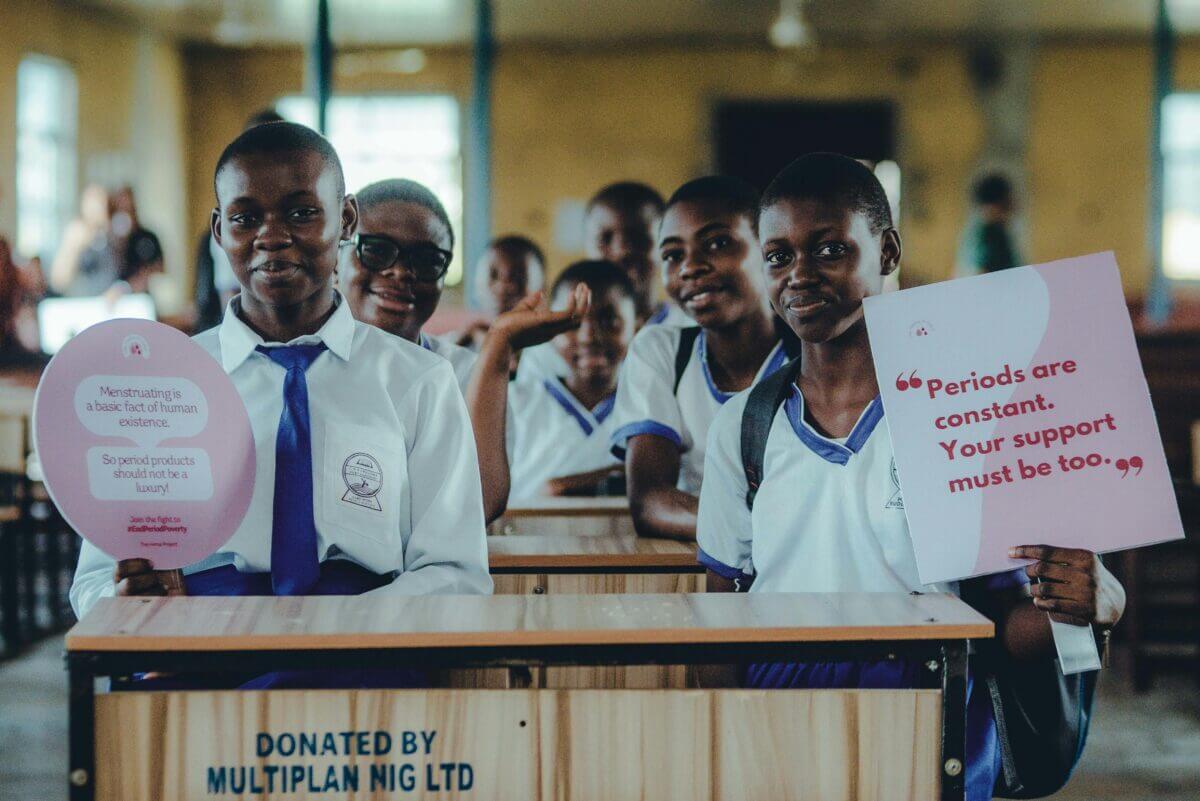
From menstrual dignity to digital safety: How grassroots feminists are redefining gender justice Girls without access to sanitary products during their periods often resort to using tissue paper, rags, leaves, or simply staying home. Teachers would sometimes send students away if they stained their uniforms. The breakthrough came with the creation of pad banks: permanent, school-based emergency supply boxes stocked with menstrual products each term. Girls who begin menstruating during school hours can discreetly access supplies from the counselor’s office and remain in class.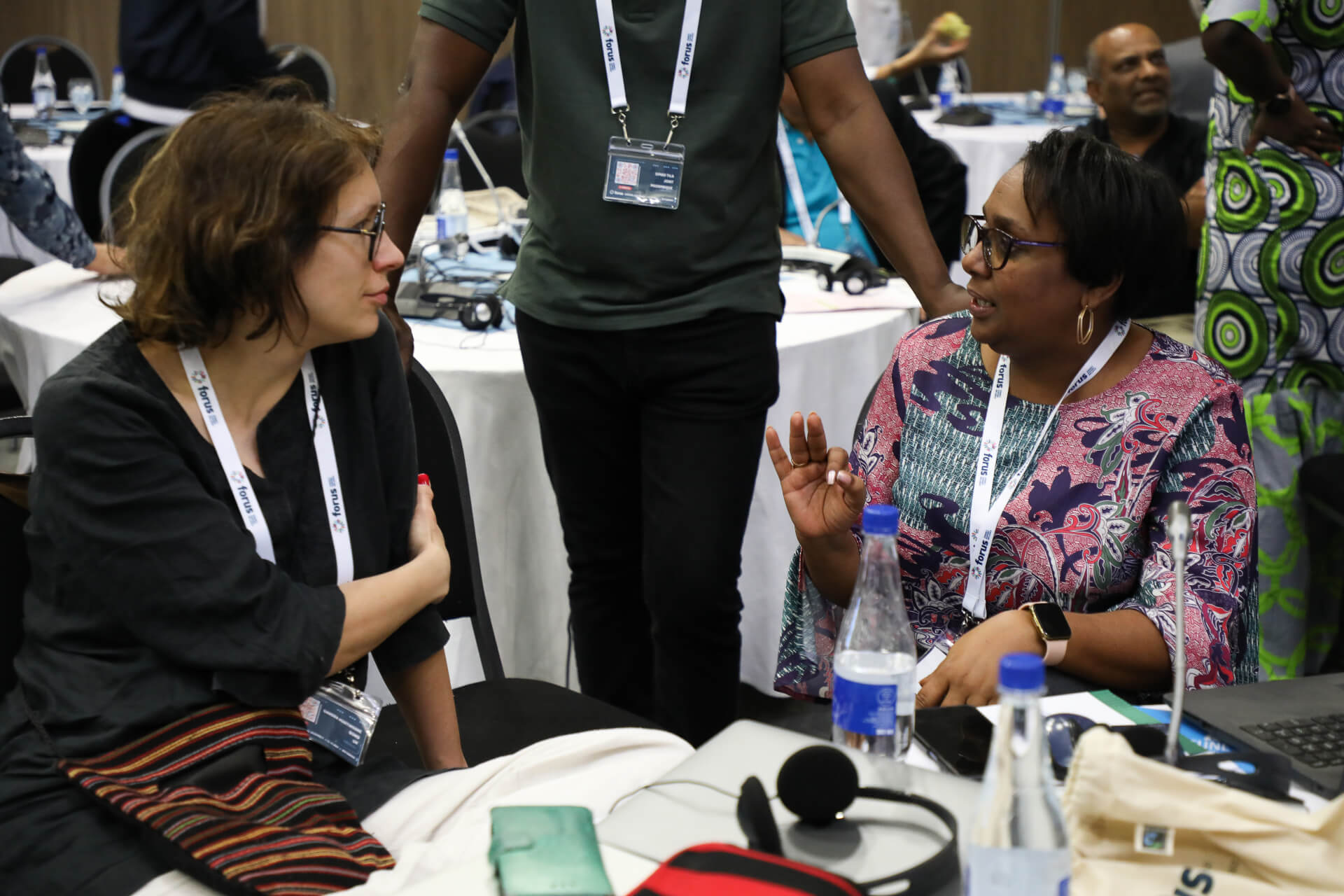
Fri 13 Mar 2026
Press Release - News
Democracy needs women: Feminist leadership in times of shrinking enabling environments for civil society The erosion of women’s rights to organize, speak, and lead is not collateral damage. It is an early warning sign of democratic decline. When women are pushed out of public life, – whether through legal restrictions, economic exclusion, media stereotypes or online harassment, – democratic institutions lose legitimacy and resilience.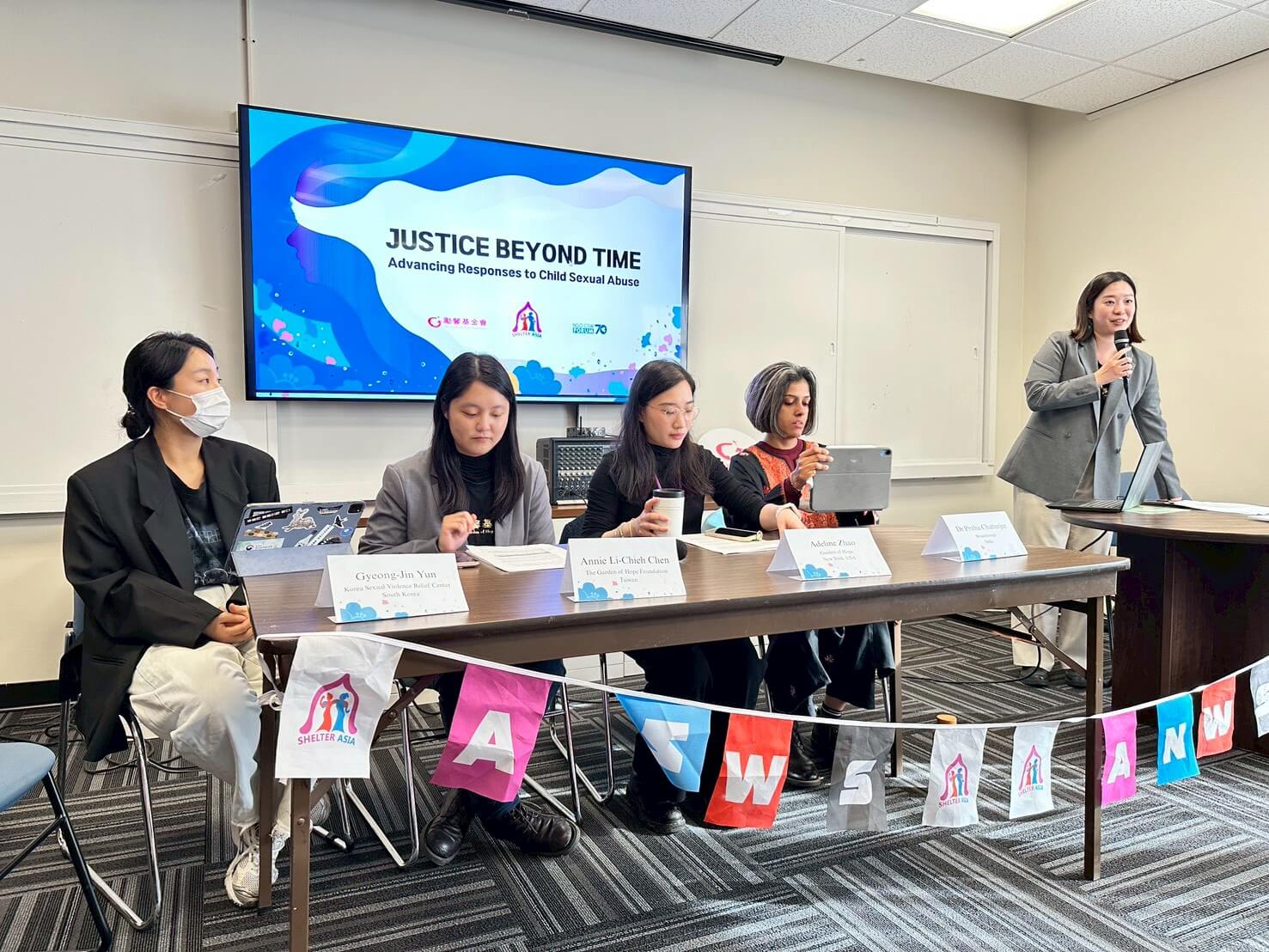
Thu 12 Mar 2026
Press Release - News
Rethinking Statutes of Limitations in Child Sexual Abuse Cases in Taiwan In Taiwan, if sexual assault cases are categorized by the age of the victim, cases involving children and adolescents account for the largest proportion, representing more than half of all cases. Among these cases, the younger the victim, the more likely the perpetrator is a family member. For example, in sexual assault cases involving children under the age of six, as many as 57% of perpetrators are family members.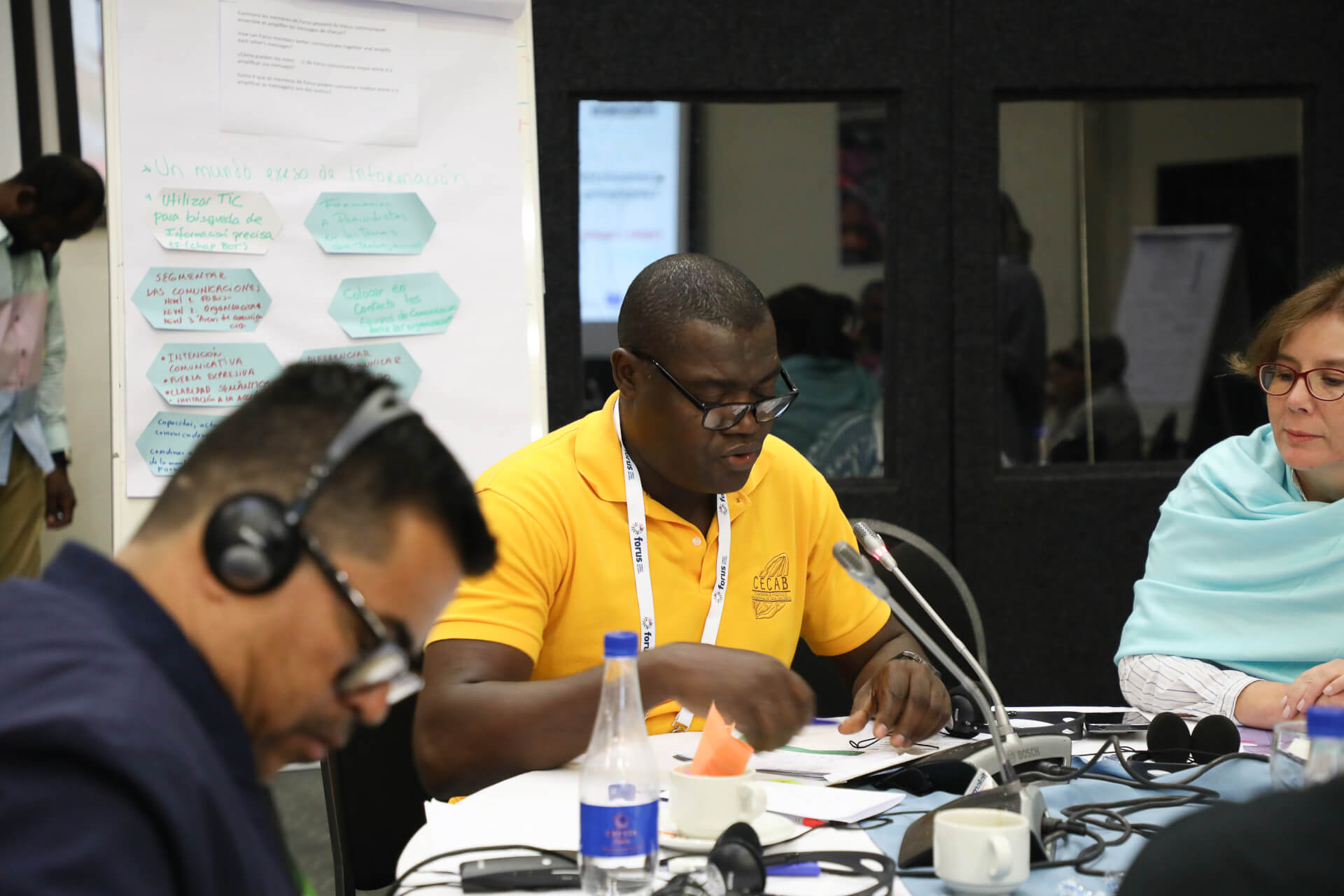
Sun 8 Mar 2026
Press Release - News
The New Development Bank (NDB) at 10: Time to Build Meaningful Partnerships As global development finance undergoes a period of rebalancing, the BRICS-led New Development Bank (NDB) has emerged as one of the most visible alternatives to institutions historically shaped by advanced economies. Established in 2015 by Brazil, Russia, India, China and South Africa, the Bank was designed to expand financing options for infrastructure and sustainable development across emerging market and developing countries. A decade on, as its membership broadens and its lending portfolio grows, the central question is no longer whether the NDB represents a shift in global governance — but how that shift is being institutionalized in practice.