2026-09-21
Tren de FuegoPodcast · Paul Antoine Matos · “Tren de fuego” es una serie podcast documental de ocho episodios sobre la relación de las personas en la península de Yucatán con su territorio y el efecto que ha tenido el Tren Maya en la región. Un ferrocarril que atraviesa selvas y ciudades del sur de México. Es una obra de contrastes, el desarrollo regional frente a la vida comunitaria. Un espejo de América Latina. Cada episodio es una parada icónica. A lo largo de un viaje de dos meses por la ruta del tren, el narrador –Paul Antoine Matos–, un periodista del sureste, documenta cómo ha cambiado y afectado el megaproyecto la vida de las personas, y nos muestra los paisajes peninsulares: cenotes, playas caribeñas, vestigios prehispánicos, ciudades coloniales y selvas vibrantes. En cada estación, se baja para conocer la historia del lugar y escuchar a las personas conversar sobre los cambios en sus pueblos y ciudades que llegaron con el tren, y cuentan su labor social para preservar la naturaleza, la memoria, la lengua y la identidad maya.Productor: Paul Antoine MatosEdición: Sebastían Ortega y Maggie MorettMúsica original: Íñigo ValdésDiseño sonoro: Ismael NabteIlustraciones: Denise Vaillard @cromatophoraTren de fuego es un proyecto independiente apoyado por el Sistema Nacional de Creadores a través del PECDA Yucatán 2025 y por la beca Forus de Narrativas Positivas.
2026-09-21
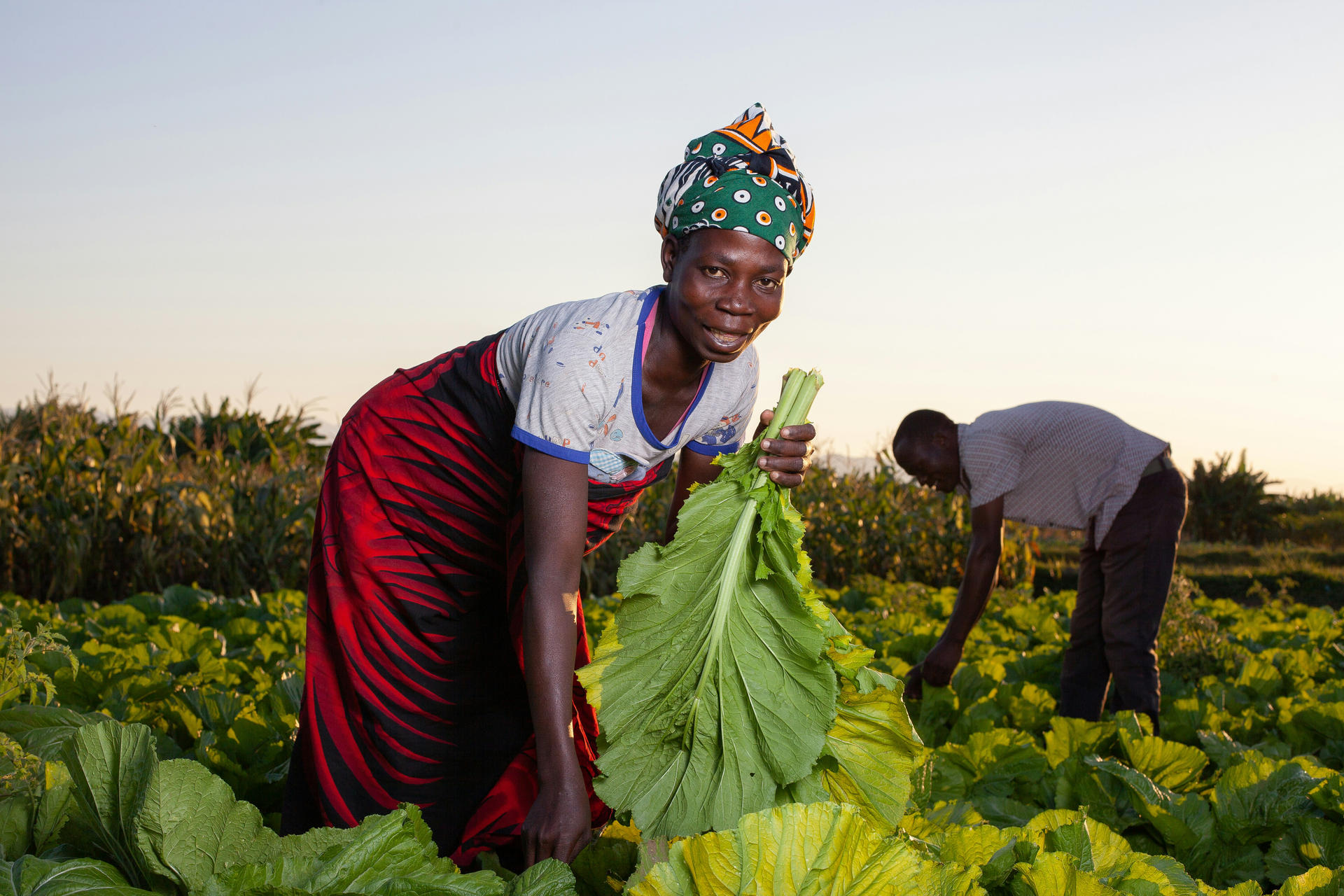
La souveraineté alimentaire au Sahel dépend de plus en plus de la souveraineté numériqueLes pays du Sahel ont récemment fait l’objet d’une évaluation socio-économique menée par l’Alliance pour une révolution verte en Afrique (AGRA), un programme qui, depuis deux décennies, vise à accroître la productivité agricole grâce à des semences améliorées, des engrais et des approches axées sur le marché. Cette évaluation a relancé le débat sur les résultats de ce modèle, en particulier sur son impact sur la sécurité alimentaire dans des pays tels que le Mali, le Burkina Faso, le Niger et le nord du Nigeria. Plutôt que d'établir un lien de causalité direct entre l'AGRA et les niveaux de sous-alimentation, les données mettent en évidence un débat controversé sur les modèles agricoles les plus à même de renforcer la sécurité alimentaire et la résilience.

2026-09-17
AidWatch 2026 : alors que l'aide publique au développement (APD) diminue, qui va façonner l'avenir de la coopération internationale et comment ?La présentation à Bruxelles du rapport « AidWatch 2026 » de CONCORD a soulevé une question : alors que l’aide publique au développement (APD) européenne diminue et que les priorités de la coopération internationale évoluent, comment les objectifs de développement peuvent-ils rester au cœur de la coopération internationale, et qui aura son mot à dire sur son avenir ?
2026-09-16
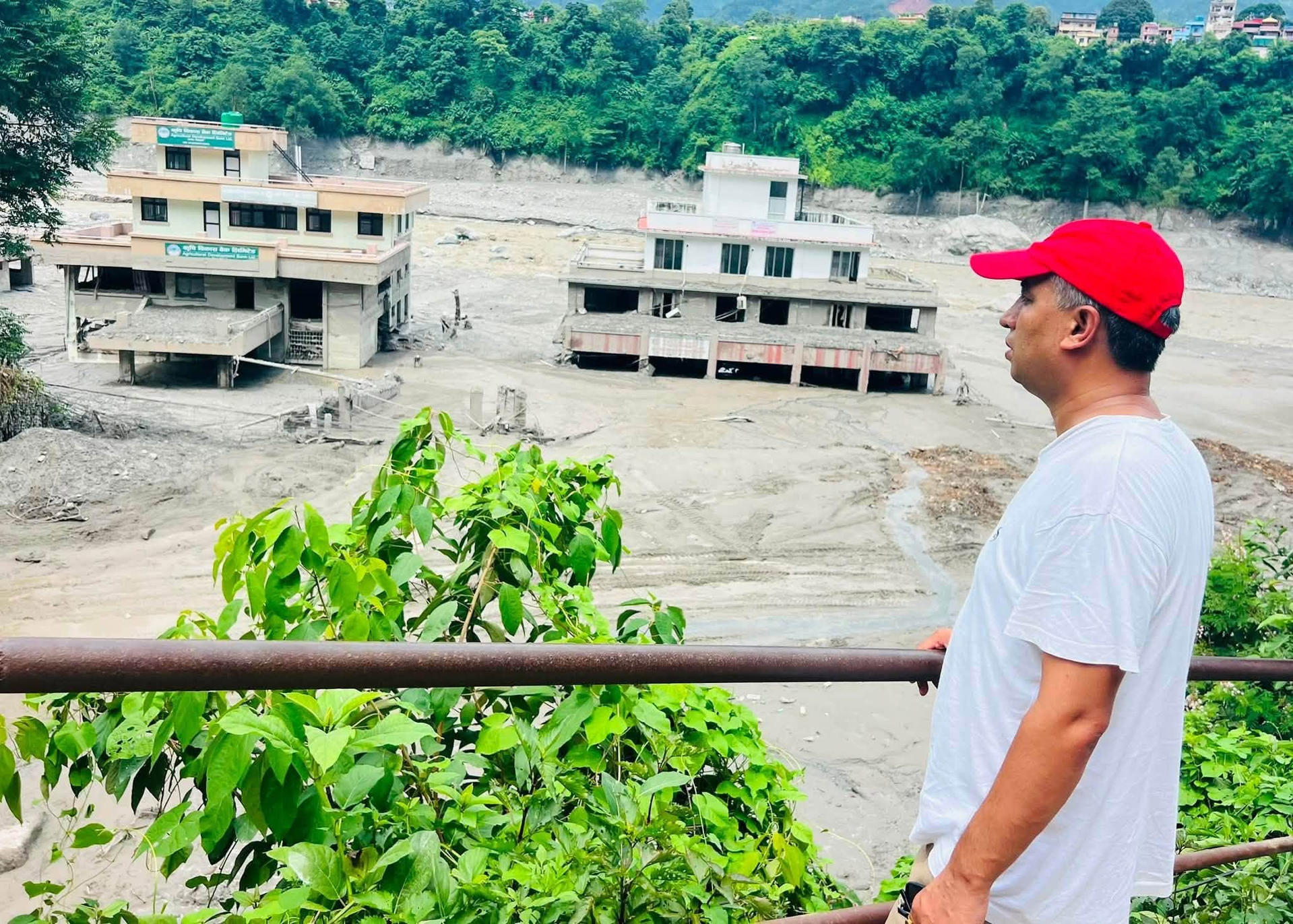
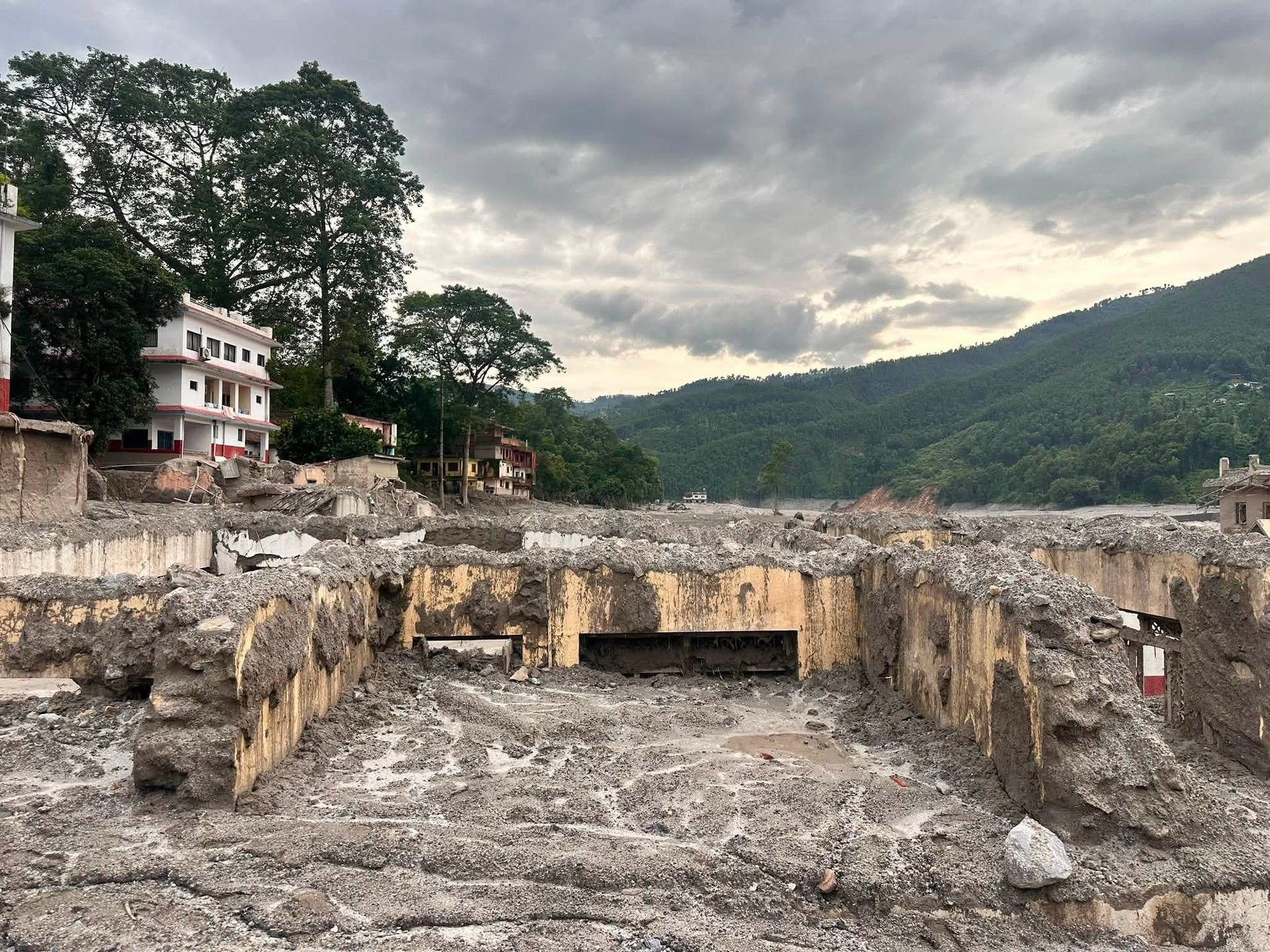
Joint Letter - Global Climate Emergency in NepalOn 26 August 2026, a glacial-rock collapse in the Himalayan region triggered catastrophic flash floods along Nepal’s Bhotekoshi and Trishuli rivers, killing over 1,350 people in Nepal alone, with nearly 5,000 more reported missing, and causing additional deaths and displacement across the border. These converging climate disasters are a stark reminder that the climate emergency is no longer a distant threat; it is causing immense loss of lives, displacement, destruction of livelihoods and ecosystems, with risks to peace, sustainable development and human rights, particularly for vulnerable communities.

2026-09-15
La coopération au développement de la Lituanie : suivez la trace de l'argentEn 2022, alors que la Russie envahissait l’Ukraine, la coopération au développement de la Lituanie a atteint un niveau record de 231 millions d’euros, soit 0,36 % du RNB. Cette hausse s’explique par les événements dramatiques survenus en Ukraine voisine et par la réponse apportée à ceux-ci. Trois ans plus tard, les tendances montrent un changement significatif. Selon des données préliminaires, l’APD de la Lituanie en 2025 s’élève à 177,8 millions d’euros, soit 0,21 % du RNB, ce qui représente une baisse de 9,7 % en termes réels par rapport à l’année précédente et marque la troisième année consécutive de recul.

2026-09-11
De retour dans le placard : les données de l'EU SEE révèlent comment les gouvernements restreignent les libertés des communautés LGBTQ+ à l'échelle mondialeLes données recueillies dans les 86 pays suivis dans le cadre du programme EU SEE montrent à quel point ces pressions se recoupent de plus en plus, et comment, au-delà des formes de restriction les plus visibles, l’absence de protection dont souffrent les personnes LGBTQ+ et les organisations qui les représentent limite leur capacité à exister, à s’organiser, à s’exprimer, à participer et à contester le pouvoir sans crainte.

2026-09-11
Back in the closet - EU SEE data reveals how governments are reversing freedoms for LGBTQ+ groups globally - Eu SEEEvidence from the 86 countries monitored through EU SEE shows how these pressures increasingly overlap, and how beyond the most visible forms of restriction, lack of protection for LGBTQ+ people and the organisations representing them restricts their capacity to exist, organise, speak, participate and challenge power without fear.
2026-09-08
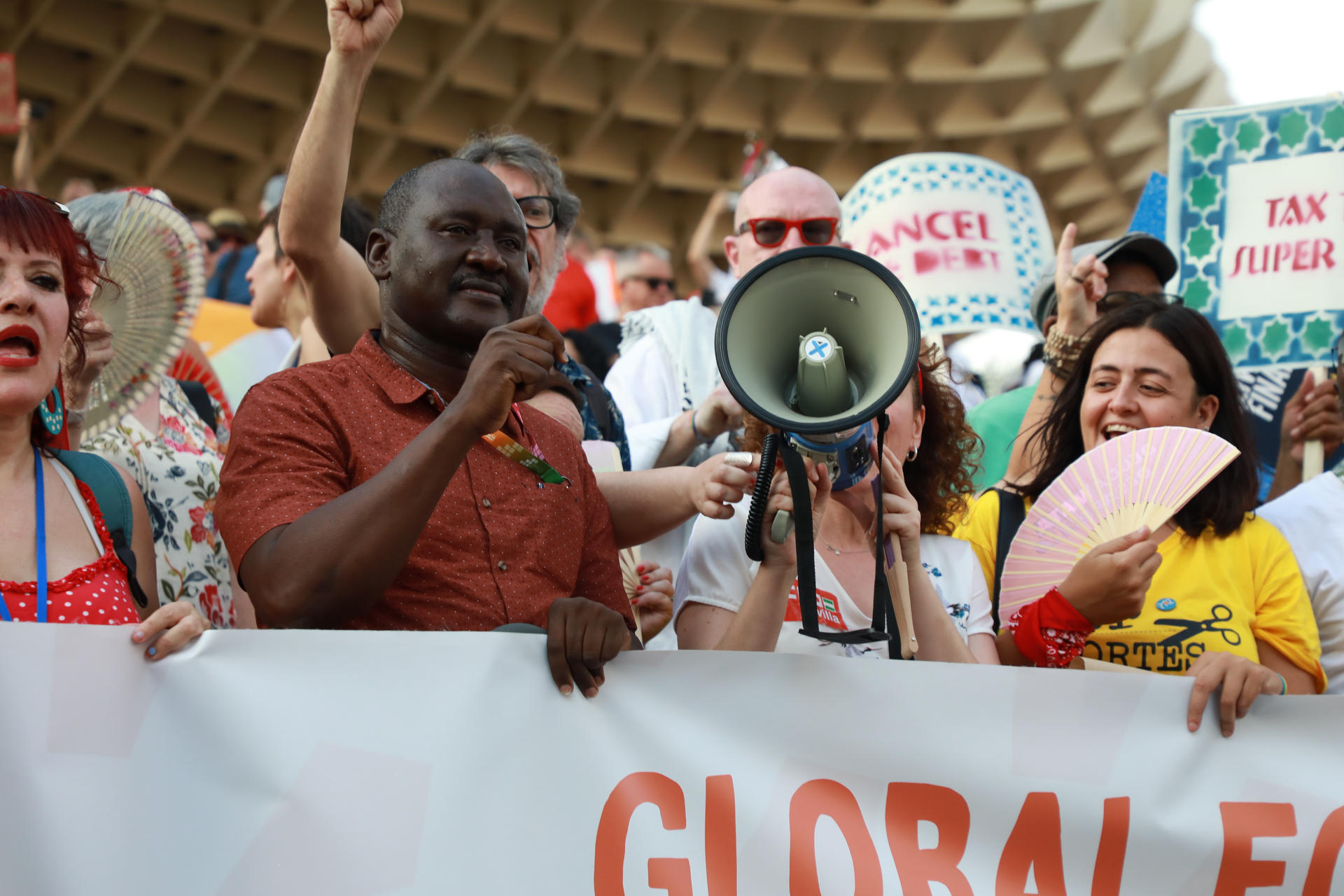
UNGA 81: A United Nations at a Turning PointThe 81st session of the UN General Assembly (UNGA81) opens tomorrow at a particularly important moment for multilateralism.
2026-09-08
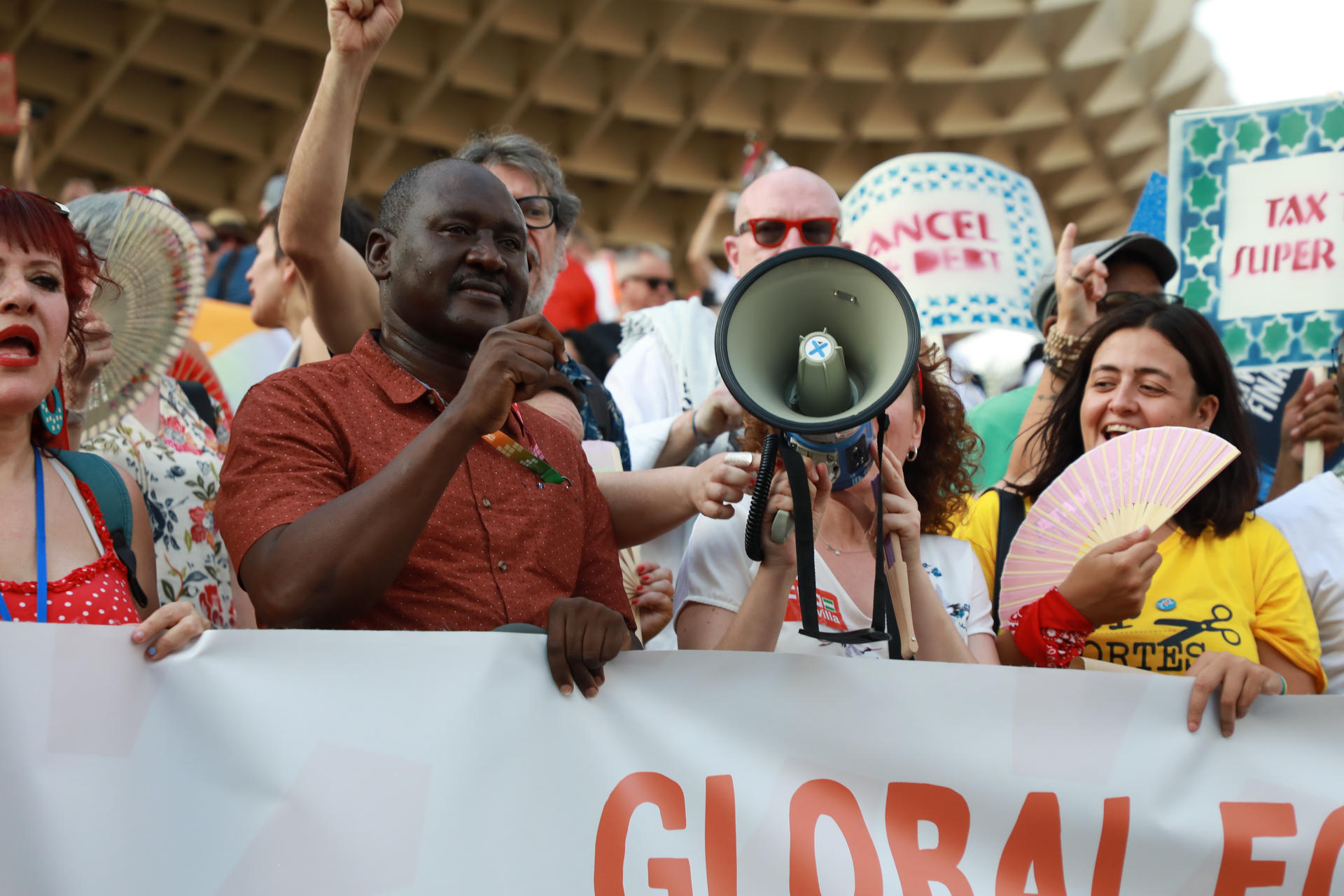
81e session de l'Assemblée générale des Nations unies : les Nations unies à un tournantCes débats sont souvent abordés séparément, mais ils sont liés : la prochaine phase du multilatéralisme permettra-t-elle à l'ONU d'être à l'écoute des communautés et d'améliorer la responsabilité ? Permettra-t-elle de réduire les inégalités, de rapprocher les décisions et les ressources des communautés et de renforcer les droits de l'homme ?
2026-09-07
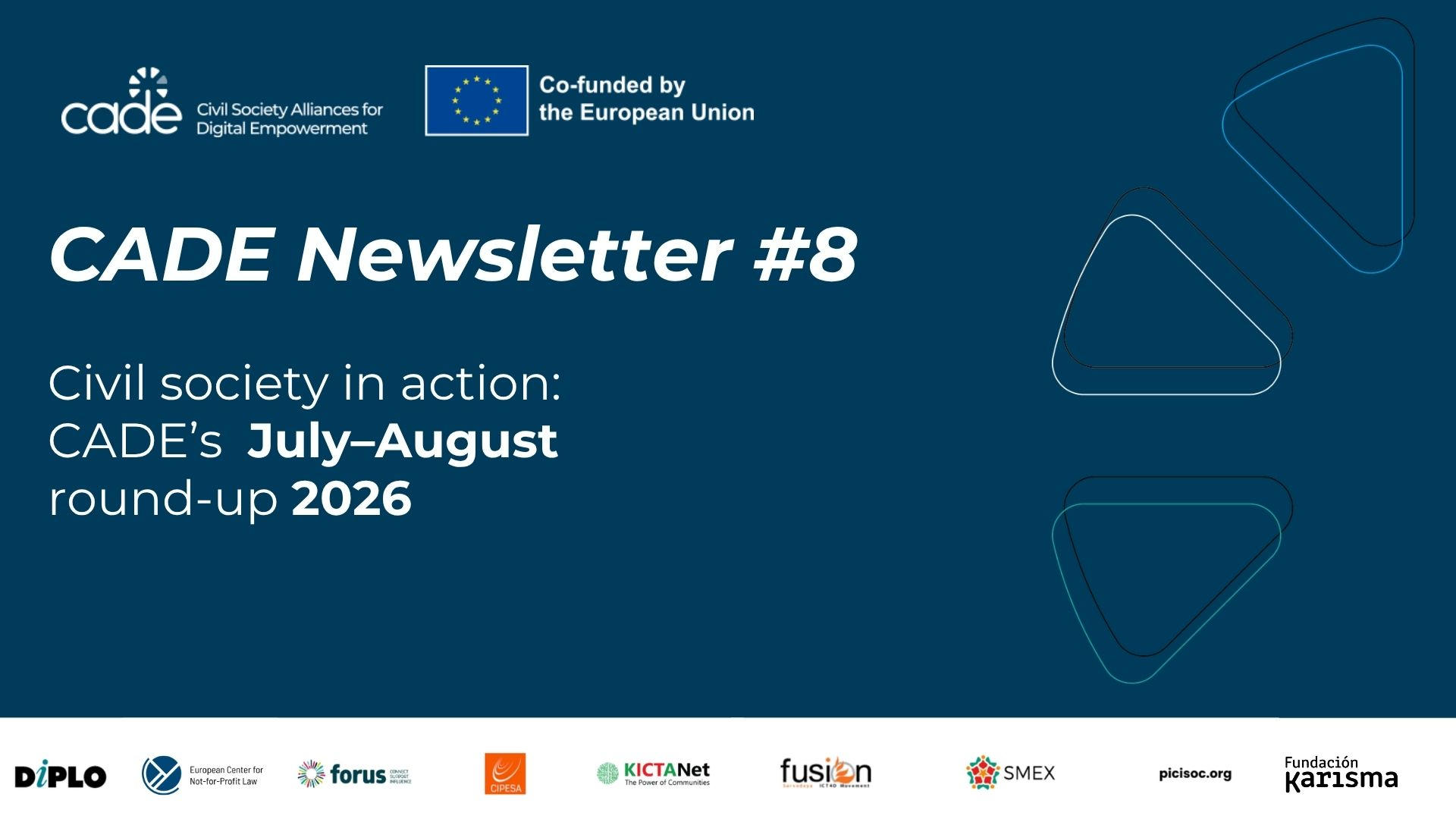
CADE’s July–August round-up - CADE – Civil Society Alliances for Digital EmpowermentDear colleagues, In this edition, we’re bringing together the latest from across the CADE network – from new research and resources on digital rights and civic space to member updates, conversations on AI and internet governance, and opportunities to get involved. Inside: ⭐ In focus: Reimagining AI governance from a Global Majority perspective 🌍 Updates: Digital governance and rights work across the Pacific, Uganda and Zimbabwe 📚 Resources: New research, a podcast series and internet governance videos from CADE partners 📅 Coming up: Upcoming opportunities to connect, exchange and engage Dive in 👇
Numérique
2026-09-03
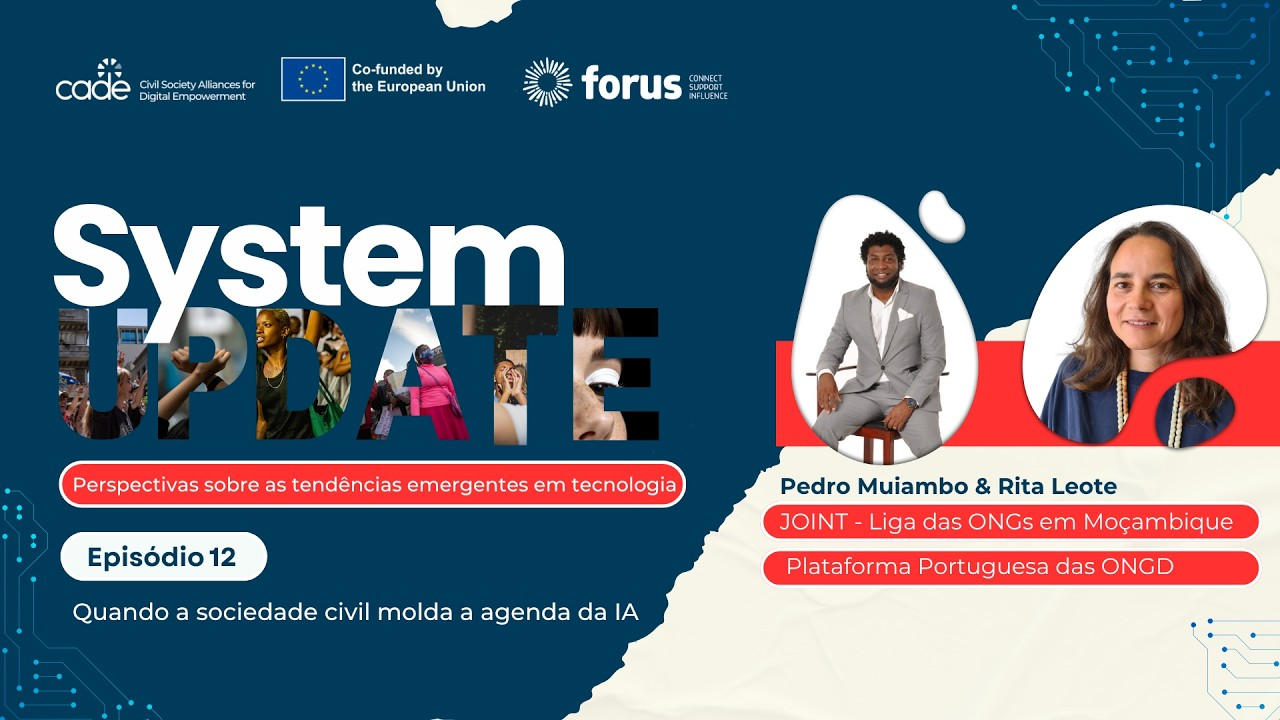
System Update - Episódio 12: Quando a Sociedade Civil Molda a Agenda da IAEm grande parte do Sul Global, as políticas de inteligência artificial estão a ser elaboradas a um ritmo acelerado — muitas vezes sem uma participação significativa da sociedade civil. A experiência de Moçambique mostra como pode ser uma advocacia informada e baseada em coligações: assente em evidências, articulada entre diferentes setores e atenta à forma como a IA pode reforçar ou desafiar desequilíbrios de poder já existentes. As organizações da sociedade civil em Moçambique estão a mobilizar-se para garantir que a governação da IA reflita o interesse público. Então, como se constrói uma boa governação da IA desde o início? Neste episódio, Rita Leote, da Plataforma Portuguesa das ONGD, conversa com Pedro Muiambo, Diretor de Programas da JOINT – Liga das ONGs em Moçambique, a plataforma nacional que representa e coordena as organizações da sociedade civil moçambicanas. A JOINT submeteu recentemente contributos técnicos para a Estratégia Nacional de Inteligência Artificial de Moçambique, defendendo uma participação significativa da sociedade civil na formulação de políticas digitais e promovendo a responsabilização, a transparência e os direitos humanos como pilares fundamentais de uma IA responsável. “System Update” - “Atualização do Sistema” é produzido pela Forus no âmbito do CADE – as Alianças da Sociedade Civil para a Capacitação Digital – um projeto cofinanciado pela União Europeia. O objetivo do CADE é apoiar a capacidade das organizações da sociedade civil para uma advocacia eficaz nos processos de governação da internet multilaterais e multissetoriais. Este podcast foi cofinanciado pela União Europeia. O seu conteúdo é da exclusiva responsabilidade da Forus e não reflete necessariamente as opiniões da União Europeia. EN Across the Global Majority, AI policies are being drafted at speed — often without meaningful civil society input. Mozambique's experience shows what informed, coalition-based advocacy can look like: grounded in evidence, connected across sectors, and alert to how AI can either reinforce or disrupt existing power imbalances. Civil society organisations in Mozambique are stepping up to ensure that AI governance reflects public interest. So, how do you get AI governance right from the start? In this episode Rita Leote from the Portuguese Platform of Development NGOs (Plataforma Portuguesa das ONGD) speaks with Pedro Muiambo, Programme Director at JOINT Liga das ONGs em Moçambique — the national platform representing and coordinating Mozambican civil society organisations. JOINT recently submitted technical contributions to Mozambique's National AI Strategy, advocating for meaningful civil society participation in digital policymaking and pushing for accountability, transparency, and human rights as the foundations of responsible AI. "System Update", is produced by Forus as part of CADE - the Civil Society Alliances for Digital Empowerment - a project co-funded by the European Union. CADE’s objective is to support the capacity of civil society organisations for effective advocacy in multilateral and multistakeholder internet governance processes.
2026-08-31
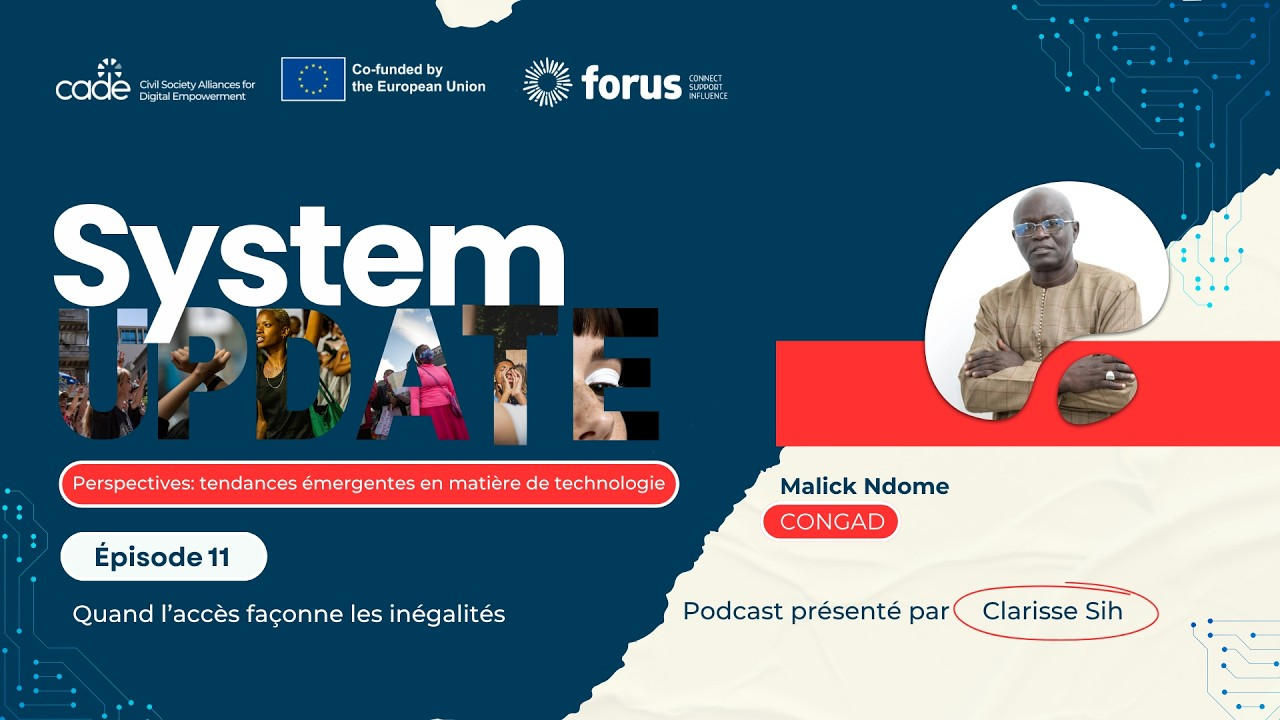
System Update - Épisode 11: Quand l’accès façonne les inégalitésDans de nombreux contextes, les fractures numériques constituent un phénomène mondial récurrent : elles reflètent et renforcent des inégalités sociales, économiques et géographiques déjà existantes. Au Sénégal, l’accès inégal à Internet continue de déterminer qui peut participer, qui peut se faire entendre et qui est laissé de côté, en particulier entre les zones urbaines et rurales. Garantir un accès significatif exige des services abordables, des politiques inclusives et un engagement actif de la société civile pour assurer la redevabilité des systèmes. Dans cet épisode, nous nous entretenons avec Malick Ndome, conseiller principal en politiques publiques et membre du conseil d’administration de CONGAD, la plateforme nationale des ONG au Sénégal. Ensemble, nous explorons le rôle de la société civile dans la promotion des droits numériques, la réduction des inégalités et la construction d’un paysage de gouvernance de l’Internet plus inclusif. System Update ou « Mise à jour du système » est produit par Forus dans le cadre de CADE – les Alliances de la société civile pour le renforcement des capacités numériques – un projet cofinancé par l’Union européenne. L’objectif de CADE est de soutenir le renforcement des capacités numériques des organisations de la société civile afin de favoriser un plaidoyer efficace dans les processus de gouvernance de l’internet multilatéraux et multipartites. Ce podcast a été cofinancé par l’Union européenne. Son contenu relève de la seule responsabilité de Forus et ne reflète pas nécessairement les opinions de l’Union européenne. EN In many contexts, digital divides are a recurring global pattern: they reflect and reinforce existing social, economic and geographic inequalities. In Senegal, unequal access to the internet continues to shape who can participate, who can be heard and who is left behind, particularly between urban and rural communities. Ensuring meaningful access demands affordable services, inclusive policies and active civil society engagement to hold systems accountable. In this episode, we speak with Malick Ndome, Senior Public Policy Advisor and Board Member at CONGAD, Senegal’s national NGO platform. Together, we explore the role of civil society in advancing digital rights, addressing inequalities, and shaping a more inclusive internet governance landscape. "System Update", is produced by Forus as part of CADE - the Civil Society Alliances for Digital Empowerment - a project co-funded by the European Union. CADE’s objective is to support the capacity of civil society organisations for effective advocacy in multilateral and multistakeholder internet governance processes. This podcast was co-funded by the European Union. Its contents are the sole responsibility of Forus and do not necessarily reflect the views of the European Union.
2026-08-28
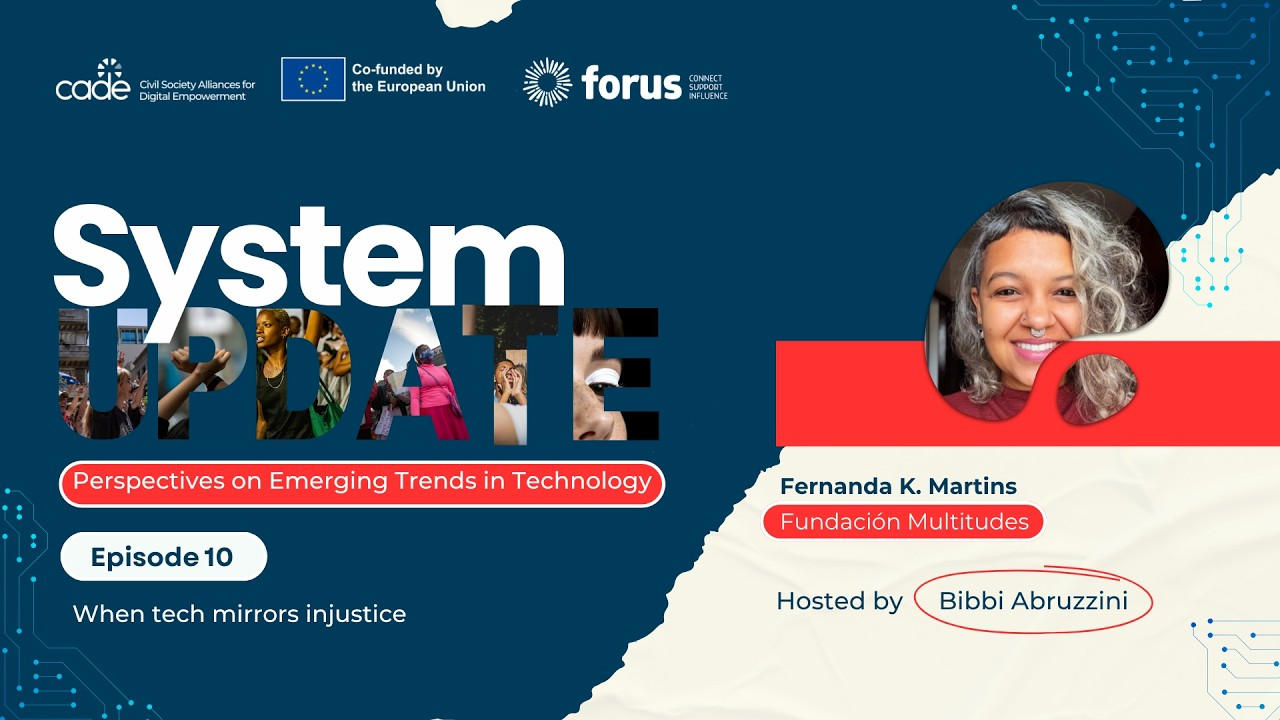
System Update - Episode 10: When tech mirrors injusticeMore often than not, offline inequalities are reproduced online, forming a broader system of violence, intimidation, and exclusion that undermines democratic participation. Risks like these prove that technology should not be seen merely as innovation but as tied to social development and the health of democratic life, especially in the Global South. Understanding this trend is essential to design digital inclusion beyond connectivity: meaningful online participation requires safety, accountability, and fair representation to protect vulnerable groups and strengthen democracy. In this episode we speak with Fernanda K. Martins, Strategy and Advocacy Director at Fundación Multitudes: a Chile-based organization with regional and international reach that works to improve governance and reduce inequality through advocacy and open government. Digital rights are a core focus of their work. "System Update", is produced by Forus as part of CADE - the Civil Society Alliances for Digital Empowerment - a project co-funded by the European Union. CADE’s objective is to support the capacity of civil society organisations for effective advocacy in multilateral and multistakeholder internet governance processes. https://cadeproject.org/ https://www.forus-international.org/en/campaign/let-s-talk-digital https://fundacionmultitudes.org/ This podcast was co-funded by the European Union. Its contents are the sole responsibility of Forus and do not necessarily reflect the views of the European Union.