©
News
Read the latest articles from the Forus network, always translated into English, French, Spanish and Portuguese. Do you have a story to tell? Contact us here.
/ News
2026-09-11
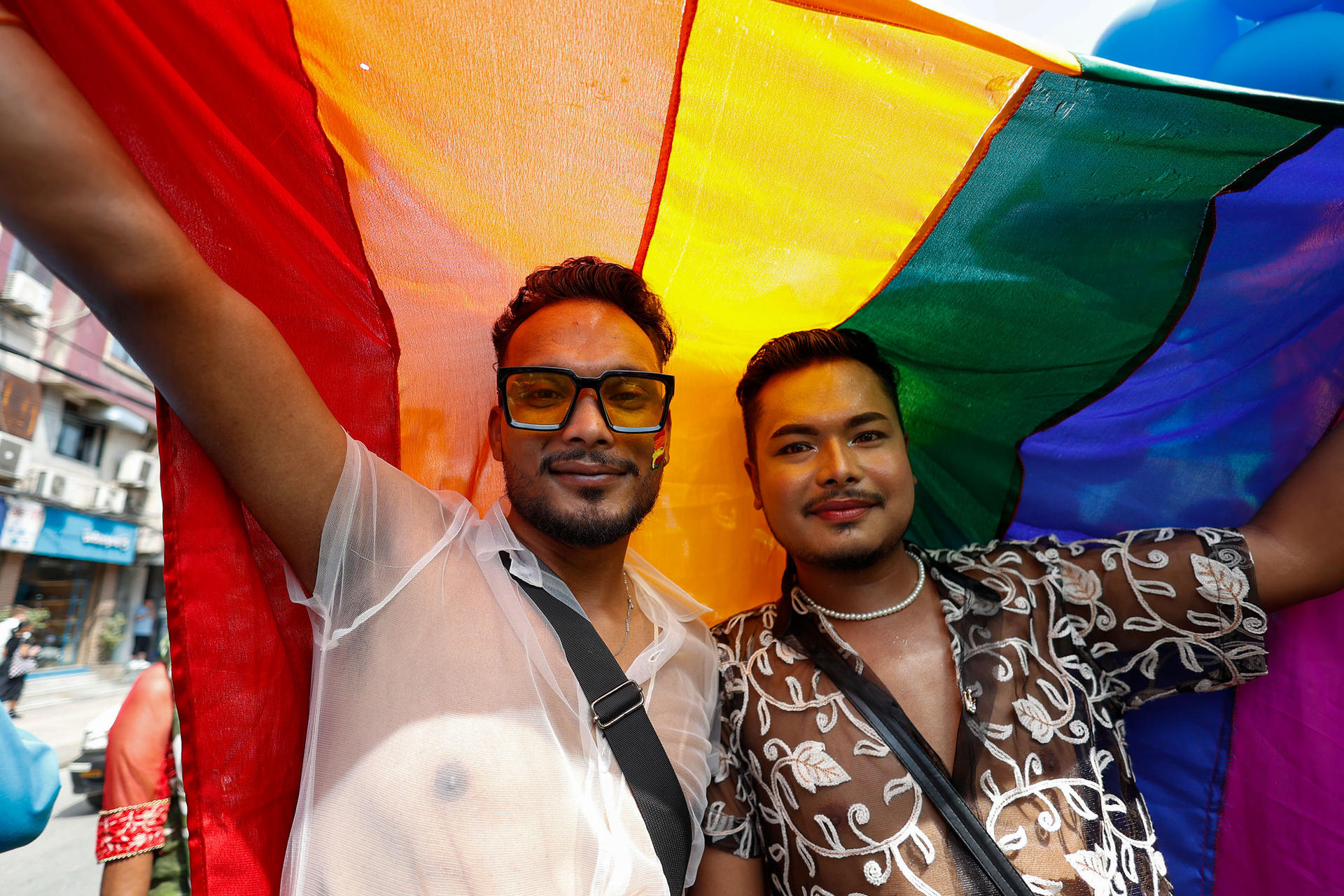
Back in the closet – EU SEE data reveals how governments are reversing freedoms for LGBTQ+ groups globally Evidence from the 86 countries monitored through EU SEE shows how these pressures increasingly overlap, and how beyond the most visible forms of restriction, lack of protection for LGBTQ+ people and the organisations representing them restricts their capacity to exist, organise, speak, participate and challenge power without fear.
2026-09-08
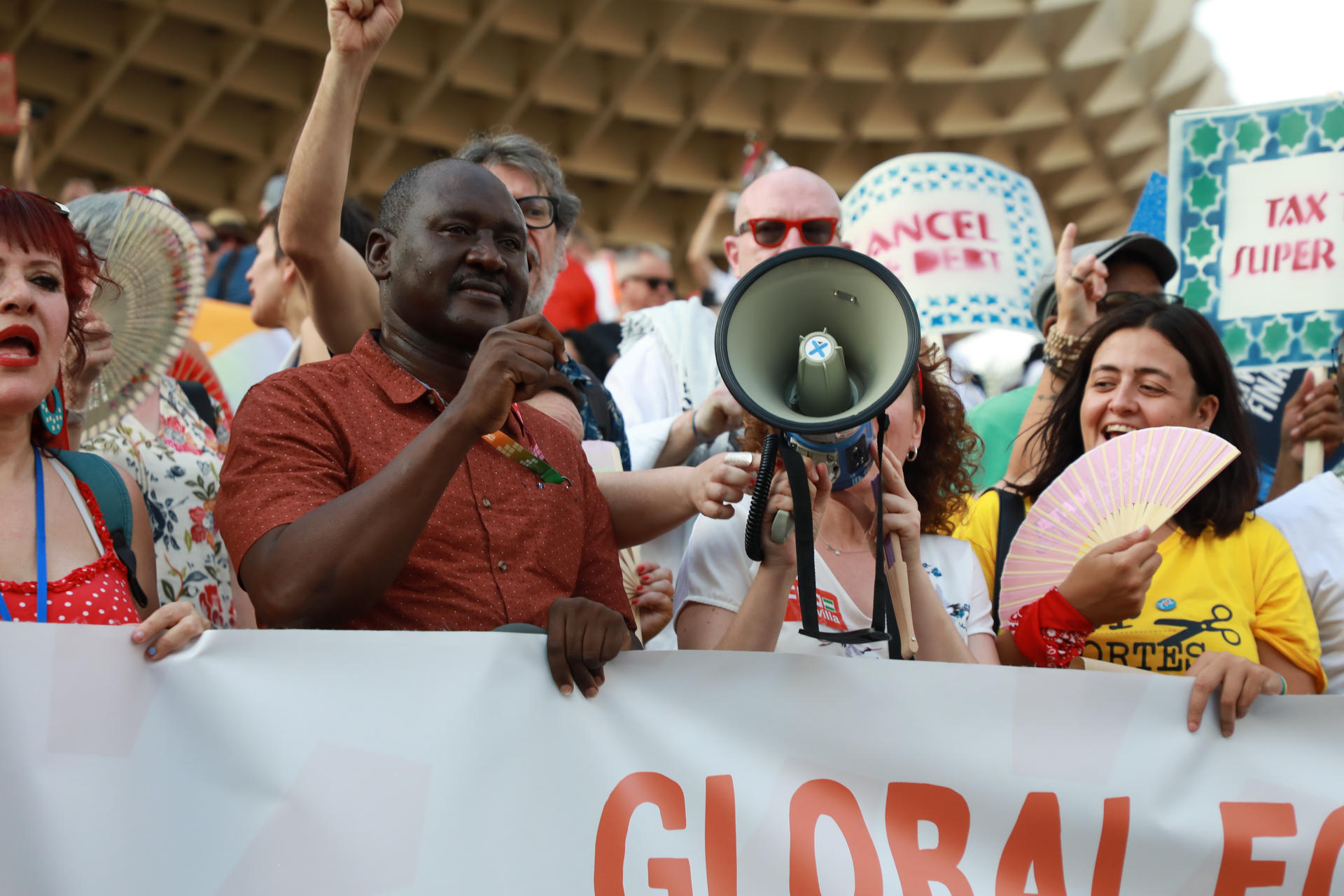
UNGA 81: A United Nations at a Turning Point These discussions are often treated separately, but they are connected: will the next phase of multilateralism ensure the UN listens to communities and improve accountability? Will it reduce inequality, bring decisions and resources closer to communities and strengthen human rights?
2026-09-07
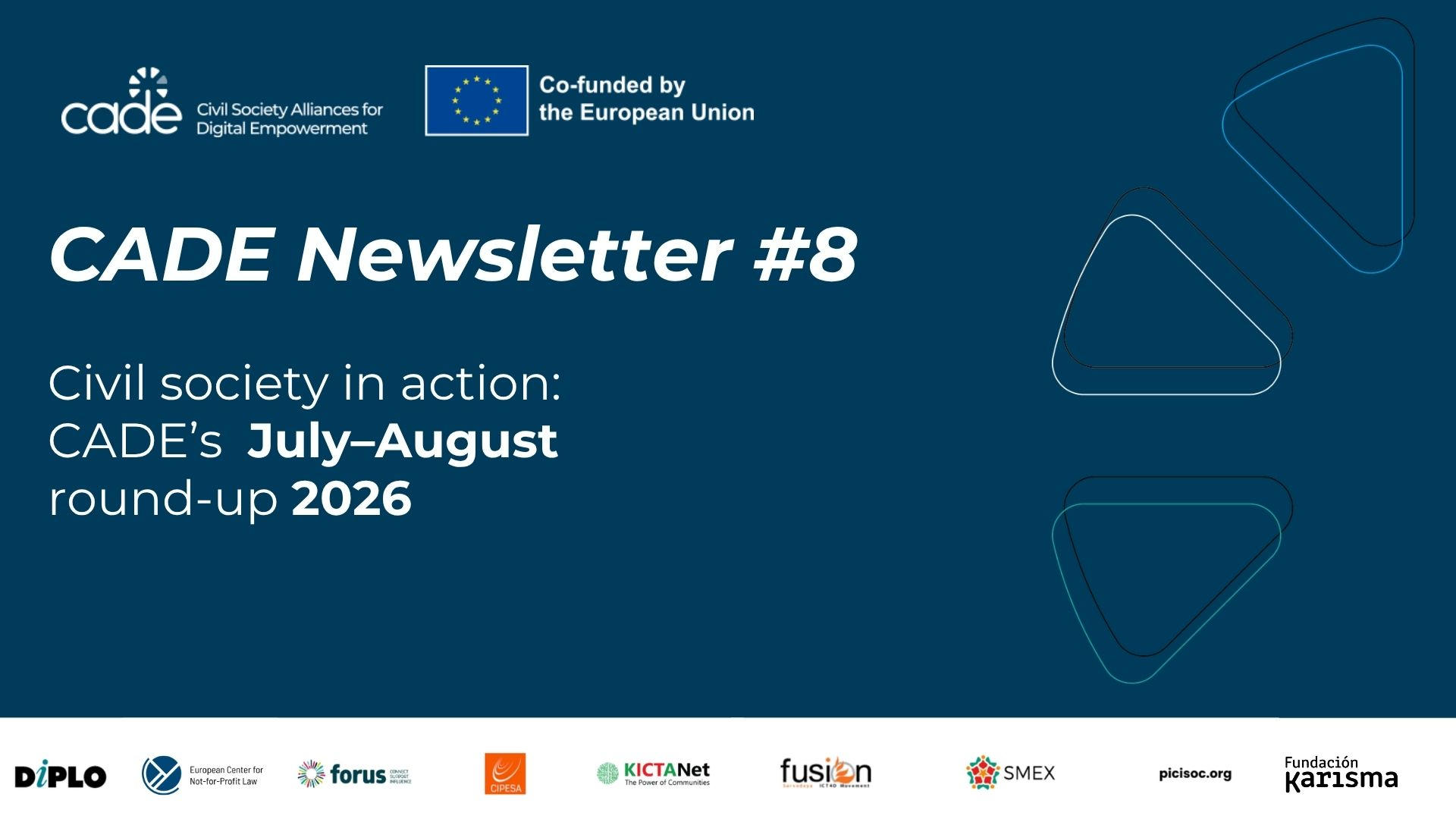
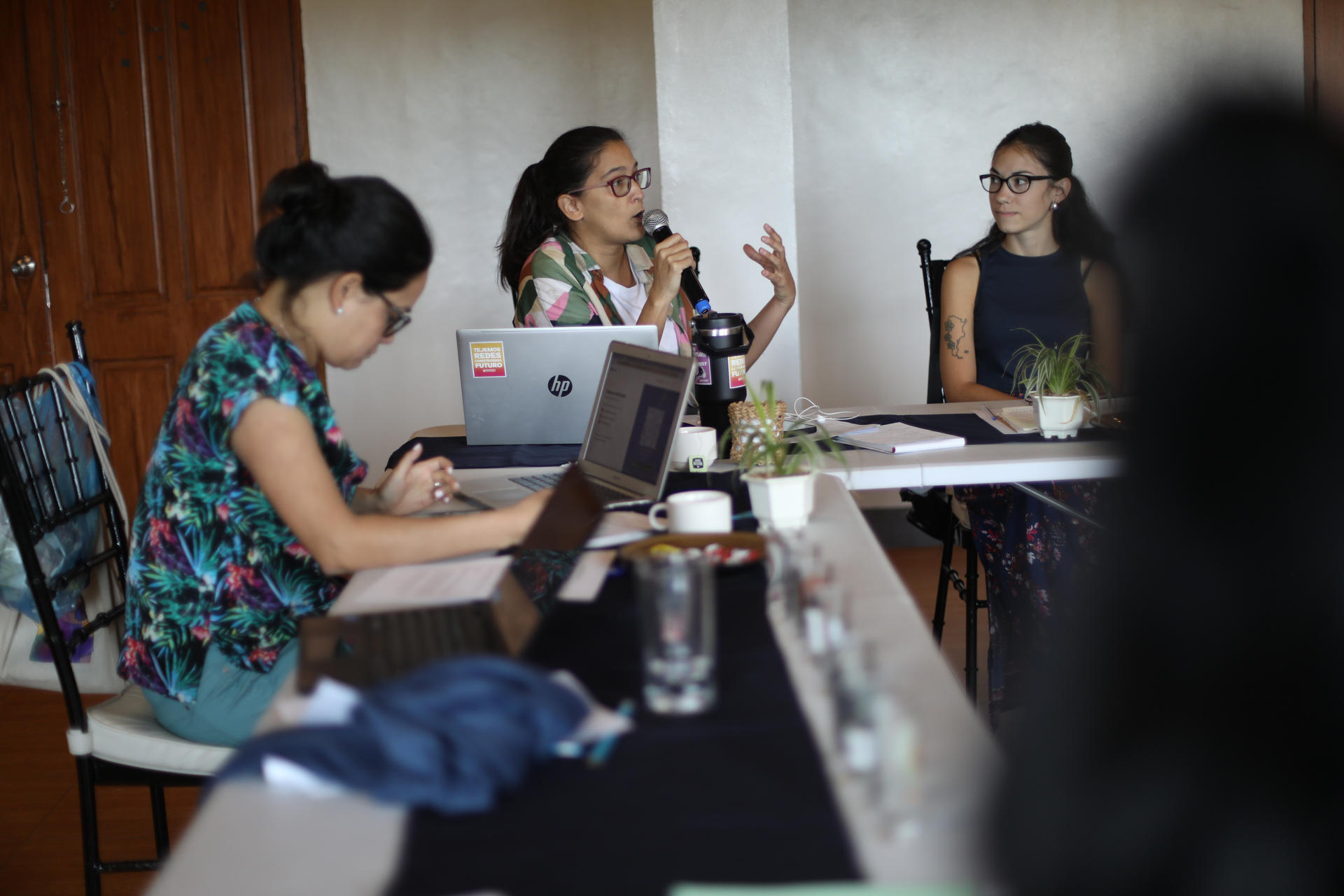
CADE’s July–August round-up - CADE – Civil Society Alliances for Digital Empowerment Dear colleagues, In this edition, we’re bringing together the latest from across the CADE network – from new research and resources on digital rights and civic space to member updates, conversations on AI and internet governance, and opportunities to get involved. Inside: ⭐ In focus: Reimagining AI governance from a Global Majority perspective 🌍 Updates: Digital governance and rights work across the Pacific, Uganda and Zimbabwe 📚 Resources: New research, a podcast series and internet governance videos from CADE partners 📅 Coming up: Upcoming opportunities to connect, exchange and engage Dive in 👇Digital
2026-08-10
Position, Story, Pitch: How Civil Society Platforms Can Strengthen Their Voice and Visibility What makes a civil society platform matter — and how can it communicate that value more clearly? This question was at the heart of the first session of the Forus Communicators’ Series, bringing together communications and advocacy colleagues from across the Forus network to explore positioning, storytelling and messaging.
2026-08-03
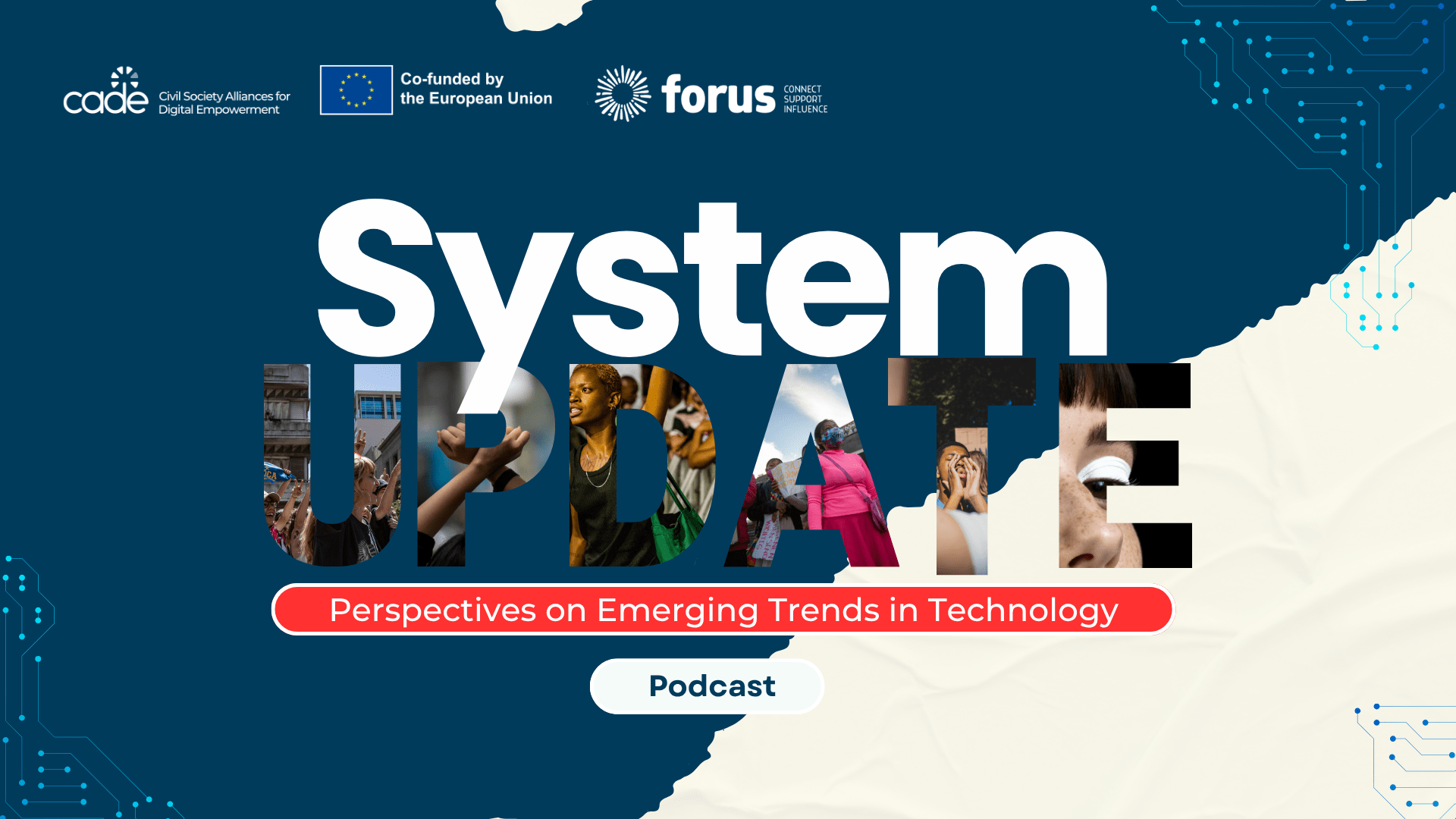
System Update: A New Podcast Series Exploring Emerging Trends in Technology is Out! From elections and public services to online platforms and access to information, digital technologies are reshaping our democracies, economies, collective and private existences at an unprecedented pace. Yet one critical question remains: who gets to shape the rules that govern these technologies? To help answer that question and trigger new forms of collaboration, Forus is launching System Update, a new 12-episode podcast series produced as part of CADE - a project co-funded by the European Union.
2026-07-20
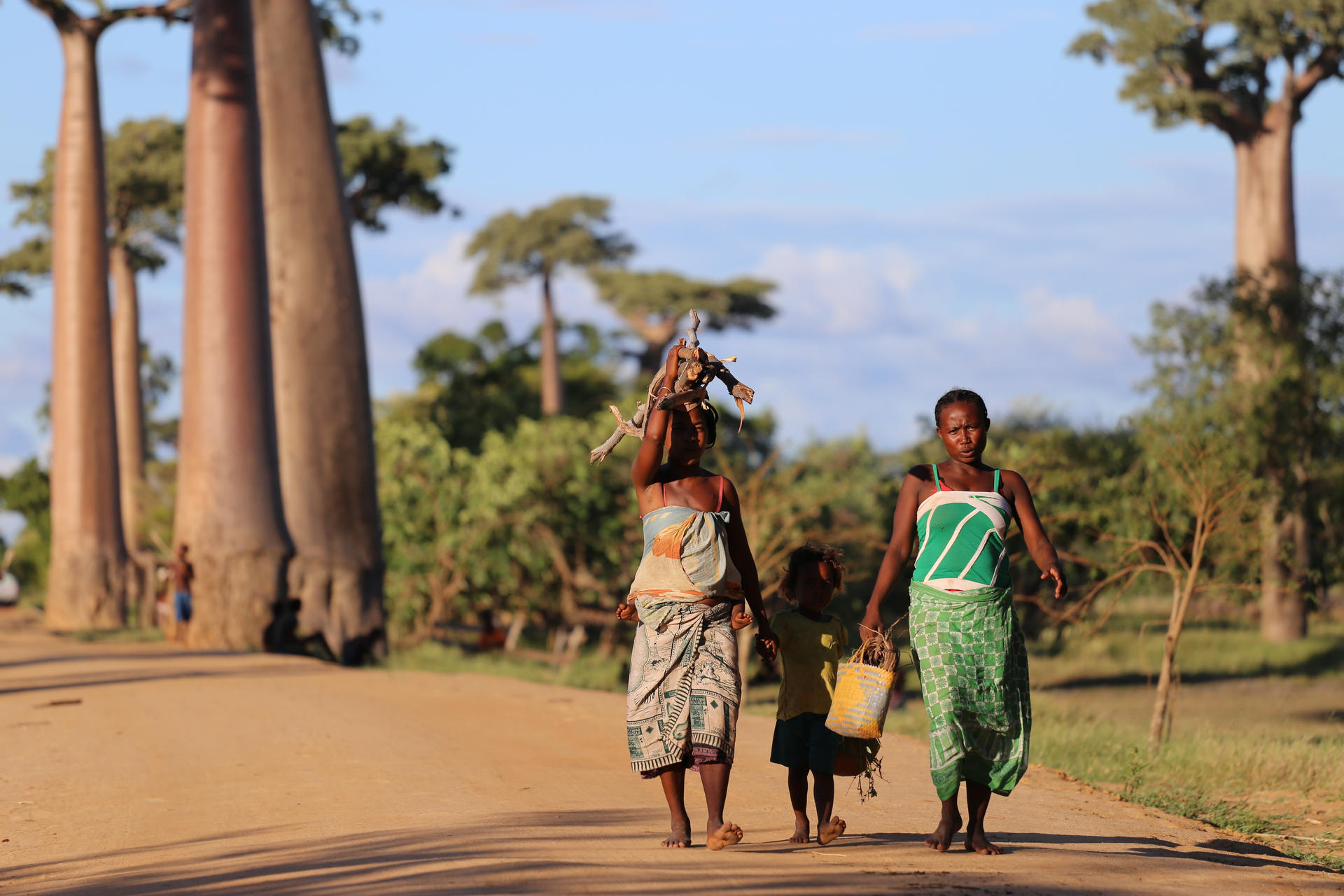
Research: Sentinel of peace in the Great Lakes In the Great Lakes region, where tensions have recurred for more than two decades, civil society organizations, to play their part in providing solutions, have always begun with research. A step that is often less visible but essential in this process, as it enables the identification of warning signs of new tensions. This makes it possible to prevent them before they escalate.
2026-07-20
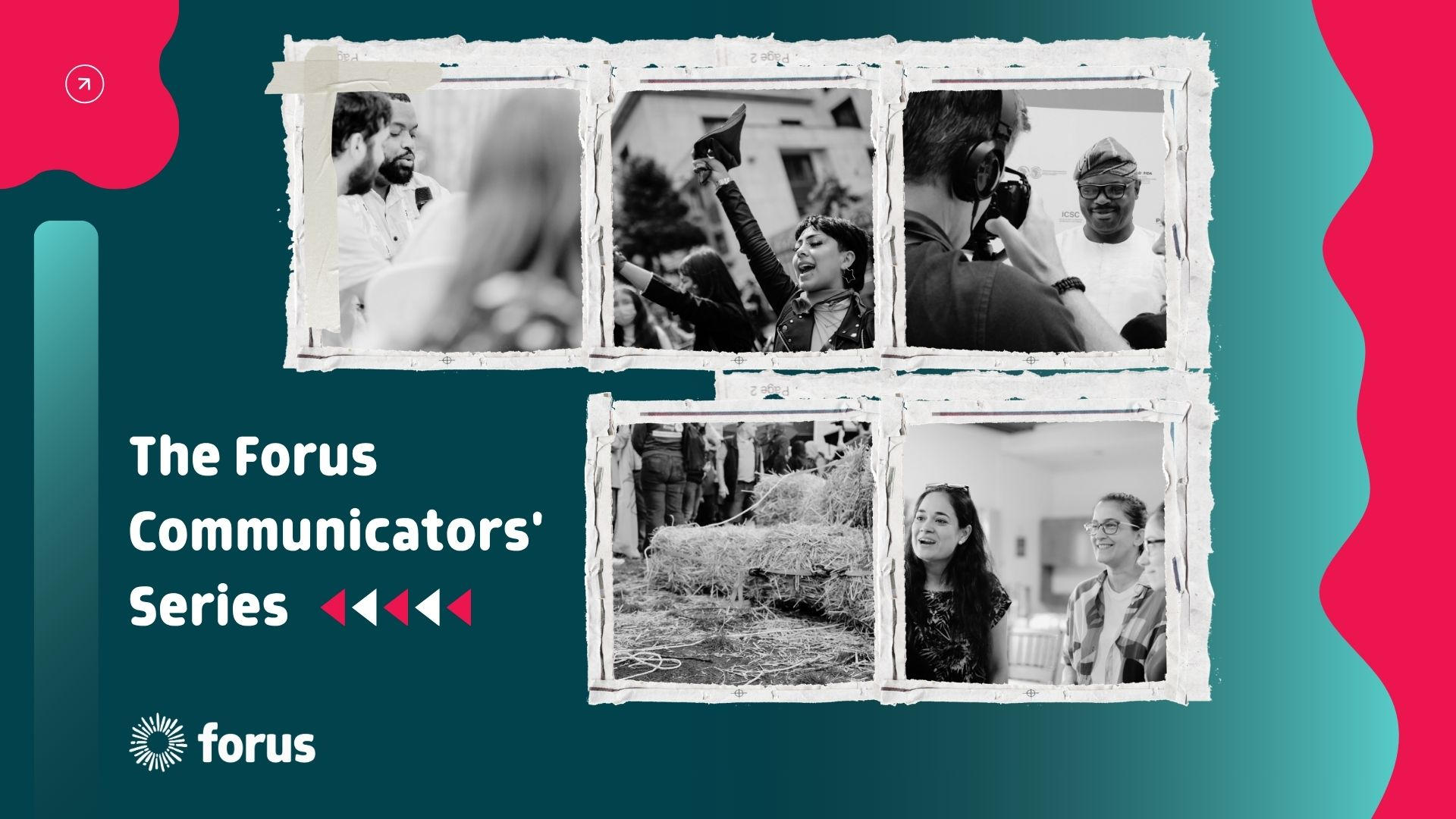
The Forus Communicators' Series: communicating platform value, building strategies and countering misinformation How can strategic communication build relationships, engage audiences and create meaningful pathways for action? What innovative storytelling practices can we use for transformational social change? Explore the Forus Communicators' series.
2026-07-20
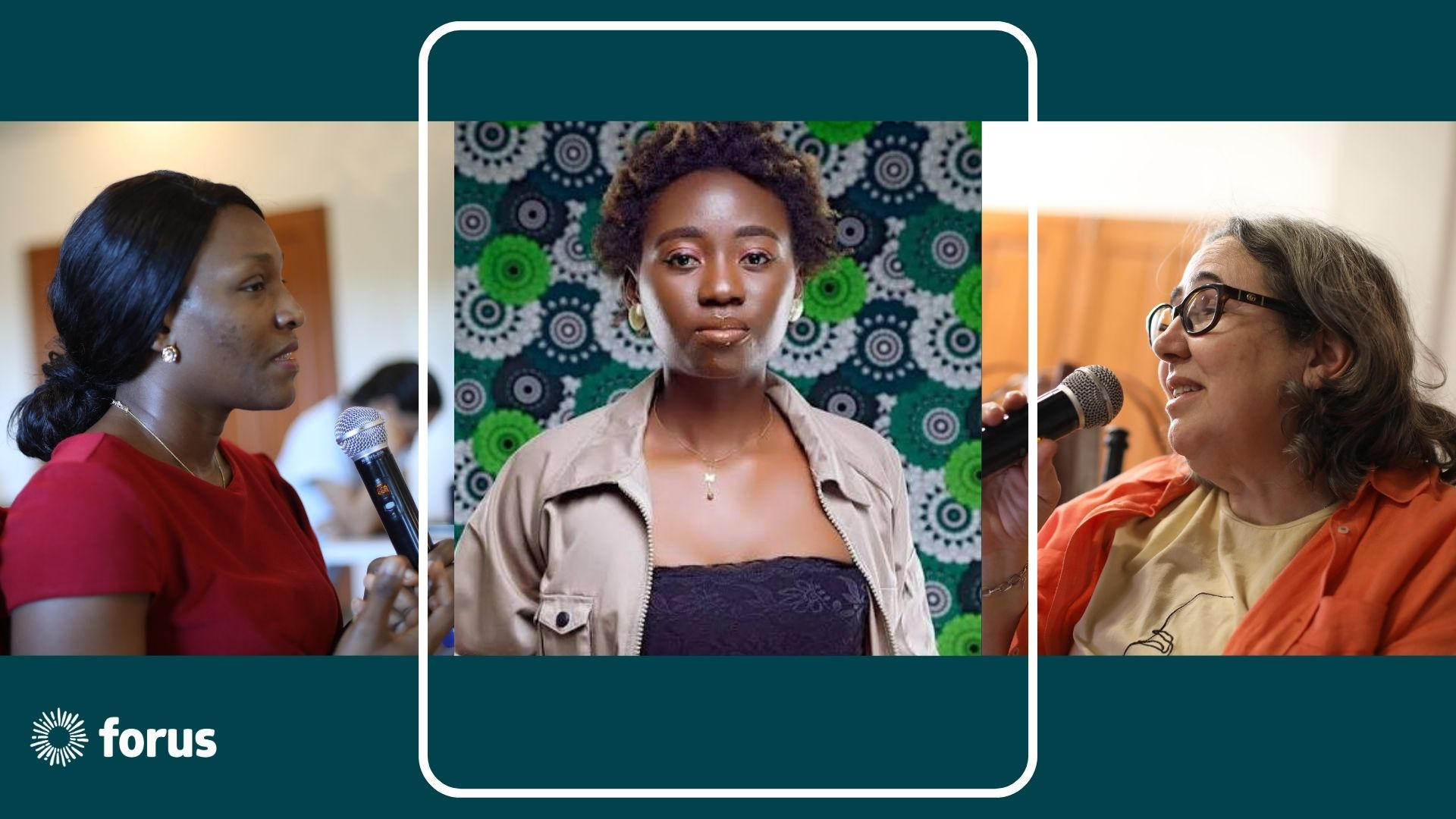
African Women and Public Policy: When Leadership Becomes a Driver of Change Africa's civic space is far from smooth sailing. It is marked by numerous challenges, ranging from economic crises and restrictions on freedom of expression to democratic setbacks and social inequalities. For a long time, women were excluded from decision-making processes. Today, however, they are increasingly occupying leadership positions, leveraging digital platforms, engaging in civil society, and making their voices heard through the media.
2026-07-17
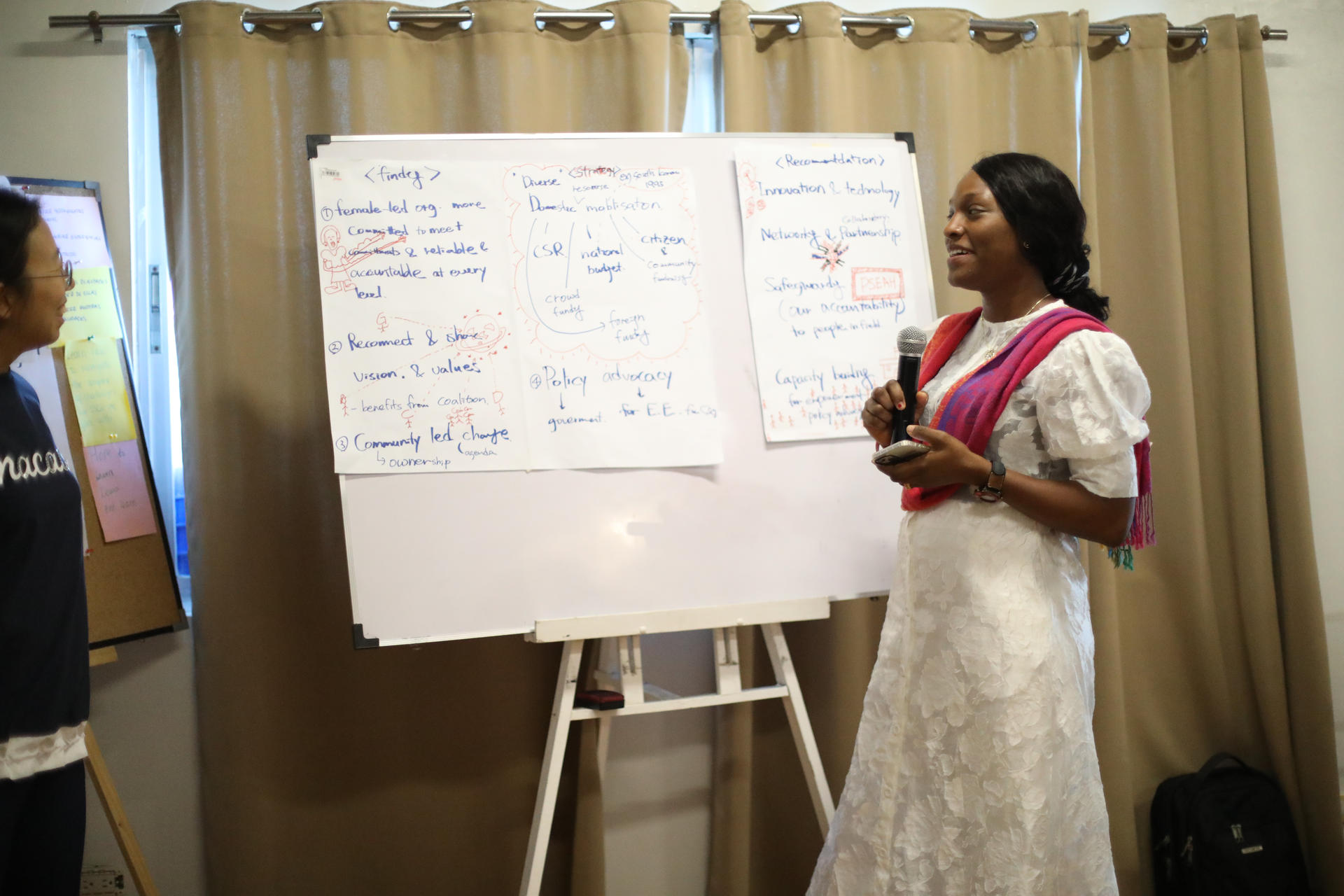
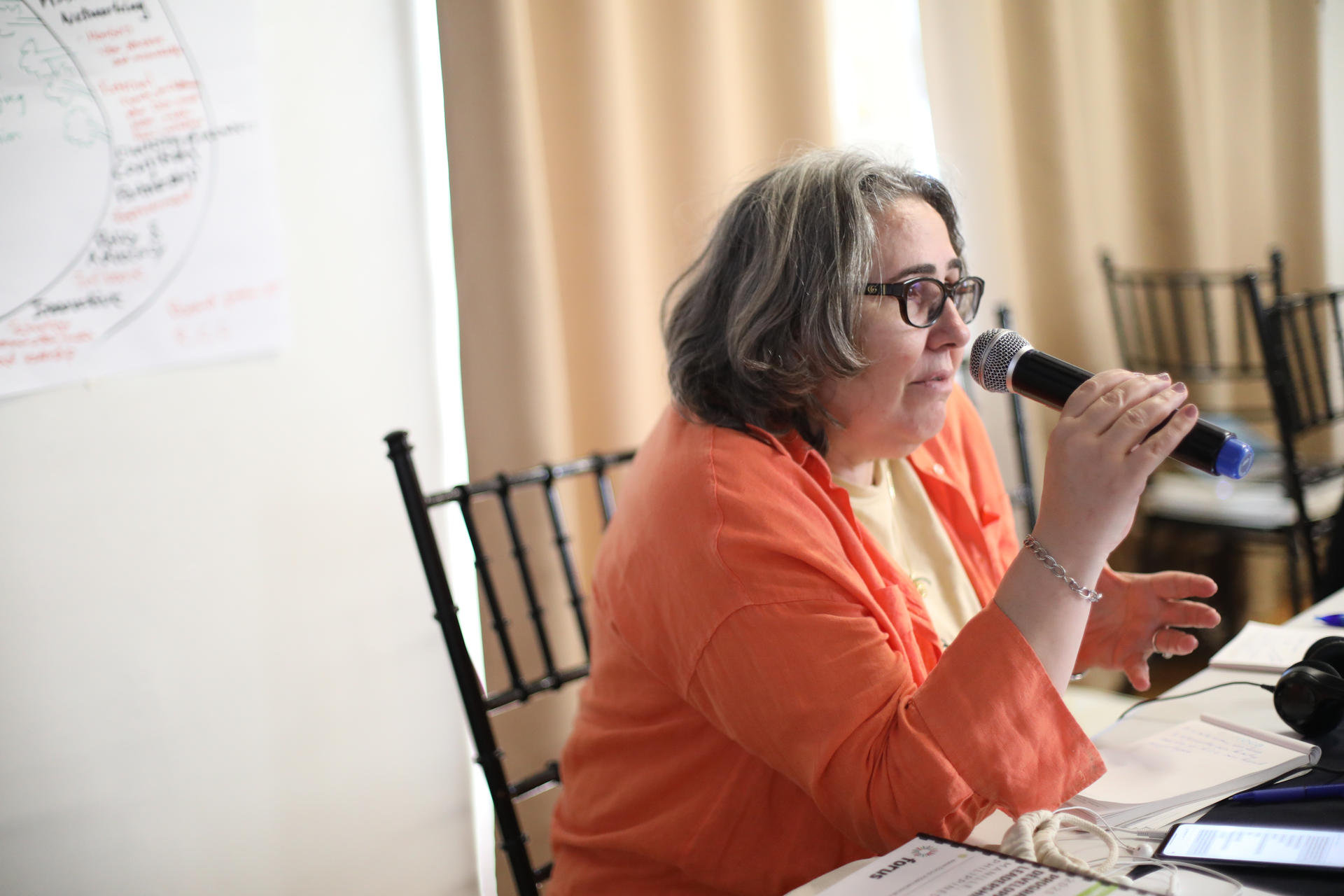
Mylène Lawson: "It's often in translating, appropriating and following up on recommendations that lasting influence over public policy is built" A civil society perspective on turning human rights commitments and women's leadership into lasting change for communities in Togo and across the region
2026-07-17
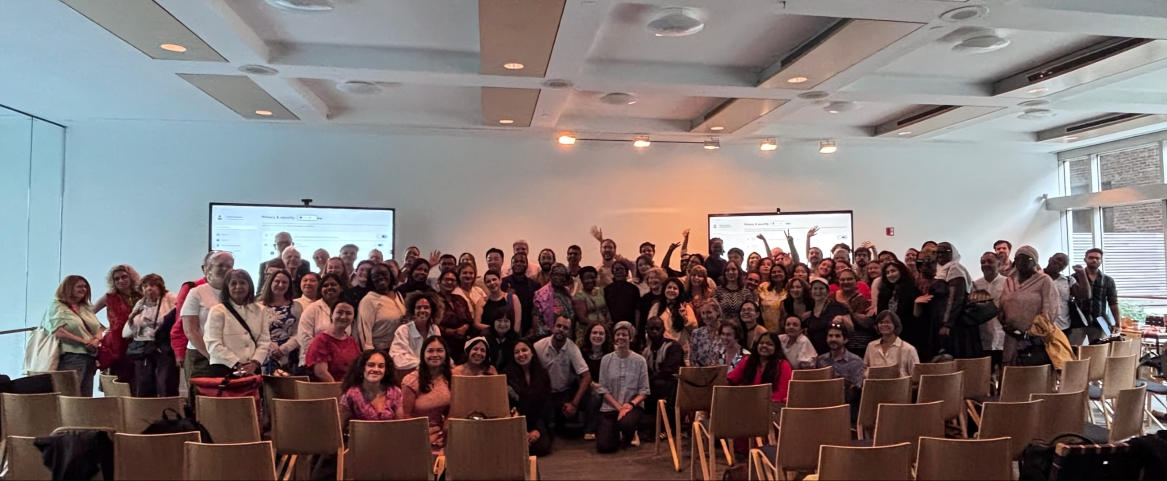
Latifa Souflani: "Influence isn't just about holding a seat at the decision-making table — it's built through citizen mobilization" A civil society perspective on why meaningful participation, accountability and inclusive governance are essential to turning commitments on women's rights and sustainable development into real change for communities.
2026-07-16
Annastazia Rugaba: "Transformation Must Be Measured Not Only by What Government Reports, But by What Citizens Experience" A civil society perspective on why meaningful participation, accountability and inclusive governance are essential to turning sustainable development commitments into real change for communities.
2026-07-16
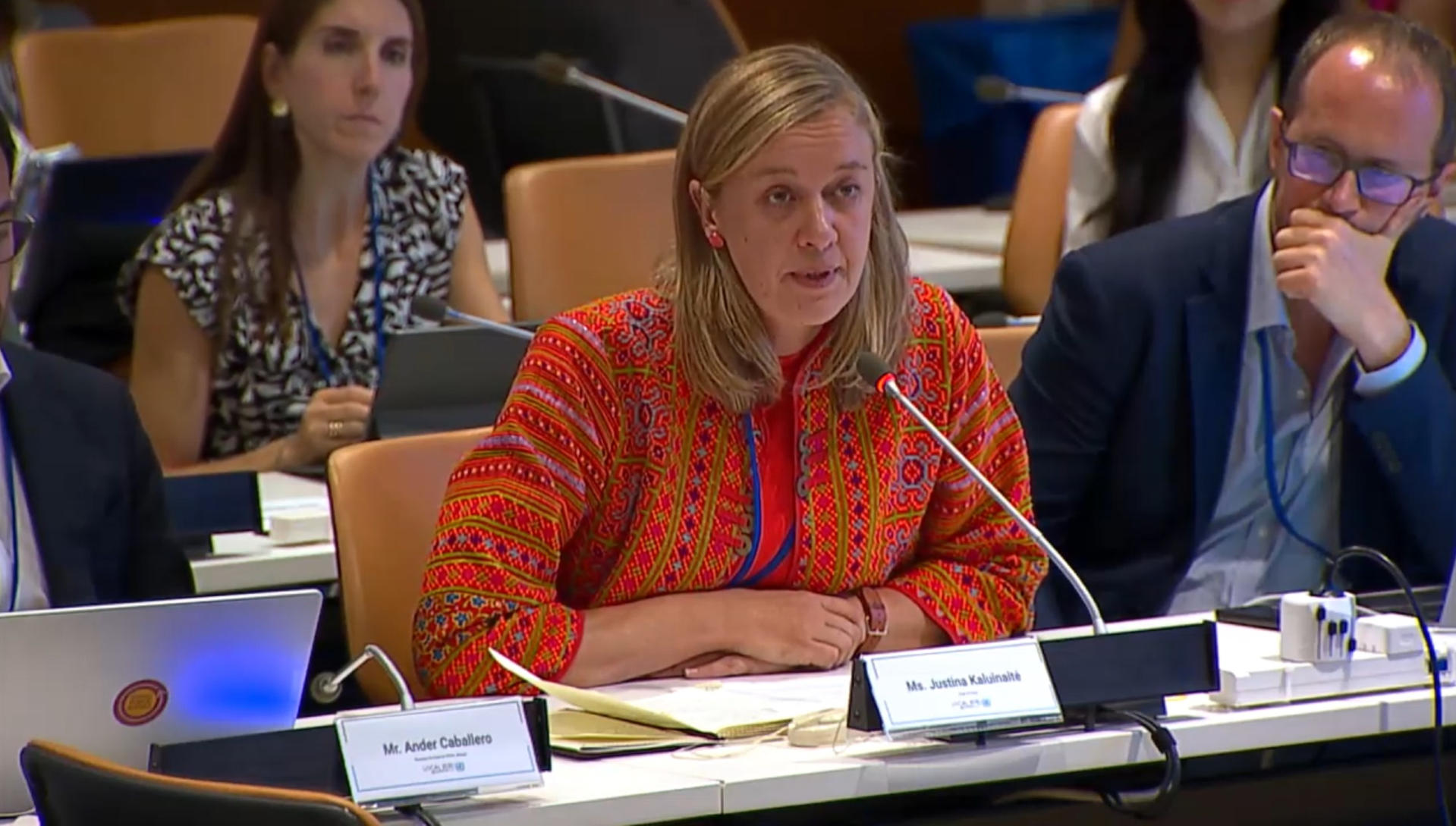
Local2030 Coalition Special Event "Advancing SDG 11 and the New Urban Agenda: Local Action for Global Acceleration"(HLPF Side Event) The Local2030 Coalition Special Event will highlight how SDG localization is driving integrated, inclusive, and scalable solutions to accelerate progress across the 2030 Agenda, with a particular emphasis on SDG 11 and its interlinkages with other goals under review at the 2026 HLPF.
2026-07-16
The future of the SDGs is local: " participation becomes meaningful when it can change a priority, a budget or a decision" The final years of the Sustainable Development Goals will be won or lost locally, but bringing implementation closer to communities is not enough as power, resources and accountability will need to move with it. This discussios was at the centre of the Local2030 Coalition Special Event, “Advancing SDG 11 and the New Urban Agenda: Local Action for Global Acceleration,” held on 15 July as part of the UN High-Level Political Forum 2026.Influence
2026-07-14
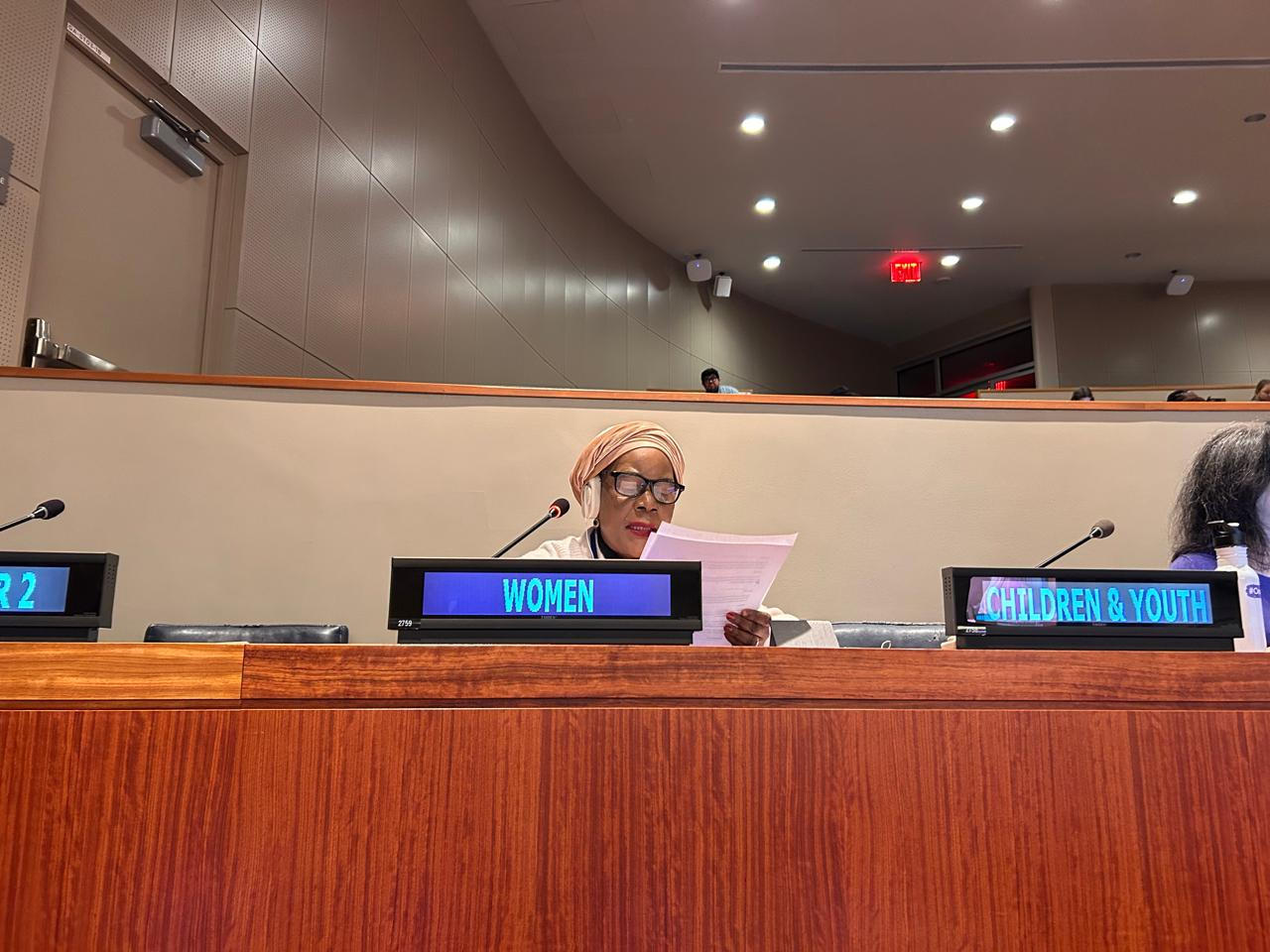
From National Evidence to Global Accountability: Mozambique, Tanzania and Norwegian Civil Society Bring SDG Realities to the UN High-Level Political Forum Voluntary National Reviews are intended to help countries assess progress, identify gaps and strengthen implementation of the Sustainable Development Goals. But reviews can only generate accountability when they include evidence that is independent, grounded in communities’ experiences and able to challenge official narratives where necessary. During the 2026 UN High-Level Political Forum, Forus members representing national civil society platforms from Mozambique, Tanzania and Norway brought precisely this perspective into the global discussion.Influence
2026-07-14
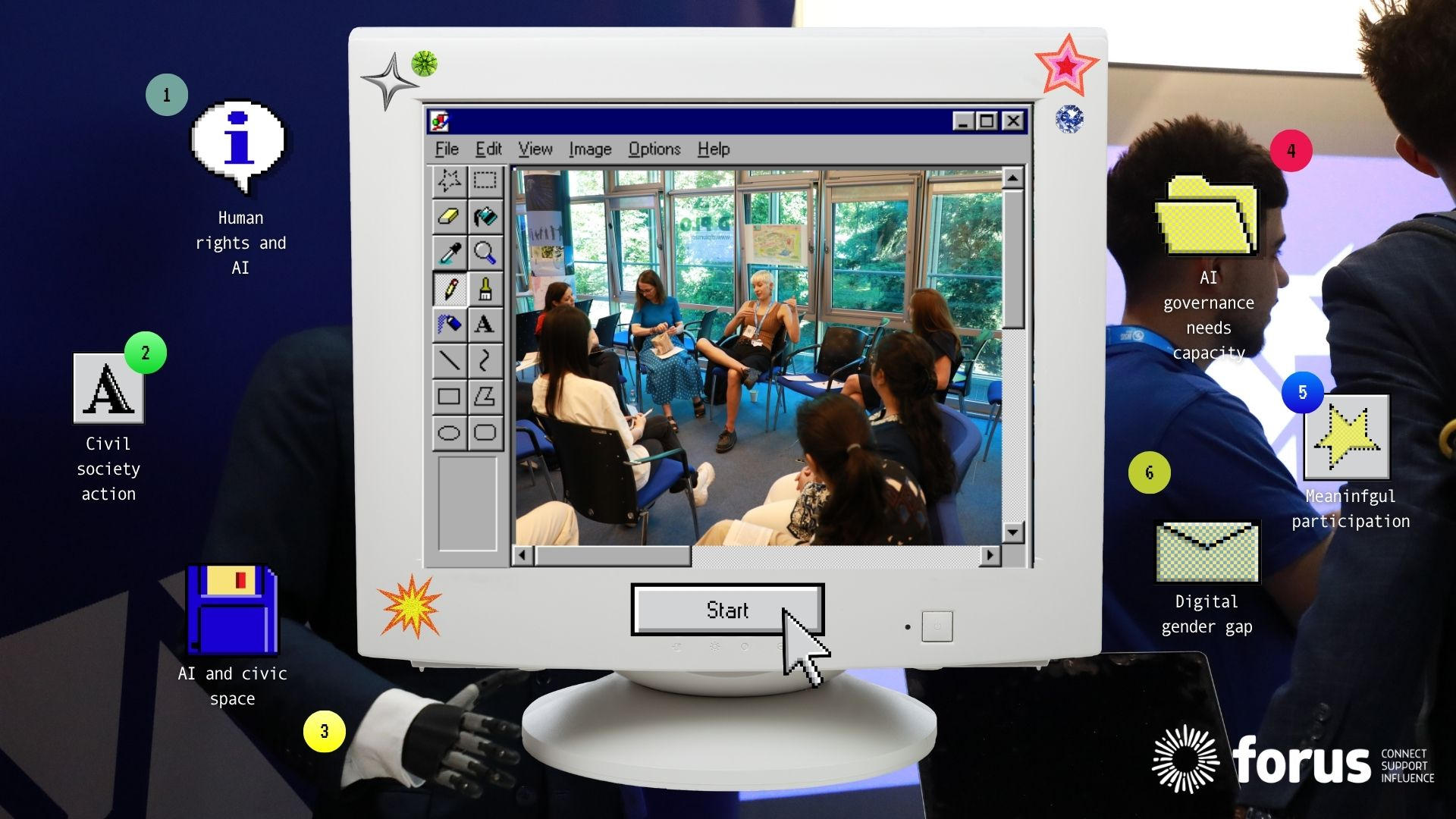
Power, Rights and AI: What Geneva Digital Week Revealed about the Future of Governance Last week, the Forus network landed in Geneva for the Digital Week, where several discussion spaces emerged simultaneously: the United Nations Global Dialogue on Artificial Intelligence Governance, the “futuristic” AI for Good Summit, and the World Summit on the Information Society. All this while the UN High-Level Political Forum kicked off in New York with complementing discussions on digitalisation, global cooperation, the future beyond 2030, and meaningful civic participation highlighting how technology is central to development debates.Influence
2026-07-10
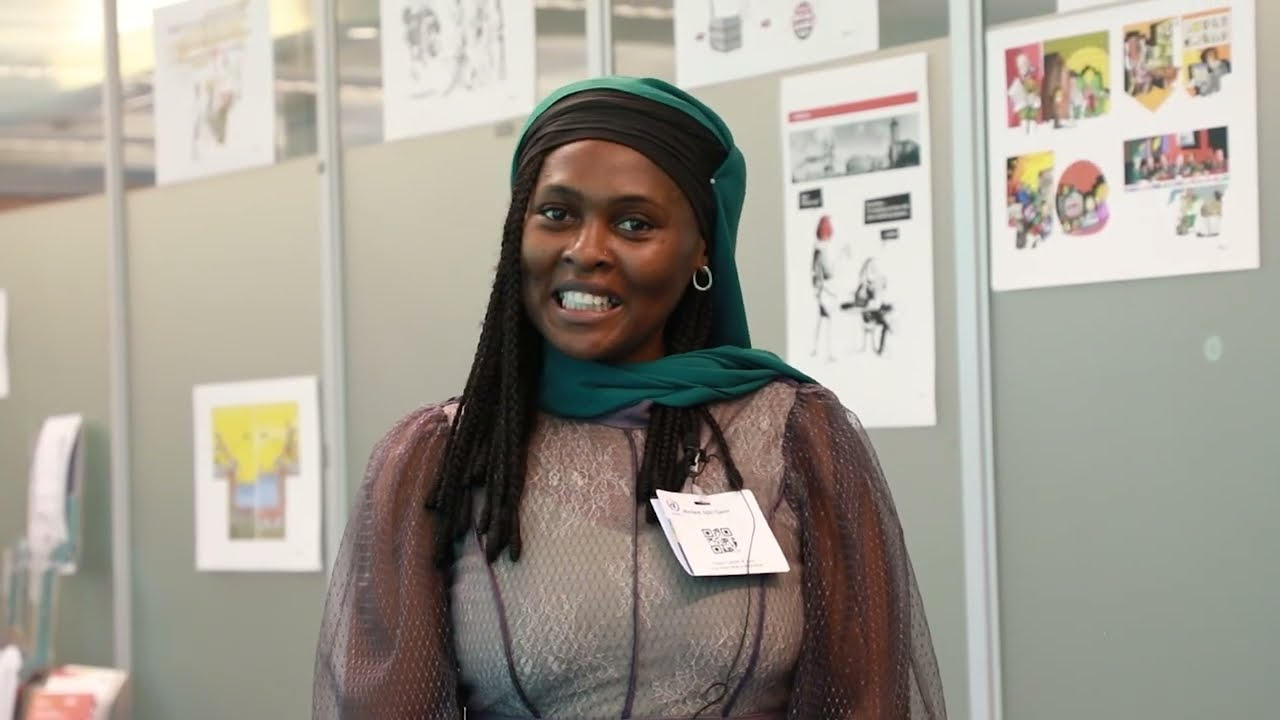
#CADE: AI for good, but for whom? Reimagining AI Governance for the Global Majority - Recap video How do we build AI governance that redistributes power, protects human dignity, recognises labour, prevents harm and exploitation, and expands democratic agency, particularly in the Global Majority, where extractive AI value chains, informal economies, and diverse epistemic traditions are often erased from policy conversations? Discover the highlights from the event organised by the Civil Society Alliances for Digital Empowerment (CADE), led by Diplo, to test an AI regulation sandbox on the sidelines of the ITU AI for Good Global Summit 2026. This side session, structured as an AI regulatory sandbox, convened technologists, policymakers, civil society, trade union and labour representatives, legal specialists, and other specialists to reframe the global AI governance debate and draw on diverse experiences to tackle the questions facing us today. In the session, justice was centered as the fundamental test of whether AI truly serves humanity, using realistic scenarios to test governance structures and bring together varying – sometimes opposing – perspectives on regulation. This event was organised in partnership with the Arab Reform Initiative, the feminist collective Pollicy, the Women of Uganda Network (WOUGNET), Women in Internet Governance, Tinuadeniyi Tech Foundation, and the Center for AI Ethics and Governance in Africa (CAIEGA). The video and interviews have been carried out by CADE partner #Forus. CADE is co-funded by the European Union. #DigitalWeek #D4D #CADE #AIregulation
2026-07-10
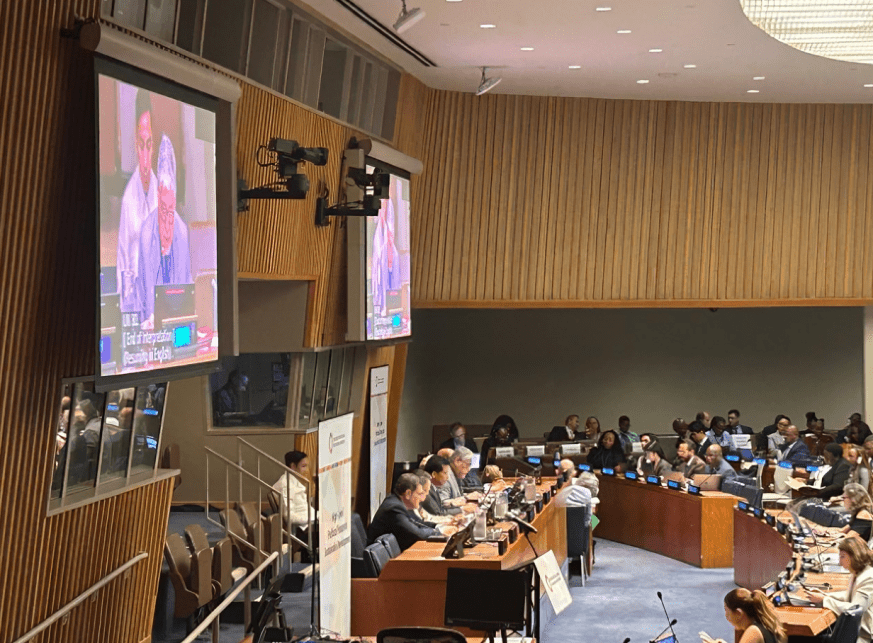
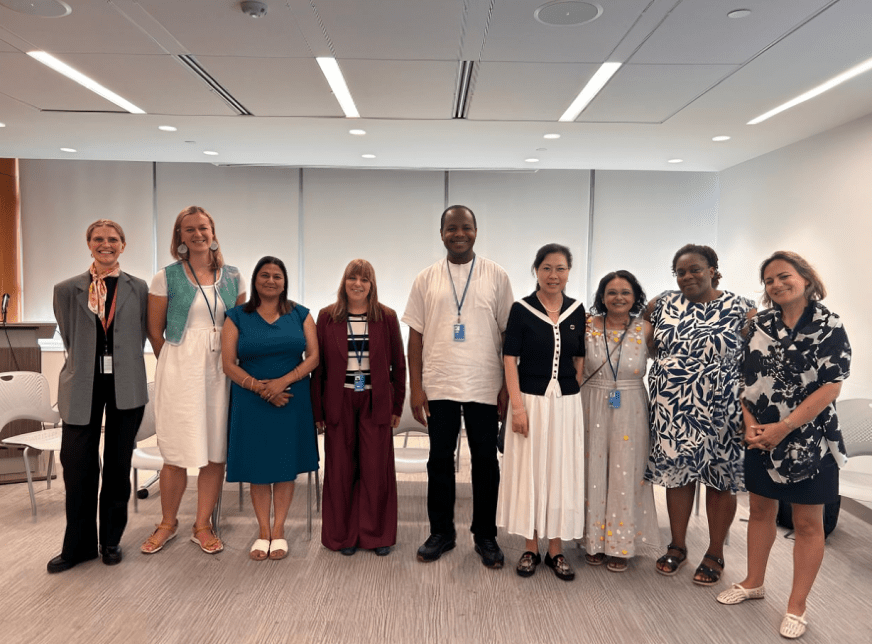
Beyond participation: Forus members and civil society partners call for stronger accountability in SDG implementation As the 2026 High-Level Political Forum (HLPF) continues in New York, the message that sustainable development cannot be accelerated by commitments alone came through. It requires open civic space, meaningful stakeholder engagement, stronger accountability, and tighter links between global promises and local realities.Influence
2026-07-09
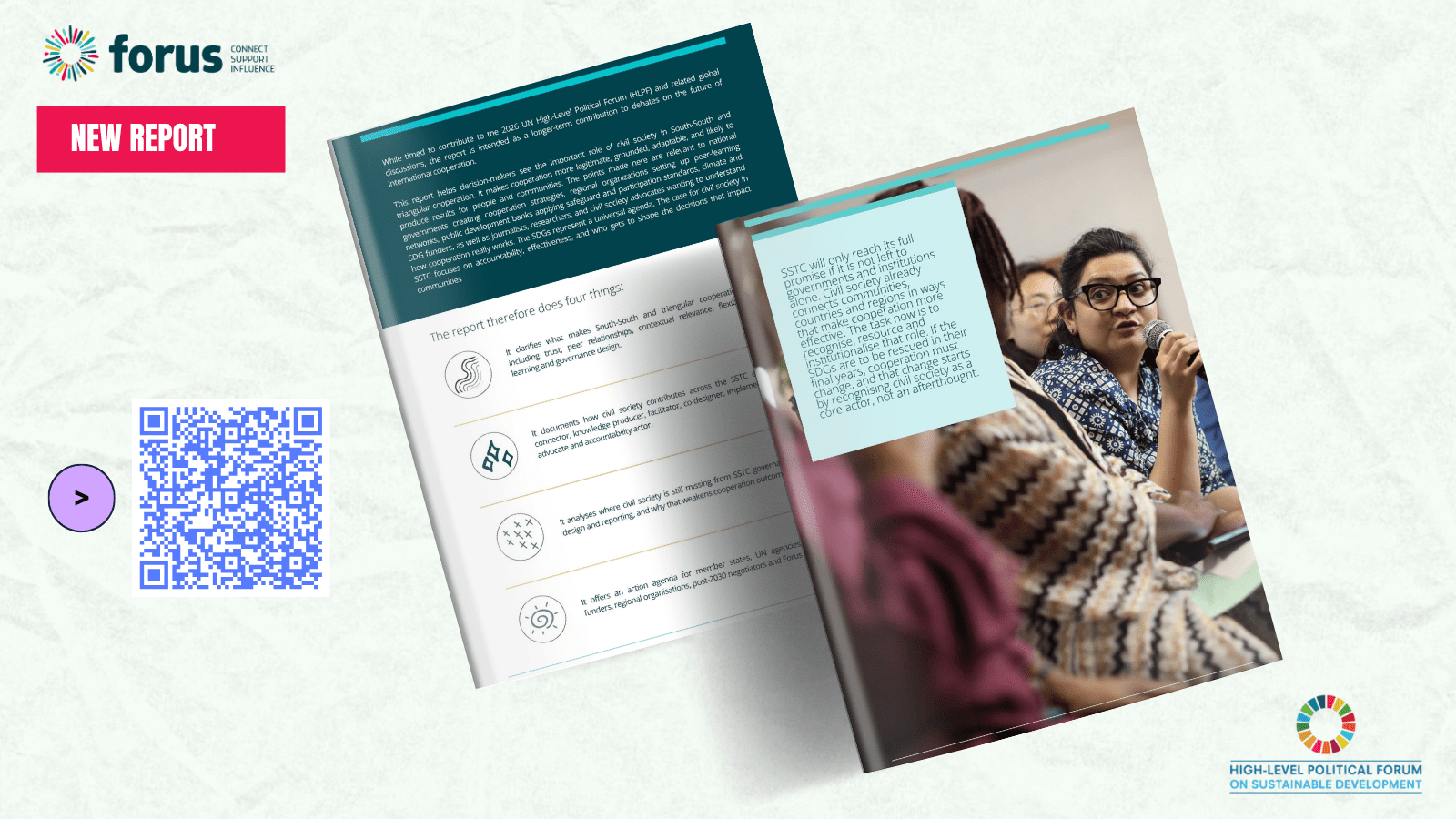
From evidence to influence civil society claims its place in South-South and triangular cooperation Forus launched its new global report "Cooperation That Works: Civil Society in South-South and Triangular Cooperation" in a virtual side event on 7 July, marking the opening of the HLPF 2026. The launch brought together the Forus network and partners from across regions to highlight how civil society is already shaping South-South and triangular cooperation — often without being formally recognized by the systems it helps strengthen.Influence