©Forus
Influence

Power Shifts and Gender Justice
For the Forus network, power shifts and gender justice are transversal priorities. As a network of civil society organizations, through collaborative advocacy, we challenge existing power structures.
Our Campaigns on Power Shifts and Gender Justice
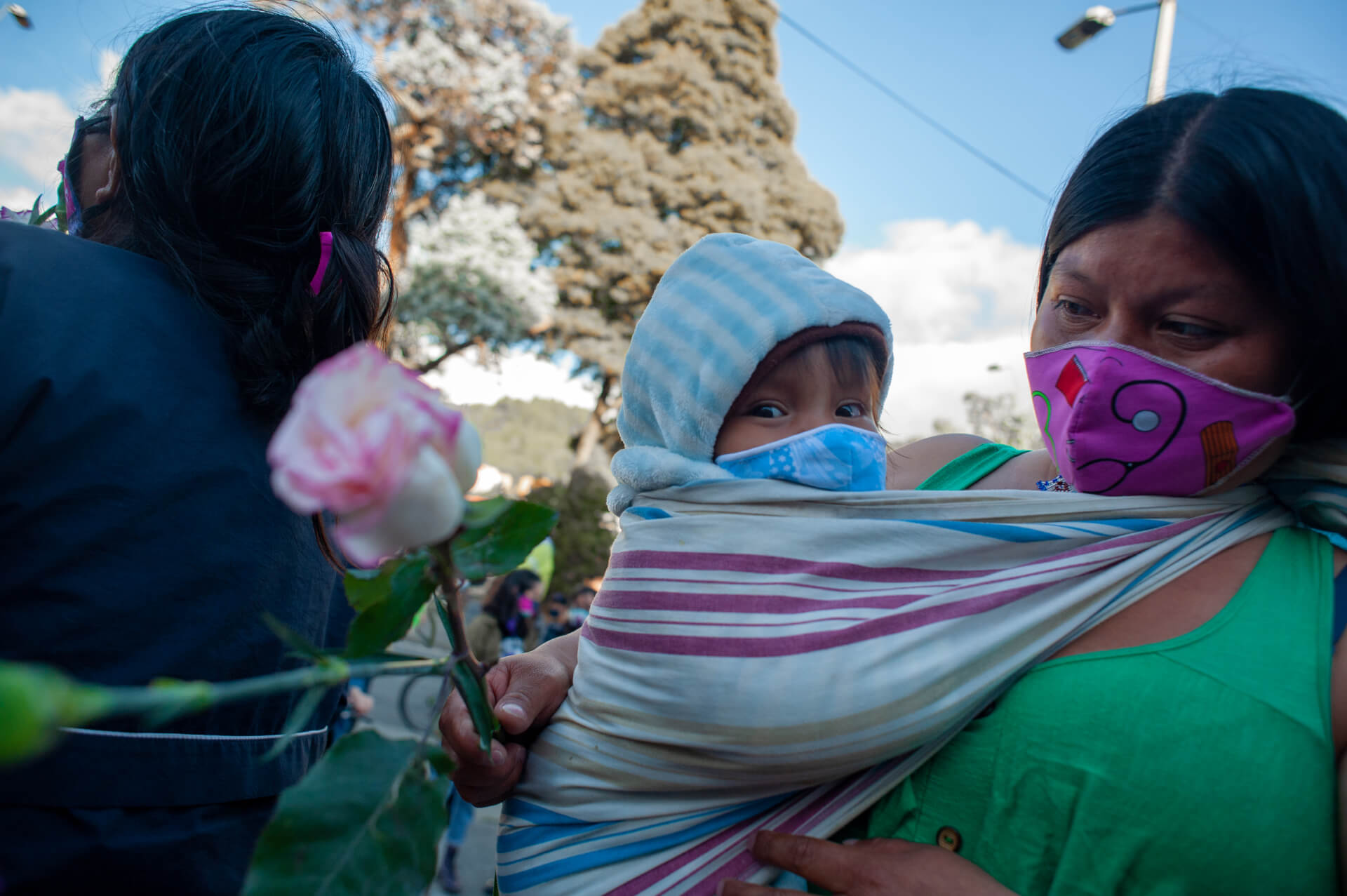
#SHIFTINGTHEPOWER
POWER SHIFTS
Despite commitments to localize aid and ensure that a greater share of funding goes directly to local actors and frontline communities, progress continues to be painfully slow. Yet, all of us keep pushing for change - one which centres people and communities as actors, decision-makers in their own development processes. Several Forus members champion conversations on locally-led development, advocating for autonomy and local decision-making against the backdrop of what are still too often colonial-like approaches.
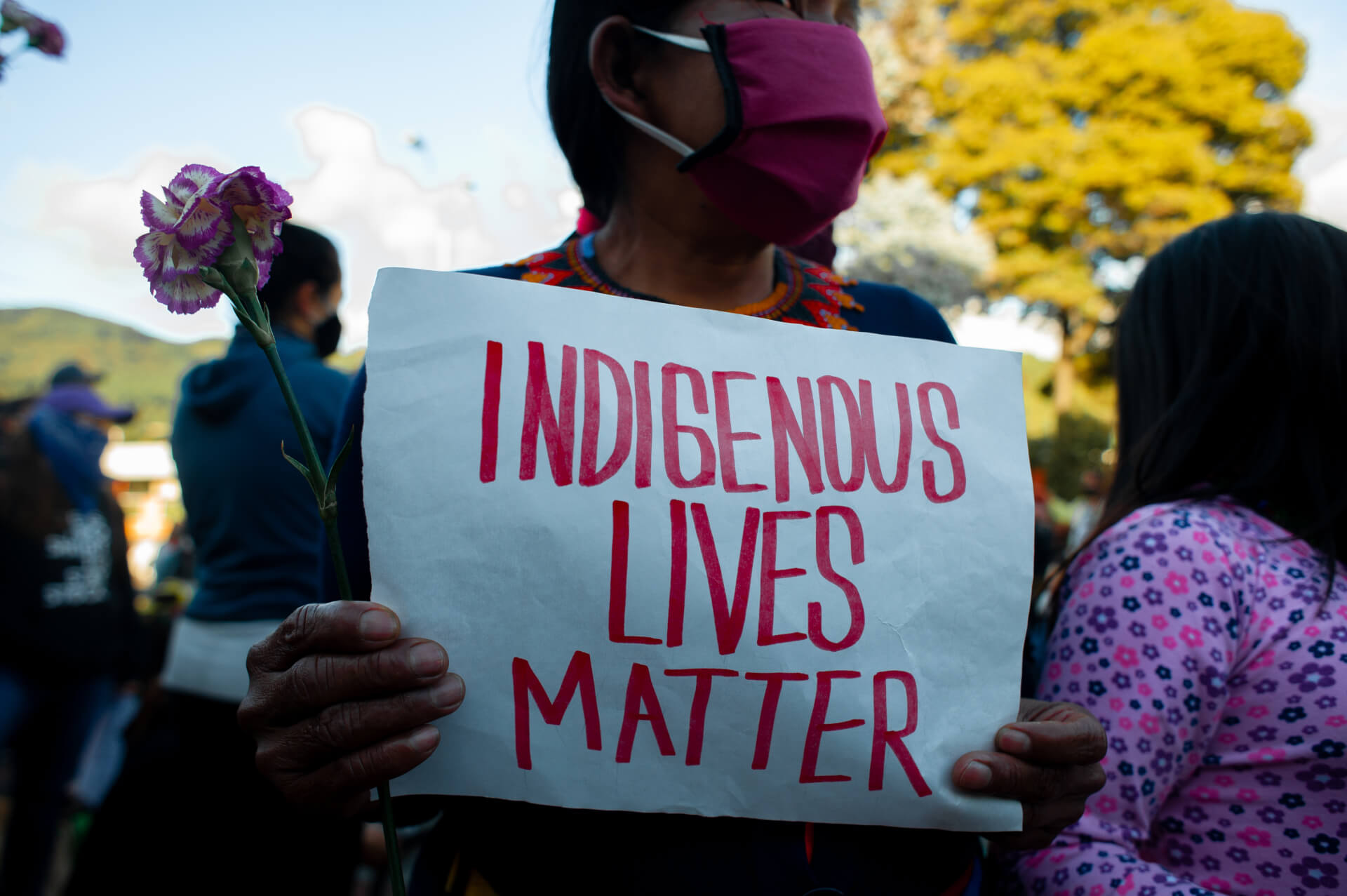
WHAT IS OUR APPROACH?
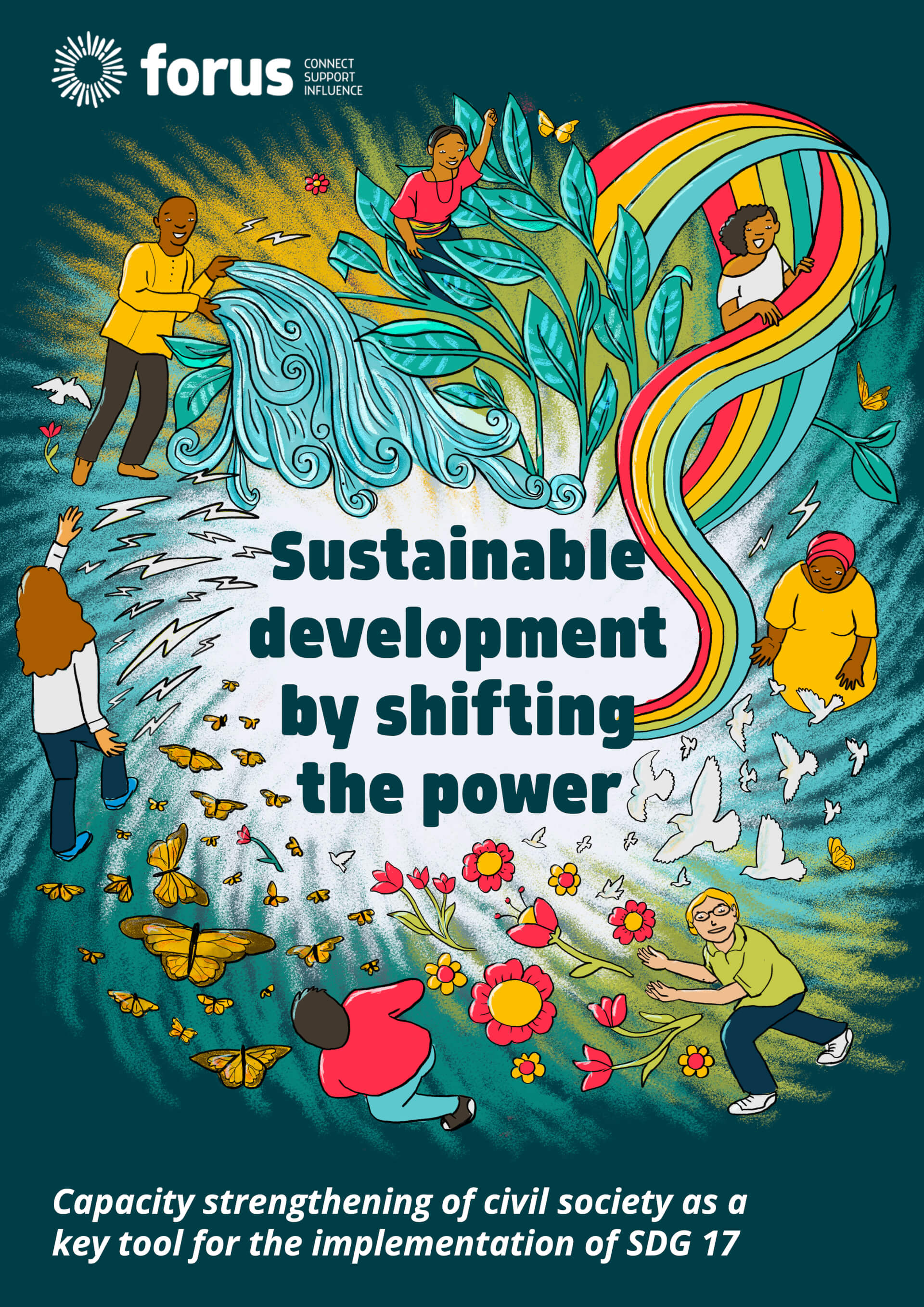
To contribute to the overall conversation on the #ShiftThePower movement, the Forus network has launched its new series, part of A Space for Us multimedia & storytelling project. The Shifting the Power - Global Voices Rising series highlights the stories of Forus members on the diverse interpretations of development shaped by unique contexts. But also about how locally-led development grapples with bureaucratic barriers, as well as visions for sustainable development involving changing systems, leveraging equal partnerships and demanding conversations on power dynamics. Forus members discuss how to tackle historical imbalances at various international fora highlight the fact that aid and development efforts often sideline the expertise, perspectives, and agency of local communities. Together we produce policy briefs and reports such as "Sustainable Development by Shifting the Power: Capacity Strengthening of Civil Society as a Key Tool for the Implementation of SDG 17" looking at the intersections of Shifting the Power, capacity strenghtening for civil society, the Agende 2030, locally-led development and decolonisation.

©Forus
"
We need to adopt a long-term approach to strengthening civil society capacity and this needs to be aligned with the follow up of the 2030 agenda. Civil society is diverse, multi-layered, complex and dynamic with different voices that we must ensure are being listened to. Moses Isooba, Executive Director of the Uganda national NGO Forum.
Thu 6 Jul 2023
Sustainable Development by Shifting the Power: Capacity Strengthening of Civil Society as a Key Tool for the Implementation of SDG 17 Developed collaboratively with 14 national and regional CSO platforms, this report provides an analysis of the transformative potential of capacity-strengthening initiatives for civil society and a review of its representation in the 2022 Voluntary National Reviews (VNRs). With a focus on changing power dynamics, ensuring localization, and decolonizing practices, the report underscores the pivotal role that civil society organizations can play in delivering the Sustainable Development Goals (SDGs) when appropriately supported.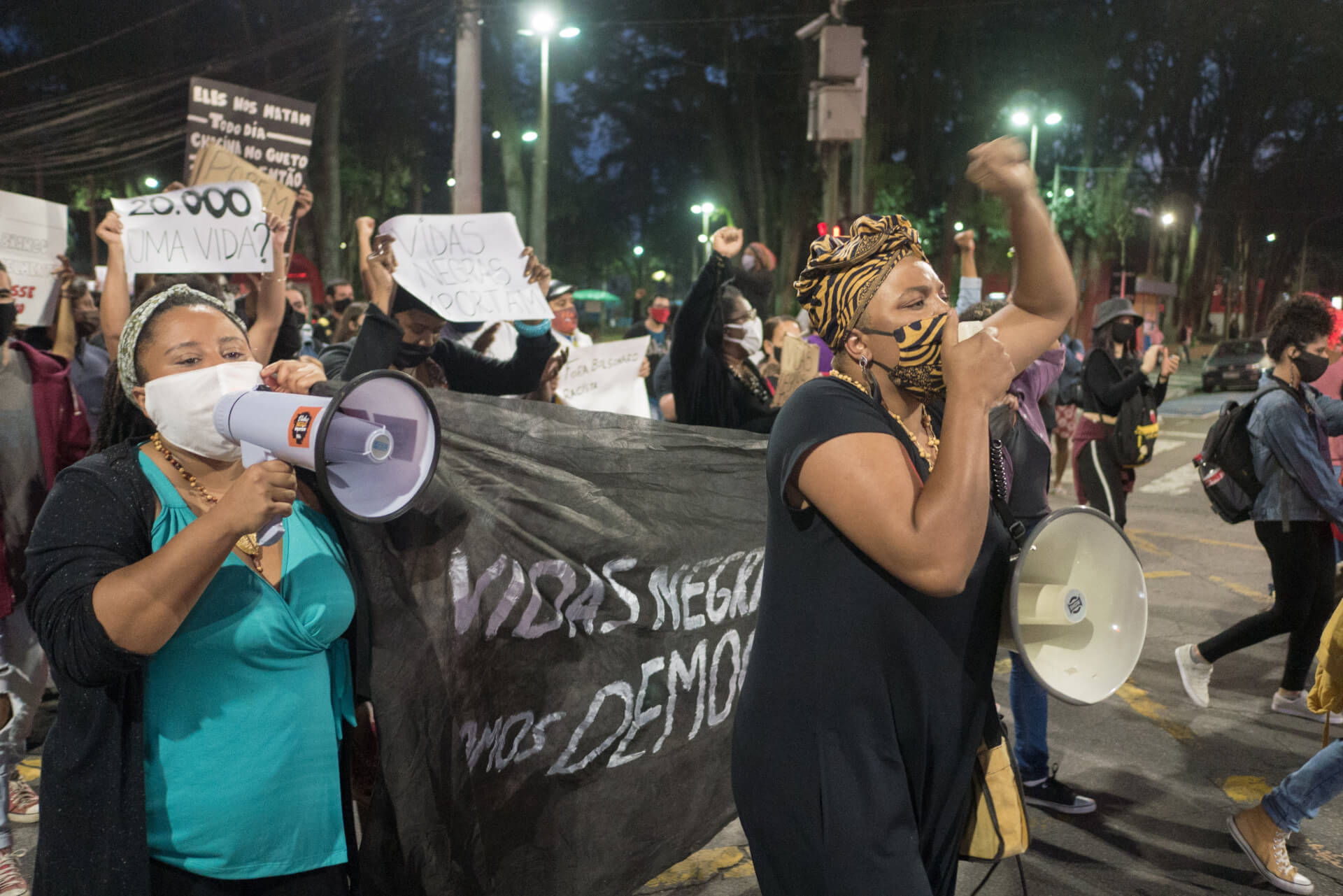
Wed 24 Jan 2024
Ringo Lexicon Prototype Checklist - Uganda National NGO Forum Many words or idioms that are commonly used in civil society perpetuate a colonial mindset, or are sexist, racist or bigoted. This checklist provides an explanation as to why a selection of such terms are problematic and suggests more inclusive alternatives.
Wed 12 Jul 2023
New Forus Report: “Sustainable Development by Shifting the Power” The report co-created by 14 Forus members from different regions and contexts, calls for transformative changes in the international development sector, with a focus on power dynamics, localization, and decolonization. It highlights the crucial role of civil society organizations in advancing the Sustainable Development Goals (SDGs) and stresses the importance of capacity strengthening initiatives that are driven by the needs and priorities of CSOs themselves. The report also provides recommendations to relevant stakeholders and reaffirms the commitment to support CSO capacity strengthening and foster inclusive practices.
Tue 28 Mar 2023
From a Pacific Development Lens – Shifting the Paradigm of Accountability, Translating Global Standards to Local Realities Translating global standards to our Pacific realities and local perspective, meant going deeper on the practical applications of our Pacific principles and values. As interrogators of accountability, realising the need to first be accountable to ourselves was integral to the whole process. The gaps we knew existed indicated this and it was time to not only review our whole accountability processes but look at accountability from a development effectiveness lens that zoomed in on Pacific cultural perspectives that manifest CSO accountability at organizational levels.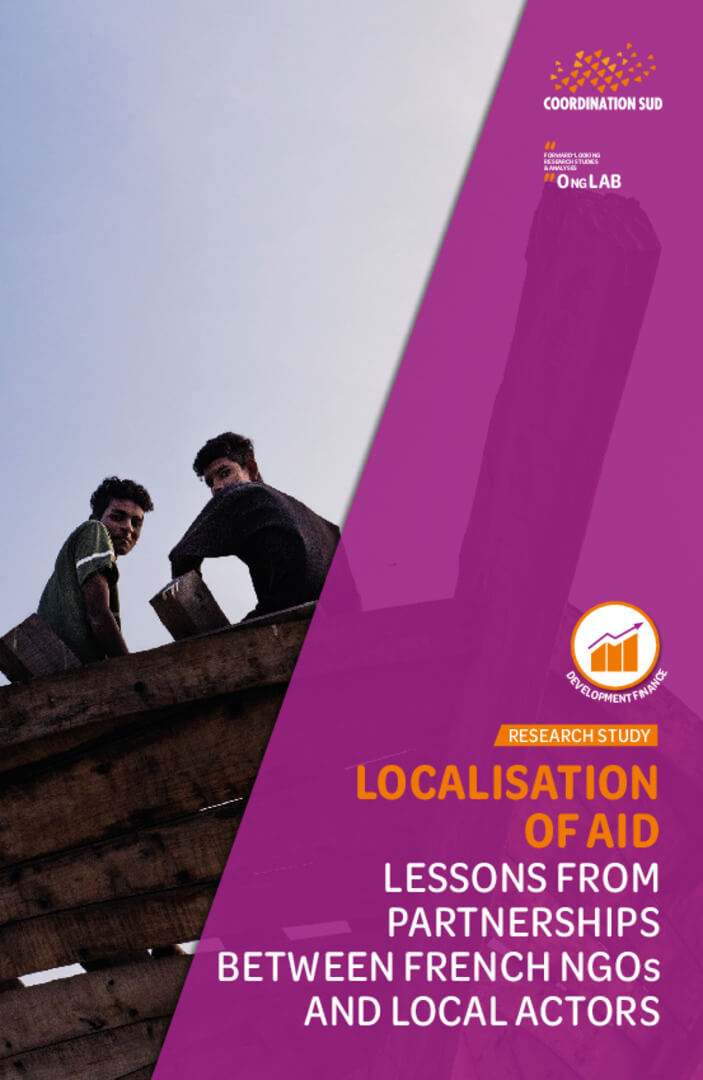
Mon 4 May 2020
LOCALISATION OF AID, LESSONS FROM PARTNERSHIPS BETWEEN FRENCH NGOs AND LOCAL ACTORS (Resource of Coordination Sud, French member of Forus) Made with the support of Forus. This study seeks both to revisit the terms of this debate and to “test” localisation based on practices in the field. It queries the discrepancies that may exist between the debate on localisation and realities on the ground, and it questions the hypothesis that greater “proximity” of aid to the field of action increases the effectiveness of the projects carried out.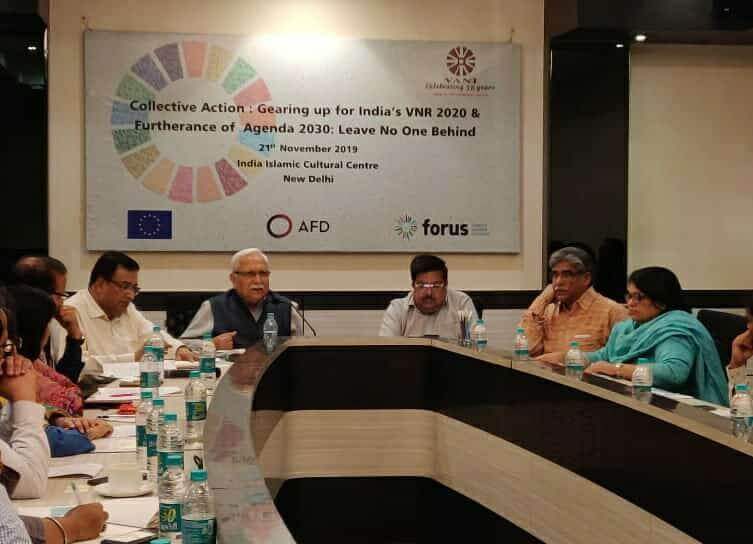
Mon 11 May 2020
Journey towards the Localization of SDGs amongst Indian CSOs Up until 2018, conversation on SDGs in India had been mostly limited to UN, Government (through Niti Aayog, think tank created by the Government of India (GoI) to oversee the implementation of SDGs) and few CSOs. The role of CSOs was clearly side-lined in India’s first Voluntary National Review (VNR) report, despite their crucial role in the implementation of social development projects and programs. Amongst CSOs, there was an inadequate association with SDGs, due to limited awareness and/or lack of linkage between SDGs and their area of work.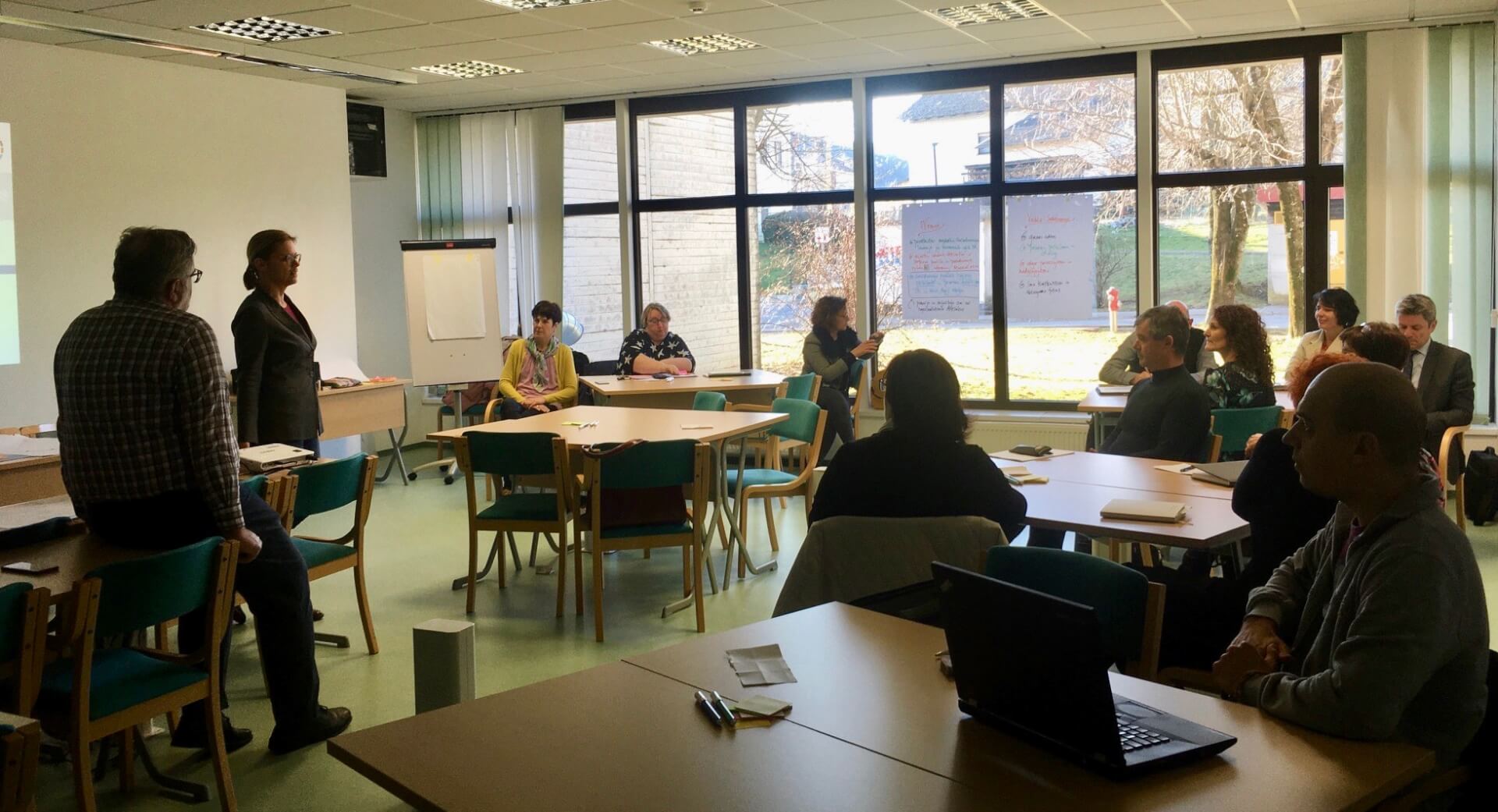
Fri 21 May 2021
Slovenia: the Voluntary National Review process and the localization of the 2030 Agenda In 2020, Slovenia submitted its second Voluntary National Review (VNR) on the implementation of the 2030 Agenda for Sustainable Development, while the first NGO report on the Sustainable Development Goals (SDGs) was timely drafted.
Mon 8 Mar 2021
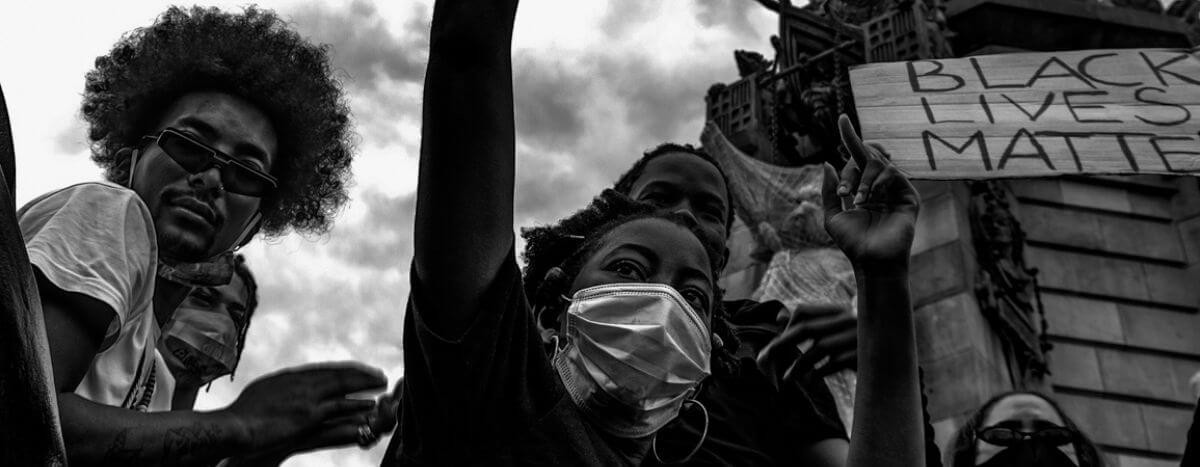
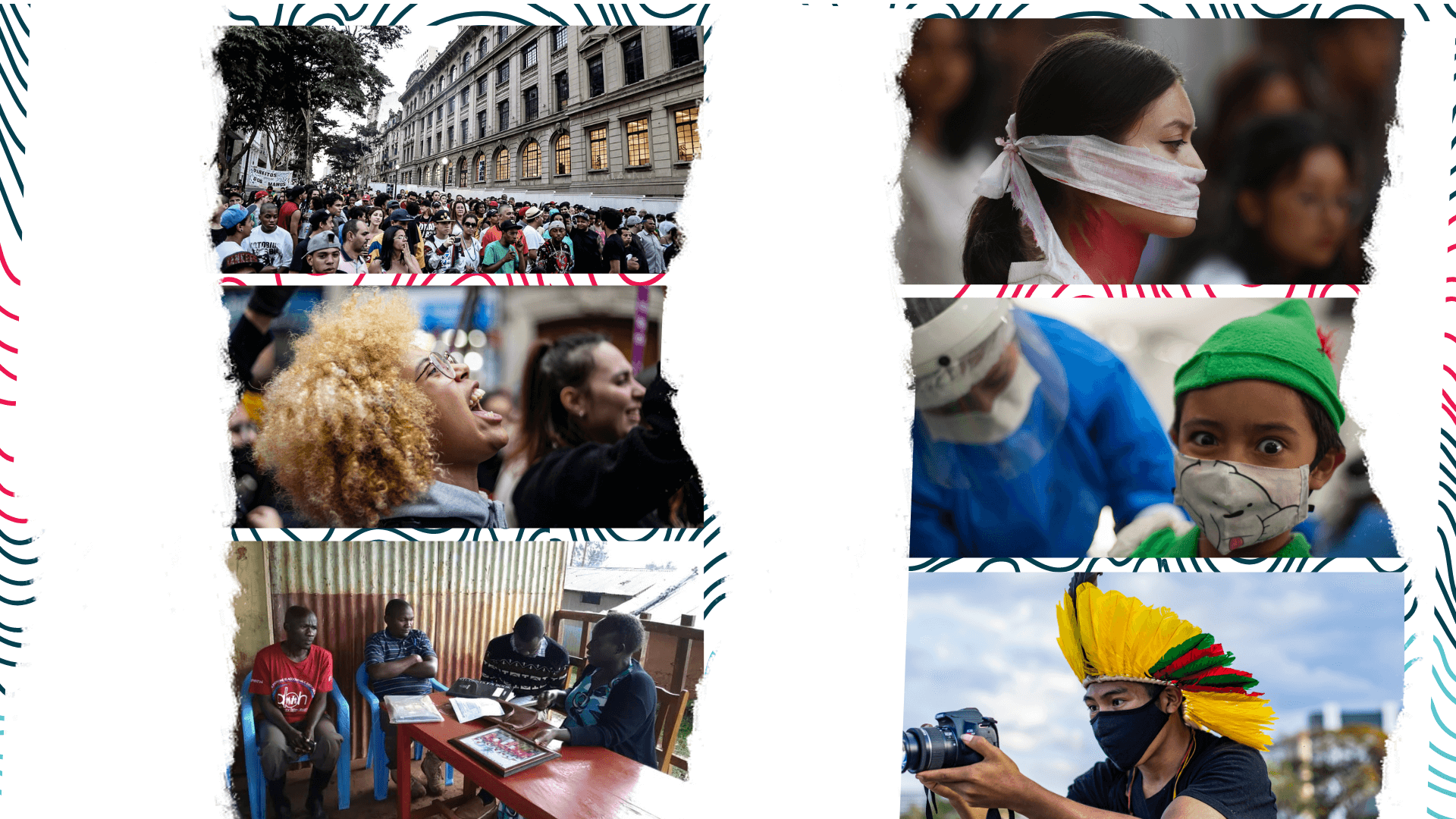
Décoloniser l'Histoire: "nos silences ne nous protégeront pas" À l’heure où les luttes anti-racistes deviennent le nœud de nos discussions, il est temps de se demander quels sont nos outils pour créer des mouvements collectifs et solidaires autour d’un même combat. De se tourner les uns vers les autres, de créer des énergies communes pour déconstruire les récits coloniaux de nos sociétés. Article rédigé en partenariat avec le réseau global des organisations de la société civile Forus International.Narratives Matter
/ Podcasts & Videos
See all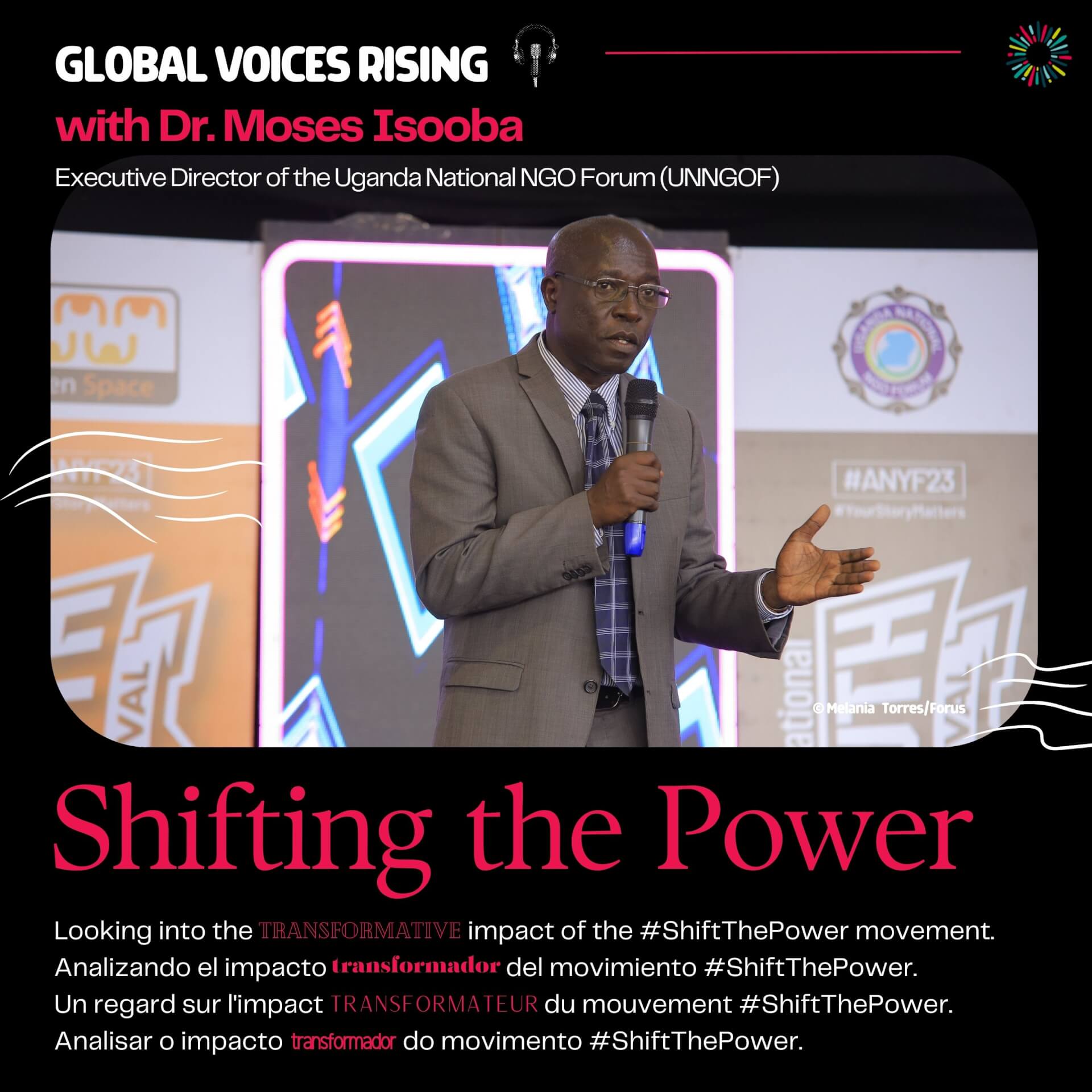
Sun 3 Dec 2023
EN - Shifting the Power with Dr. Moses Isooba (Uganda)
Tue 5 Dec 2023
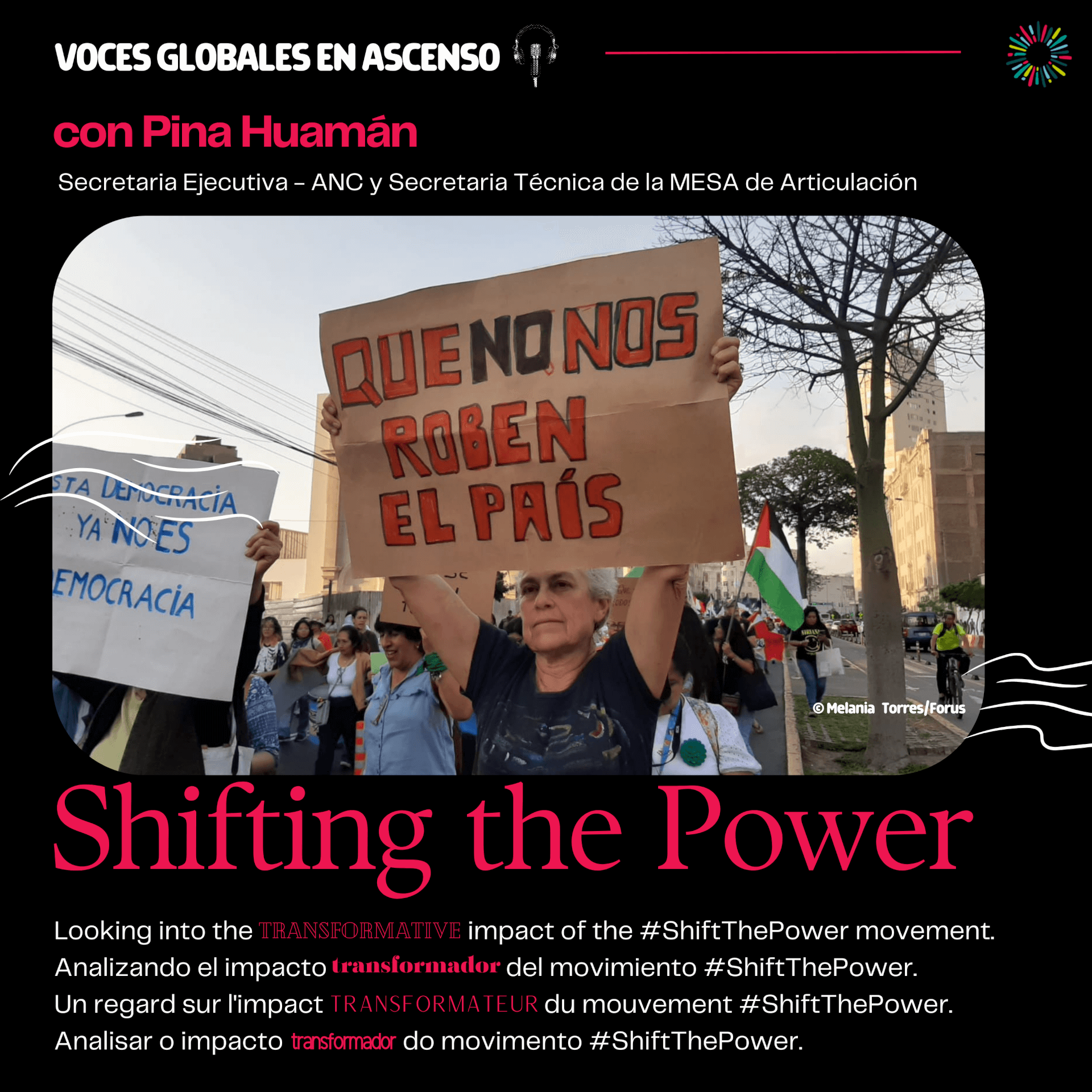
ES - Sobre dinámicas de poder y transformaciones con Pina Huamán
Wed 20 Dec 2023
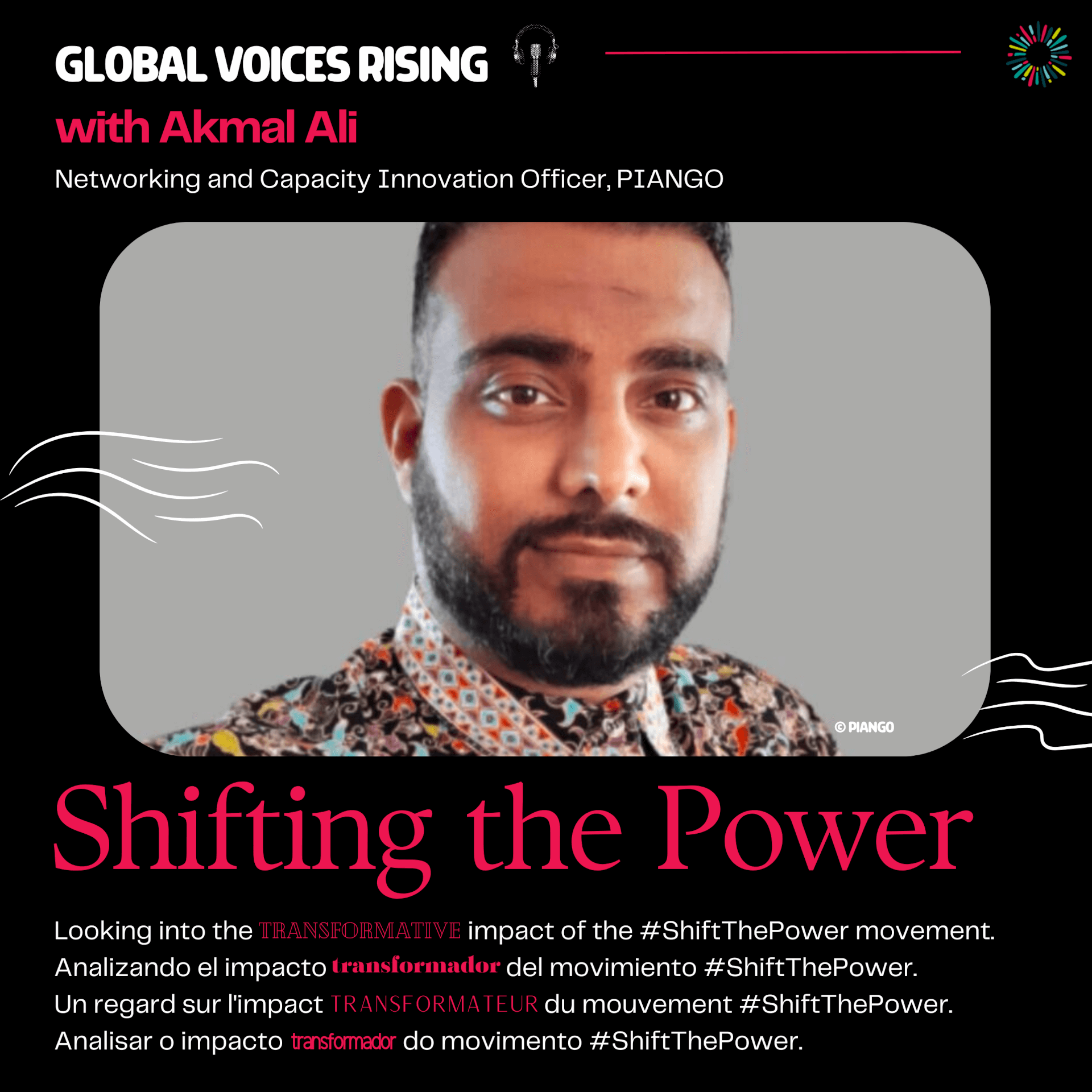
EN - On localisation and "being united" with Akmal Ali, PIANGO
/ Testimonials
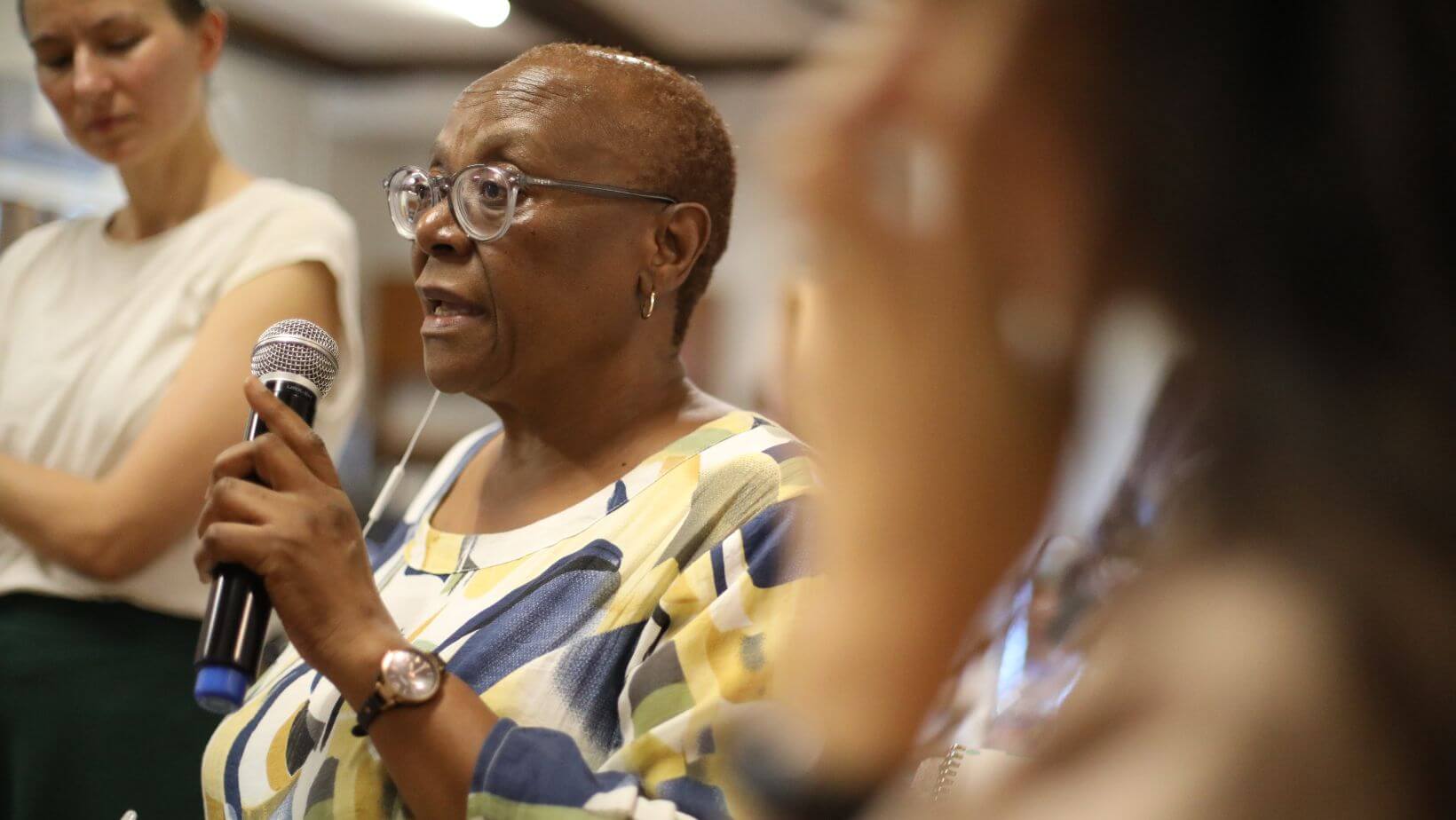
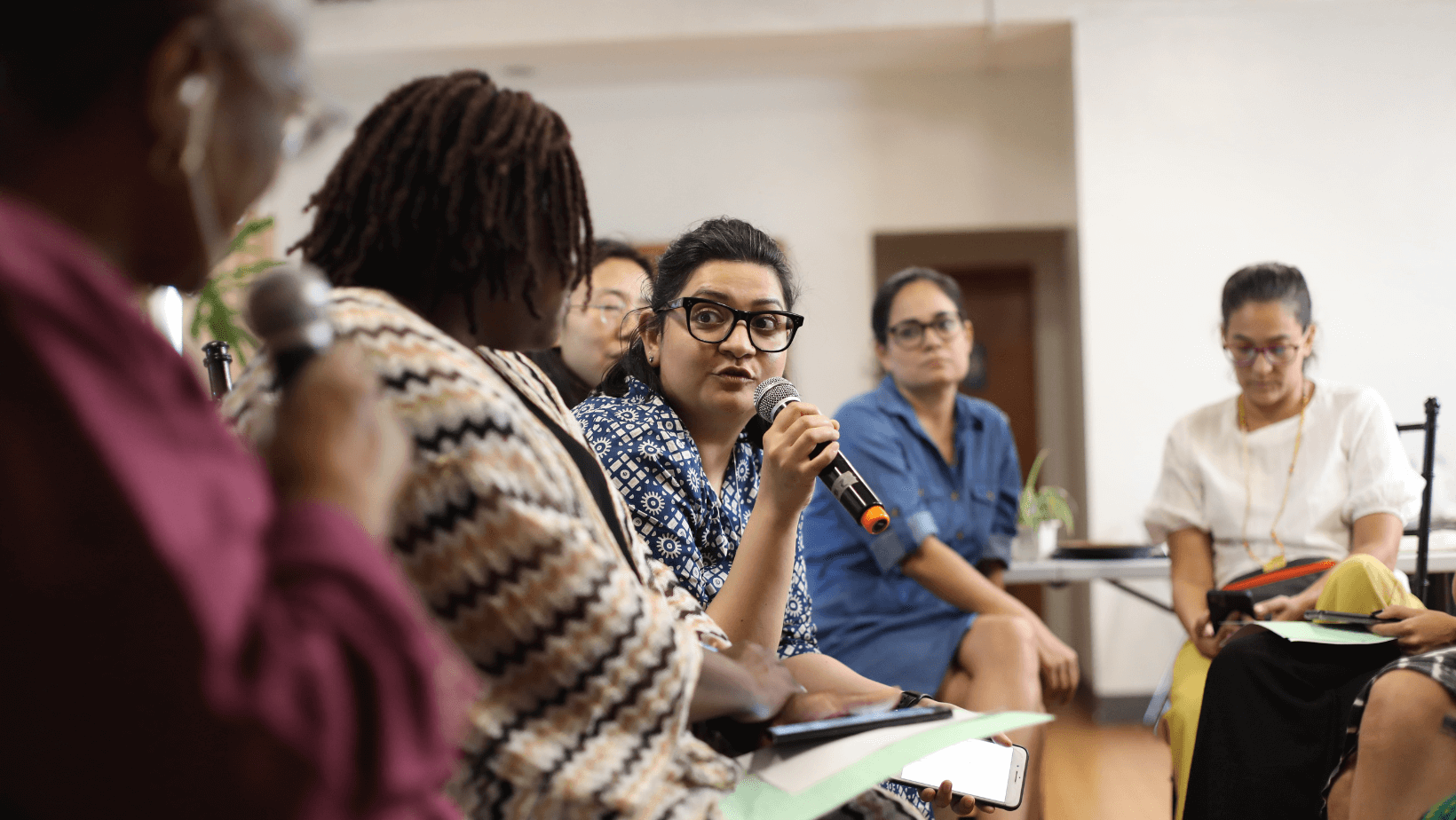
#MARCHWITHUS
GENDER JUSTICE
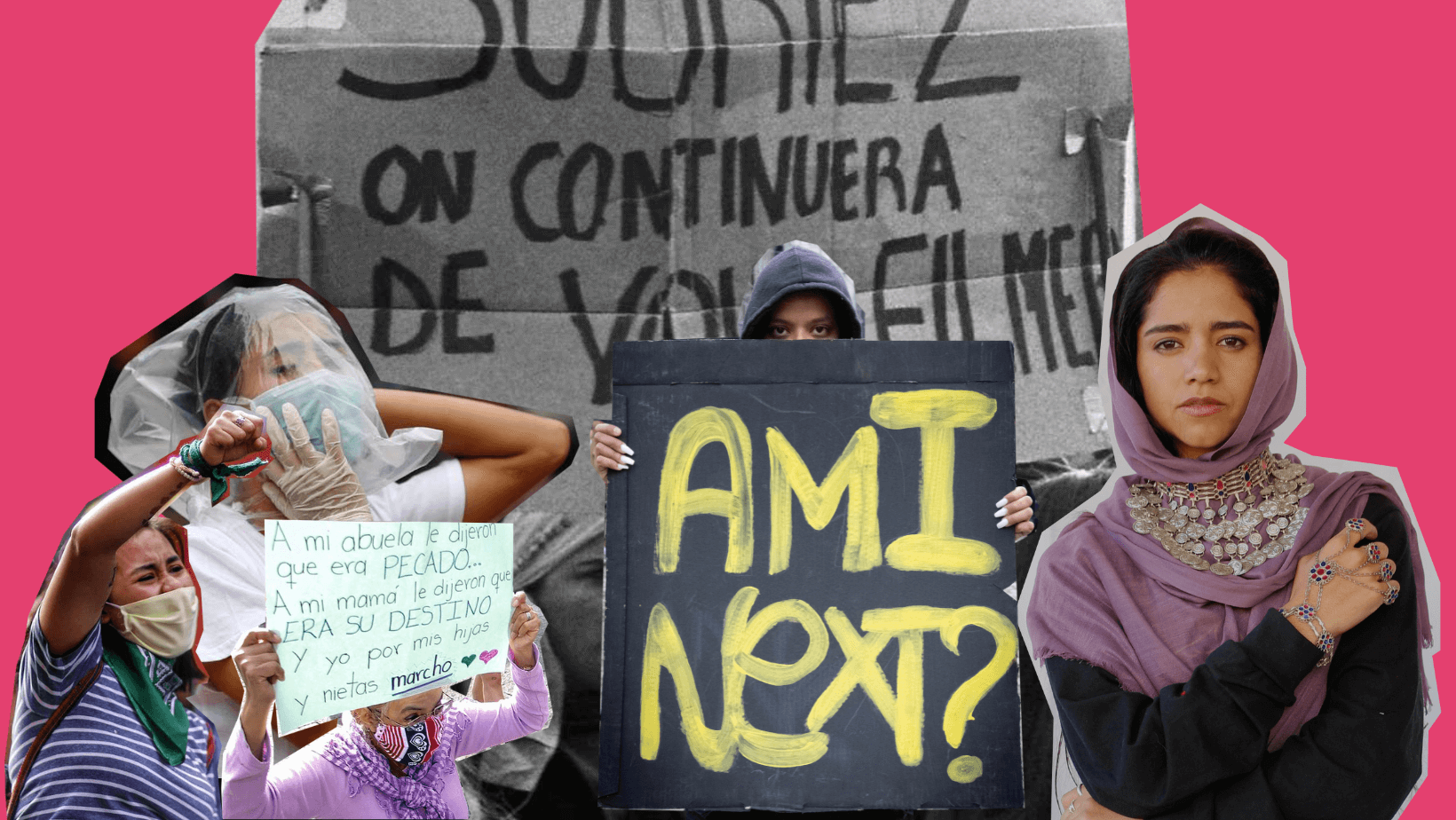
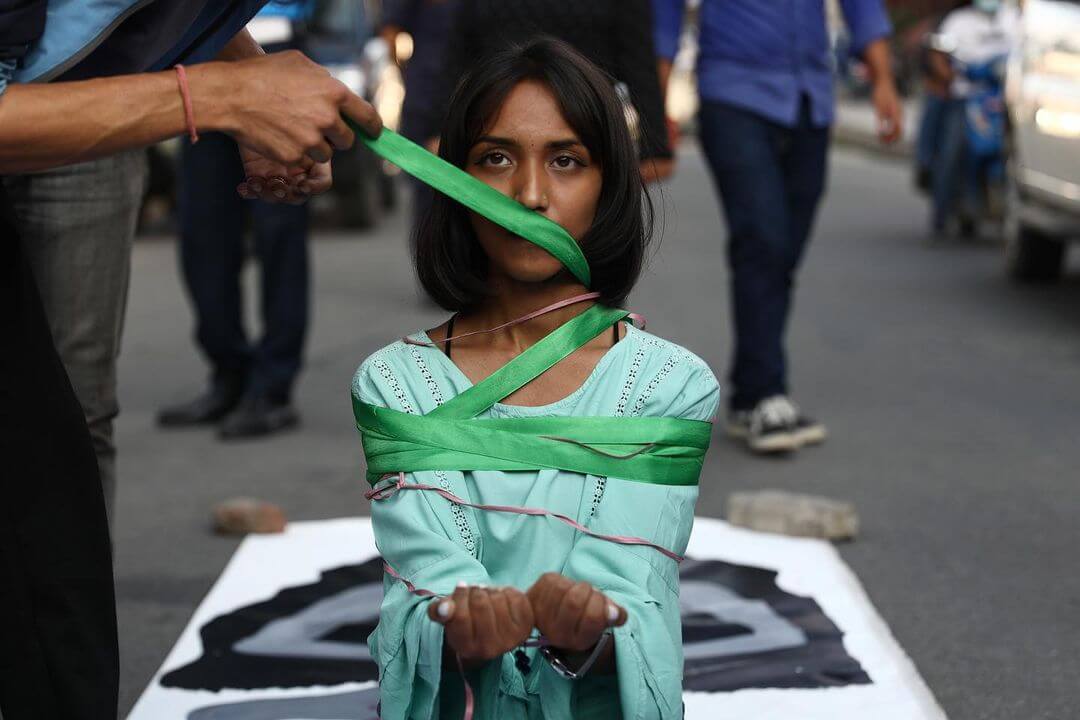
According to several Forus reports and research, feminist groups are among the most targeted civil society coalitions. They are often victims of attacks, and impunity reigns in many instances. From developing a feminist cooperation model, to defending women activists and promoting alternative leadernship models, for Forus members, gender justice is a transversal priority applied to their visions, strategies and work.
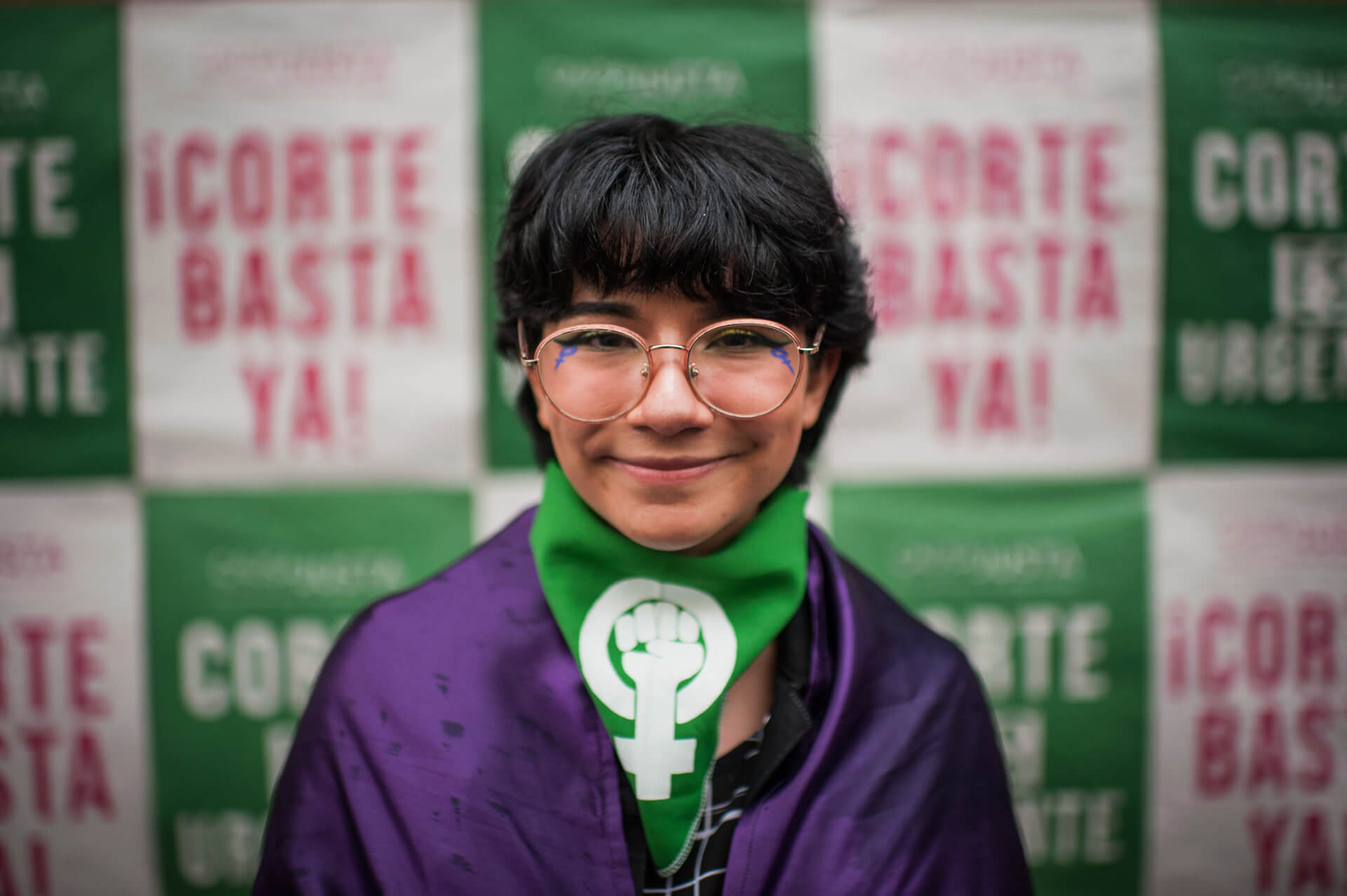
MARCH WITH US CAMPAIGN ON GENDER JUSTICE
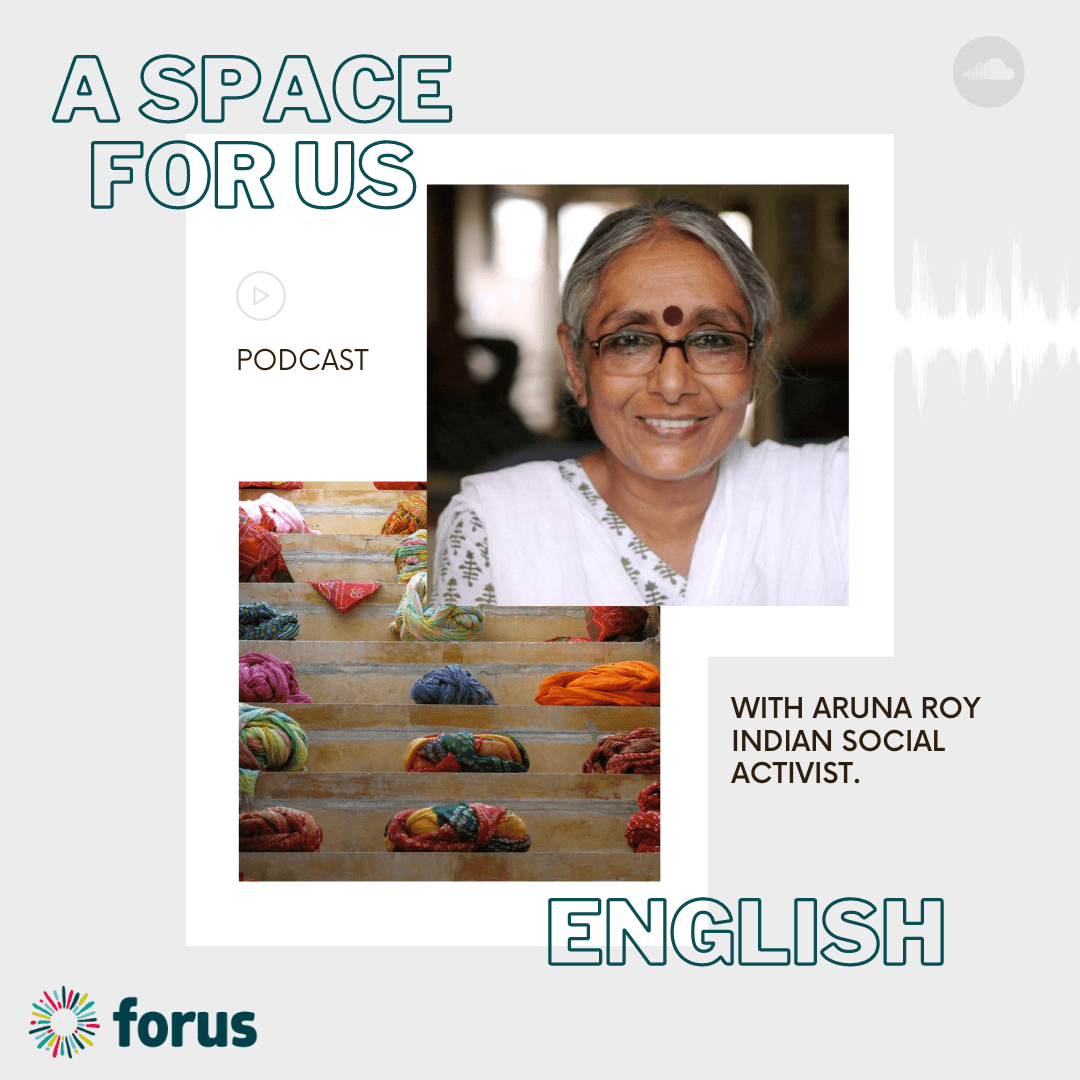
Every year, with #MarchWithUs we dedicate one full month to the experiences of women and minorities, sharing new practices of collaboration and innovative forms of mobilisation. Launched in 2021, the campaign features the stories of change-makers fighting for gender justice across the globe. From Angela Davis and Lina Al Hathloul to Aruna Roy and Line Niedeggen, over the years we have shared the stories of hundreds of activists and civil society organisations.

©Forus
Resources and Stories from the Forus network

Thu 11 Apr 2024
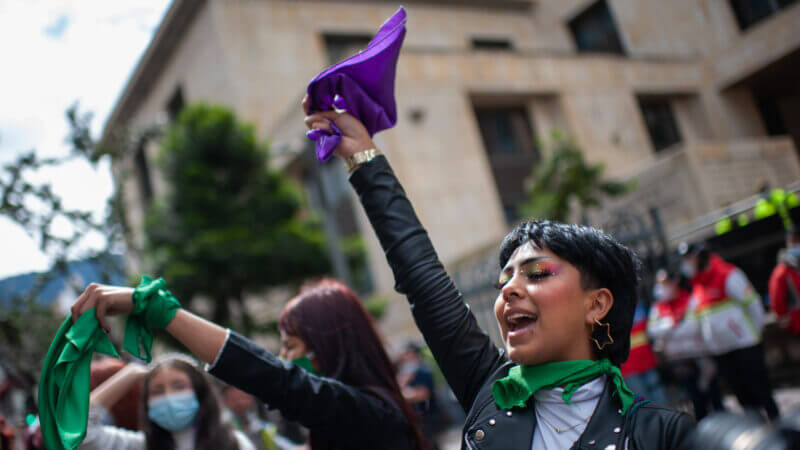
How to promote access to safe abortion services for Afrodescendant women in Colombia The decriminalization of abortion alone does not automatically guarantee access for all women to this service in Colombia, specifically those on the margins — impoverished, Black Afro-descendant, and Indigenous women.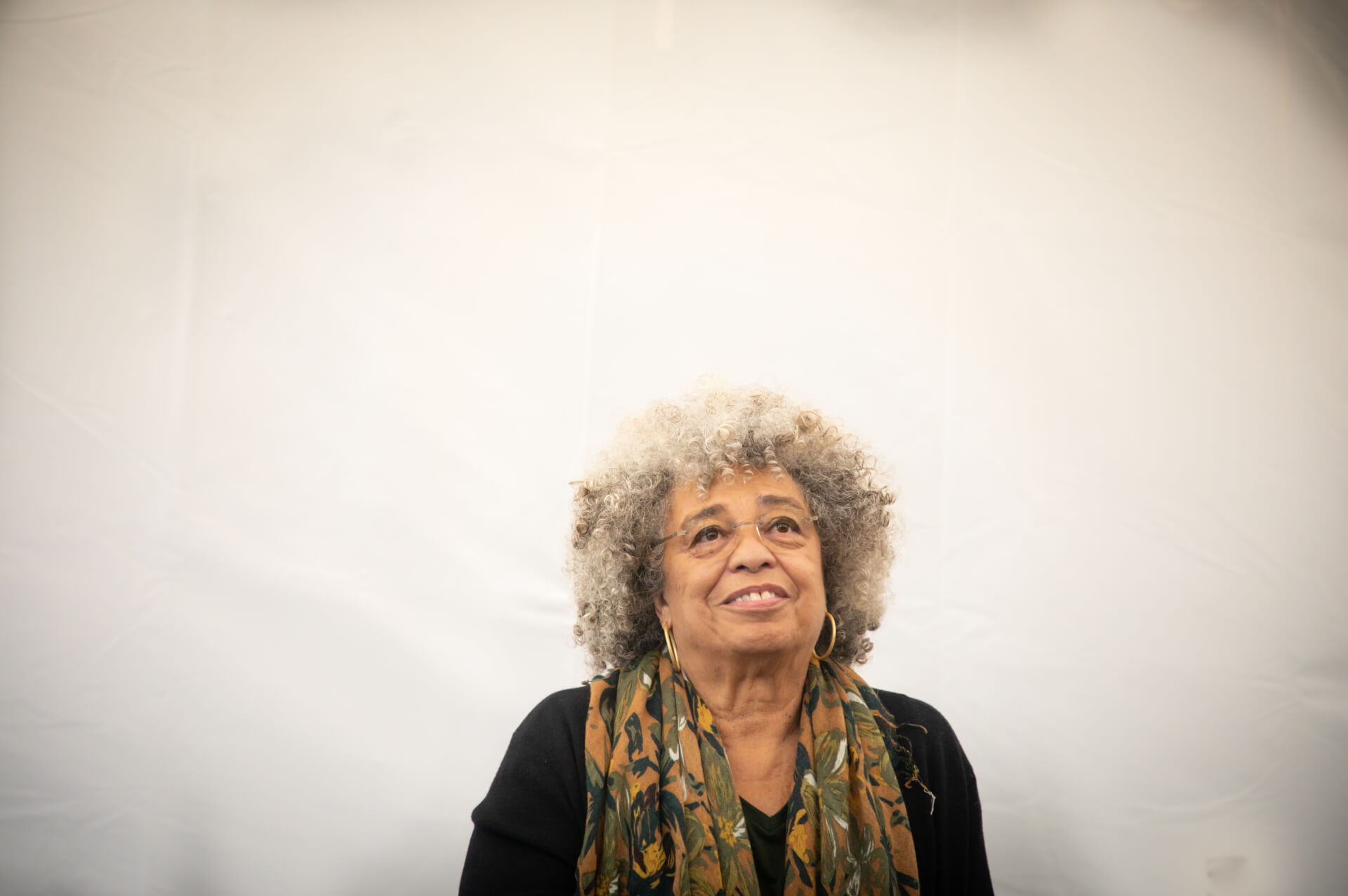
Wed 8 Jun 2022
Angela Davis on “the possibility of unity on different grounds” How to avoid destructive polarisation? How to work with other groups that sometimes have diverging views? How can social movements, activists and civil society organisations better collaborate at global level? These questions, among others, were answered by Angela Davis in the course of a rainy afternoon, where Forus had the chance of interviewing her during a short pit-stop in Belgium.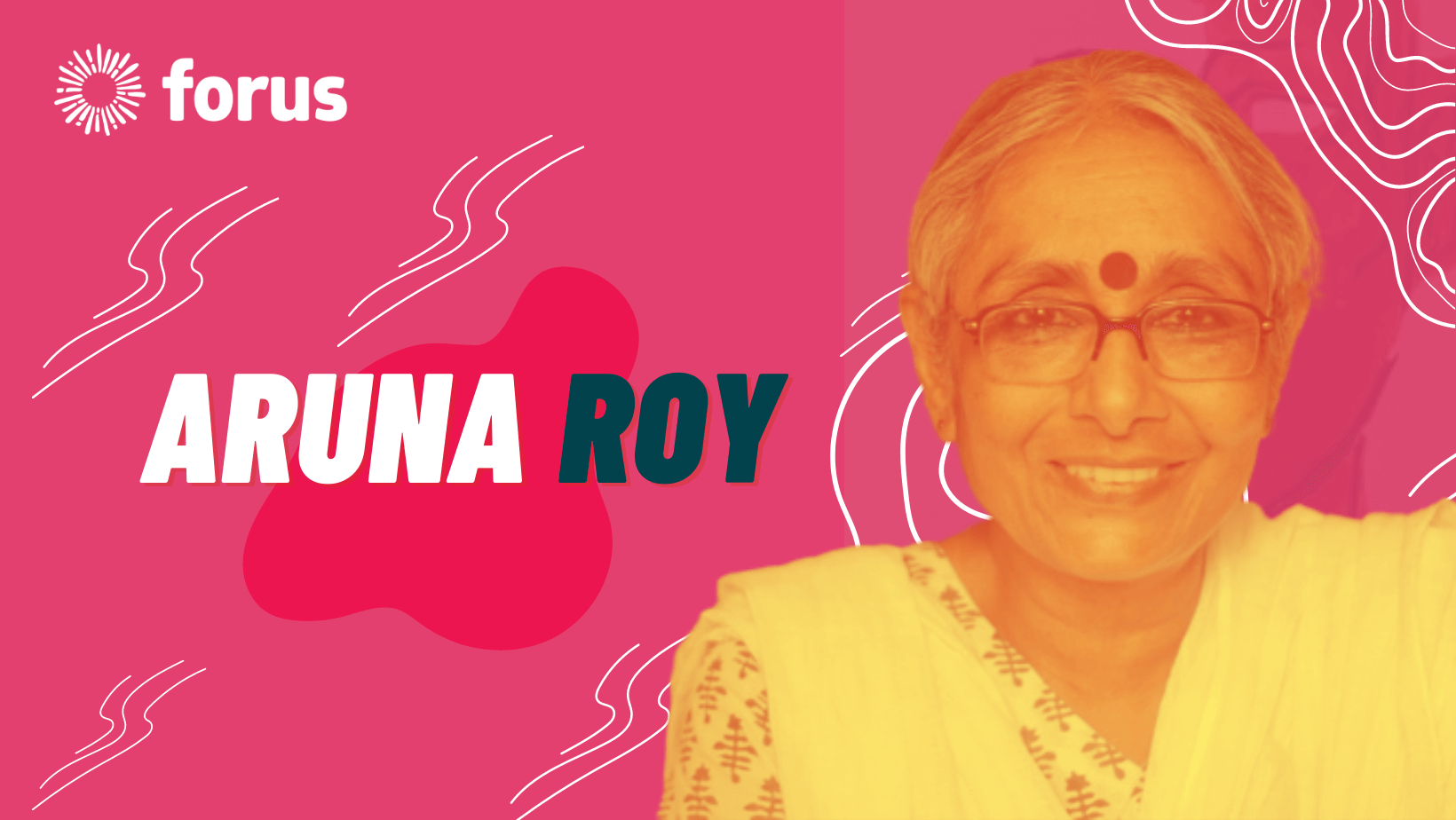
Tue 7 Mar 2023
Aruna Roy: “The structures of power have to be questioned and made to deliver” At a time when the space for protests, both physical and online, is shrinking, Forus sat down with renowned social activist Aruna Roy to discuss the achievements and obstacles when it comes to social justice in India and beyond.
Wed 22 Mar 2023
“The online space is not gender neutral” Building upon the #UNmute initiative, Global Focus’ organised a side event to the CSW67, exploring how to ensure inclusive access to decision-making forums for civil society, focusing on women and girls, through safe, universal, and meaningful connectivity.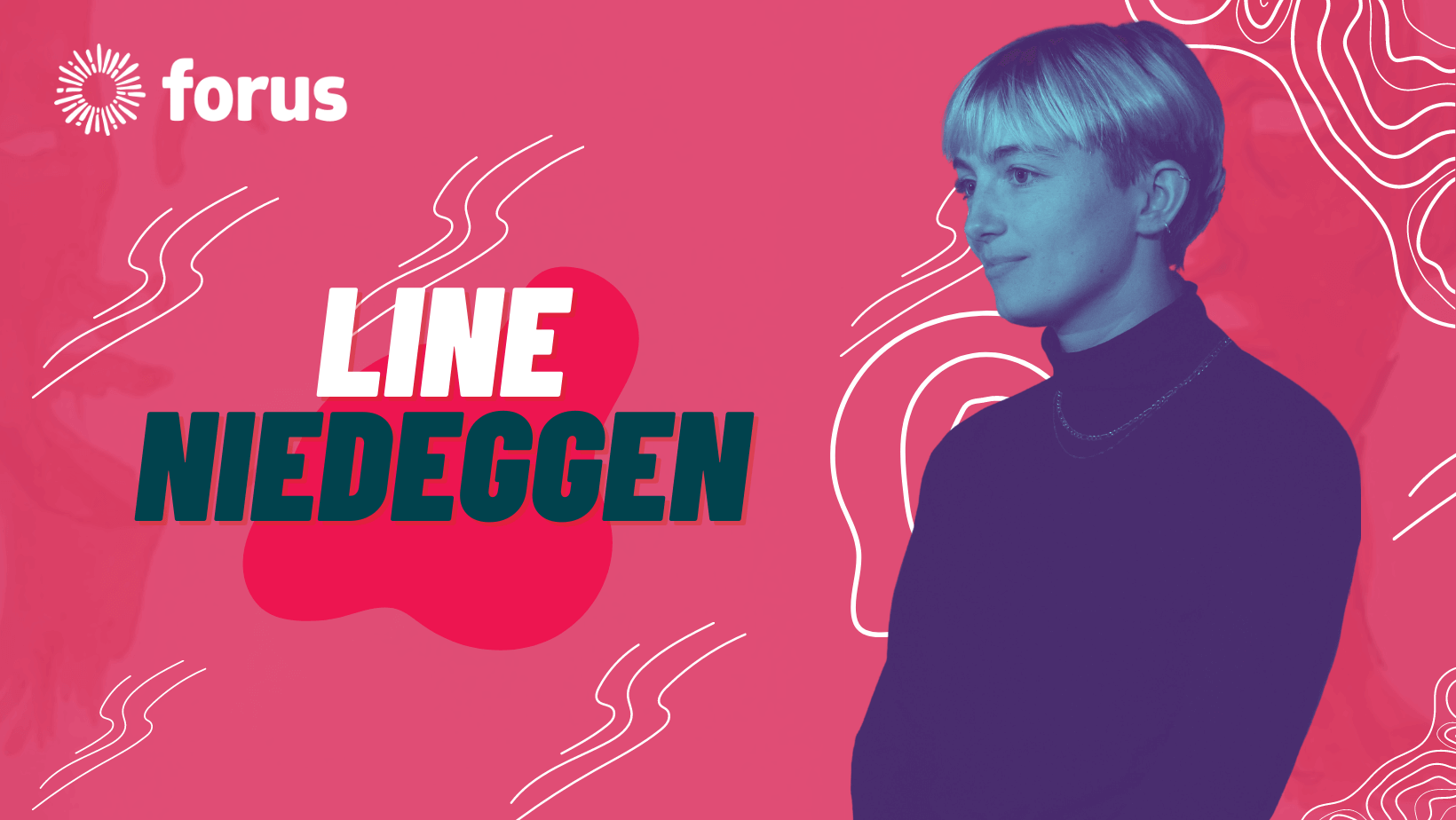
Tue 7 Mar 2023
Line Niedeggen: On complex solutions for a complex crisis Activism is intertwined and each fight cannot be treated in silos. Line Niedeggen, activist and spokesperson for the Fridays For Future in Germany, tells us why intersectionality and representation matter in climate justice movements.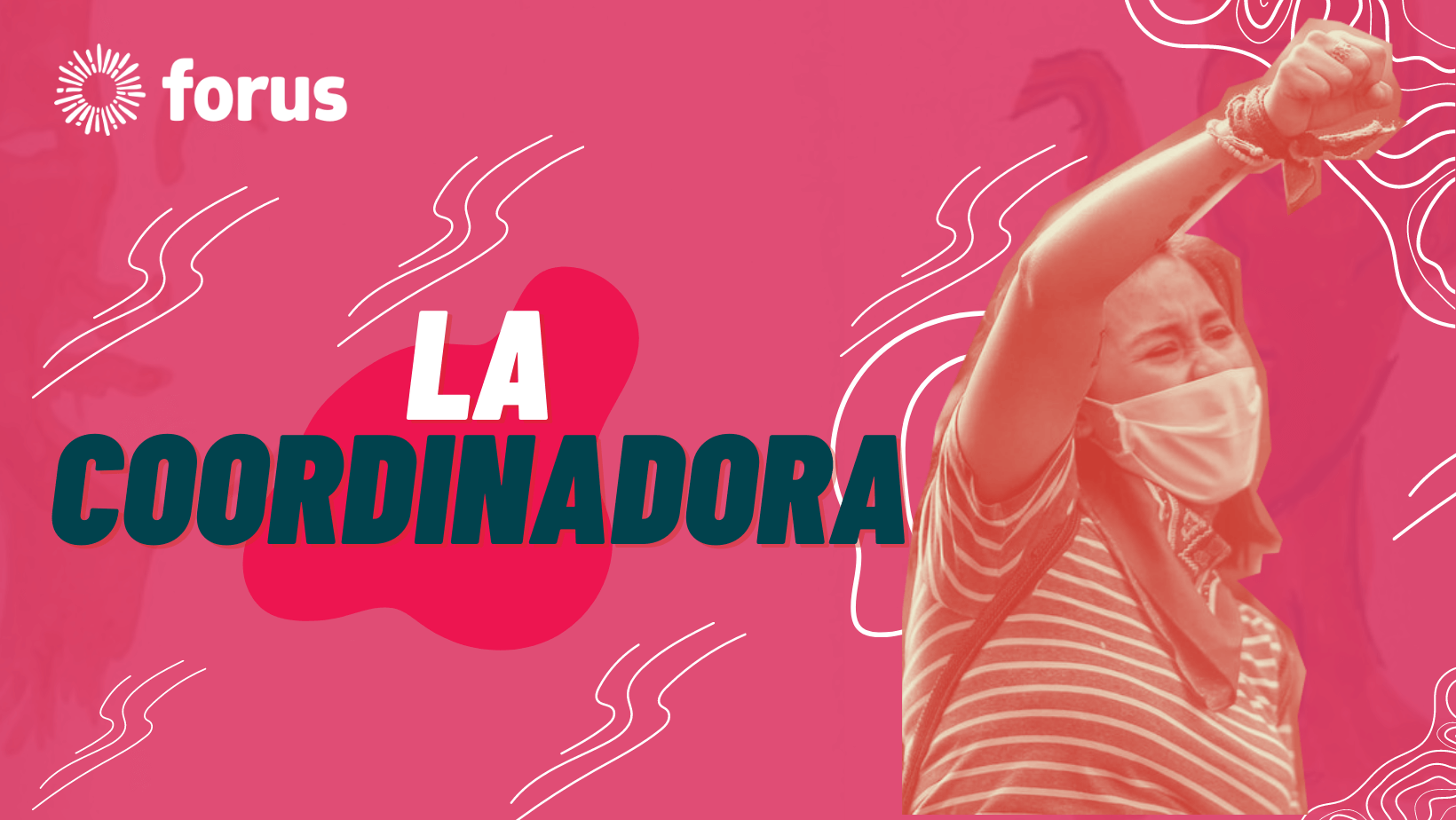
Tue 7 Mar 2023
La Coordinadora: "The feminist approach wants to put an end to sexism, sexist exploitation and oppression” For the March With Us campaign, we talk to the Feminisms Group of La Coordinadora; they explain to us what feminist cooperation consists of and of the need for radical transformation in order to rebuild on the basis of fairer and more egalitarian policies.
Mon 13 Mar 2023
UNITAS: on "diverse feminist movements" in Bolivia As part of the #MarchWithUs campaign, we interviewed UNITAS, Forus member in Bolivia, about the gender twist in their mobilisations and projects. From important women figures in the history of Bolivia, to their recently published book on women human rights defenders UNITAS puts gender at the heart of its actions.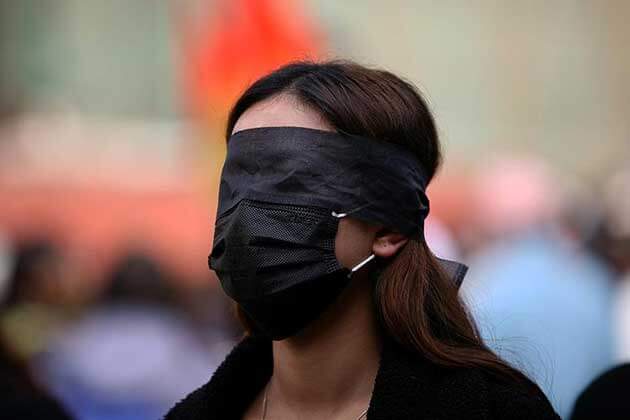
Fri 5 Apr 2024
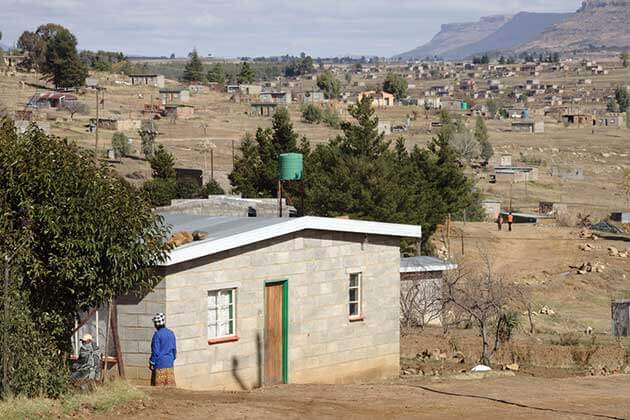
Opinion - Breaking the Silence: Gender-Based Challenges in the Lesotho Highlands Water Project II In the journey towards gender equality and justice, recent decades have seen strides made, yet the road ahead remains treacherous. In the race to achieve the Sustainable Development Goals (SDGs) by 2030, attention is turning to the role that over five hundred public development banks worldwide could play.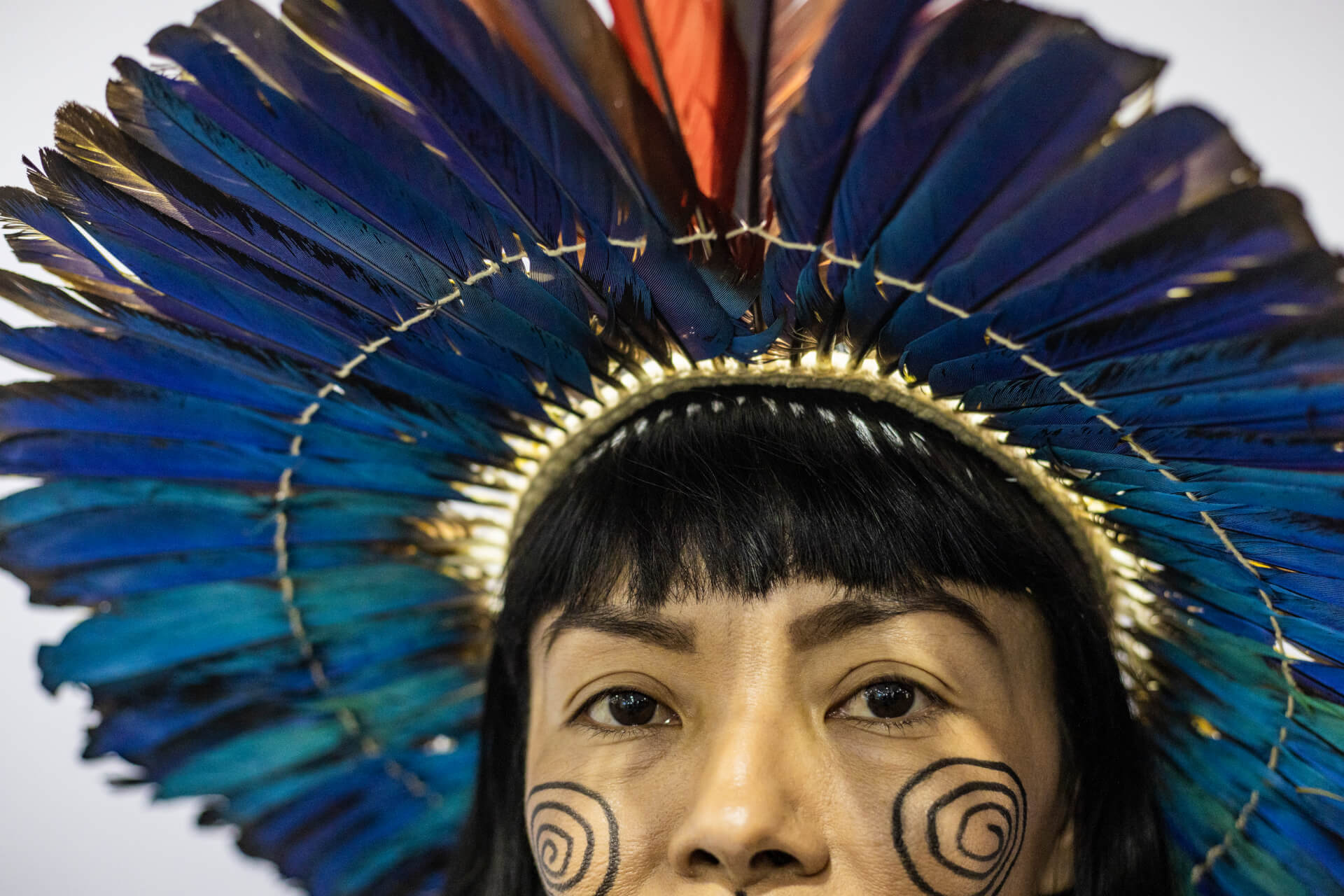
Mon 29 May 2023
Indigenous Peoples: AI is inherently ridden with algorithm bias and poisoned data In this article, the Asia Indigenous Peoples Pact (AIPP) summarises the main points that came out of a collective session organised by Forus, ADA - Asia Development Alliance, ECNL, the Asia Pacific Forum on Women, Law and Development (APWLD), the Asia Indigenous Peoples Pact (AIPP) and the Asia Center on the risks and opportunities when it comes to AI and its applications.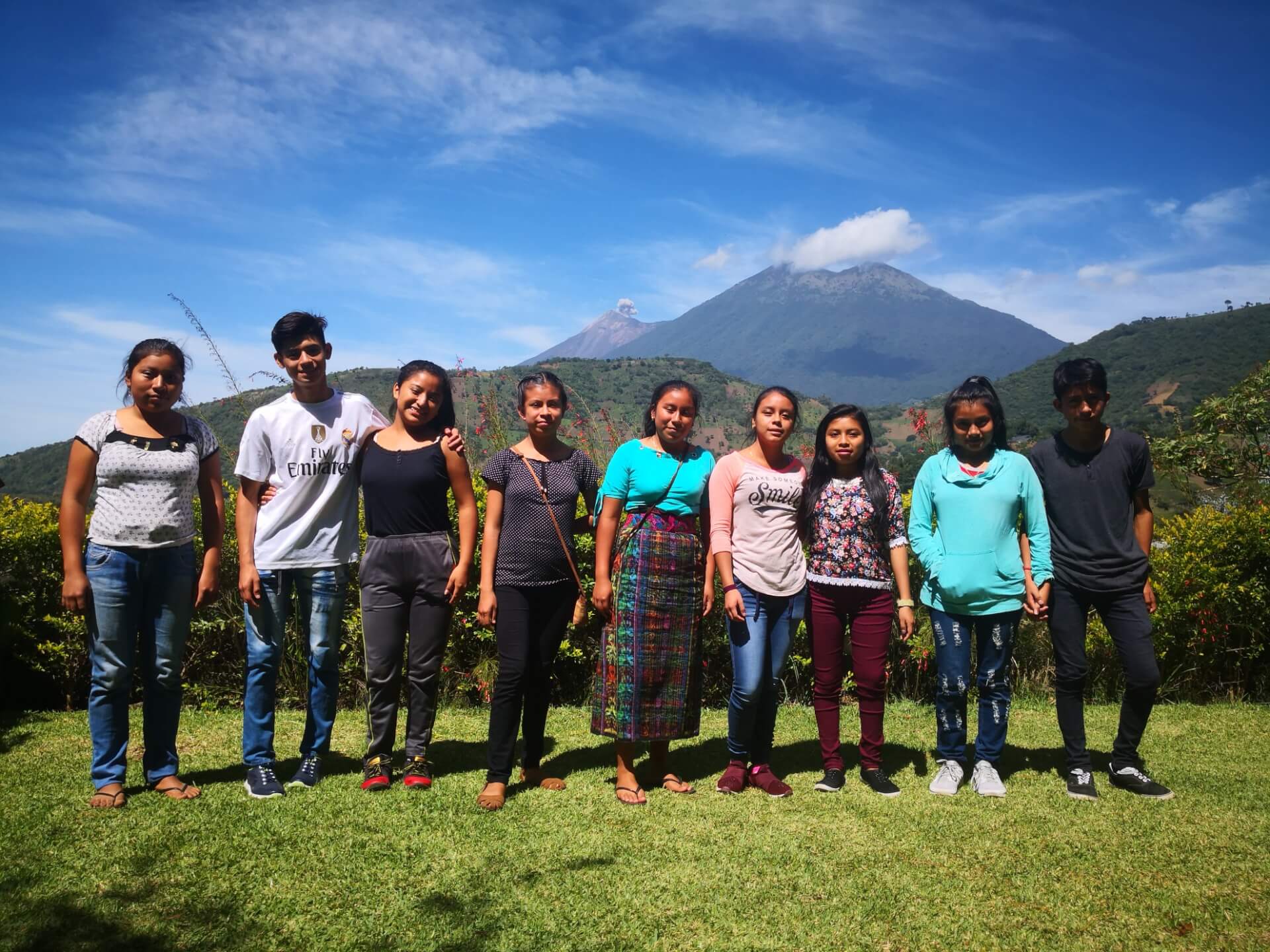
Wed 12 Aug 2020
Indigenous Young People and Virtual Training in Guatemala The Coordination of NGOs and Cooperatives of Guatemala (CONGCOOP) has launched a Virtual Training Centre to offer its members, and young indigenous people in particular, expertise that will support new leadership development in the country.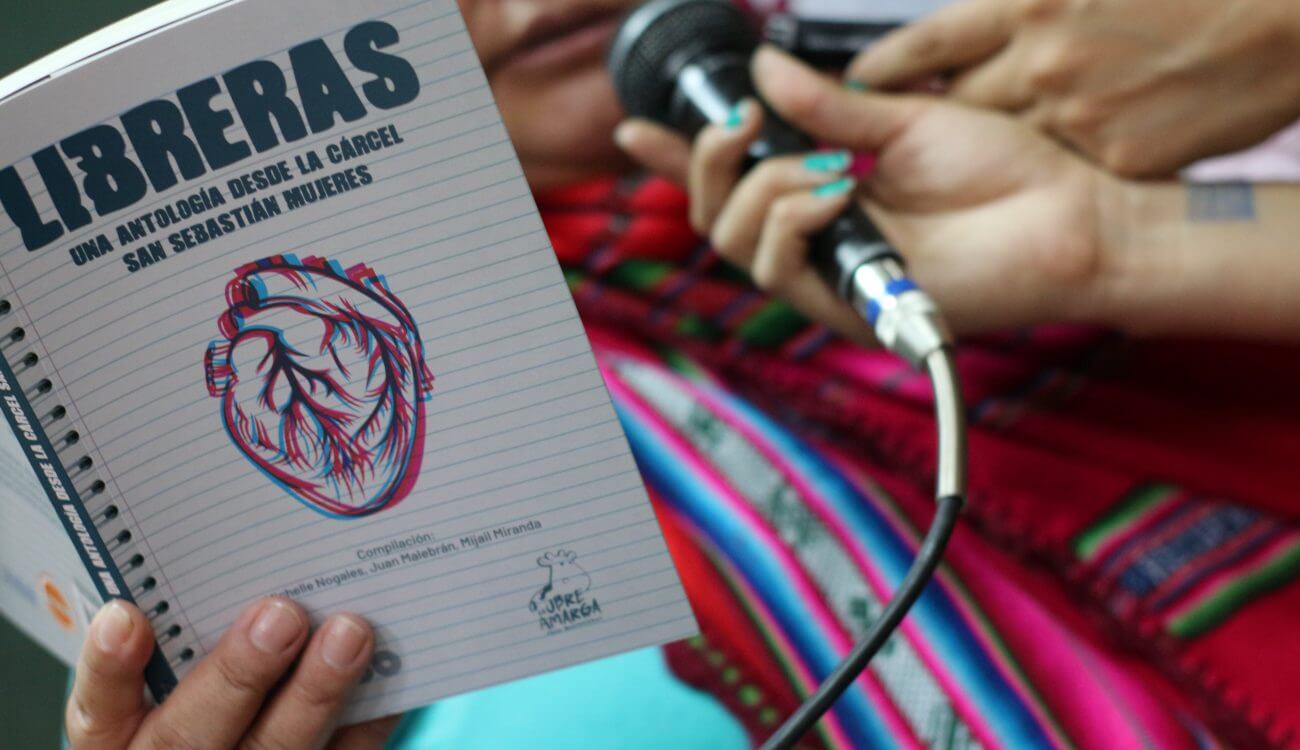
Mon 28 Jun 2021
Muy Waso: un medio boliviano que recupera las utopías para el periodismo - Coordinadora de Organizaciones para el Desarrollo La entrevista la responde “la equipe” de Muy Wuaso; un medio sin jerarquías en el que toda palabra tiene cabida. Rescatan las voces de quienes han sido apartadas por el relato oficial; reconstruyen, incluso, las vidas que la historia dejó al margen. Conversamos sobre relatos alternativos, bulos, hegemonías culturales; sobre el poder de la palabra... Leer más »/ Podcasts & Videos
See all