On issues that matter
Civic space, gender justice, climate, human rights, power shifts and more
/ Latest Articles
See all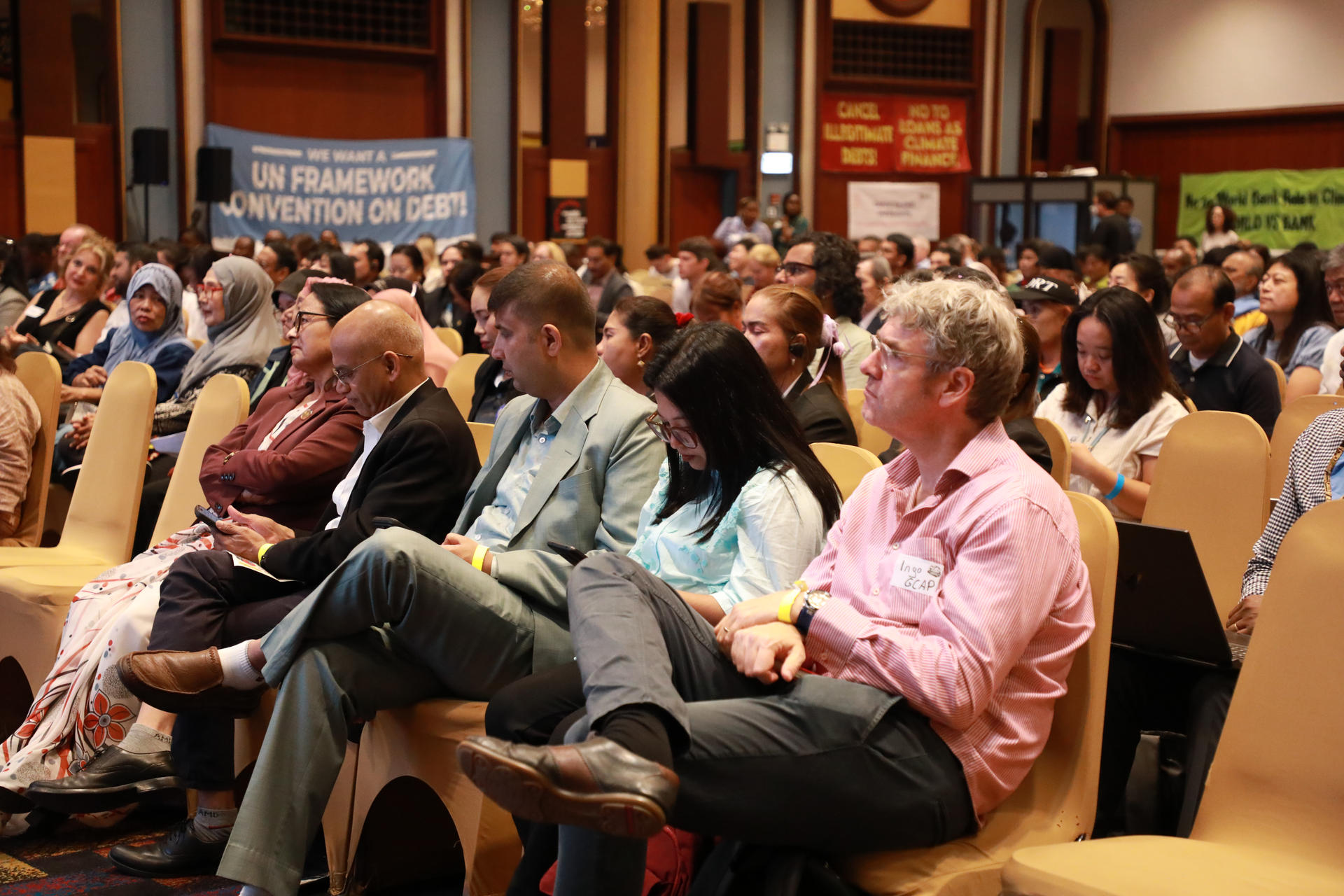
Thu 22 Oct 2026
Beyond the meeting rooms: The people asking who development finance really serves at the 2026 IMF–World Bank Annual Meetings From debt and climate justice to feminist alternatives and young people’s futures, civil society organisations and social movements in Bangkok are challenging global financial institutions to look beyond economic figures and listen to the people living with the consequences of their decisions. Through a series of interviews and impressions live from Bangkok, this article explores Forus’s participation in the 2026 IMF–World Bank Annual Meetings and how the questions raised outside the meeting rooms connected with discussions taking place inside.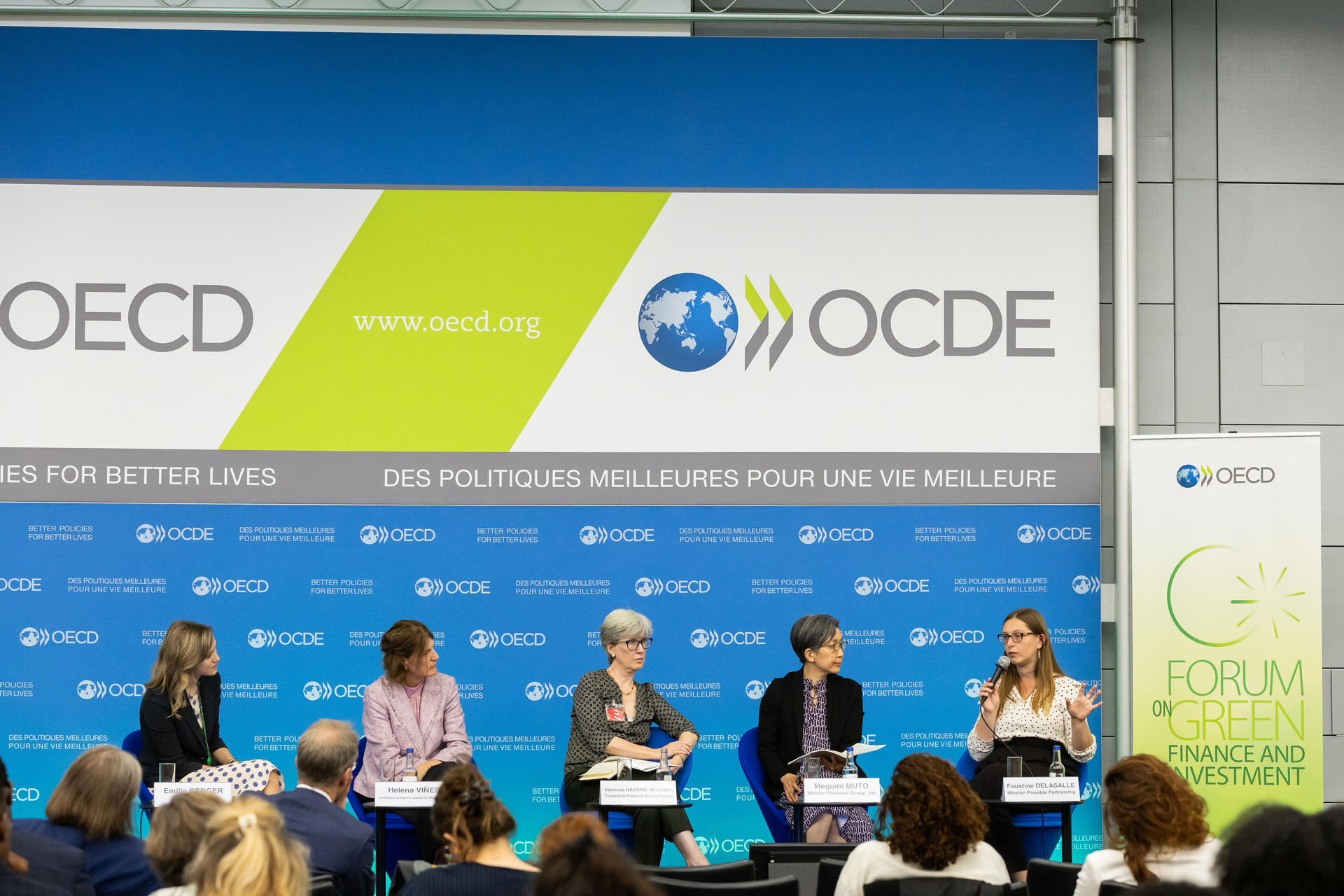
Mon 19 Oct 2026
Who decides, who benefits, who is accountable? Forus members bring civil society perspectives to OECD-DAC debates in Paris From 7–9 October, Forus and members from across the network joined civil society partners, OECD-DAC delegates and development experts in Paris for three days of discussions on the future of development cooperation. Across the three days, conversations moved between the highly technical — data, ODA eligibility, locally led development metrics, financing flows — and the deeply political: who gets to shape development cooperation, who benefits from it, and who is accountable to whom?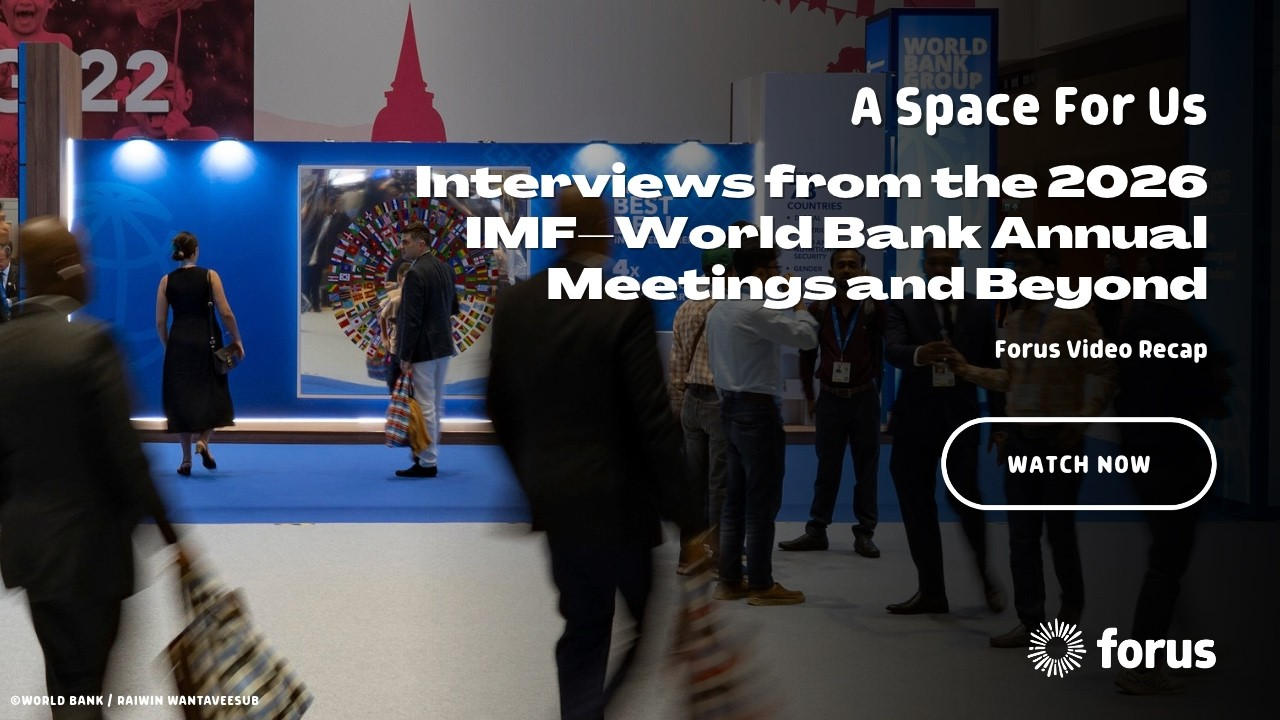
Sat 17 Oct 2026
Interviews from the 2026 IMF–World Bank Annual Meetings and Beyond - Forus Video Recap From policy discussions to people-powered movements, the Forus network was active across Bangkok during the 2026 IMF–World Bank Annual Meetings, bringing civil society perspectives, community voices and calls for meaningful participation into spaces shaping global development finance. This video recap captures a week of learnings, solidarity and collective action — from the Civil Society Policy Forum and the International People’s Assembly to the Feminist Festival of Resistance & Alternatives and community and social movement rallies taking place throughout the week. Through interviews with Forus members and partners, we explore the questions at the heart of development finance: Who gets to shape the decisions that affect people's lives in financial and development policy? Why must community voices, peace and social justice be at the centre of development? And how can we turn international commitments into lasting change? 🎙️ Featuring voices from across the Forus network and beyond: Zahra Bazzi — Arab NGO Network for Development (ANND) Aoi Horiuchi — Japan NGO Center for International Cooperation (JANIC) & Forus Council Arjun Bhattarai — NGO Federation of Nepal (NFN) Amina J. Mohammed — Deputy Secretary-General of the United Nations Mahnoor Rashid — Youth and Environment Europe Lida — Debt for Climate Juliet Nangamba — Akina Mama wa Afrika Masaki Inaba — Africa Japan Forum (AJF) Change requires sustained advocacy and collective action at national, regional and international levels, connecting local realities with global policy debates, building alliances across movements and holding decision-makers accountable. As the Annual Meetings come to a close, the work continues long after the meetings end. ✊ #WeAreForus - Watch, share and join the conversation. 🎬 Produced, filmed and edited by Forus Marianne Buenaventura Goldman, Financing for Development Project Coordinator Bibbi Abruzzini, Communications Coordinator #Forus #FinancingForDevelopment #CivilSociety #DevelopmentFinance #EconomicJustice #GlobalJustice #IMFWBGMeetings #PeoplePoweredChange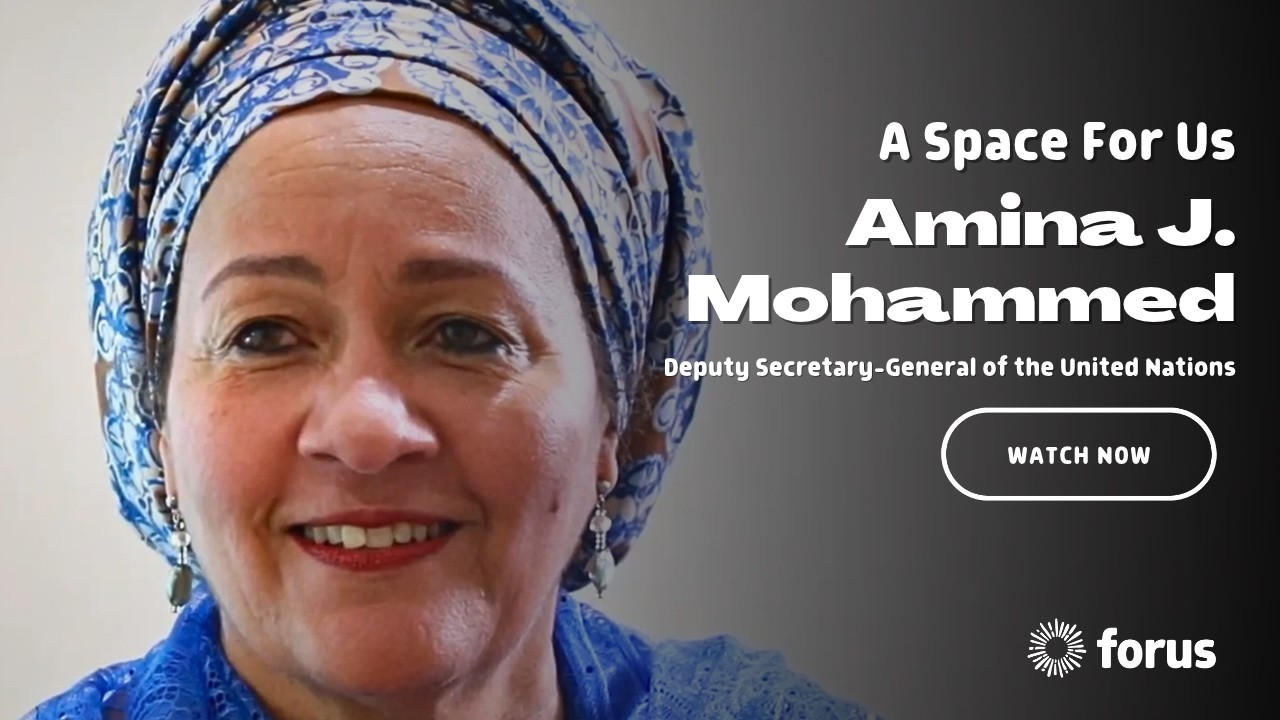
Thu 15 Oct 2026
#ASpaceForus - Interview with Amina J. Mohammed, Deputy Secretary-General of the United Nations 🎤 What role will civil society play in shaping the future of global development? And what must change to ensure the world delivers on its commitments? During the 2026 IMF–World Bank Group Annual Meetings in #Bangkok, #Forus sat down with Amina J. Mohammed, Deputy Secretary-General of the United Nations, for an exclusive interview on the future of the Agenda 2030, the challenges ahead and the post-2030 development agenda. 🌍As the 2030 deadline approaches, how can civil society continue to contribute to the Sustainable Development Goals? What challenges must we overcome? And how can we ensure that communities have a meaningful say in shaping the world beyond 2030? We would like to thank Amina J. Mohammed as well as her team for the time and energy dedicated to this interview! The conversation was led by: 🎙️ Aoi Horiuchi, Senior Advocacy Officer at the Japan NGO Center for International Cooperation (JANIC) and Deputy Director of THINK Lobby 🎙️ Zahra Bazzi, Programmes Director at the Arab NGO Network for Development - ANND (ANND) 🎙️ Bibbi Abruzzini, Forus 🎥 Watch the interview and join the conversation. What should be the priorities for the post-2030 agenda? https://www.forus-international.org/en/campaign/forus-post-2030-vision #Forus #AminaMohammed #Agenda2030 #Post2030 #UnitedNations #CivilSociety #IMFWBMeetings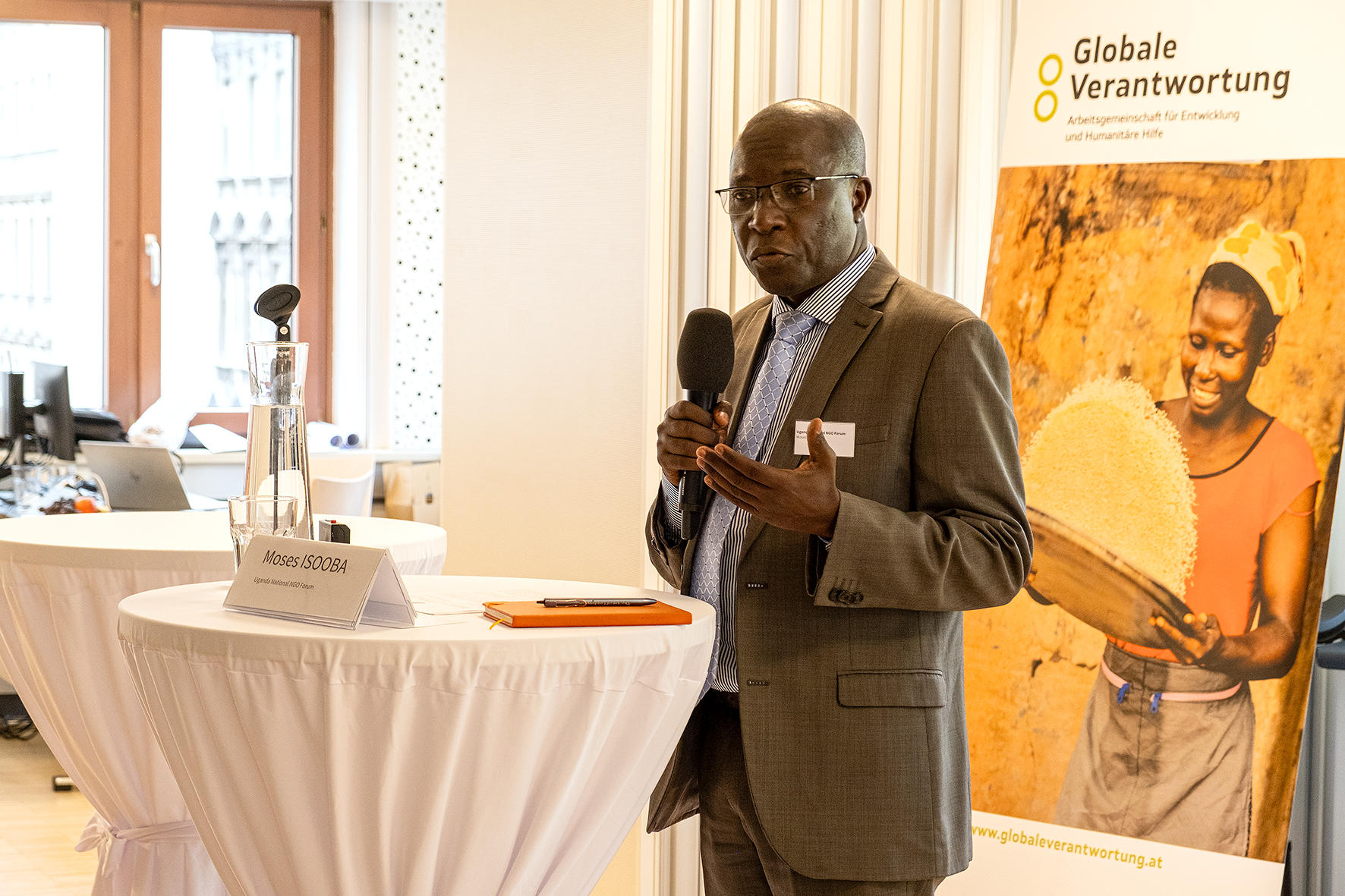
Wed 14 Oct 2026
From subcontracting to solidarity: shifting power in development partnerships – Forus co-chair Dr. Moses Isooba At Aid Matters 2026 in Vienna, Moses Isooba, Executive Director of the Uganda National NGO Forum and Co-Chair of Forus, called for a fundamental shift in how development partnerships are understood and practised: from subcontracting to solidarity, and from consultation to shared power.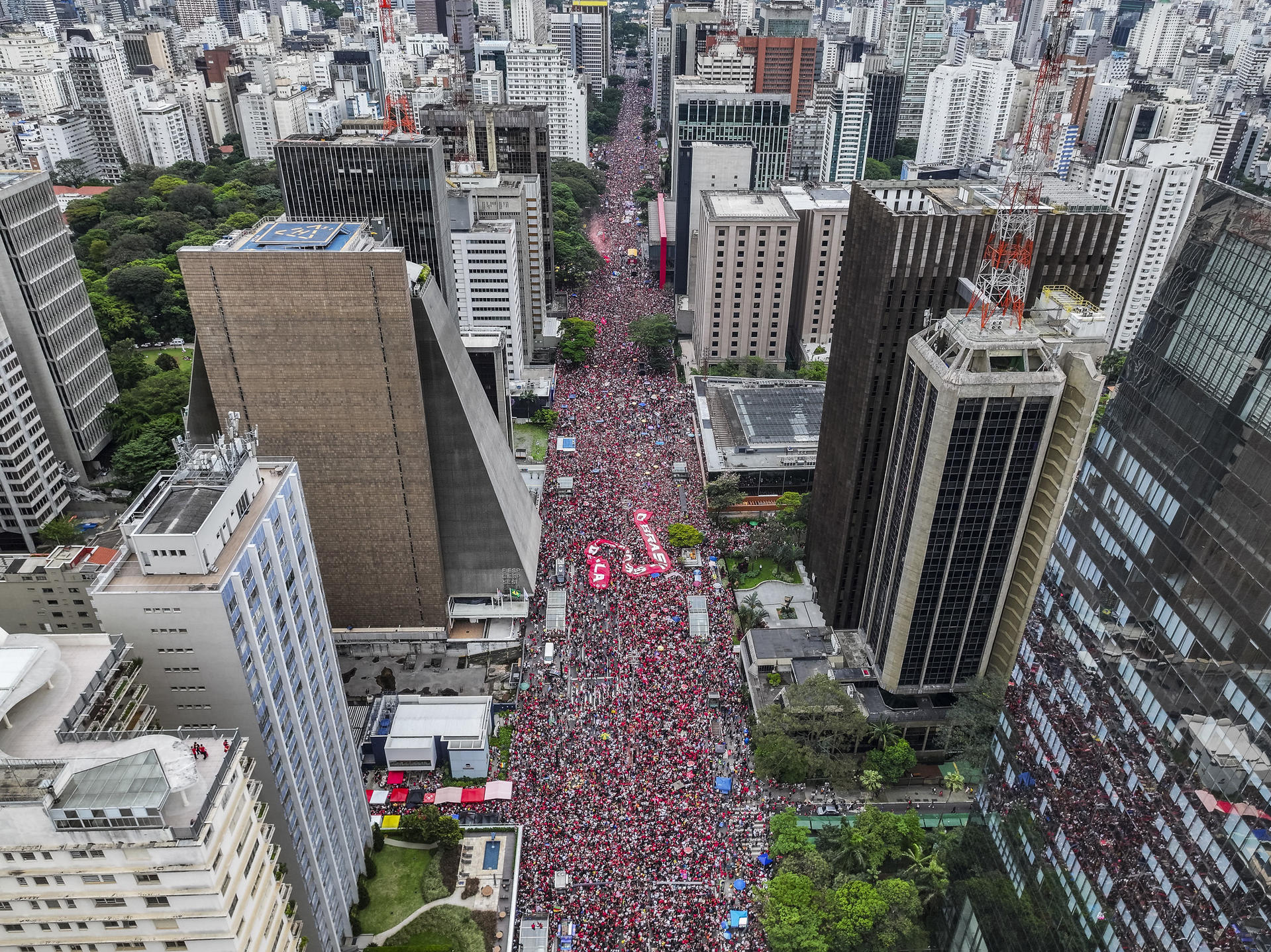
Wed 14 Oct 2026
Why civil society networks matter more than ever: lessons from Sam Worthington’s Wellington keynote What happens when the assumptions that have underpinned international development cooperation for decades can no longer be taken for granted? And what does this mean for international NGOs, civil society and the networks that connect them? These were among the questions raised by Sam Worthington, Forus senior fellow, former CEO of InterAction and a leading voice on the future of international NGOs, in a keynote delivered at the Forus member Council for International Development (CID) Annual Conference under the theme "Stronger Together: Uniting for the Greatest Impact", which took place on September 9th and 10th in Wellington, New Zealand.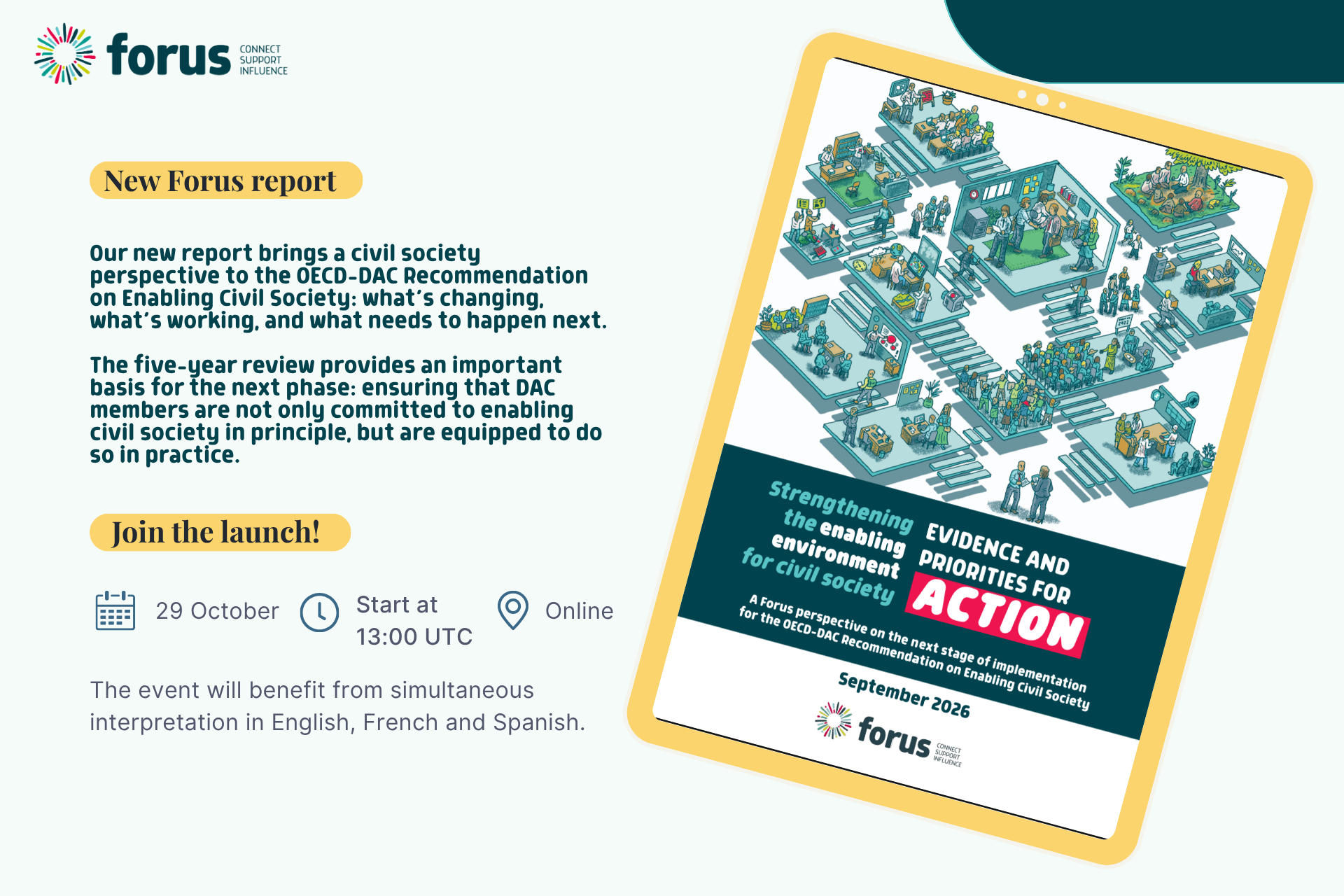
Thu 8 Oct 2026
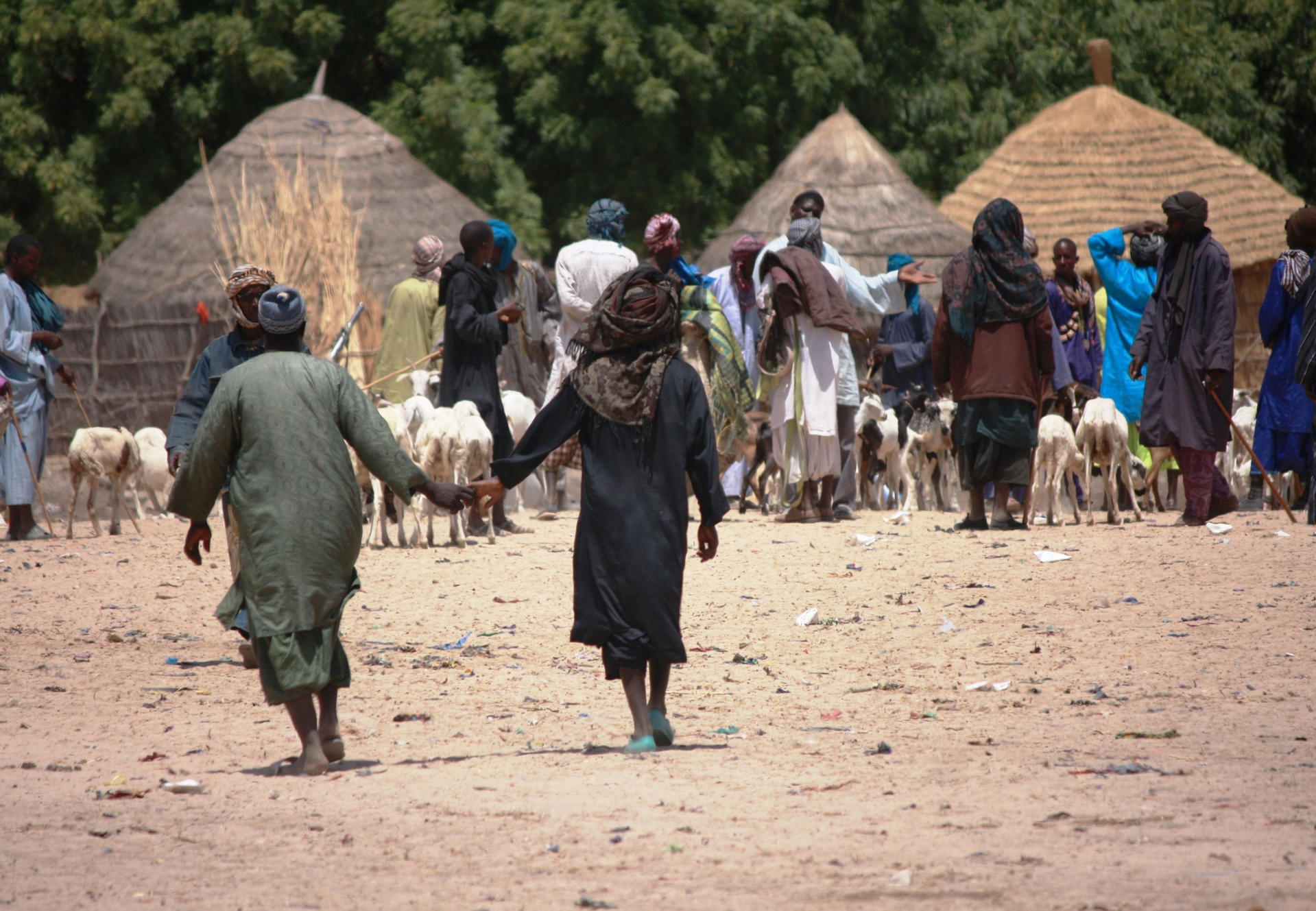
From partnerships to alliances: lessons from the Sahel What does it mean to support civil society in the Sahel when crisis is long-term, funding is shrinking and the operating space is becoming increasingly constrained? These questions were at the heart of the seminar “Civil society at a crossroads: uniting, adapting and making its voice heard for the Sahel”, organised by Forus member CNCD-11.11.11 and ACODEV with members of the Sahel Platform and partners working in the region.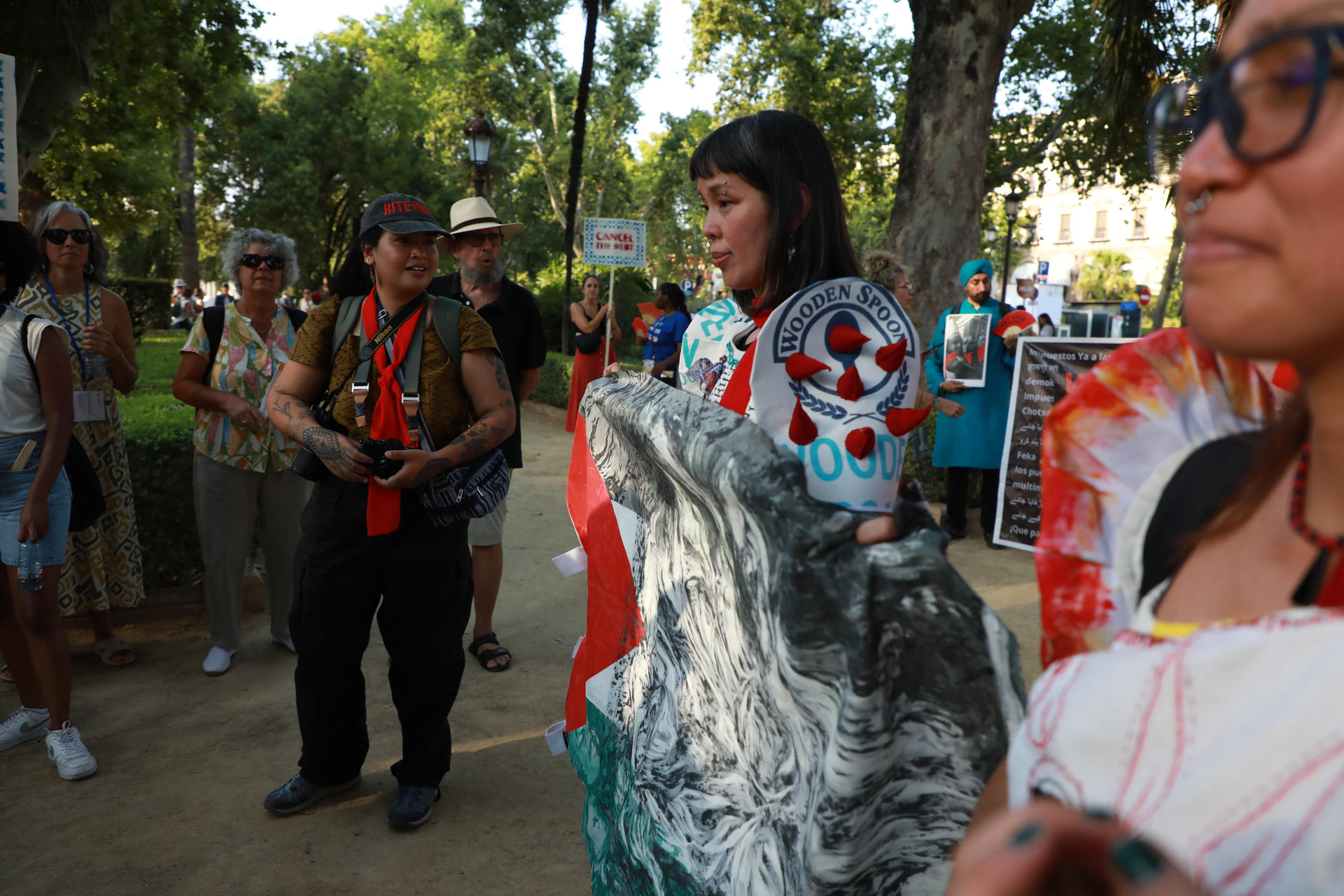
Wed 7 Oct 2026
#WeAreForus - "When Movements Connect" Podcast Series This Forus podcast series explores what happens when these different forms of organising come together and how transformative social change grows through collective action, shared power, solidarity and the ability to connect different struggles and voices.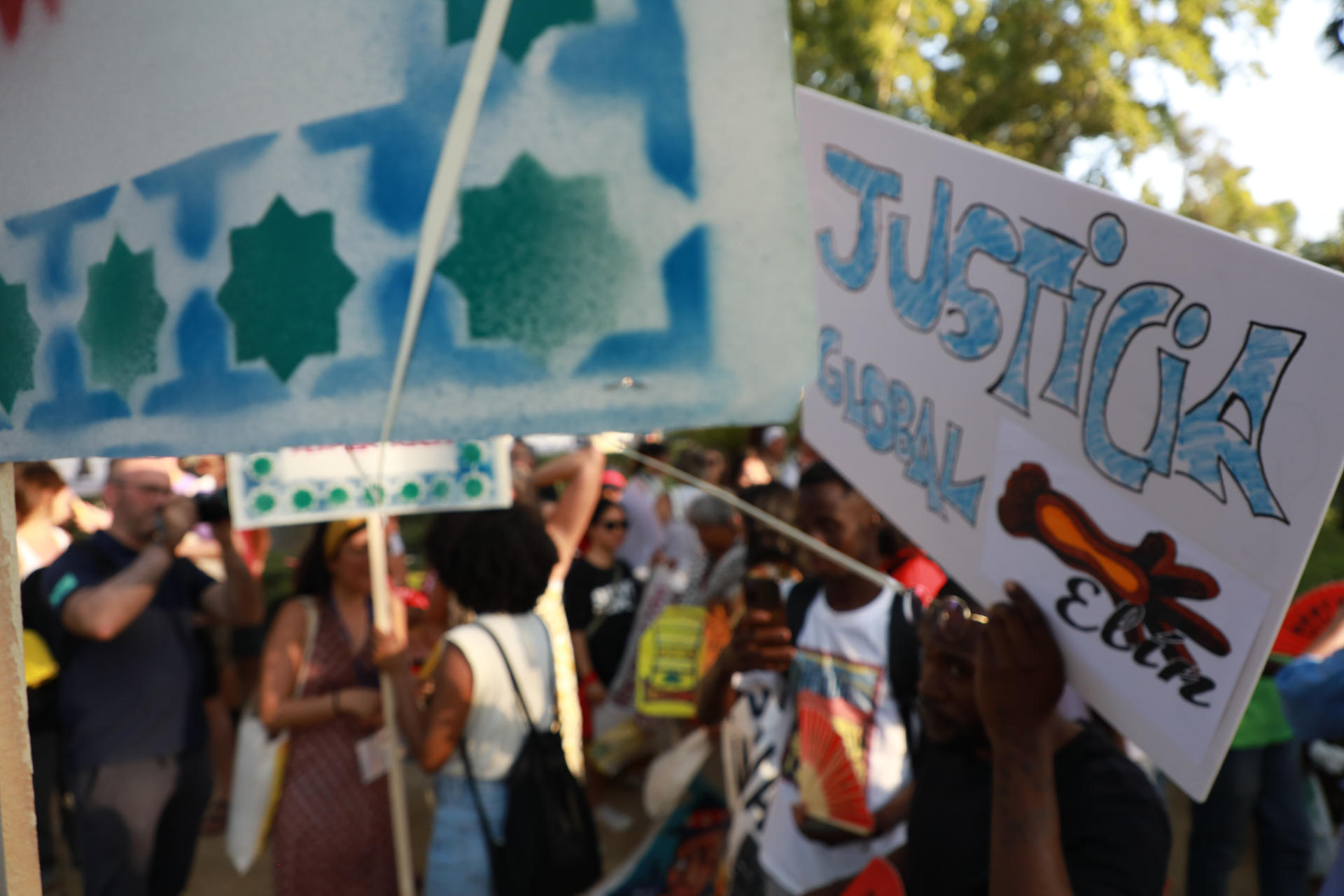
Wed 7 Oct 2026
Forus at the IMF–World Bank Annual Meetings: Shaping Development Finance from Bangkok to 2027 At a time of mounting debt pressures, constrained development resources and growing demands on international financial institutions, the 2026 IMF–World Bank Annual Meetings in Bangkok are an important opportunity for National Civil Society Platforms and Regional Coalitions to influence how development is financed, whose priorities shape those decisions, and how institutions can be held accountable for their impacts on people and communities. For the Forus network, Bangkok is also an opportunity to build momentum towards upcoming financing processes, such as the sixth Finance in Common Summit and the 2027 ECOSOC Forum on Financing for Development Follow-Up (FfD Forum) in 2027.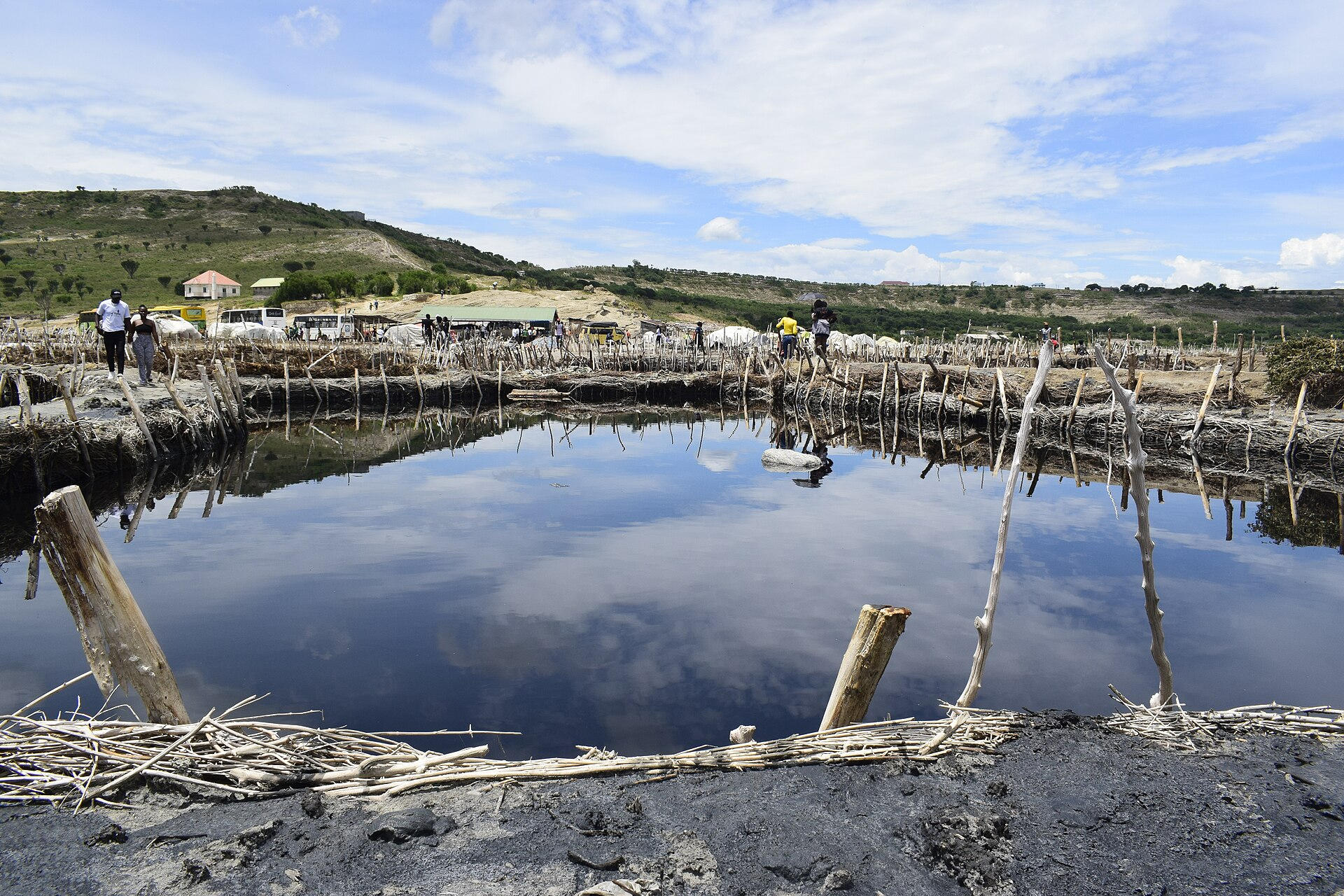
Wed 23 Sep 2026
The Great Lakes: Local communities on the front line of climate change In the Great Lakes region, the effects of climate change are no longer confined to scientific projections. They are already evident in the daily lives of rural communities, in the form of unpredictable rainfall, droughts, floods, soil erosion and falling agricultural yields.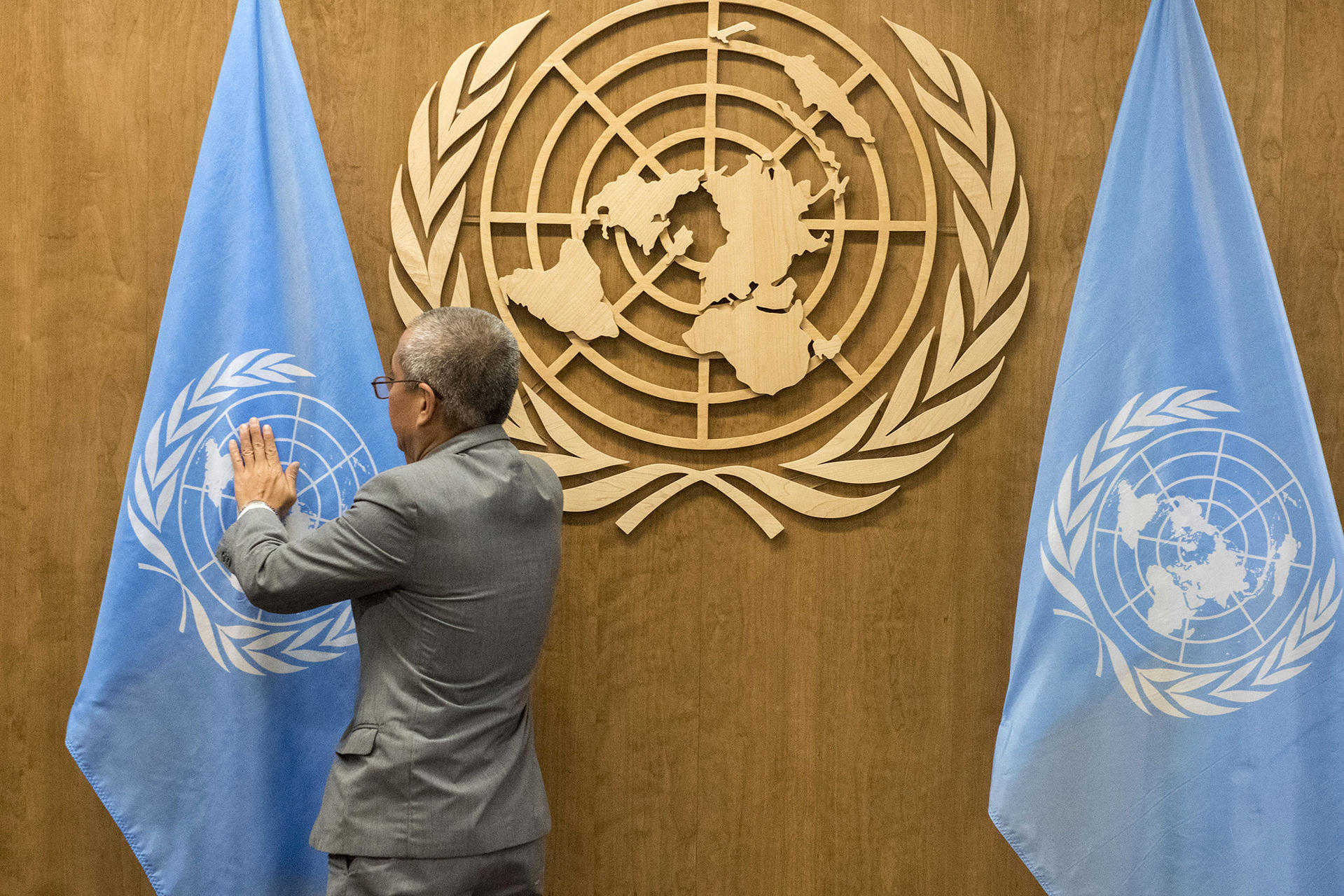
Mon 21 Sep 2026
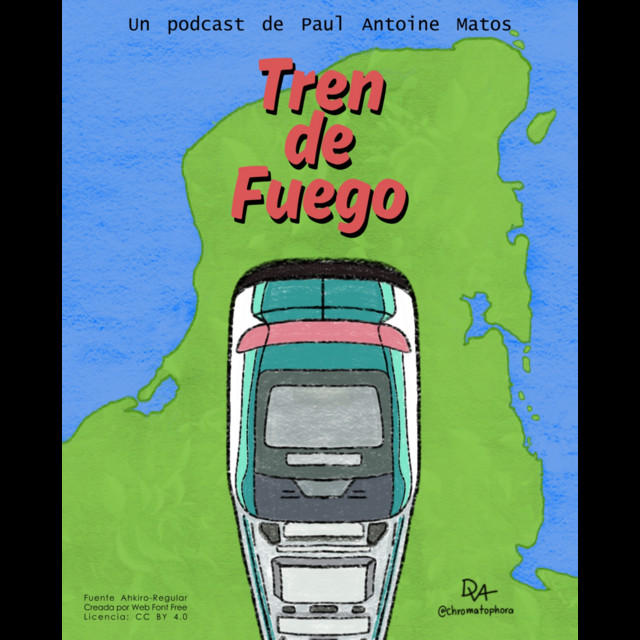
Tren de Fuego Podcast · Paul Antoine Matos · “Tren de fuego” es una serie podcast documental de ocho episodios sobre la relación de las personas en la península de Yucatán con su territorio y el efecto que ha tenido el Tren Maya en la región. Un ferrocarril que atraviesa selvas y ciudades del sur de México. Es una obra de contrastes, el desarrollo regional frente a la vida comunitaria. Un espejo de América Latina. Cada episodio es una parada icónica. A lo largo de un viaje de dos meses por la ruta del tren, el narrador –Paul Antoine Matos–, un periodista del sureste, documenta cómo ha cambiado y afectado el megaproyecto la vida de las personas, y nos muestra los paisajes peninsulares: cenotes, playas caribeñas, vestigios prehispánicos, ciudades coloniales y selvas vibrantes. En cada estación, se baja para conocer la historia del lugar y escuchar a las personas conversar sobre los cambios en sus pueblos y ciudades que llegaron con el tren, y cuentan su labor social para preservar la naturaleza, la memoria, la lengua y la identidad maya.Productor: Paul Antoine MatosEdición: Sebastían Ortega y Maggie MorettMúsica original: Íñigo ValdésDiseño sonoro: Ismael NabteIlustraciones: Denise Vaillard @cromatophoraTren de fuego es un proyecto independiente apoyado por el Sistema Nacional de Creadores a través del PECDA Yucatán 2025 y por la beca Forus de Narrativas Positivas.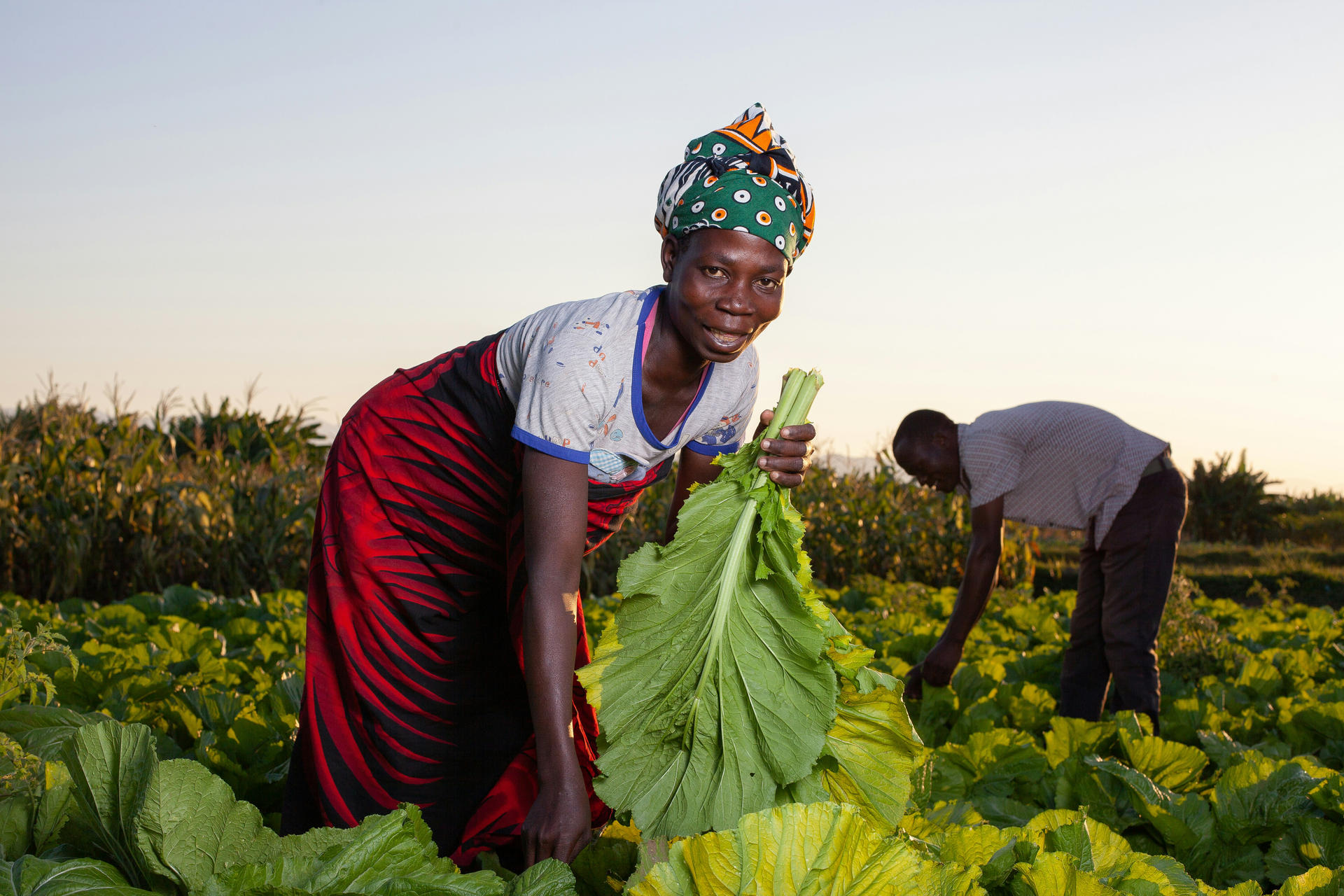
Mon 21 Sep 2026
Food sovereignty in the Sahel increasingly depends on digital sovereignty Countries in the Sahel were recently included in a socio-economic assessment of the Alliance for a Green Revolution in Africa (AGRA), a programme that has sought over the past two decades to increase agricultural productivity through improved seeds, fertilisers and market-oriented approaches. The assessment has renewed debate over the results of this model, particularly its impact on food security in countries including Mali, Burkina Faso, Niger and northern Nigeria. Rather than presenting a direct causal link between AGRA and levels of undernourishment, the evidence points to a contested debate over which agricultural models are best able to strengthen food security and resilience.
Thu 17 Sep 2026
AidWatch 2026: As ODA declines, who gets to shape the future of global cooperation and how? The launch of CONCORD’s AidWatch 2026 report in Brussels raised a question: as European ODA shrinks and international cooperation priorities shift, how can development objectives remain at the centre of international cooperation, and who gets to shape its future?
Wed 16 Sep 2026
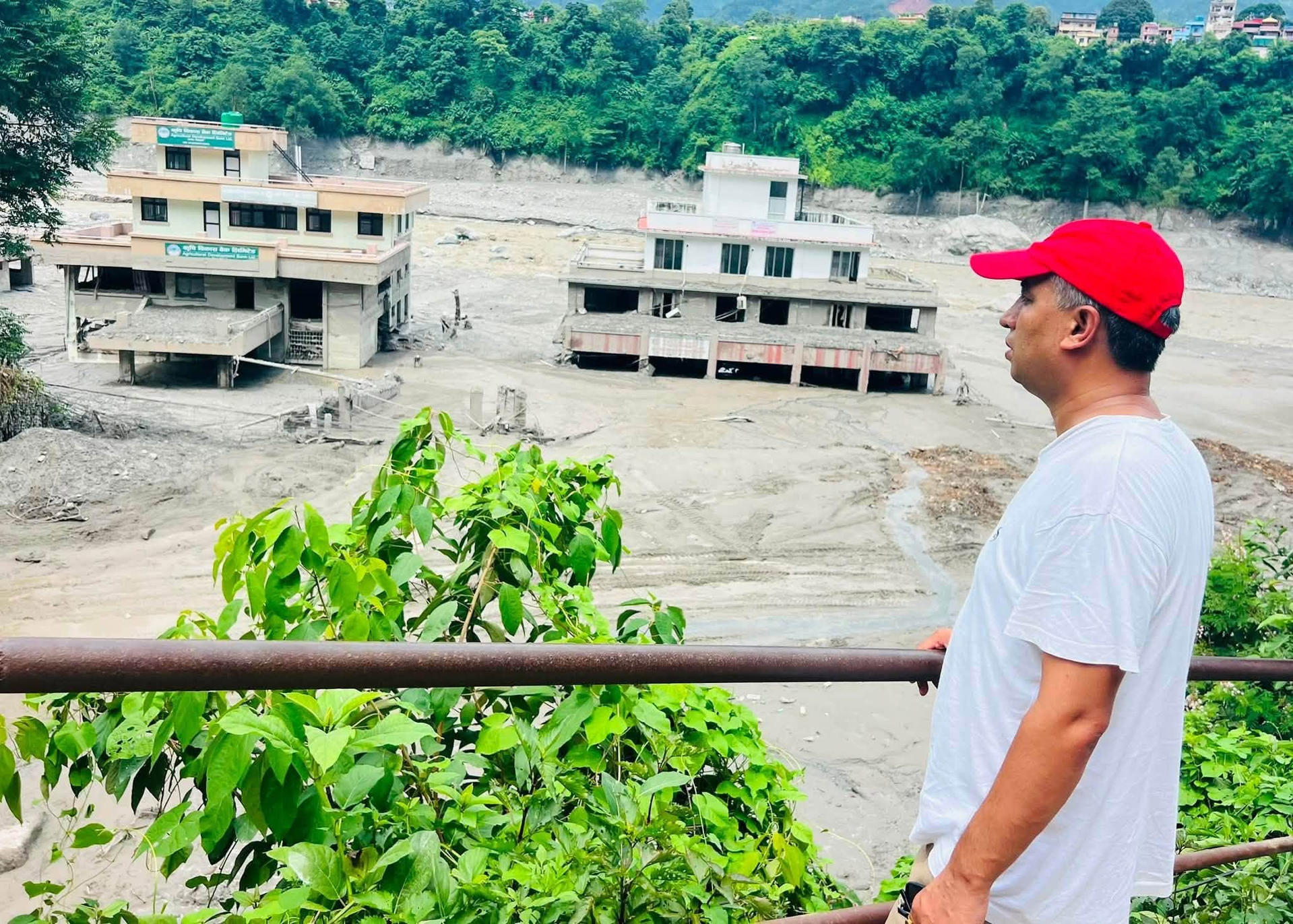
Joint Letter - Global Climate Emergency in Nepal On 26 August 2026, a glacial-rock collapse in the Himalayan region triggered catastrophic flash floods along Nepal’s Bhotekoshi and Trishuli rivers, killing over 1,350 people in Nepal alone, with nearly 5,000 more reported missing, and causing additional deaths and displacement across the border. These converging climate disasters are a stark reminder that the climate emergency is no longer a distant threat; it is causing immense loss of lives, displacement, destruction of livelihoods and ecosystems, with risks to peace, sustainable development and human rights, particularly for vulnerable communities.
Tue 15 Sep 2026
Lithuania’s development cooperation: follow the money In 2022, as Russia invaded Ukraine, Lithuania’s development cooperation peaked at an extraordinary 231 million Eur or 0.36% of GNI as a share. The increase was explained by the dramatic events in neighbouring Ukraine and the response to them. Three years later, the trends show a significant shift. According to preliminary data, Lithuania’s ODA in 2025 stands at 177.8 million Eur or 0.21% of GNI, down 9.7% in real terms compared to the previous year and the third consecutive year of decline.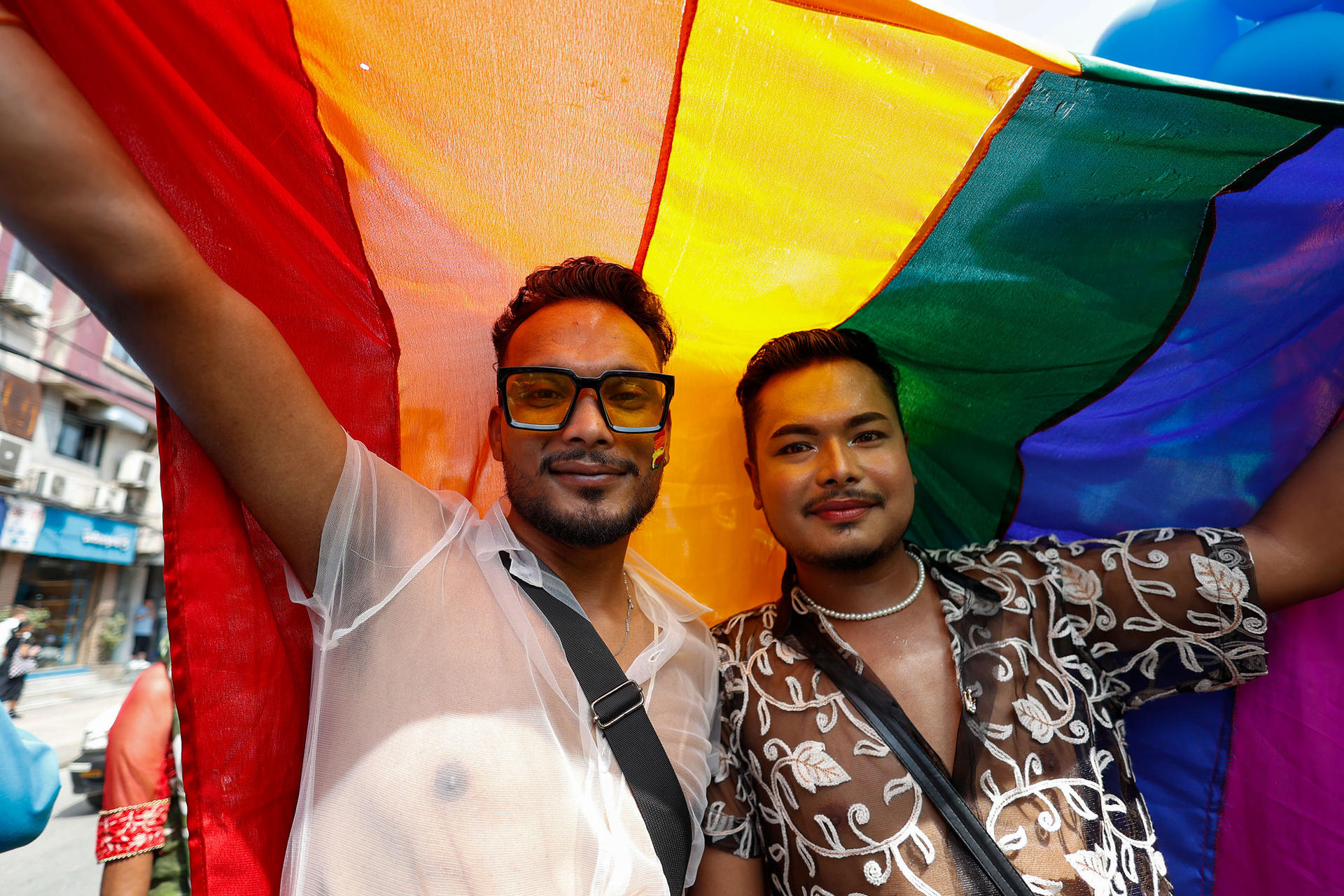
Fri 11 Sep 2026
Back in the closet – EU SEE data reveals how governments are reversing freedoms for LGBTQ+ groups globally Evidence from the 86 countries monitored through EU SEE shows how these pressures increasingly overlap, and how beyond the most visible forms of restriction, lack of protection for LGBTQ+ people and the organisations representing them restricts their capacity to exist, organise, speak, participate and challenge power without fear.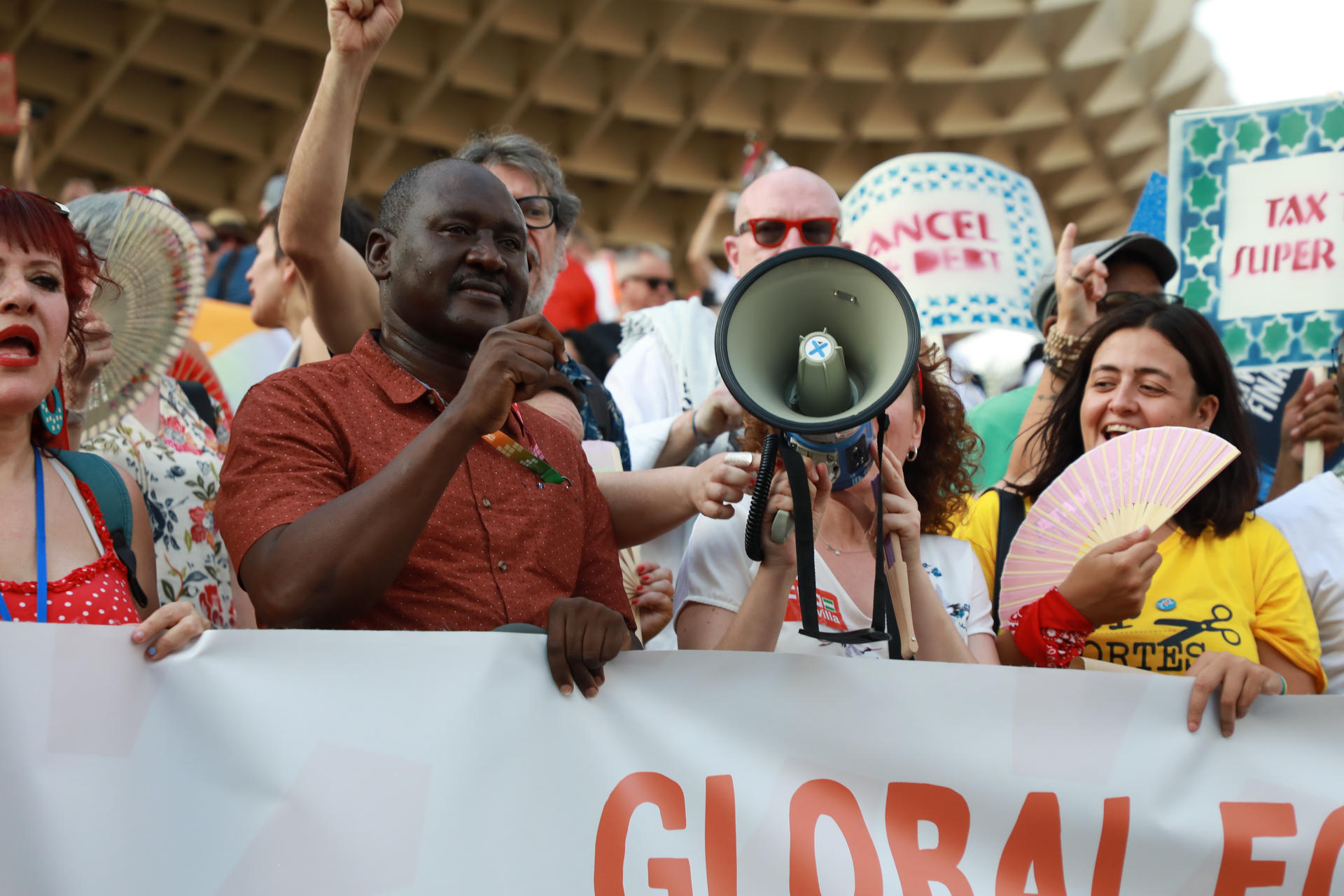
Tue 8 Sep 2026
UNGA 81: A United Nations at a Turning Point These discussions are often treated separately, but they are connected: will the next phase of multilateralism ensure the UN listens to communities and improve accountability? Will it reduce inequality, bring decisions and resources closer to communities and strengthen human rights?/ Latest Podcasts & Videos

Listen to all our podcast episodes
Listen to 100+ stories from civil society organisations and activists from around the globe.
Mon 19 Oct 2026
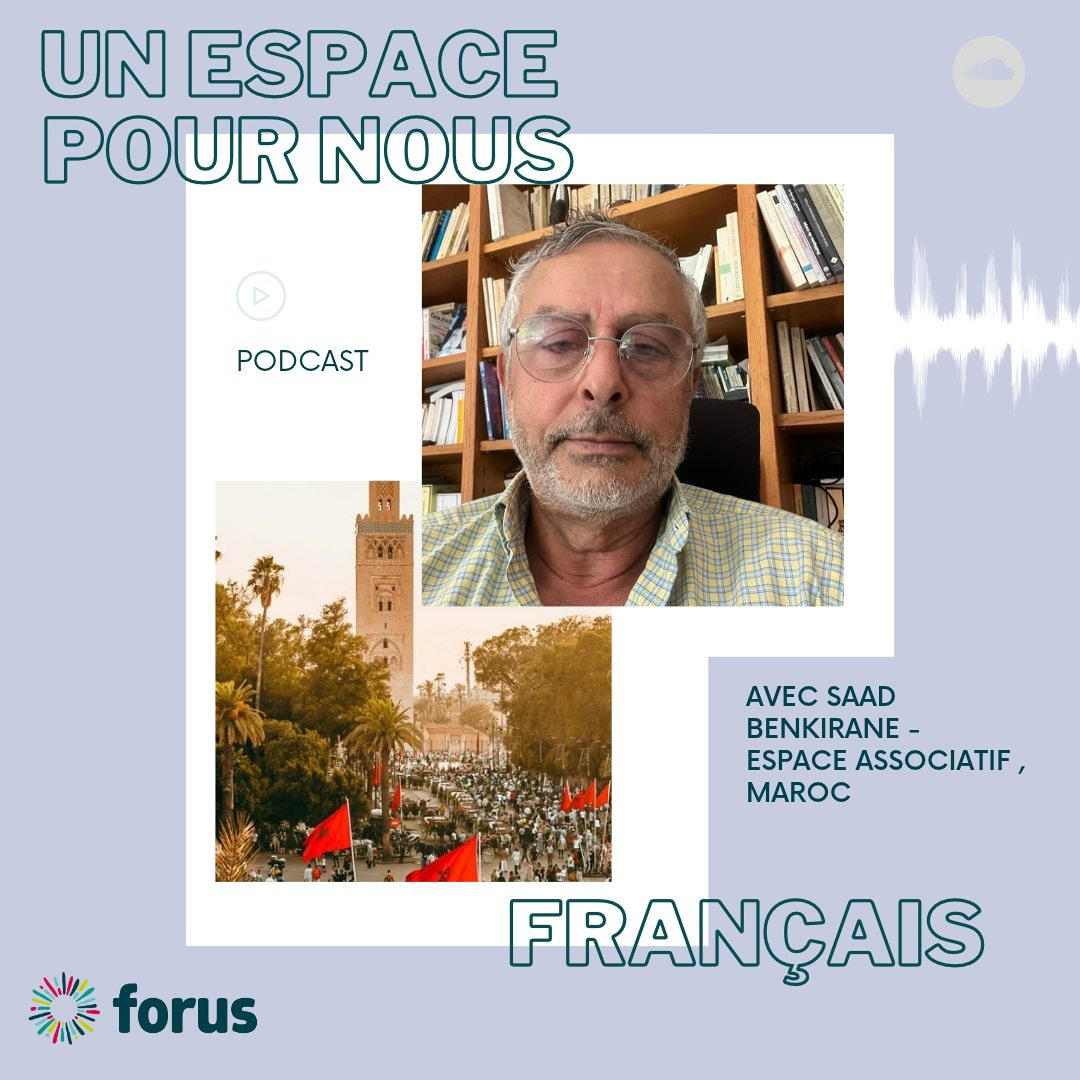
FR - Saad Benkirane - Quand les jeunes façonnent la société civile : l’expérience d’Espace Associatif au Maroc
Thu 8 Oct 2026
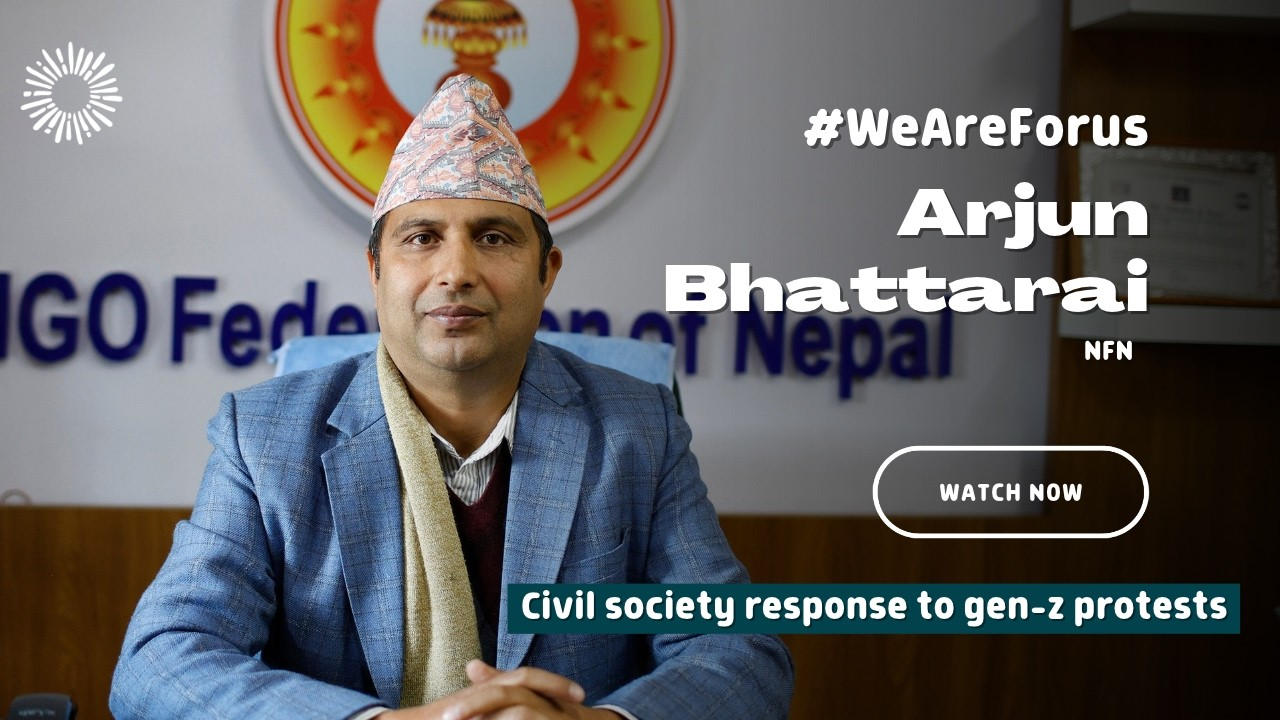
#WeAreForus - NFN on Gen-Z protests and civil society response
Wed 30 Sep 2026
#WeAreForus - What are national civil society platforms Bringing to BRICS? A conversation with VANI.
Tue 29 Sep 2026
#WeAreForus - Who gets to shape the rules of development finance? A conversation with SAf-CNGO.
Thu 3 Sep 2026
System Update - Episódio 12: Quando a Sociedade Civil Molda a Agenda da IA
Wed 26 Aug 2026
System Update - Episode 9: When accessibility and disability strengthen the digital future
Mon 24 Aug 2026
System Update - Episode 8: When we fight against platforms controlling the narrative
Mon 17 Aug 2026
System Update - Episode 6: When young people shape the future of the digital world
Sat 15 Aug 2026
System Update - Episode 5: When digital policies need to reflect a changing ecosystem
Mon 10 Aug 2026
System Update - Episode 2: When we look at patterns of AI harm: turning data into action
Mon 3 Aug 2026
System Update - Episode 7: When stronger collaboration ensures platform accountability
Mon 27 Jul 2026
System Update - Introduction
Thu 16 Jul 2026
EN – Beyond the Review: Turning Commitments into Change: Tanzania’s Civil Society Vision for Sustainable Development
Thu 16 Jul 2026
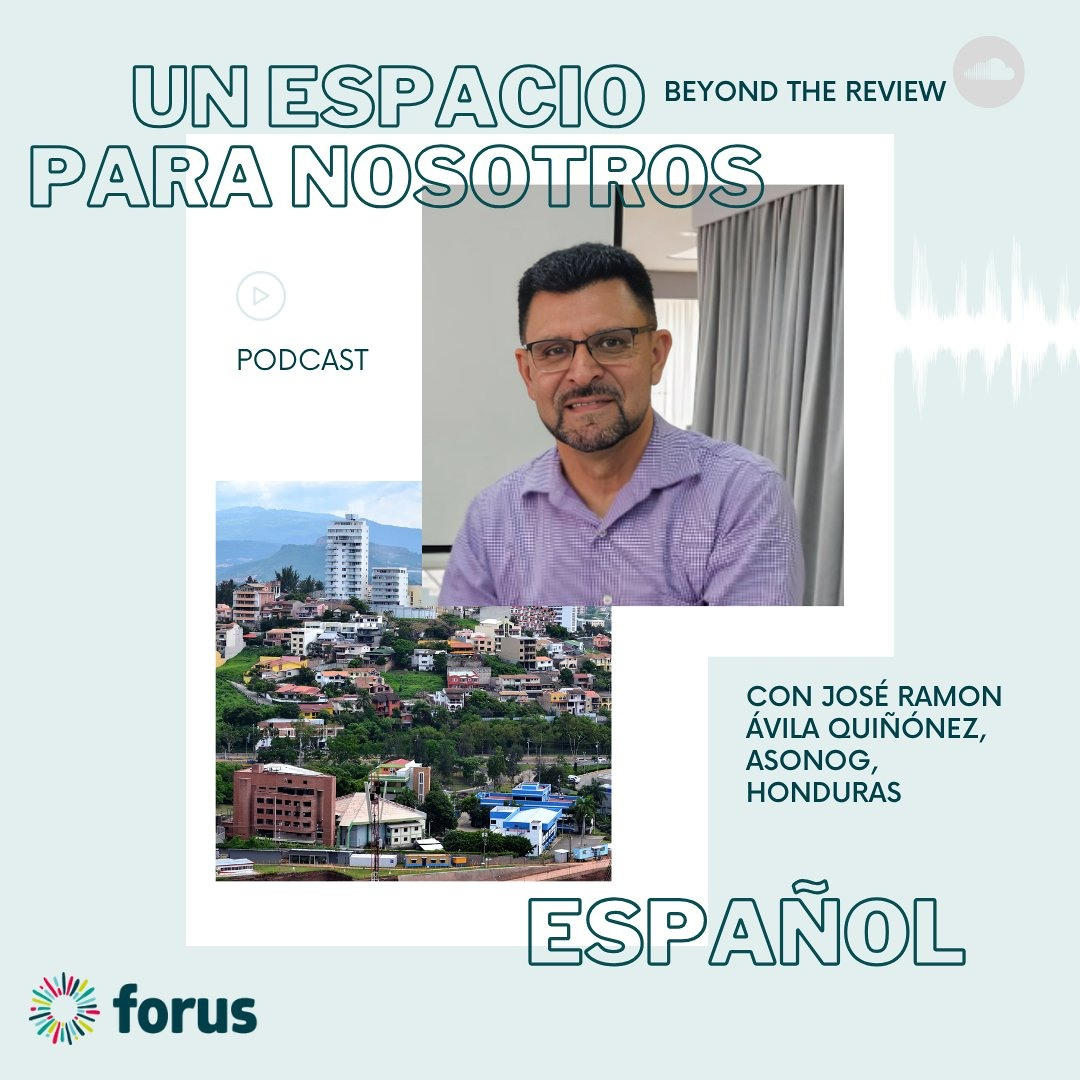
ES – Beyond the Review: Defender el territorio para avanzar hacia el desarrollo sostenible en Honduras
Thu 16 Jul 2026
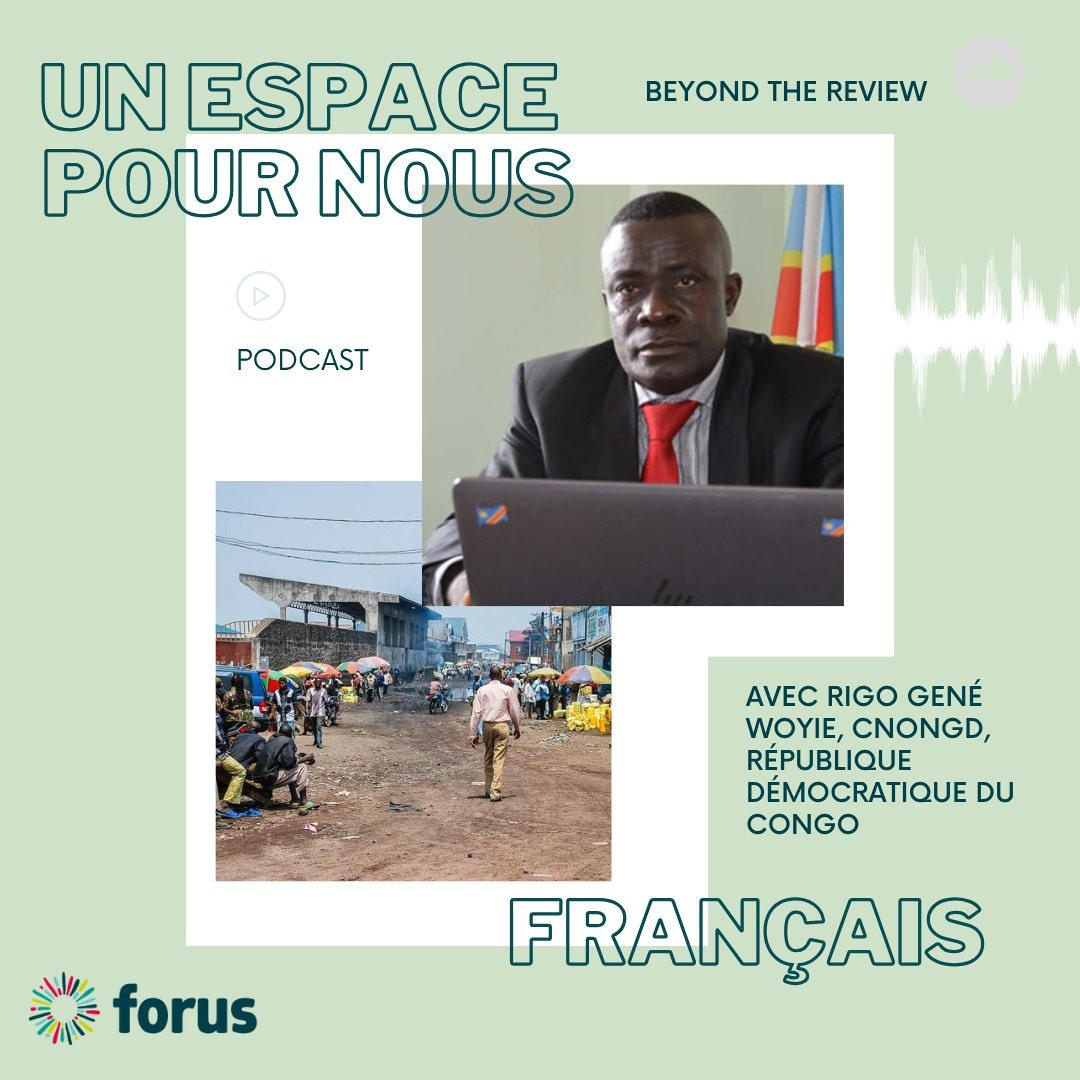
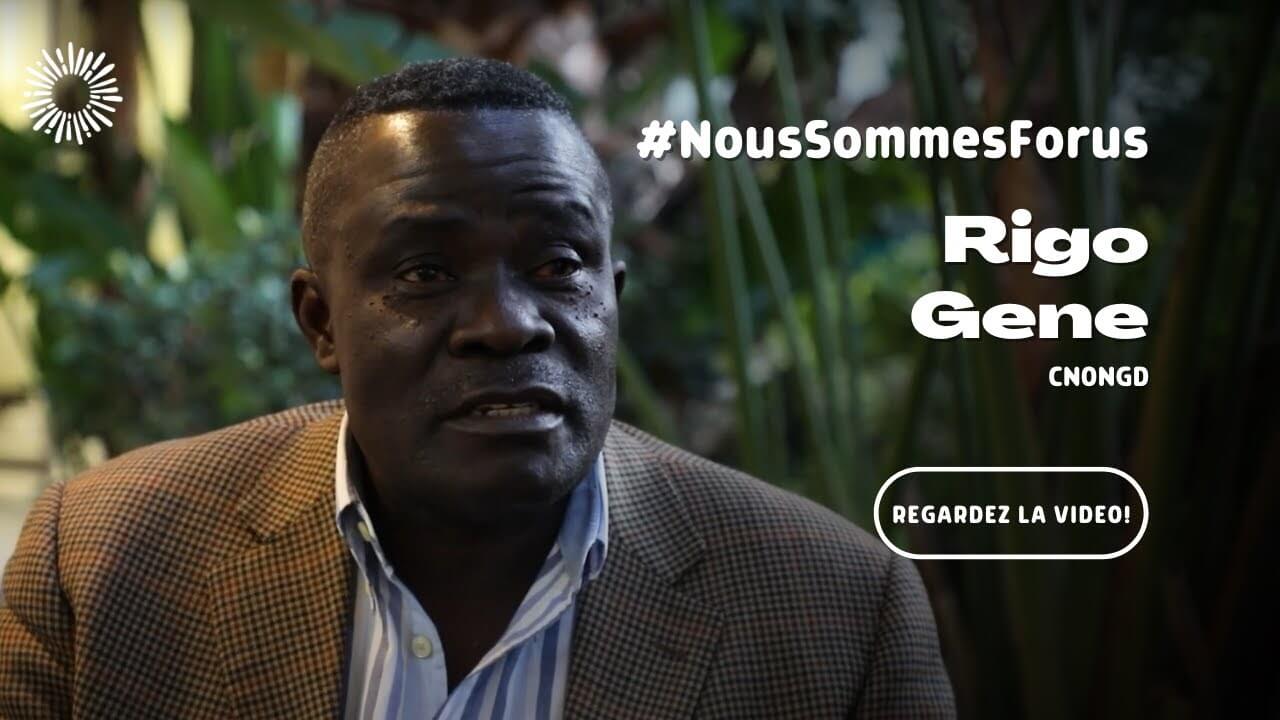
FR - Beyond the Review: bâtir les ODD au cœur des défis de la République démocratique du Congo
Wed 30 Nov 2022
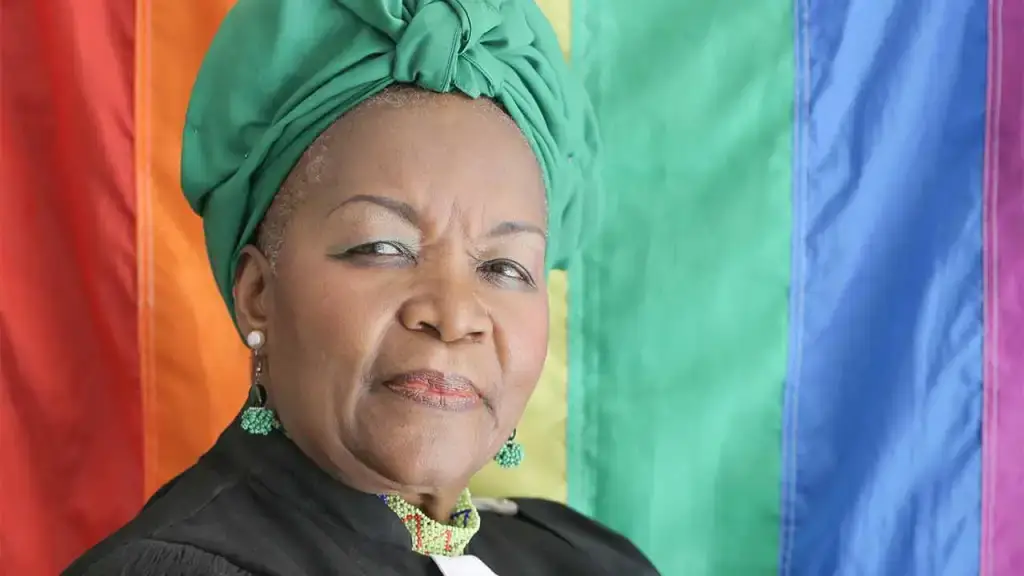
A Space for Us - Until It Shines: Alice Nkom defending LGBT rights in Cameroon "Until it Shines", is a Forus documentary part of A Space for Us podcast and video series, which explores the pain people of the LGBTQ community go through in Cameroon and where the country stands now, over a decade after Barrister Alice Nkom embarked on this journey to fight for equality. Available in English, French and Spanish.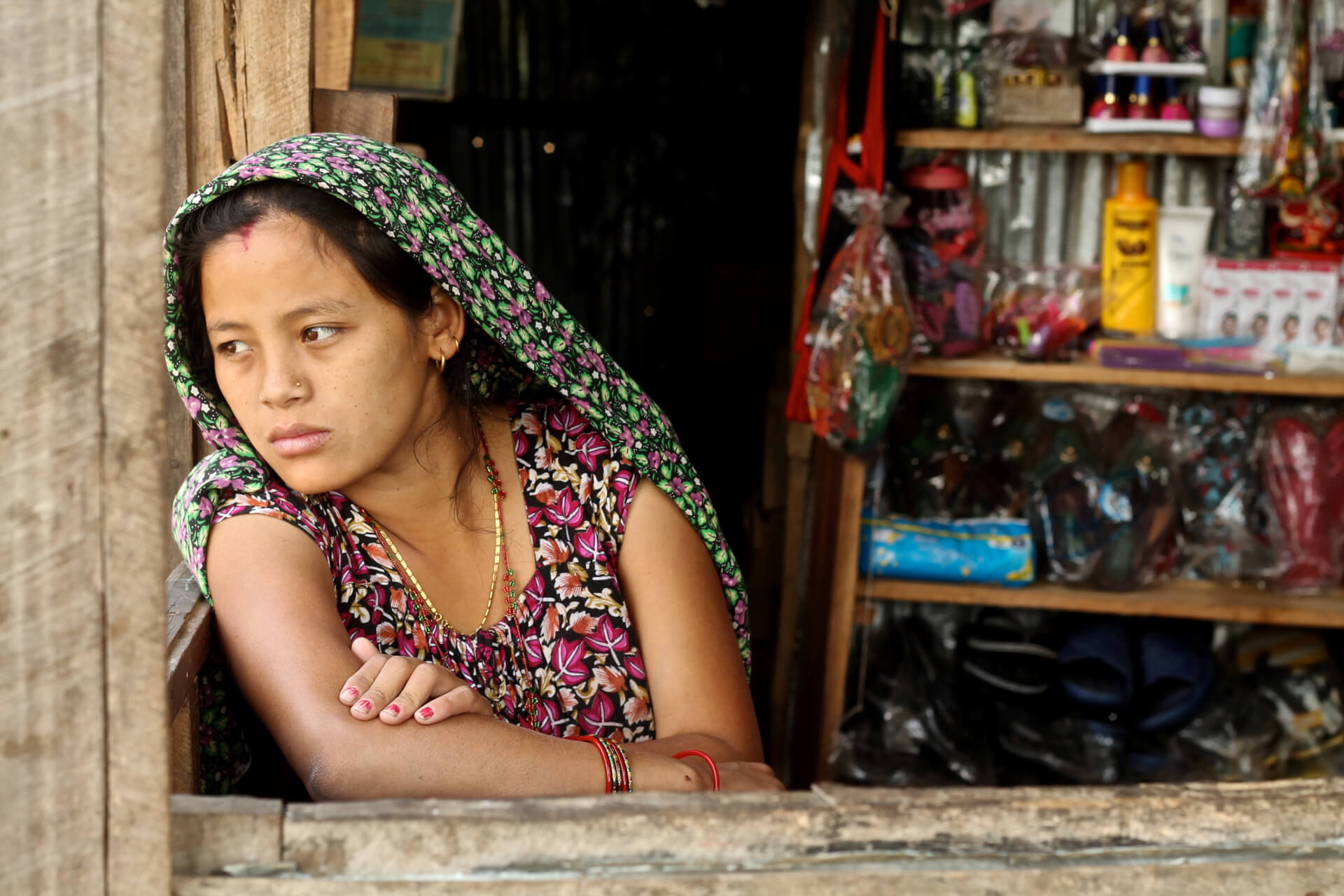
Fri 22 Oct 2021
Nepal - Civil society and disaster risk reduction Nepal is among the most disaster-prone countries in the world. In a difficult context, civil society organsiations play a crucial role to build resilient communities across the country. Discover the voices of locals and of the NGO Federation of Nepal in this short documentary. +info here: https://drr.forus-international.org/ Footage: Bibbi Abruzzini, Sanjog Manandhar, Both Nomads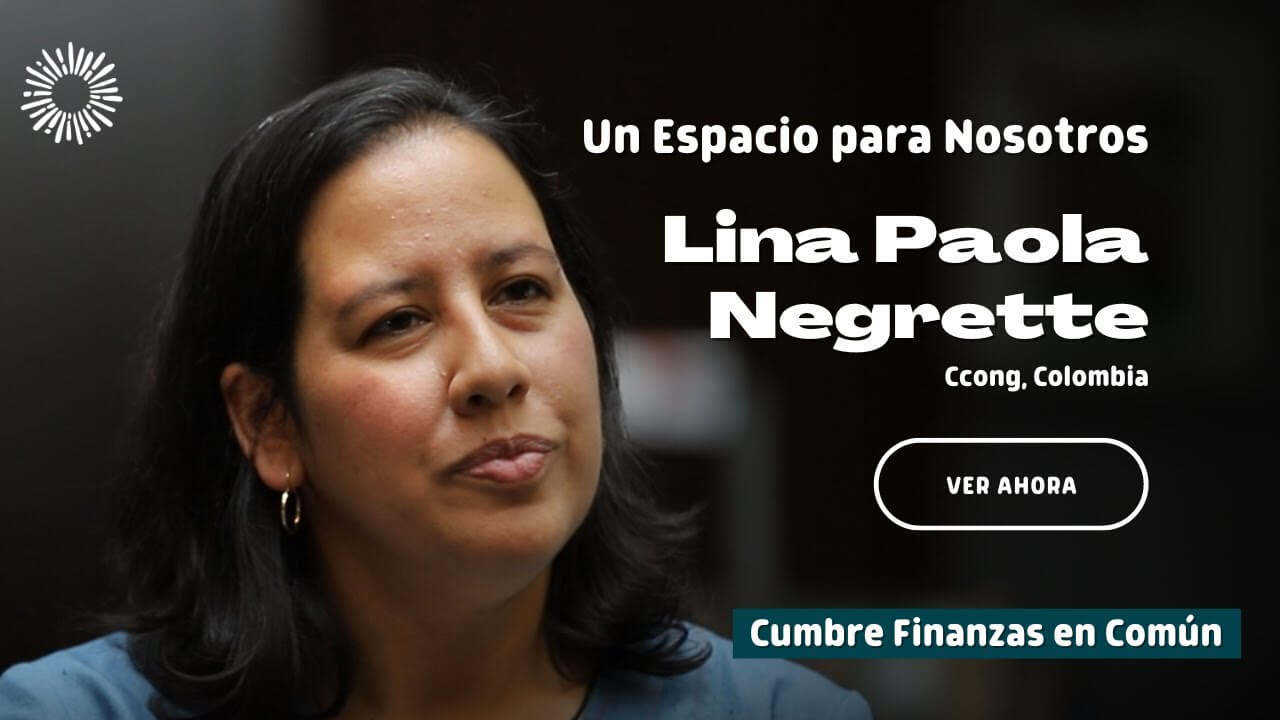
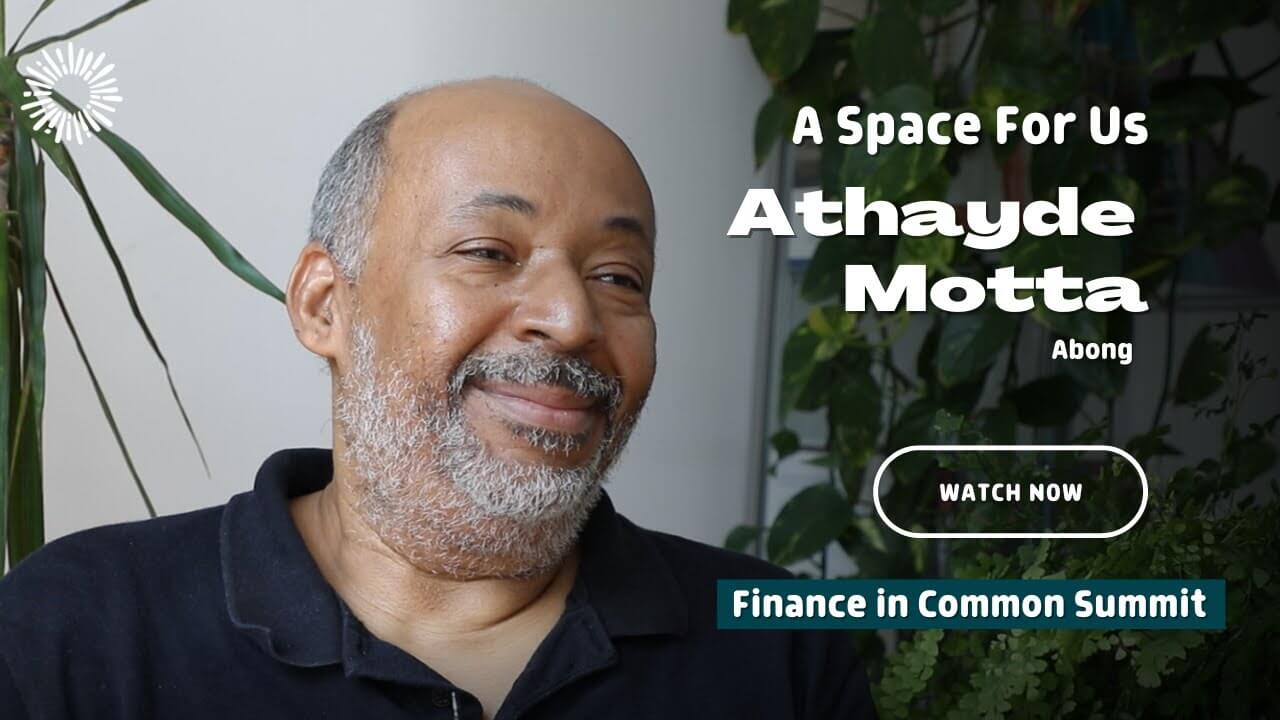
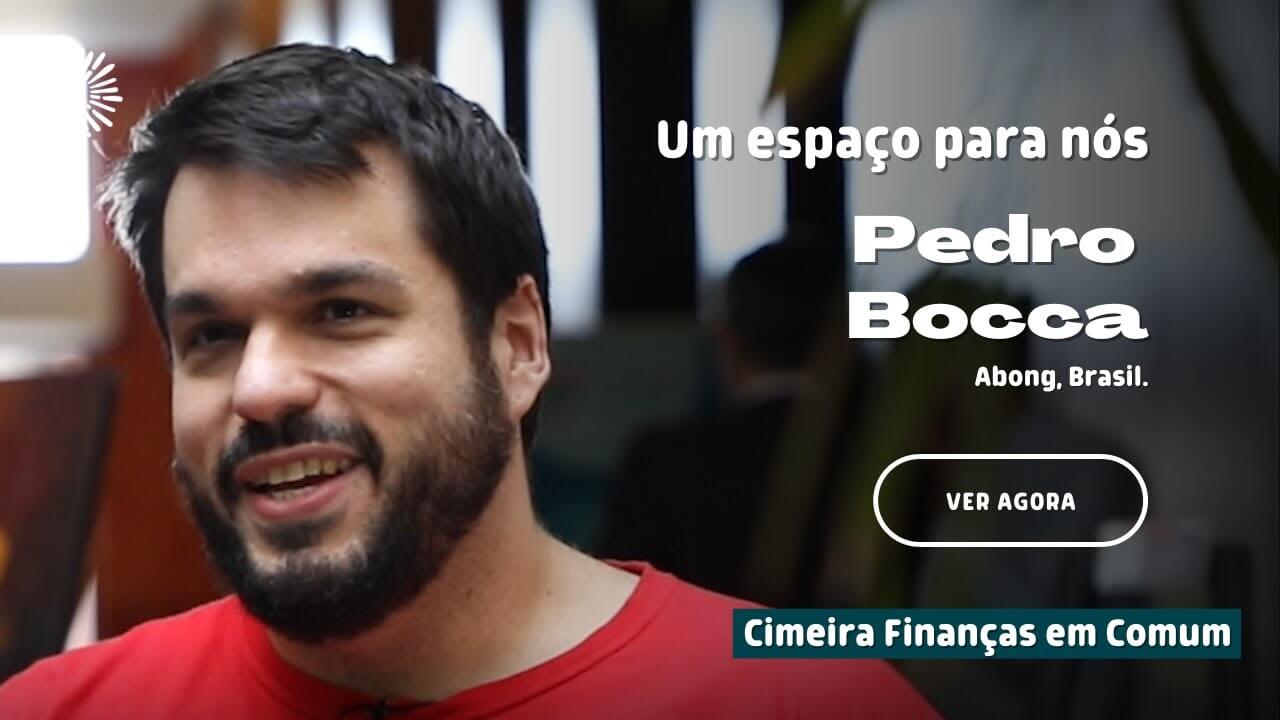
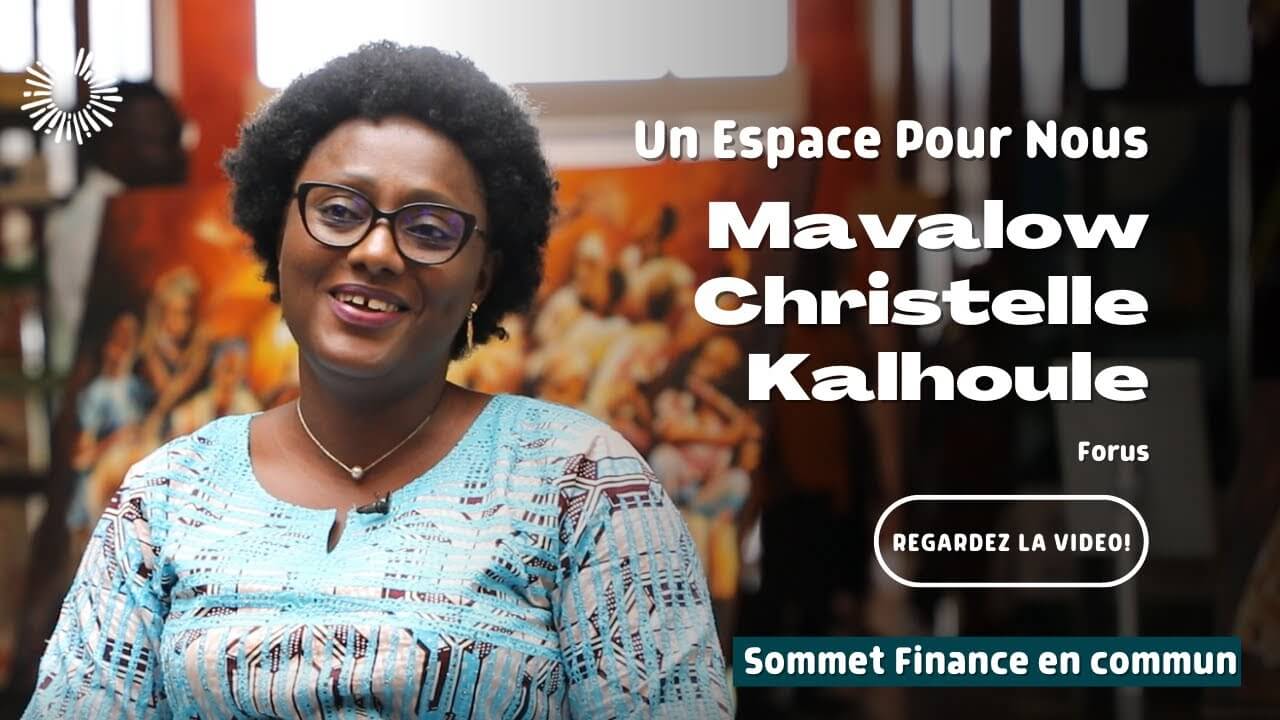
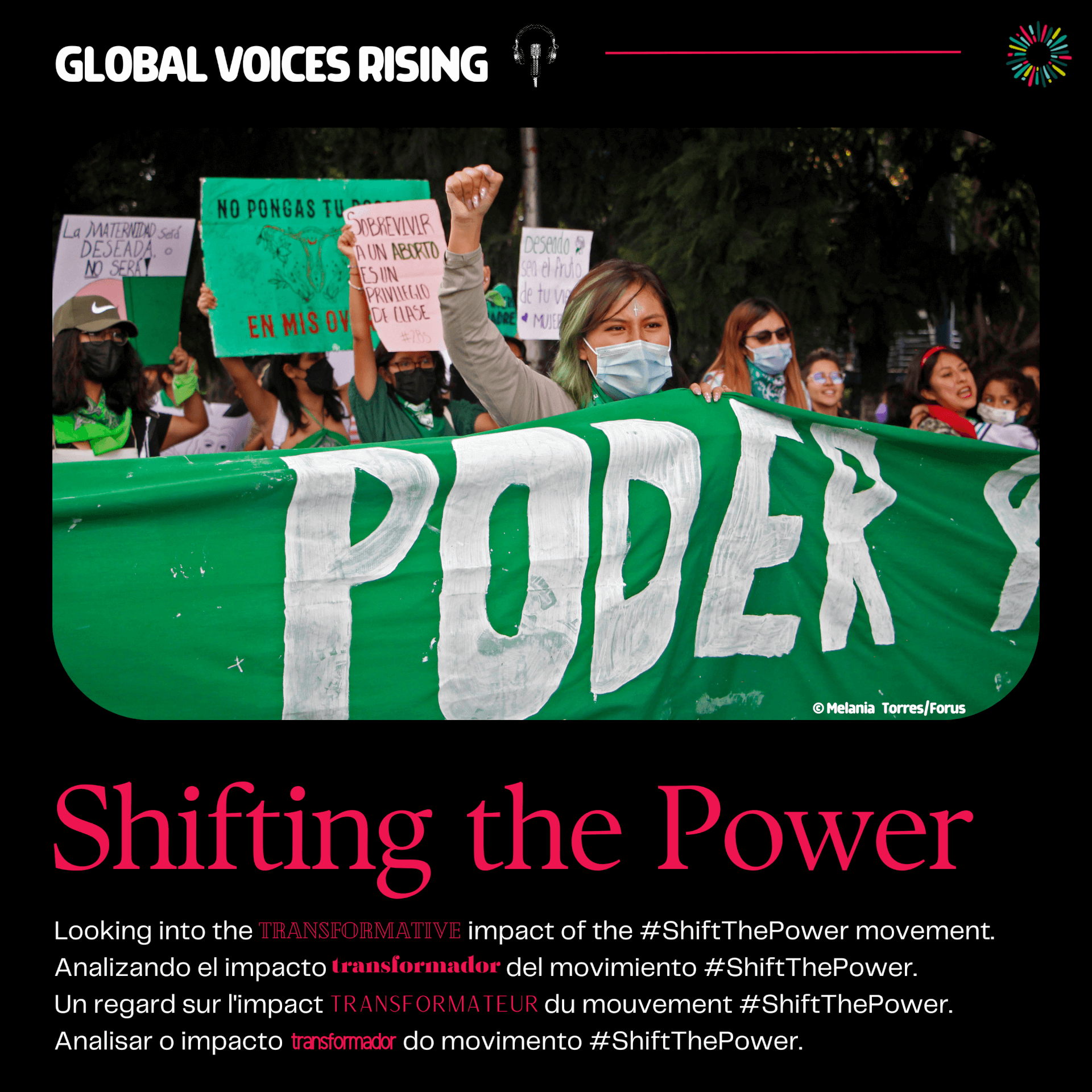
EN/FR/ES - Shifting The Power- global voices rising
EN/FR/ES - Shifting The Power- global voices rising