CAMPAIGN
#PositiveNarratives
For an enabling environment for civil society.
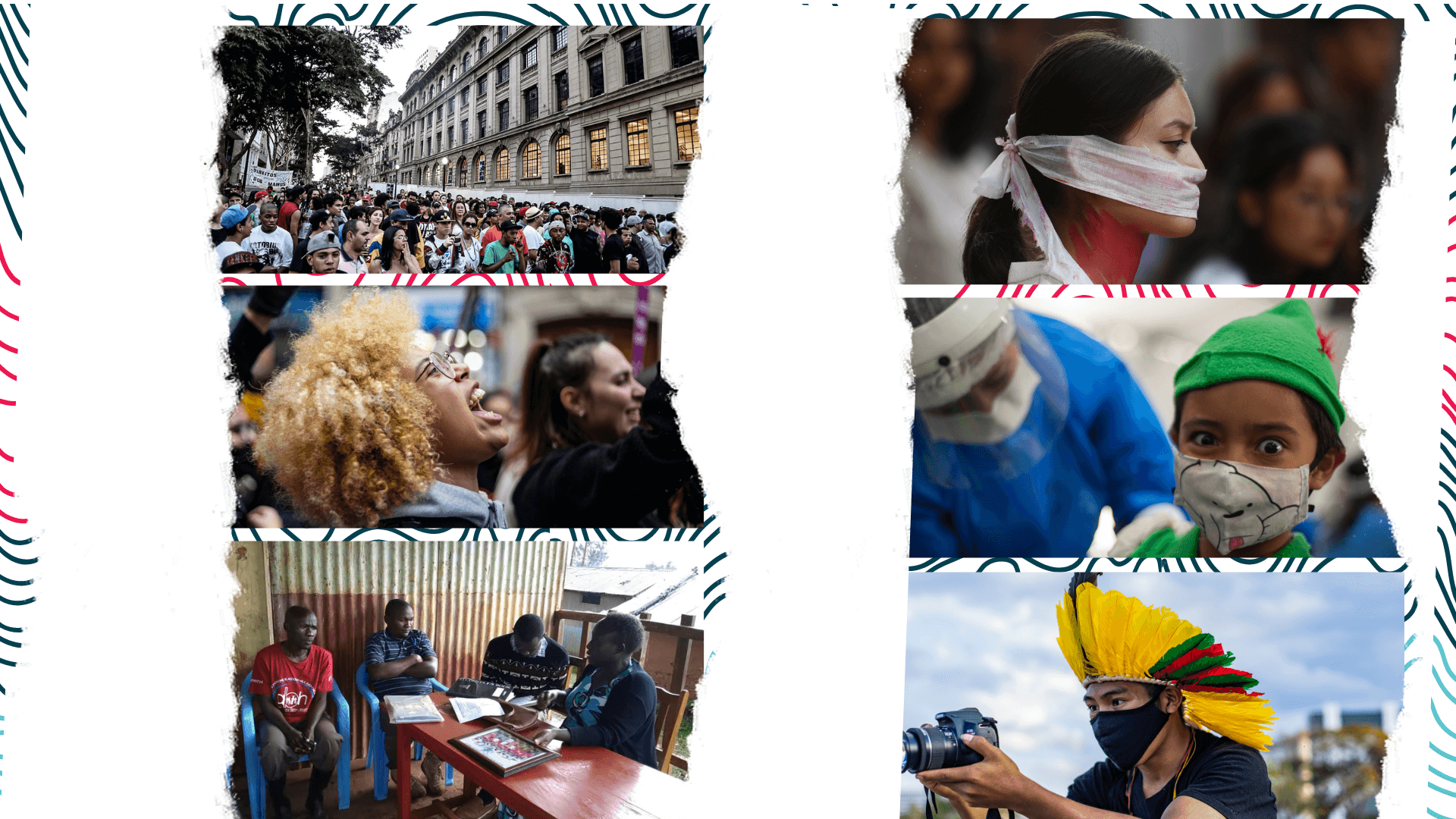
A campaign bringing to the forefront the stories of human rights defenders, journalists, innovative projects decolonising language and building bridges across communities , from within and beyond the Forus network.
Narratives matter. Forus and its members have begun to engage with an exciting and innovative body of work on alternative narrative building, much of which has been led by civil society organisations from the human rights community. This work is aimed in part at better explaining the role of civil society and the public value of its work. Like others who are engaging with this narrative building work, Forus and its members believe that it will help to promote higher levels of public confidence in, and engagement with civil society and its work, and will ultimately strengthen civic space, and bolster democracy around the world.
Forus
Journalism Fellowship
Shaping #PositiveNarratives
Journalism meets civic action building stories that make change visible.
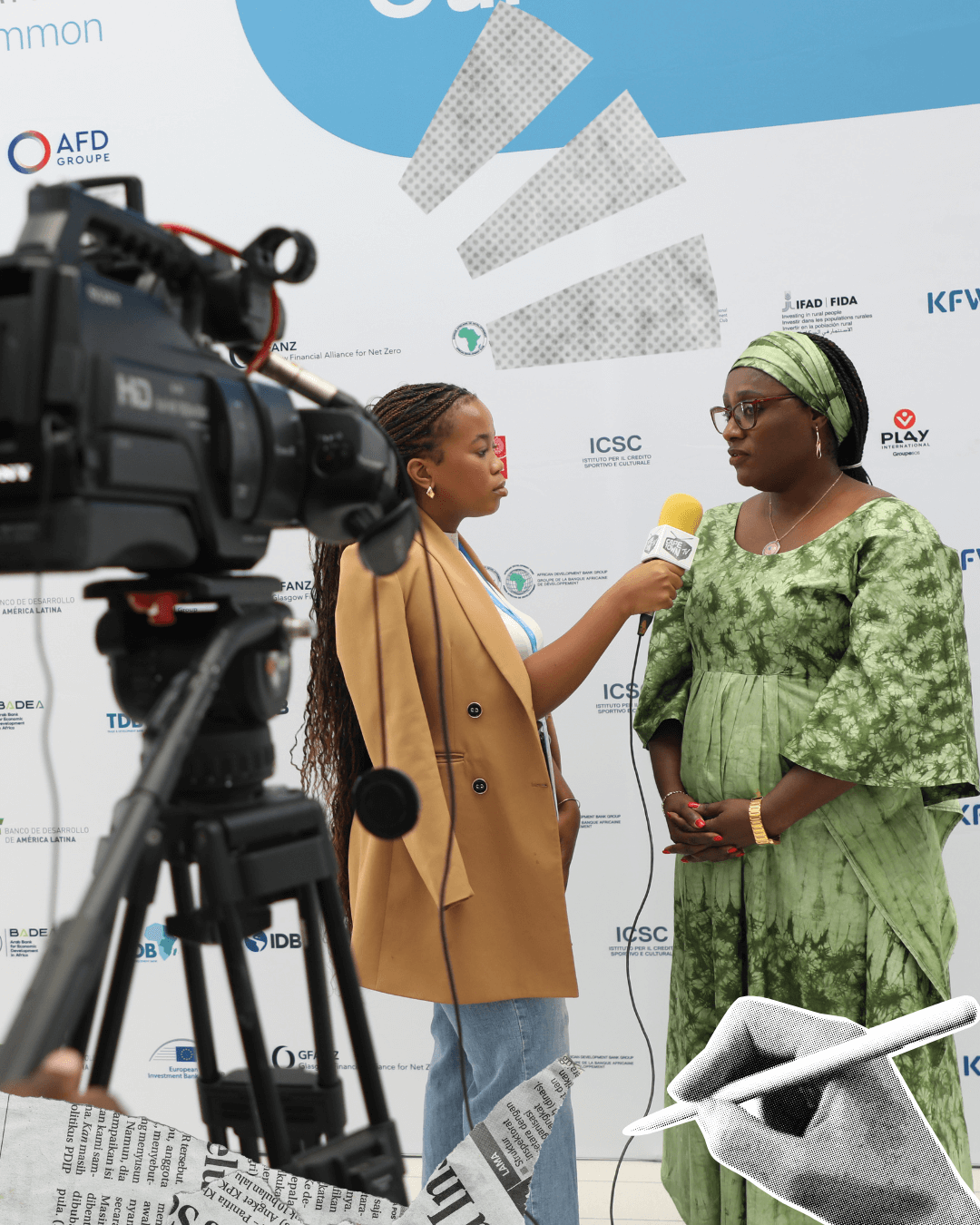
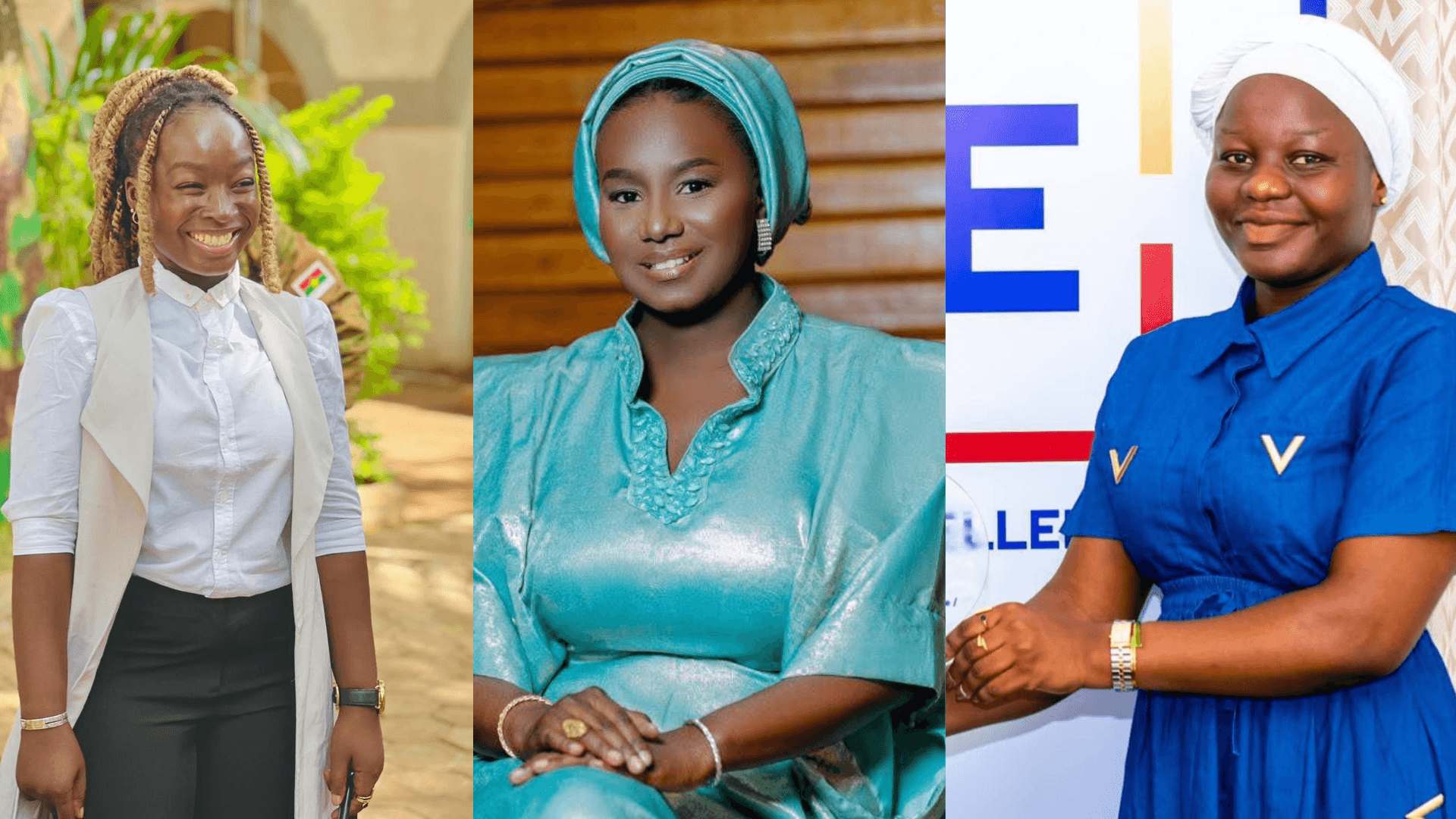
Forus has established the Forus Journalism Fellowship programme as part of its #PositiveNarrative campaign. This initiative provides opportunities for journalists all over the world who have experience and passion in advancing social justice, human rights, and sustainable development by reporting on civil society and community-led activities.
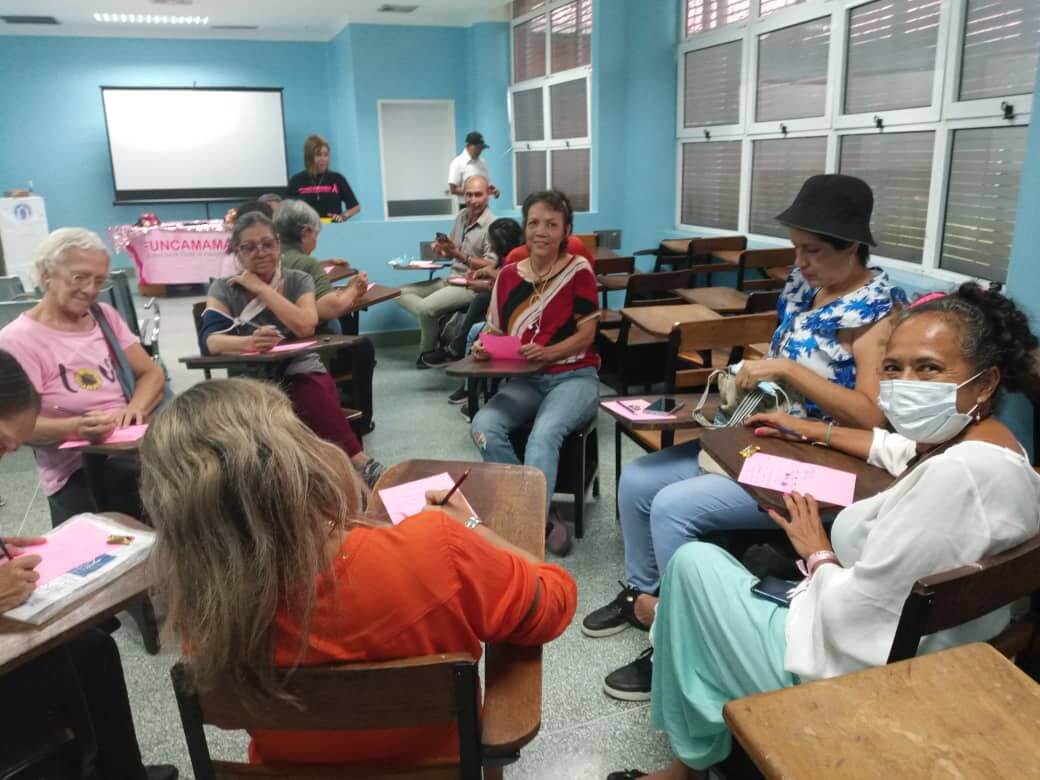

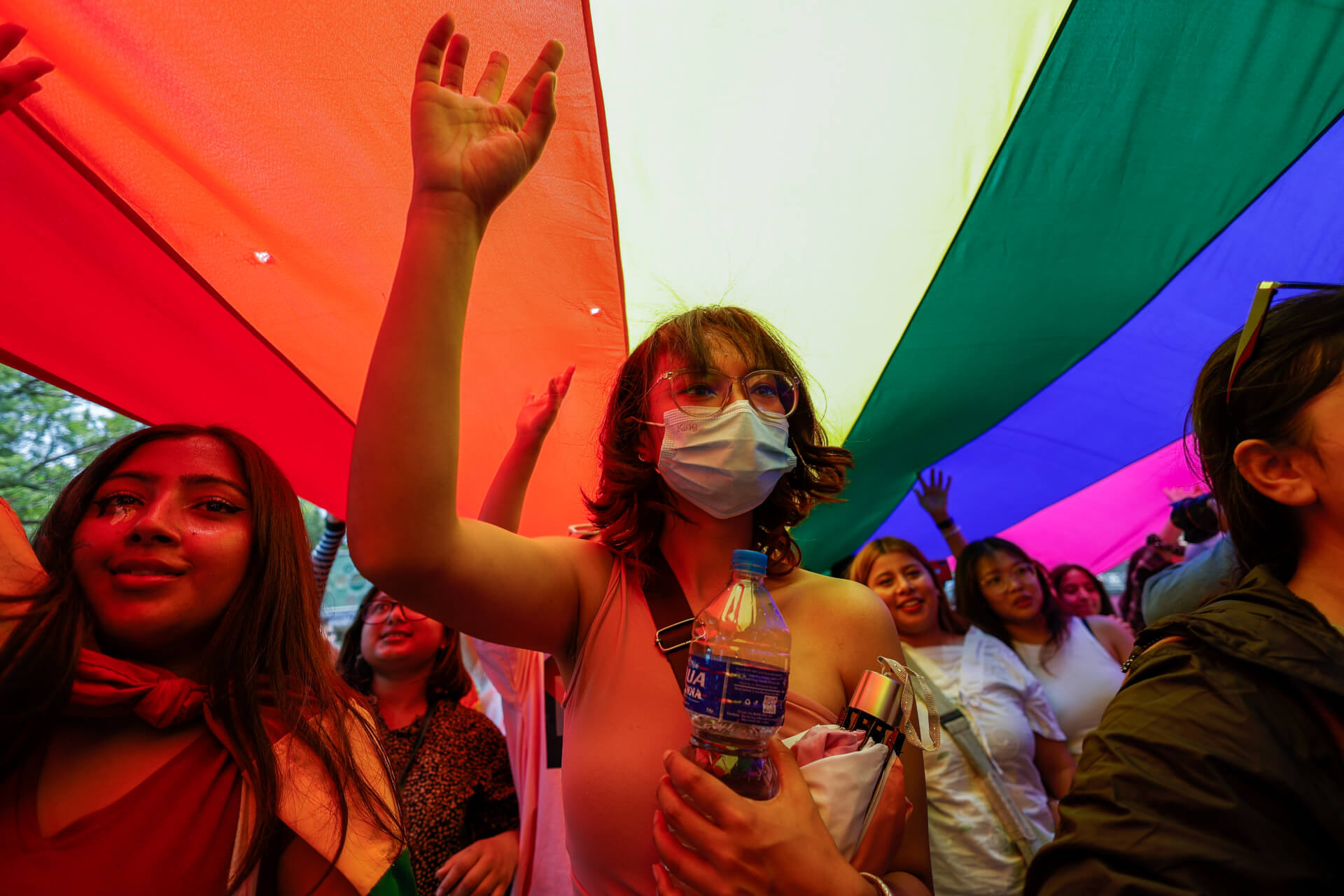
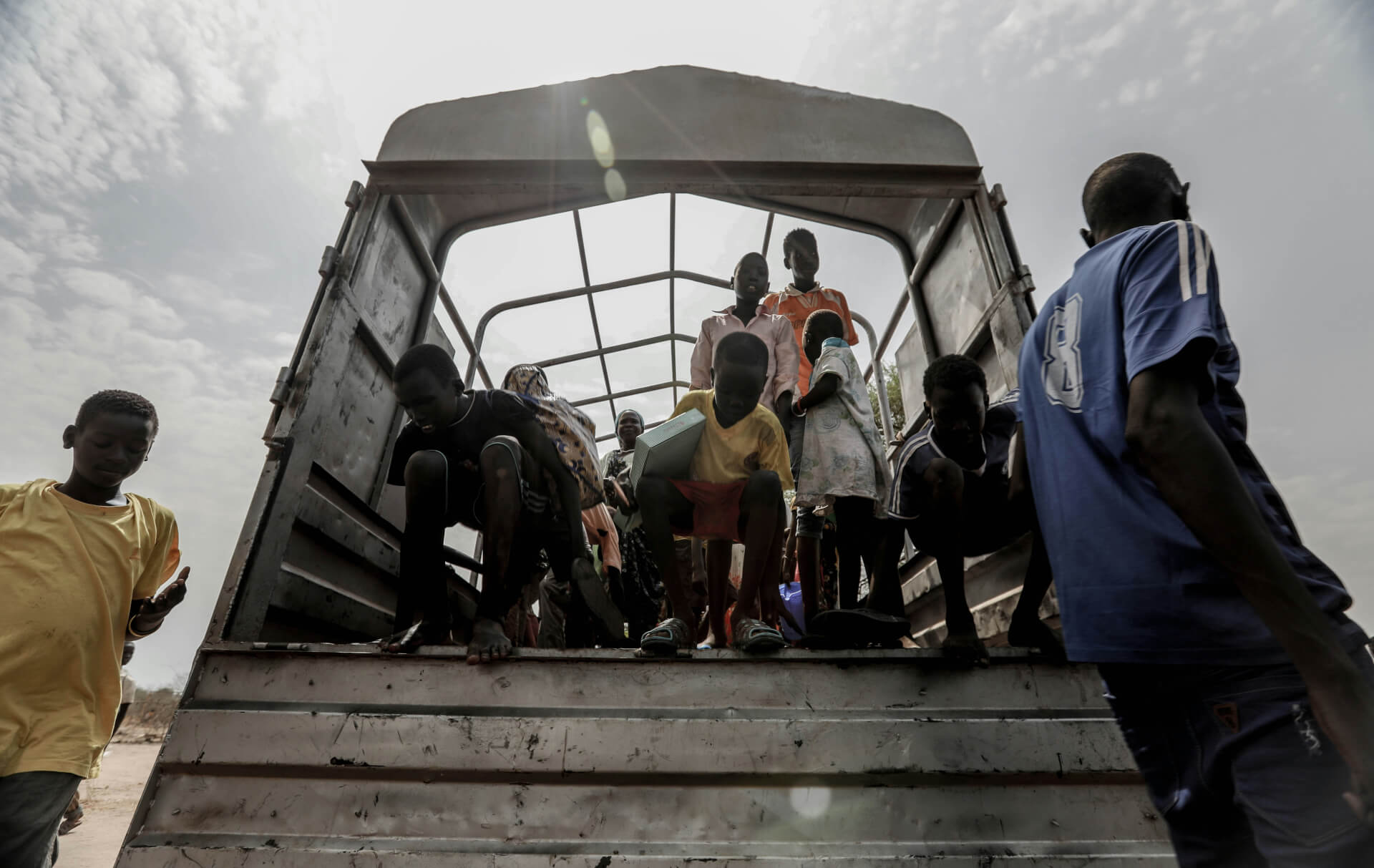
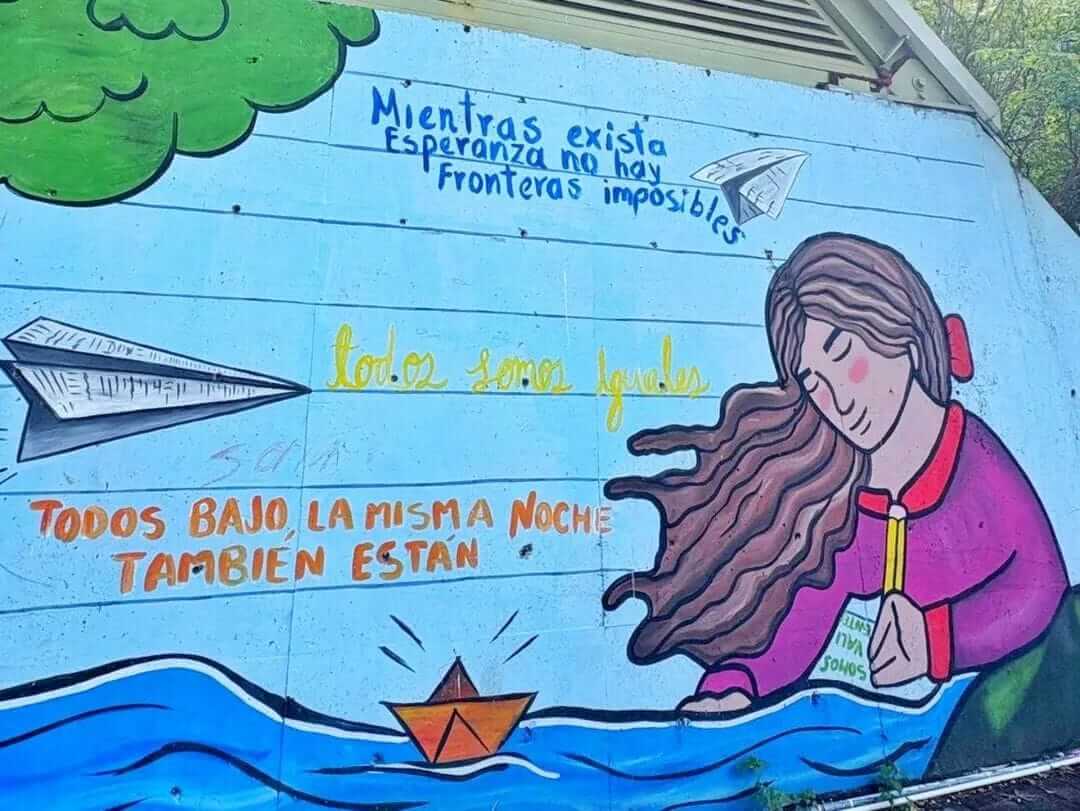
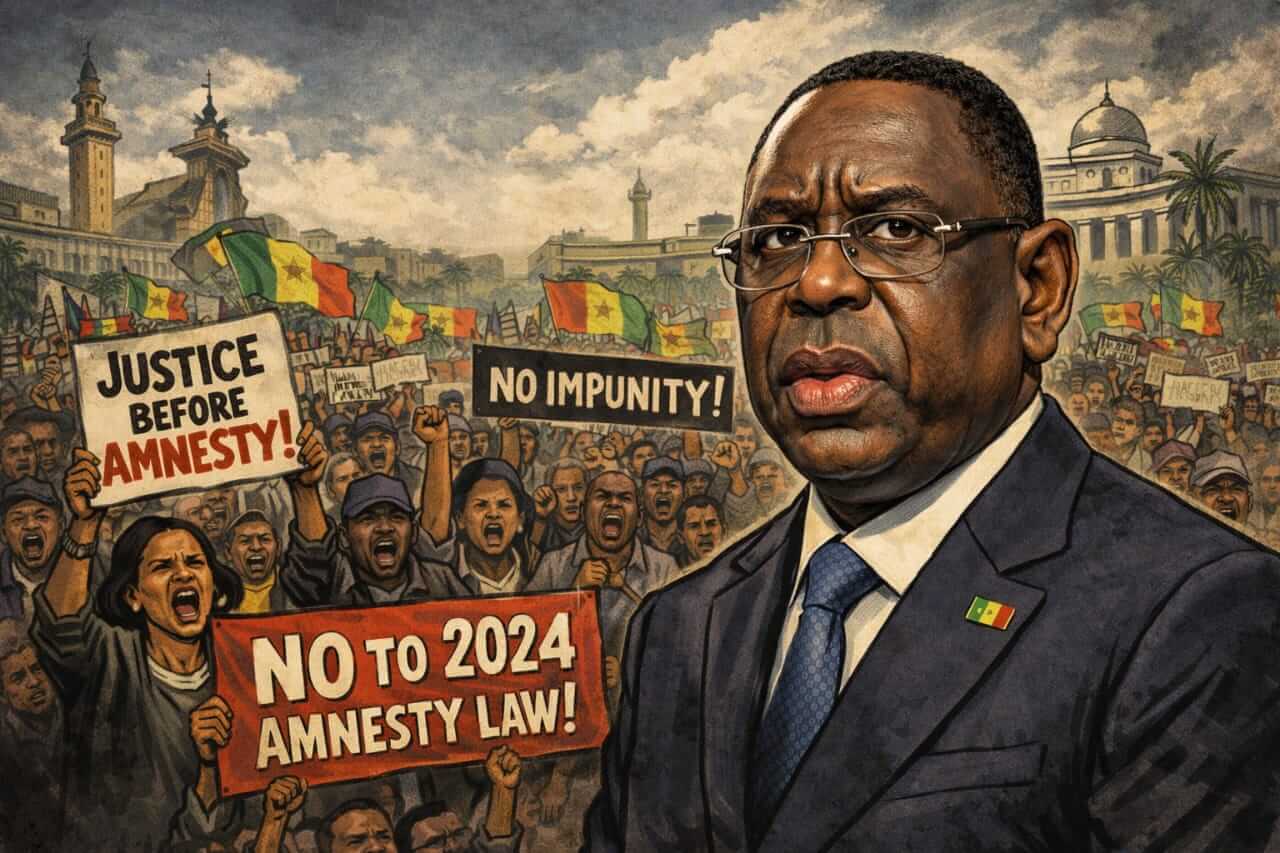
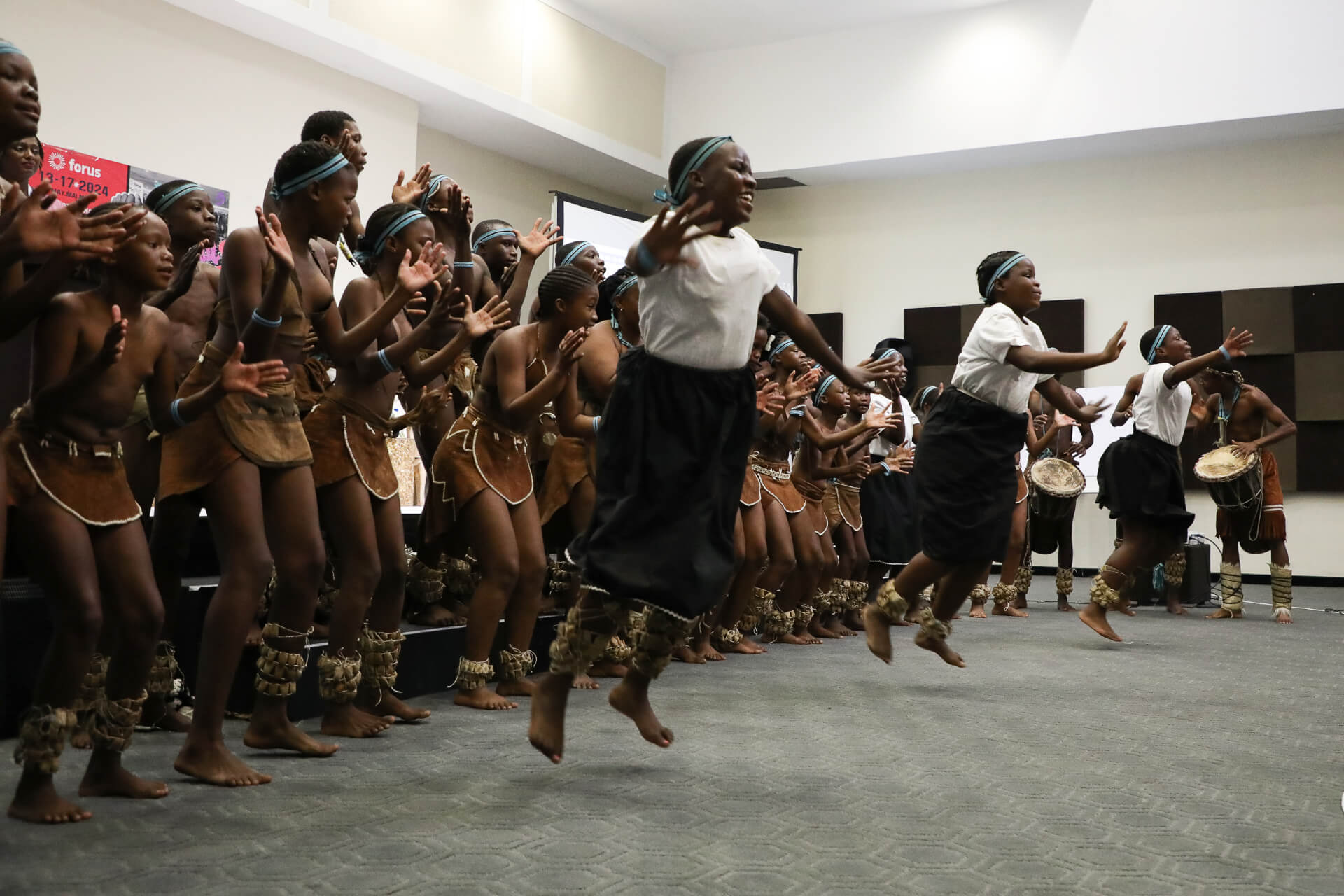
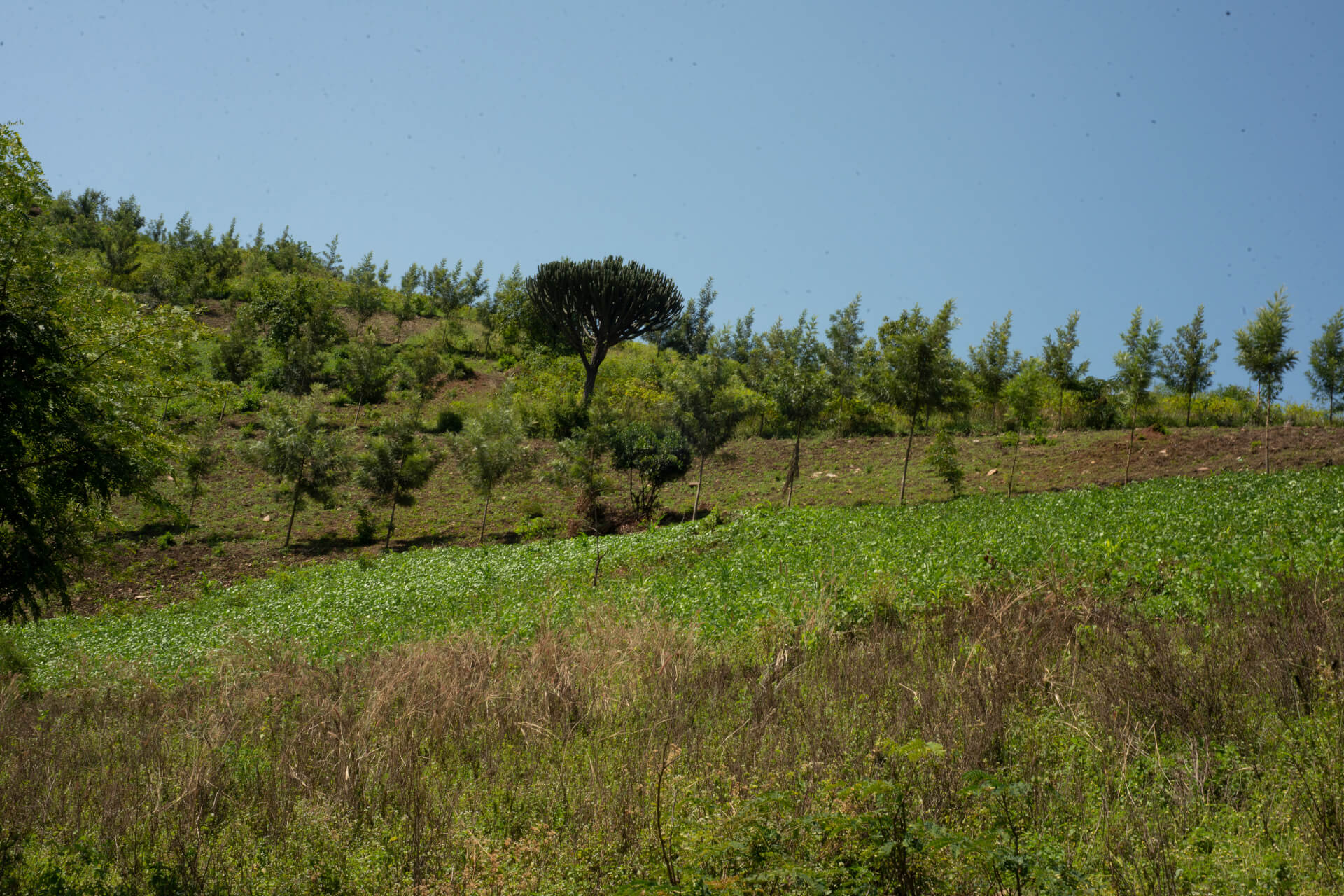
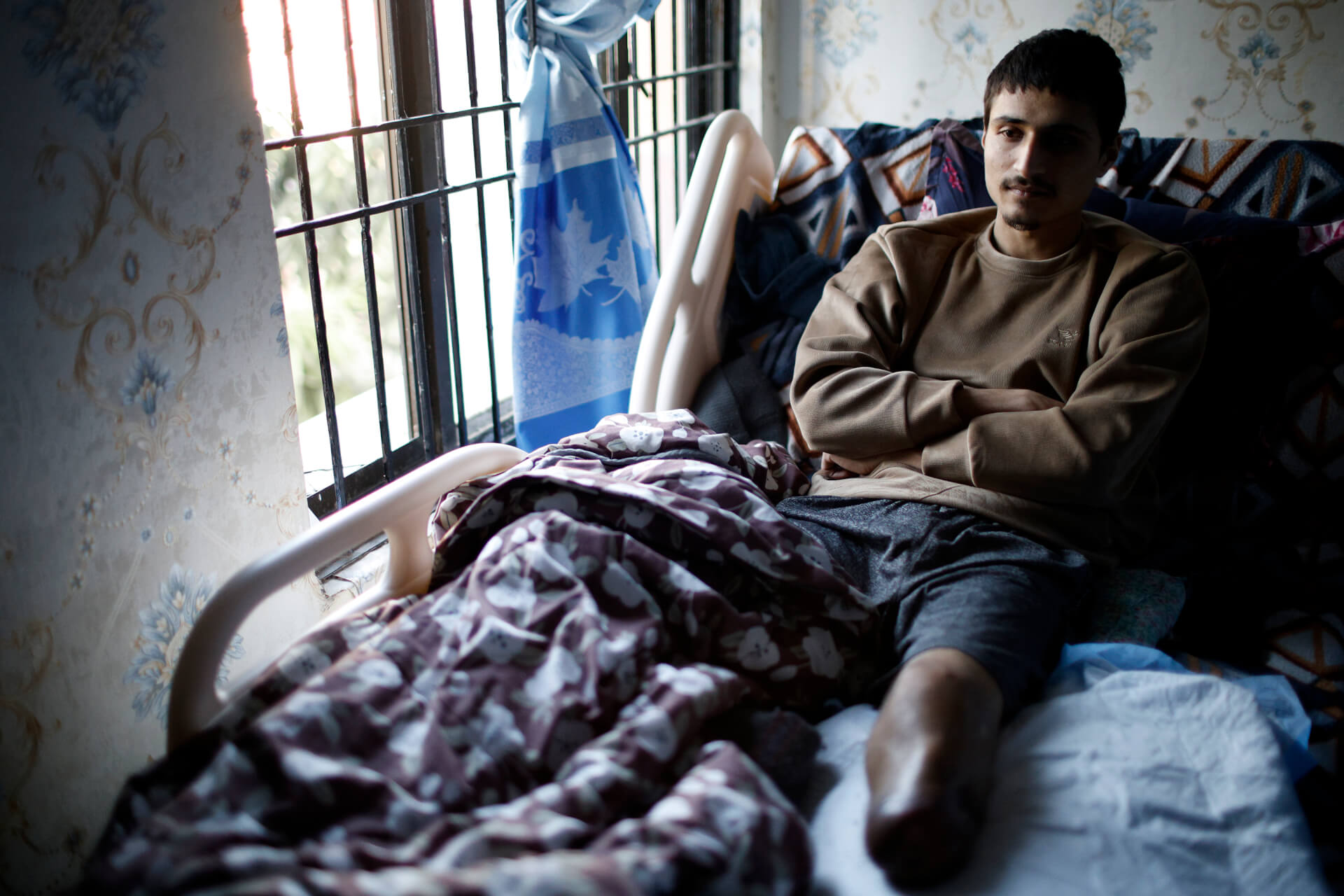

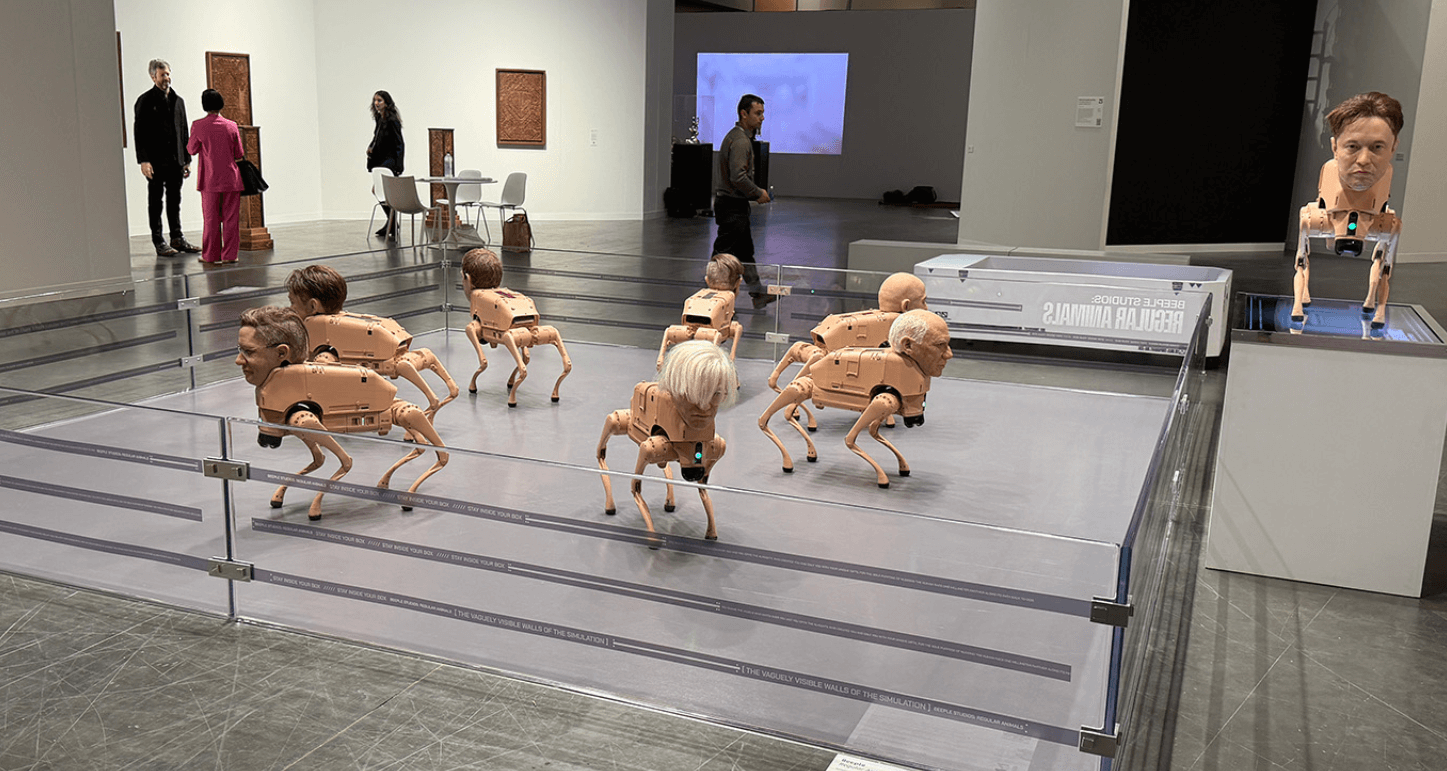
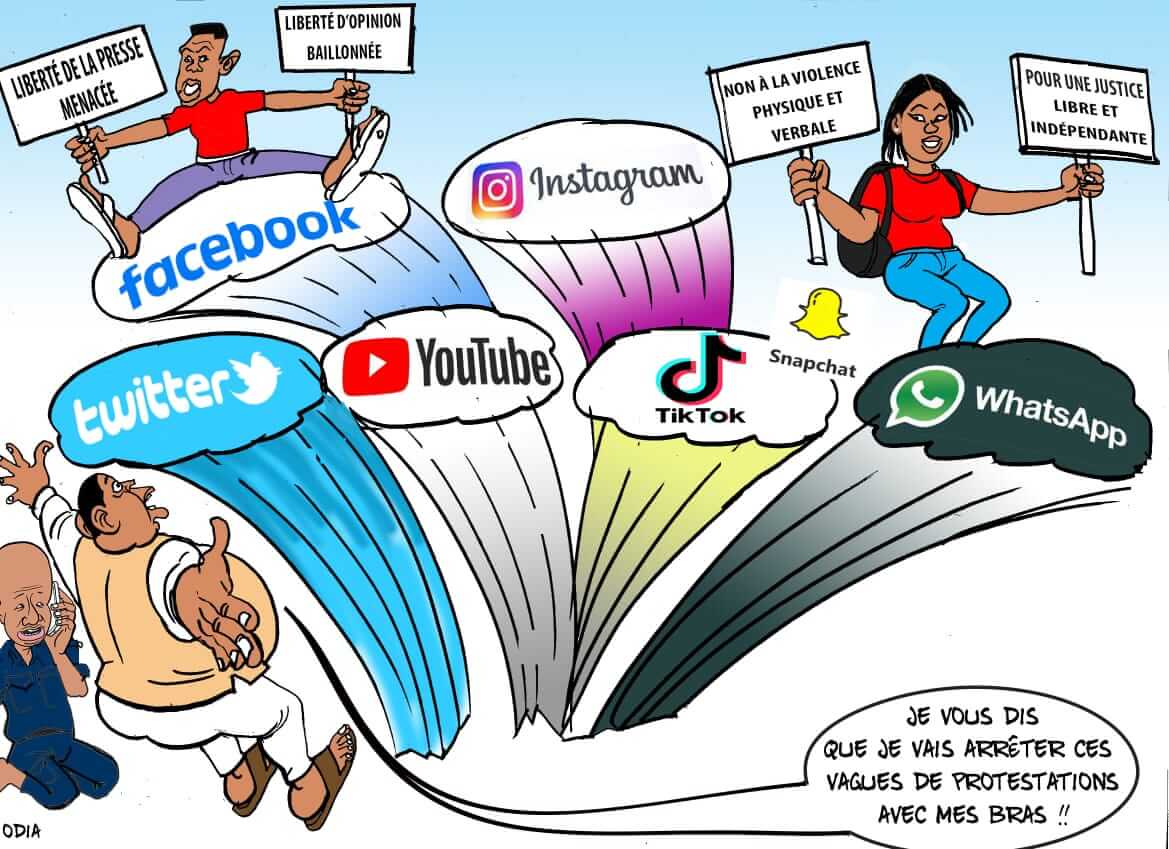




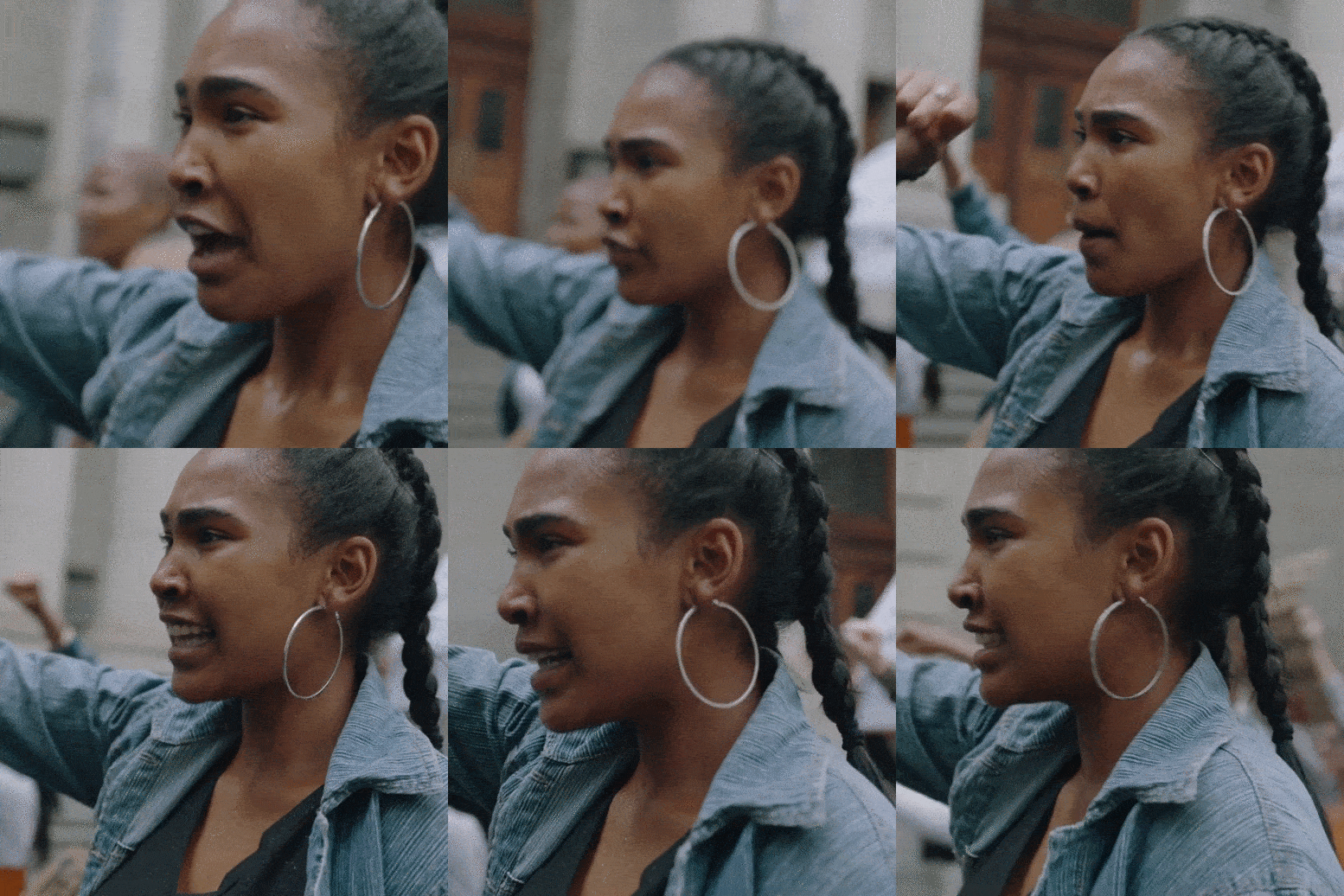
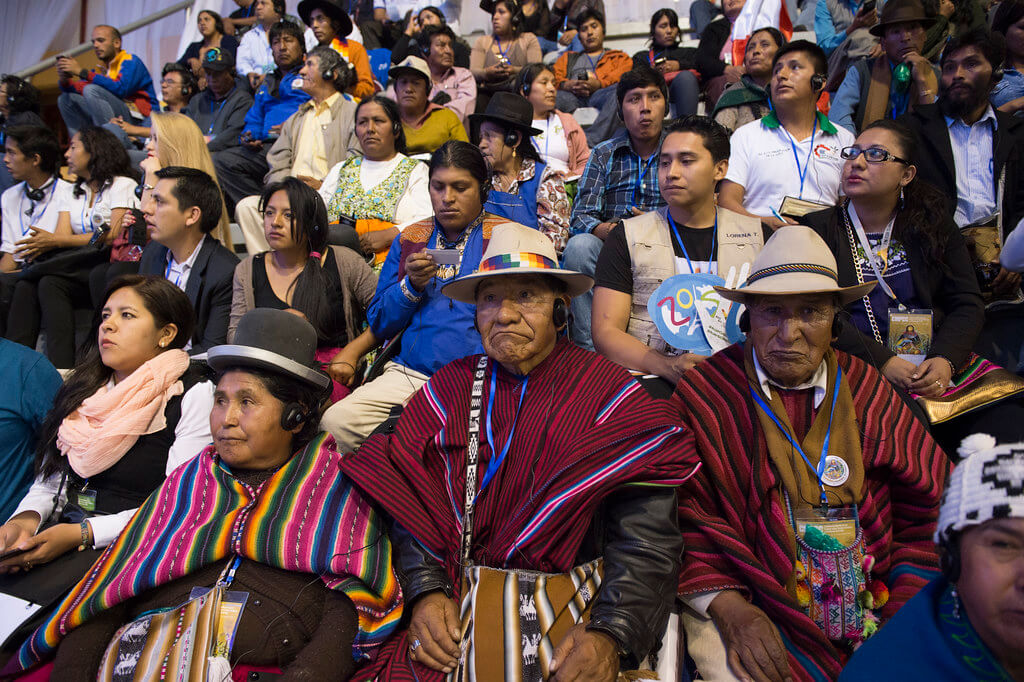
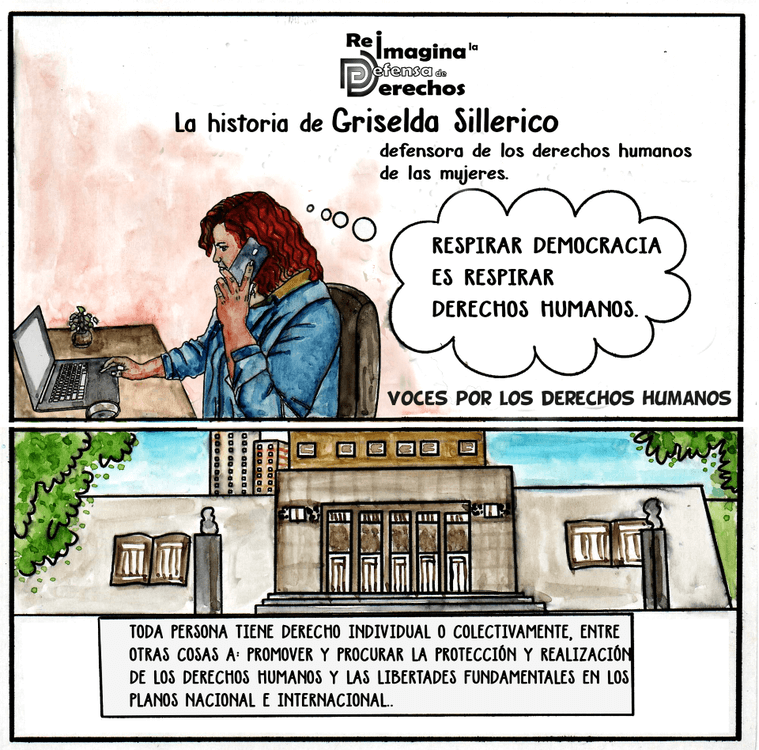
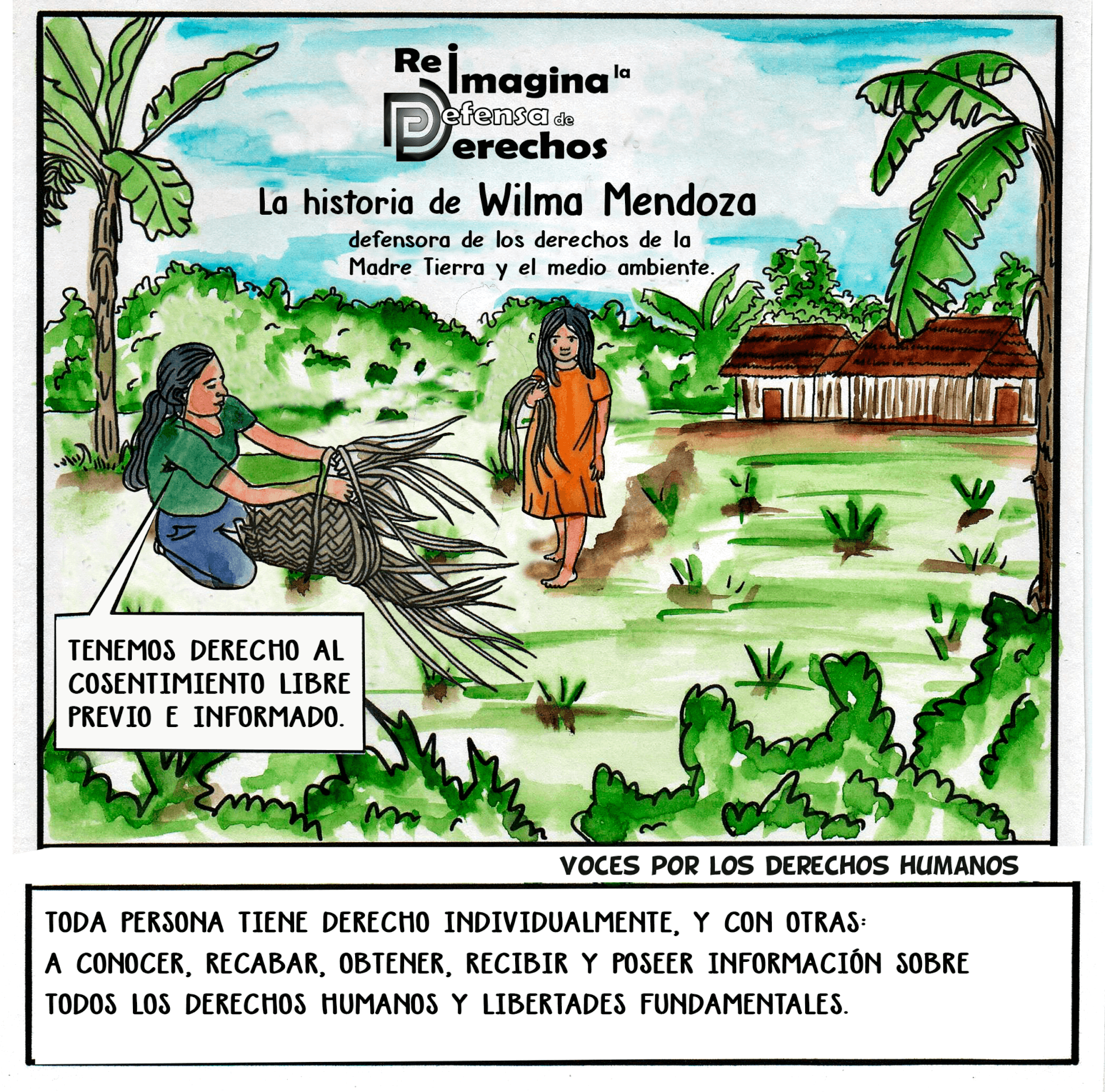
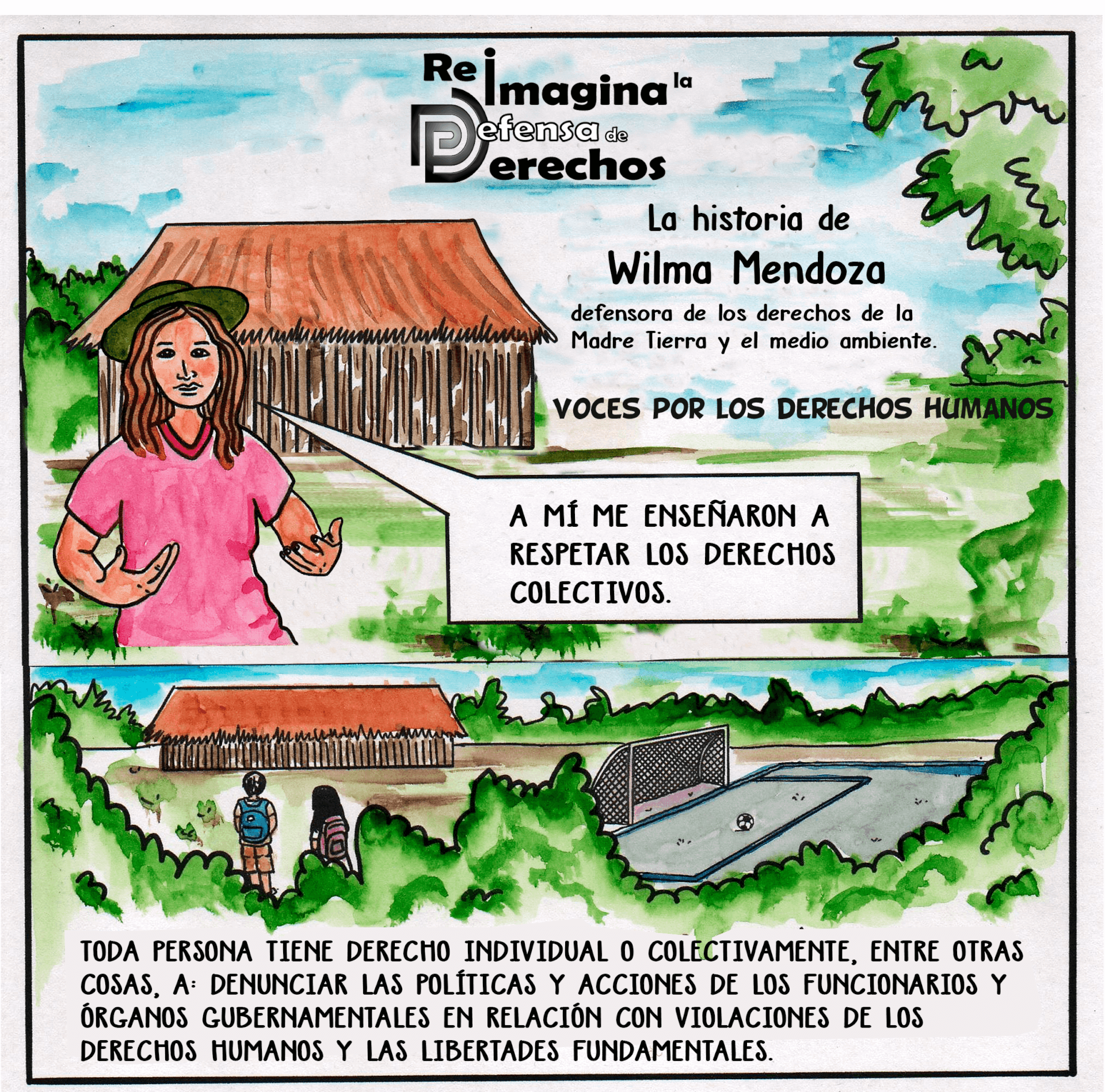
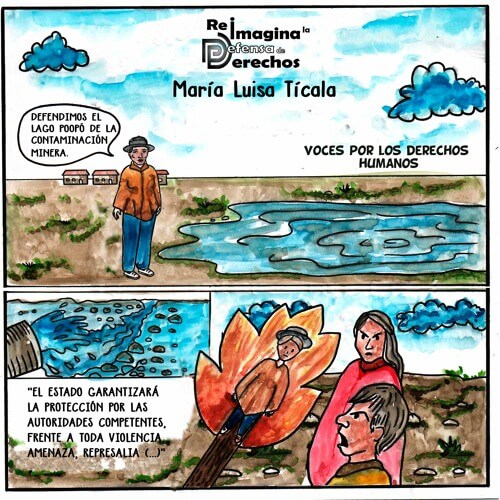
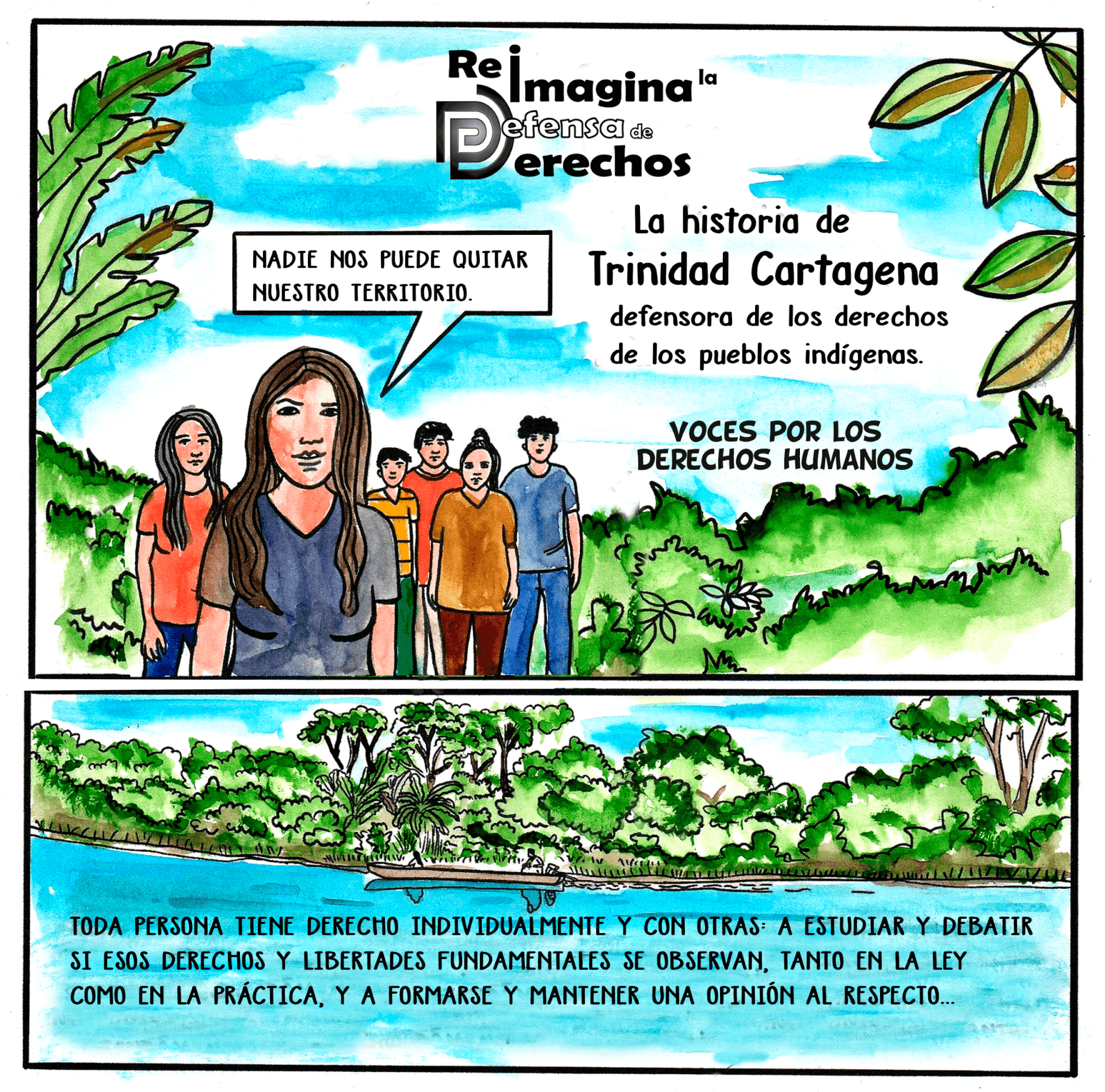
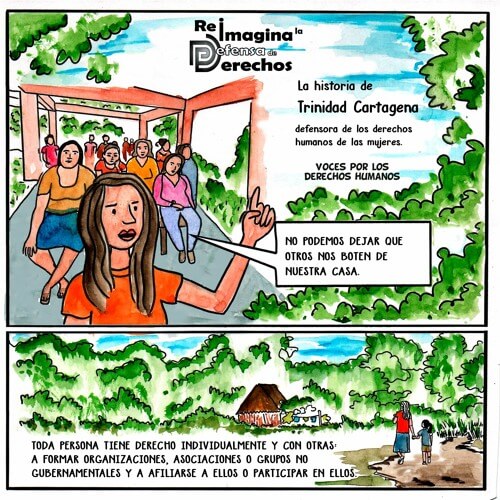
Discover the initiative ReImagina La Defensa de Derechos by UNITAS, Forus member in Bolivia, that aims to make visible the narrowing of civic space, by exposing data from their Observatory of Human Rights Defenders and narrating the stories of human rights defenders to motivate reflection.
The campaign is developed around five axes:
- Freedom of association
- Freedom of the press
- Freedom of peaceful assembly and the right to protest
- Freedom of expression
- Democratic institutionality
ON DECOLONISING LANGUAGE
Over many decades, the international development system has evolved its own lexicon of words and idioms that shape how people understand and give meaning to their efforts and relationships.
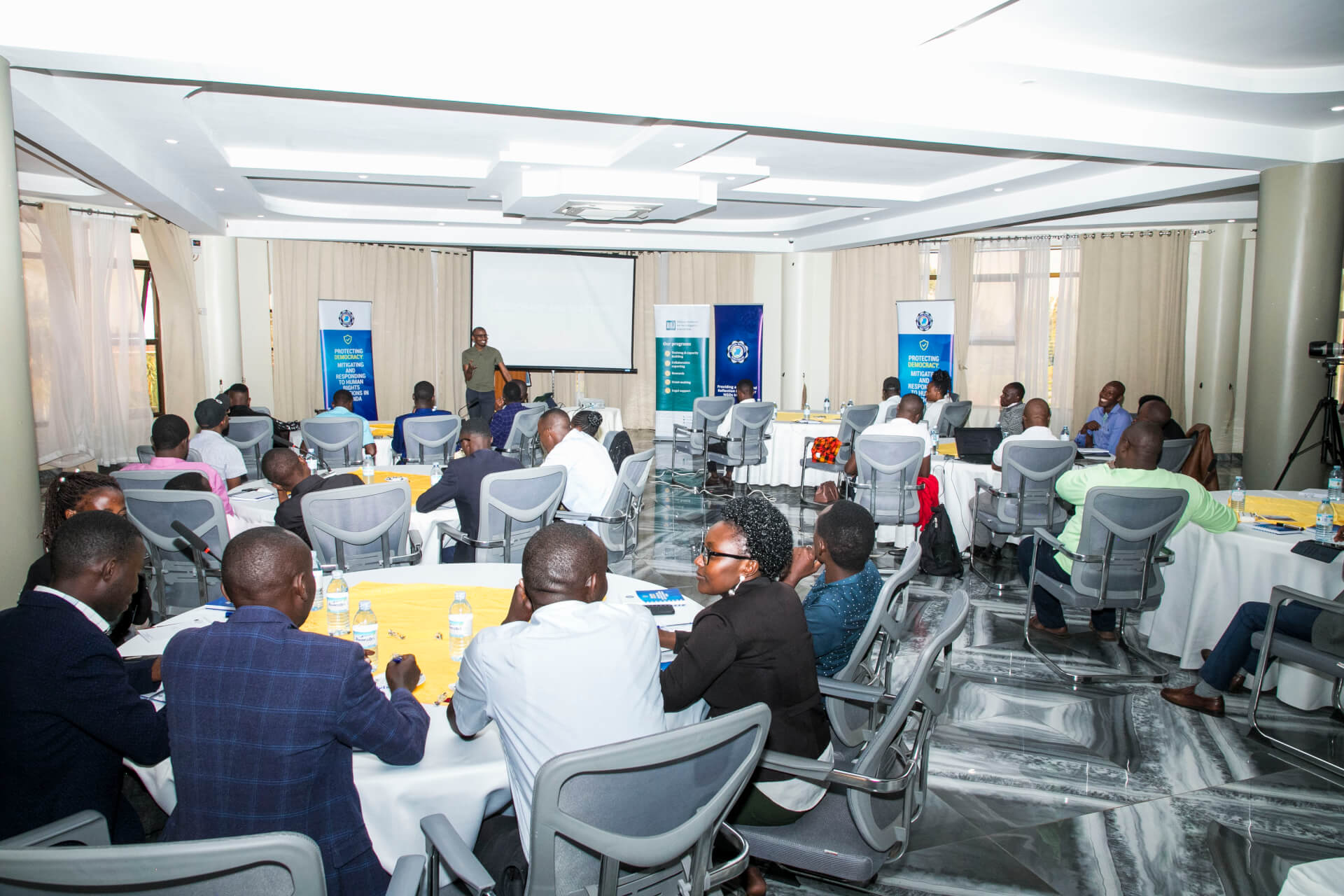
A result is that communications relied on by NGOs and the aid industrial complex have become imbued with neo-colonial, sexist and racist terms. These create and maintain power imbalances with formulations that are insensitive to many involved. Discover this tool developed by Ringo in partnership with Forus member in Uganda, UNNGOF, using AI to try to transform the use of language in the sector, both by abolishing neo-colonial or other inappropriate language, and by enabling people to communicate in their local language. This tool searches and replaces flagged words and phrases with alternative words or phrases with an explanation. By using it, you are part of the change-making team making inclusive communication the norm, not the exception.
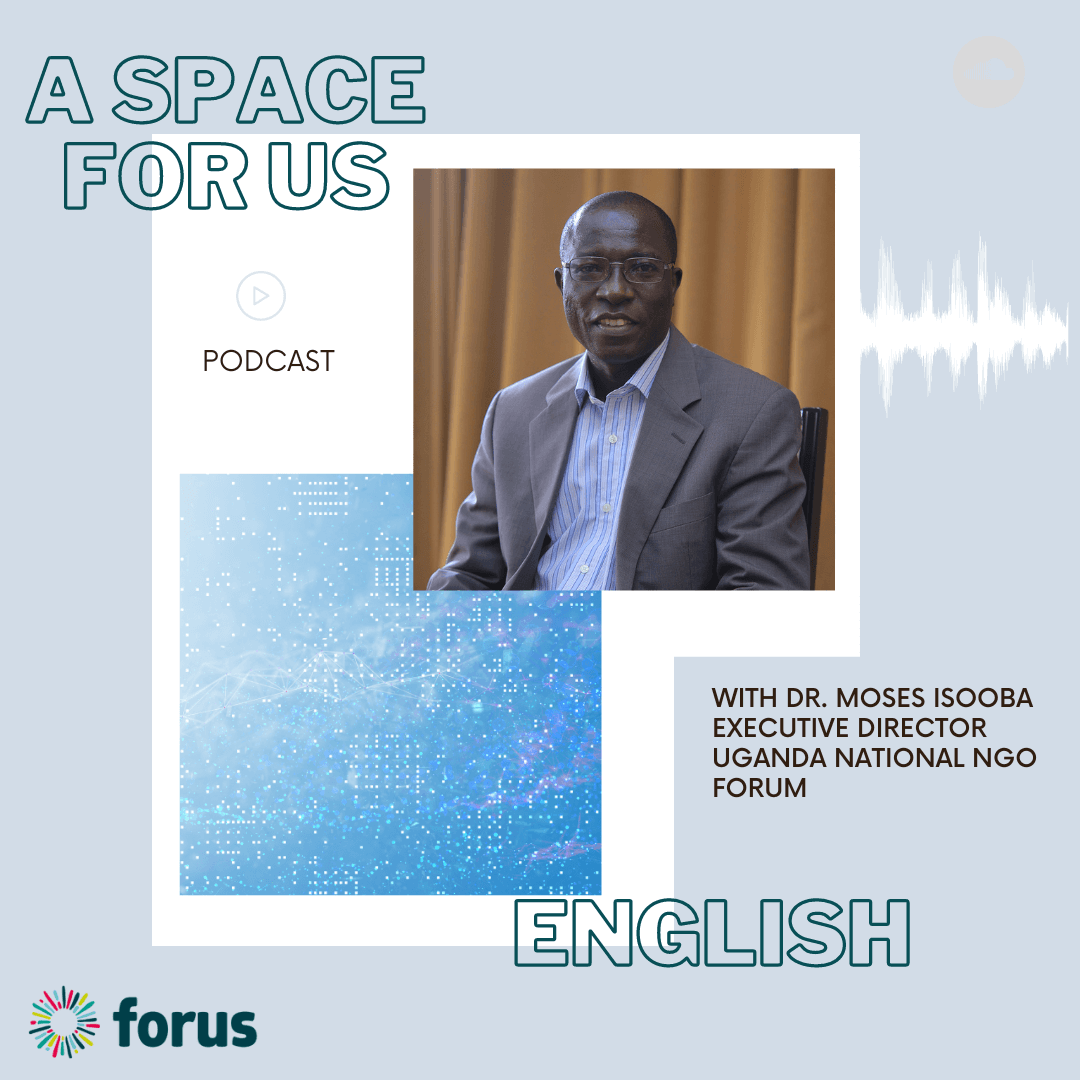
EN - AI to decolonise language and capacity development
THE CHALLENGES
- One of the main reasons why civil society activists are starting to build” alternative narratives” is because of the growing realisation that the dominant narratives are undermining activism. The dissemination of these increasingly dominant and negative narratives, targeted especially at human rights and gender activists, as well as environmental defenders, is used by different groups to keep certain ideas or sets of existing power relations in place.
- The popularization of these negative narratives often results in less public support and protection being available for campaigners and activists when they are subjected to attacks, or where efforts are made to undermine or to restrict their public interest work. Narratives are a form of power that can mobilize and connect, as well as divide and isolate.
- A failure by civil society organisations to communicate the importance of their work in terms that can be understood by those outside of the democracy, human rights and development fields can have serious implications.
CHANGING PRACTICES
- An increasing number of civil society organisations believe that they can encourage much greater levels of public understanding of, and support for their work through building their own alternative and positive narratives. This will contribute to creating a stronger societal foundation for the public interest work of civil society and ensure greater public protection for activists and campaigners from unwarranted attacks.
- Civil society organisations who have led the work on alternative narrative- building also emphasise the importance of not “imposing “ narratives on different groups and constituencies but rather co-constructing narratives.
- The overall aim of alternative narrative building is to positively influence public perceptions and attitudes, and this takes time. It is important that alternative narrative building initiatives adopt a longer-term approach.
- Language matters. Whether the audience is at the international, national, or local level, the message of civil society and their members needs to be decolonised, simplified and more direct.

/ Podcasts
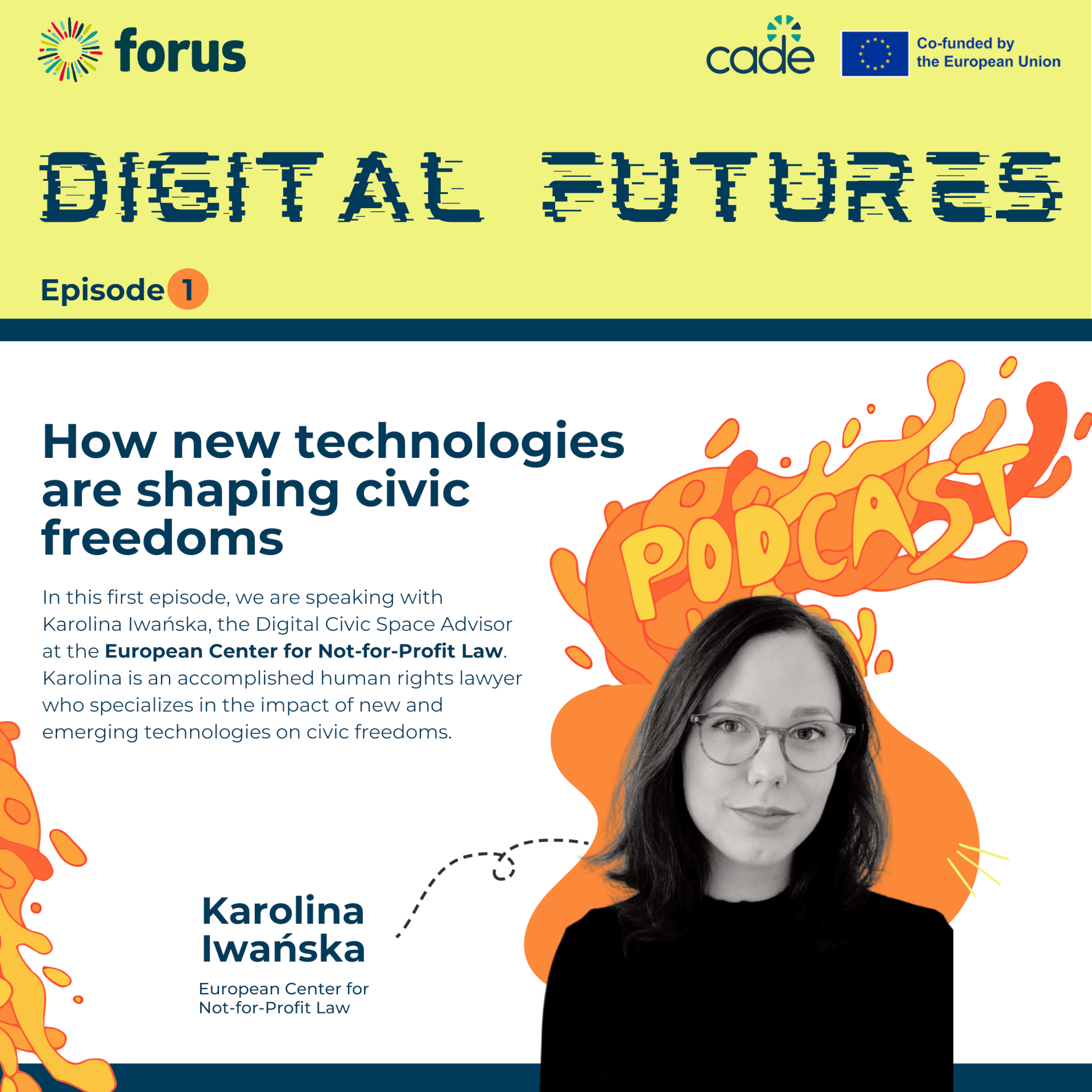
Mon 9 Dec 2024
Digital Futures: How new technologies are shaping civic freedoms
Fri 21 Feb 2025
#MarchWithUs - In a conversation with the 1 for 8 Billion campaign
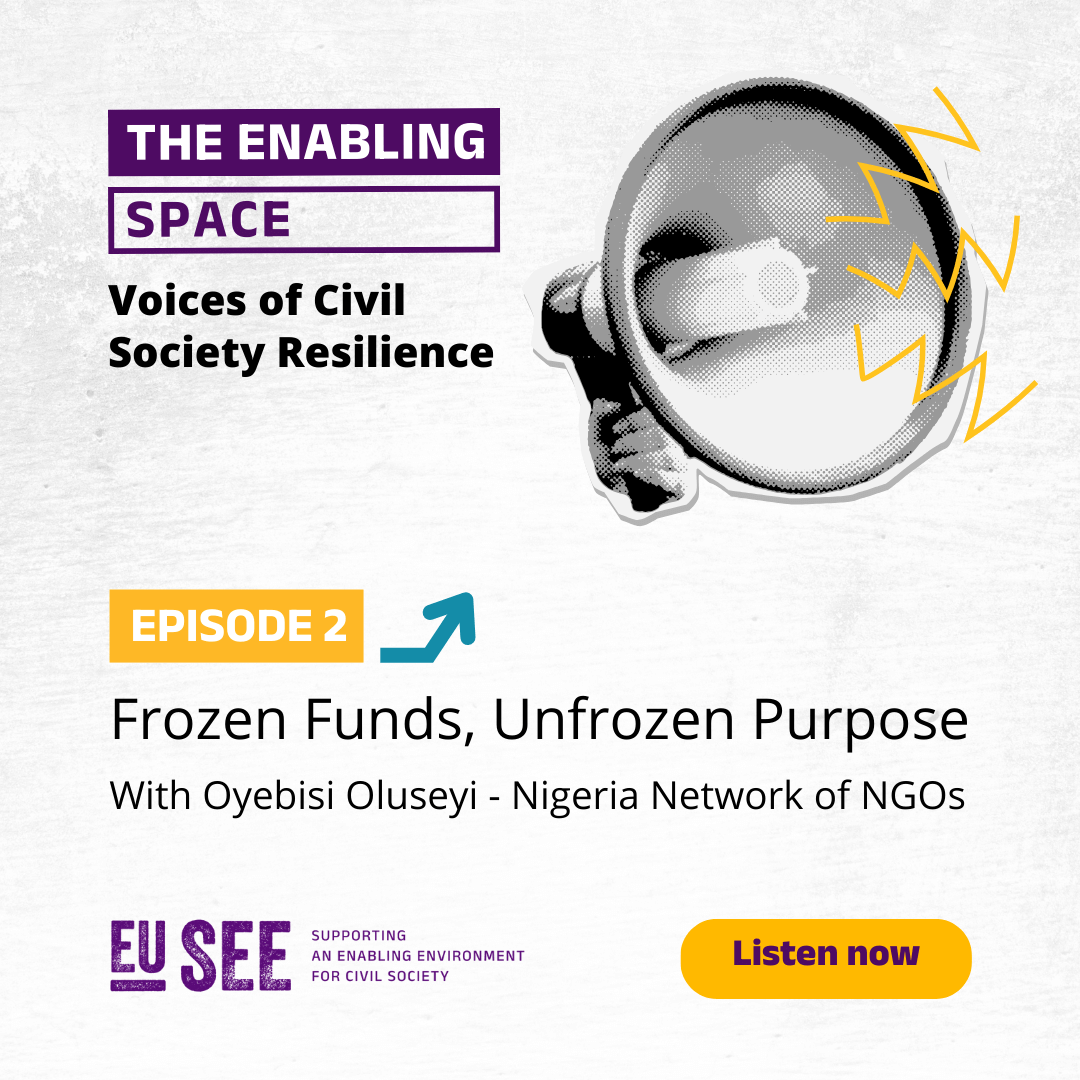
Mon 5 May 2025
Frozen Funds, Unfrozen Purpose with the Nigeria Network of NGOs

Thu 5 Jan 2023
EN - Changing narratives about civil society in India

Thu 5 Jan 2023
FR - Droits humains et le projet Rary Aro Mada au Madagascar
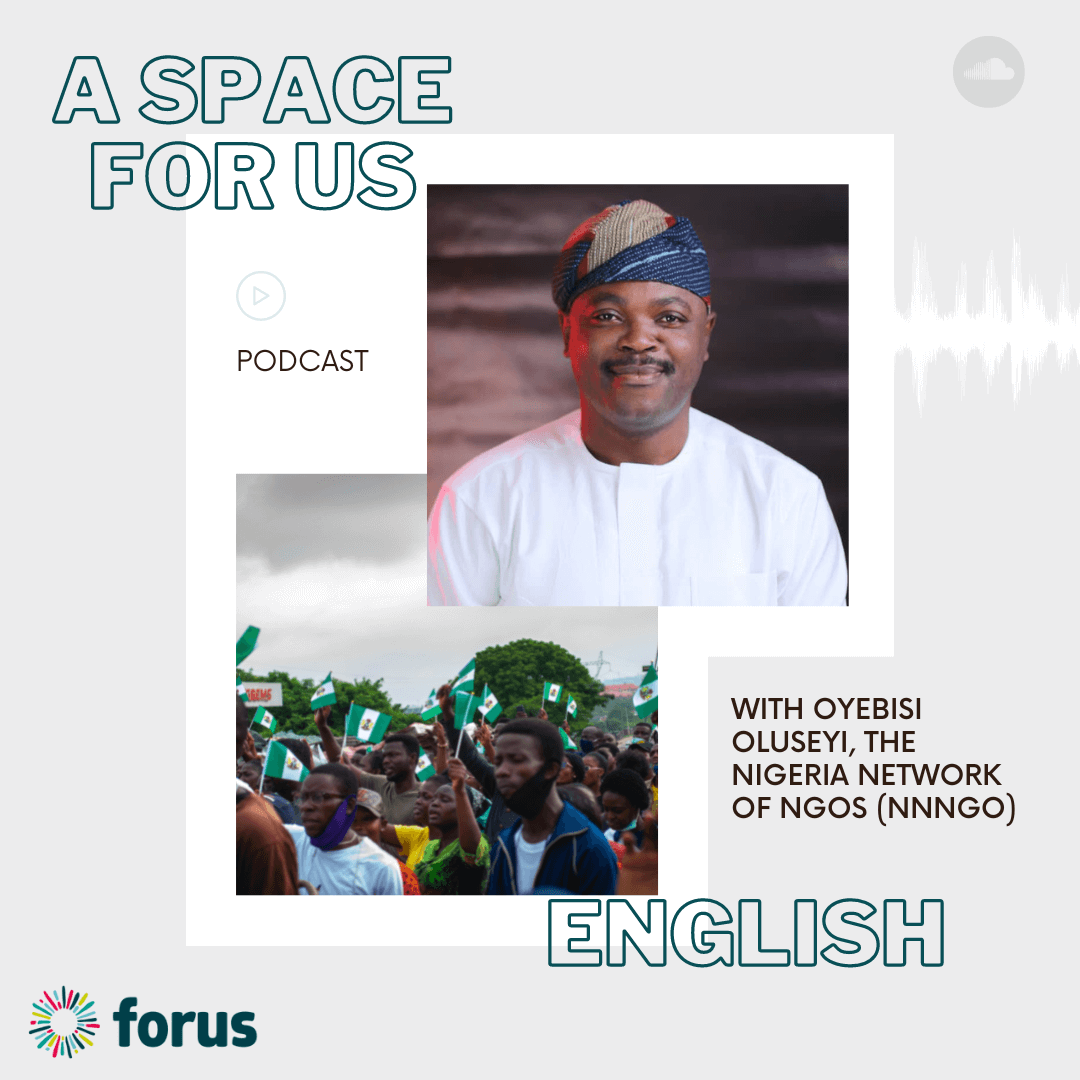
Tue 13 Dec 2022
EN - Civic Space and Accountability in Nigeria
/ ARTICLES