©Forus
Influence

Enabling environment
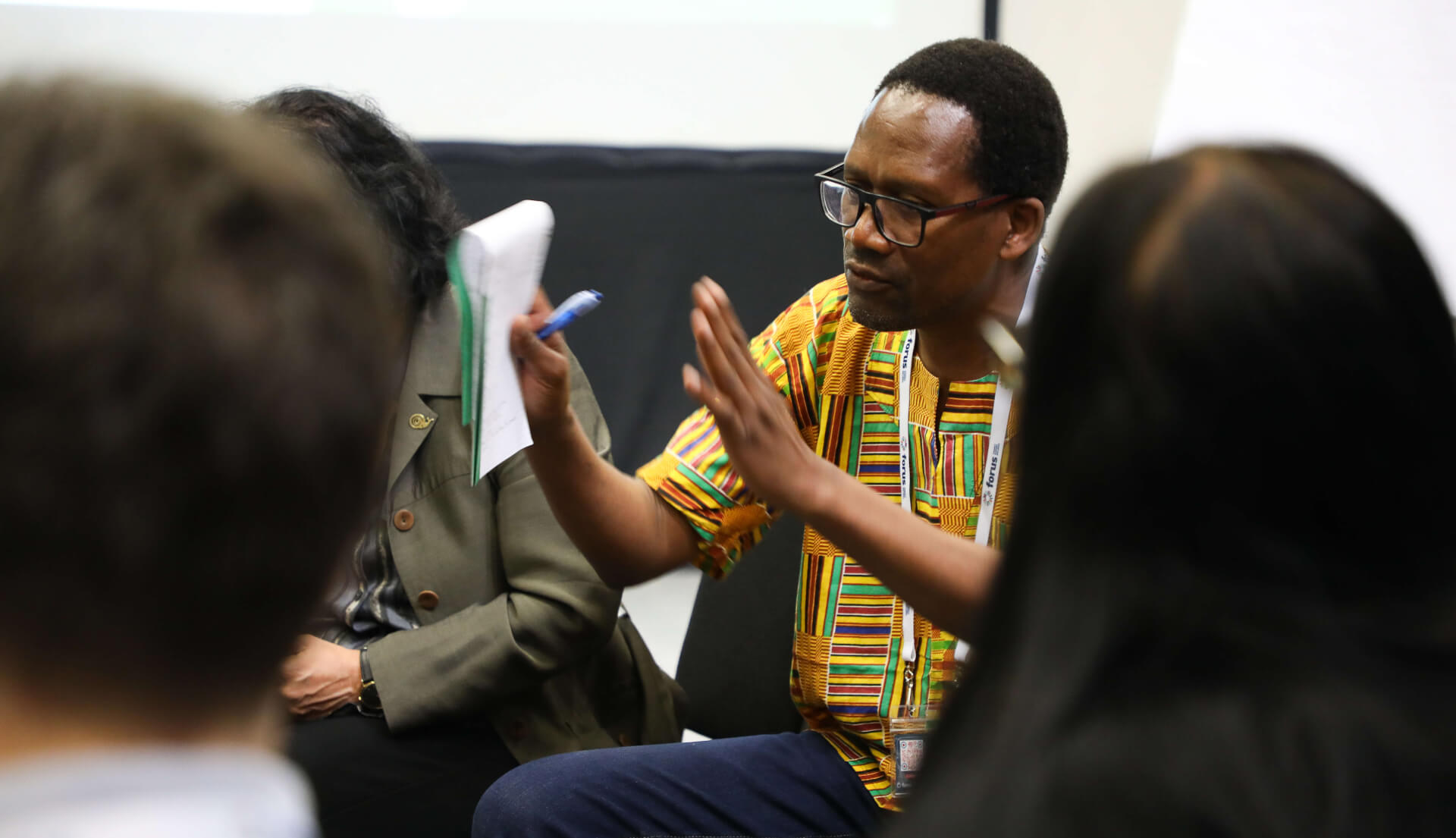
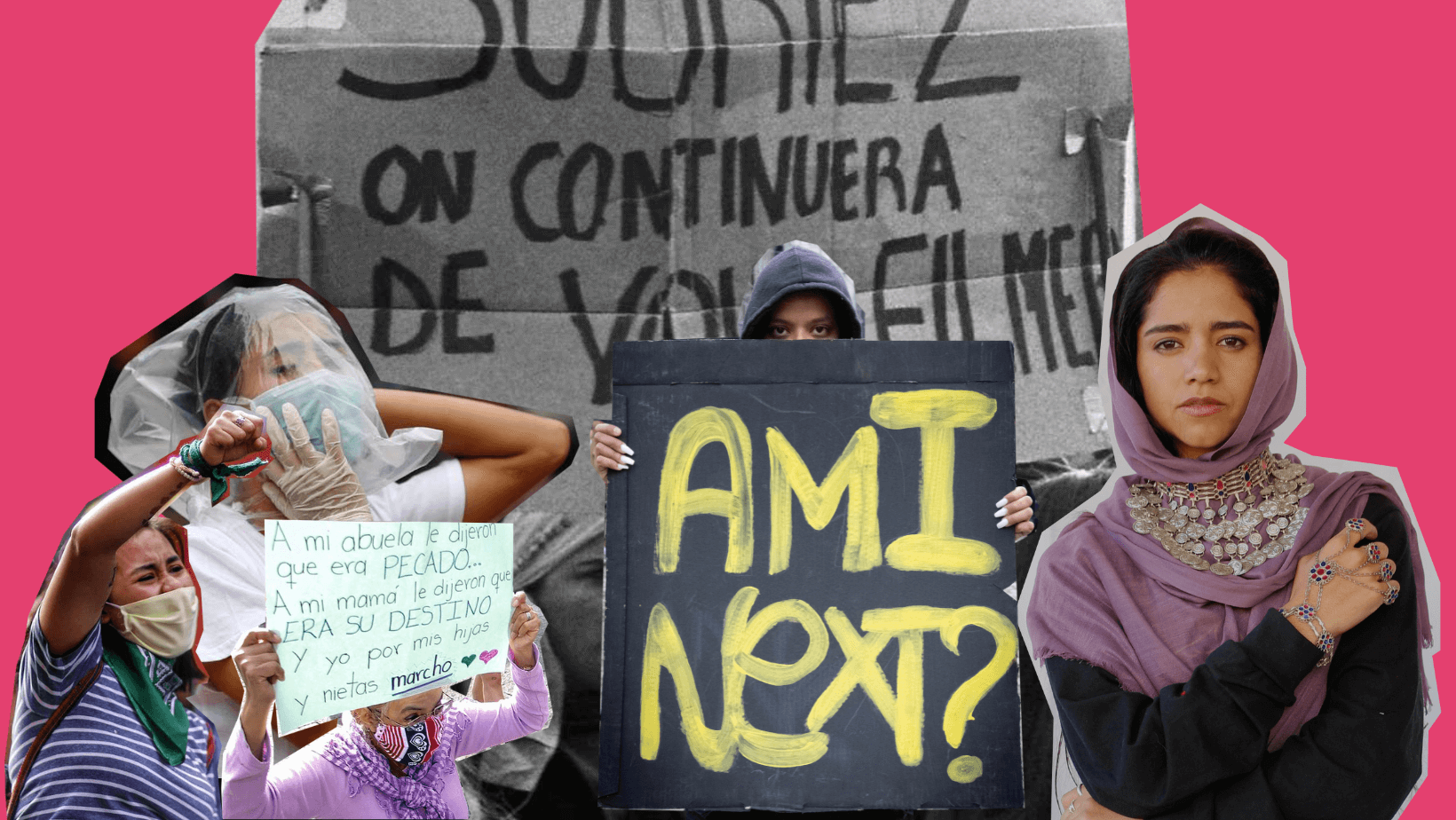
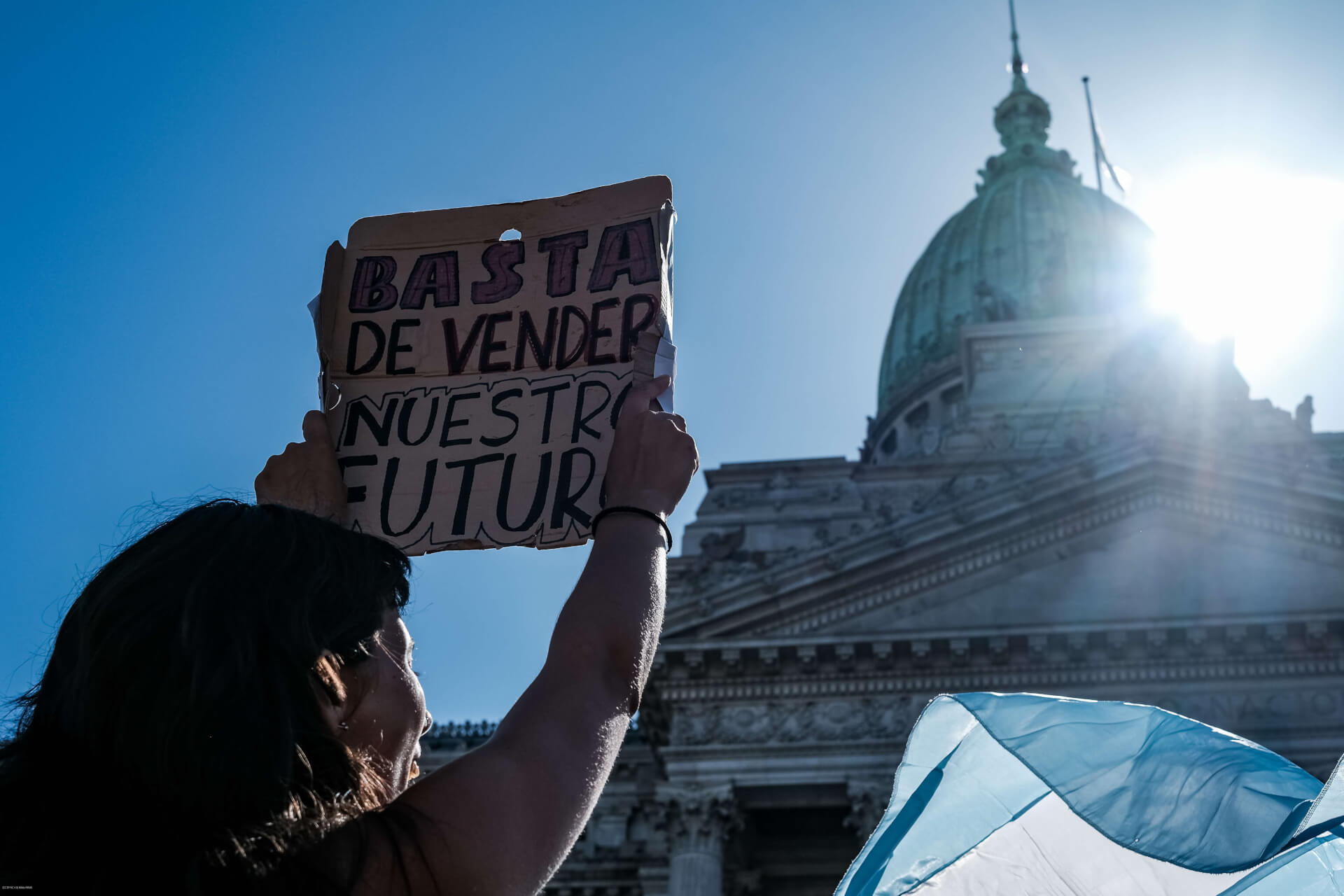
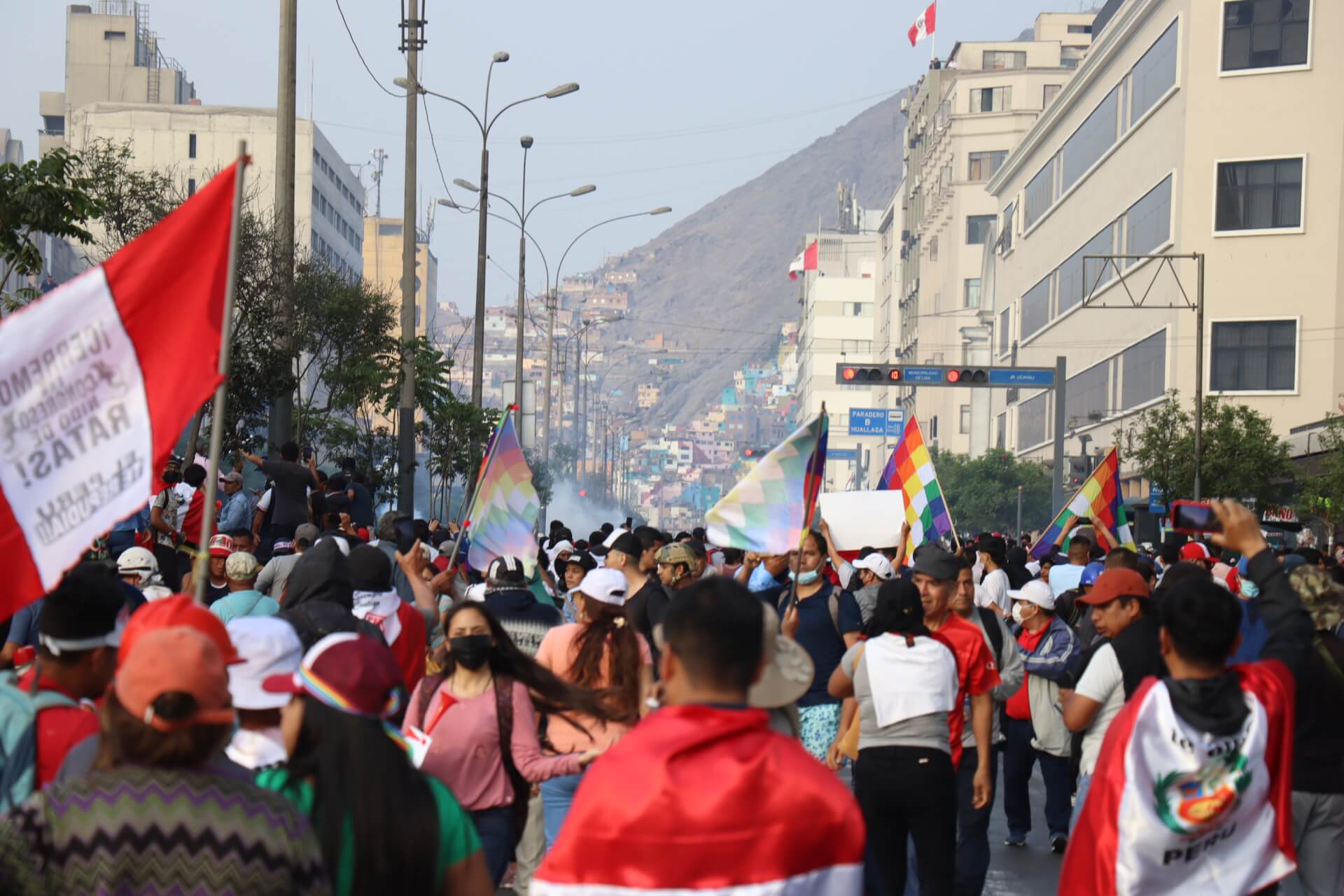
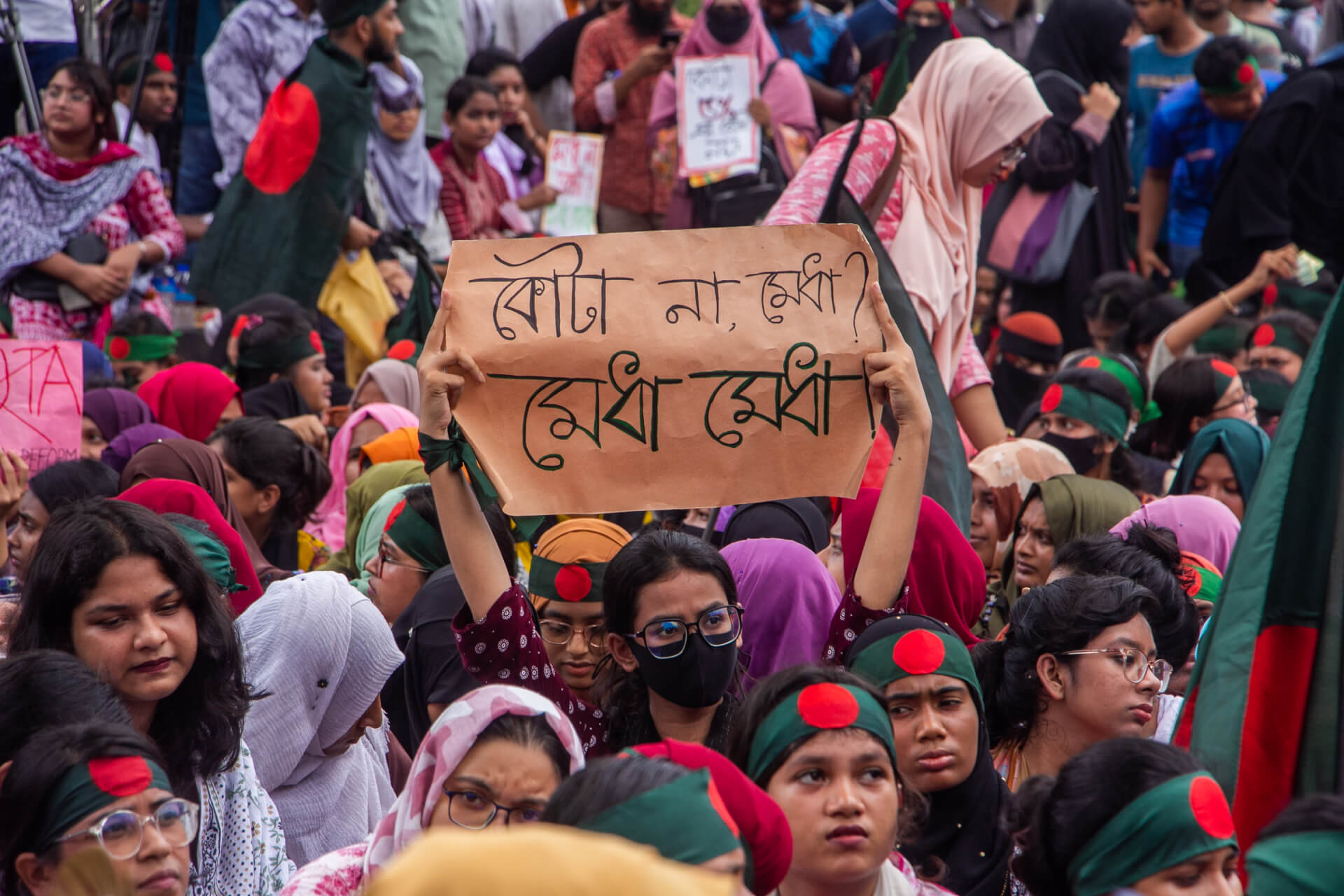
Civil society's work is increasingly challenging worldwide. Only 7.5% of platforms in a recent Forus study reported that their governments effectively support civil society organizations with capacities and resources.
An important part of Forus’s work is to advocate for an enabling environment for CSOs around the world.
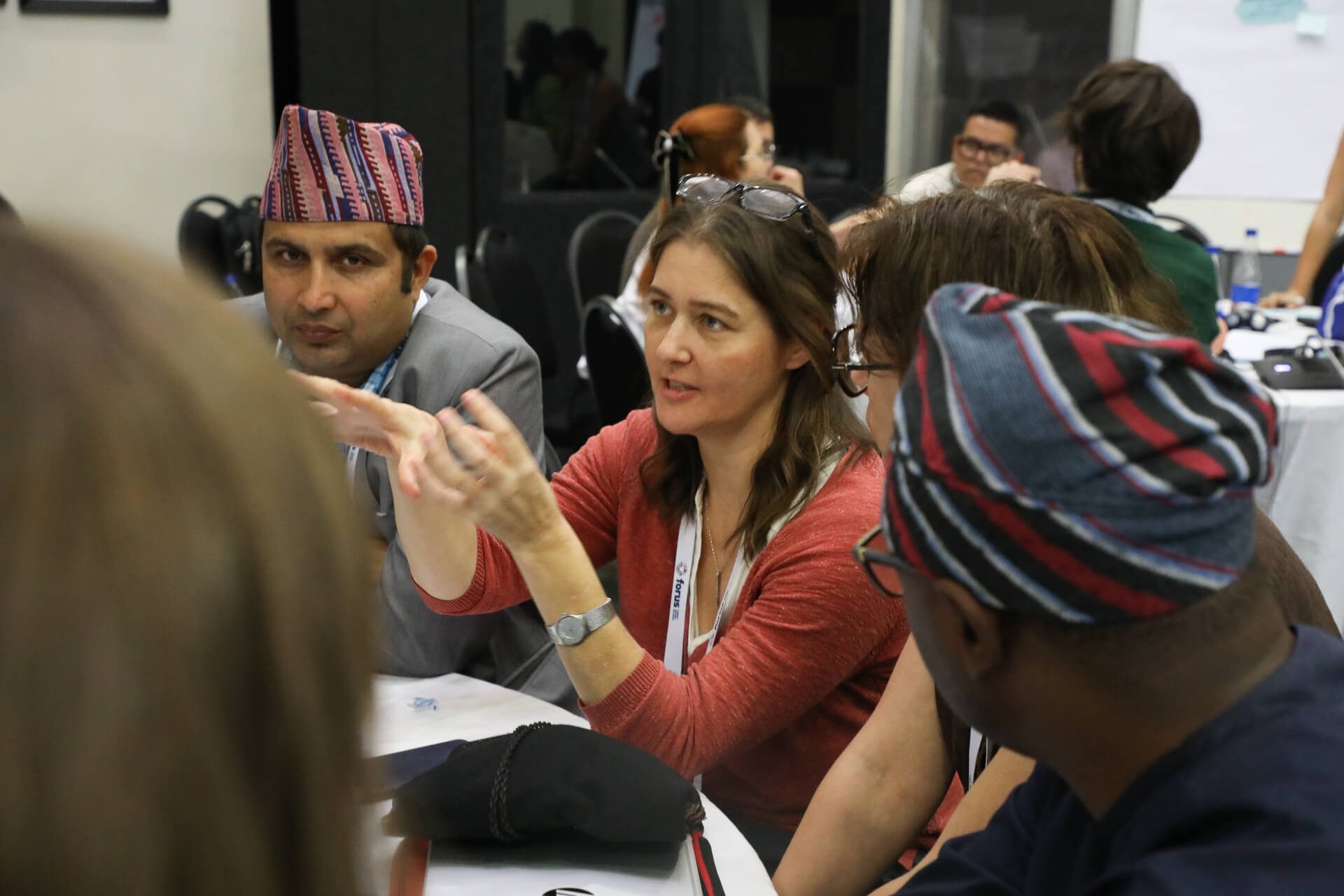
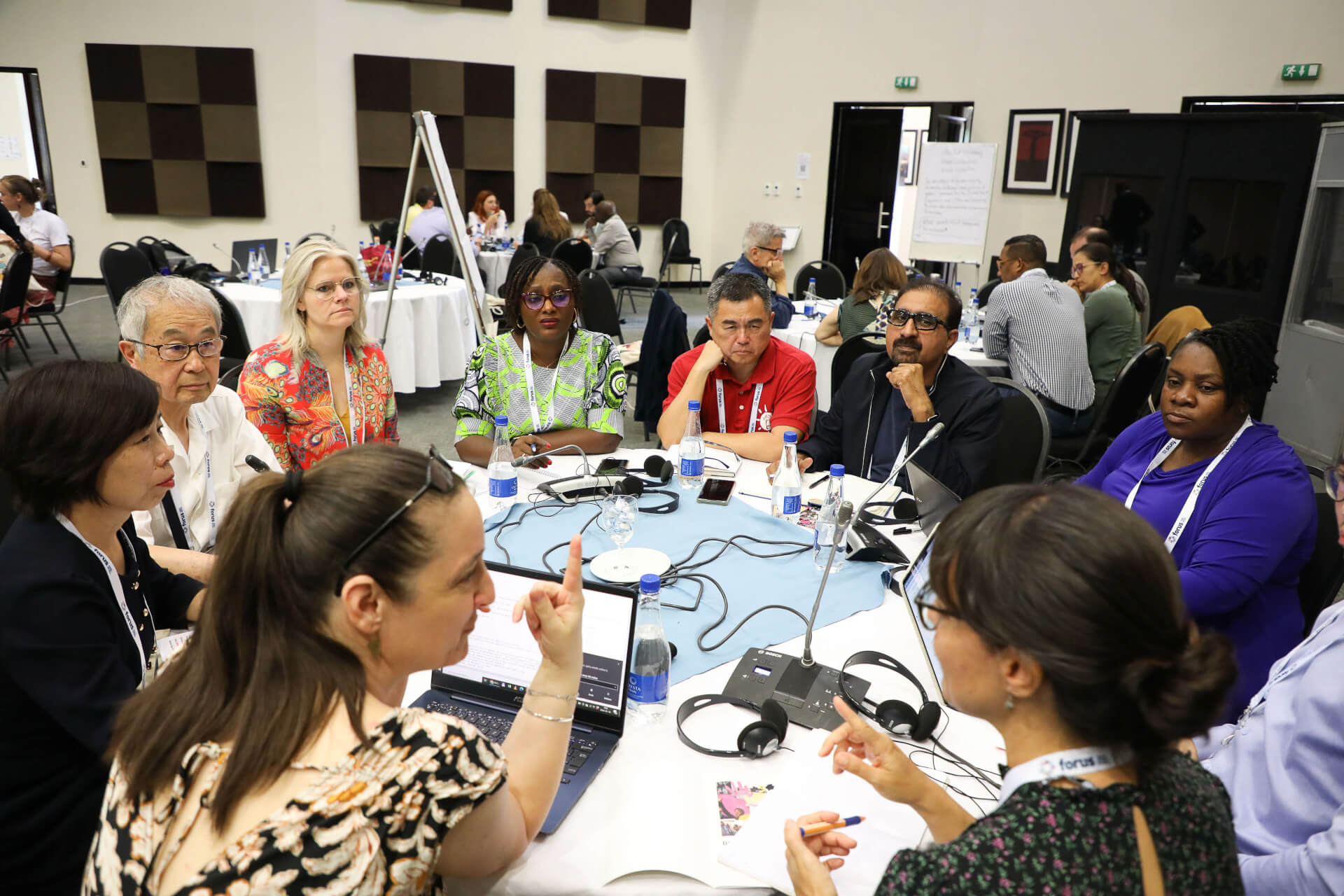
In response to shrinking civic spaces and funding restrictions, Forus acts as a bulwark to protect and defend an enabling environment for civil society. This includes building solidarity networks in polarized political contexts, advocating for digital rights and the regulation of emerging technologies like AI and much more. Additionally, Forus creates spaces for dialogue and capacity-strenghtening opportunities to help members better navigate challenges and enhance their ability to protect rights.

©Sebastian Barros
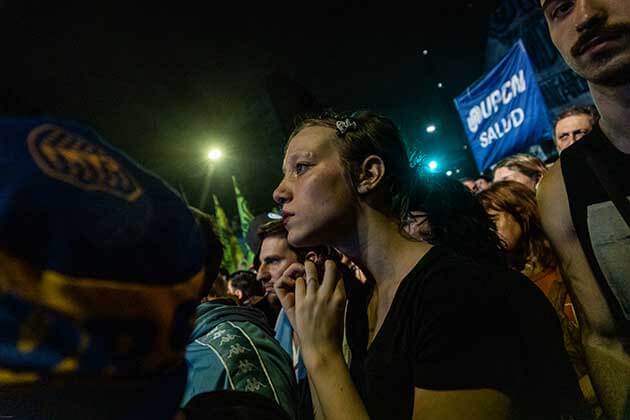
Civic Space Online and Offline
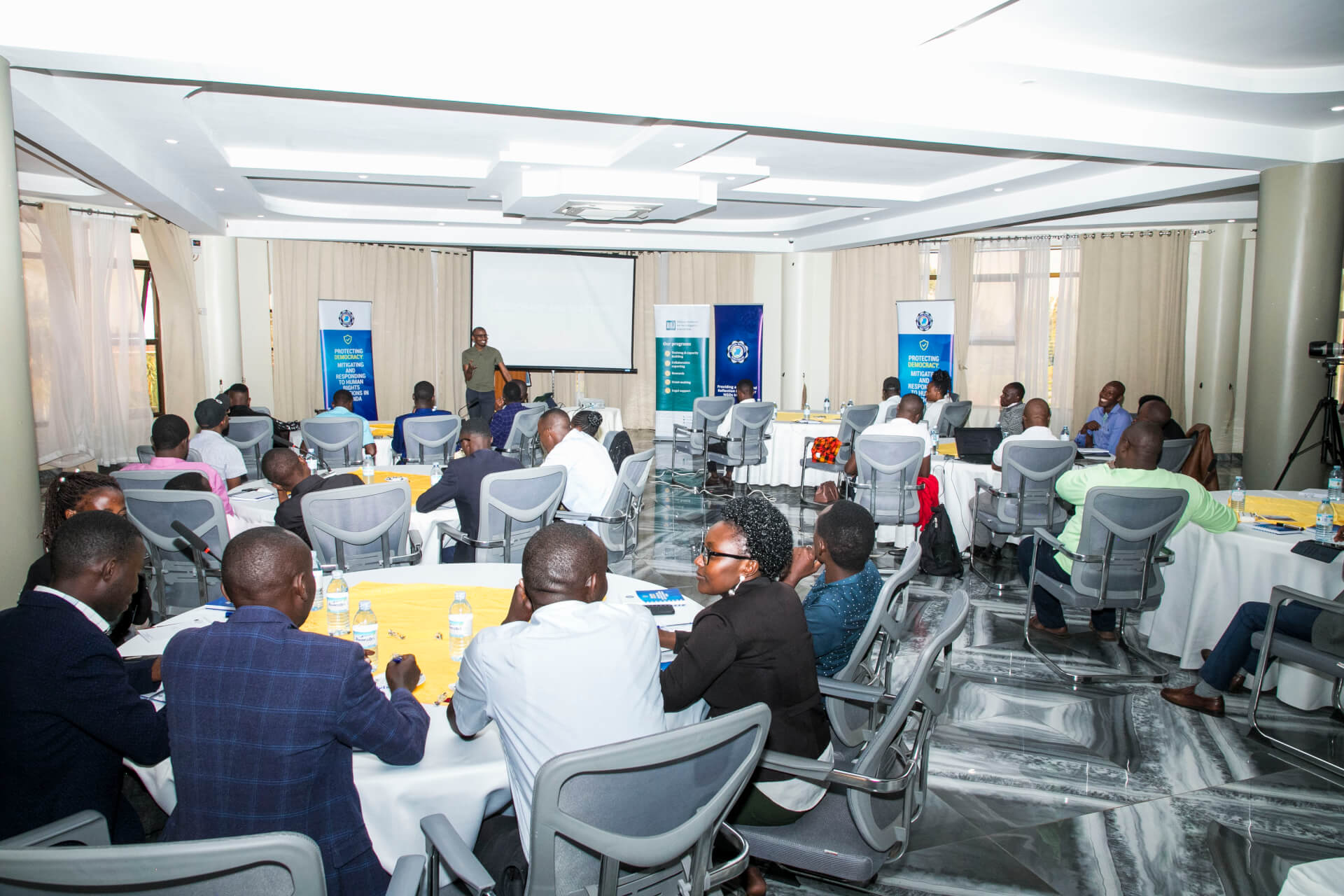
With the EU System for an Enabling Environment for civil society and several member-led initiatives, Forus supports civil society organisations and their capacities to operate in safe environments. As partners in the CADE consortium, we enhance the capacity of CSOs to advocate for digital rights in internet governance forums.
Creating Positive Narratives
Forus is leading a global initiative on positive narratives fighting against dominat narratives and misinformation undermining the work of civil society organisations and activists worldwide.

Access to funding and capacity strenghtening
Forus supports its members and advocates for an environment in which civil society can access resources and capacity strenghtening to continue operating effectively.
/ Campaigns
See all
The Forus Network's Role
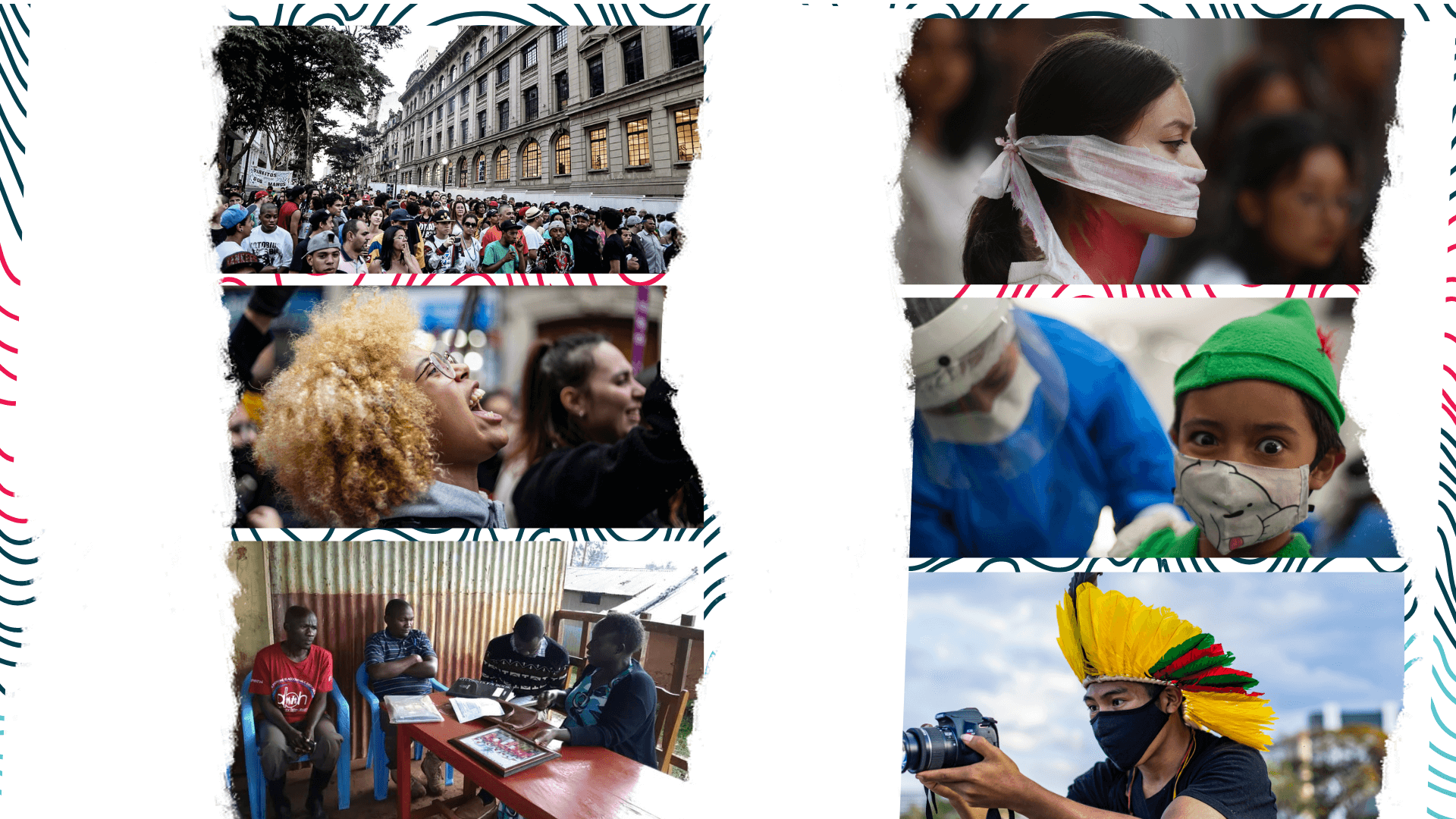
Forus advocates for an enabling environment for CSOs at the global, regional, and national levels. Our work focuses on:
-
Supporting Members Under Pressure: Forus provides crucial support to national NGO platforms facing restrictive environments. This includes sharing best practices, strategic advice, and practical resources to address legal, administrative, and operational challenges.
-
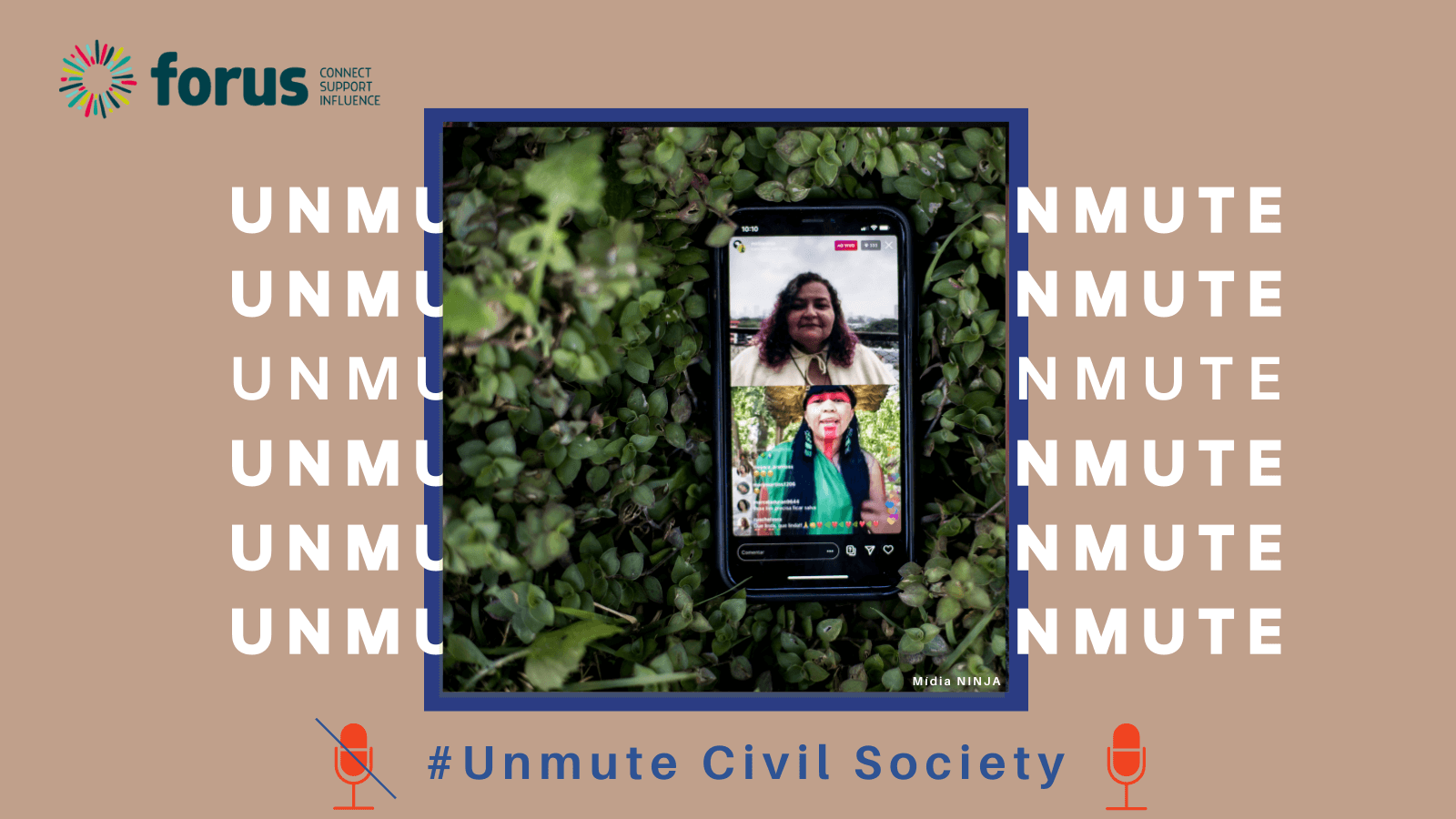
Global Advocacy and Policy Engagement: Forus plays a key role in global advocacy, including contributing to the OECD DAC recommendation on the empowerment of civil society and the revision of the Rome Declaration on SDG 16. Forus also actively participates in global initiatives like the #Let’sTalkDigital campaign and #UNMute initiative, promoting inclusive online and offline spaces for civil society.
-
Capacity Strengthening and Resource Development: Through initiatives like the Forus Solidarity Compendium, Forus provides tools and guidance on navigating shrinking civic spaces, advocating for change, and building strategic partnerships for its members. This includes comprehensive resources on campaign planning, media engagement, and addressing reprisals.
-
Monitoring and Responding to Civic Space Restrictions: In collaboration with 8 other civil society partners, Forus is part of the EU SEE project, funded by the European Union, which monitors laws, administrative practices, and the digital environment affecting CSOs. This project supports local organizations with funds and solidarity networks to respond to restrictive actions.
-
Highlighting the Role of CSOs: Forus showcases the vital contributions of CSOs worldwide, advocating for their recognition and support in governance structures. This includes documenting the role of civil society during crises, such as the COVID-19 pandemic, developing recovery and sustainability plans, and countering negative discourses and/or misinformation on the work produced by CSOs worldwide.
-
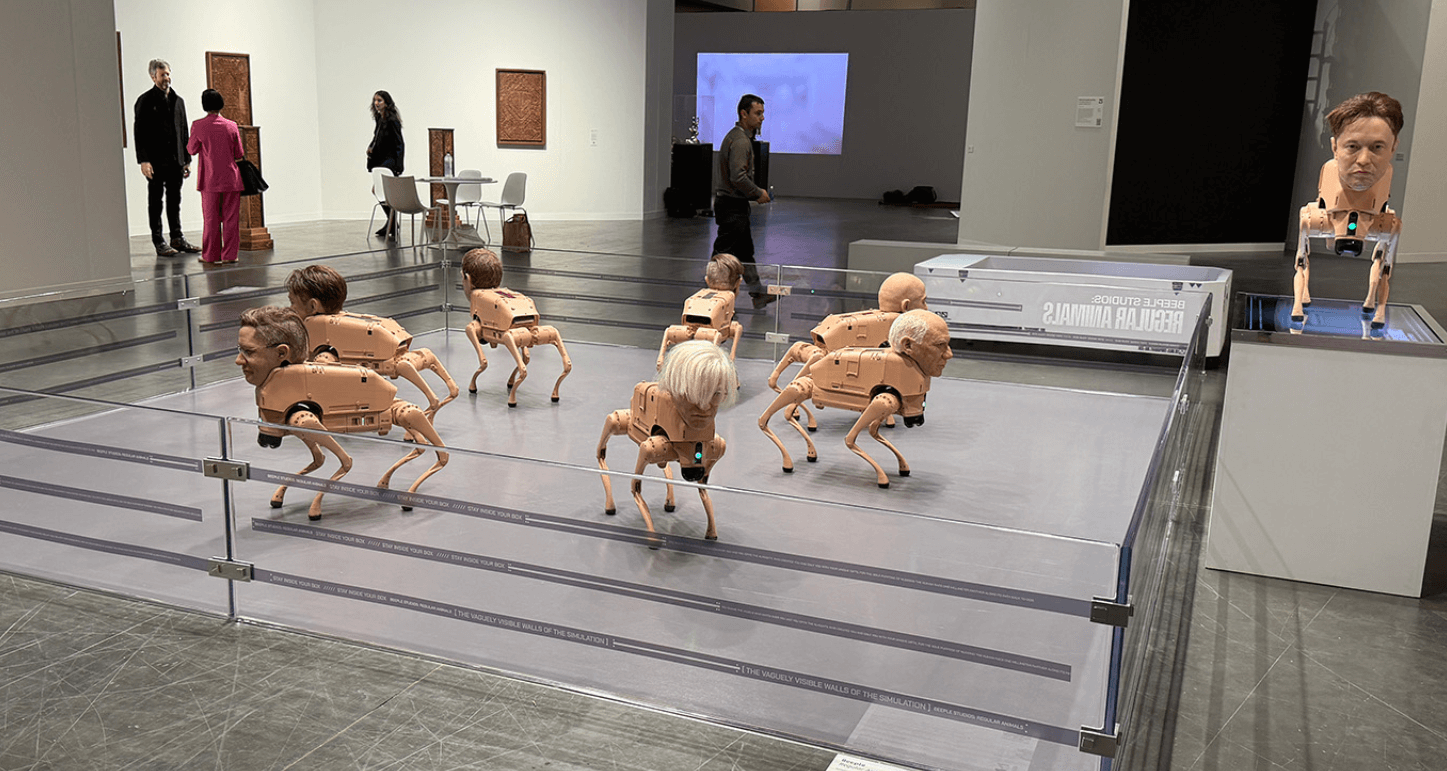
Promoting Digital Rights and Regulations: Forus emphasizes the importance of digital technologies in civic participation and advocates for human-centric internet governance policies. This includes addressing challenges like online surveillance, disinformation, and the potential risks of emerging technologies like AI. Forus is part of the CADE consortium which aims to enhance the capacity of CSOs for effective advocacy in multilateral and multistakeholder internet governance processes. It calls for inclusive participation, particularly from the Global Majority.

©Sebastian Barros/Forus
Forus Key Initiatives and Projects promoting an enabling environment for civil society both online and offline.
From EU SEE protecting civic freedoms worldwide to CADE on CSO engagement in digital governance and UNMute calling for more space across the UN system learn more about our projects and initiatives.

/ PUBLICATIONS
Thu 4 Jul 2024
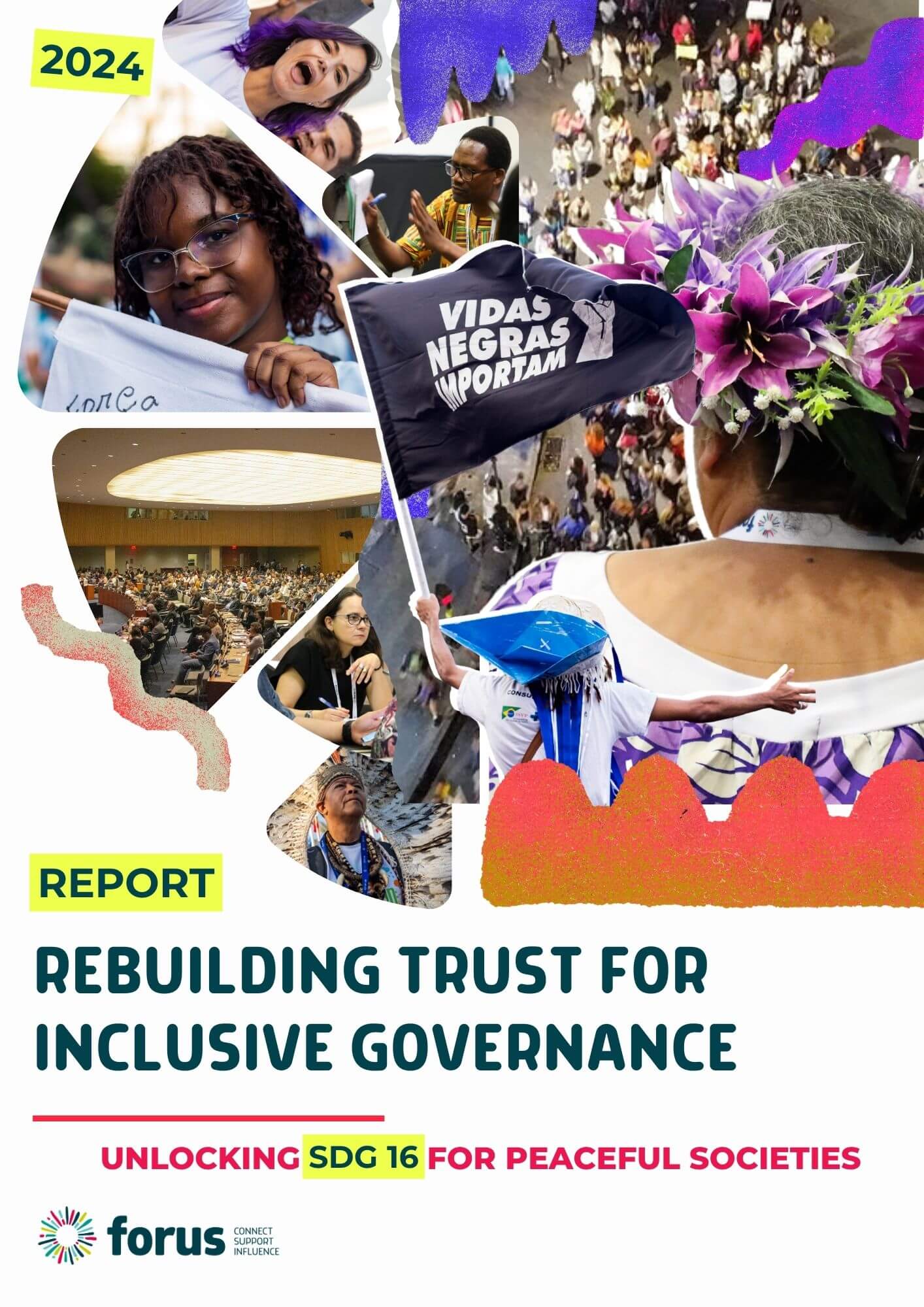
Rebuilding Trust for Inclusive Governance - Unlocking SDG 16 for Peaceful SocietiesIn 2015, the international community embarked on an ambitious journey with the adoption of the 2030 Agenda for Sustainable Development, setting forth 17 SDGs to create a world that is just, peaceful, and prosperous. Central to this transformative agenda is SDG 16, which aims to promote peaceful and inclusive societies, ensure access to justice for all, and build effective, accountable, and inclusive institutions at all levels. In this report Forus members analyse the status of implementation of SDG 16 and share experiences for the way forward.
Wed 18 Oct 2023
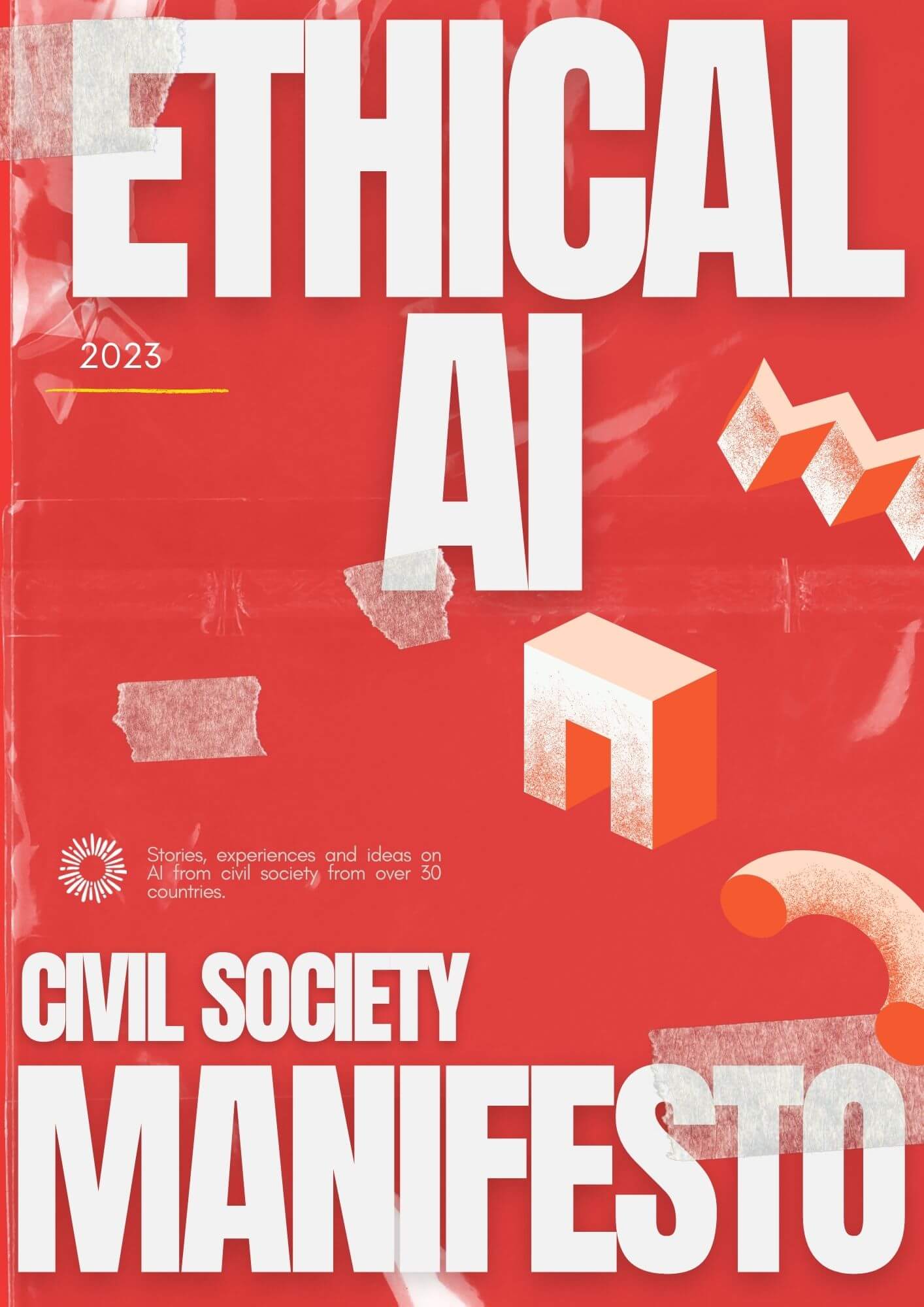
Civil Society Manifesto for Ethical AIDeveloped with over 50 Forus members and partners, the multilingual Civil Society Manifesto for Ethical AI includes 17 case studies and was created with organisations from over 30 countries. Discover it during the official launch on December 6.
Tue 5 Jul 2022
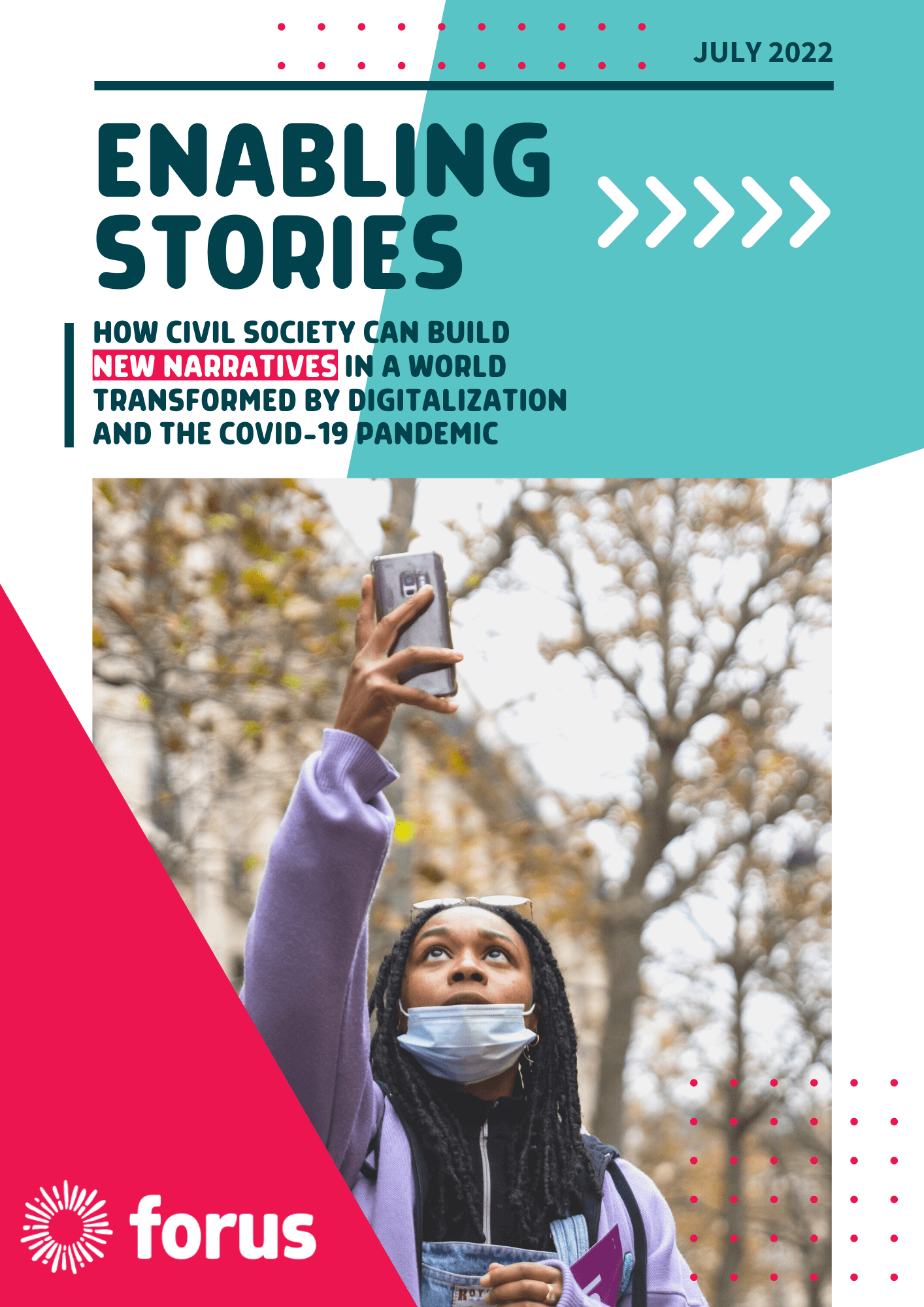
Enabling Stories - How civil society can build new narratives in a world transformed by Digitalization and the Covid-19 PandemicThe aim of this report is to examine two key factors which have been rapidly transforming civic space across the world in recent years, often negatively impacting the rights and freedoms of activists and civil society practitioners and their operating environments. These factors are, firstly, the COVID 19 global health pandemic and secondly, the accelerating global process of digitalization.
Tue 23 May 2023
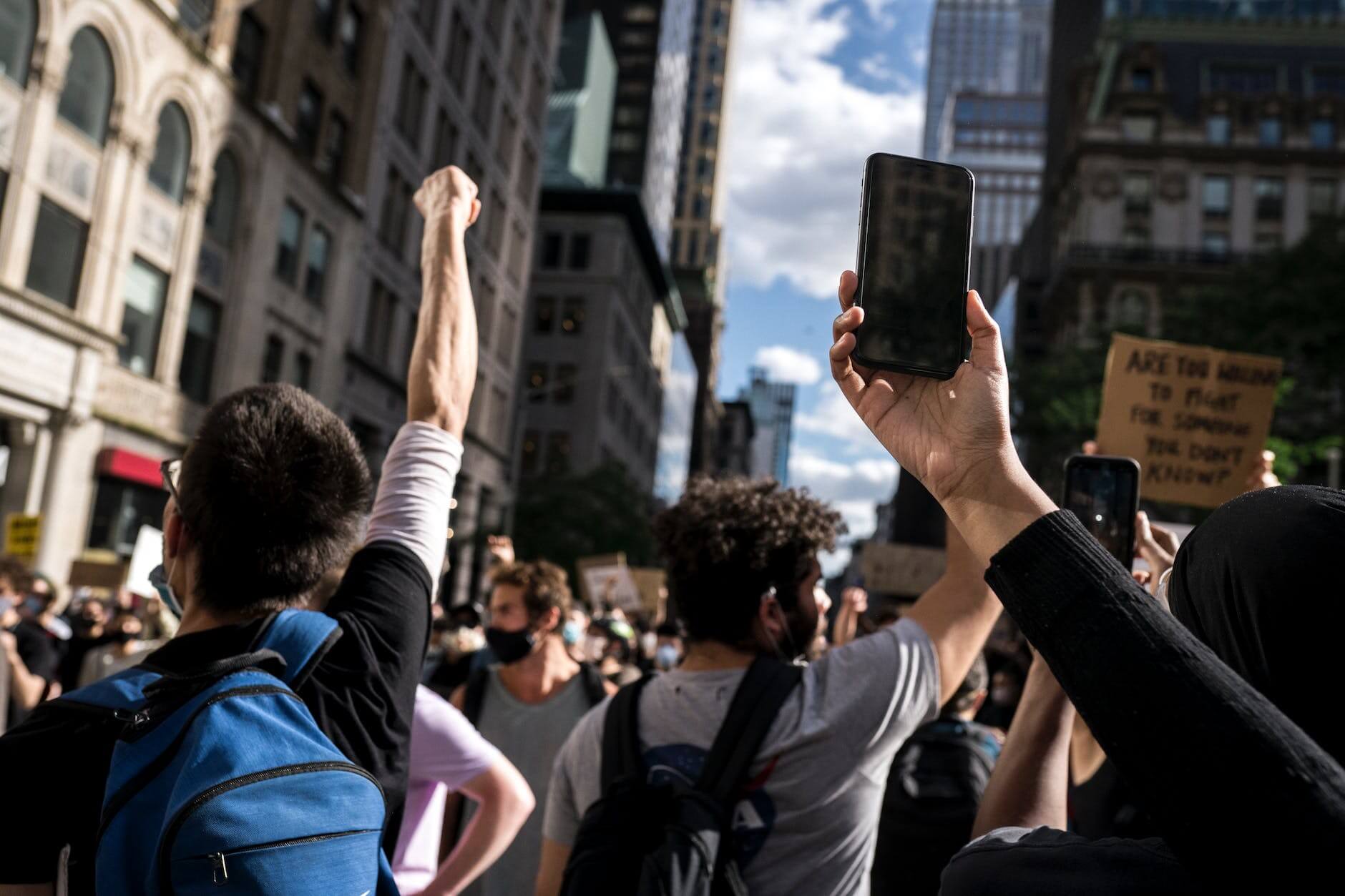
State of Digital Inequity ReportThis report explores the results of the largest ever survey of civil society’s digital haves and have-nots.
Tue 29 Jun 2021
Towards an Enabling Digital Environment for Civil Society - Short VersionThe purpose of this report, “Towards an enabling digital environment for civil society”, is to highlight the impacts of digitalisation experienced by our civil society members; to explore risks and important opportunities; and to advocate for an inclusive, human-rights-based and democratic form of digitalisation that will empower and enable rather than restrict and repress.
Agenda 2030 - HLPF - Influence
Mon 21 Dec 2020
A Scoping Study of CSO Platforms’ Experiences In Promoting an Enabling EnvironmentHOW CAN WE BEST PROMOTE AN ENABLING ENVIRONMENTFOR CIVIL SOCIETY AROUND THE WORLD?
Forus Publication
Thu 31 Dec 2020
Realizing the potential of Goal 16 to promote and protect civic spaceCivil society will face significant challenges in fulfilling the role it has been mandated by the 2030 Agenda without access to adequate civic space, and an enabling environment in which to operate. Current research suggests that civil society in over half of the countries of the world is facing serious restrictions on its freedom to engage, express itself and be heard. This report based on 18 case studies raises the awareness of members of the potential of Goal 16 of the 2030 Agenda to be used as a lever for creating greater political space for civil society, and to enable it to contribute more effectively to monitoring and implementing the 2030 Agenda. Finally the results of these case studies are likely to contribute to the development of new civic space indicators which will measure the efforts of UN Member States to “protect fundamental freedoms” in accordance with international human rights standards and national human rights laws.
Forus Publication
2018
Promoting an enabling environment for philanthropy and civil societyPhilanthropic freedom and civic space more broadly are under attack and must be defended and promoted through a prompt and concerted response of the philanthropic, civil society and NGO sectors.
Thu 4 Sep 2025
Understanding the EU Global Gateway - FAQA quick guide to help civil society understand the EU’s Global Gateway, its goals, and what it means in practice.
Thu 17 Jul 2025
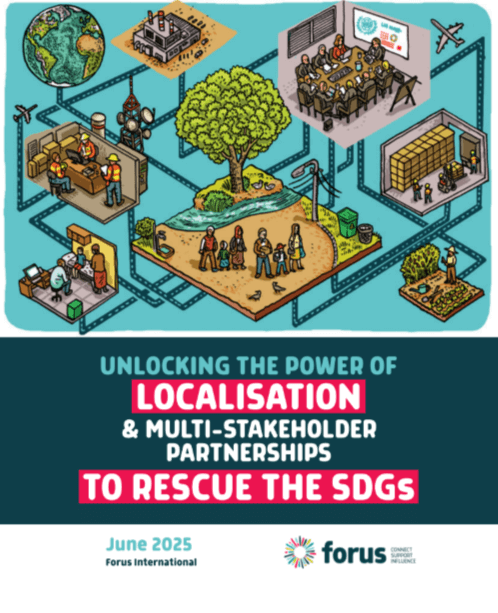
Unlocking the power of localisation and multi-stakeholder partnerships to rescue the SDGsDiscover 15+ powerful case studies from across five regions in the Forus network, showcasing how local communities are reshaping the path to achieving the Sustainable Development Goals (SDGs). This groundbreaking report offers practical strategies to reorient SDG implementation from the ground up — prioritising inclusive, locally driven, and community-owned approaches.

Wed 6 Aug 2025
Co-ordinating Action for Civic SpaceThis toolkit offers practical guidance to adherents to the OECD Development Assistance Committee (DAC) Recommendation on Enabling Civil Society in Development Co-operation and Humanitarian Assistance. It helps them implement the Recommendation’s provisions pertaining to respecting, protecting and promoting civic space in partner countries. It focuses on how providers can co-ordinate –with civil society, within provider governments, among providers, and with international bodies and other development actors– to protect and promote civic space, while recognising the need to co-ordinate with partner-country governments throughout.
Thu 10 Jul 2025
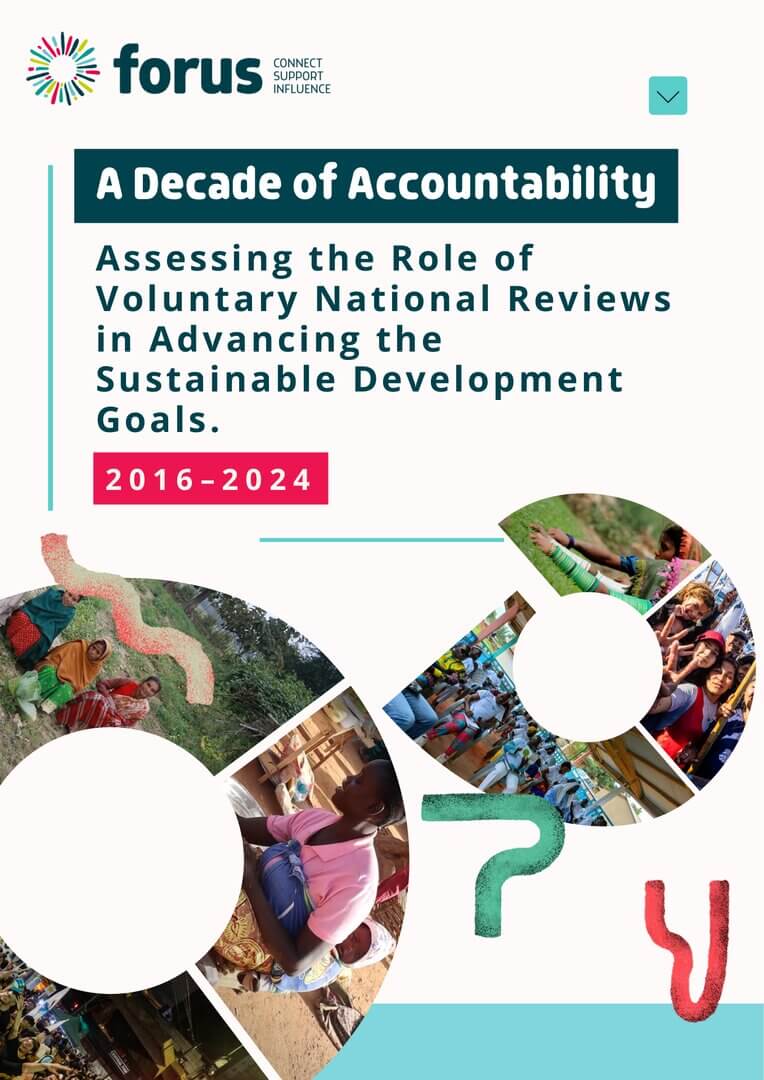
A Decade of Accountability - Assessing the Role of Voluntary National Reviews in Advancing the Sustainable Development Goals.Since their inception in 2016, Voluntary National Reviews (VNRs) have served as a key accountability tool for monitoring progress on the Sustainable Development Goals (SDGs). Designed as country-led and voluntary mechanisms, VNRs aim to peer learning, track national progress, and identify policy gaps, ensuring that governments remain accountable to their commitment to the Agenda 2030. In this report we assess both what has worked and what hasen't in these past 10 years with case studies from national platforms across the Forus network.
/ Articles
See all


/ Podcasts
See all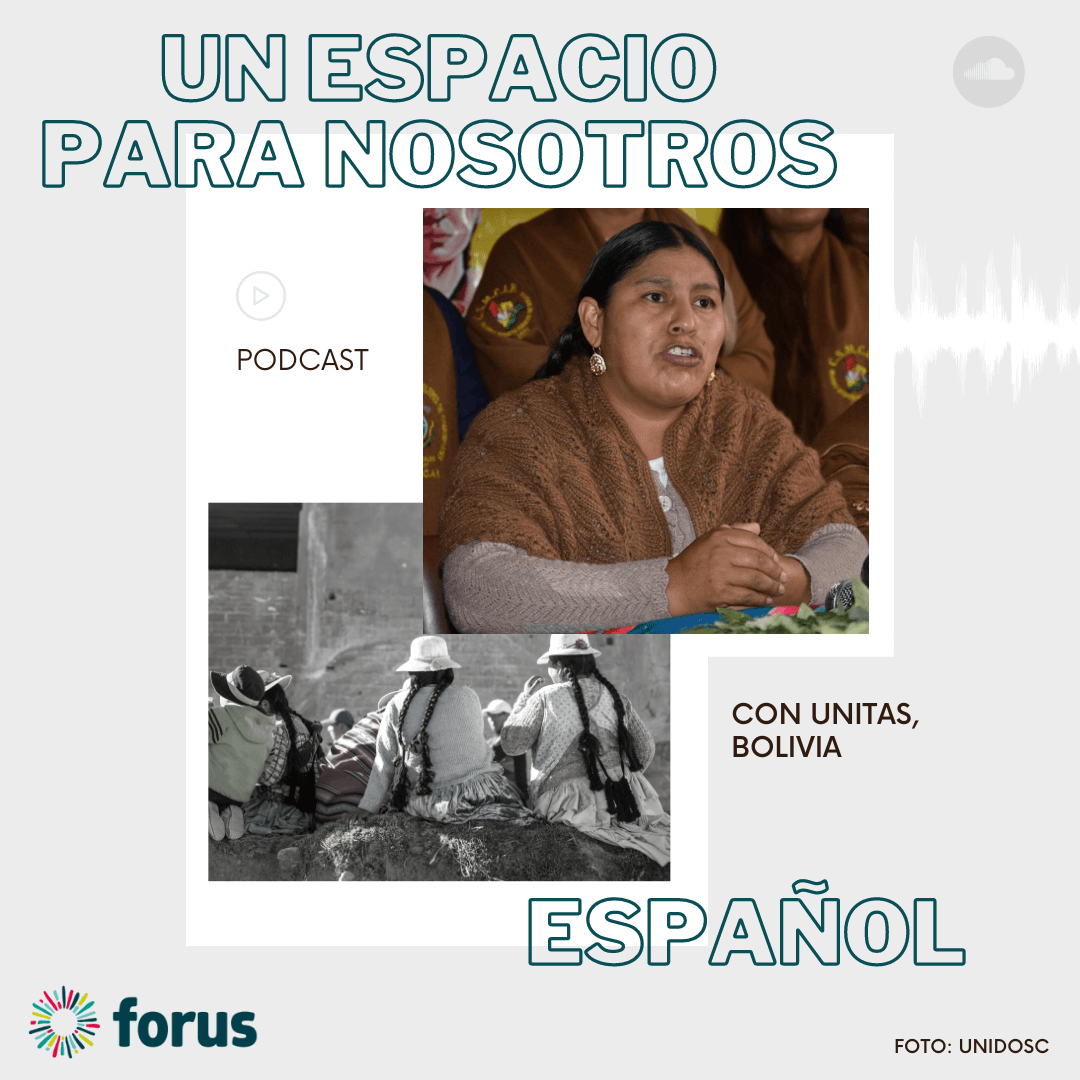
ES - Observatorio de derechos humanos en Bolivia

EN - Aruna Roy on gender justice and the Right To Information movement

FR - Droits humains et le projet Rary Aro Mada au Madagascar
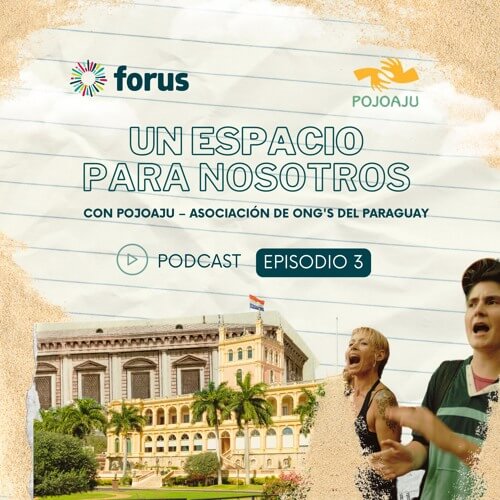
ES - Paraguay: Nuevas propuestas legislativas perjudican a las organizaciones de la sociedad civil
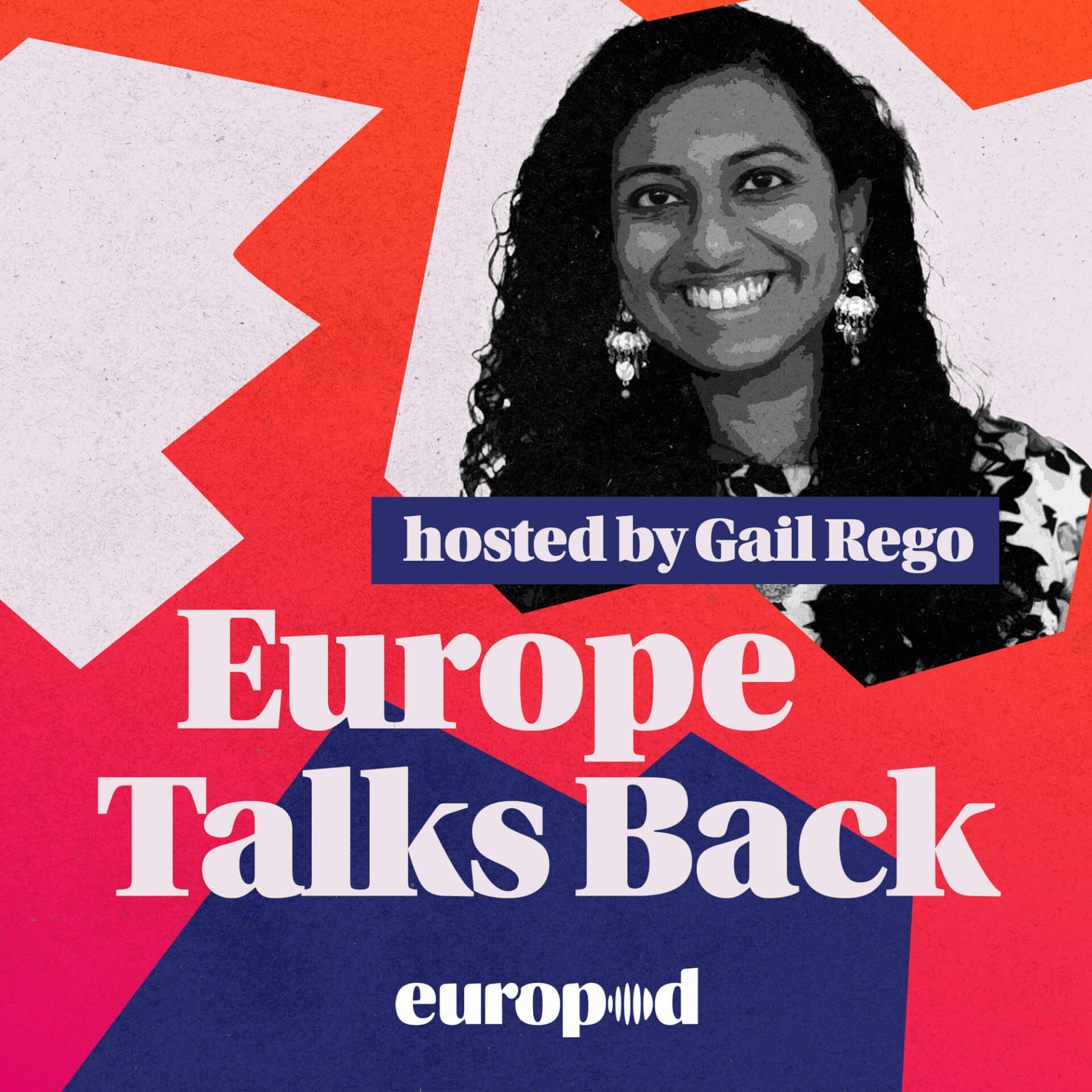
S3 ep. 10 - Digital rights and the EU - Europod
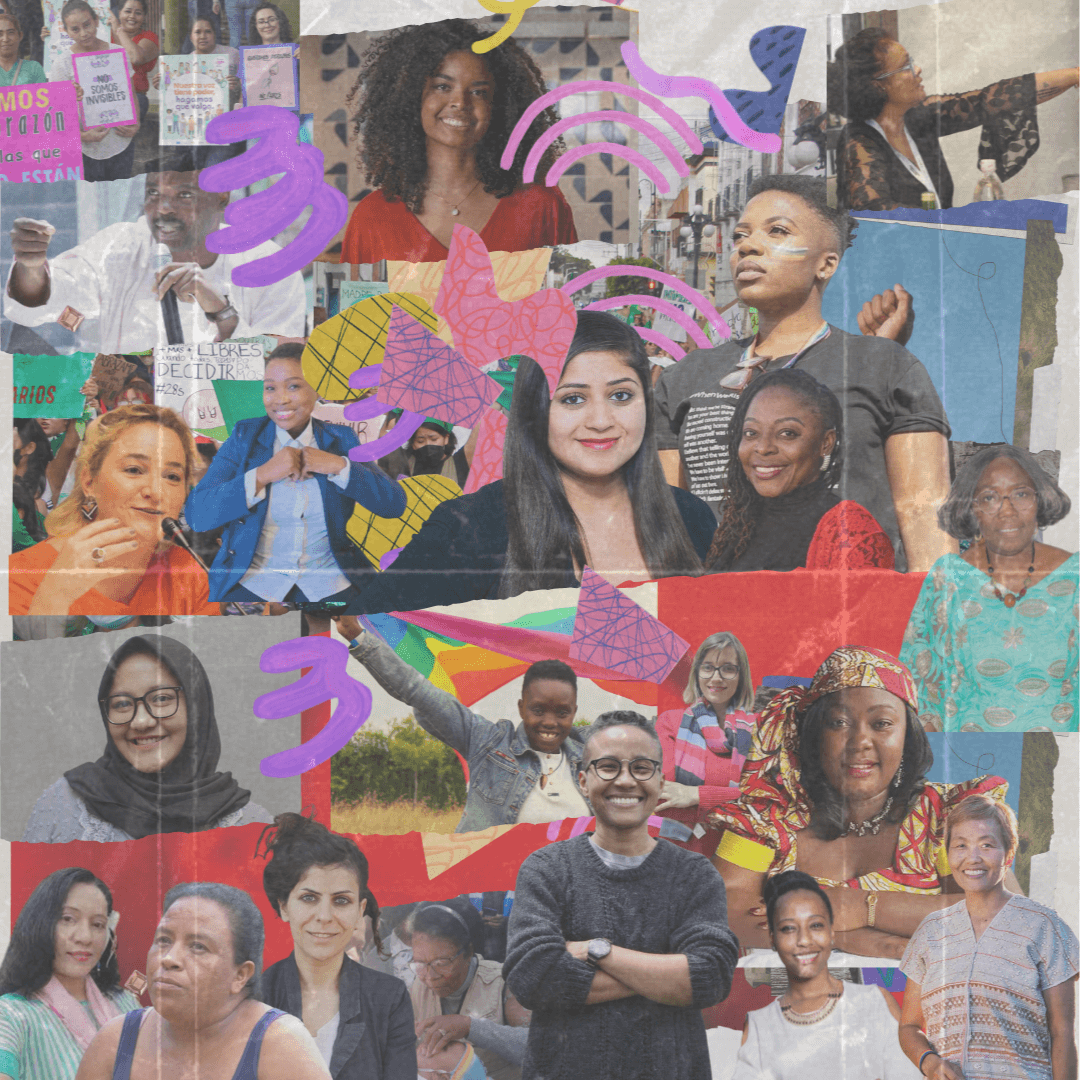
EN - FR - ES- INTRO Episode March With Us for gender justice!
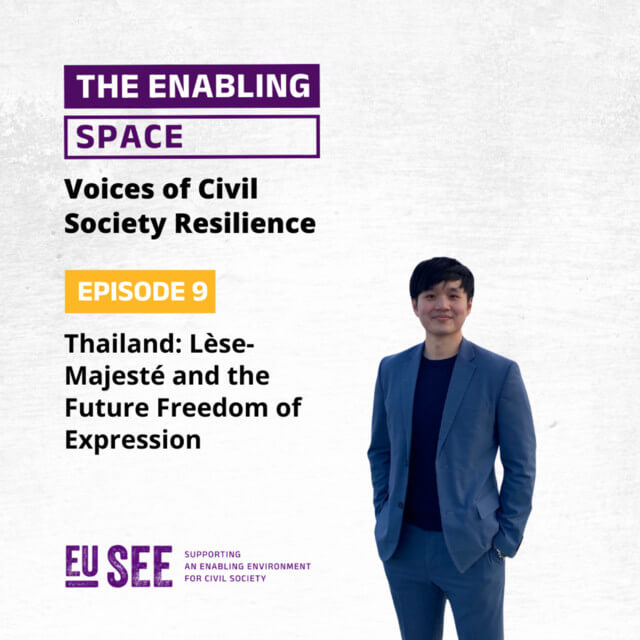
Thailand: Lèse-Majesté and the Future of Freedom of Expression
Gen Z and the Future of Democracy with Green MEP Catarina Vieira
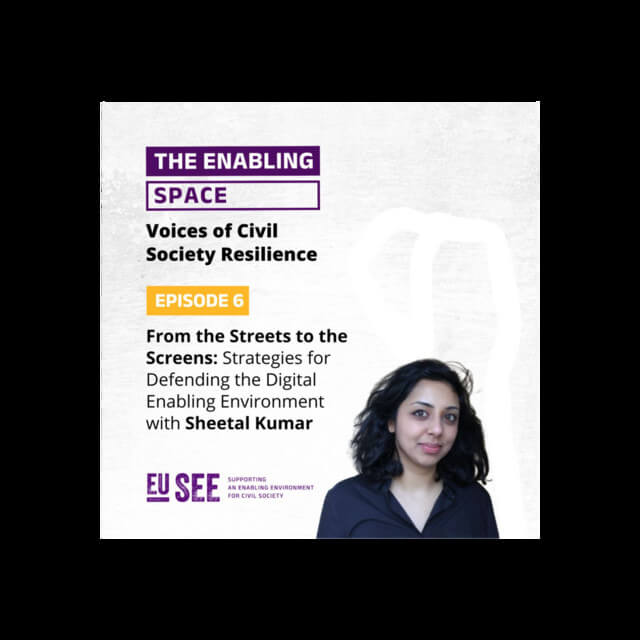
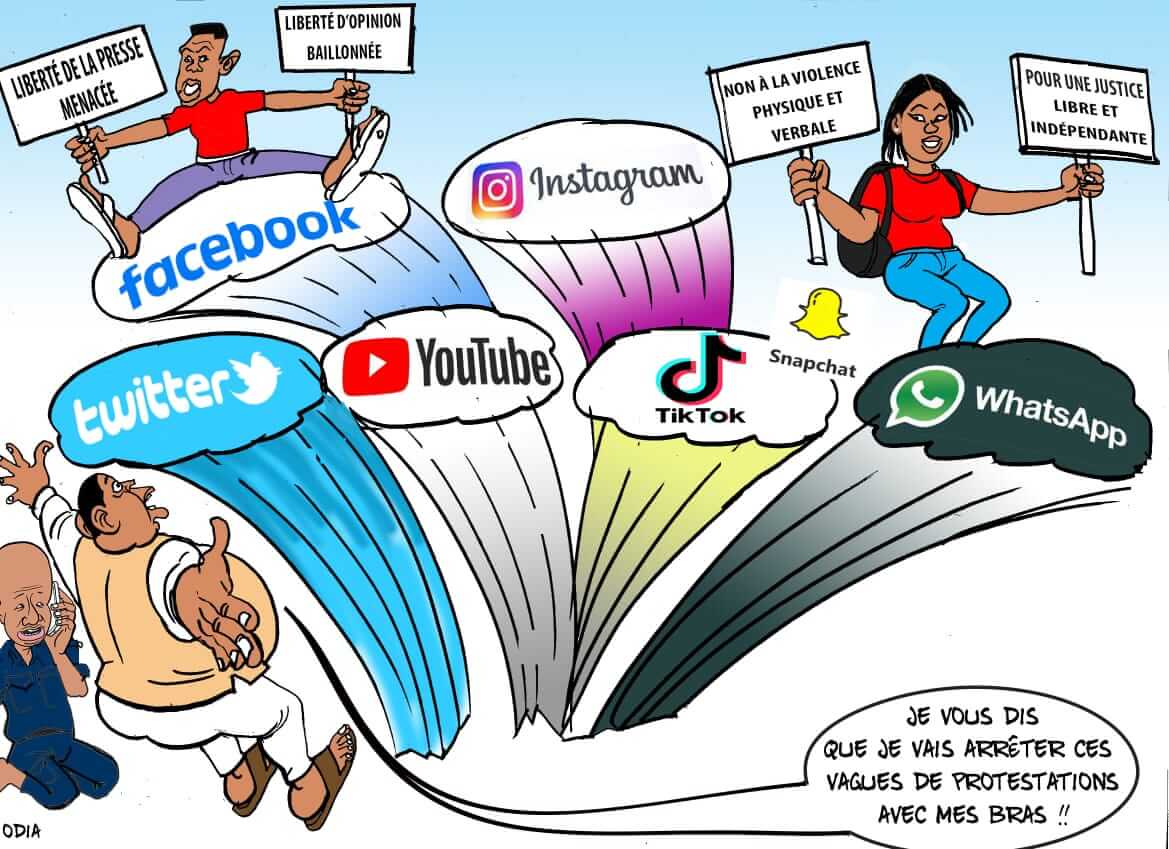
From the Streets to the Screens: Strategies for Defending the Digital Enabling Environment
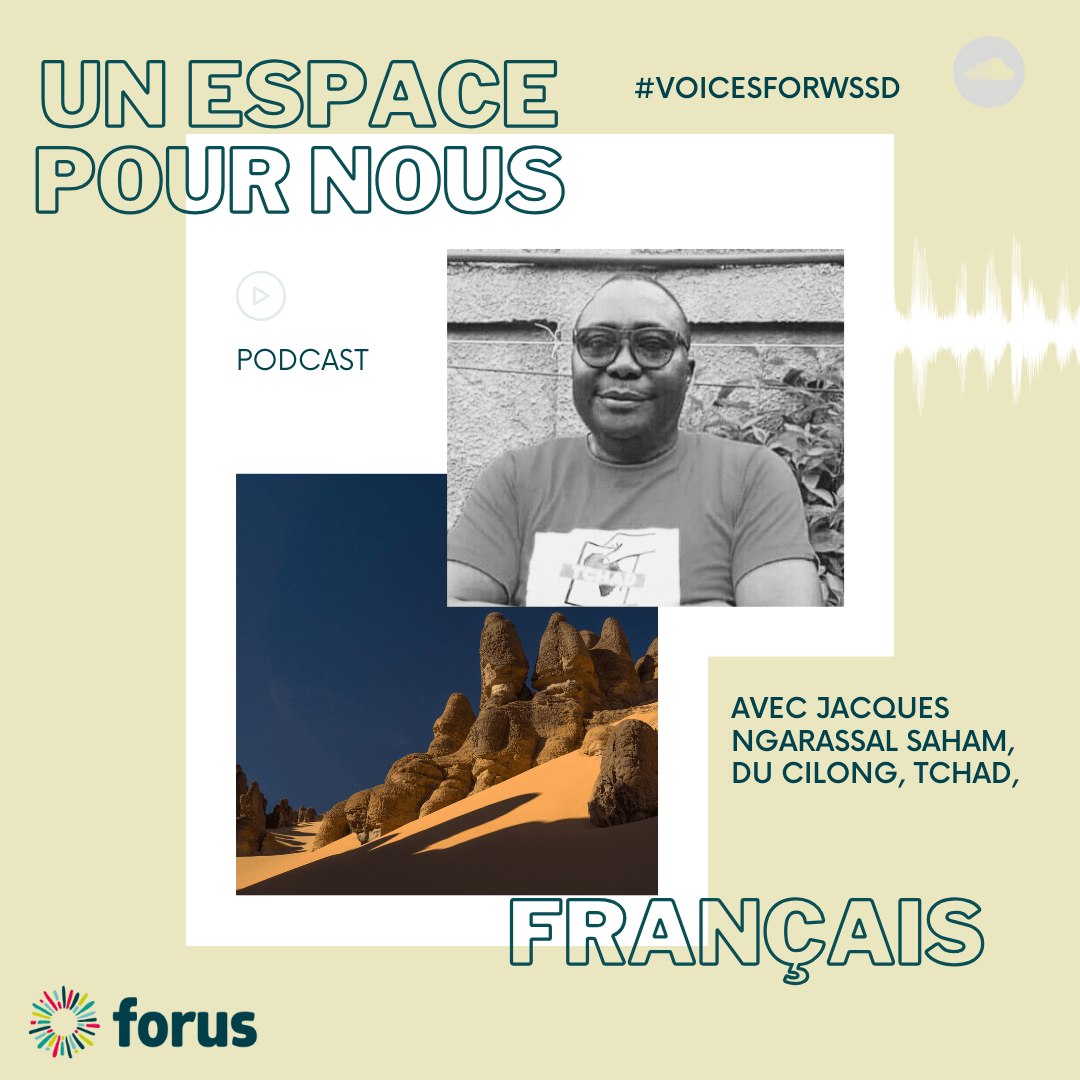
FR - Du Sahel à Cotonou : la voix du Tchad pour la justice sociale
#WSSD2 - From Copenhagen to Doha: Elevating Social Protection
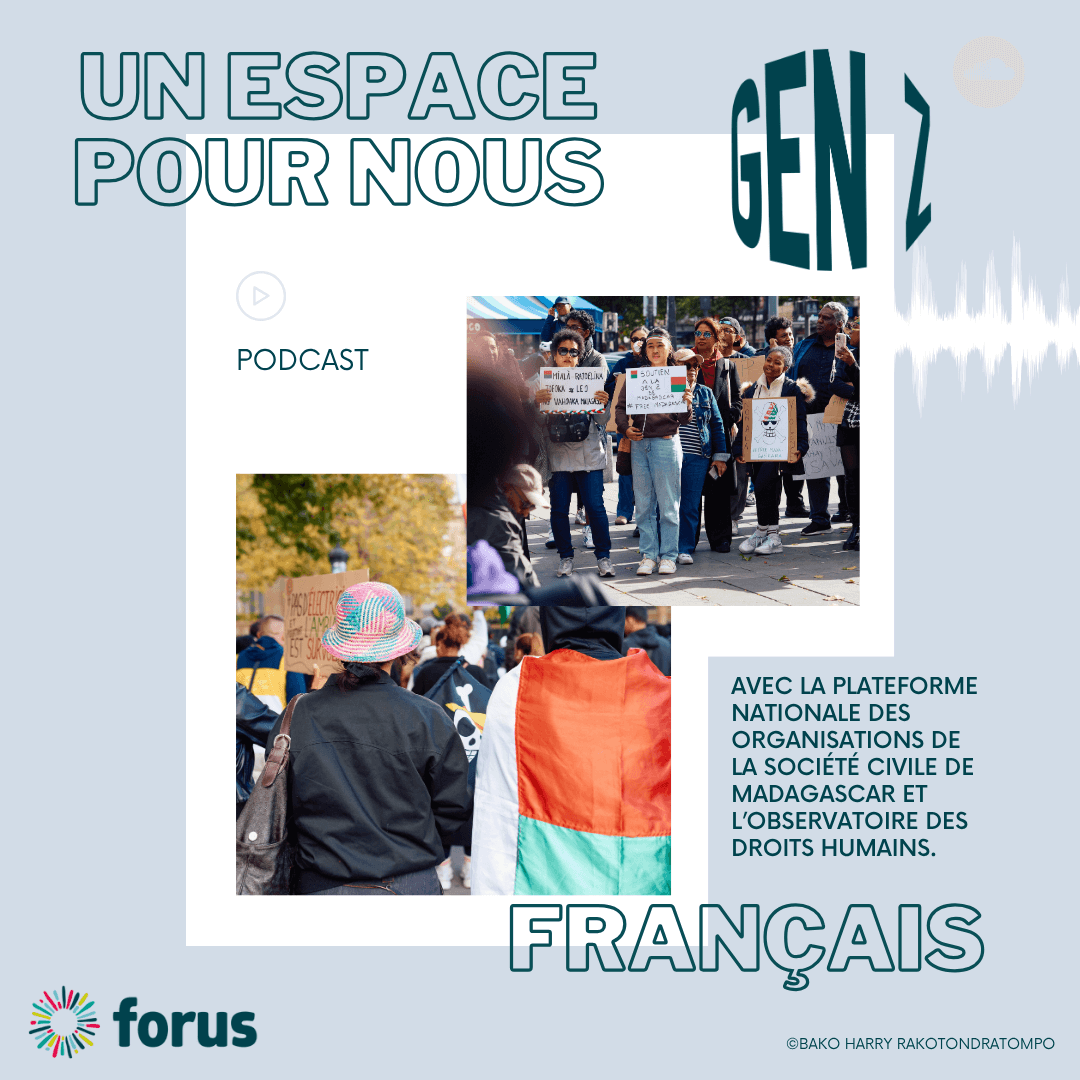
FR - À propos des mobilisations de la génération Z à Madagascar - messages et espoirs
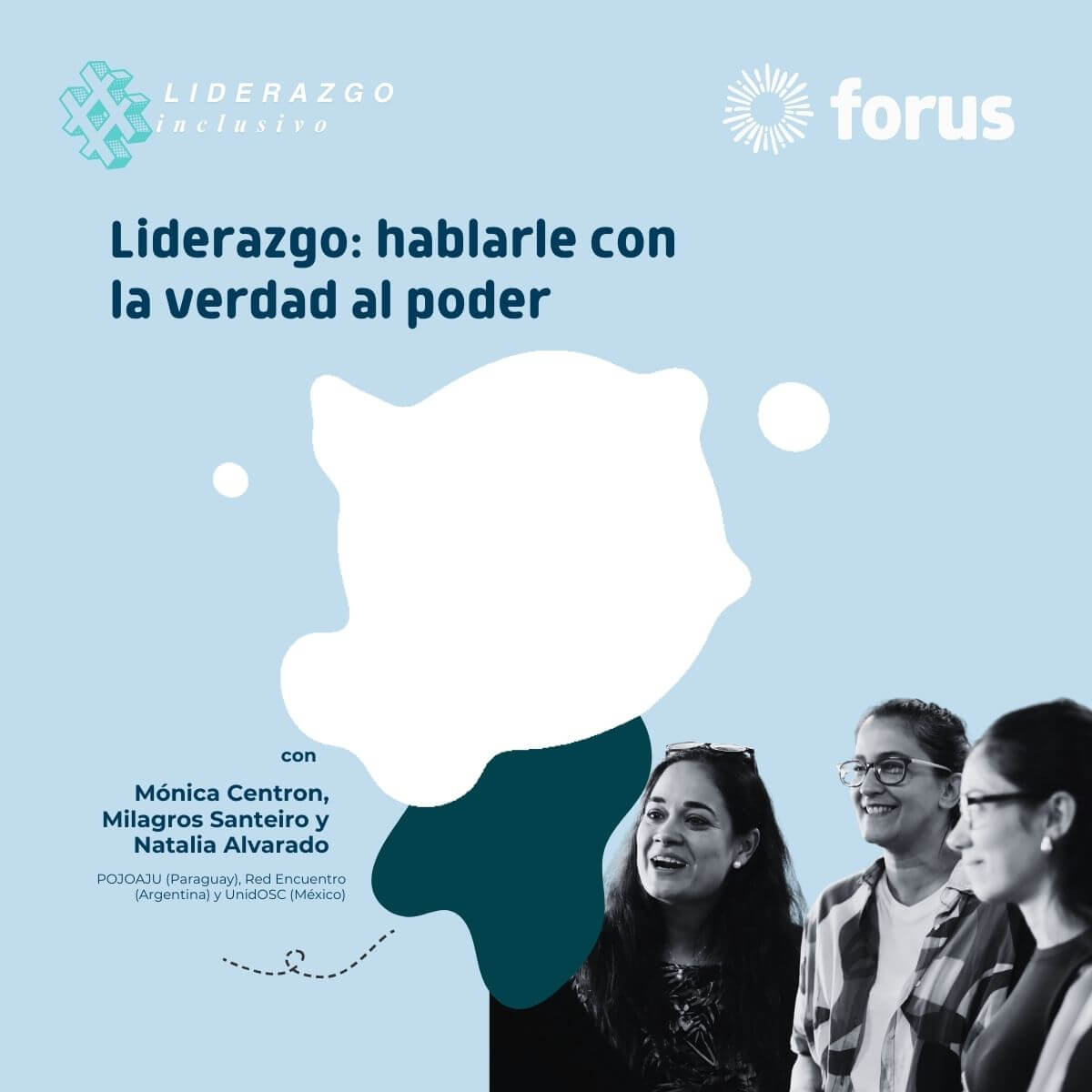
Liderazgo: hablarle con la verdad al poder
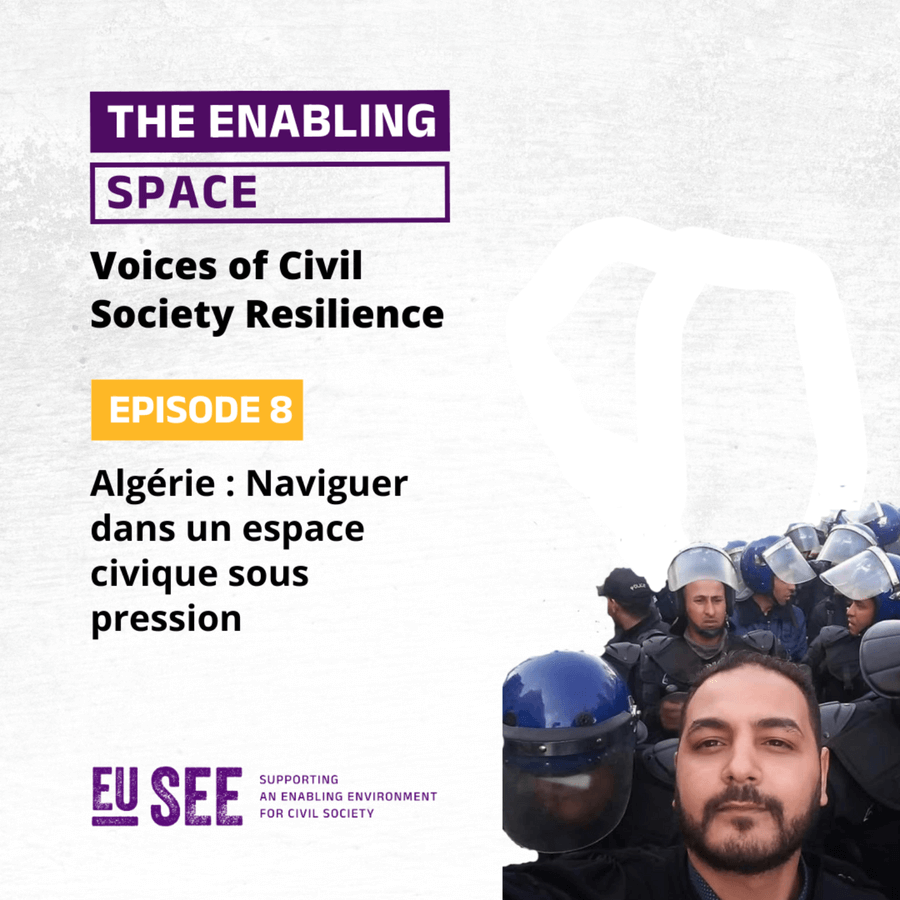
Algérie : Naviguer dans un espace civique sous pression

Podcast: Nepal – Hope, Gen-Z and Gender Empowerment Ahead of 5 March Elections – Eu SEE
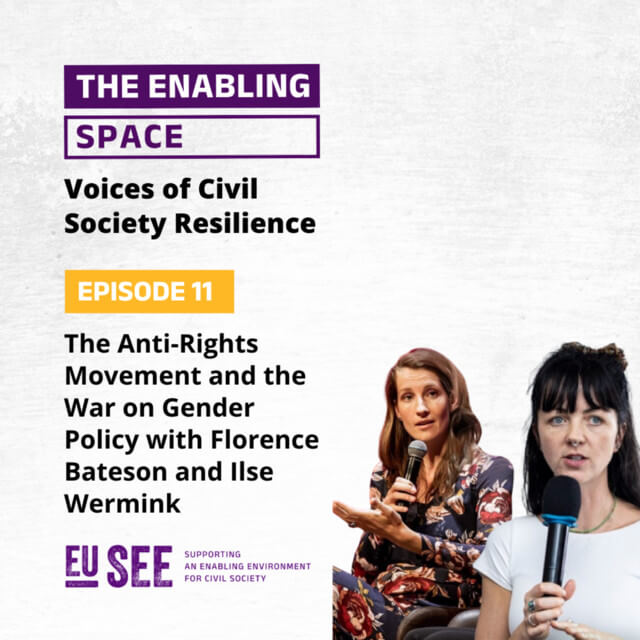
The Anti-Rights Movement and the War on Gender Policy with Florence Bateson and Ilse Wermink
Ecuador: El uso selectivo de las leyes para restringir la sociedad civil