2026-07-16
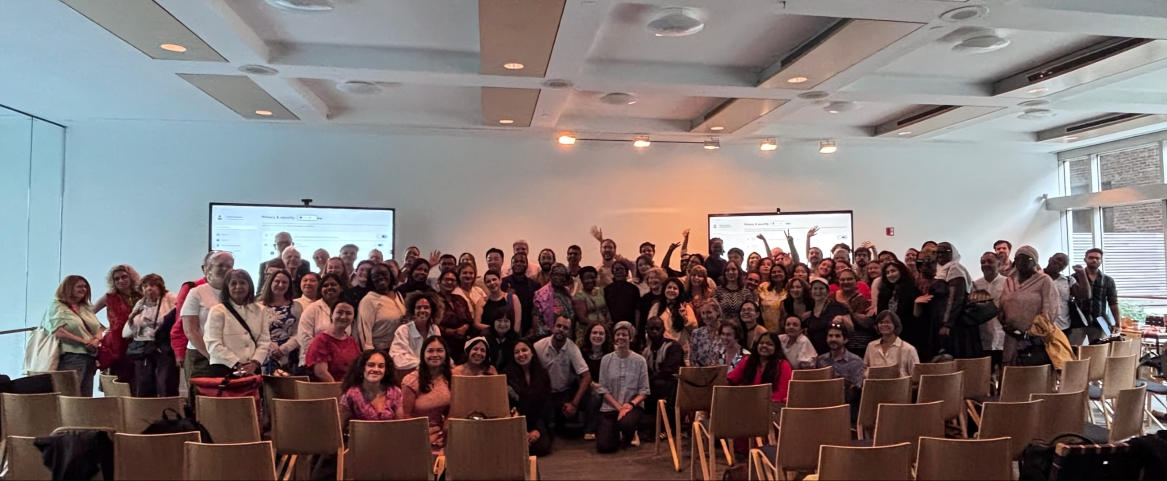
Annastazia Rugaba: "Transformation Must Be Measured Not Only by What Government Reports, But by What Citizens Experience"A civil society perspective on why meaningful participation, accountability and inclusive governance are essential to turning sustainable development commitments into real change for communities.
2026-07-16
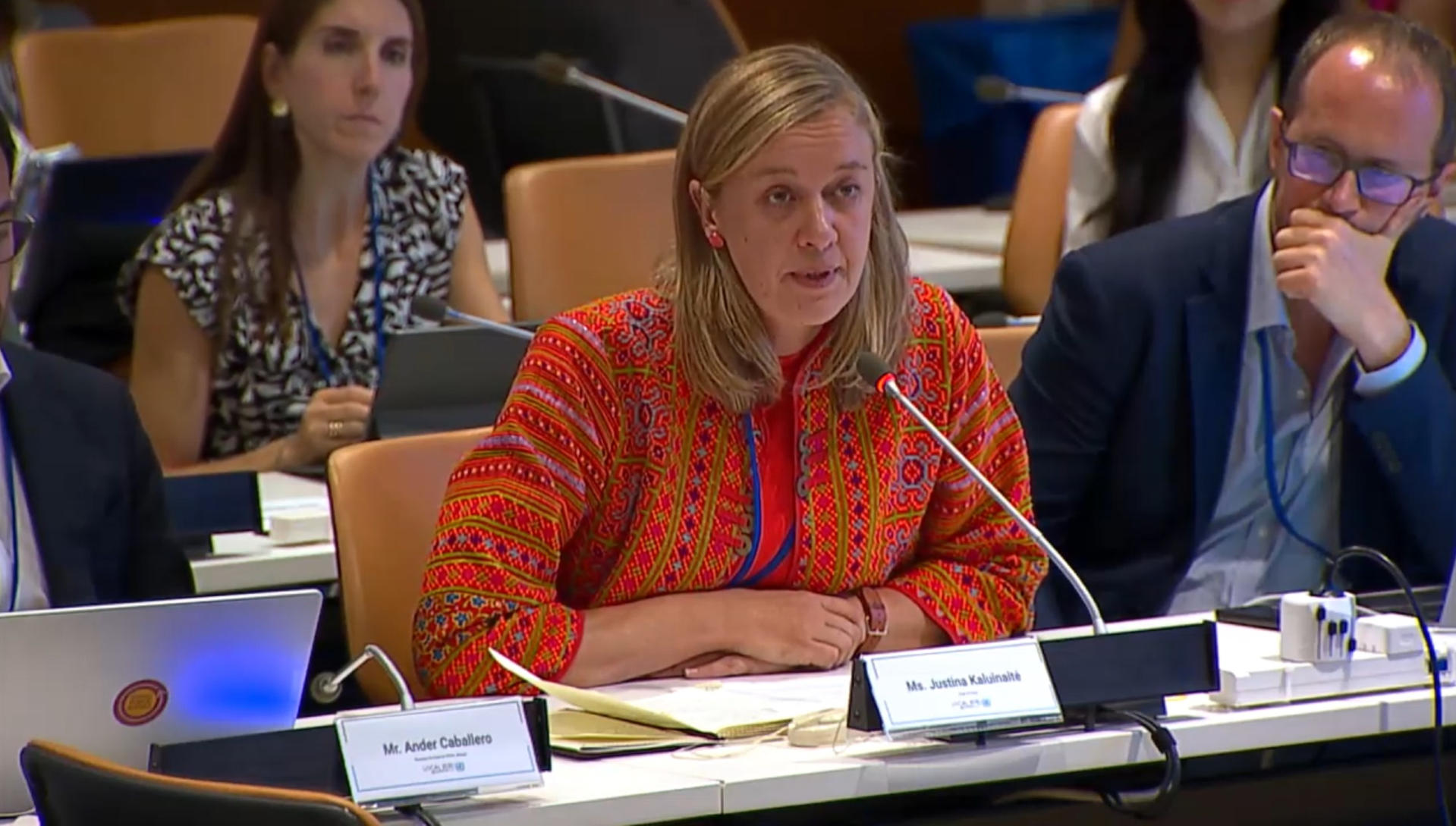
The future of the SDGs is local: " participation becomes meaningful when it can change a priority, a budget or a decision"The final years of the Sustainable Development Goals will be won or lost locally, but bringing implementation closer to communities is not enough as power, resources and accountability will need to move with it. This discussios was at the centre of the Local2030 Coalition Special Event, “Advancing SDG 11 and the New Urban Agenda: Local Action for Global Acceleration,” held on 15 July as part of the UN High-Level Political Forum 2026.
Influence
2026-07-14
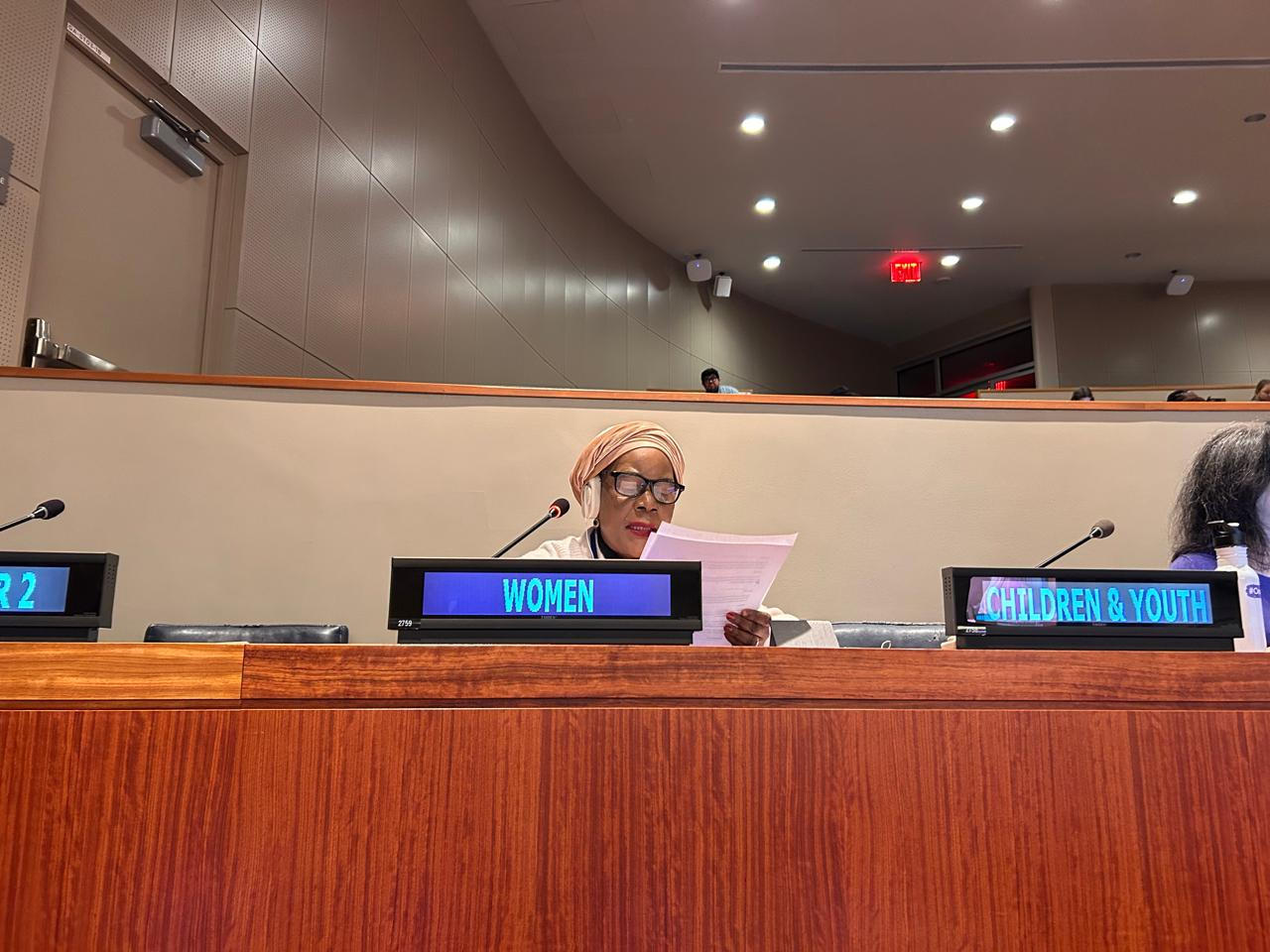
From National Evidence to Global Accountability: Mozambique, Tanzania and Norwegian Civil Society Bring SDG Realities to the UN High-Level Political ForumVoluntary National Reviews are intended to help countries assess progress, identify gaps and strengthen implementation of the Sustainable Development Goals. But reviews can only generate accountability when they include evidence that is independent, grounded in communities’ experiences and able to challenge official narratives where necessary. During the 2026 UN High-Level Political Forum, Forus members representing national civil society platforms from Mozambique, Tanzania and Norway brought precisely this perspective into the global discussion.
Influence
2026-07-14
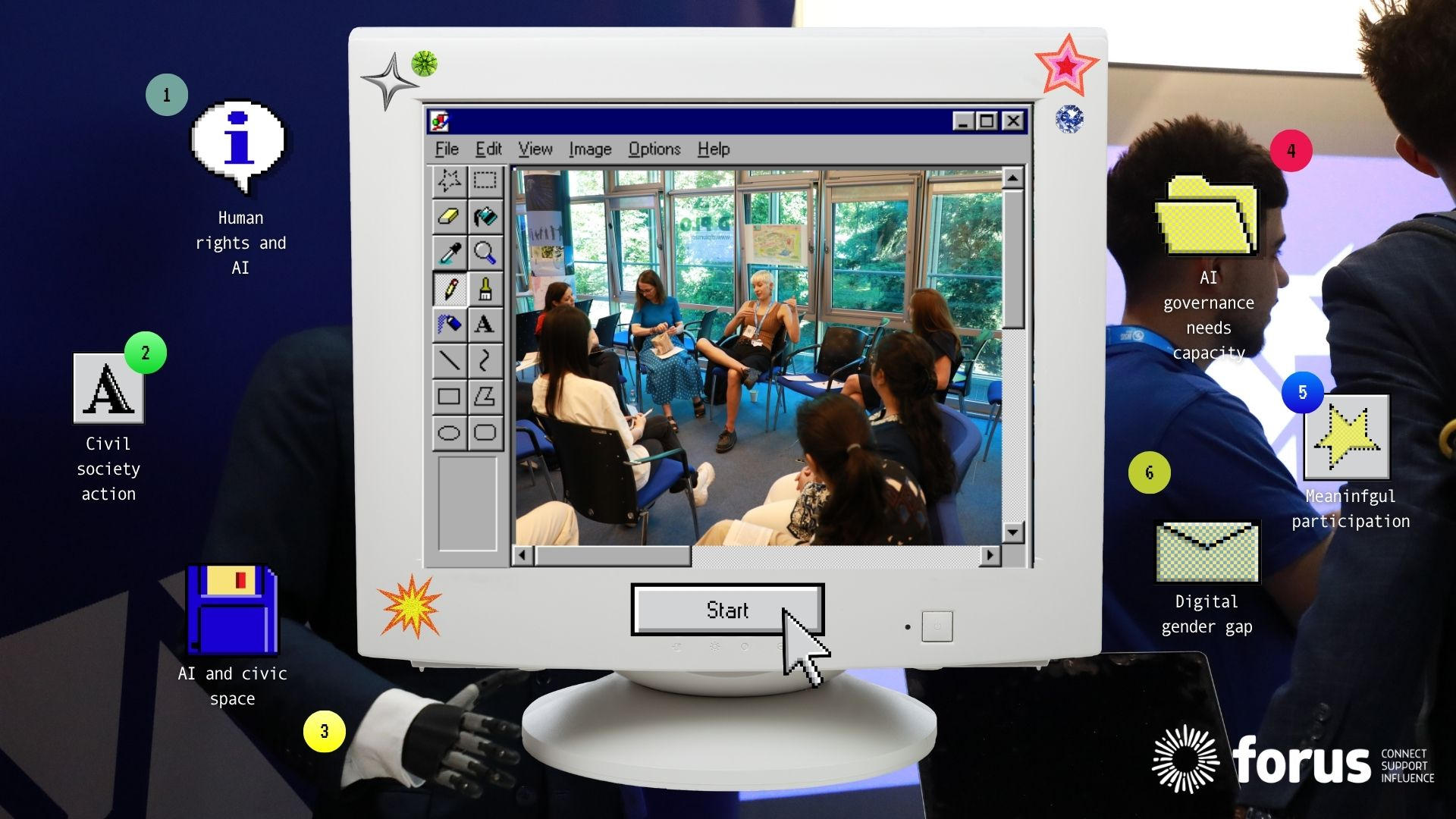
Power, Rights and AI: What Geneva Digital Week Revealed about the Future of GovernanceLast week, the Forus network landed in Geneva for the Digital Week, where several discussion spaces emerged simultaneously: the United Nations Global Dialogue on Artificial Intelligence Governance, the “futuristic” AI for Good Summit, and the World Summit on the Information Society. All this while the UN High-Level Political Forum kicked off in New York with complementing discussions on digitalisation, global cooperation, the future beyond 2030, and meaningful civic participation highlighting how technology is central to development debates.
Influence
2026-07-10
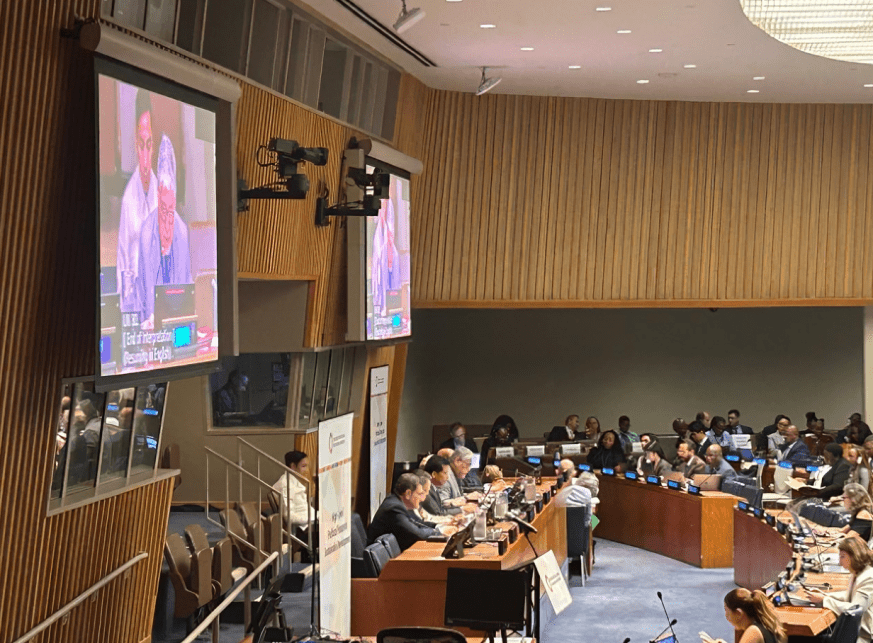
Beyond 2030: mapping choices for the future of sustainable developmentAs the 2026 UN High-Level Political Forum continues in New York, one question is becoming harder to postpone: what should global sustainable development cooperation look like after 2030?
Influence
2026-07-10
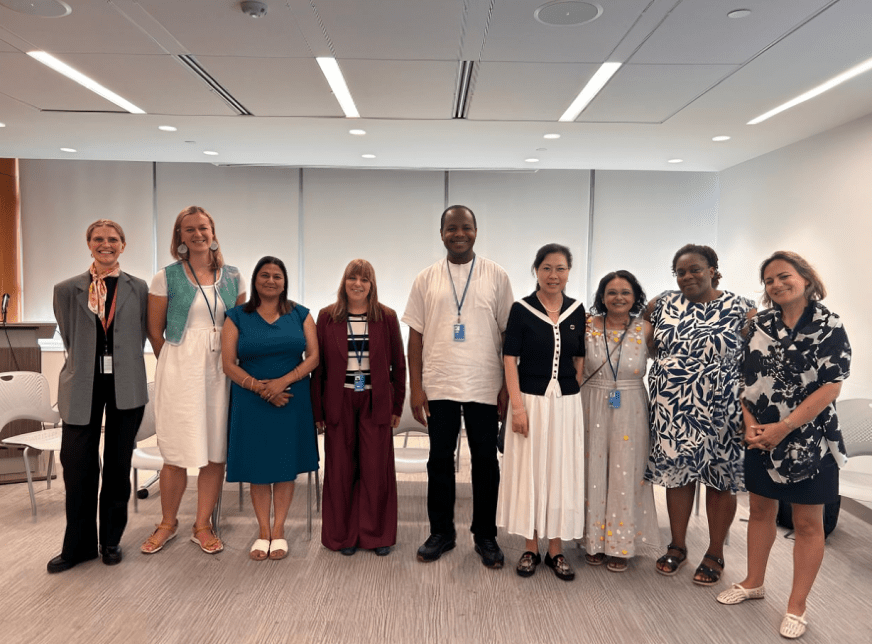
Beyond participation: Forus members and civil society partners call for stronger accountability in SDG implementationAs the 2026 High-Level Political Forum (HLPF) continues in New York, the message that sustainable development cannot be accelerated by commitments alone came through. It requires open civic space, meaningful stakeholder engagement, stronger accountability, and tighter links between global promises and local realities.
Influence
2026-07-09
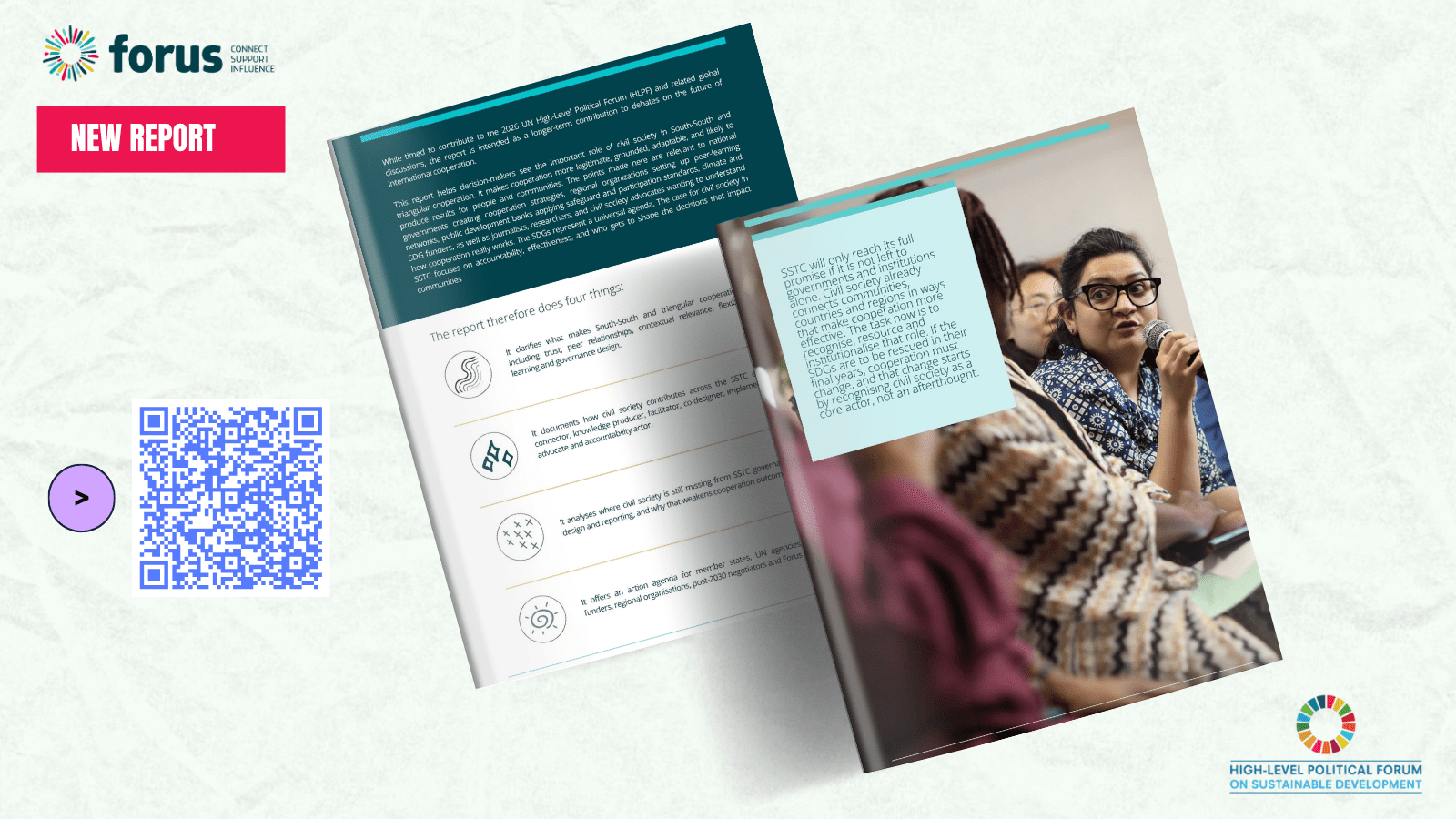
From evidence to influence civil society claims its place in South-South and triangular cooperationForus launched its new global report "Cooperation That Works: Civil Society in South-South and Triangular Cooperation" in a virtual side event on 7 July, marking the opening of the HLPF 2026. The launch brought together the Forus network and partners from across regions to highlight how civil society is already shaping South-South and triangular cooperation — often without being formally recognized by the systems it helps strengthen.
Influence
2026-07-07
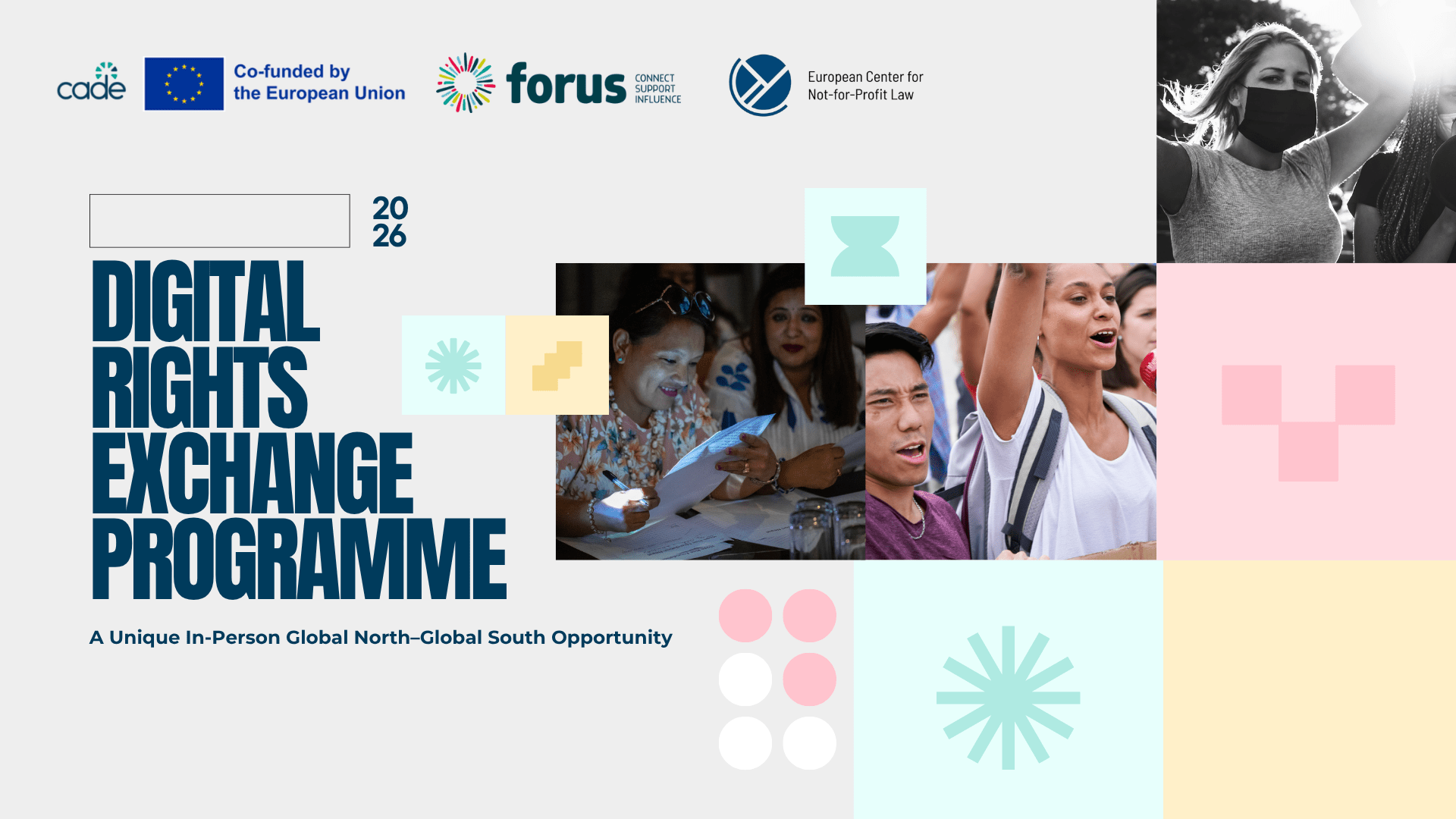
Apply for the Digital Rights Exchange Programme: A Unique In-Person Global North–Global South OpportunityThis programme is an initiative of Forus and the European Center for Not-for-Profit Law (ECNL) within the framework of the Civil Society Alliances for Digital Empowerment (CADE), an EU co-funded project.
2026-07-02
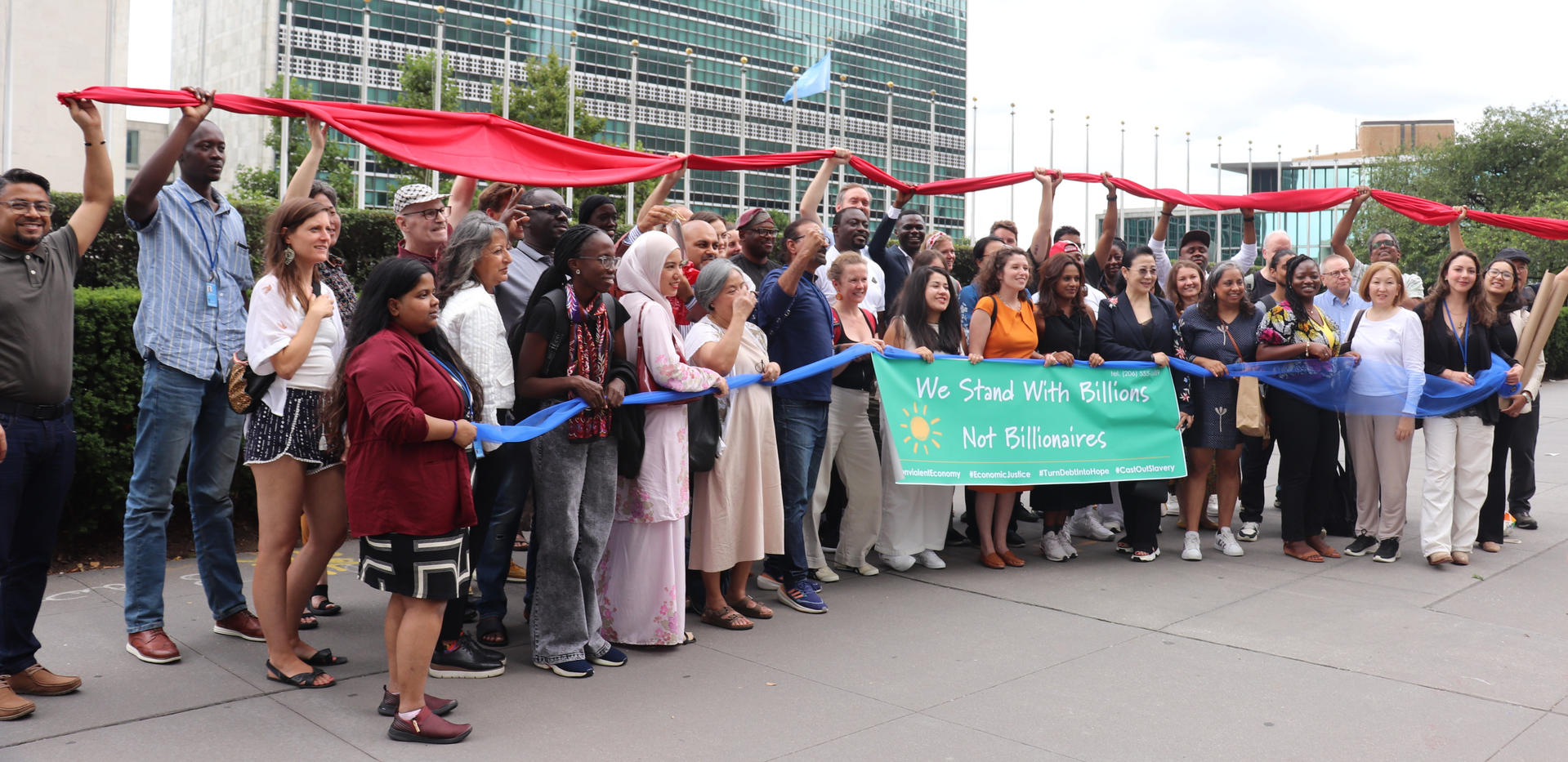
Forus at the UN High-Level Political Forum 2026: bringing our global network’s voices to the centre of sustainable developmentForus is participating in the the 2026 United Nations High-Level Political Forum (HLPF) with a strong delegation of members and partners from across the globe, bringing national civil society experiences, and localised solutions to one of the most important global spaces for sustainable development dialogue.
2026-06-09
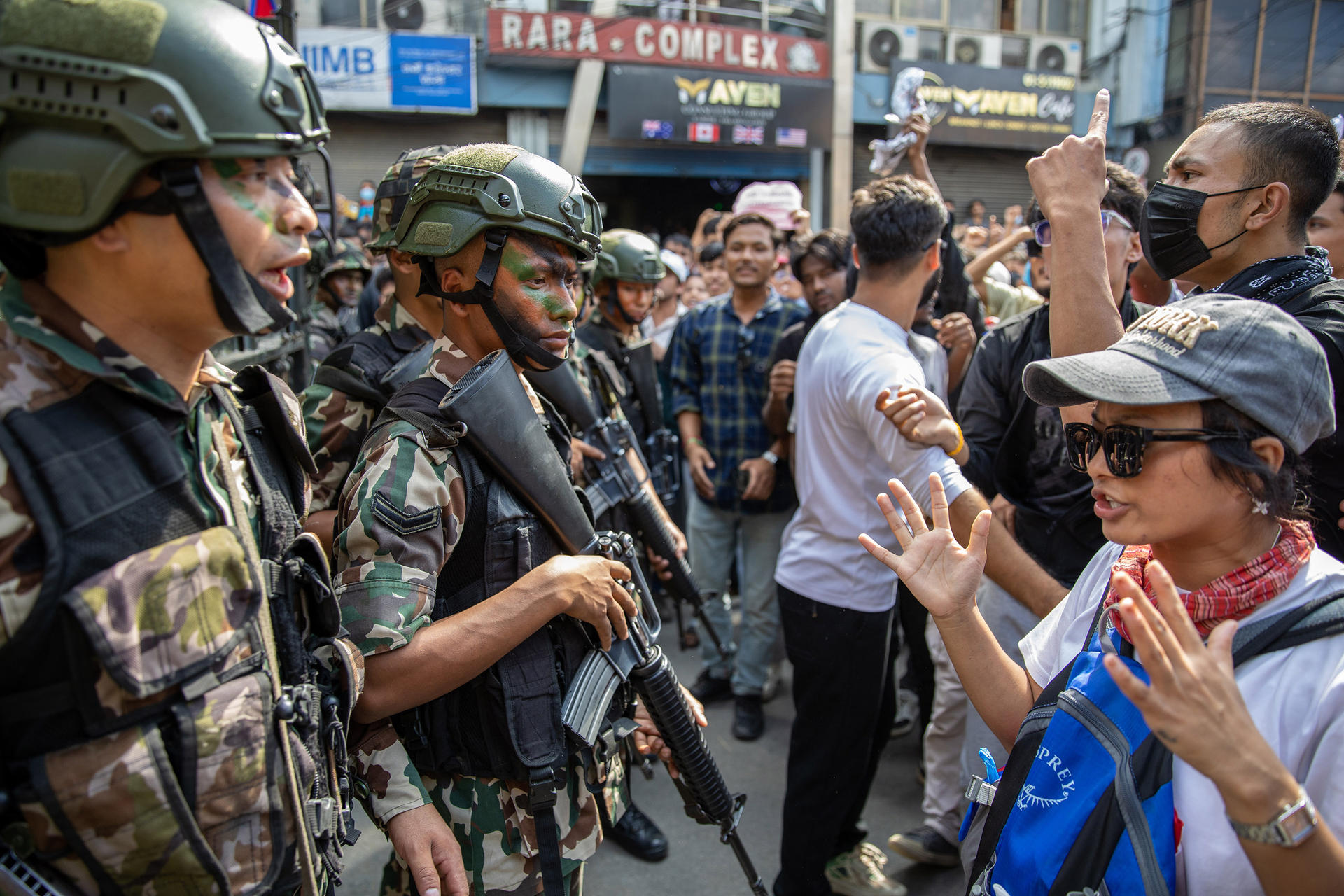
Foreign agents laws: stigmatising civil society and choking funding flowsLaws imposing restrictions on CSO operations such as foreign agents laws, are an increasing threat to the enabling environment for civil society worldwide. The ability of associations to seek, obtain, and use resources—including those from foreign and international sources—is a key and essential part of the civil society ecosystem, prohibiting or heavily restricting foreign funding affects their operating space and undermines important advocacy efforts.
2026-06-03
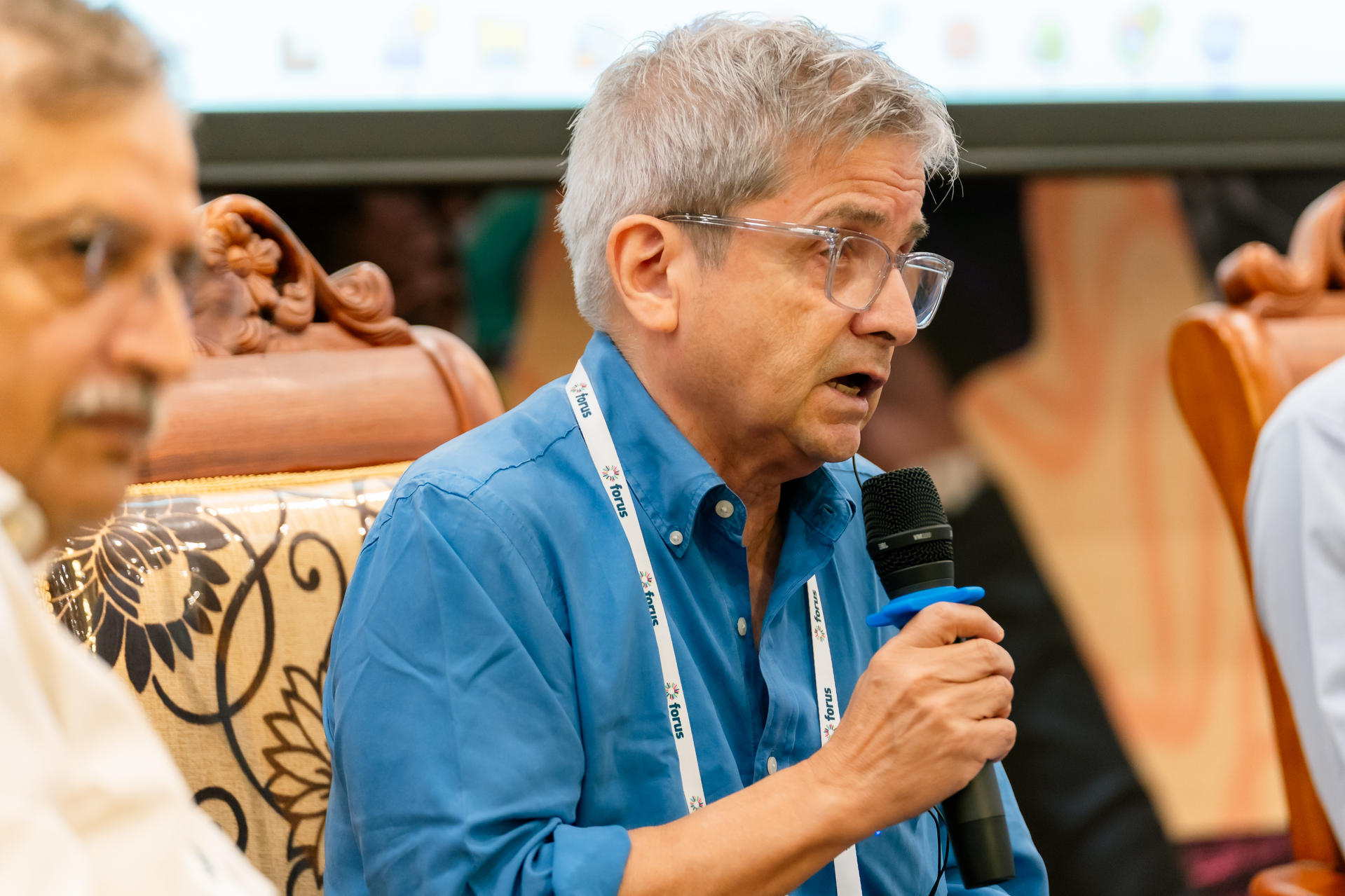
David Griggs: “The SDGs moved us from the Wild West to a common sense of purpose.”One of the scientific architects of the Sustainable Development Goals reflects on how they came to be, what they have and haven’t achieved, and why starting from scratch in today’s political climate would be a gamble the world cannot afford.
2026-06-03
Planting the Seeds of the Post-2030 FutureForus launched the network’s Post-2030 Vision. And the room — virtual as it was — was electric. On May 21st, we brought together voices from across the globe — from the Pacific to New York, from Helsinki to Santiago, from Tokyo to the UN Secretariat — to ask one of the most consequential questions of our time: what comes after 2030, and who gets to shape it?
Influence
2026-06-03
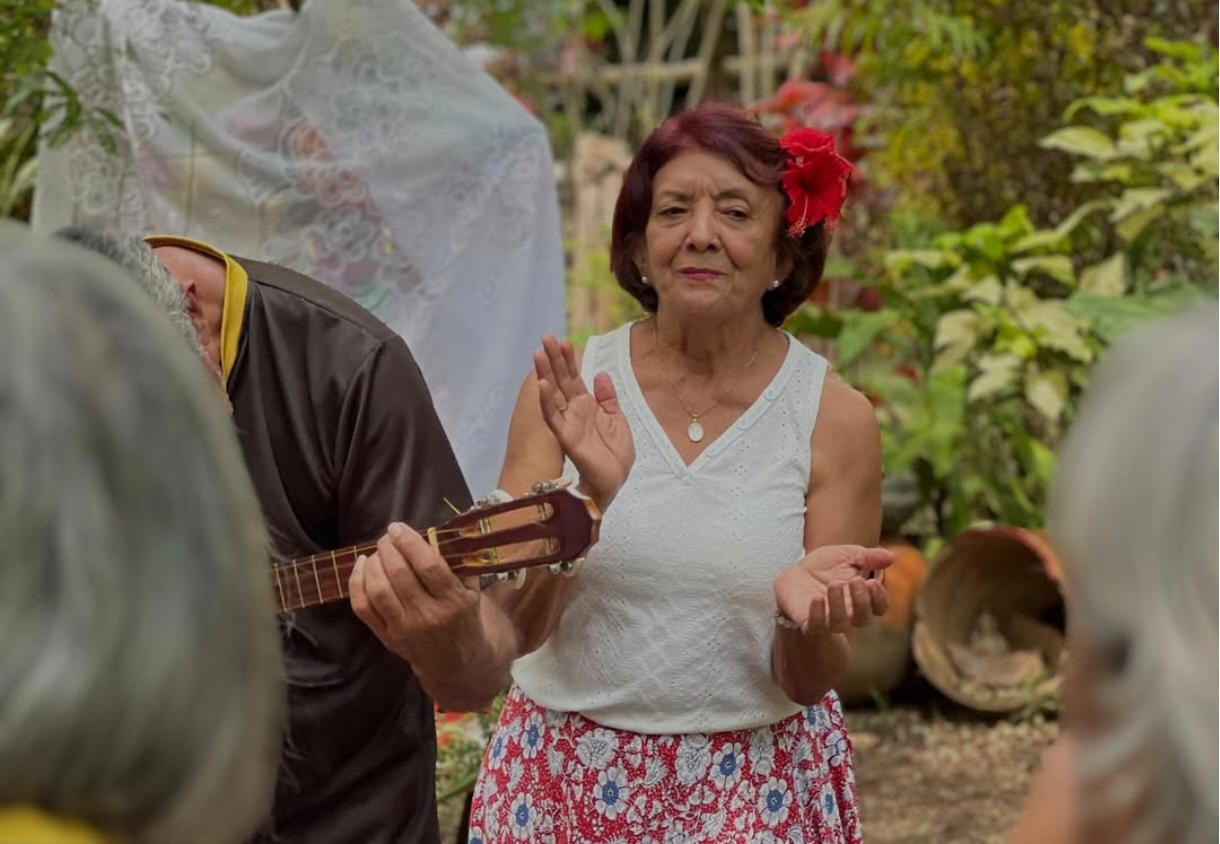
Increased life expectancy as a driving force for reconstruction in VenezuelaThe traditional view tends to associate ageing with retirement, staying at home and withdrawing from the world of work. However, in a Venezuela that is rebuilding itself from the ground up, a new generation of leaders is emerging whose most valuable asset is their accumulated knowledge.
Support
2026-06-03
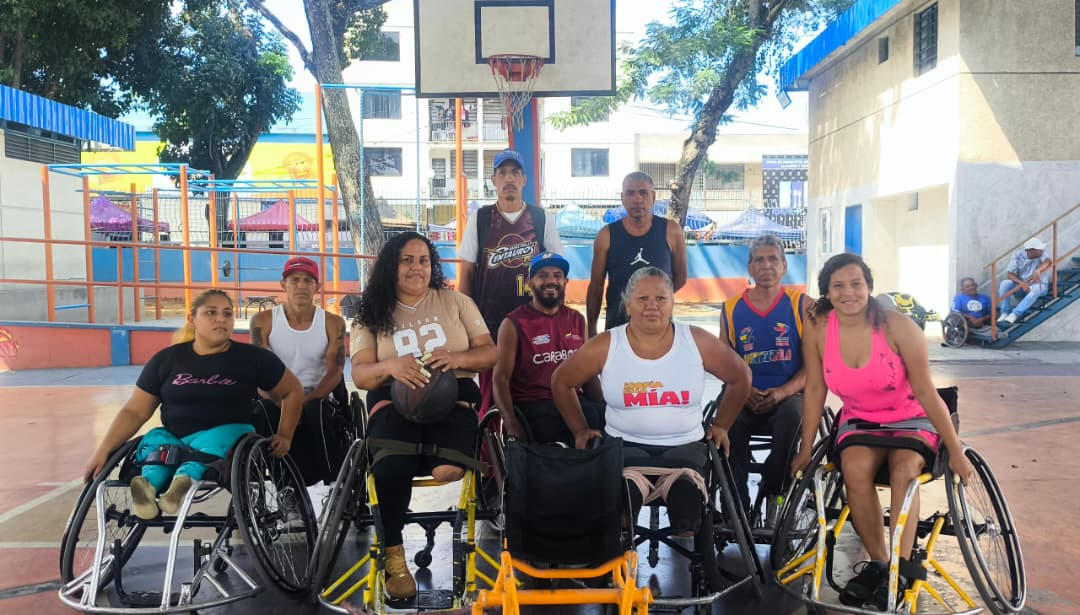
Minds over asphalt: The challenge of empathy and inclusion in VenezuelaThe global debate on accessibility tends to focus on physical infrastructure: the construction of ramps, the design of lifts, or the adaptation of transport services. However, for human rights defenders and civil society organisations in Venezuela, the most urgent transformation does not require building materials, but rather a change in perspective. On the path towards achieving the 2030 Agenda, one premise takes on great significance: prejudice and social stigma are the true disability of a society.
Support
2026-06-01
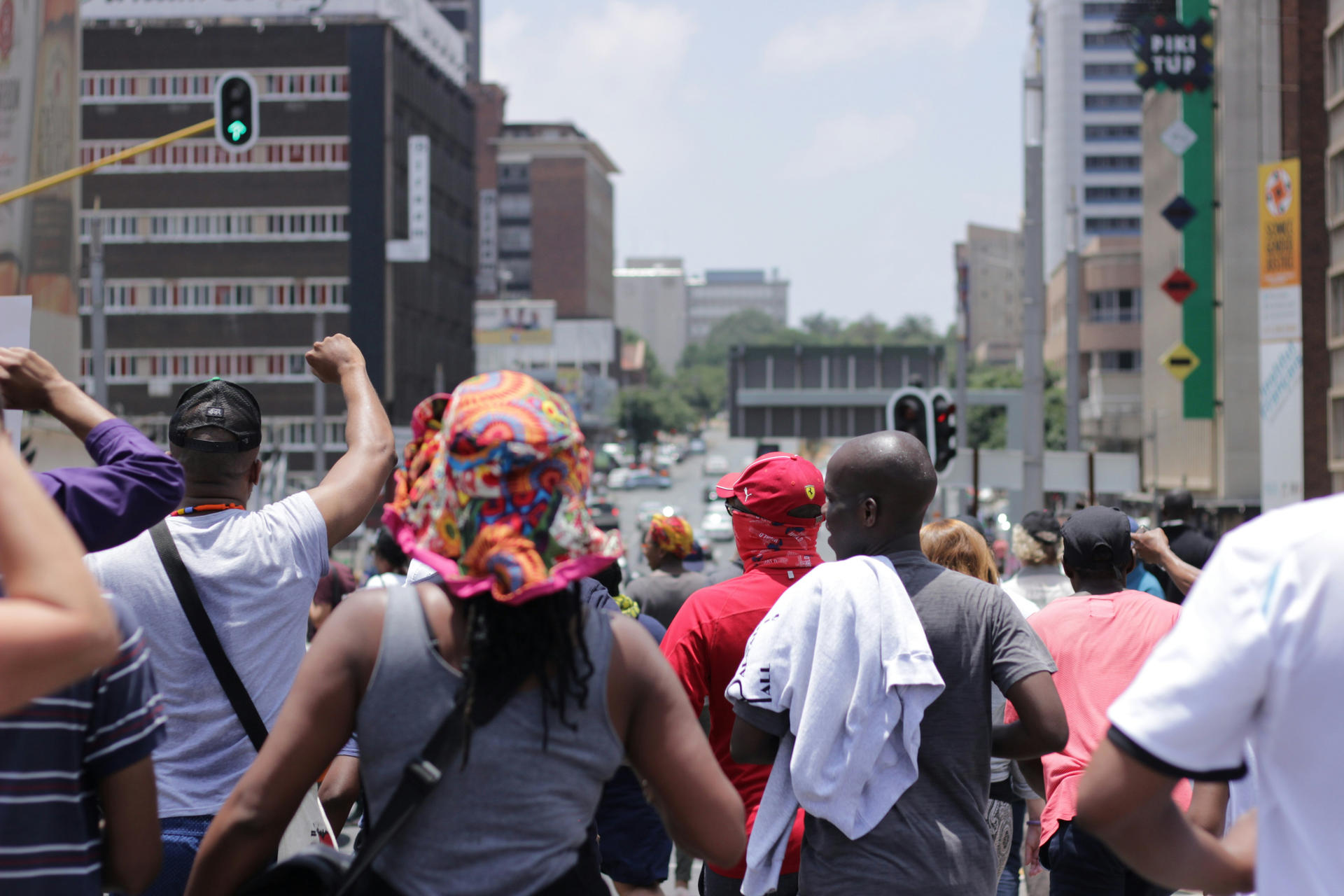
Civic spaces under pressure in the Great Lakes region: between restrictions and self-censorshipIn the Great Lakes region, speaking freely is becoming a balancing act - sometimes between freedom of expression and personal safety. Faced with administrative restrictions, political pressure and a tense security situation, journalists and civil society actors are operating in an increasingly constrained environment.
Support
2026-06-01
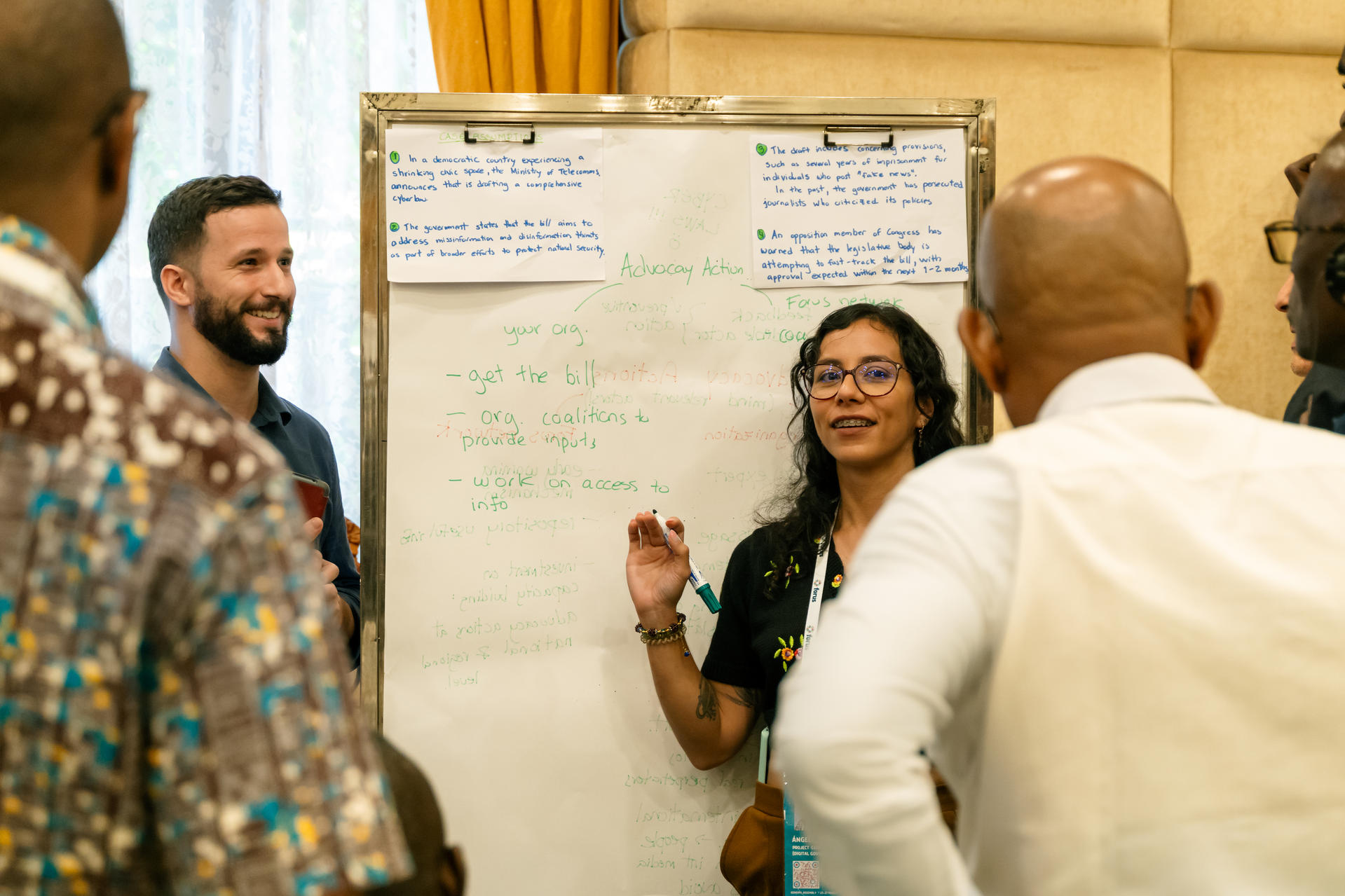
Data-Based Narrative: How Civil Society Is Reshaping the Case for ODA and Global CooperationForus hosted the interactive session: Data-Based Narrative: Shaping ODA and Global Cooperation, creating a dynamic space to explore how CSOs are leveraging data to strengthen communication, advocacy, and public engagement.
2026-05-28
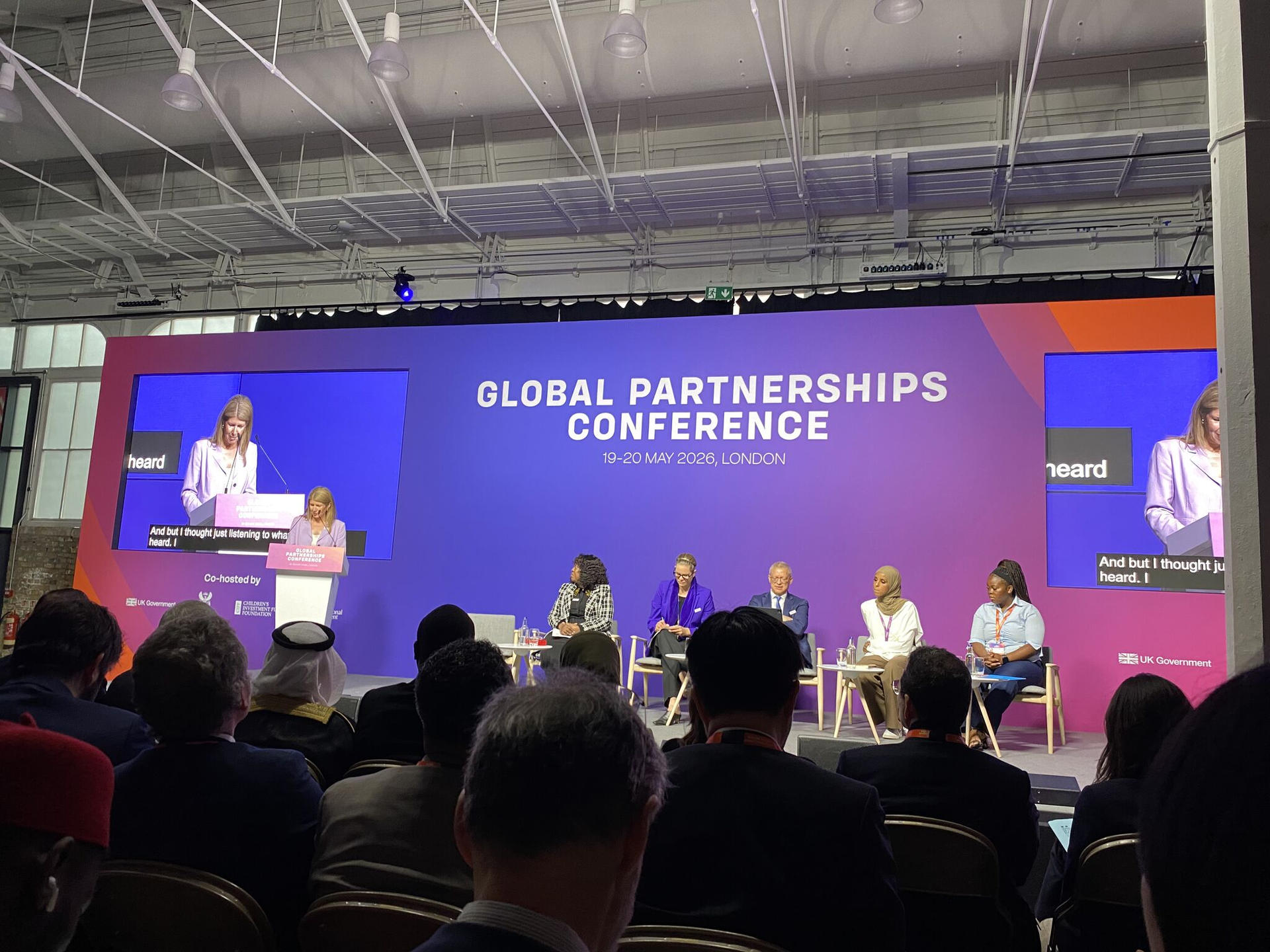
Locally led development won’t work without shifting real powerThe OECD meeting in Paris and UK Global Partnerships Conference show localisation is still rhetoric. Real reform requires donors to relinquish control over money, risk, and decisions.
2026-05-27
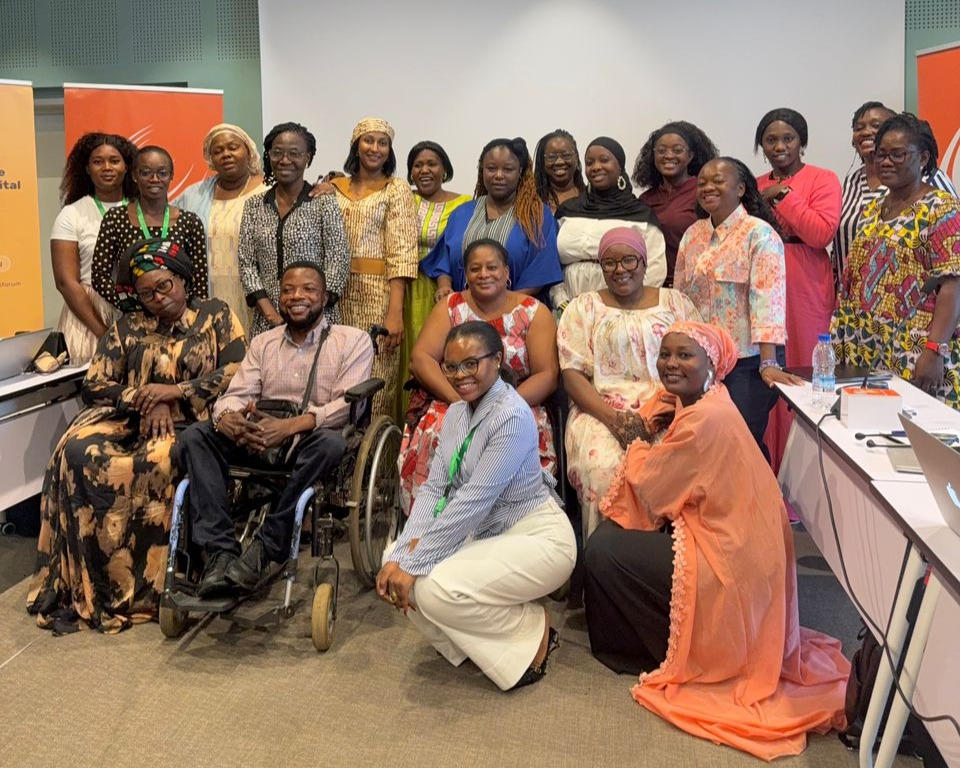
Women's Fight Against Technology - Facilitated Gender-Based ViolenceIn the era of social media, digital spaces have become a platform for civic activism. Around the world, especially in Africa, the internet has become a communication tool. Women mobilise, advocate, and call for solidarity. Some defend human rights; others denounce gender-based violence, while others raise awareness about inequalities as they build communities that influence public debates.
2026-05-27
FONGA: reorganising based on accumulated experienceThe Forum of Non-Governmental Organisations of Angola (FONGA) was one of the first platforms to begin this journey with Forus. The process began with bilateral conversations to understand the platform’s situation, review available information, and identify what type of support could be most useful.
Support
2026-05-27
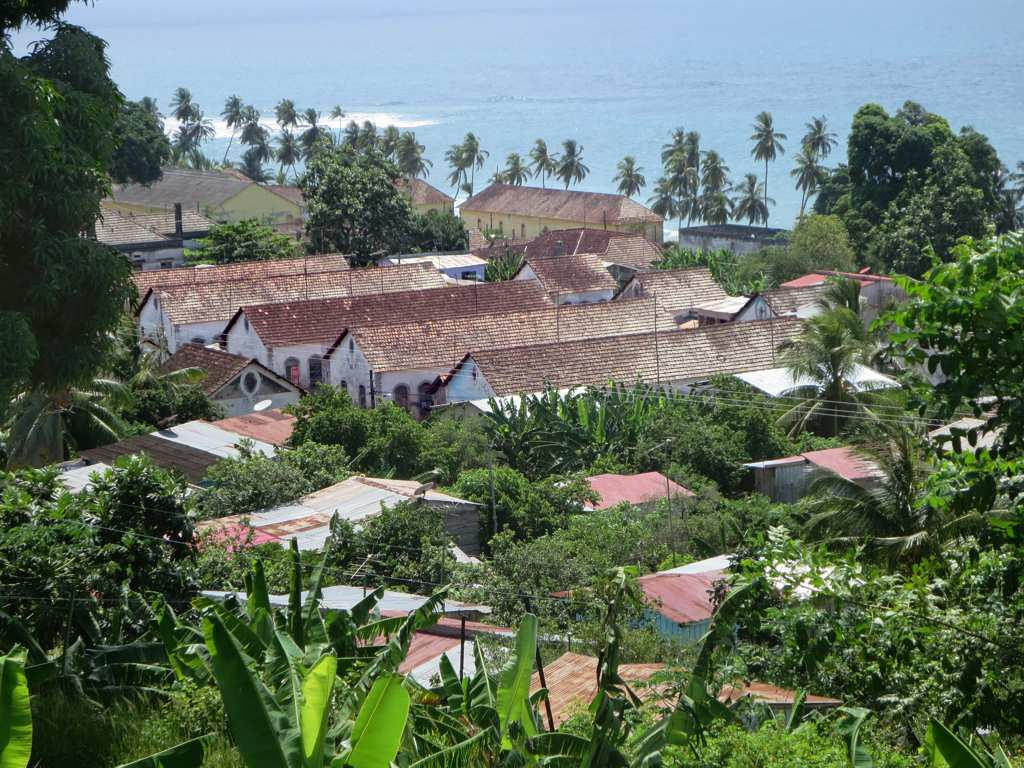
FONG-STP: listening to members to prepare a new phaseThe Federation of NGOs of São Tomé and Príncipe, FONG-STP, has begun its own Structural Support journey in a different context. The platform maintained its activity, recognition, and an important history of work on issues such as citizenship, rights, public budget monitoring, participatory budgeting, human rights, and civil society representation. At the same time, it identified the need to strengthen its strategic leadership, improve communication with members, update institutional tools, and support member NGOs in project management and resource mobilization.
Support