


Thu 12 Nov 2026
Forus members call for justice and climate action at COP31
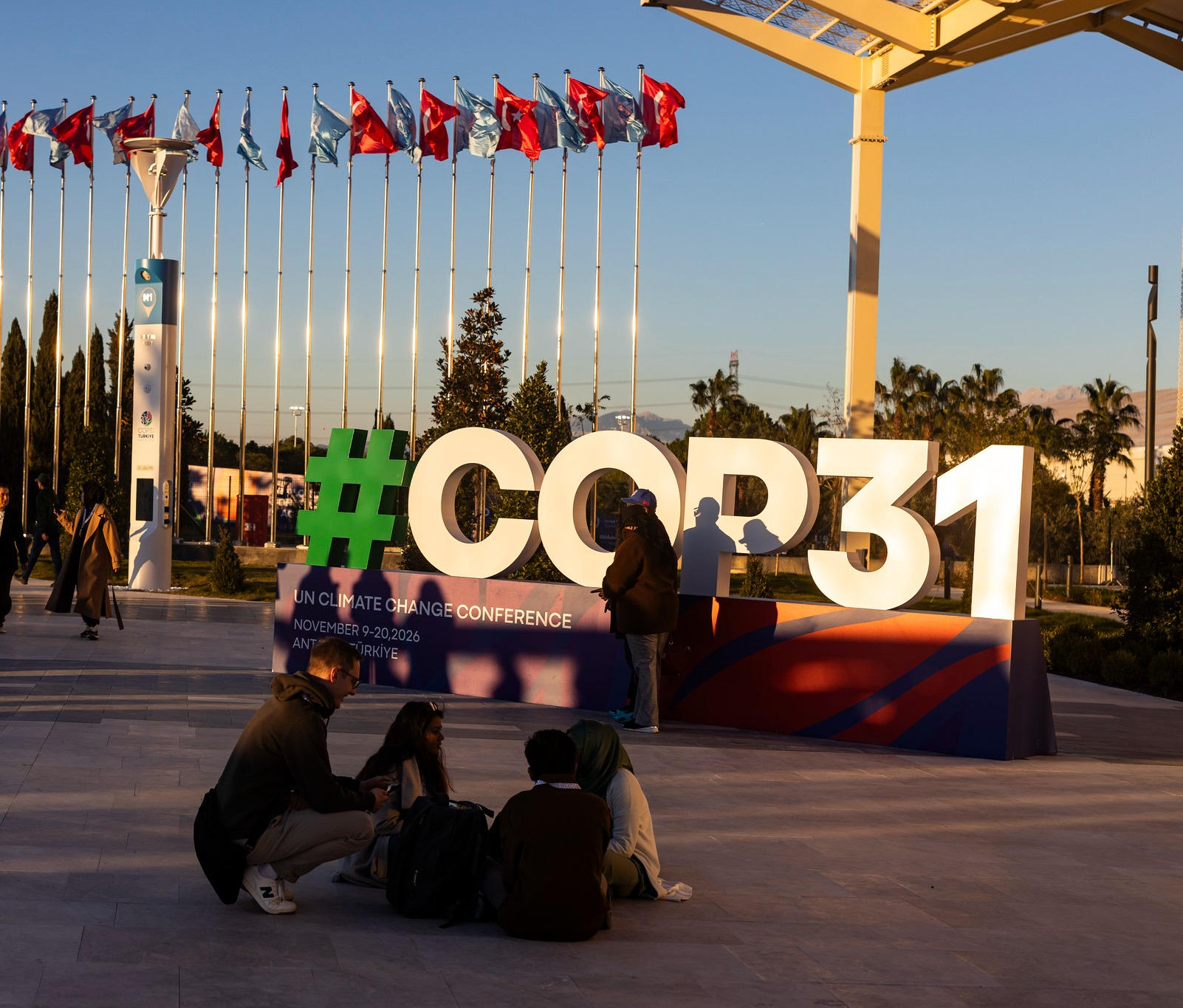
COP31
As #COP31 unfolds in Antalya, Forus members are bringing the voices and priorities of communities on the frontlines of climate change into global discussions. Their calls for climate justice, accessible finance and locally led adaptation echo Forus' Post-2030 Vision and our work through the Public Development Bank–CSO Coalition to make development finance more equitable, accessible and accountable ahead of the 2027 Finance in Common Summit.
As COP31 unravels in Antalya, Forus members from different regions are bringing forward a series of messages: climate commitments must translate into accessible finance, locally led solutions and meaningful participation for the communities most affected by the climate crisis.
In Nepal, the NGO Federation of Nepal (NFN) has helped mobilise civil society around a common position ahead of COP31.
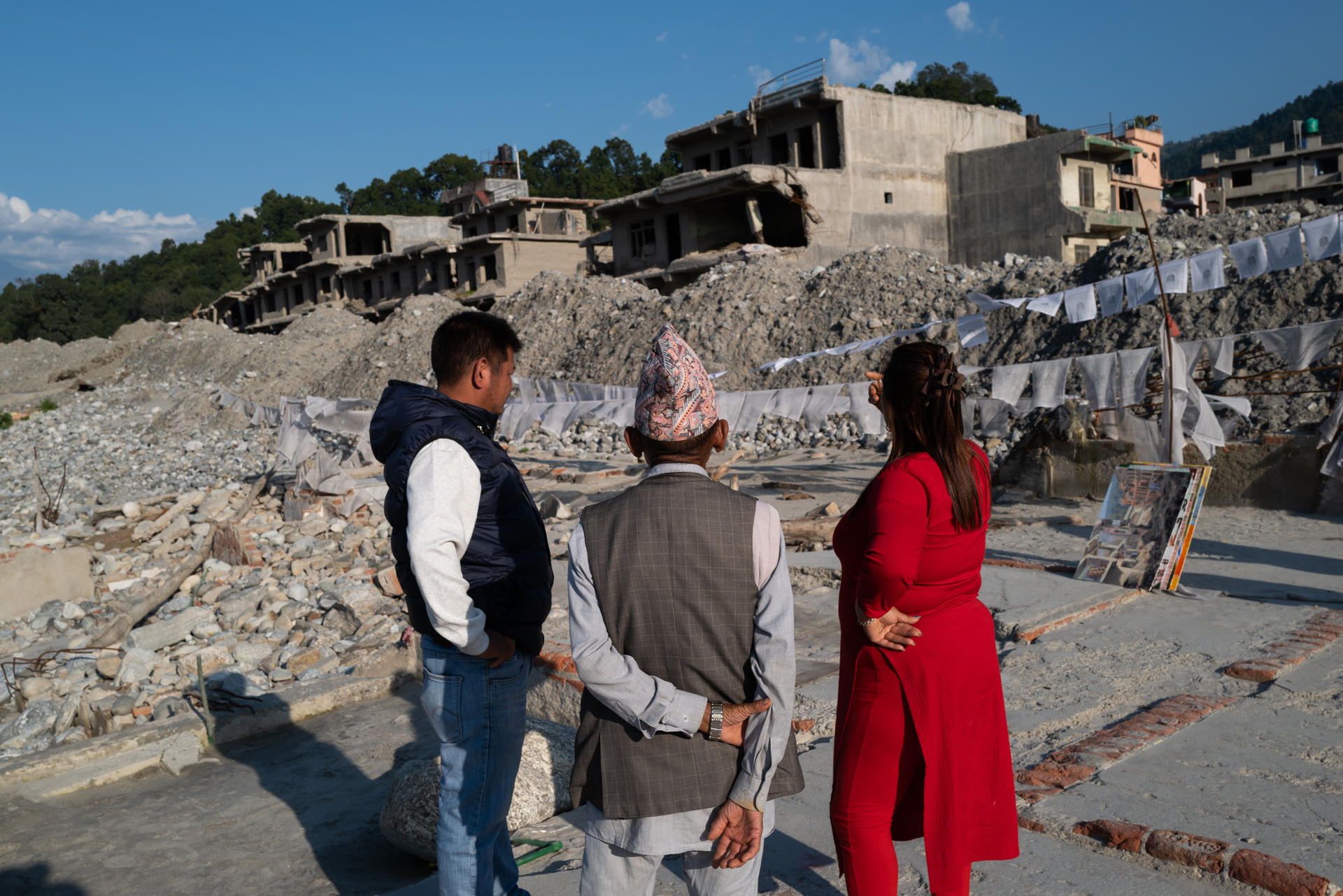
Nepal’s call for climate justice comes at a particularly difficult moment for the country. On 26 August 2026, a glacially triggered mass movement near the Nepal–China border unleashed a devastating flash flood and debris flow along the Bhotekoshi and Trishuli river systems, affecting communities in Rasuwa, Nuwakot and Dhading. A further flood along the Budhi Gandaki River in October caused additional damage in Gorkha and Dhading. Thousands of people have been displaced or affected, homes and essential infrastructure have been destroyed, and many communities are still facing the challenges of recovery.
Against this backdrop, more than 100 Nepali civil society organisations came together ahead of COP31 to develop a joint position paper with 25 priorities for climate action. Formally presented to the Government of Nepal on 27 October, it calls for climate justice and accountability for climate-related loss and damage, accessible grant-based finance, protection for mountain communities, locally led adaptation and meaningful civil society participation in climate decision-making.
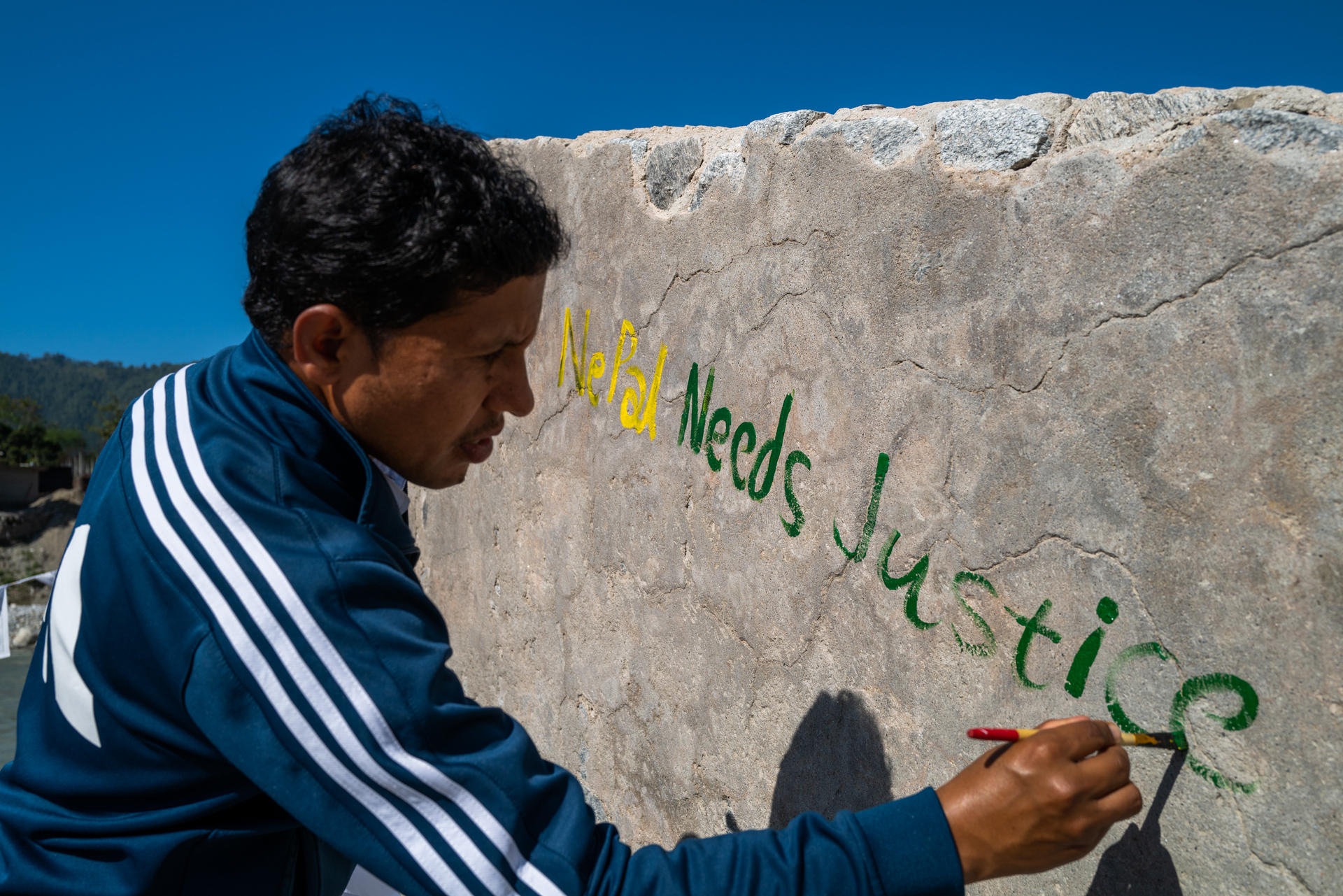
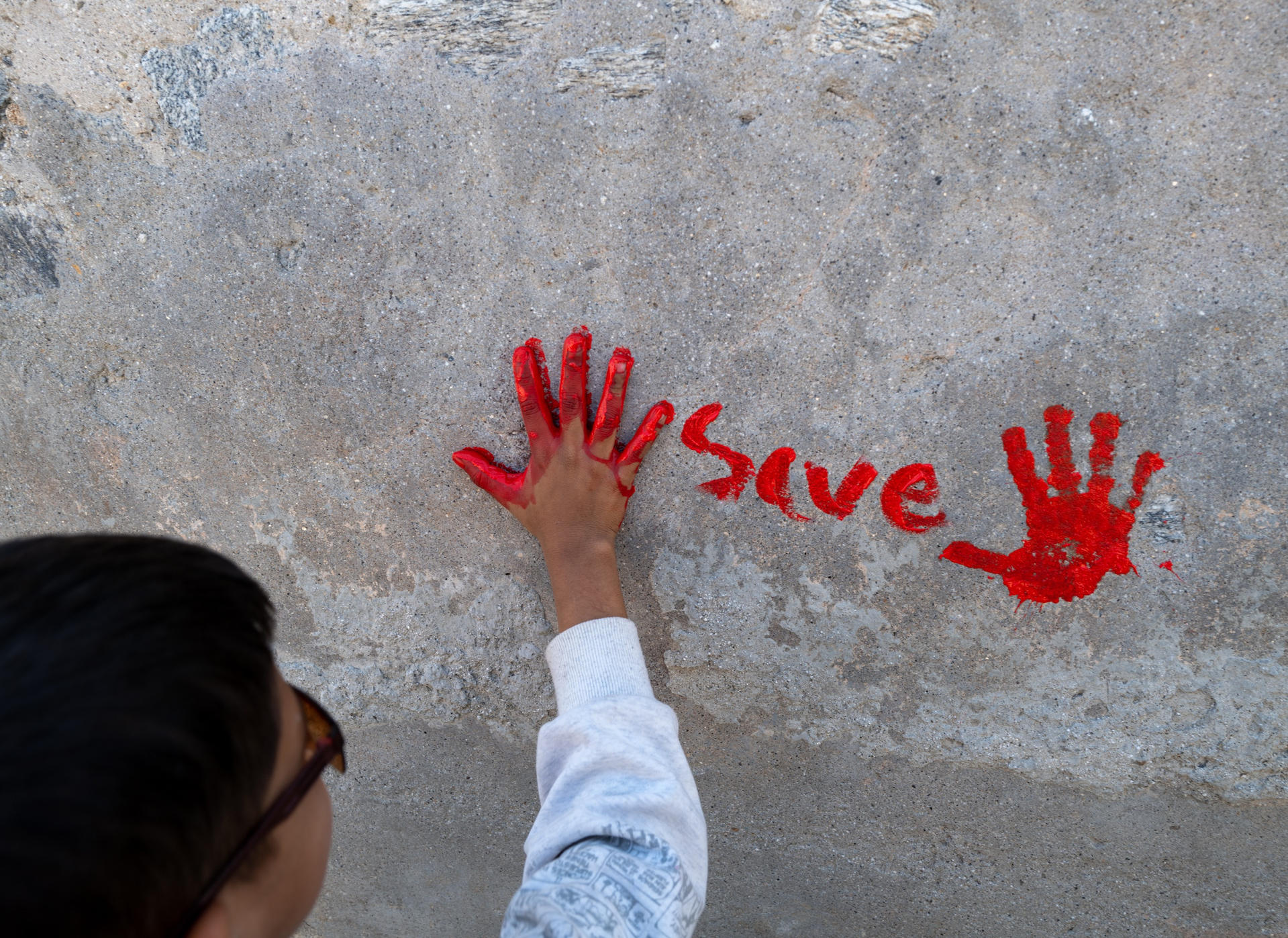
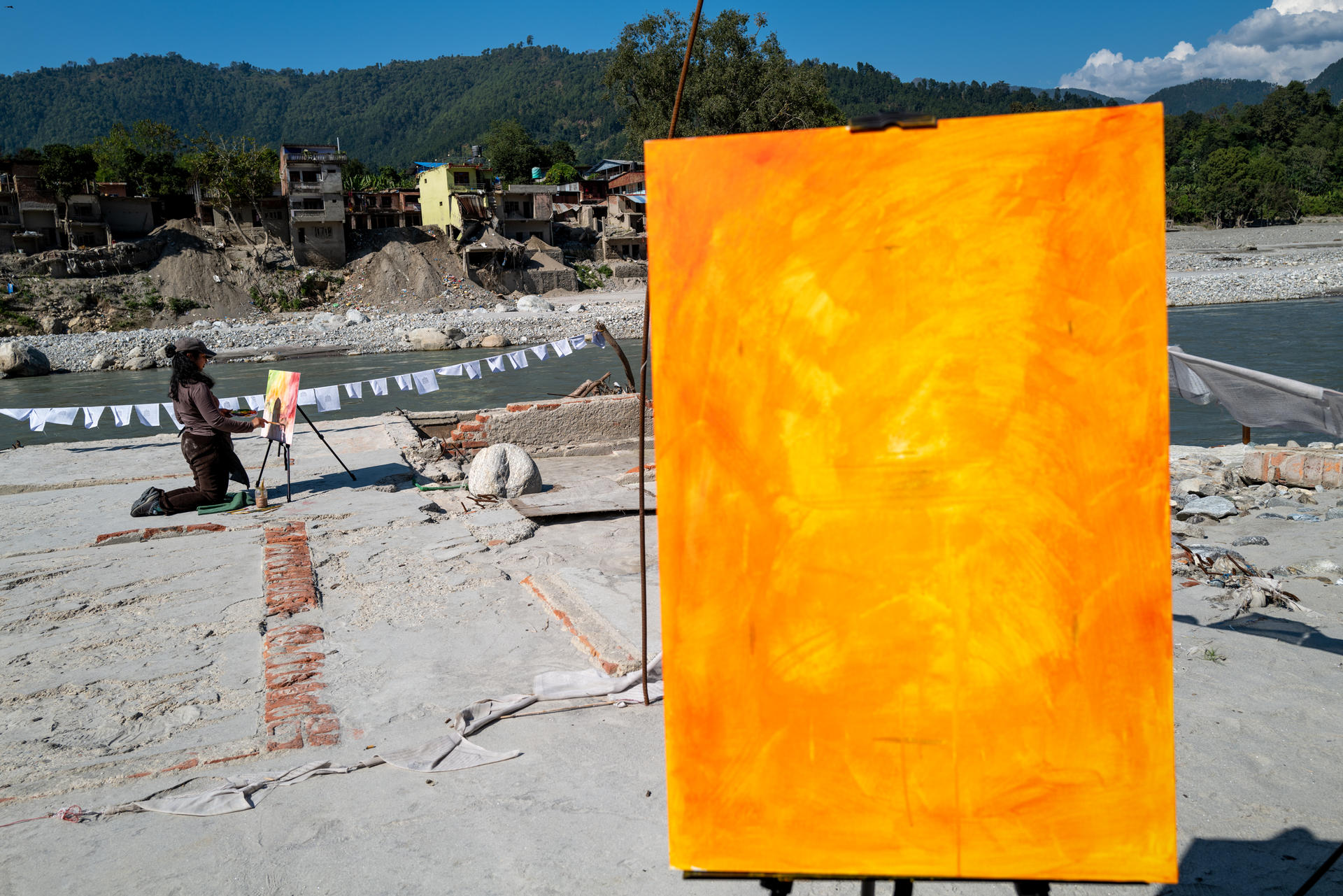
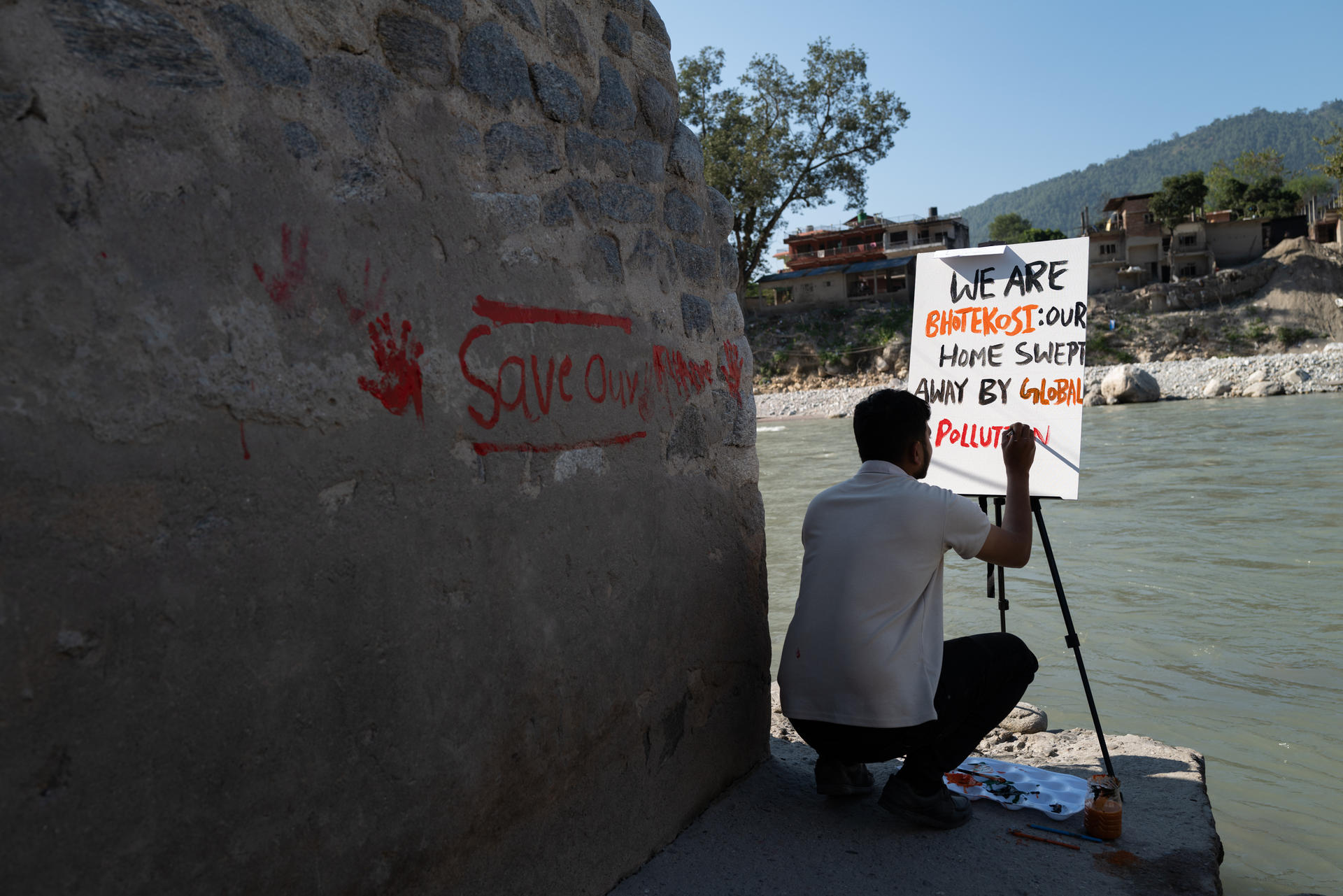
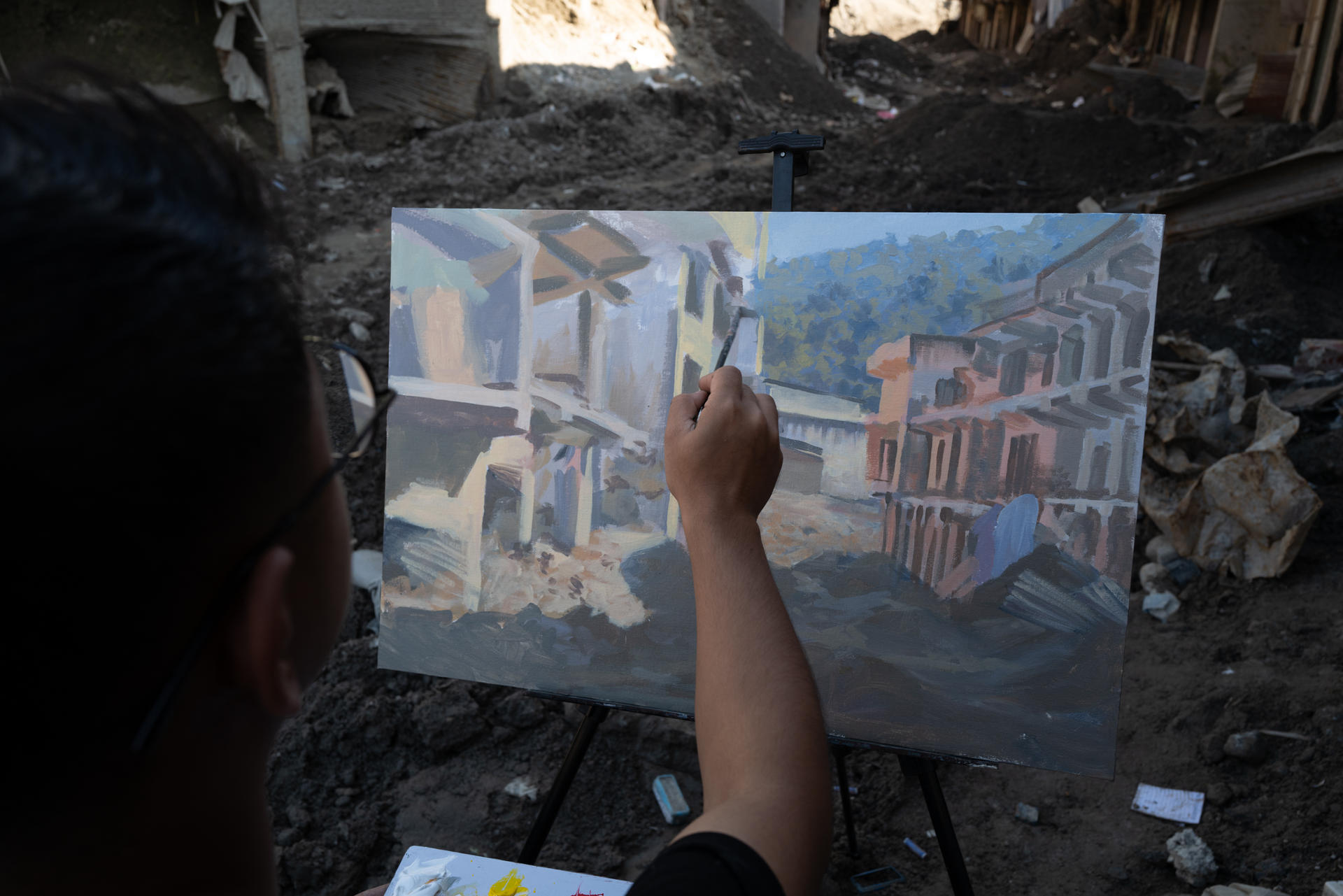
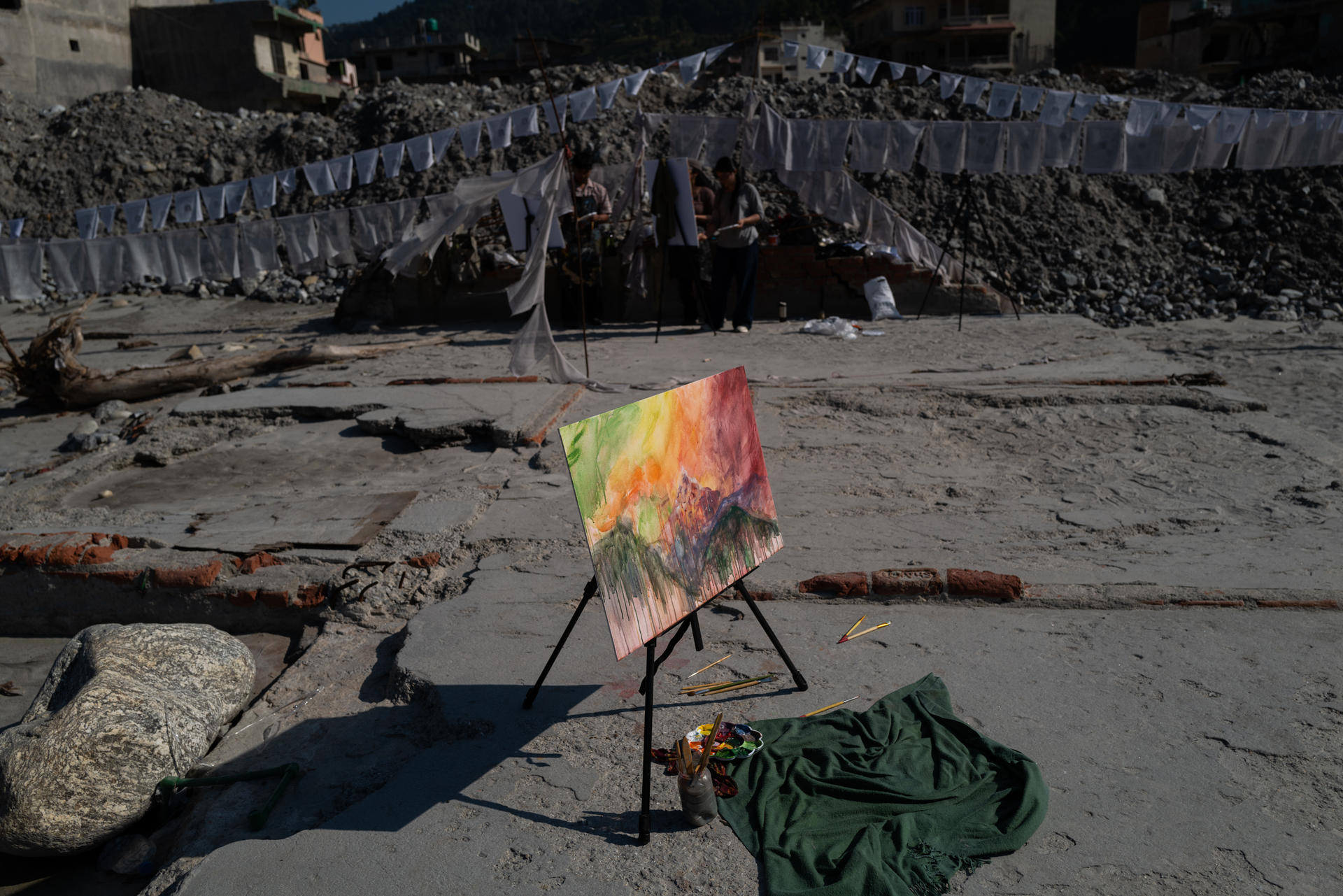
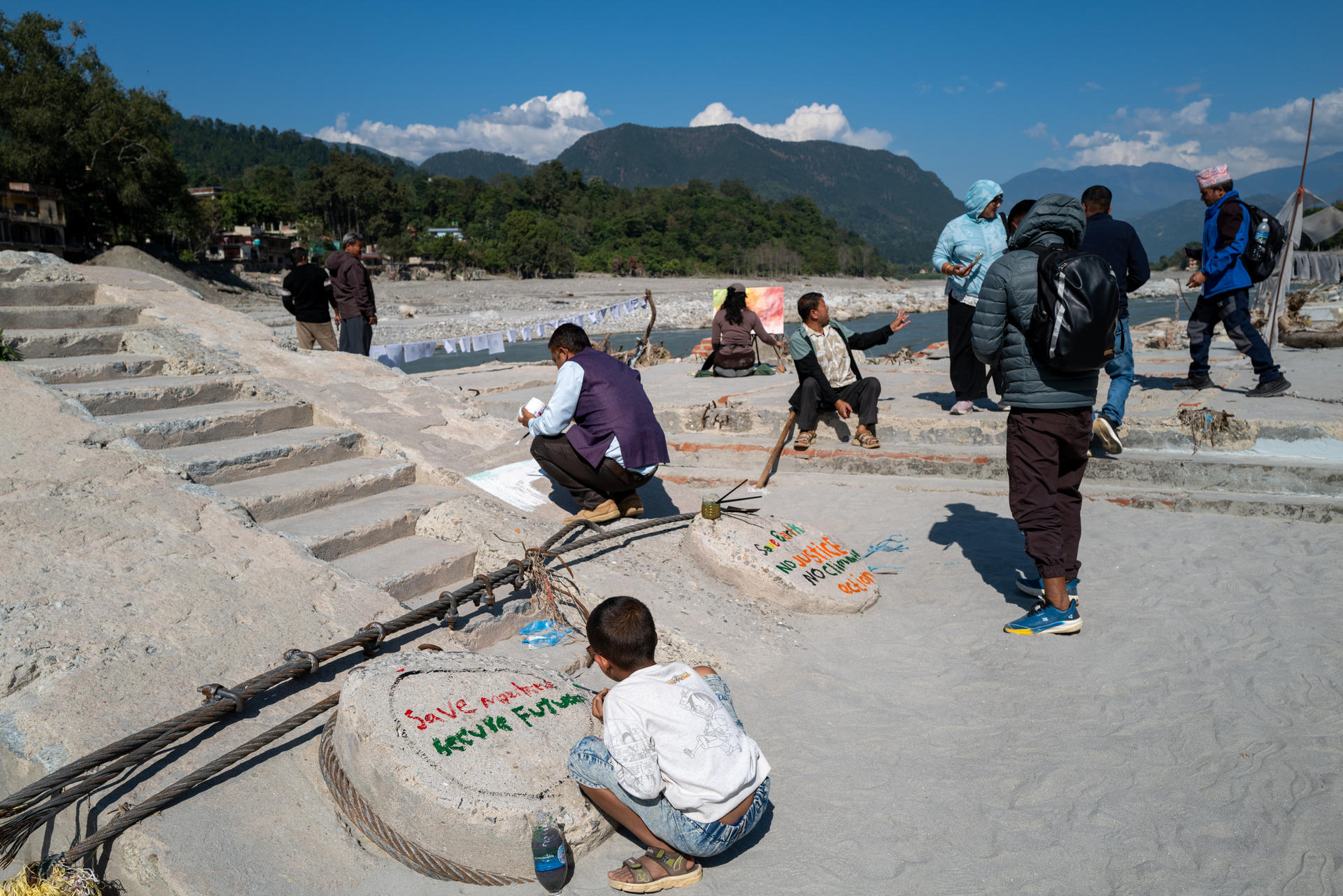
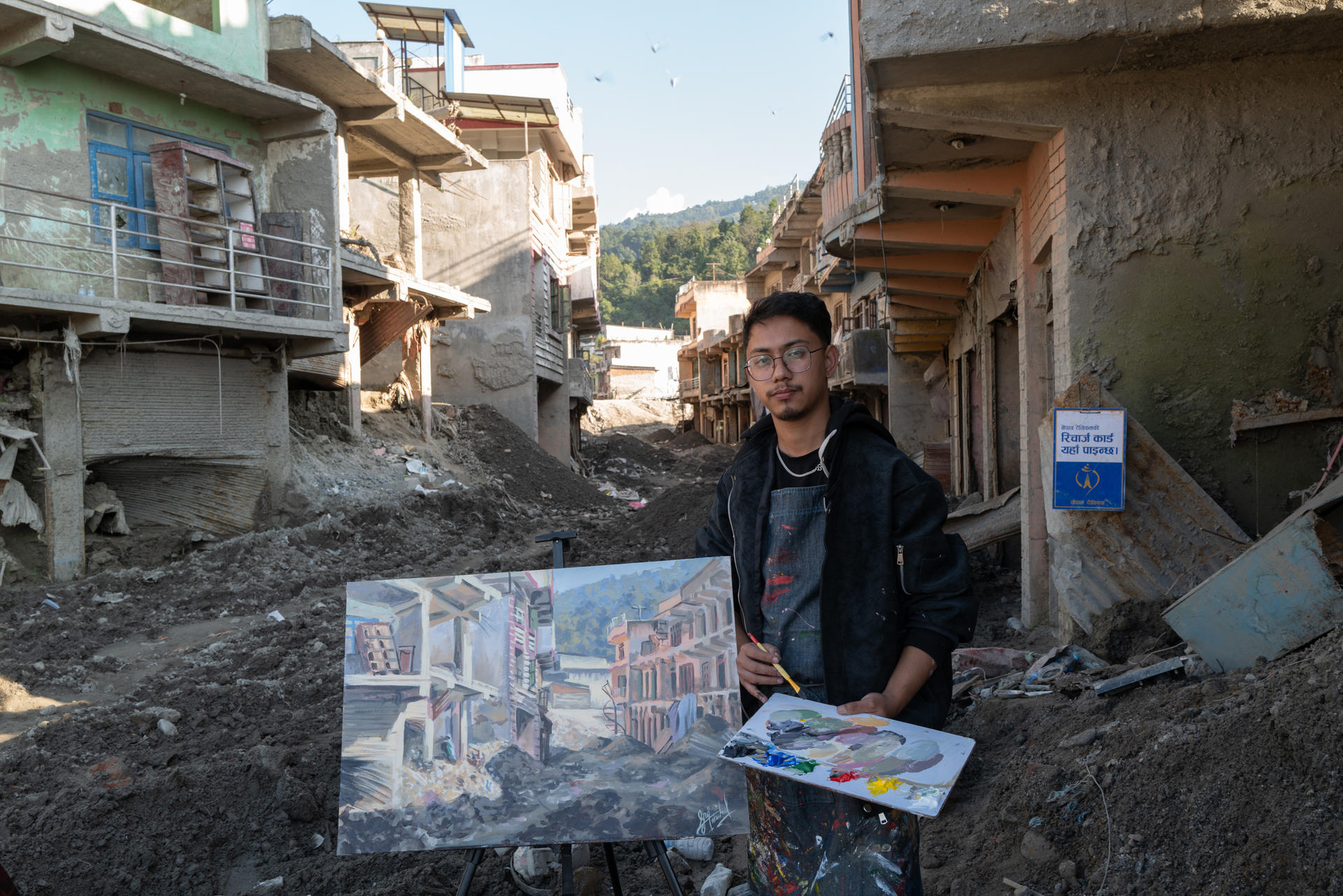
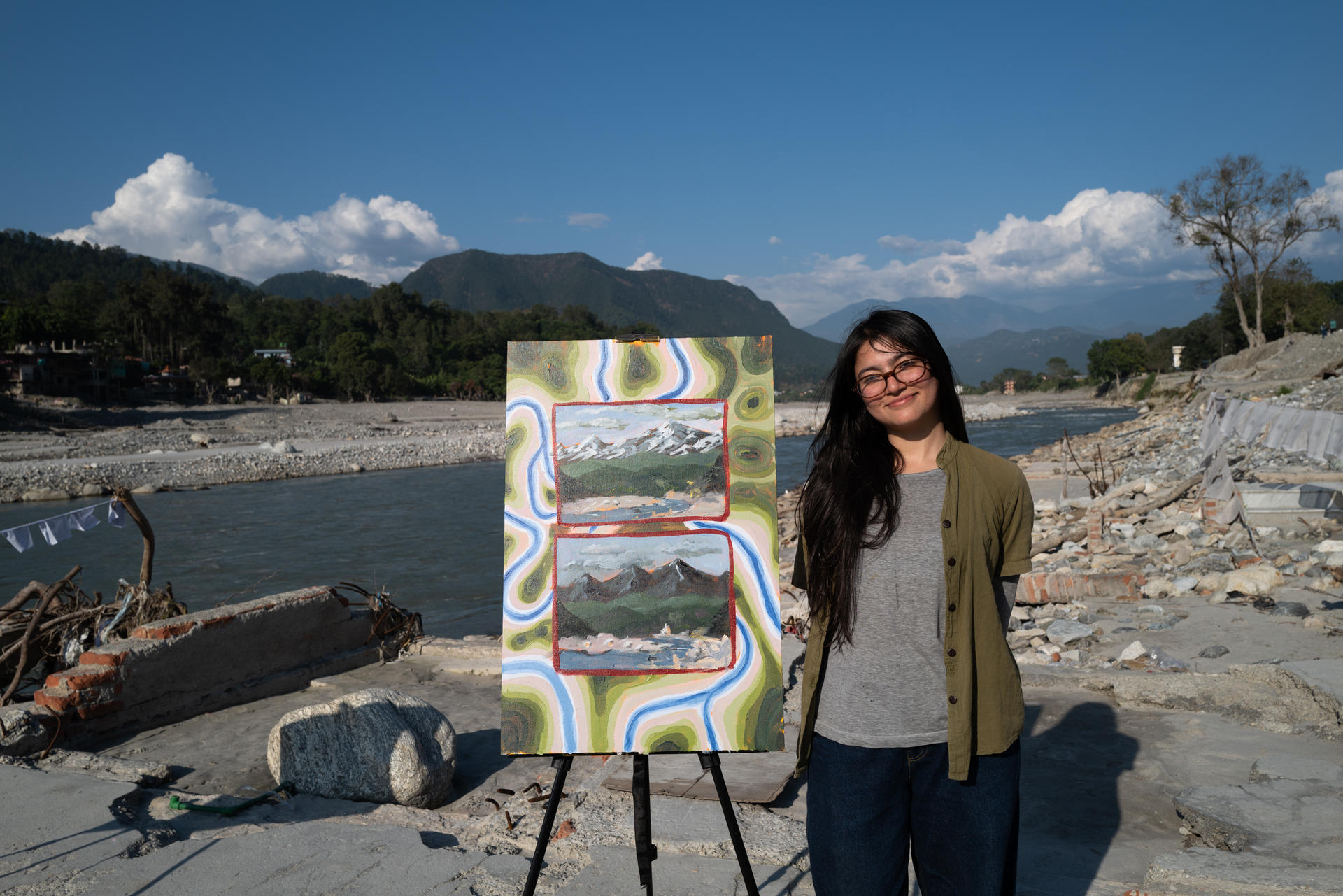
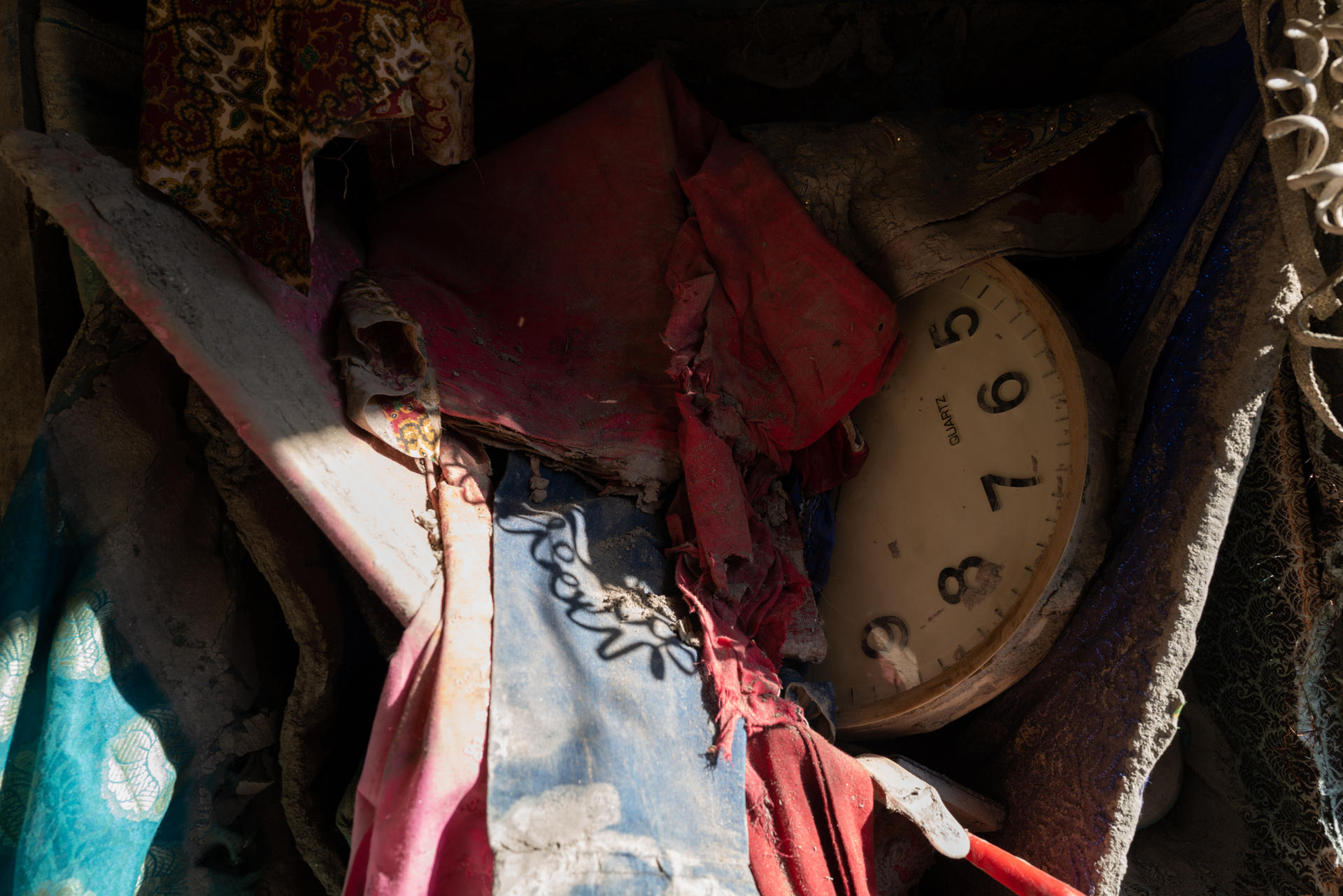
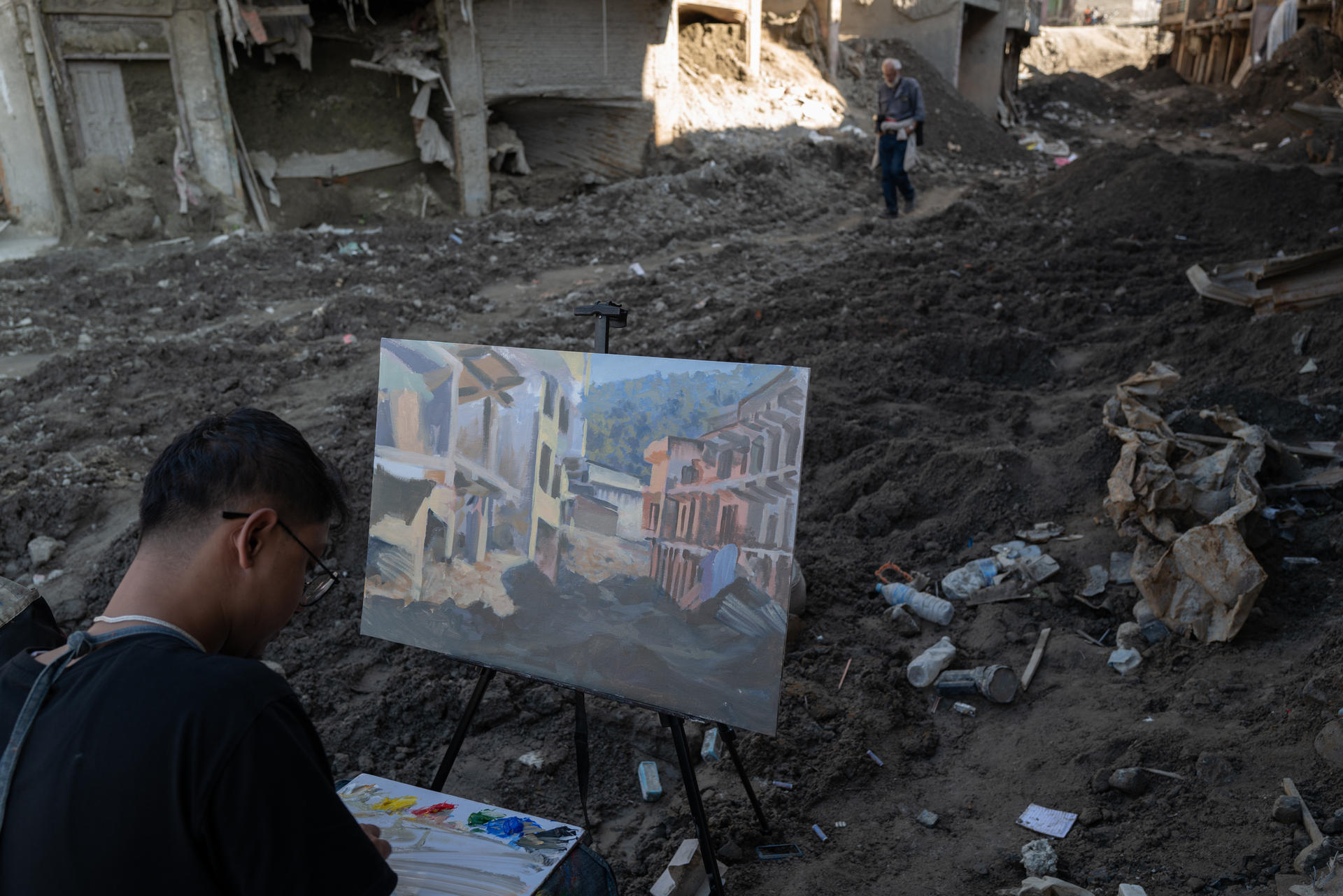
NFN has also been bringing these realities into public view. In Nuwakot, the platform organised an art action with people affected by the floods, creating space for communities to express their experiences and make visible the human consequences of climate-related disasters. Meanwhile, Nepal has been seeking to bring the particular vulnerability of mountain regions into the COP31 negotiations. Its proposal, alongside Bhutan and Kyrgyzstan, to establish a dedicated mountain agenda did not secure a separate place in the formal negotiations, although consultations are expected to continue. For NFN and its partners, the challenge is to ensure that climate finance, recovery efforts and decisions about adaptation reach the communities living with those risks.
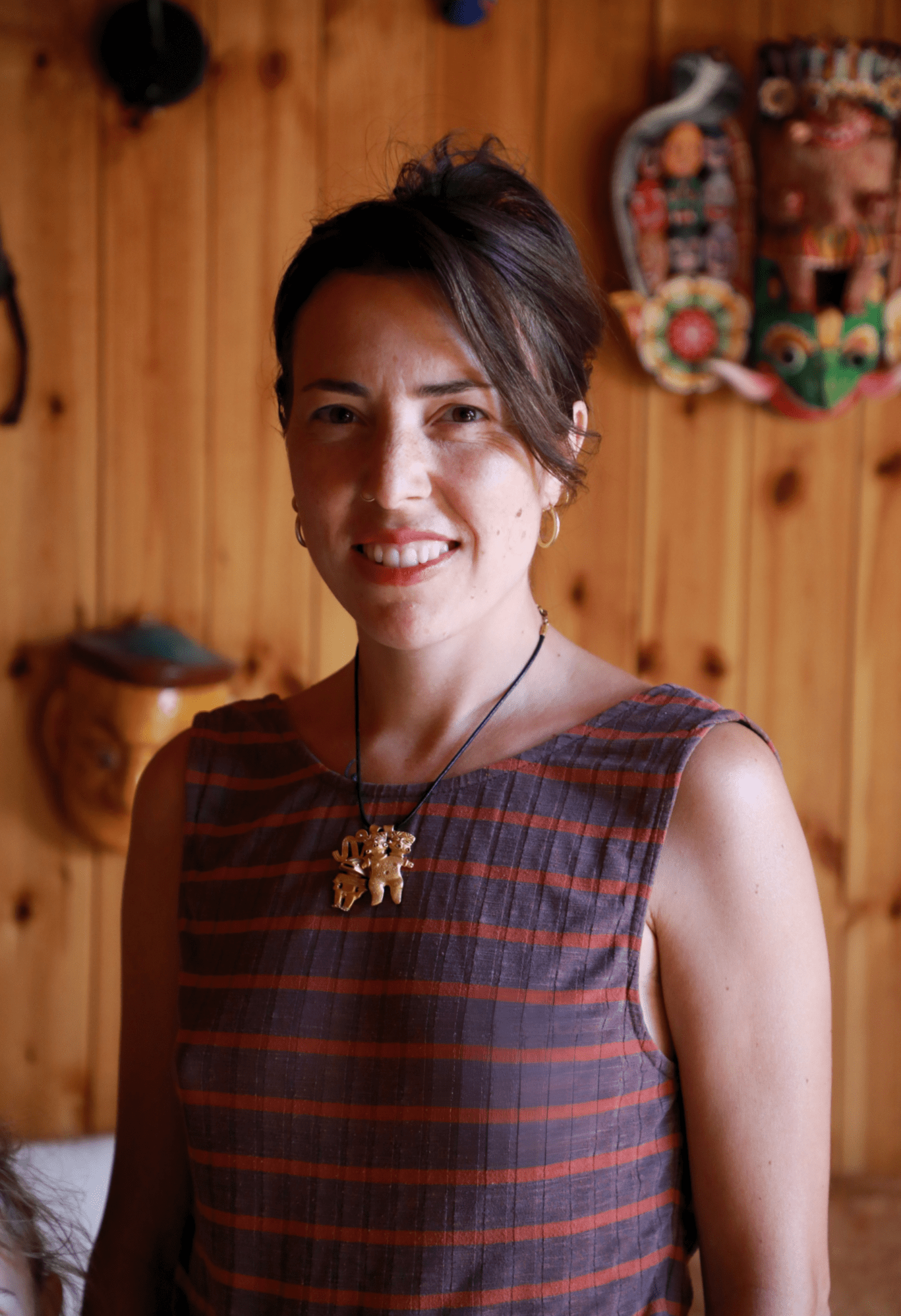
"Thousands of people are missing, and thousands of families are grieving. For those who have lost their loved ones, their homes, their land, and their livelihoods, an apology is not enough. Have we thought about the families who are still waiting for their missing loved ones? Have we listened to the people living in fear near fragile mountains and rivers? Have we considered the children who have lost their parents, the families who have lost everything, and the communities who fear another disaster? Who will take responsibility? Who will provide reparations? Who will protect the people living in the mountains? Climate justice must mean more than sympathy and promises. It must mean reparations for loss and damage, accessible climate finance through grants rather than loans, social protection for affected families, and urgent action to protect mountain communities and future generations. We are not asking for sympathy, we are demanding justice, dignity, accountability, and action,"says Arjun Bhattarai, President, NGO Federation of Nepal (NFN) - COP31: No More Empty Promises. Climate Justice Now!
Title
Title
Title
Title
Title
Title
Title
Title
Title
Title
Photo gallery: Art action in Nuwakot, Nepal, for people affected by floods organized by NFN covered by Forus Journalism Fellow Sanjog Manandhar. Find the full gallery below.
For many climate-vulnerable countries, the core is how support is delivered, on what terms and to whom. Oxfam 2025 study, Unpacking Climate Finance in Nepal: Gaps, Challenges and Opportunities, mapped US$5.71 billion in climate-related development finance between 2011 and 2021. It found that 61% came through debt instruments, compared with 38% in grants and 1% in equity.
The findings also highlight the difficulties of getting resources to local communities including complex application procedures, co-financing requirements, limited direct access to international climate funds and capacity gaps at provincial and local levels. These questions were explored at a dedicated session at COP31: Unpacking Climate Finance in Nepal: Access, Quality and Equity organised by Oxfam in Nepal, NFN and partners.
On November 18, Forus member NFN is also organising the event "From Bhotekoshi to COP31: loss and damage to climate justice" advocating for climate finance to reach the communities most affected by climate change, strengthening social protection systems for climate-vulnerable communities and safeguarding the space for communities to participate in decision-making.
China's CANGO (China Association for NGO Cooperation) is bringing practical experiences and youth perspectives to COP31. On 16 November, it will co-organise the official side event Climate Security, Community Resilience & Adaptation: Best Local Practices in China, Sahel & Worldwide, with the Global Ecovillage Network and ASRAD. The discussion will showcase community-led climate resilience, ecosystem restoration and locally grounded adaptation across China, the Sahel and other regions.
From 16–19 November, CANGO will also present Voices of a Rising Generation, a visual storytelling exhibition, featuring young climate leaders from across the Global South and the projects and solutions they are developing. These activities build on CANGO's April 2026 publication, Harmony and Coexistence: China's Civil Society in Global Climate Governance, which documents how Chinese civil society organisations contribute to climate governance through multi-stakeholder collaboration, community resilience and inclusive development.
Climate justice, ocean sovereignty and the right to shape the future
For the Pacific Islands Association of Non-Governmental Organisations (PIANGO), climate justice is inseparable from the rights, sovereignty and survival of Pacific peoples.
Ahead of COP31, Pacific civil society organisations gathered in Funafuti, Tuvalu, on 10–11 September 2026, for the Civil Society Regional Dialogue for Pacific Voices Ahead of Pre-COP31 and COP31. Their discussions resulted in The Funafuti Call for Climate Justice, a collective declaration setting out regional priorities for governments, development partners and the international community.
The declaration recognizes Pacific peoples as leaders, custodians of their lands and oceans, and agents of the transformation needed to address the climate crisis.
Itcalls for an immediate phase-out of coal, oil and gas, an end to new fossil fuel exploration and subsidies, and stronger accountability for major emitting countries. Keeping global warming within 1.5°C is a non-negotiable threshold for the survival of Pacific communities, cultures and future generations.
It also places ocean justice at the centre of climate action, calling for the protection of Pacific sovereignty and maritime rights in the face of rising sea levels, and rejecting destructive extractive activities such as deep-sea mining.
On climate finance, the declaration calls for new and additional, adequate, predictable and predominantly grant-based funding that does not deepen debt or undermine essential public services. Similar to the demands from NFN, it urges international funders to simplify application and reporting procedures, remove accreditation and co-financing barriers, and ensure that resources reach frontline communities, including those in outer islands, maritime communities and informal settlements.
The declaration also makes a powerful case for recognising civil society and community organisations as essential climate infrastructure: Pacific networks hold institutional memory, connect local evidence with regional and global processes, and continue supporting communities long after externally funded projects end.
A call for accountability and fair financing
These concerns are also reflected in the advocacy of Forus members in Europe and the Arab region.
In Denmark, Globalt Fokus is coordinating a 16-organisation civil society delegation at COP31. Working alongside international civil society and climate and human rights defenders, the platform is calling on Denmark to use its diplomatic influence to build bridges between countries and negotiating groups, strengthen implementation of the Paris Agreement and support a fair global transition.
One of its key priorities is climate adaptation finance.
Ahead of COP31, the UN Environment Programme's latest Adaptation Gap Report highlighted the enormous gap between the resources needed and those currently available. Estimates suggest that developing countries will need US$305–420 billion annually for adaptation by 2035. Even if the commitment to triple adaptation finance is delivered, it would cover only a fraction of the projected needs.
Globalt Fokus is therefore calling to develop plans for contribution to increase international adaptation finance from approximately US$40 billion to at least US$120 billion annually by 2035.
For the Danish platform, climate adaptation is also a question of justice and responsibility: those most responsible for the climate crisis must help protect those bearing its greatest consequences.
In Ireland, Dóchas is bringing the debate on climate finance to the European level. Its November 2026 policy paper, From Ambition to Delivery: Realities, Gaps, and the Path Ahead for EU Climate Finance, examines whether the European Union is delivering its fair share of international climate finance and whether its funding architecture responds to the needs of climate-vulnerable countries.
In 2024, loans accounted for 51% of climate finance provided by EU Member States, compared with 42% in grants. Only 15% of reported Member State and European Commission climate finance could be directly identified as allocated to least developed countries.
Dóchas is calling for the EU and its Member States to commit to a clear pathway towards providing €70–91 billion annually in public climate finance by 2035, with increased grant-based support, particularly for adaptation and loss and damage.
The platform also calls for at least 50% of public international climate finance to be allocated to adaptation, provided as grants, and for funding mechanisms that allow local communities, women, Indigenous Peoples and other groups to access resources directly.
With Ireland holding the Presidency of the Council of the European Union during the second half of 2026, Dóchas is also urging the Irish Presidency to build alliances with the most climate-vulnerable countries and strengthen the role of public finance in delivering the global climate finance goal.
From Finland, Fingo is joining other Finnish civil society organisations in calling for stronger climate action at COP31. In their joint statement, the organisations stress that the EU must maintain its emissions-reduction commitments and accelerate the transition away from fossil fuels, while ensuring that this transition is fair and respects human rights.
The statement also highlights the need to invest in services that protect children from climate impacts and to ensure that civil society, Indigenous Peoples, young people and other stakeholders can participate meaningfully in climate decisions. For Fingo and its partners, the world must move from climate promises to implementation, while limiting how long and how severely temperatures exceed 1.5°C.
ForUM's COP31 position paper calls on Norway to take greater responsibility for translating global climate commitments into action, reflecting its role as a major oil and gas producer and its capacity to contribute to international climate finance. The platform urges Norway to develop a credible roadmap for a rapid and just transition away from fossil fuels, including an end to new oil and gas exploration, and to strengthen support for emissions reductions, adaptation and loss and damage in developing countries. Its demands also address the protection of tropical forests, calling for stronger land rights and direct access to finance for Indigenous Peoples and local communities.
Meanwhile, the Arab NGO Network for Development (ANND), together with civil society organisations across the Arab region, is bringing a broader political and economic perspective to the negotiations.
"The emphasis on implementation gives urgency to the long-standing demand, repeated over 30 years, that commitments must translate into action. Yet implementation has a direction, a distribution and a political economy", says Habib Maalouf in ANND's recent editorial.
Its COP31 position paper, No Climate Justice without a Just Global Order, argues that the climate crisis cannot be separated from inequalities in the global economic and political system, including patterns of resource extraction, unequal access to technology and the distribution of decision-making power.
The paper calls for climate finance that does not deepen debt, increased funding for adaptation and loss and damage, and stronger accountability from states and corporations. It also highlights the need to protect water and food sovereignty, support small-scale farmers and agroecology, and ensure that the transition away from fossil fuels does not reproduce inequalities through new forms of extractivism. ANND also connects climate justice with the protection of civic space and the right of communities, workers and small-scale farmers to participate in shaping and monitoring climate policies.
Through eight analyses, Habib Maalouf examines key issues shaping the road to COP31, from waste and biodiversity finance to scientific disagreements, water, electricity, energy security and the emerging Arab position in climate negotiations. Together, his contributions explore a central question: is the climate debate finally shifting from negotiating targets to negotiating implementation, and how can that implementation be made equitable? Beyond these analyses, four others developed by the ANND network connect international climate negotiations to the everyday experiences and realities of people in Lebanon, Tunisia, Jordan and Egypt.
From Burkina Faso to Honduras, Forus members are putting locally led climate action into practice.
In Burkina Faso, SPONG has coordinated the Communities Regreen the Sahel programme since 2018, working with local organisations and communities to restore degraded land and strengthen food security. By the end of 2025, almost 39,000 hectares had been restored and more than 23,600 producers had adopted assisted natural regeneration practices. The work also highlights what is needed to sustain these gains: secure land rights, stronger community ownership and long-term public funding.
In Honduras, ASONOG is supporting smallholder farmers and Indigenous and rural communities to strengthen their resilience to climate change. Through an agroecology programme with partners OIKOS and OCDIH, it is working with 1,077 farming families across 42 communities in Honduras and El Salvador to improve food security and make agricultural production more resilient.
Its work in Yoro also supports Indigenous Tolupan and peasant women in defending their territorial rights, strengthening sustainable agriculture and building their capacity to participate in community decision-making.
Connecting climate justice with development finance
These demands also connect to Forus' wider vision for the future of international cooperation. In its collective Post-2030 Vision, developed with members across the global network, Forus calls for climate justice to be embedded in the next global development framework, with stronger commitments on adaptation, resilience and just transitions, as well as recognition of loss and damage.
The vision also challenges the unequal distribution of responsibility for ecological harm and calls for financing reforms that address structural inequalities and give local actors greater power and resources. As governments begin considering what should follow the Sustainable Development Goals, the message from Forus members at COP31 is that climate commitments must be grounded in justice, accountability and the realities of communities on the frontlines.
The network's positions emerging from COP31 also connect directly to a wider conversation about the role of public development banks in financing climate action.
Public Development Banks (PDBs) are important actors in the global financing architecture. Their decisions influence which projects receive funding, what types of energy and infrastructure are supported, and whether investments respond to the priorities of local communities.
Forus has been working with civil society partners to strengthen engagement with these institutions and ensure that public development finance puts people and the planet before profit.
As co-chair of the new Public Development Bank–CSO Coalition, Forus is helping build stronger channels for dialogue between public development banks and civil society organisations, while advocating for transparency, accountability, human rights and meaningful community participation.
These priorities were already articulated in the 2025 Finance in Common Summit Civil Society Declaration, developed by Forus and a coalition of more than 50 civil society organisations.
On climate, the declaration calls on public development banks to:
-
Redirect finance away from fossil fuels and towards a just transition to renewable energy, guided by human rights, gender equality, transparency and community-led solutions.
-
Expand grant-based climate finance, particularly for renewable energy and climate action in countries most vulnerable to escalating climate impacts, without exacerbating existing debt burdens.
-
Strengthen support for adaptation and loss and damage, guided by the principles of polluter pays and common but differentiated responsibilities and respective capabilities.
-
Make finance accessible to local communities, including through decentralised renewable energy solutions, technology transfer and investments that respond to locally identified needs.
-
Ensure accountability and safeguards, including meaningful community participation throughout the project cycle, independent grievance mechanisms and access to remedy when projects cause harm.
-
Support sustainable food systems, prioritising agroecology and diversified farming over intensive agricultural models that undermine biodiversity, livelihoods and food security.
The declaration also stresses the importance of distinguishing climate finance from official development assistance, and of preventing double counting of resources intended to meet different international obligations.
"At COP31, Forus is bringing attention to the work and perspectives of its members, particularly on the need for climate finance to be accessible, equitable and responsive to local priorities. Experiences from countries such as Nepal highlight the importance of ensuring that climate finance reaches local communities and organisations, including through accessible and predictable grant funding. Climate finance must not only be mobilised at scale; it must also reach those on the frontlines of climate change and enable locally led climate action," says Marianne Buenaventura Goldman, Forus' Lead on Financing for Sustainable Development.
These demands are relevant as preparations begin for the sixth Finance in Common Summit, which will take place in Bangkok, Thailand, from 31 March to 2 April 2027.
The first edition of the summit to be held in Asia, FiCS 2027 will bring together public development banks and their partners under the theme Delivering Sustainable Growth for a More Resilient Future. Its agenda will include nature-positive development, finance for adaptation and resilience, and clean energy expansion.
Forus members and civil society partners will have an important opportunity to bring the priorities of communities and national organisations into these discussions, building on the coalition's work to make public development finance more inclusive, accountable and responsive to the realities on the ground.

Wed 2 Jul 2025
Financing Change - Full Documentary