
Wed 14 Oct 2026
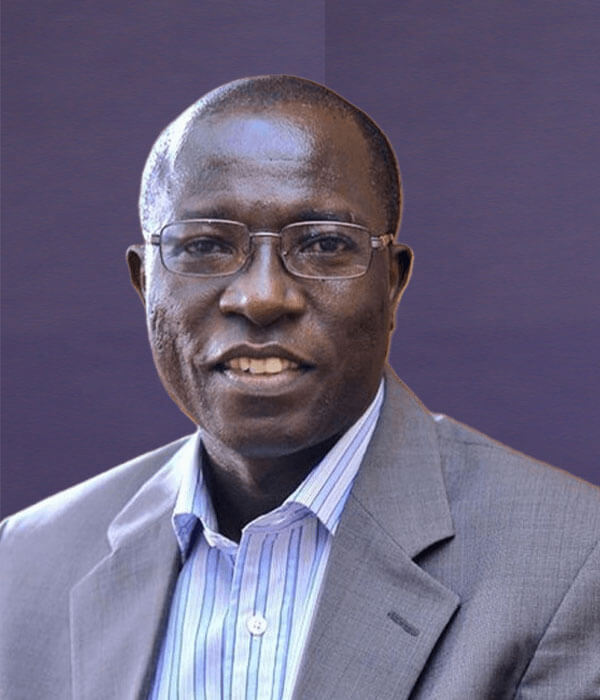
From subcontracting to solidarity: shifting power in development partnerships – Forus co-chair Dr. Moses Isooba
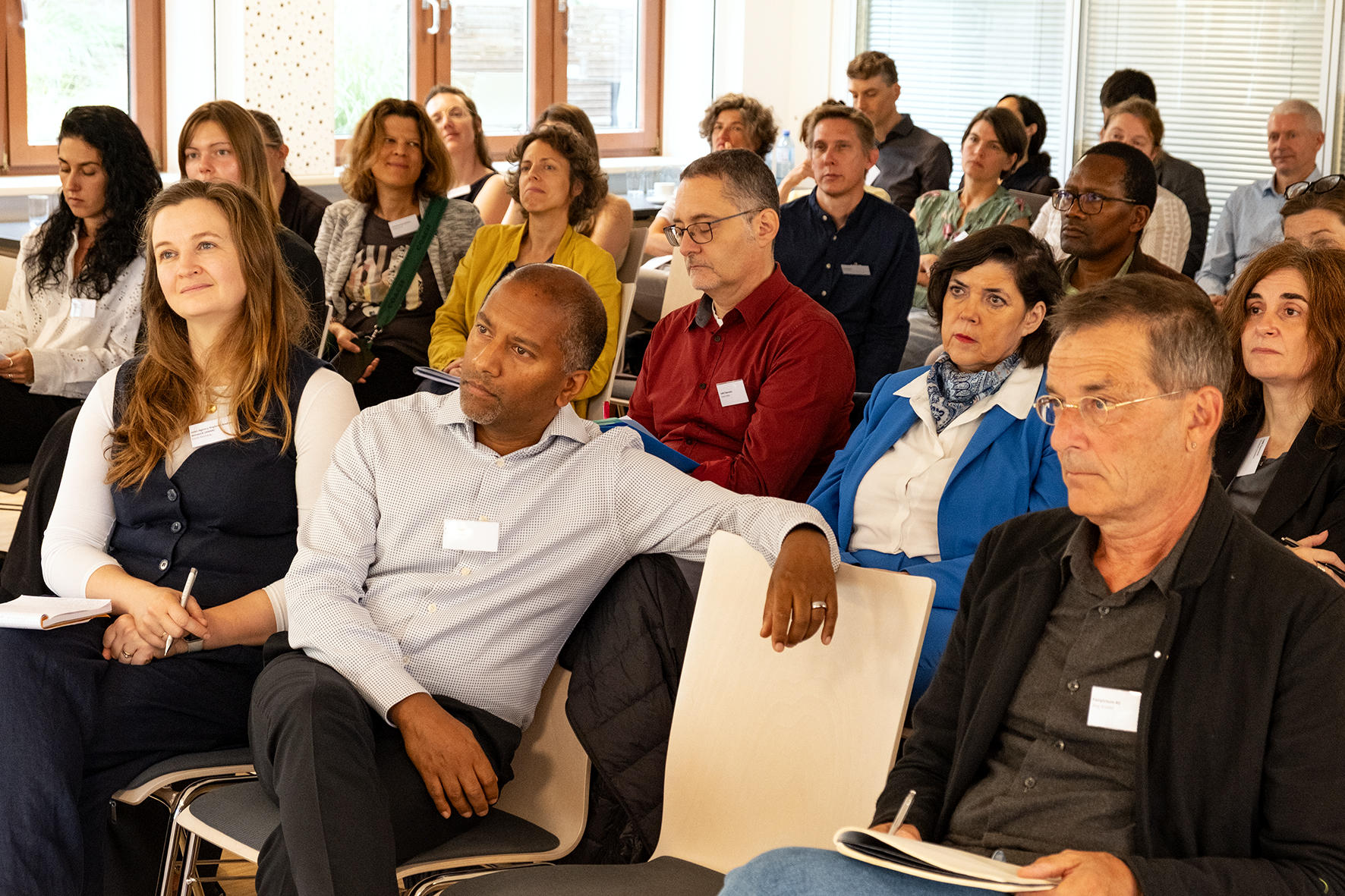
Aid Matters
The Aid Matters event explored the power of partnerships. Strong partnerships require trust, mutual learning, continuous reflection, and a willingness to adapt to changing realities. As our sector faces growing challenges, investing in and strengthening our partnerships becomes more important than ever.
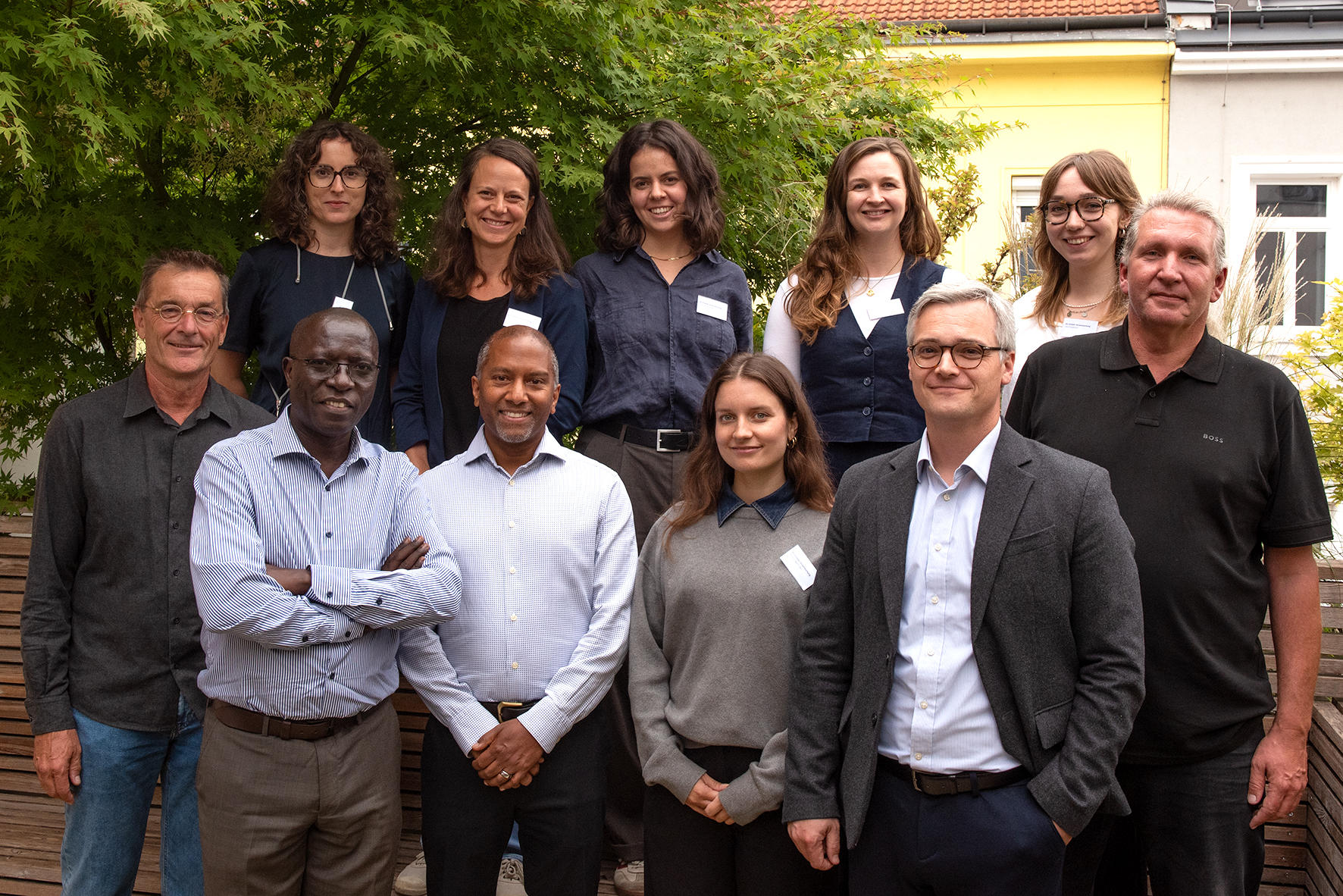
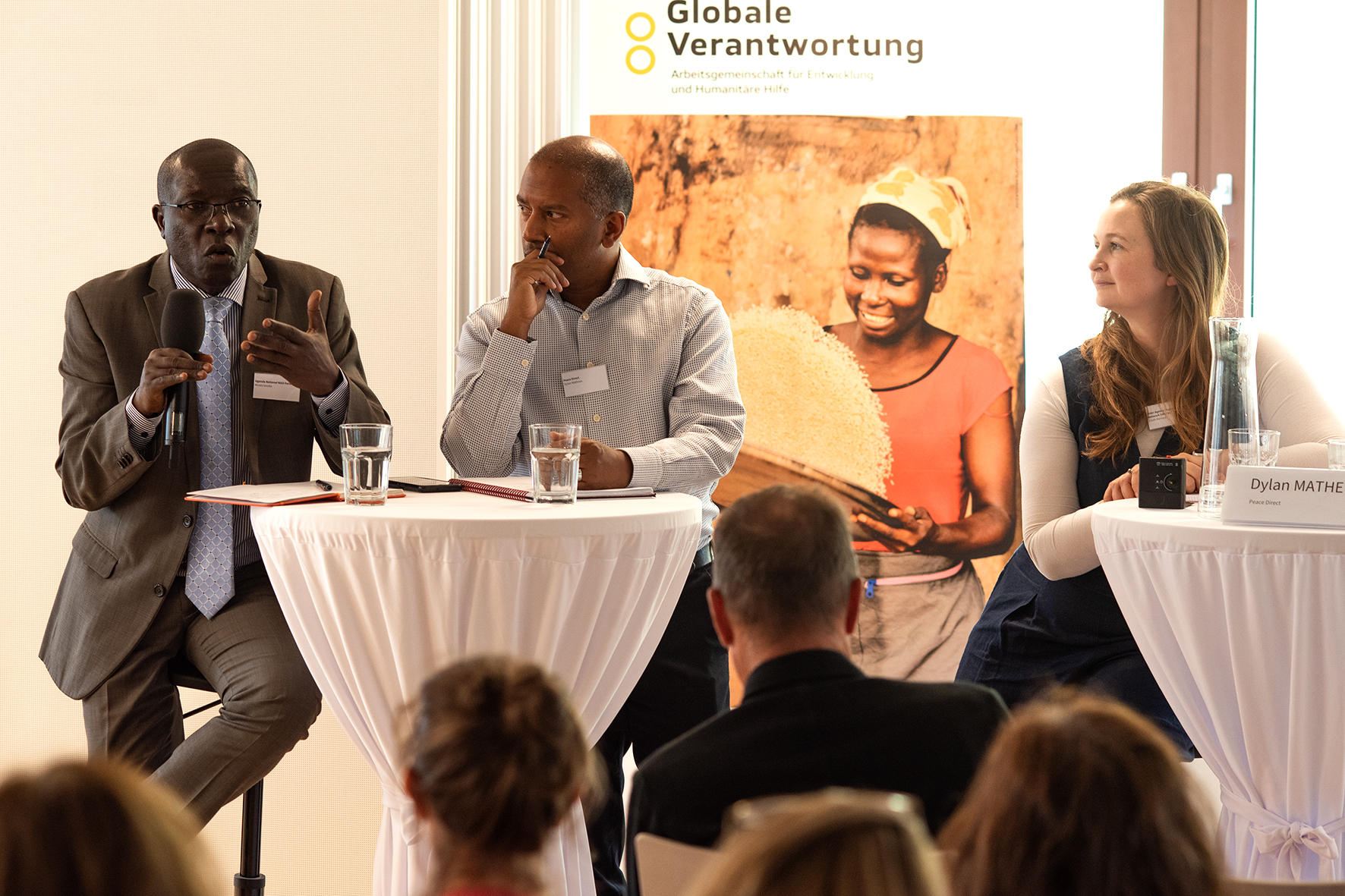
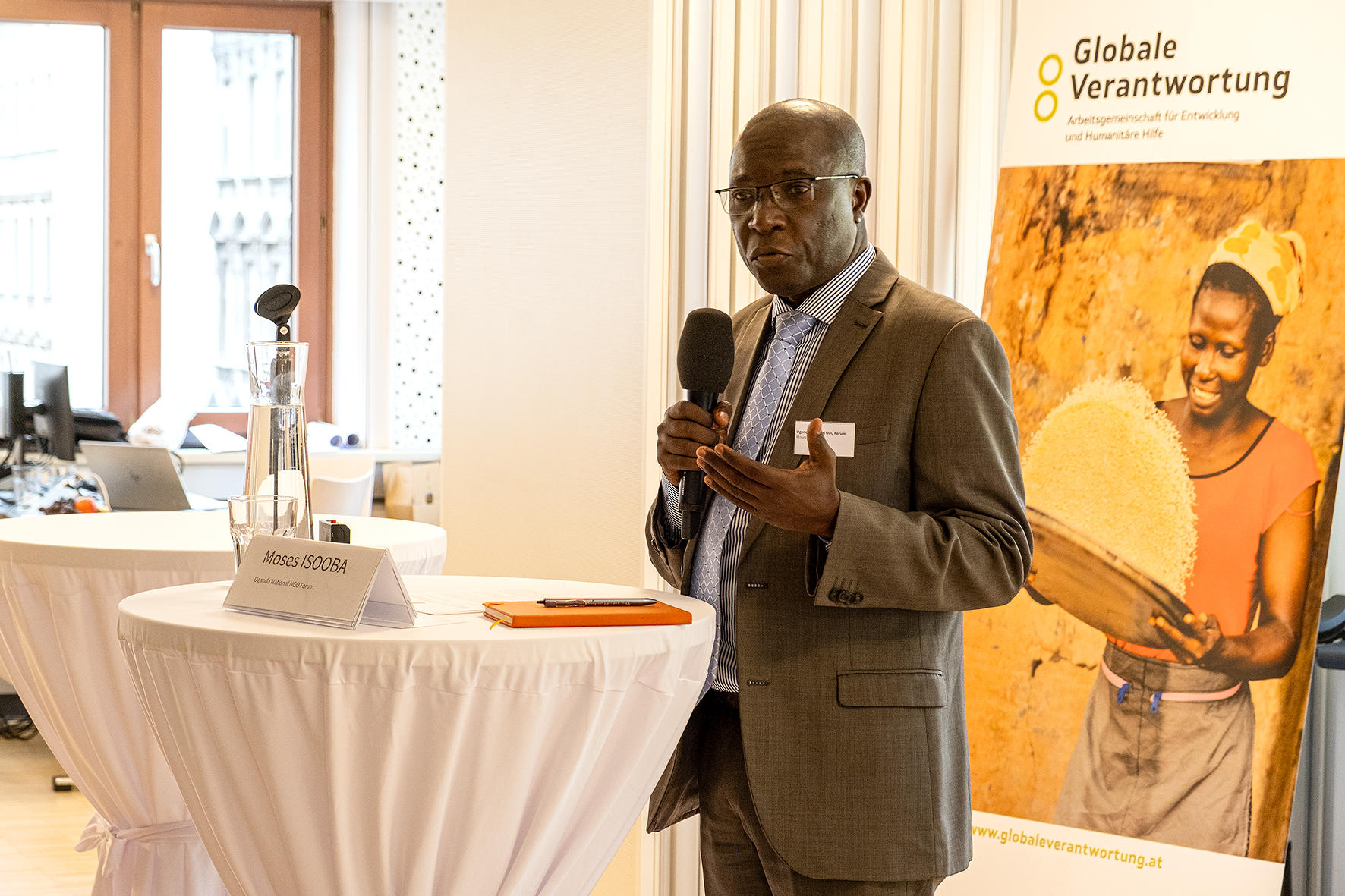
At Aid Matters 2026 in Vienna, Moses Isooba, Executive Director of the Uganda National NGO Forum and Co-Chair of Forus, called for a fundamental shift in how development partnerships are understood and practised: from subcontracting to solidarity, and from consultation to shared power.
Speaking at Aid Matters 2026, organised by Global Responsibility under the theme “The Power of Partnerships”, Moses Isooba brought the perspective of Uganda and the wider Majority World to a central question facing international development: what does partnership actually mean when the power to make decisions and control resources remains concentrated in the hands of a few?
As Moses put it, “Power moves when three things change: who decides, who holds the resources, and who defines success.”
This message speaks directly to Forus’ longstanding work to strengthen the role of National Civil Society Platforms and ensure that development cooperation is shaped by the organisations, communities and movements closest to the issues.
From localisation to shifting power
Forus members have long called for localisation to go beyond transferring implementation responsibilities. Moses’ keynote reinforces this distinction, arguing that local implementation without decision-making is subcontracting, while local leadership without resources is abandonment.
" We cannot build a new development system with the assumptions, structures, and power relationships of the old one. We need to stop thinking about partnerships primarily as mechanisms for delivering projects. Partnerships must be seen as relationships through which we build collective power to address problems that no organisation, country, or sector can solve alone," he said.
A genuine shift in power means giving local and national actors real authority over priorities, programme design, budgets and adaptation — while ensuring access to longer-term, flexible and predictable funding.
It also means recognising that local organisations already possess knowledge, relationships, legitimacy and leadership. Rather than asking how international organisations can “build” their capacity, Moses challenges the sector to ask what is already there, and what resources and space are needed for that capacity to flourish.
Moses also calls for a different kind of solidarity: "one that strengthens local agency rather than institutional dependency. Solidarity is our currency and our greatest single renewable resource".
This is particularly important for National Civil Society Platforms. As Moses highlights through the experience of the Uganda National NGO Forum, platforms do more than implement projects: they connect organisations, build collective positions, defend civic space, influence policy and strengthen accountability. Supporting individual organisations without investing in the wider civil society ecosystem risks localising projects without localising power.
At the same time, partnership should recognise communities and local organisations as co-investors, not beneficiaries. "Communities contribute knowledge, relationships, legitimacy, voluntary effort, local resources, institutional memory, courage and trust. Financial resources are only one form of capital within a partnership," Moses stressed.
"Everyone has a voice. The problem is that only a few of us have the microphone. The aim is therefore not to “give voice” to communities, but to democratize access to the microphone and to decision-making".
Partnerships need an enabling environment
The keynote also connects locally led development to another issue at the core of Forus’ work: the protection and promotion of civic space and the enabling environment for civil society.
Moses argues that local actors cannot lead if they are criminalised, restricted, excluded from public decision-making or unable to access resources. “Locally led development cannot thrive where civic space is being suffocated,” he stresses.
This means that changing funding relationships alone is not enough. Development cooperation must also support the wider conditions that allow civil society to organise, participate, influence decisions and hold institutions accountable - including the need for meaningful participation, access to resources, accountability and protection of civic space.
From partnership as a project mechanism to partnership as collective power
Moses ultimately calls for a different understanding of partnership: one that moves beyond using partnerships primarily as mechanisms for delivering projects.
This is also at the heart of Forus’ approach to network-building: connecting civil society organisations and platforms across countries and regions so that they can share knowledge, develop collective positions and strengthen their influence.
The question, as Moses puts it, is "what decisions are we prepared to share, what resources are we prepared to relinquish, and what risks are we prepared to carry together? Equitable partnership is not about giving local actors a seat at our table. It is about recognising that the table, the agenda, and the resources must be shaped and owned together."
These are questions that will continue to shape Forus’ work with its members and partners — from locally led development and civic space to financing for sustainable development and stronger partnerships between civil society and development institutions.
Read the full keynote
Moses Isooba’s full keynote, “The Power of Partnerships – Shifting Development Cooperation from Subcontracting to Solidarity,” explores these questions in greater depth and sets out five practical shifts for moving from consultation towards shared governance, from restricted projects to quality financing, from risk transfer to risk sharing, from capacity building to mutual transformation, and from institutional preservation to more purposeful international roles. Read the full keynote below.
Pictures credit: Global Responsibility