© NGO Forum on ABD
Mon 20 Jul 2026
African Women and Public Policy: When Leadership Becomes a Driver of Change
Africa's civic space is far from smooth sailing. It is marked by numerous challenges, from economic crises and restrictions on freedom of expression to democratic setbacks and social inequalities. For decades, women have been excluded from decision-making processes. Today, however, they are increasingly taking on leadership positions, using digital platforms, engaging in civil society, and making their voices heard through the media.
The central question explored in this article is: Can young women transform Africa's civic space?
The answer is yes. Across the continent, young women are developing innovative approaches, participating actively in public life, influencing public policy, and driving meaningful social and political change.
Africa is the world's youngest continent, and its youth represent a powerful force for political and social transformation. Young women, in particular, are determined to make their voices heard. Despite barriers related to social norms, gender, and age, they are organizing, mobilizing, and leading change in their communities.
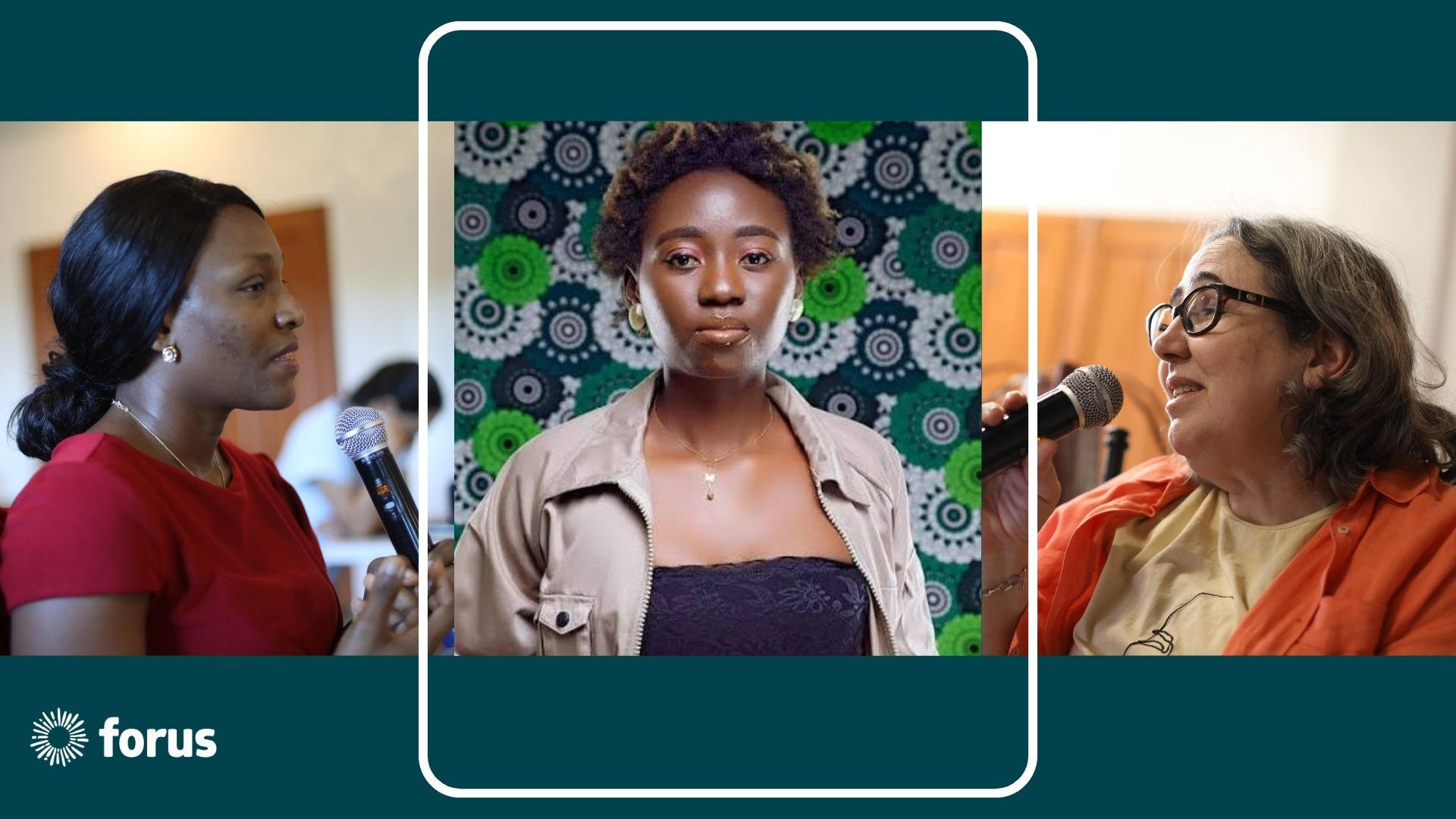
From Lomé to Rabat, and through Cameroon, three women, three journeys, and one shared conviction emerge: women should not merely occupy seats at decision-making tables—they should have the power to reshape those spaces.
Through their respective experiences, these three women share their perspectives on advocacy, women's leadership, and the persistent challenges to ensuring the full and meaningful participation of African women in the development of public policy.
Although their contexts differ, their stories echo one another, revealing a common reality: political change is built not only within institutions but also on the ground, in close partnership with the communities they serve.
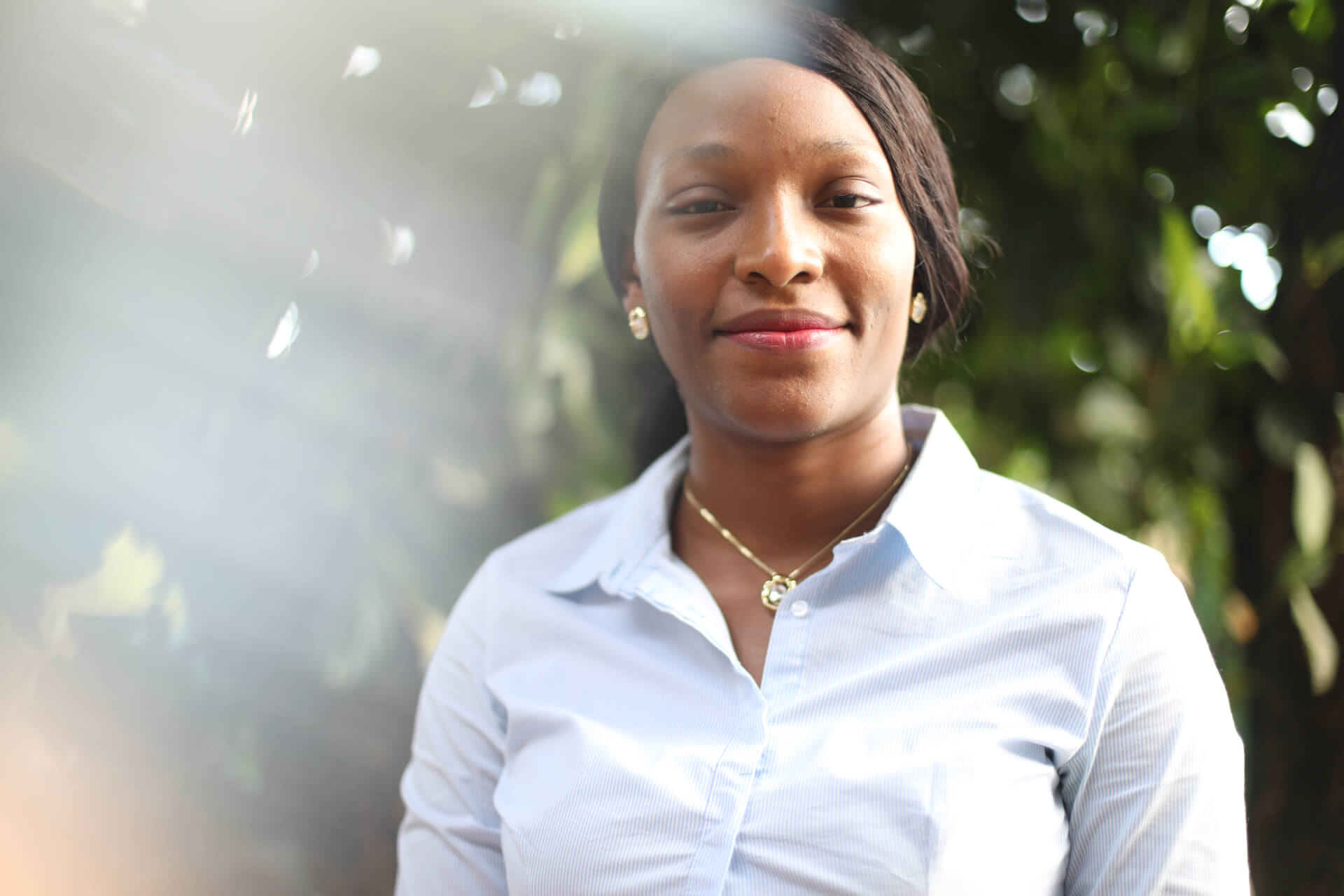
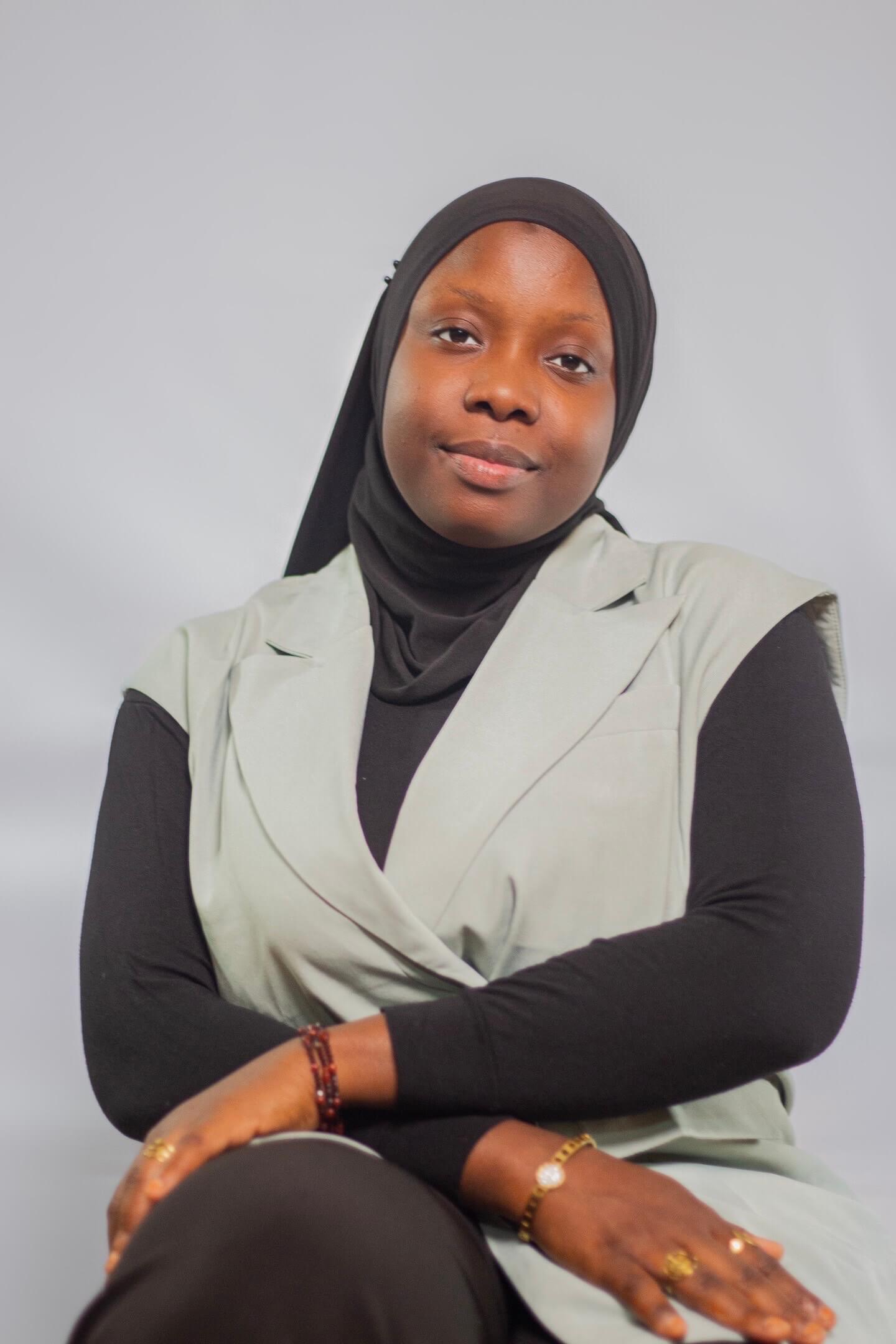
- Mylène Lawson (Togo)
Committed to strengthening civic participation and inclusive governance, Mylène Lawson works with ADRA Togo and the Federation of NGOs in Togo (FONGTO). She supports initiatives that promote citizen engagement, social inclusion, and women's leadership. Her work is grounded in Outcome Mapping and Outcome Harvesting, participatory approaches that emphasize behavioral change as a key indicator of sustainable transformation.
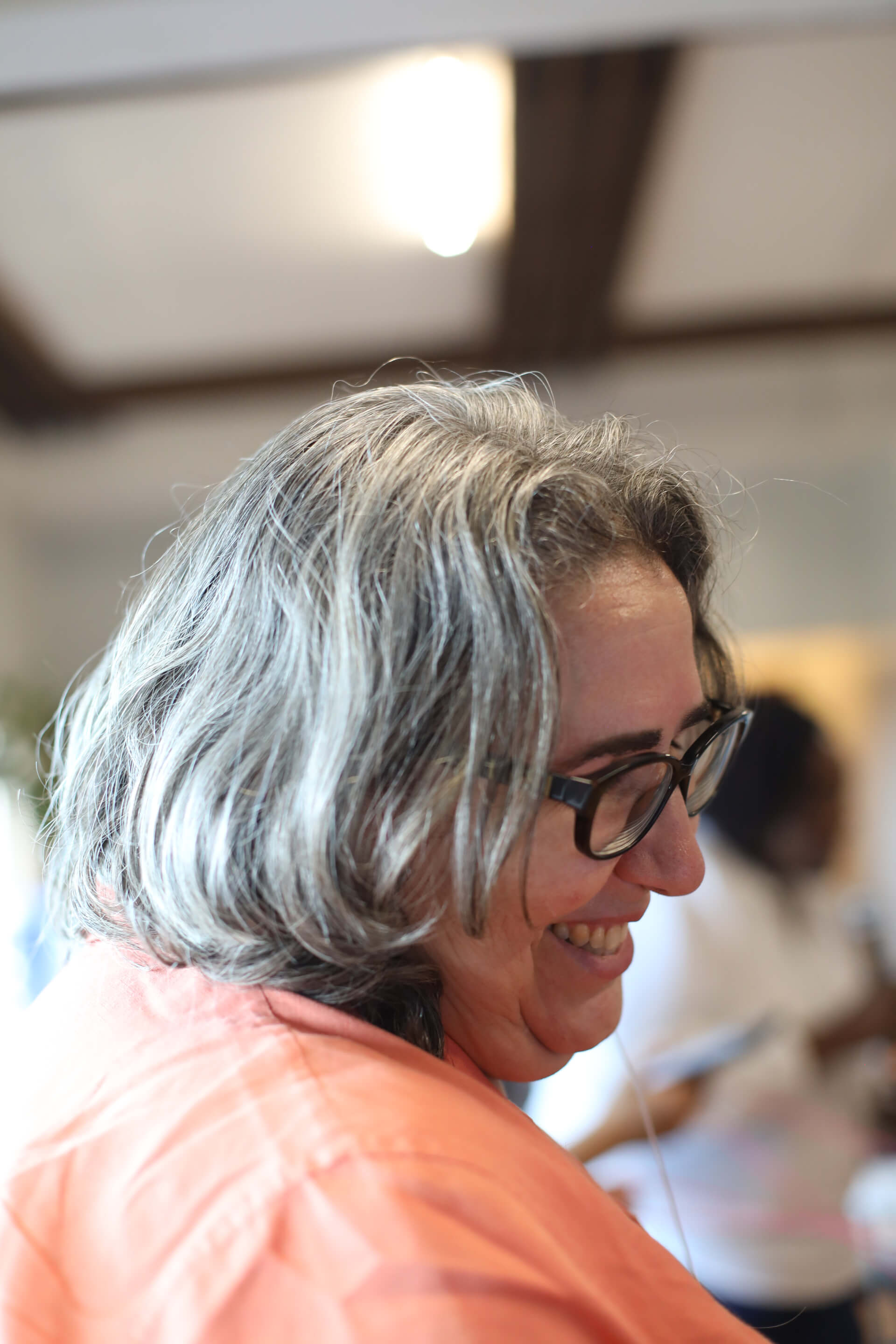
- Latifa Soufiani (Morocco)
President of Espace Associatif in Morocco, is a long-standing advocate for women's rights. Throughout her career, she has contributed to several national advocacy campaigns focused on reforming Morocco's Family Code, advancing gender parity in democratic institutions, combating gender-based violence, and strengthening women's political participation in Morocco and across Africa.
- Badal Fomoh (Douala, Cameroon)
Founder and Executive Director of Class PRO, a Media and Information Literacy (MIL) organization operating in eight African countries and Haiti. She serves as the Africa Representative for the UNESCO MIL Alliance, is a Youth Ambassador for Democracy with the Foundation for Democratic Innovation, and is the Secretary General of the Association of Cameroonian Bloggers. A blogger, sports journalist, fact-checker, and author, she wrote Blogger and Standing Tall: Chronicle of a Committed Voice, a reflection on civic engagement, digital activism, and the power of speaking out.
Influencing Public Policy Often Begins Long Before Decision-Making Spaces
For Mylène Lawson, influencing public policy is not limited to participating in high-level national negotiations. It often begins by making public policies understandable and accessible to citizens.
She points to her involvement in Togo's 2022 Universal Periodic Review (UPR) as a defining experience. Following the adoption of 194 human rights recommendations, she contributed not only to analyzing them but, more importantly, to translating them into practical advocacy tools for civil society organizations and local communities.
The recommendations were not meant to remain technical documents. They had to become advocacy tools that everyone could understand, take ownership of, and use.
This awareness-raising effort supported the development of a national action plan for implementing the recommendations while strengthening the capacity of stakeholders responsible for monitoring their progress.
For Mylène Lawson, the experience confirmed that lasting policy influence depends not only on the quality of recommendations but also on citizens' and civil society organizations' ability to understand and own them.
Latifa Soufiani shares this conviction, although her experience has largely been shaped through major national advocacy coalitions.
Influencing public policy is not limited to holding decision-making positions. It is also built through citizen mobilization, strategic alliances, and knowledge generated from realities on the ground.
Throughout her career, she has contributed to several advocacy campaigns that have shaped public debate in Morocco.
As a member of the Spring of Dignity Coalition, she helped draft policy memoranda, led nationwide awareness campaigns, and participated in symbolic initiatives such as the White March and the Orange March, which increased public visibility of the fight against violence against women.
She also took part in advocacy efforts supporting the reform of Morocco's Family Code, contributed to UN Women’s "Safe Cities and Safe Public Spaces" programme, and has been actively involved in the Movement for Gender Parity Democracy, which has worked for years to strengthen women's political representation.
More recently, following the Al Haouz earthquake, she led an advocacy initiative promoting the right to education for children living in some of the country's most remote villages.
These experiences have convinced me that effective advocacy rests on a combination of deep community engagement, strong coalitions, and continuous dialogue with public institutions."
Badal Fomoh, in 2024, participated in the drafting of an opinion piece by coordinating advocacy efforts on the inclusion of women in conflict resolution in Africa. This followed her role as Youth Ambassador for Democracy with the Foundation for Democratic Innovation. As part of her activities within Class Pro and her role as Africa Representative within the UNESCO MIL Alliance, she also contributed to integrating Media and Information Literacy (MIL) into continental policy discussions. In 2026, she submitted structured contributions to the draft African Framework for Media and Information Literacy during the UNESCO validation workshop in Lusaka, highlighting Francophone gaps, the risks associated with deepfakes in electoral contexts, and the role of civil society in MIL governance. These contributions helped enrich a framework document intended to guide national media literacy policies across the continent.
Structural challenges
Women still face challenges despite progress. Africa, being the birthplace of patriarchal societies, limits young women’s access to decision-making positions.
The lack of resources based on their gender and age. Many initiatives led by young women struggle to obtain the necessary resources to develop and ensure their sustainability.
Mylène Lawson
In Togo, social norms remain one of the main obstacles.
Despite progress made in education and legal equality, women are still insufficiently represented in decision-making spaces. Stereotypes persist, sometimes in very ordinary forms.
We still hear people say that a woman’s place is in the kitchen, regardless of her level of education or professional success.”
Beyond social perceptions, she also highlights a lack of information. Many women are still unaware of the spaces where they can make their voices heard or the mechanisms that would allow them to influence public decisions.
Latifa Soufiani
For Latifa Soufiani, the main challenge is no longer only about increasing the number of women present in institutions.
Today, the real question is whether they have genuine power to influence decisions.”
She emphasizes that patriarchal norms continue to limit women’s access to resources, networks of influence, and spaces where strategic decisions are made.
She also draws attention to several emerging challenges: political and digital violence targeting engaged women, as well as the specific obstacles faced by rural women, young women, and those from marginalized groups.
For her, political representation has meaning only if it is accompanied by a genuine capacity to influence public policy.
Badal Fomoh
The main challenge remains the lack of formal representation: women, and especially young women, are still too often consulted at the end of the process, without any real capacity to influence policy formulation. Added to this are language barriers, with Francophone spaces being underrepresented in continental dynamics, and the lack of structural funding for women-led organizations.”
Effective strategies or approaches to overcome these challenges
For Mylène Lawson, it is essential to continue efforts to raise awareness on this issue, both among the highest levels of government and within the most remote communities, in order to promote genuine collective awareness. It is also necessary to train and inform women at all levels, while recognizing their fundamental role in education and the transmission of values. Women who are already trained must be better informed about the spaces where they can express themselves and exert influence, while receiving support that enables them to transform their knowledge into concrete actions. In my work within ADRA Togo (a member of FONGTO), through the IQUALIFE programme and, more recently, the PACTE programme, implemented in six prefectures of the Maritime Region (Avé, Bas-Mono, Lacs, Vo, Yoto and Zio), the approach used is based on Outcome Mapping and Outcome Harvesting.
According to this approach, beneficiaries, women leaders, community leaders, cooperatives (SCOOPS), moral obligation holders (TOM), literacy facilitators and literacy groups are considered boundary partners. It is their behavioral changes, rather than traditional project indicators, that constitute the true markers of progress. In several of these prefectures, we have supported women who, at the beginning, attended community meetings without speaking. Gradually, they began to express their concerns and then actively participate in discussions.
Today, some of them take part in exchanges with local authorities on issues related to education, social inclusion, and community development.
Latifa Soufiani
Experience shows that the most significant advances in women’s influence on public policies rarely result from a single measure. The most effective strategies generally combine institutional reforms, the strengthening of women’s leadership, citizen mobilization, collective action, and dialogue with decision-makers.
One of the most effective approaches has been the establishment of mechanisms that promote women’s access to decision-making institutions. Rwanda is a major reference in this regard. Through mechanisms guaranteeing strong representation of women in political institutions, the country now has one of the highest rates of women parliamentarians in the world. This presence has contributed to advancing policies related to combating gender-based violence, maternal health, and women’s economic rights.
Badal Fomoh
The levers, however, are real: pan-African networks such as UNESCO Alliances or platforms like AfricTivistes create spaces for collective legitimacy. Mastering digital tools and data-driven advocacy is a major accelerator. And above all, intergenerational transmission: training younger generations, as we do with CritiKids, is a long-term political investment.”
Opportunities or favorable factors likely to further support women’s leadership and influence in political spaces
Mylène Lawson
In my view, digital technologies and social networks are now powerful tools for mobilization. They allow women to share their experiences, raise public awareness, and directly interact with decision-makers on issues affecting their communities.
Furthermore, participatory approaches such as Outcome Mapping offer interesting opportunities to highlight women’s contributions. They focus on behavioral changes and influence relationships, and make it possible to recognize progress that often remains invisible in traditional systems.
Latifa Soufiani
Several factors are currently creating a favorable environment for strengthening women’s leadership. Legal and institutional reforms are gradually opening up more spaces for women. The advancement of girls’ and women’s education is enabling the emergence of a new generation of highly qualified leaders. The development of digital technologies provides new means of expression, mobilization, and influence. The vitality of African civil society is also a major asset. The emergence of inspiring female role models is helping transform social perceptions. Finally, the growing recognition that inclusive governance produces better public policies strengthens the legitimacy of women’s participation in decision-making spaces.
Young women are now actors of change. They have the capacity to innovate, mobilize, and above all, to lead political advocacy efforts. They are part of a dynamic movement to promote an inclusive vision of governance, social justice, and women’s civic participation in order to build more inclusive and democratic societies.
Finally, the shrinking of civic space observed in some African countries directly affects their ability to act. Restrictions on freedom of expression, association, or assembly can limit opportunities for mobilization and advocacy.
Governments and stakeholders must invest in women’s leadership to sustain this transformation among the new generation of engaged young women and amplify their voices.
This article has been developed throught the Forus Journalism Programme. Mylène Lawson and Latifa Soufiani were part of the Forus Leadership Programme in 2025.
Fri 17 Jul 2026
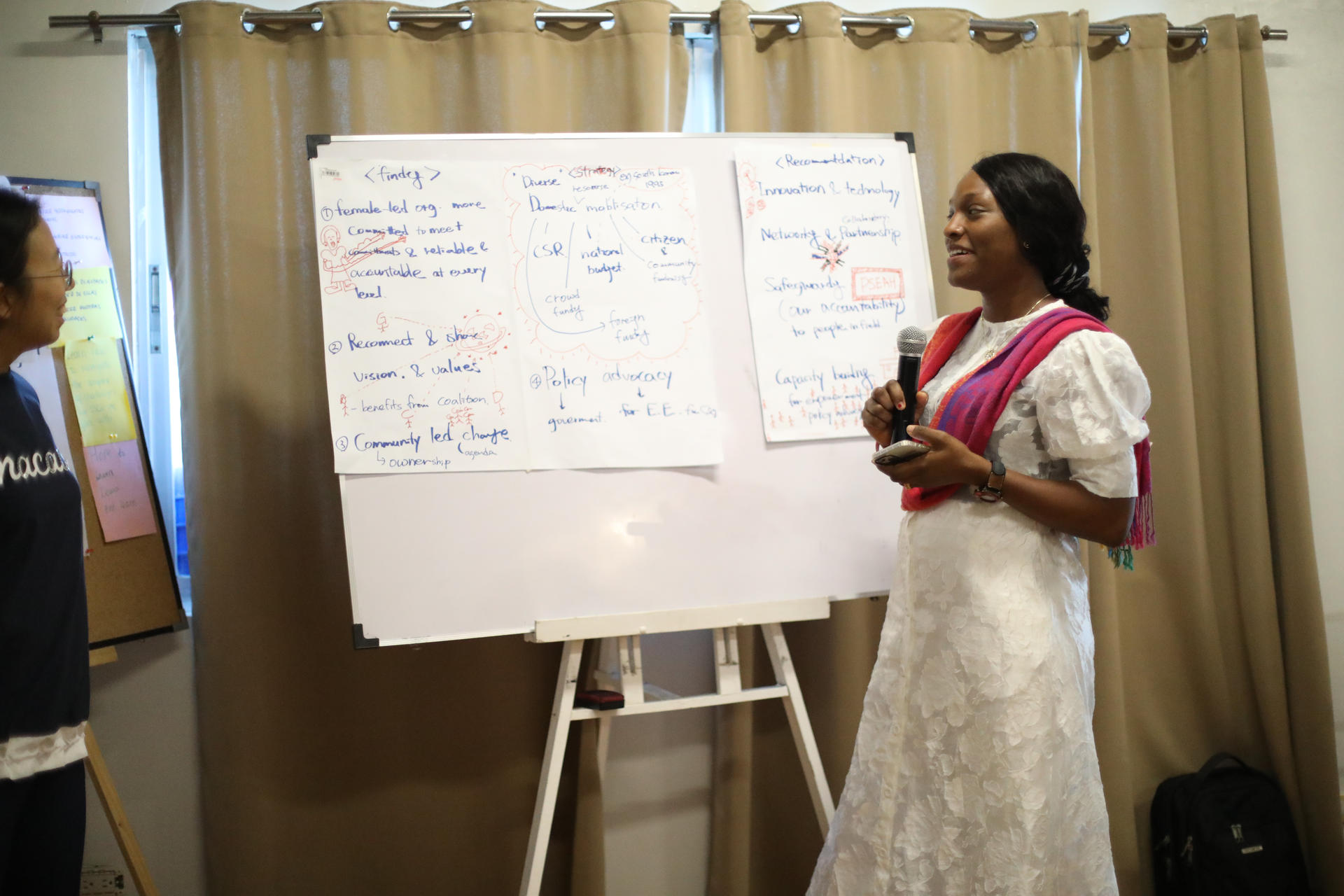
Mylène Lawson: "It's often in translating, appropriating and following up on recommendations that lasting influence over public policy is built" A civil society perspective on turning human rights commitments and women's leadership into lasting change for communities in Togo and across the region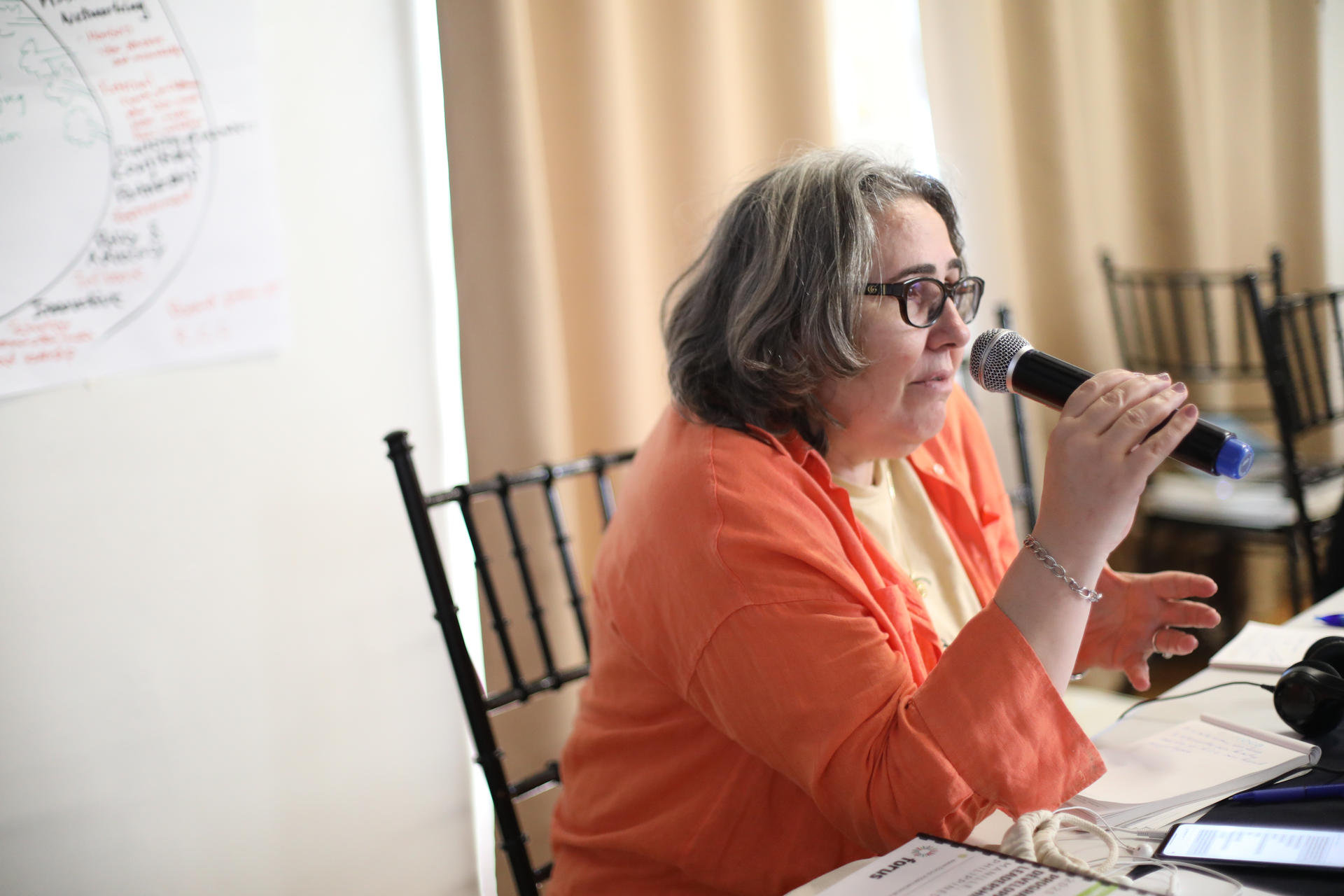
Fri 17 Jul 2026
Latifa Souflani: "Influence isn't just about holding a seat at the decision-making table — it's built through citizen mobilization" A civil society perspective on why meaningful participation, accountability and inclusive governance are essential to turning commitments on women's rights and sustainable development into real change for communities.