
CAMPAIGN
#Let's Talk Digital
No civic space without digital space!
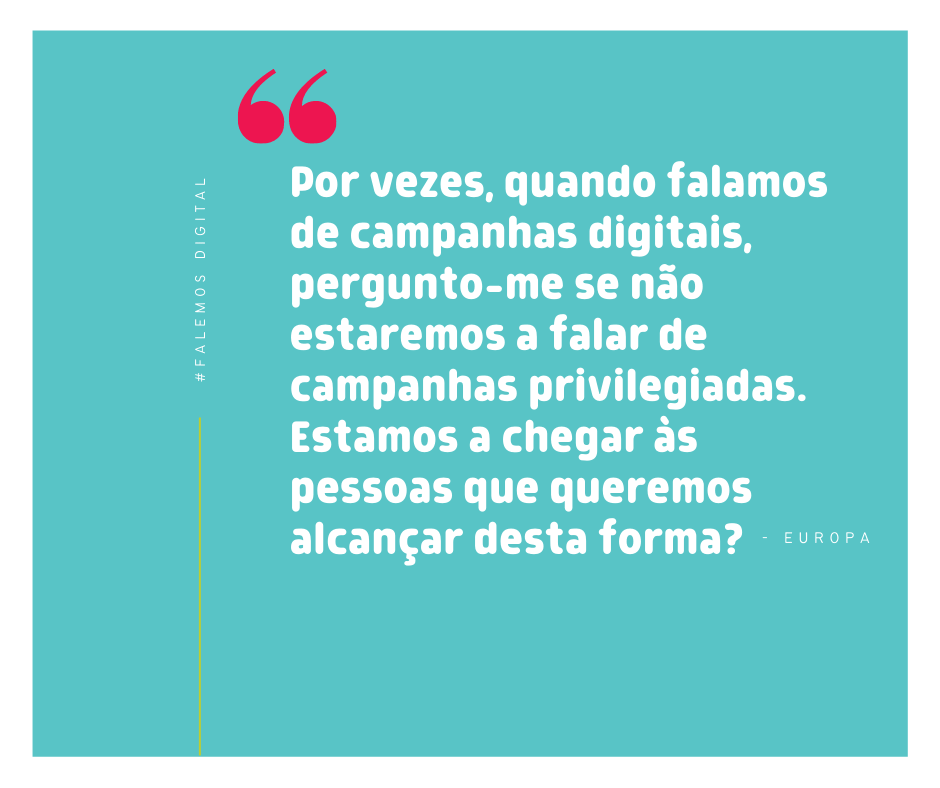
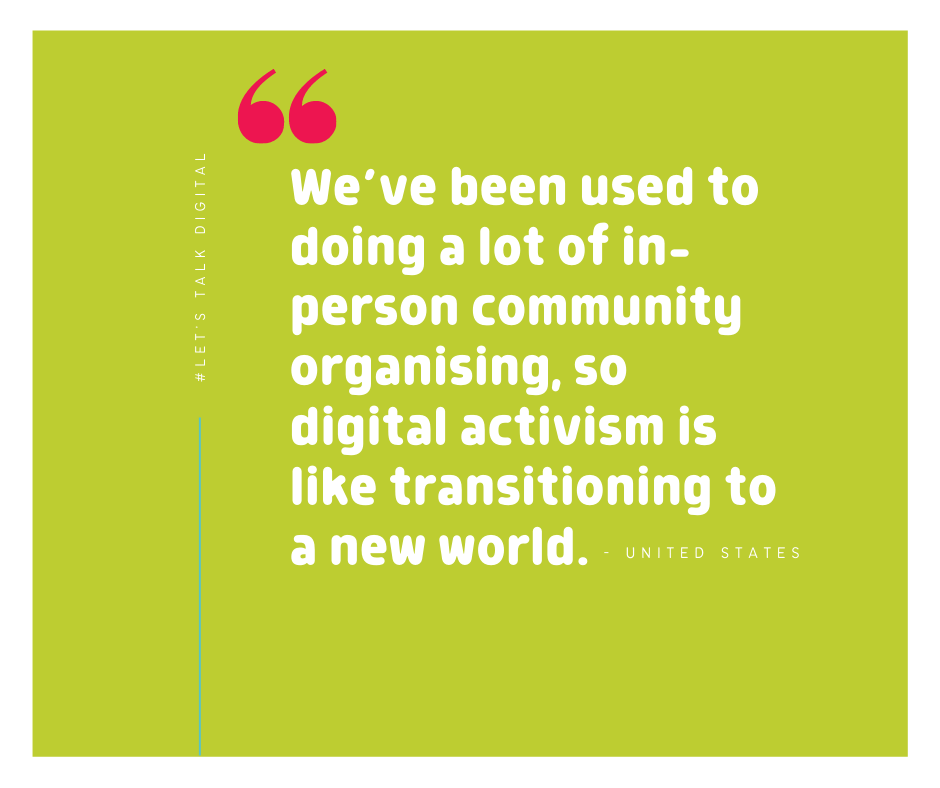
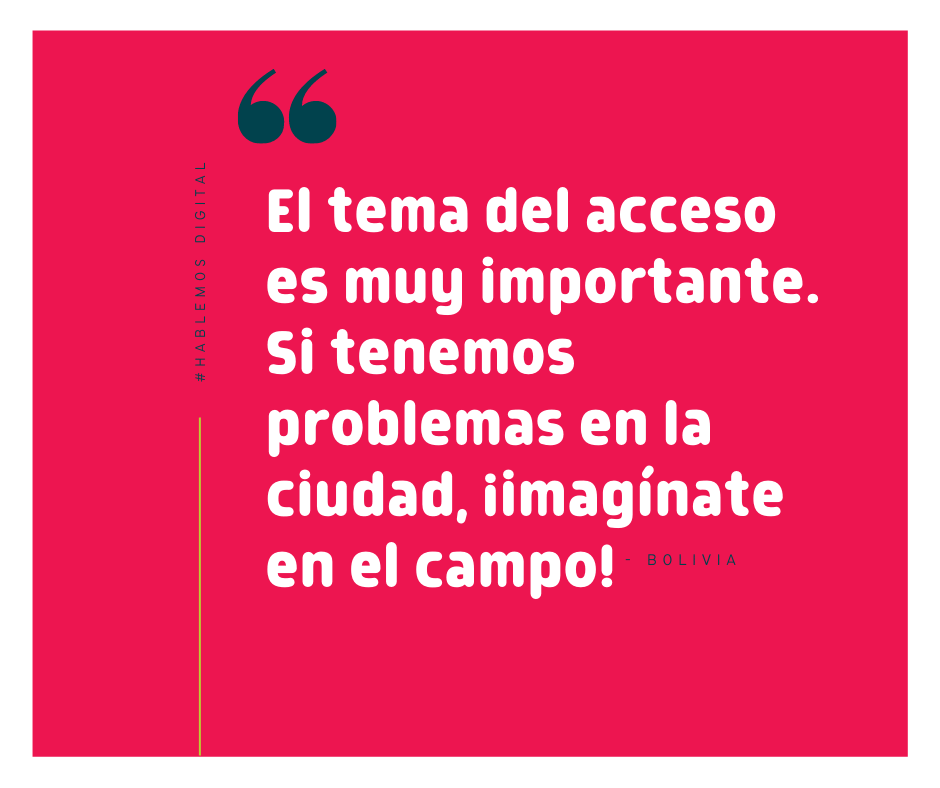
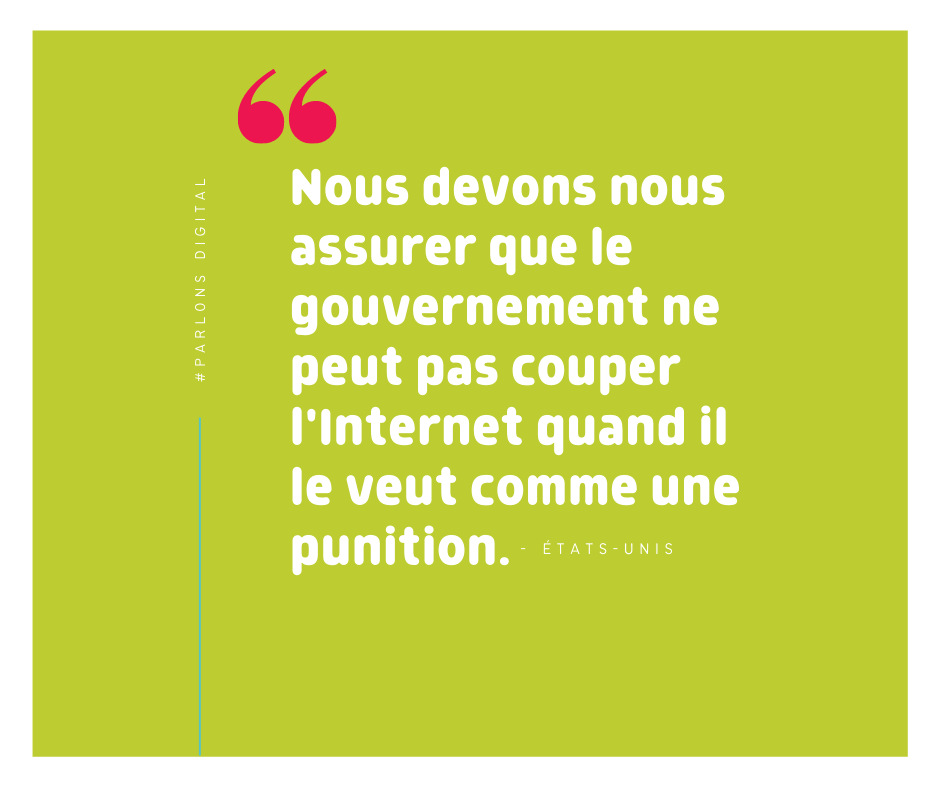
The #Let'sTalkDigital campaign, launched in 2021 by Forus, is a global initiative exploring and addressing the impact of digital technologies on civil society.
The tagline "no civic space without digital space" encapsulates the campaign's central message: digitalisation is not just a technical evolution but a key dimension influencing freedoms of association, assembly, and expression. At the same time the campaign calls for “Talks”: discussions, and inclusive conversations around digital governance, challenging power relations in the digital sphere.

Digital Governance and Rights
Our Work
Forus as a network, focuses on human-centric digital governance, promoting digital rights and equitable access. We are a consortium member of the #CADE project supporting civil society in internet governance forums, as well as the #KeepItOn coalition against internet shutdowns. We raise awareness about emerging technology risks, providing CSOs with digital security and advocacy tools, and we engage with our members in global policy discussions to ensure inclusive, transparent decision-making and the representation of civil society visions.



Listen to our podcast series Digital Futures on rights, barriers and opportunities in internet governance.
This podcast complements a detailed mapping study on the barriers and opportunities civil society faces in internet governance spaces worldwide. Throughout this series, we’ll journey across the globe, connecting with voices at the heart of digital transformation and digital rights. Digital Futures is brought to you by Forus for the Civil Society Alliances for Digital Empowerment - CADE, a project co-funded by the European Union.
Listen to the intro episode
/ Podcasts
See all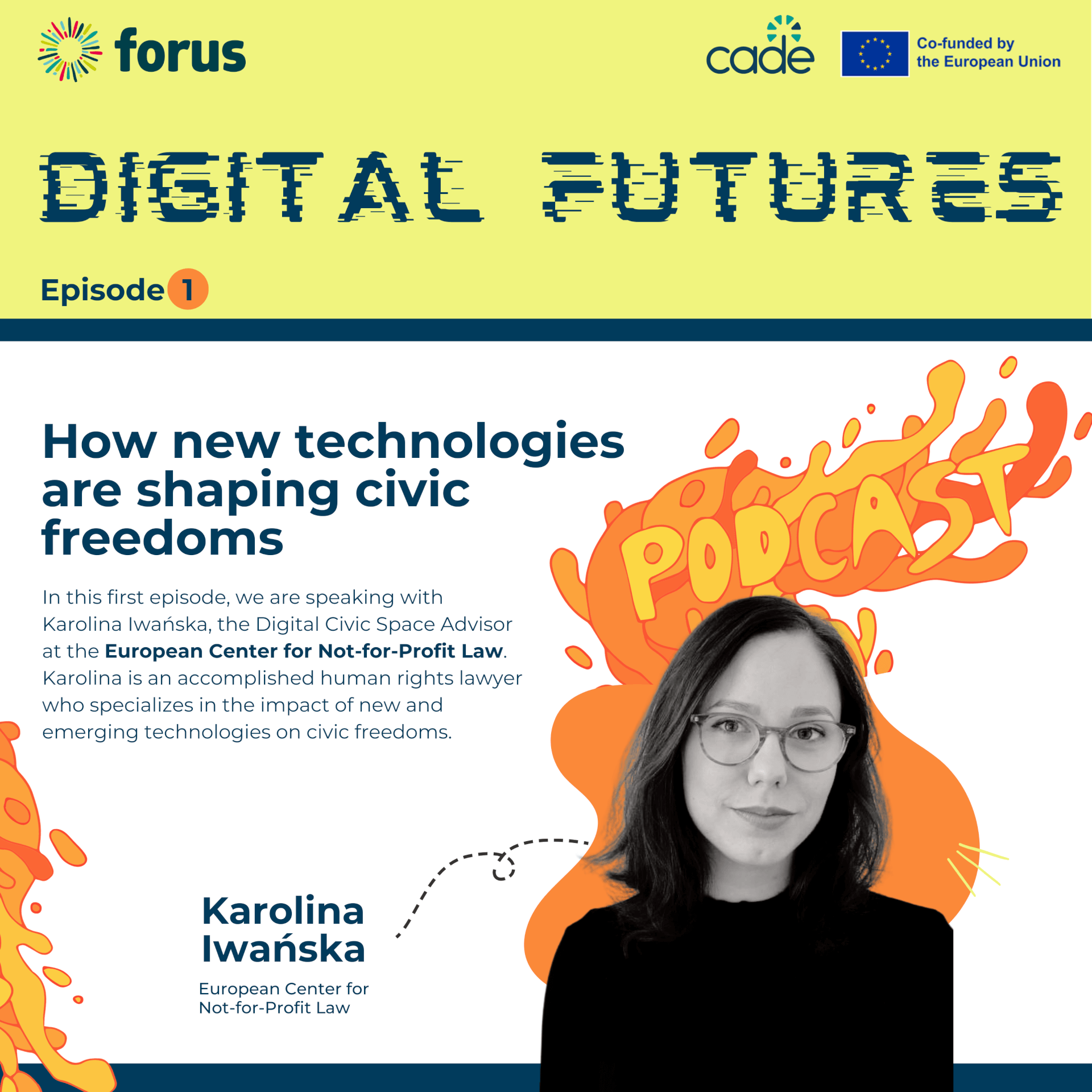
Mon 9 Dec 2024
Digital Futures: How new technologies are shaping civic freedoms


Mon 9 Dec 2024
Digital Futures: Shaping policy and defending digital rights across Africa

Mon 9 Dec 2024
Digital Futures: Advocating for digital rights in West Asia and North Africa

Mon 9 Dec 2024
Digital Futures: Digital development in Taiwan

Mon 9 Dec 2024
Avenirs Numériques: La transformation numérique et la société civile au Sénégal

Mon 9 Dec 2024
Avenirs Numériques: Transformer le travail de la société civile en RDC

Mon 9 Dec 2024
Avenirs Numériques: La société civile de Madagascar et la gouvernance de l'internet

Mon 9 Dec 2024
Futuros Digitales: Tecnologías digitales al servicio de los derechos humanos

Mon 9 Dec 2024
Futuros Digitales: Feminismo y participación comunitaria en los derechos digitales

Thu 9 Oct 2025
Raising her Voice: Nepali women on the intersection of tech and gender

Wed 11 Jun 2025
Voces del artivismo digital con Fundación KISTH, Ecuador

Wed 11 Jun 2025
Voices of digital Artivism with Hope Rise Foundation Nepal


Sun 8 Dec 2024
#CADE - Dismantling barriers for civil society in internet governance
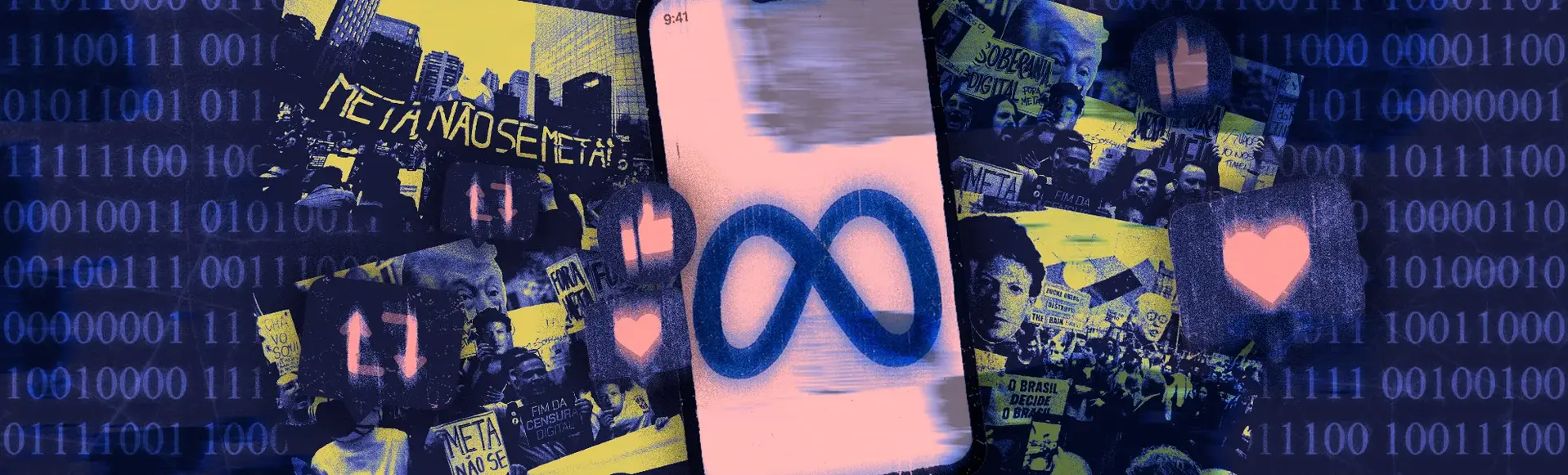

Mon 2 Mar 2026
Who Gets to Shape the Future? AI, Africa, and the Fight for a Fair Digital World Artificial intelligence is being built at speed — but not for everyone. Without urgent, deliberate action, it will deepen the very inequalities it promises to solve. Here's what a fairer future could look like, and why Africa holds the answers the world isn't asking for.
Mon 2 Mar 2026
When Democracy Gets Deepfaked As six African nations head to the polls in 2027, AI-generated disinformation is already reshaping the electoral battlefield With six African nations — Nigeria, Kenya, Angola, Gambia, Equatorial Guinea, and the Republic of the Congo — heading to the polls in 2027, the continent faces its most technologically complex electoral cycle to date. Deepfake content grew by 550 percent between 2019 and 2023, according to a January 2025 Deloitte report. AI tools that once required specialist knowledge can now produce convincing synthetic video and audio in minutes. The political battlefield is being quietly remapped.
Mon 2 Mar 2026
The Illusion of Governance: How Civil Society Is Filling the Gap Between AI Law and AI Reality Across Africa and beyond, governments are writing ambitious AI regulations that exist largely on paper. It is civil society — not the state — that is doing the hard work of making them real.
Fri 29 Aug 2025
AI and civil society: rethinking communication in a digital age Artificial intelligence (AI) and emerging technologies are reshaping the way civil society organisations communicate, advocate and mobilise. But what does this mean for civil society – especially those working in fragile contexts where trust, rights and participation are consistently at risk?
Tue 11 Jun 2024
Launch of the Civil Society Alliances for Digital Empowerment project (CADE) Co-funded by the European Union, the CADE project aims to enhance the active participation of CSOs in global governance and development initiatives. This initiative is crucial in fostering inclusive and participatory democratic processes worldwide.
Sun 7 Jul 2024
Social Media Strategies And Digital Advocacy for Civil Society Al margen del Foro Político de Alto Nivel que se celebró en Nueva York, Forus organizó un taller sobre estrategias de redes sociales y promoción digital en el que se presentaron diversas campañas e iniciativas en torno al espacio cívico, la cooperación internacional y la implementación y seguimiento de la Agenda 2030.



Tue 26 Sep 2023
TechTalks: Digital Strategies for Civil Society How can civil society organizations conduct public education and awareness campaigns to combat disinformation and misinformation, which have the potential to erode public trust in their work? How can they measure the effectiveness of these initiatives? How can websites serve as informative platforms to showcase the impact, narratives, and collaborations of civil society organizations?
Tue 18 Jul 2023
Civil society calls on EU to protect people’s rights in the AI Act ‘trilogue’ negotiations - European Digital Rights (EDRi) As EU institutions start decisive meetings on the Artificial Intelligence (AI) Act, a broad civil society coalition is urging them to prioritise people and fundamental rights.

Wed 25 Jan 2023
Digital Politics: “Disconnected Citizens Are Kept Away from Opportunities” In 2022, Saudi Arabia “quietly” sentenced Salma al-Shehab to 34 years in prison over her Twitter activity, marking the longest Saudi sentence ever for a peaceful activist. Fast forward and award-winning Ugandan author Kakwenza Rukirabashaija was charged with two counts of “offensive communication” after making unflattering remarks about the president and his son on Twitter. …
Wed 6 Jul 2022
New report looks at the power of positive narratives and digital rights to support activism worldwide The sustained and multifaceted critique of civil society, and of activists in particular, by a growing number of political regimes who outbid themselves in calling into question the legitimacy, independence, and credibility of NGOs and civic actors mobilising around the world, represents a significant and increasing threat.

Fri 10 Jul 2026
#CADE: AI for good, but for whom? Reimagining AI Governance for the Global Majority - Recap video How do we build AI governance that redistributes power, protects human dignity, recognises labour, prevents harm and exploitation, and expands democratic agency, particularly in the Global Majority, where extractive AI value chains, informal economies, and diverse epistemic traditions are often erased from policy conversations? Discover the highlights from the event organised by the Civil Society Alliances for Digital Empowerment (CADE), led by Diplo, to test an AI regulation sandbox on the sidelines of the ITU AI for Good Global Summit 2026. This side session, structured as an AI regulatory sandbox, convened technologists, policymakers, civil society, trade union and labour representatives, legal specialists, and other specialists to reframe the global AI governance debate and draw on diverse experiences to tackle the questions facing us today. In the session, justice was centered as the fundamental test of whether AI truly serves humanity, using realistic scenarios to test governance structures and bring together varying – sometimes opposing – perspectives on regulation. This event was organised in partnership with the Arab Reform Initiative, the feminist collective Pollicy, the Women of Uganda Network (WOUGNET), Women in Internet Governance, Tinuadeniyi Tech Foundation, and the Center for AI Ethics and Governance in Africa (CAIEGA). The video and interviews have been carried out by CADE partner #Forus. CADE is co-funded by the European Union. #DigitalWeek #D4D #CADE #AIregulationDiscover the CADE project
Enhancing civil society's participation in digital governance
Why Create a Civil Society Manifesto for Ethical AI? Because the narratives and insights of civil society organizations regarding AI development and utilization have often been marginalized in discussions.
The Civil Society Manifesto for Ethical AI is more than just a static document; it's a dynamic project that goes beyond words. It encompasses in- person roundtables, discussions, and storytelling and shares the multiple and diverse efforts of civil society organisations, human rights activists and tech experts to change the approach and narratives around AI and machine learning. In the Manifesto, you will encounter not only a collection of recommendations but also narratives, experiences, and aspirations for a future where technological progress is a topic of shared discourse and reflection.

Discover the Civil Society Manifesto for Ethical AI

Connecting African Youth with digital opportunities and ensuring digital rights for all
Discover various resources from Paradigm Initiative protecting citizens and human rights defenders across Africa.





Ayeta
A proactive toolkit for African digital rights actors
Developed by Paradigm Initiative (PIN) with the support of Stanford Digital Society Lab and the Kingdom of Netherlands, amongst other partners, the toolkit’s overarching aim is to address the growing need to safeguard digital rights defenders, journalists, whistle blowers, and others working with sensitive information in the global South.
Ripoti
Ripoti enables people to report digital rights violations in Africa
Ripoti works with a community of advocacy organisations, human rights organisations, digital rights organisations, researchers, strategic litigation lawyers, National Human Rights Institutions, and other relevant actors and stakeholders to document, respond to and address violations including getting justice for the victims were required.
The Digital Enquirer Kit
While the effects of misinformation are noticeable across the globe, they can be particularly harmful to societies in the global south where public debates are often dominated by few and where the rapid advance of digital technologies is prone to reinforce existing inequalities. In particular, misleading narratives, sometimes coupled with online gender-based violence and other forms of online discrimination, lead to an online information space that silences dissenting voices and excludes children, women, and other marginalized groups.
While the effects of misinformation are noticeable across the globe, they can be particularly harmful to societies in the global south where public debates are often dominated by few and where the rapid advance of digital technologies is prone to reinforce existing inequalities. In particular, misleading narratives, sometimes coupled with online gender-based violence and other forms of online discrimination, lead to an online information space that silences dissenting voices and excludes children, women, and other marginalized groups.
That’s why our friends from the Human Rights department at the German Agency for Development Cooperation (GIZ) have joined forces with civil society organizations from multiple regions to develop the Digital Enquirer Kit.
The Digital Enquirer Kit is a modular set of e-learnings, that consists of interactive tasks, real life examples and advice on how to counter misinformation and increase one´s own digital security.
It is specifically designed for human rights defenders, activists and students. In order to reach this designated target group, the contents of the course have been localized by digital security experts from all over the world and will be freely available in 11 languages. Addressing topics such as freedom of information, online gender-based violence, as well as online security of children, the Digital Enquirer Kit ultimately aims to sensitize learners to digital rights issues and empower them to strengthen the capacity of their communities.

/ Podcasts
See all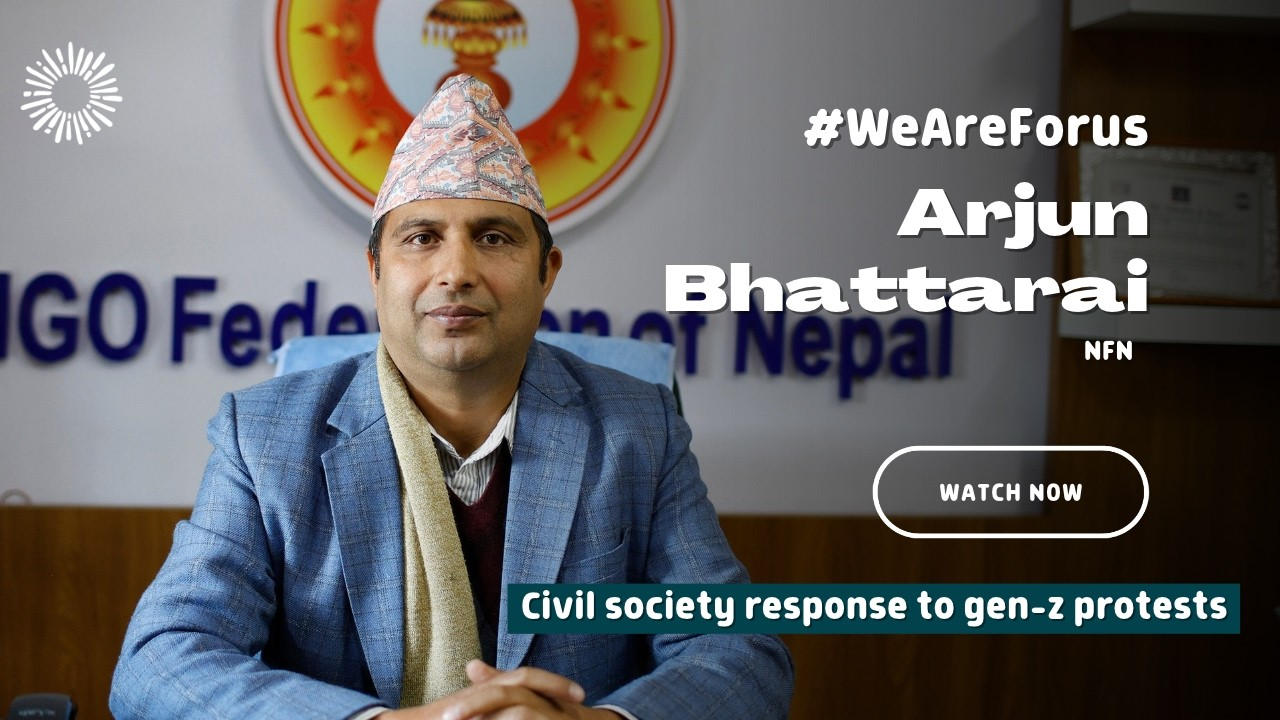
Thu 8 Oct 2026
#WeAreForus - NFN on Gen-Z protests and civil society response
Fri 10 Jul 2026
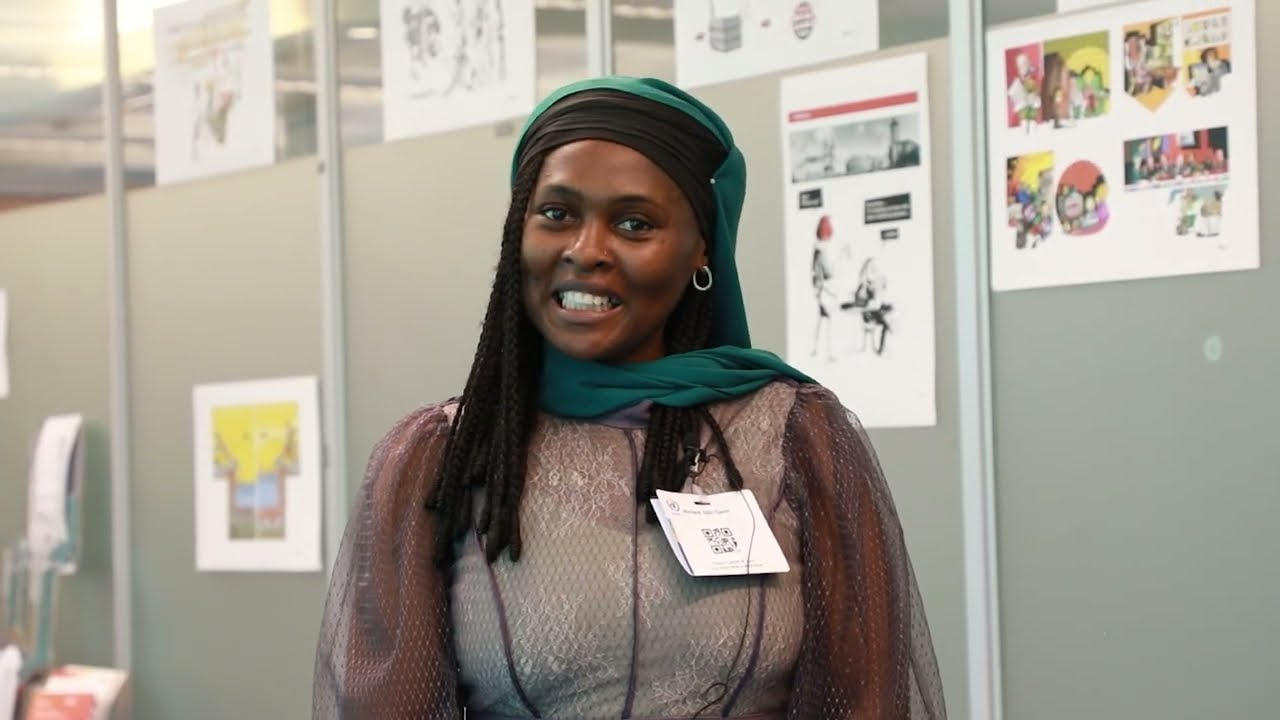
#CADE: AI for good, but for whom? Reimagining AI Governance for the Global Majority - Recap video
Sat 8 Nov 2025
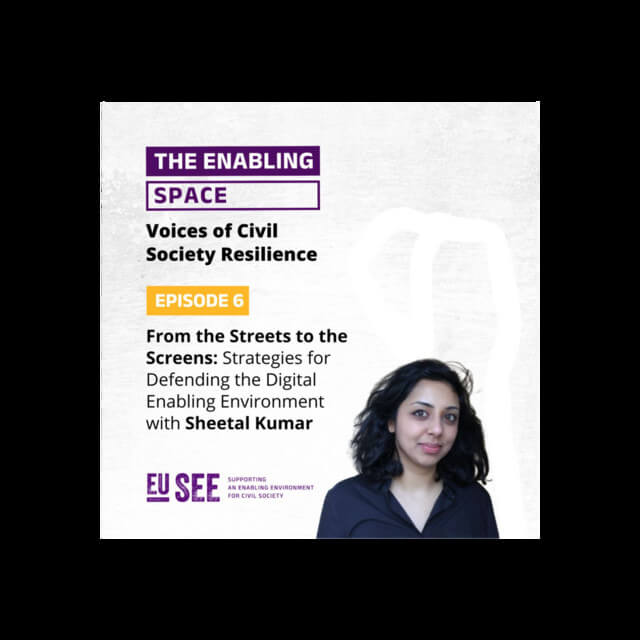
From the Streets to the Screens: Strategies for Defending the Digital Enabling Environment

Wed 4 Mar 2026
#MarchaConNosotras - Jazmín Ruiz Díaz de TEDIC sobre violencia digital basada en género
Wed 4 Mar 2026
#MarchWithUs - Mariana Valente on Gender, Digital Rights & Hate Speech
Thu 9 Oct 2025
Raising her Voice: Nepali women on the intersection of tech and gender

Pandemic of Control: Digital Authoritarianism and COVID-19 in the Asia-Pacific
Through diverse Asia-Pacific perspectives, 'Pandemic of Control' aims to address the rise of digital authoritarianism by raising awareness, sparking conversation, and encouraging action. Produced by EngageMedia in partnership with CommonEdge, the collection features pieces by writers and researchers from Indonesia, Vietnam, India, Sri Lanka, Bangladesh, Nepal, and Australia. Covering topics ranging from privacy and data security concerns surrounding contact tracing apps, to governments’ increasing use of surveillance and censorship to suppress criticism, the authors question the how and the why of their respective countries’ pandemic response and shed light on more rights-respecting paths moving forward.

In 2022 forus partnered with Connect Humanity, the Fund for Global Human Rights, Future Vox and over 15 members to research the impact of narratives in the digital world.
The aim of the “Enabling Stories” report is to examine two key factors which have been rapidly transforming civic space across the world in recent years, often negatively impacting the rights and freedoms of activists and civil society practitioners and their operating environments. These factors are, firstly, the COVID-19 global health pandemic and secondly, the accelerating global process of digitization.

Acampamento Terra Livre
© Midia Ninja
/ Reports & publications

Wed 24 Dec 2025
Youth Manifesto for Digital RightsYoung people are the internet’s largest user group, but are often the furthest away from internet governance forums. The Youth Voices for Digital Rights project convened fifteen young activists in a multiregional, multilingual space to learn, share, and co-create solutions to today’s digital challenges.
Wed 18 Oct 2023
Civil Society Manifesto for Ethical AIDeveloped with over 50 Forus members and partners, the multilingual Civil Society Manifesto for Ethical AI includes 17 case studies and was created with organisations from over 30 countries. Discover it during the official launch on December 6.
Tue 5 Jul 2022
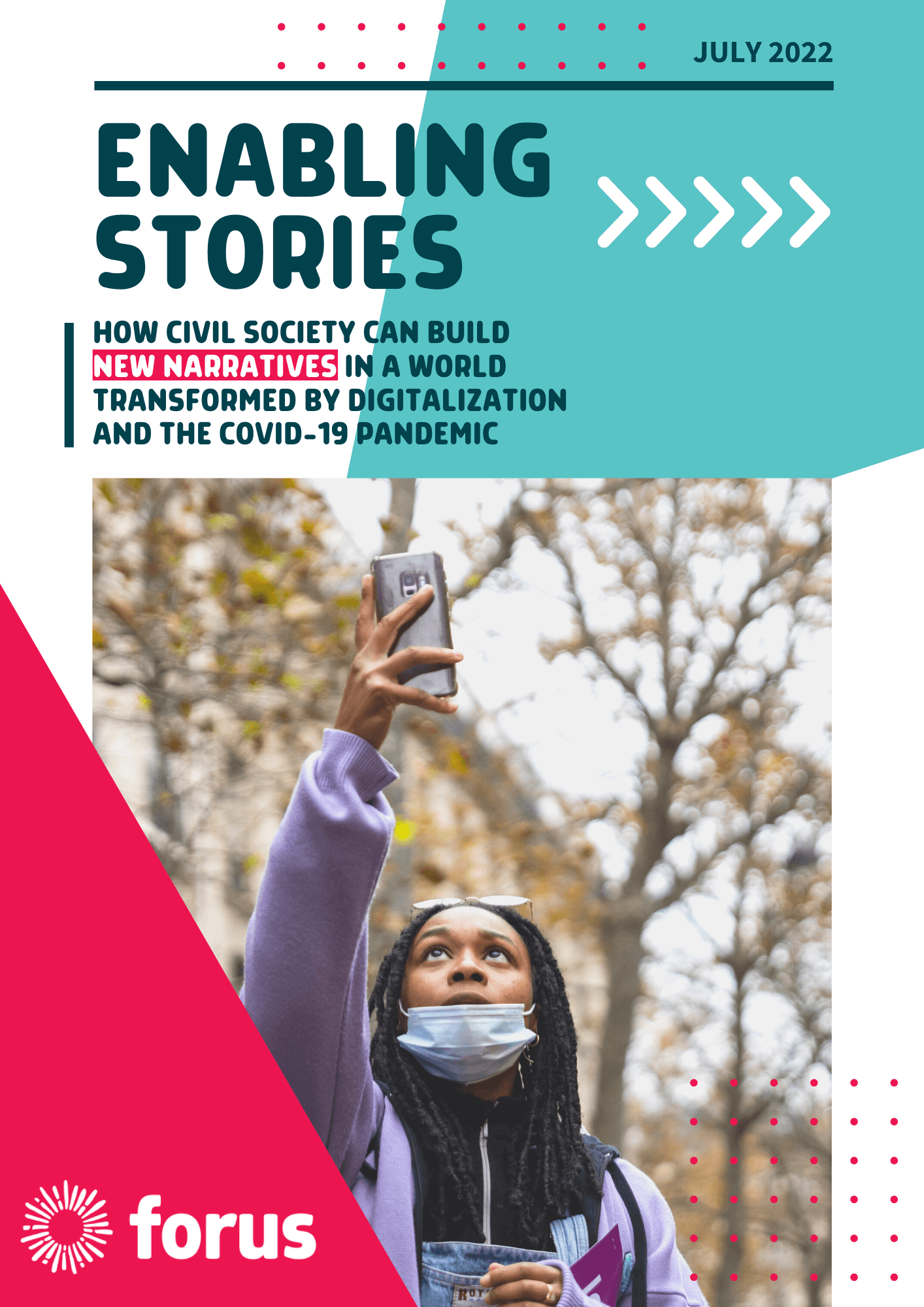
Enabling Stories - How civil society can build new narratives in a world transformed by Digitalization and the Covid-19 PandemicThe aim of this report is to examine two key factors which have been rapidly transforming civic space across the world in recent years, often negatively impacting the rights and freedoms of activists and civil society practitioners and their operating environments. These factors are, firstly, the COVID 19 global health pandemic and secondly, the accelerating global process of digitalization.
Fri 9 Jul 2021
Towards an Enabling Digital Environment for Civil Society - Full ReportThe purpose of this report, “Towards an enabling digital environment for civil society”, is to highlight the impacts of digitalisation experienced by our civil society members; to explore risks and important opportunities; and to advocate for an inclusive, human-rights-based and democratic form of digitalisation that will empower and enable rather than restrict and repress.
Agenda 2030 - HLPF - Influence
Tue 23 May 2023
TECH FOR DEMOCRACY: Learnings from the Year of ActionDuring the Year of Action, key areas of commitment made by stakeholders have centered on the creation of novel networks and channels of collaboration; knowledge production; dissemination of information and tools; monitoring and accountability; outreach and advocacy, regulatory and normative frameworks; as well as developing platforms, digital tools, and technologies. Read the findings and reccomendations!

Tue 23 May 2023
State of Digital Inequity ReportThis report explores the results of the largest ever survey of civil society’s digital haves and have-nots.
/ ARTICLES

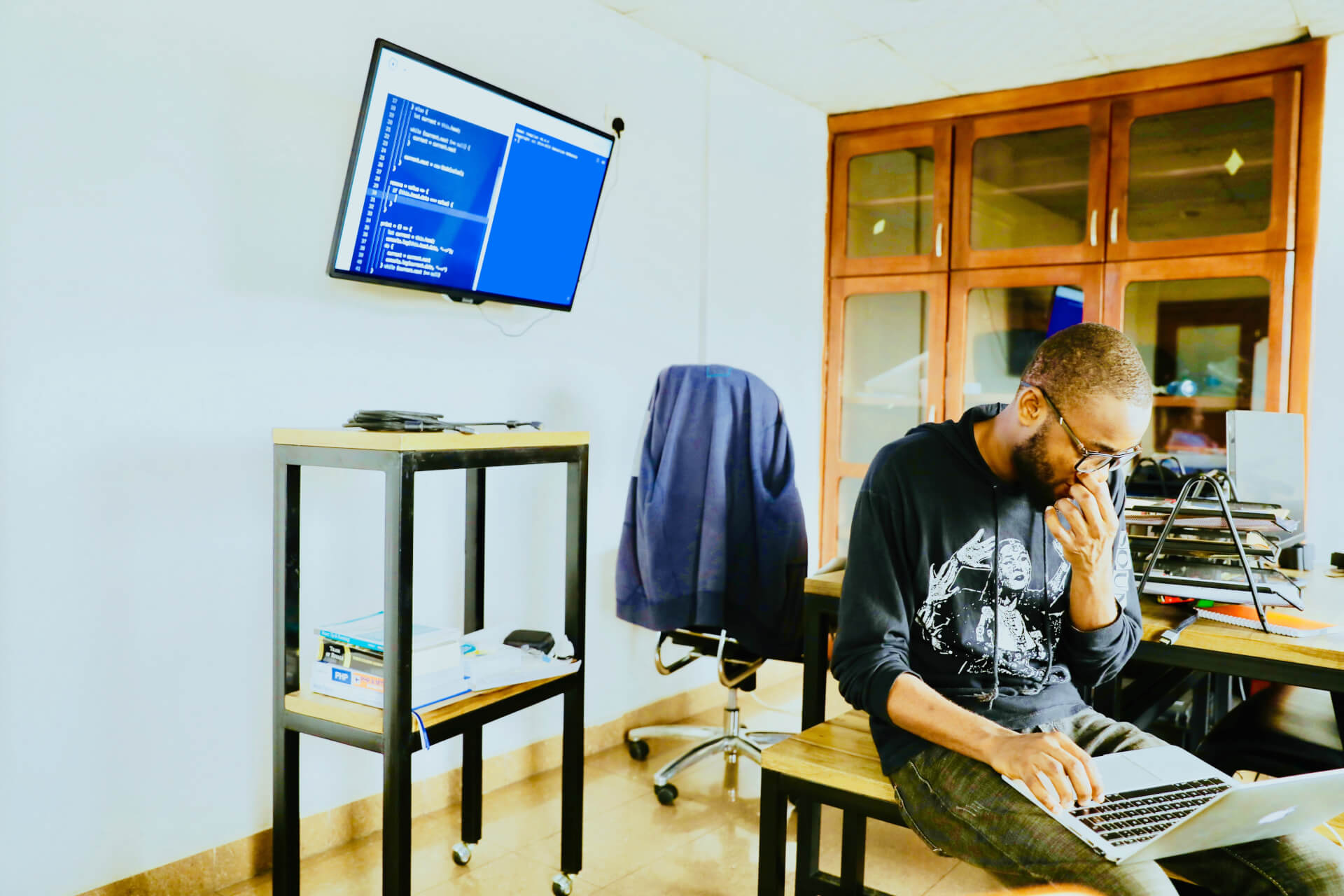


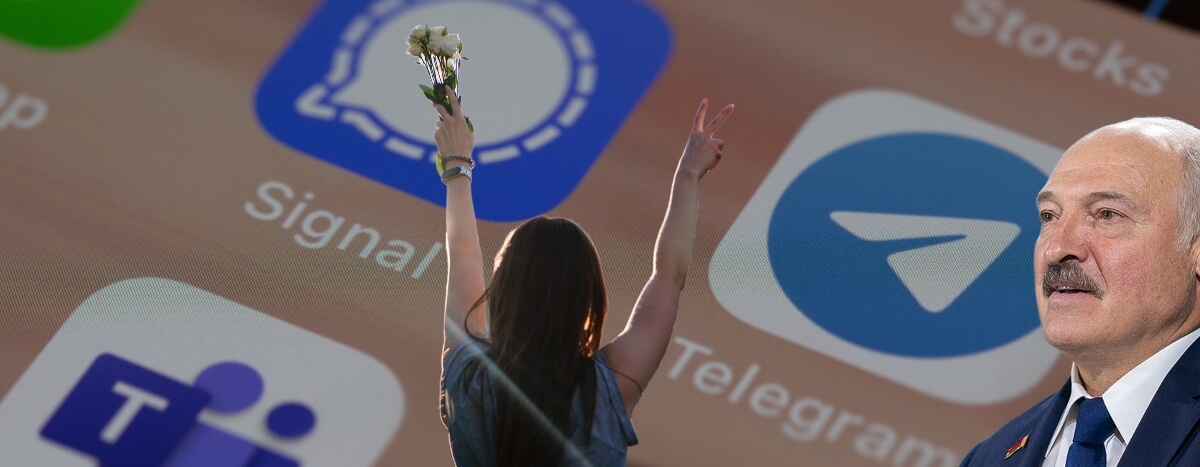




Forus continues to develop its #Let's Talk Digital collective campaign with partners and allies collecting ideas and sparking debates about digitalization. Contributions are used to advocate for new digital frameworks which are inclusive, safe and accessible to all. Do you have a publication or activity to promote? Ideas on how civil society can take part in digitalization processes?
